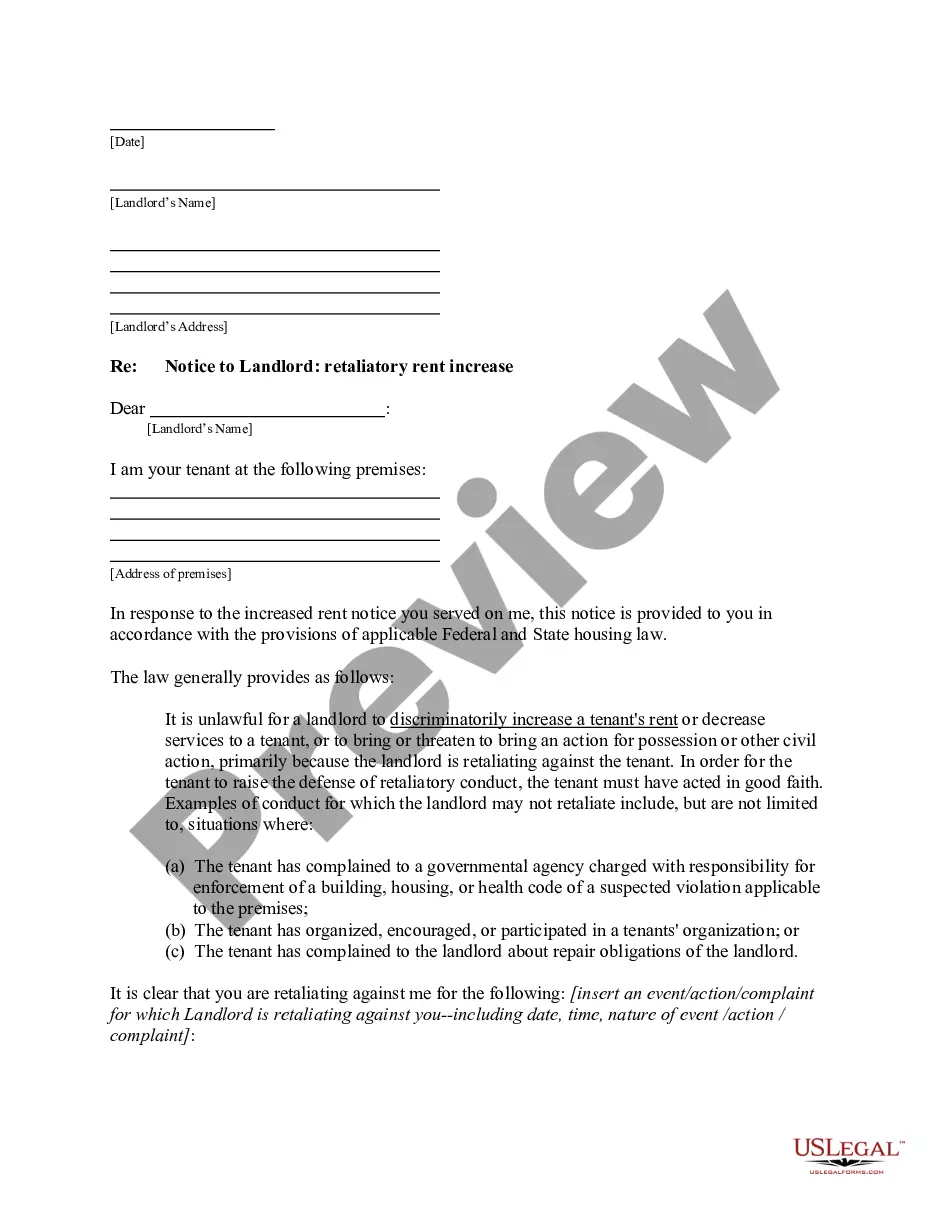
Notice For Rent Increase Florida
Description
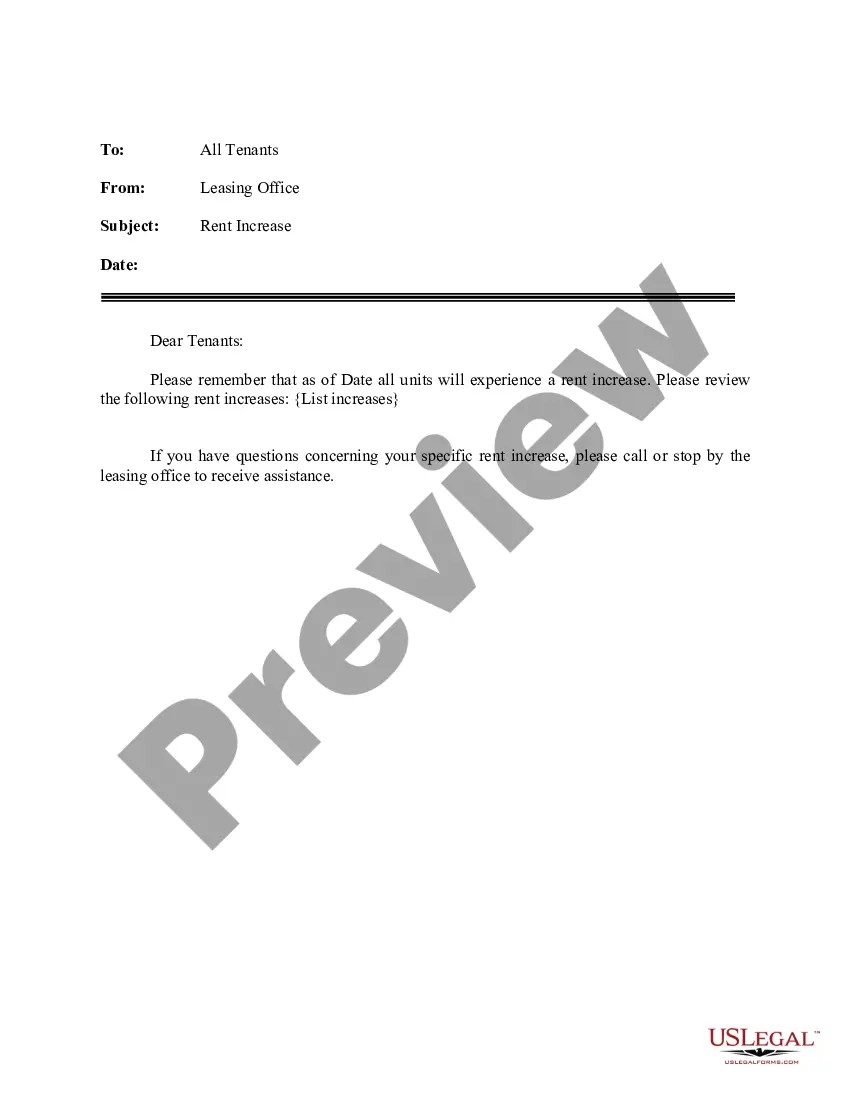

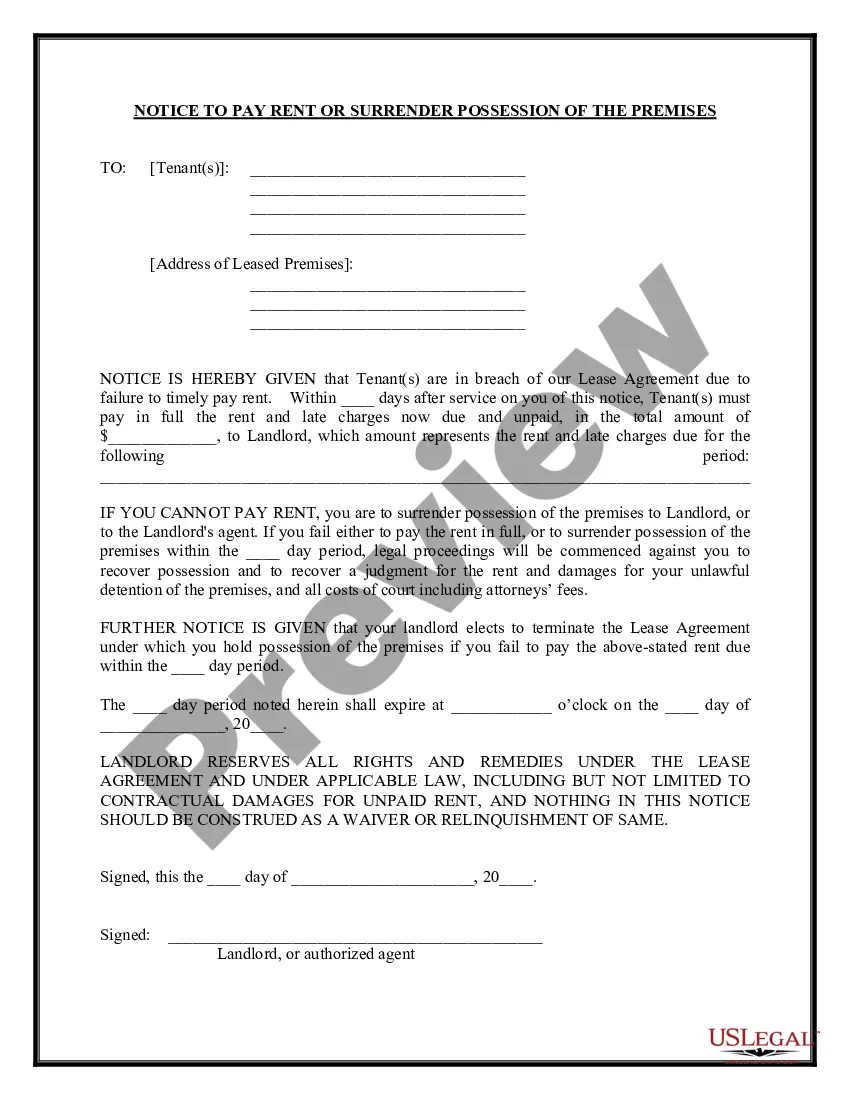
Get your form ready online
Our built-in tools help you complete, sign, share, and store your documents in one place.
Make edits, fill in missing information, and update formatting in US Legal Forms—just like you would in MS Word.
Download a copy, print it, send it by email, or mail it via USPS—whatever works best for your next step.
Sign and collect signatures with our SignNow integration. Send to multiple recipients, set reminders, and more. Go Premium to unlock E-Sign.
If this form requires notarization, complete it online through a secure video call—no need to meet a notary in person or wait for an appointment.
We protect your documents and personal data by following strict security and privacy standards.

Make edits, fill in missing information, and update formatting in US Legal Forms—just like you would in MS Word.

Download a copy, print it, send it by email, or mail it via USPS—whatever works best for your next step.

Sign and collect signatures with our SignNow integration. Send to multiple recipients, set reminders, and more. Go Premium to unlock E-Sign.

If this form requires notarization, complete it online through a secure video call—no need to meet a notary in person or wait for an appointment.

We protect your documents and personal data by following strict security and privacy standards.
Looking for another form?









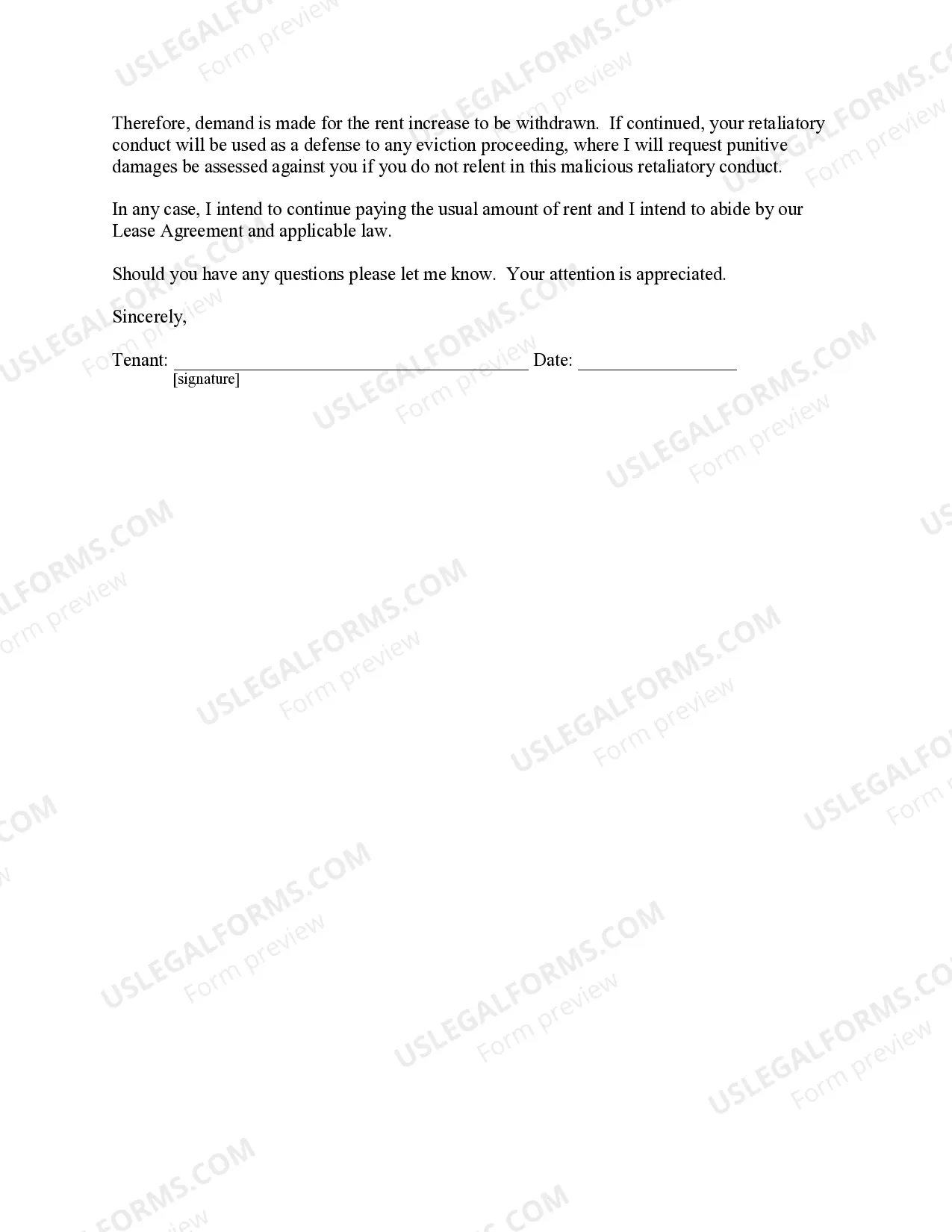
How to fill out Colorado Letter From Tenant To Landlord Containing Notice To Landlord To Withdraw Retaliatory Rent Increase?
- Log in to your US Legal Forms account. If you're a returning user, access your account and verify your subscription status.
- Preview the Notice for Rent Increase form. Ensure it fits your specific needs and meets local legal standards by reviewing the form description.
- Search for alternative templates if needed. Use the Search feature to explore more options if the initial form does not meet your requirements.
- Purchase the document. Select the 'Buy Now' button, choose your subscription plan, and set up your account for full access to legal documents.
- Complete your payment. Provide your payment information, either via credit card or PayPal, to finalize your subscription plan.
- Download your form. Save the template to your device and access it anytime from the 'My Forms' section of your account.
By utilizing US Legal Forms, landlords can rapidly access a robust collection of legal documents, ensuring accuracy and compliance. With over 85,000 editable forms and expert assistance available, you can navigate your legal needs efficiently.
Start simplifying your rental management today! Explore the resources at US Legal Forms and secure your Notice for Rent Increase to stay compliant.
Form popularity
FAQ
In Florida, there is no statewide limit on how much a landlord can raise rent, but they must provide proper notice as required by law. Typically, landlords must give at least 30 days notice before any increase takes effect. It is crucial to review local regulations, as some cities may have specific rules regarding rent increases to protect tenants.
To ask your landlord for a rent increase, you might suggest discussing improvements made to the property or enhancements in local amenities that justify a higher rate. Present your reasons confidently, backed by any relevant research on rental prices in your area. It's essential to communicate openly and maintain a positive relationship during this discussion.
Writing a notice letter for a rent increase requires clarity and professionalism. Start by identifying yourself as the landlord, followed by the tenant's details, including their name and the property address. Specify the new rent amount, the date it will take effect, and ensure you follow Florida's requirements for providing notice, which typically involves at least 30 days of advance notice.
When discussing rent increase with a landlord, ensure you express your concerns regarding the new rate in a calm manner. Share any relevant market data or rental trends in your area that highlight why the increase may be unreasonable. Additionally, consider discussing how long you have lived at the property and your track record as a responsible tenant.
To write a letter informing your tenant of a rent increase in Florida, you should start by mentioning the address of the rental property and state the current rent. Clearly outline the new rental amount and the effective date of the increase. Remember to mention the applicable laws, such as the required notice period, as this can vary by county.
To discuss a rent increase with your landlord, start by reviewing your lease agreement and any relevant laws regarding a notice for rent increase in Florida. Prepare to express your concerns clearly and calmly. Demonstrating your understanding of your rights can create a constructive dialogue. Additionally, consider using resources like US Legal Forms to access legal documents and templates that support your conversation.
No, a landlord cannot legally raise rent without providing notice in Florida. They must follow the proper notification process as detailed in your lease agreement or by state law. Ignoring this requirement could lead to legal disputes. Therefore, ensure you stay informed about your rights and responsibilities as a tenant.
Florida does not impose an official cap on how much a landlord can raise rent. However, reasonable increases typically reflect the local housing market conditions. It is wise to consider the current rental prices and tenant laws in your region. Transparent communication with your landlord about their reasoning can often lead to a more amicable solution.
If you believe a rent increase is justified, approach your landlord with a well-reasoned request. Prepare evidence such as market rates in your area and improvements you have made to the property. Having a formal written request can also help. Ensure to highlight the benefits of keeping a reliable tenant, making a strong case for your proposal.
When you wish to end your lease or move out, Florida law usually requires you to provide your landlord with notice. Generally, for month-to-month leases, a 15-day notice is standard. Different lease types may have varying requirements, so read your lease thoroughly and use platforms like US Legal Forms to draft your notices correctly.