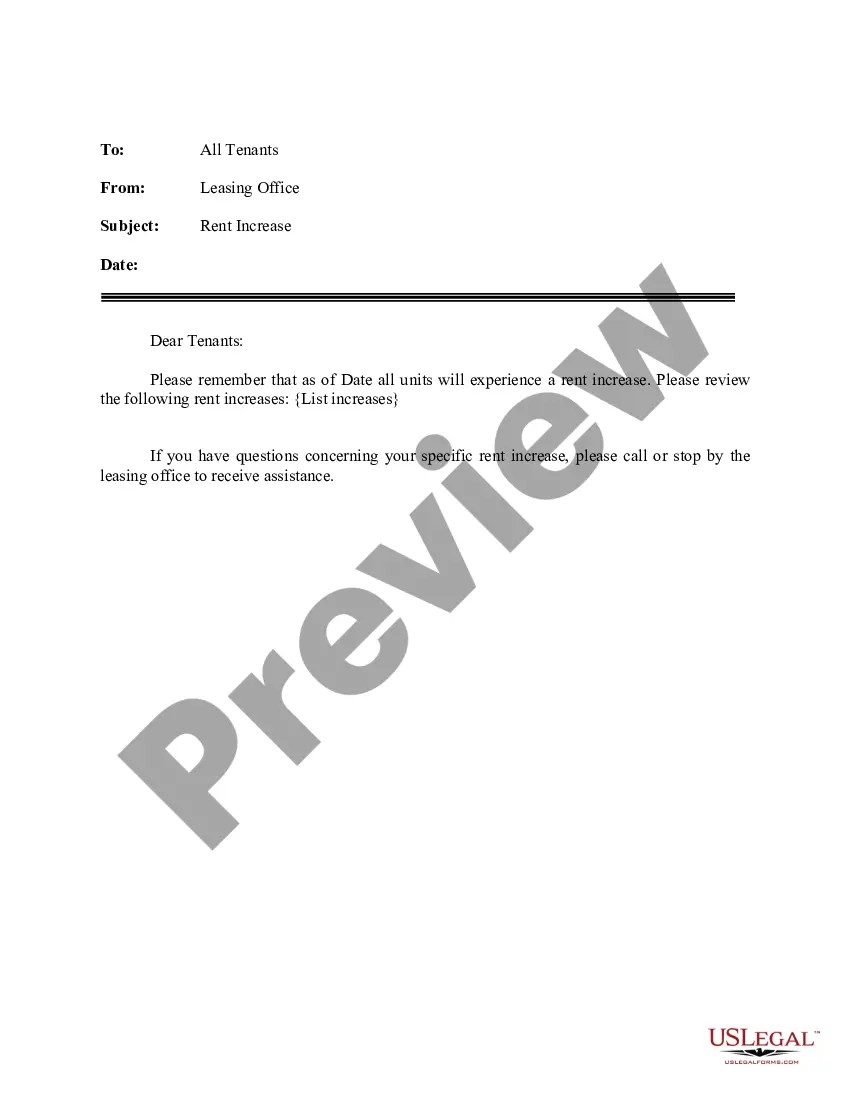
Letter Rent Increase With A Lease
Description


Get your form ready online
Our built-in tools help you complete, sign, share, and store your documents in one place.
Make edits, fill in missing information, and update formatting in US Legal Forms—just like you would in MS Word.
Download a copy, print it, send it by email, or mail it via USPS—whatever works best for your next step.
Sign and collect signatures with our SignNow integration. Send to multiple recipients, set reminders, and more. Go Premium to unlock E-Sign.
If this form requires notarization, complete it online through a secure video call—no need to meet a notary in person or wait for an appointment.
We protect your documents and personal data by following strict security and privacy standards.

Make edits, fill in missing information, and update formatting in US Legal Forms—just like you would in MS Word.

Download a copy, print it, send it by email, or mail it via USPS—whatever works best for your next step.

Sign and collect signatures with our SignNow integration. Send to multiple recipients, set reminders, and more. Go Premium to unlock E-Sign.

If this form requires notarization, complete it online through a secure video call—no need to meet a notary in person or wait for an appointment.

We protect your documents and personal data by following strict security and privacy standards.
Looking for another form?




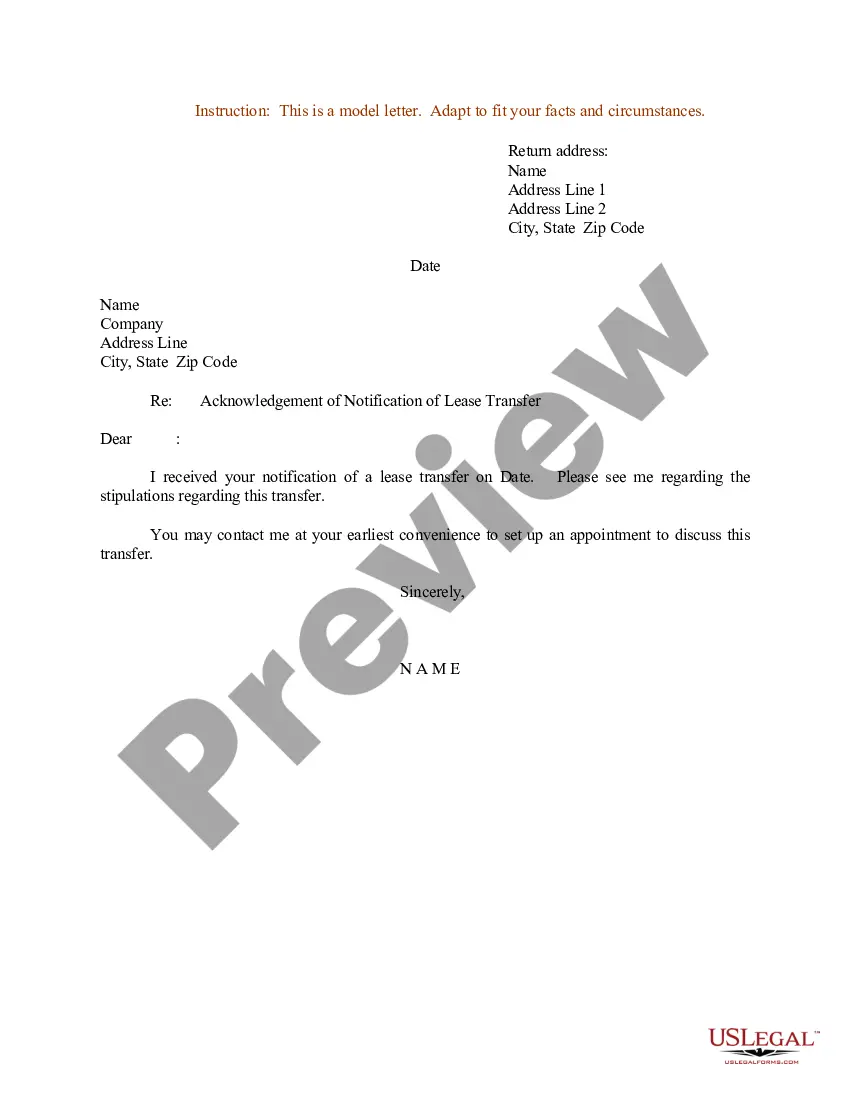





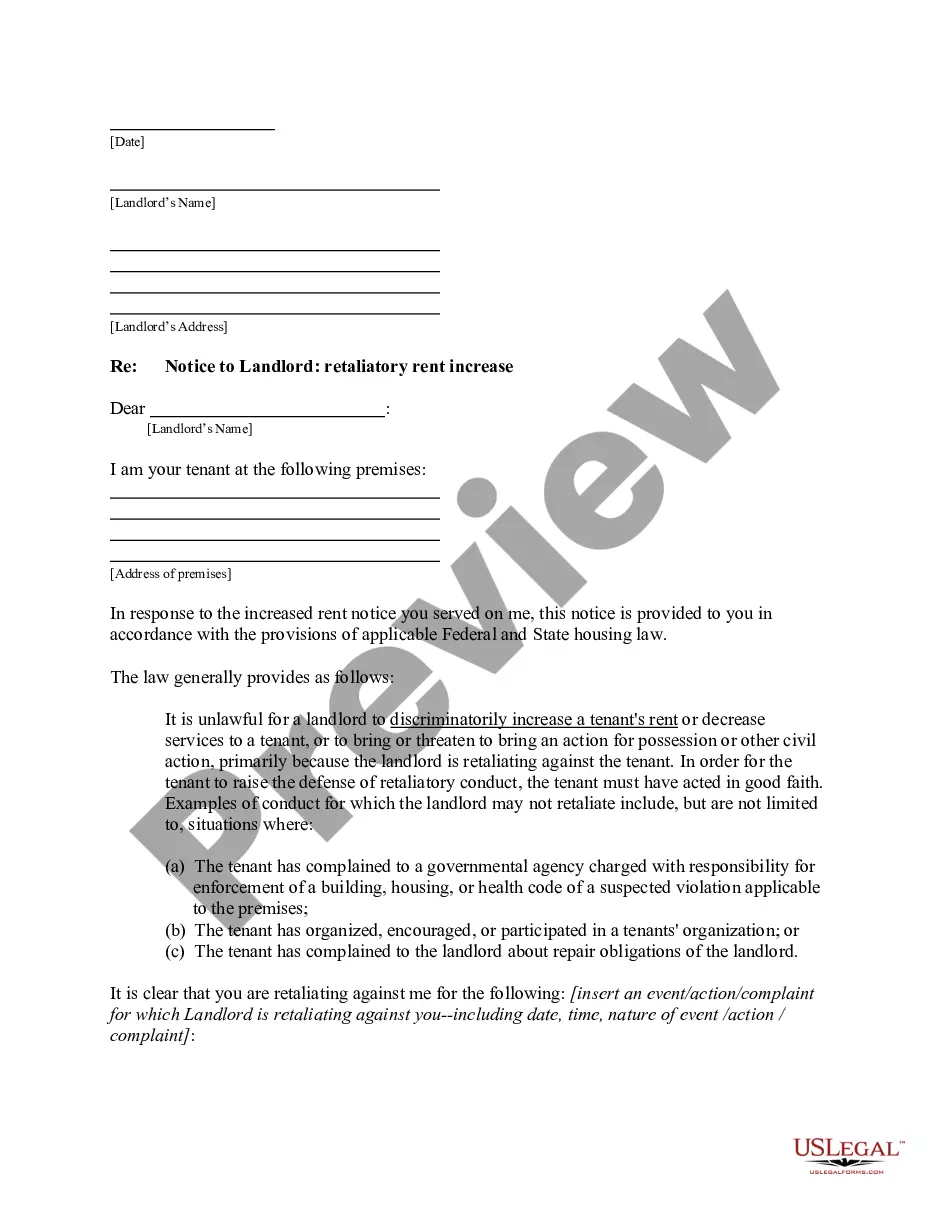
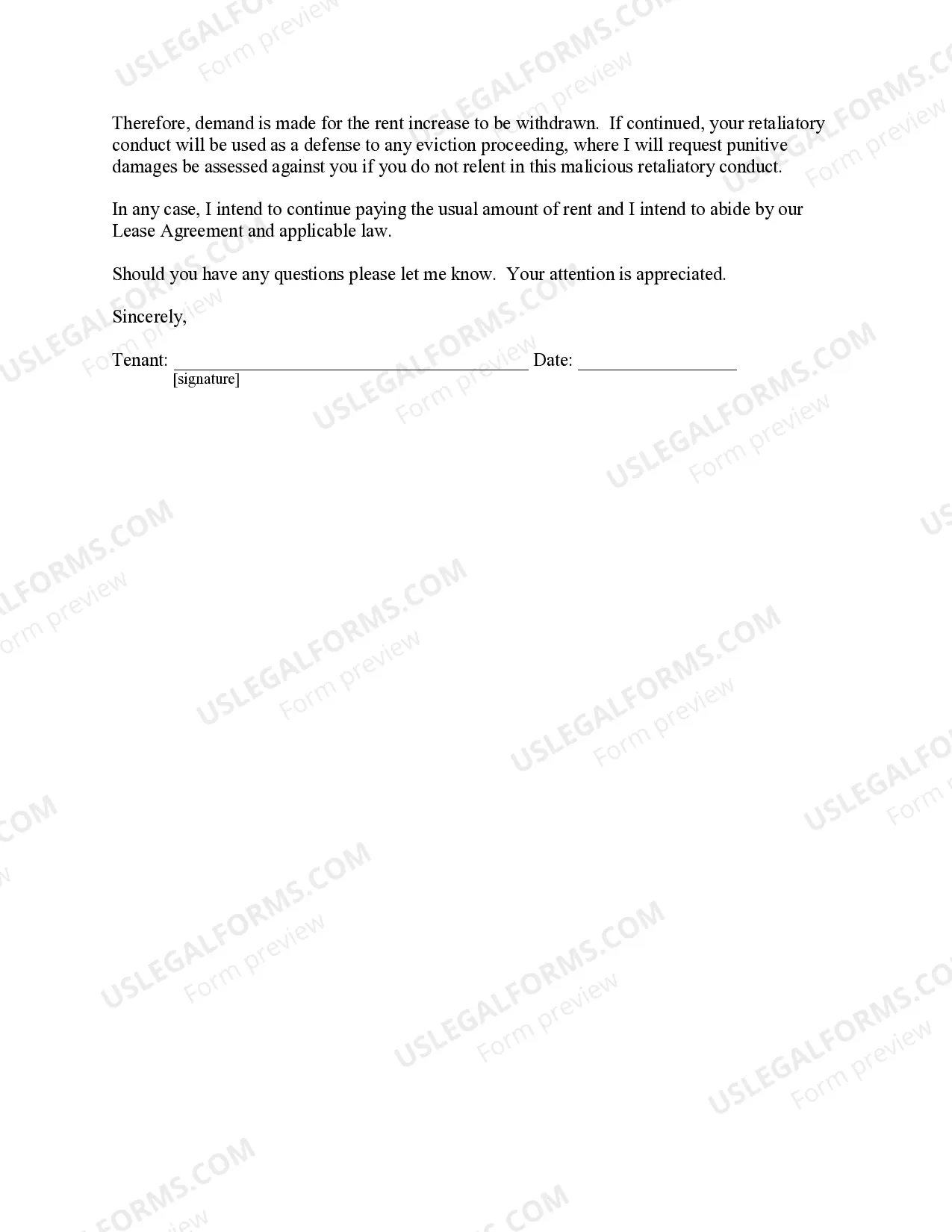
How to fill out Colorado Letter From Tenant To Landlord Containing Notice To Landlord To Withdraw Retaliatory Rent Increase?
- Log in to your US Legal Forms account to access your saved templates or to start your new transaction.
- Review the available letter templates in preview mode to select the one that suits your specific needs regarding rent increase.
- If you can't find the appropriate document, use the search feature to locate alternatives that meet your jurisdiction's requirements.
- Purchase your selected template by clicking the 'Buy Now' button, and choose your subscription plan. Remember, registering an account will unlock a wealth of resources.
- Complete your payment by entering your credit card details or using PayPal, ensuring your subscription is active for future access.
- Download the completed letter template straight to your device for easy customization. You can also find it in the 'My Forms' section of your profile for future reference.
By following these straightforward steps, you can effortlessly produce a legally sound rent increase letter that adheres to local regulations.
Leverage US Legal Forms today for quick and accurate legal documents that empower you as a landlord. Start by accessing their extensive library now!
Form popularity
FAQ
Currently, there is no statewide limit on how much rent can increase in Connecticut. Local municipalities may have their own regulations, so it's wise to check those. Sending a clear letter rent increase with a lease ensures that tenants are informed and can help maintain a good landlord-tenant relationship.
There isn't a defined maximum for rent increases in Connecticut. However, the increase should be justified and reasonable to avoid raising concerns among tenants. A well-crafted letter rent increase with a lease will help you explain the rationale behind the change to your tenant.
To write a letter to a tenant about a rent increase, be clear and concise. State the current rent amount, the new rent amount, and the effective date of the increase. Make sure to use the format of a formal letter rent increase with a lease to provide documentation for both parties.
In Connecticut, there is no specific cap on the percentage a landlord can raise rent, but they must follow reasonable notice guidelines. It is essential to communicate the changes through a proper letter rent increase with a lease to avoid disputes. Always check local regulations as they might impose additional limits.
The average rent increase in Connecticut varies by location and market conditions. Typically, you can expect an increase of 3% to 5% annually. Understanding this range helps you plan accordingly when dealing with a letter rent increase with a lease.
In New Jersey, the legality of raising your rent by $300 depends on various factors, including the type of rental property and any existing rent control laws. Generally, landlords must provide ample notice and follow local regulations regarding rent increases. It is advisable to review your lease agreement and consult local statutes for clarification. If needed, a letter rent increase with a lease can be provided to formalize any changes.
A proof of rent letter serves to confirm rental payments made by a tenant. Start by including the tenant’s name, property address, and the payment details, such as the amounts and dates. This letter should clearly state that it serves as documentation for payment history. Consider using a letter rent increase with a lease as a template to maintain consistent communication with your tenants.
The maximum amount a landlord can raise rent varies by location and is often influenced by local rental laws. Some jurisdictions enforce strict caps on annual rent increases, while others allow landlords greater freedom. It’s wise to verify the specific guidelines applicable in your area. Formalizing any increase through a letter rent increase with a lease helps maintain legal compliance.
Writing a letter to inform a tenant of a rent increase should be straightforward. Begin with a clear statement of the new rental amount and effective date. Additionally, include reasons for the increase, such as property improvements or market adjustments. Ensure you send a letter rent increase with a lease to establish a formal agreement and avoid misunderstandings.
If you are a landlord seeking a rent increase, communication is key. Start by reviewing your lease agreement to determine if a rent increase is permissible. You can draft a well-structured letter to your tenants explaining the reasons for the increase, referencing the market rates, and detailing any value-added services. Utilizing a letter rent increase with a lease will provide a clear and professional approach.