Tenant Landlord With With A Suit
Description
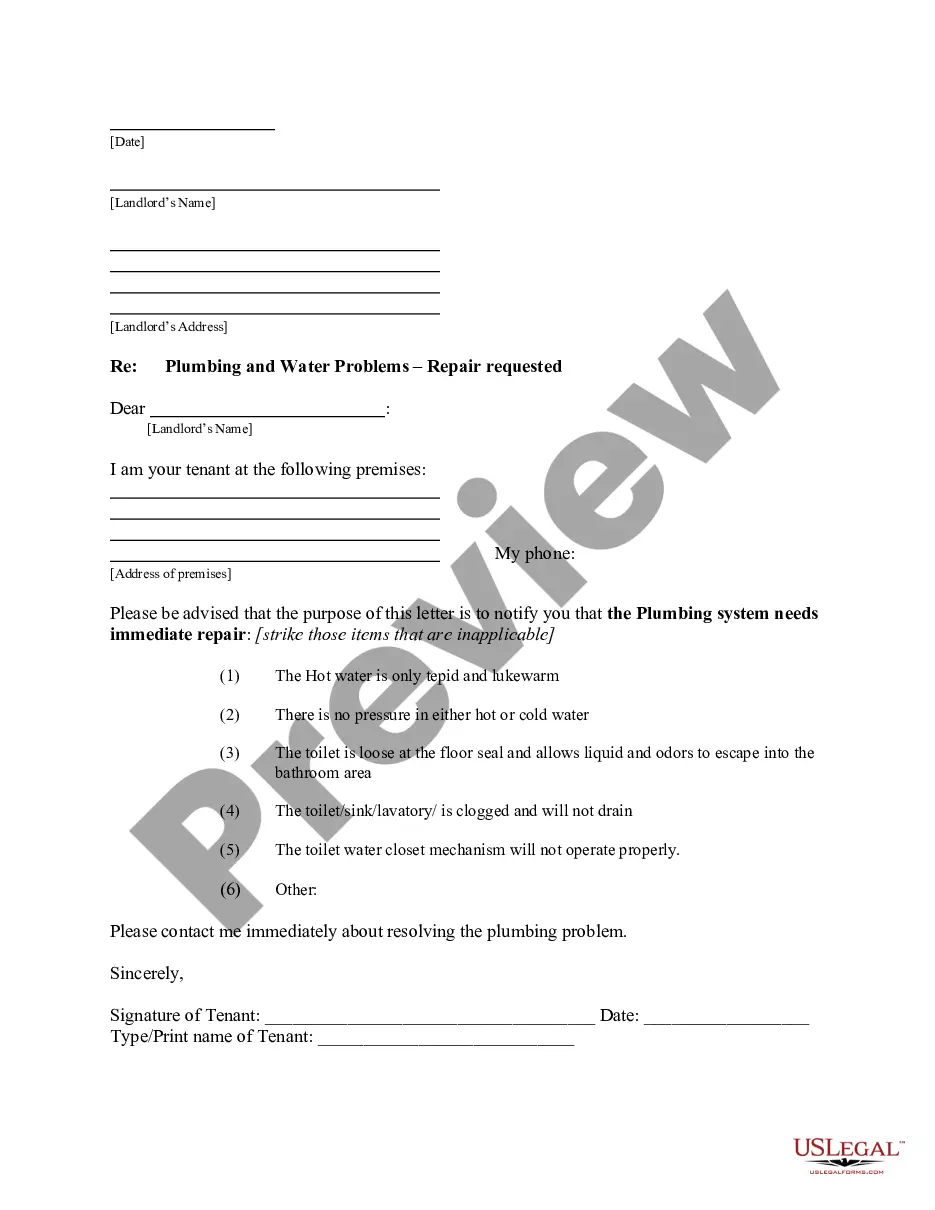


Get your form ready online
Our built-in tools help you complete, sign, share, and store your documents in one place.
Make edits, fill in missing information, and update formatting in US Legal Forms—just like you would in MS Word.
Download a copy, print it, send it by email, or mail it via USPS—whatever works best for your next step.
Sign and collect signatures with our SignNow integration. Send to multiple recipients, set reminders, and more. Go Premium to unlock E-Sign.
If this form requires notarization, complete it online through a secure video call—no need to meet a notary in person or wait for an appointment.
We protect your documents and personal data by following strict security and privacy standards.

Make edits, fill in missing information, and update formatting in US Legal Forms—just like you would in MS Word.

Download a copy, print it, send it by email, or mail it via USPS—whatever works best for your next step.

Sign and collect signatures with our SignNow integration. Send to multiple recipients, set reminders, and more. Go Premium to unlock E-Sign.

If this form requires notarization, complete it online through a secure video call—no need to meet a notary in person or wait for an appointment.

We protect your documents and personal data by following strict security and privacy standards.
Looking for another form?


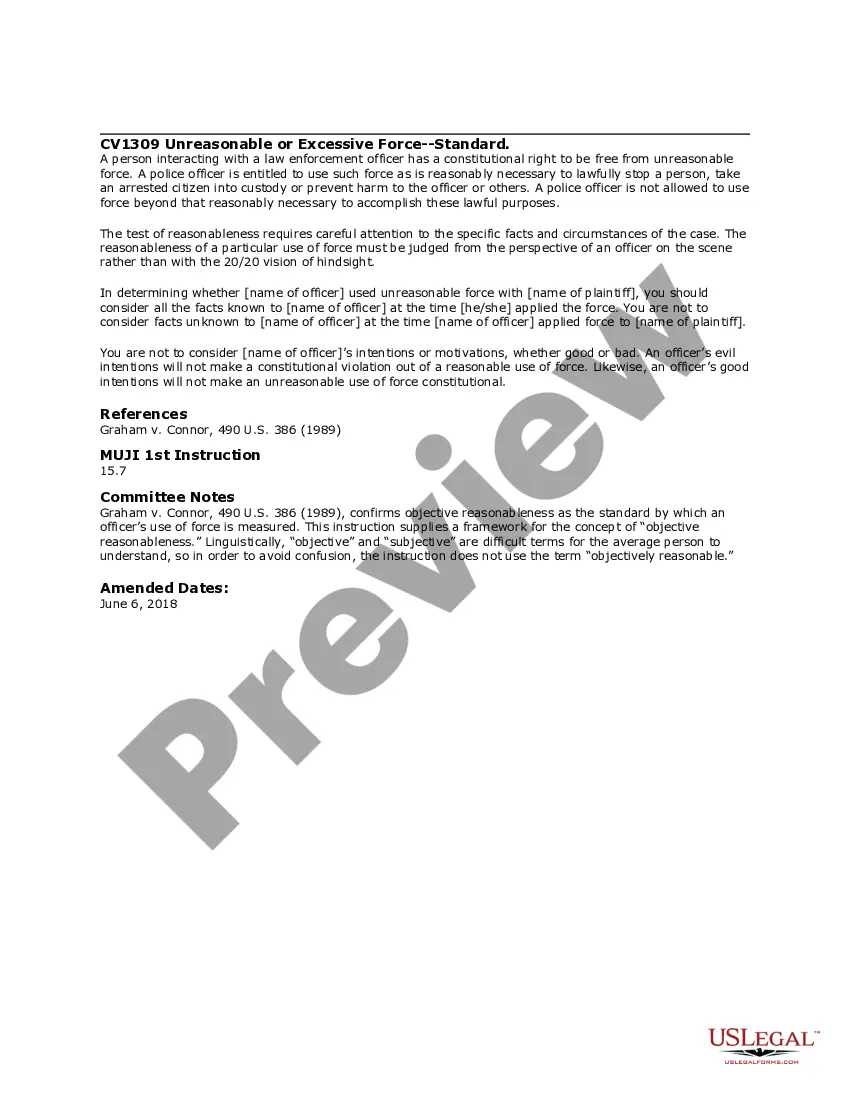
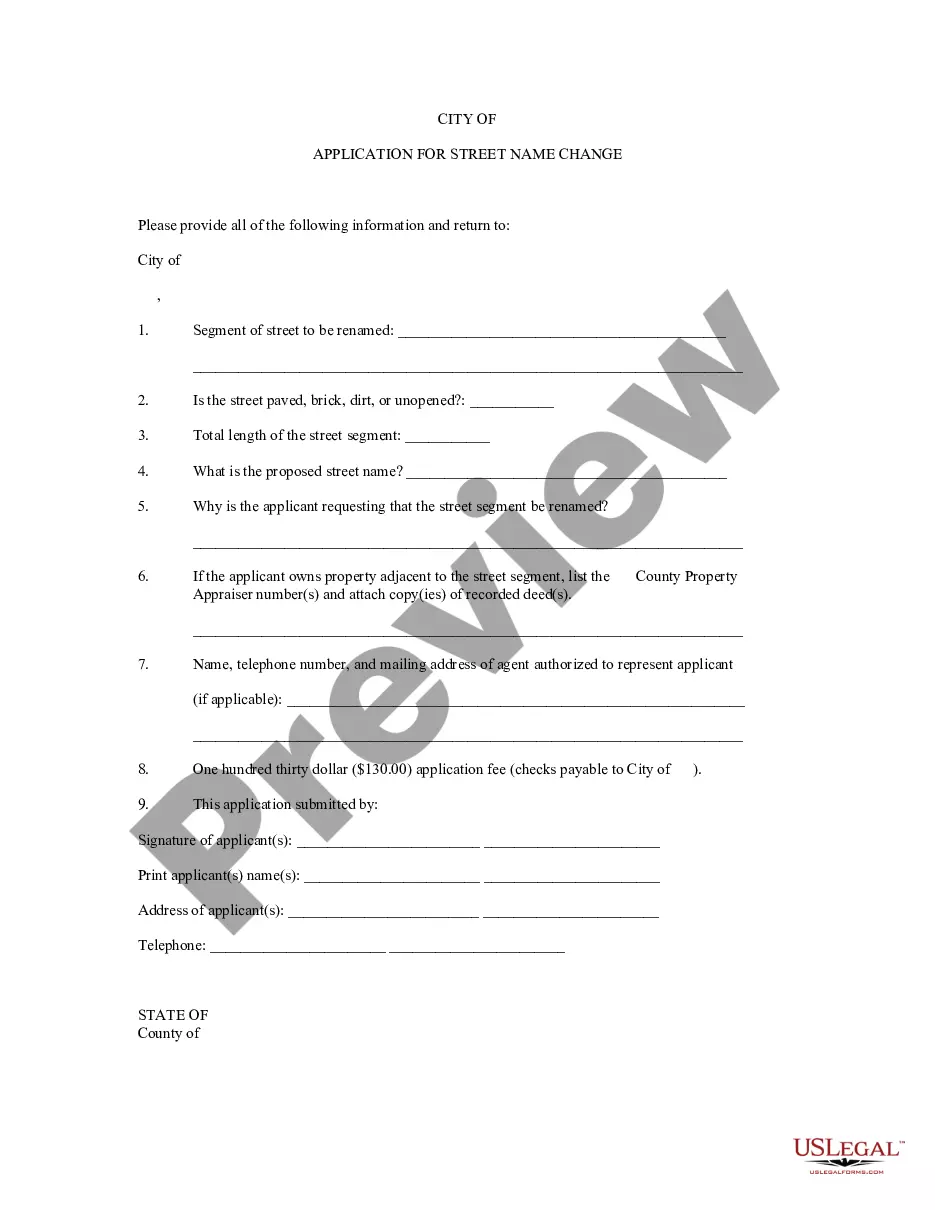


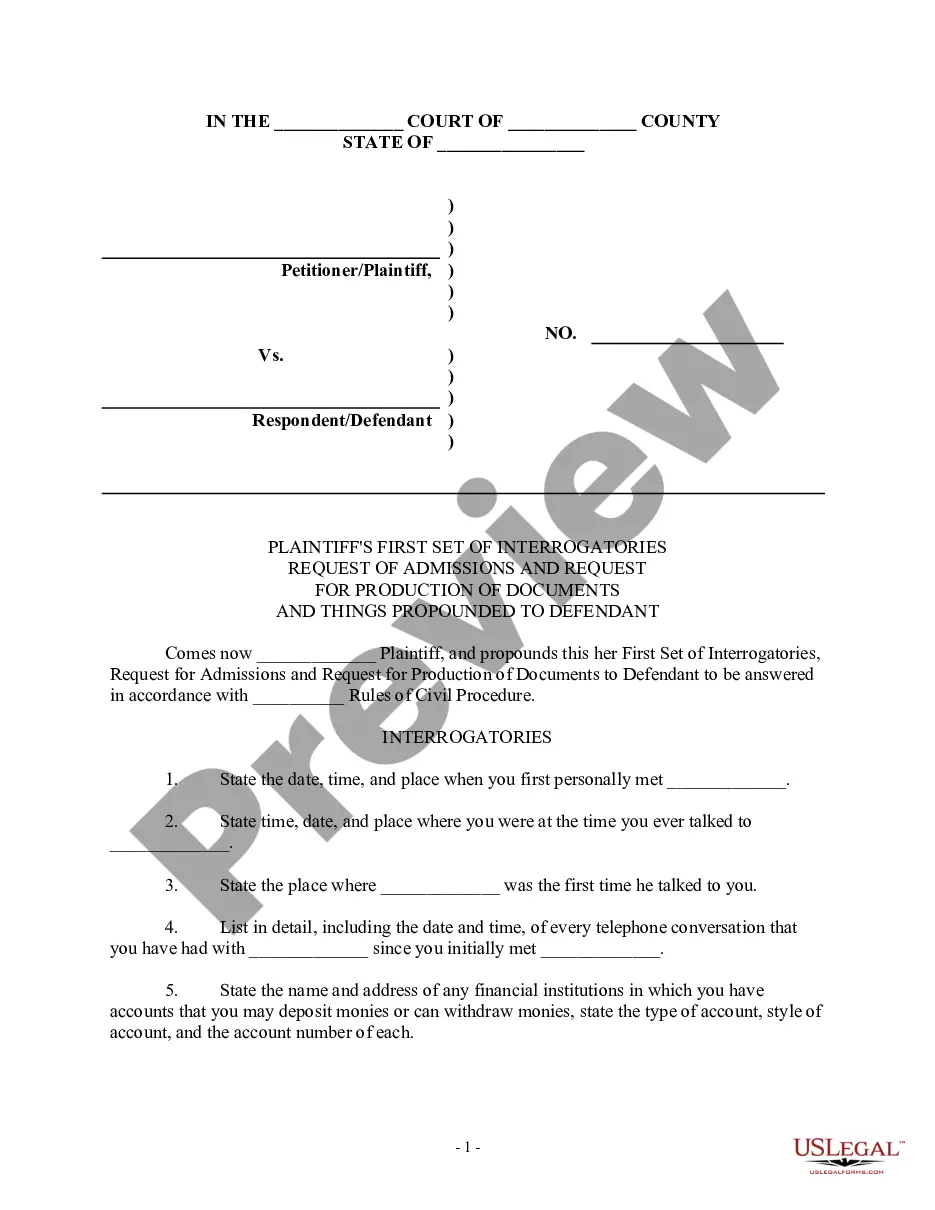

How to fill out Colorado Letter From Tenant To Landlord With Demand That Landlord Repair Plumbing Problem?
- Log into your existing US Legal Forms account and ensure your subscription is active. If it needs renewal, follow your payment plan.
- If you are new to US Legal Forms, begin by browsing the extensive collection. Review the form descriptions and check that they comply with your local regulations.
- Utilize the Search function if you need to find a different template. Confirm it matches your requirements before proceeding.
- Select the document you want to purchase by clicking on the 'Buy Now' button. Choose the subscription plan that best suits your needs and create an account.
- Complete your payment using a credit card or PayPal, and secure your access to the library.
- Once your purchase is complete, download the form to your device. You can always return to 'My Forms' in your profile to access it later.
In conclusion, US Legal Forms provides an accessible way for both tenants and landlords to create legally binding documents with ease. It ensures accuracy and adherence to legal standards, making it a valuable tool in a potentially complicated process.
Start streamlining your legal document needs by visiting US Legal Forms today!
Form popularity
FAQ
Landlord negligence occurs when a landlord fails to maintain a safe and habitable living environment. Common examples include not repairing leaks, failing to address pest infestations, or not adhering to health codes. If your landlord's actions or inactions have resulted in harm or damage, this may constitute negligence. Understanding your rights in such situations is crucial, and platforms like US Legal can guide you through the legal process.
The most common landlord-tenant dispute revolves around security deposits and maintenance issues. Tenants often argue over deductions from security deposits, while landlords may contend that maintenance requests go unfulfilled. Effective communication can often prevent these disputes, but in cases where issues arise, it can be beneficial to consult legal resources. US Legal Forms is a valuable tool for navigating these situations.
In Connecticut, you can sue your landlord for several reasons, including violation of the lease, failure to provide a habitable living environment, or illegal eviction practices. Gather documentation that supports your claims to bolster your case. Understanding the local laws is vital; you can find specific information through platforms like US Legal Forms to help you as a tenant landlord with a suit.
Landlords can win in court, but your success as a tenant often depends on the strength of your case. Many landlords are familiar with tenant laws, which can give them an advantage. However, tenants also have rights, and by presenting a well-prepared case, you can challenge those odds. Utilize resources to better understand how to protect your rights effectively.
To win a lawsuit against a landlord, you must present a solid case supported by evidence. Start by collecting documents, including the lease agreement and any correspondence. Clearly outline the legal basis for your claim, such as violations of tenant rights or failure to maintain the property. Using US Legal’s resources can help you craft a compelling argument as a tenant landlord with a suit.
Suing a landlord can be worth it if you have a valid case and substantial evidence to support your claims. Consider the potential outcomes and weigh them against the costs involved, such as legal fees and time. If the dispute affects your quality of life significantly, pursuing legal action may be necessary. Platforms like US Legal Forms provide guidance to help you see if your case is strong enough to proceed.
Yes, your landlord can still proceed with an eviction even if you file a suit against him. However, the eviction may be challenged in court if the lawsuit is related to the eviction. It's essential to know your rights as a tenant landlord with a suit, as legal protections can sometimes prevent retaliation. Always consult legal resources or professionals for guidance.
Winning against your landlord in court starts with gathering all relevant evidence. You should document your issues, such as lease agreements, communication records, and photographs of property conditions. Additionally, understanding the local tenant laws is crucial. Use the US Legal platform to access resources and forms that can strengthen your position as a tenant landlord with a suit.
To protect your landlord from a lawsuit, open communication is vital. Regularly report maintenance issues and express concerns in writing to avoid misunderstandings. Consider discussing disputes amicably before escalating issues. Utilizing platforms like US Legal Forms can aid in drafting agreements that clarify responsibilities and prevent potential lawsuits, ensuring a smoother landlord-tenant relationship.
In California, tenants can sue their landlords for various reasons, such as failure to provide essential repairs or violating rental agreements. Additionally, if a landlord threatens eviction without proper legal cause, this may also be grounds for a lawsuit. It’s important to document incidents thoroughly and consult legal resources when considering your options. Resources like US Legal Forms can assist you in preparing for any legal action as a tenant landlord with a suit.