Contrato De Roofing Fornecimento
Description
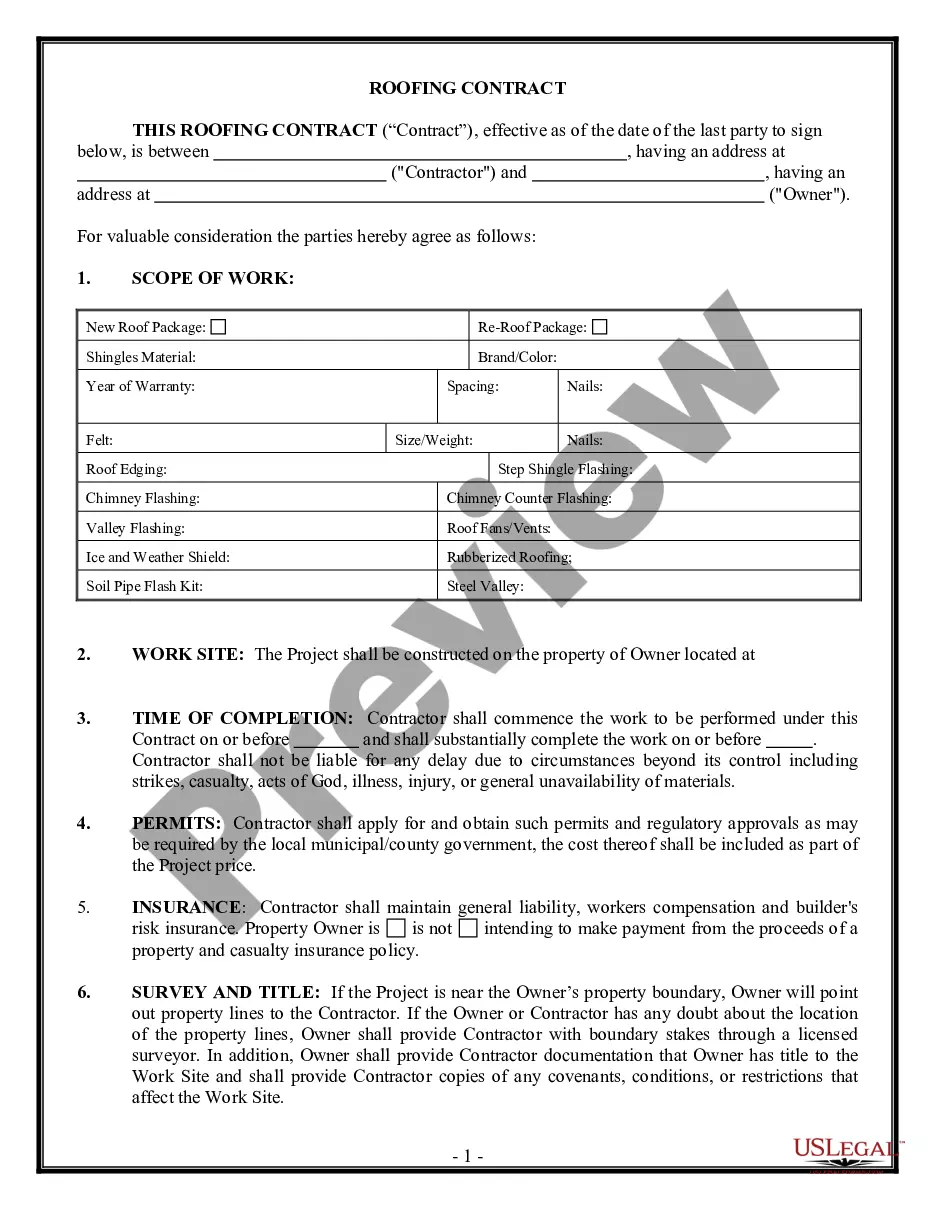
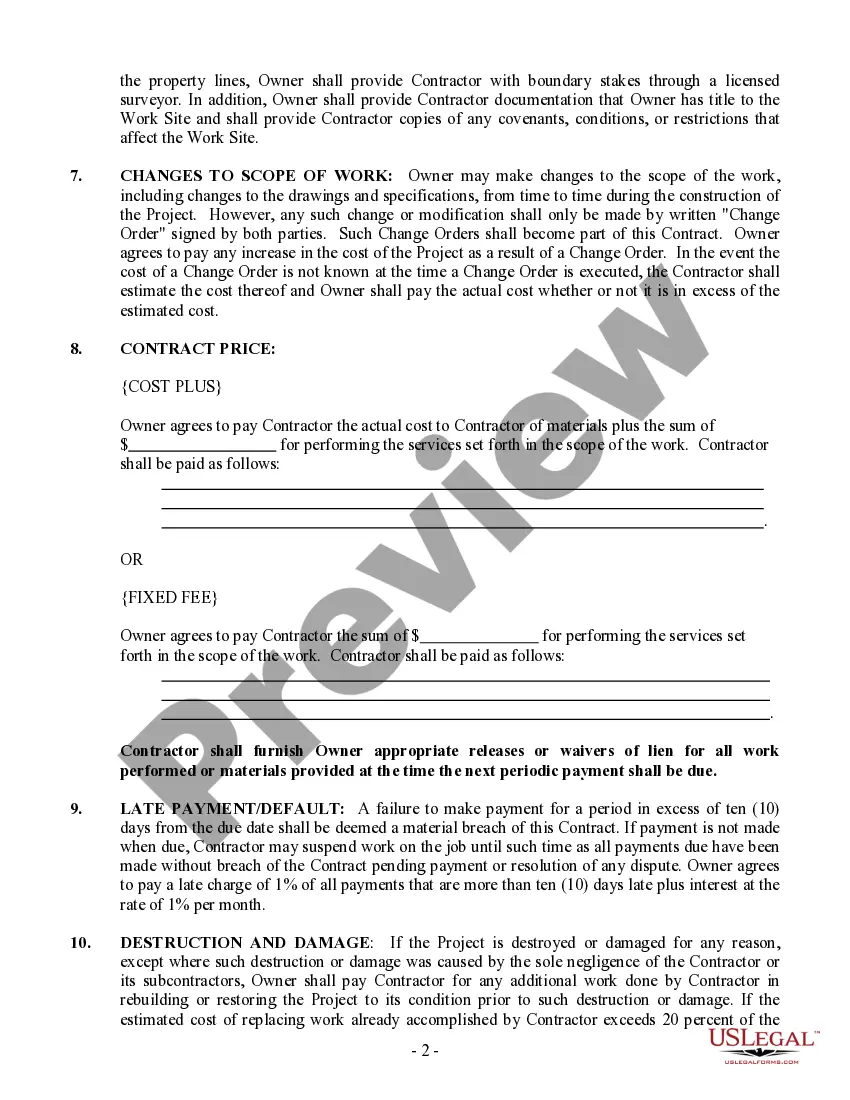
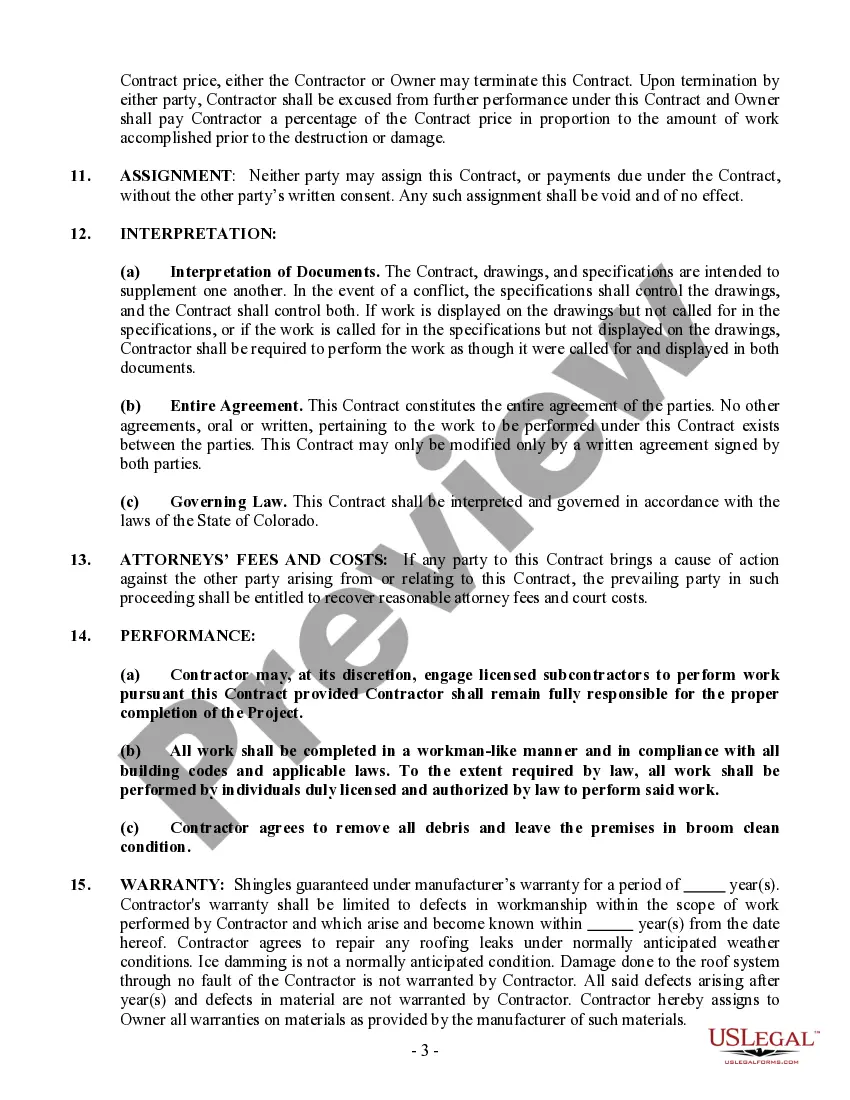
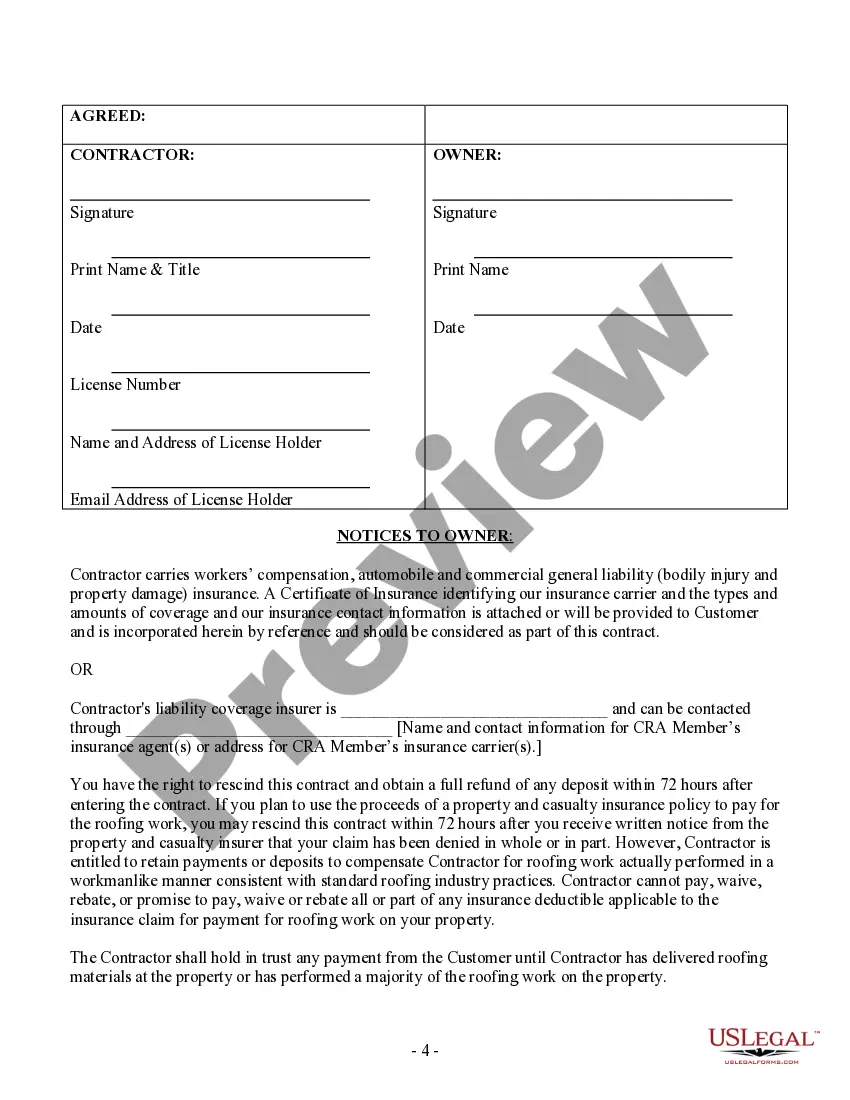
Get your form ready online
Our built-in tools help you complete, sign, share, and store your documents in one place.
Make edits, fill in missing information, and update formatting in US Legal Forms—just like you would in MS Word.
Download a copy, print it, send it by email, or mail it via USPS—whatever works best for your next step.
Sign and collect signatures with our SignNow integration. Send to multiple recipients, set reminders, and more. Go Premium to unlock E-Sign.
If this form requires notarization, complete it online through a secure video call—no need to meet a notary in person or wait for an appointment.
We protect your documents and personal data by following strict security and privacy standards.

Make edits, fill in missing information, and update formatting in US Legal Forms—just like you would in MS Word.

Download a copy, print it, send it by email, or mail it via USPS—whatever works best for your next step.

Sign and collect signatures with our SignNow integration. Send to multiple recipients, set reminders, and more. Go Premium to unlock E-Sign.

If this form requires notarization, complete it online through a secure video call—no need to meet a notary in person or wait for an appointment.

We protect your documents and personal data by following strict security and privacy standards.
Looking for another form?





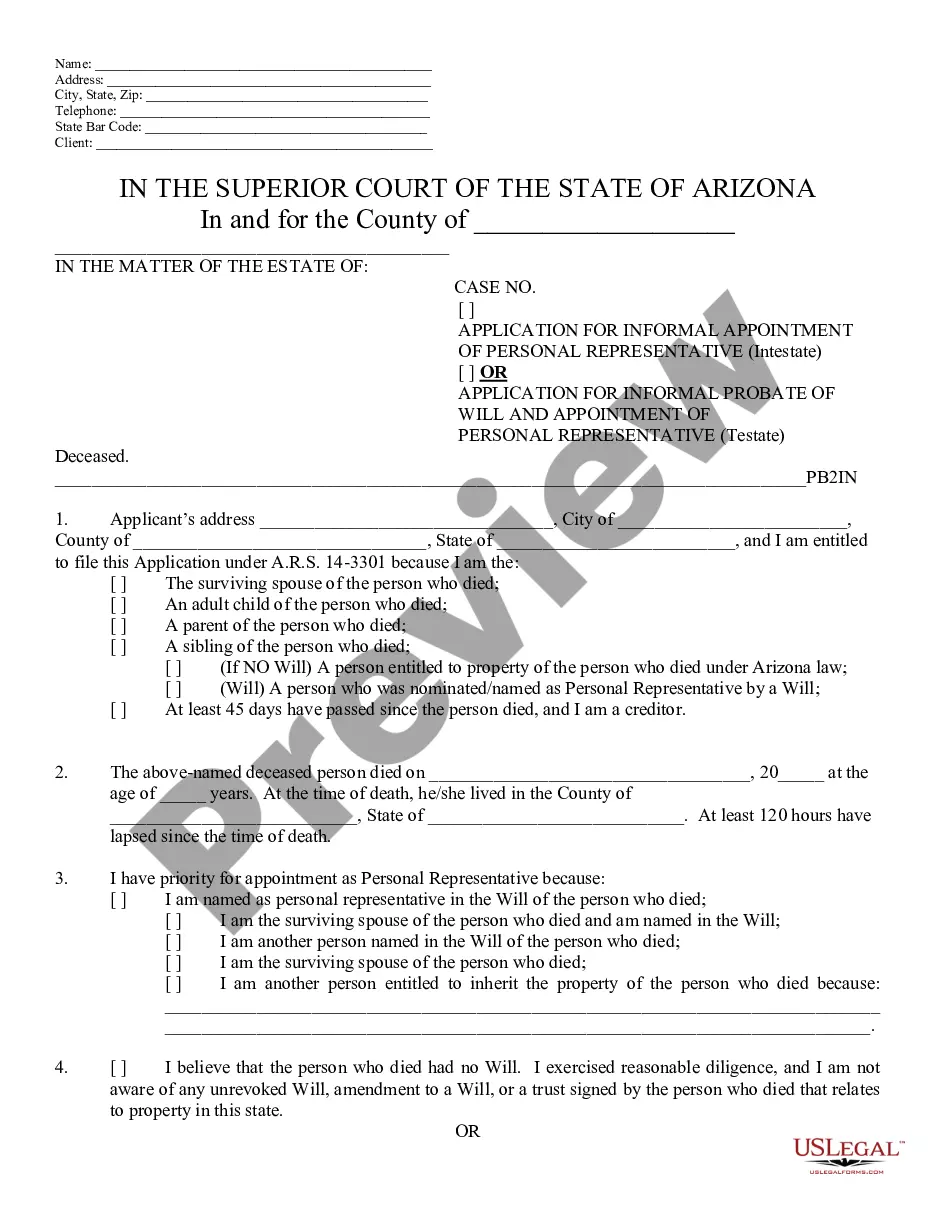




How to fill out Colorado Roofing Contract For Contractor?
Whether for commercial objectives or personal issues, everyone must confront legal matters at some point in their lives.
Filling out legal documents necessitates meticulous care, starting from selecting the appropriate form example.
With an extensive US Legal Forms catalog available, you do not need to waste time searching for the appropriate template online. Utilize the library’s straightforward navigation to find the right template for any occasion.
- Locate the template you require using the search field or catalog navigation.
- Review the form’s details to ensure it aligns with your circumstances, state, and area.
- Click on the form’s preview to view it.
- If it is not the correct document, return to the search function to locate the Contrato De Roofing Fornecimento sample you require.
- Obtain the template when it satisfies your criteria.
- If you possess a US Legal Forms account, simply click Log in to access previously saved documents in My documents.
- In case you do not yet have an account, you can acquire the form by selecting Buy now.
- Select the appropriate pricing option.
- Fill out the profile registration form.
- Choose your payment method: utilize a credit card or PayPal account.
- Select the document format you prefer and download the Contrato De Roofing Fornecimento.
- Once it is saved, you can finalize the form with the assistance of editing software or print it and fill it out manually.
Form popularity
FAQ
Here are the things that should go in a roofing estimate. A Complete Overview. A roof repair contractor should outline the entire roofing job and who will handle each aspect. ... Materials. A roofing estimate should include the type of shingles, flashing, underlayment and ventilation. ... Cost. ... Licenses.
A roofing invoice should include all the information about the job, including any materials or services provided. Your roofing invoice should include details like: Your business name and logo. Your contact information, including address, phone number, and email address.
Include the right information. A unique invoice number. The date the work was completed. Materials and labor used for the job. The date of the invoice. The pre-work estimate amount. The final amount payable. Payment terms and payment instructions. Contact information (for client invoice questions)
At a minimum, here is what a basic roofing estimate should outline for you: Materials List. Cleanup/Removal. Permits. Licensing and Insurance. Additional project details: - Who is responsible for what and when. - Estimated dates for the start and completion of the job. - The overall cost of the job. - Payment terms.
An invoice is the final bill you send to the client for the completed project. This is the last step of the project. The amount on your roofing invoice might be different from the amount on the quote, depending on how much the work might have changed throughout the job.