Estate Planning And Wills
Description
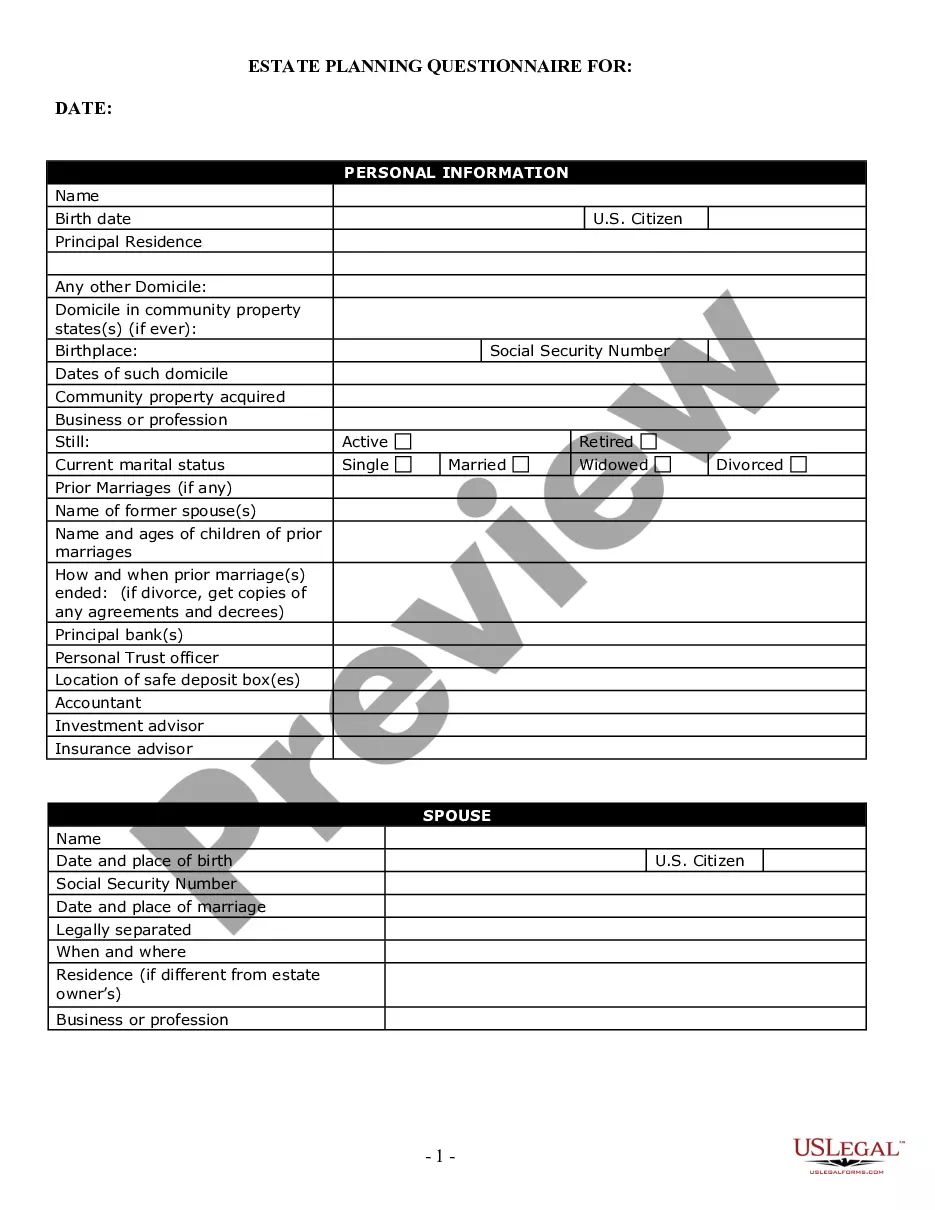
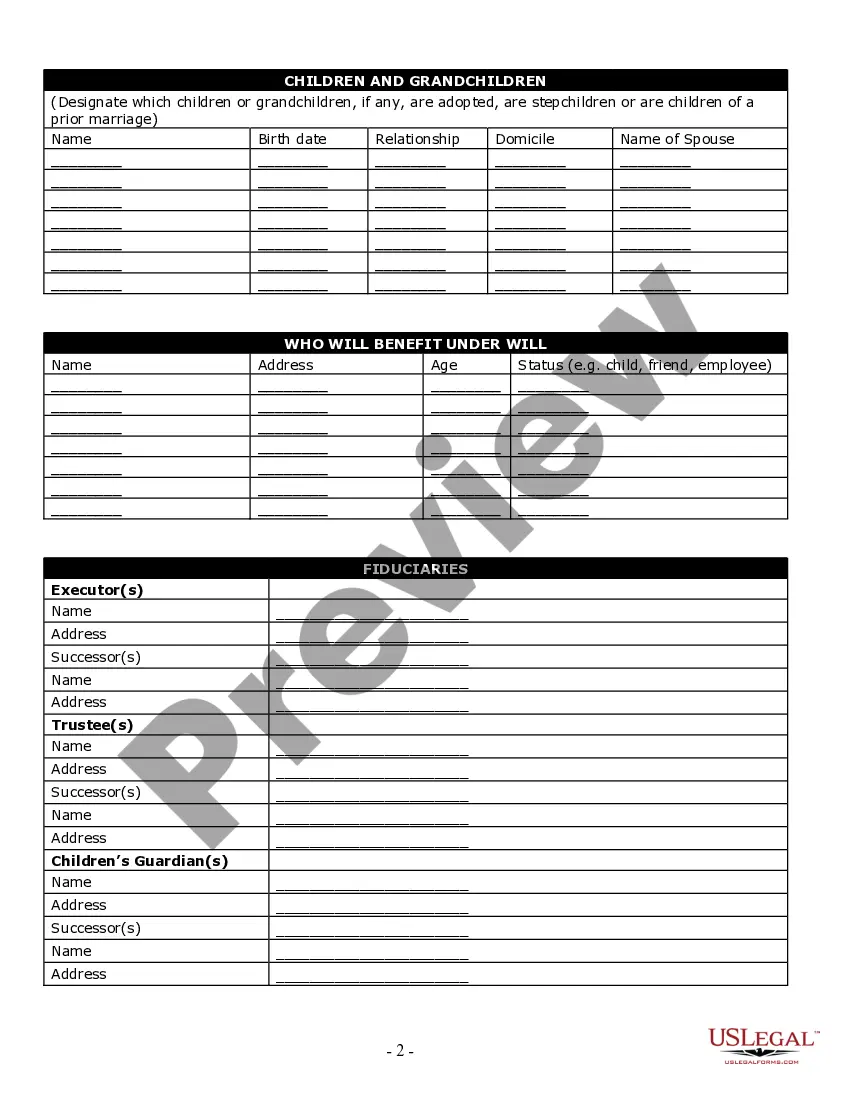
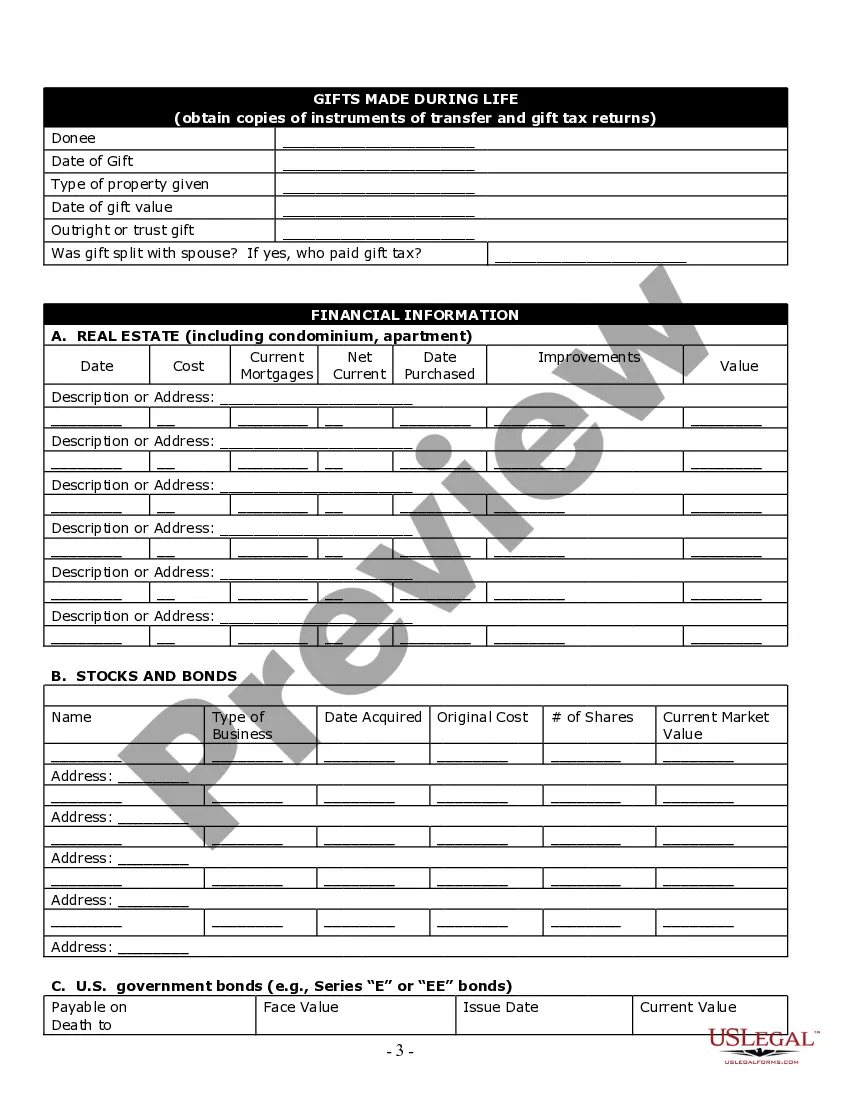
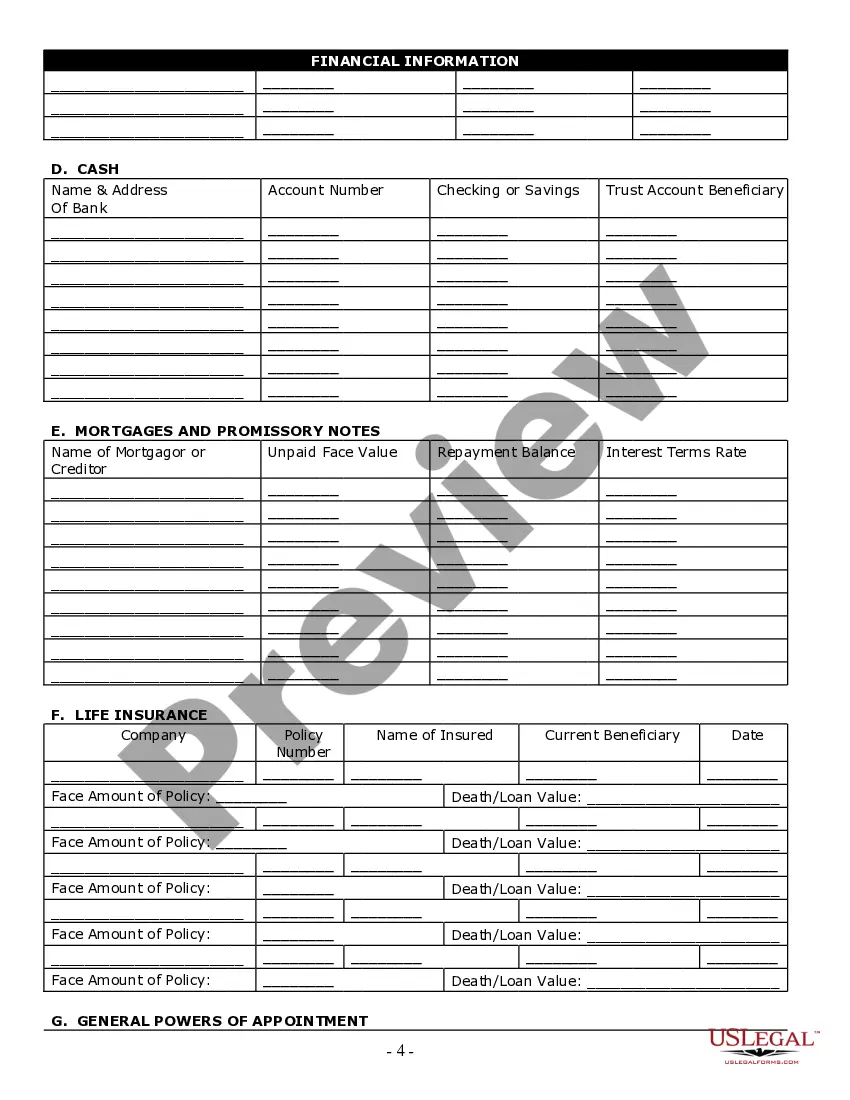

Get your form ready online
Our built-in tools help you complete, sign, share, and store your documents in one place.
Make edits, fill in missing information, and update formatting in US Legal Forms—just like you would in MS Word.
Download a copy, print it, send it by email, or mail it via USPS—whatever works best for your next step.
Sign and collect signatures with our SignNow integration. Send to multiple recipients, set reminders, and more. Go Premium to unlock E-Sign.
If this form requires notarization, complete it online through a secure video call—no need to meet a notary in person or wait for an appointment.
We protect your documents and personal data by following strict security and privacy standards.

Make edits, fill in missing information, and update formatting in US Legal Forms—just like you would in MS Word.

Download a copy, print it, send it by email, or mail it via USPS—whatever works best for your next step.

Sign and collect signatures with our SignNow integration. Send to multiple recipients, set reminders, and more. Go Premium to unlock E-Sign.

If this form requires notarization, complete it online through a secure video call—no need to meet a notary in person or wait for an appointment.

We protect your documents and personal data by following strict security and privacy standards.
Looking for another form?

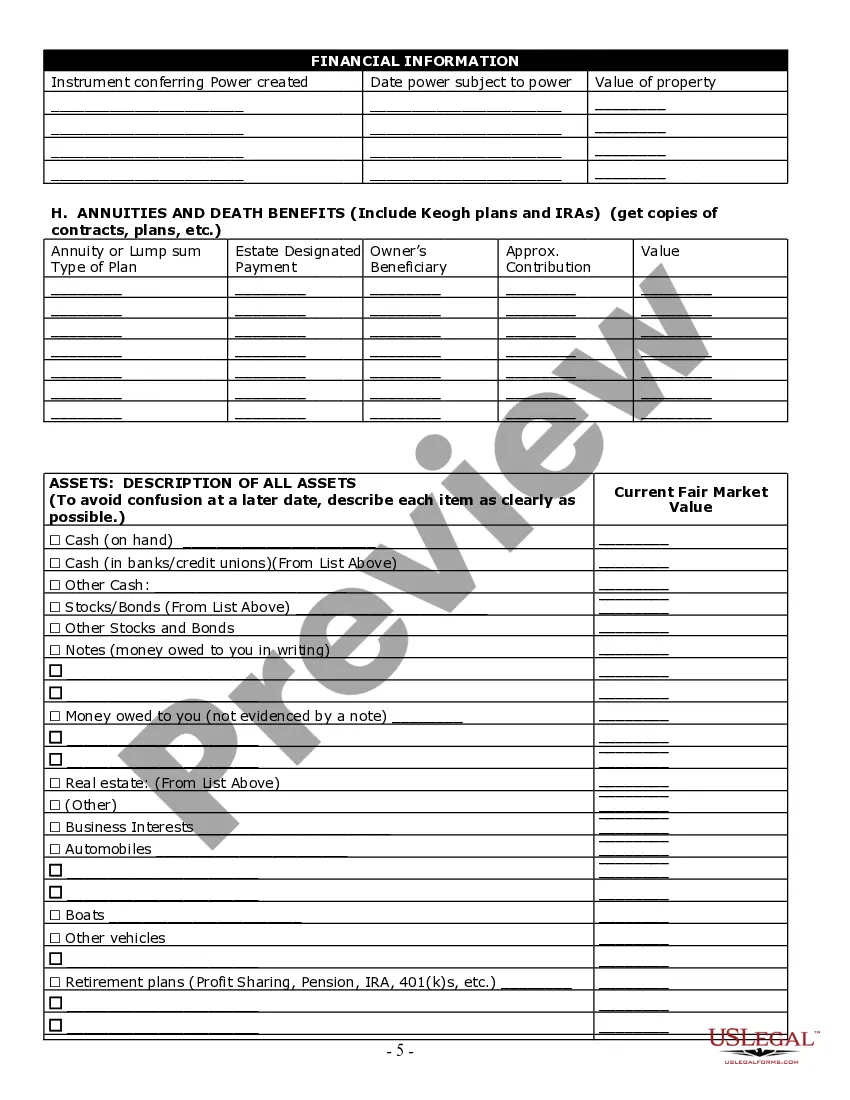
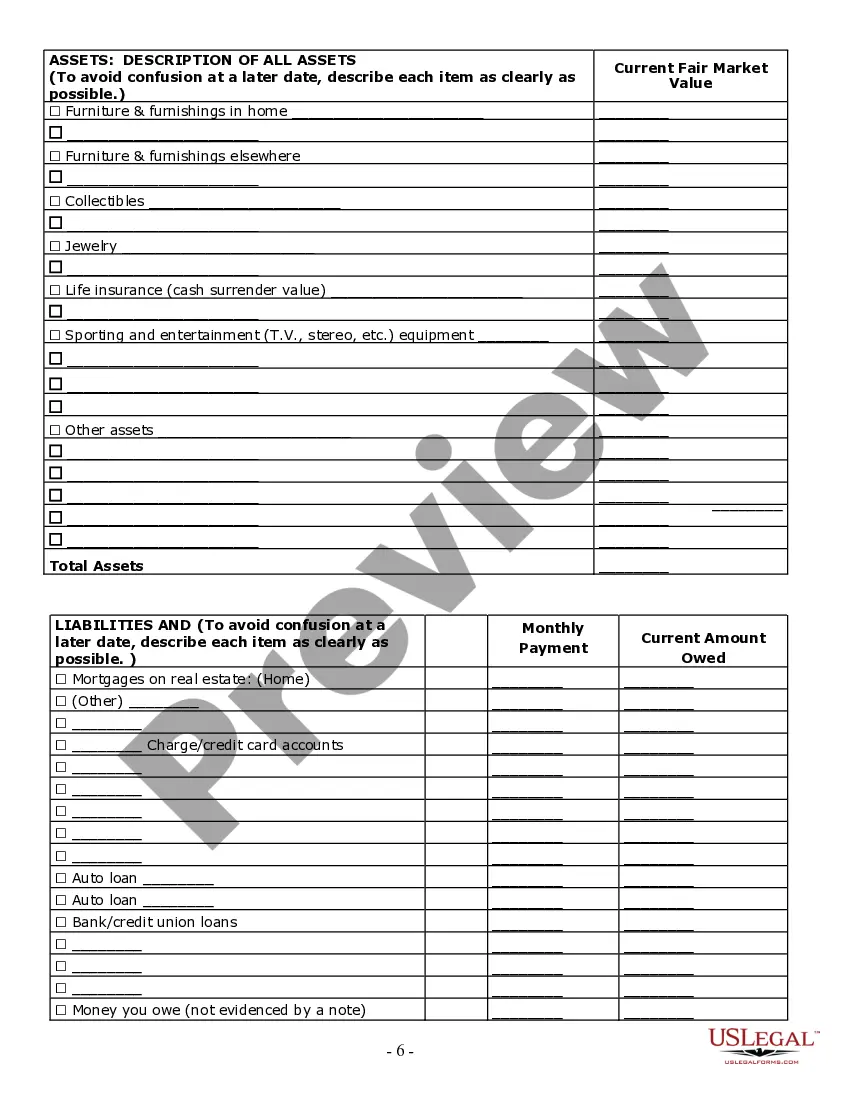
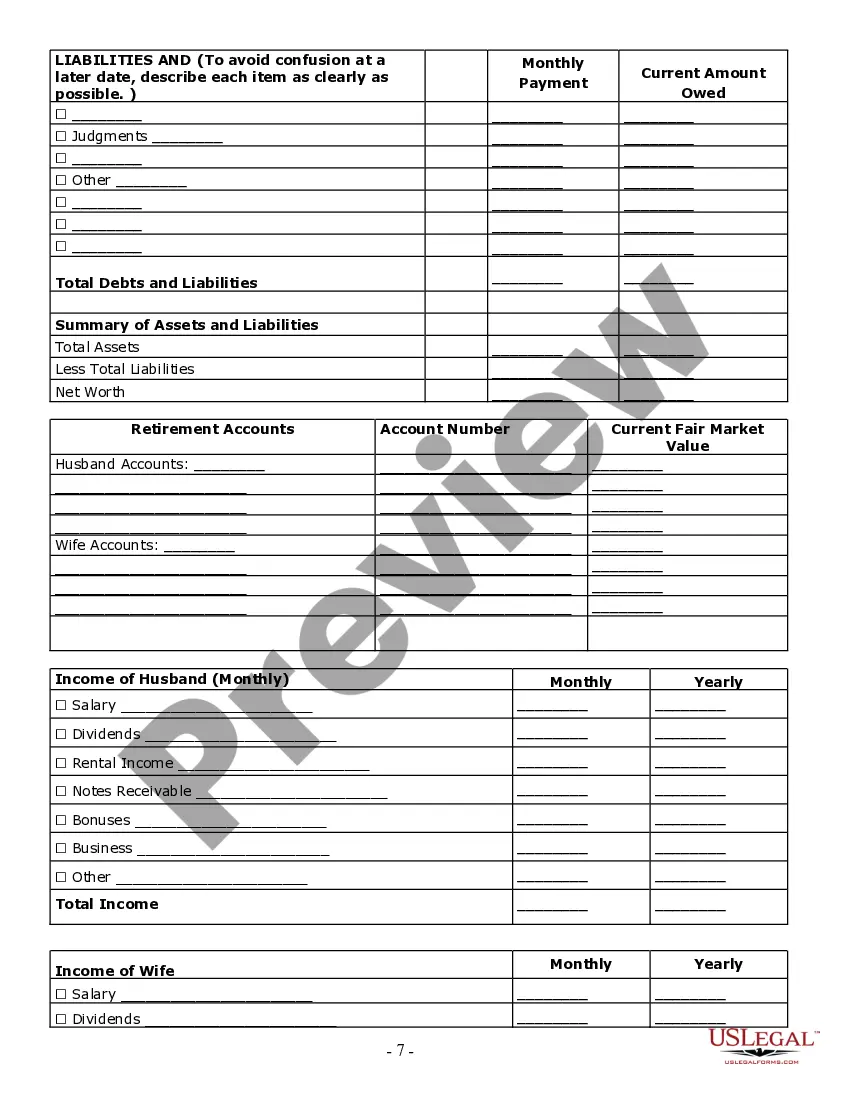
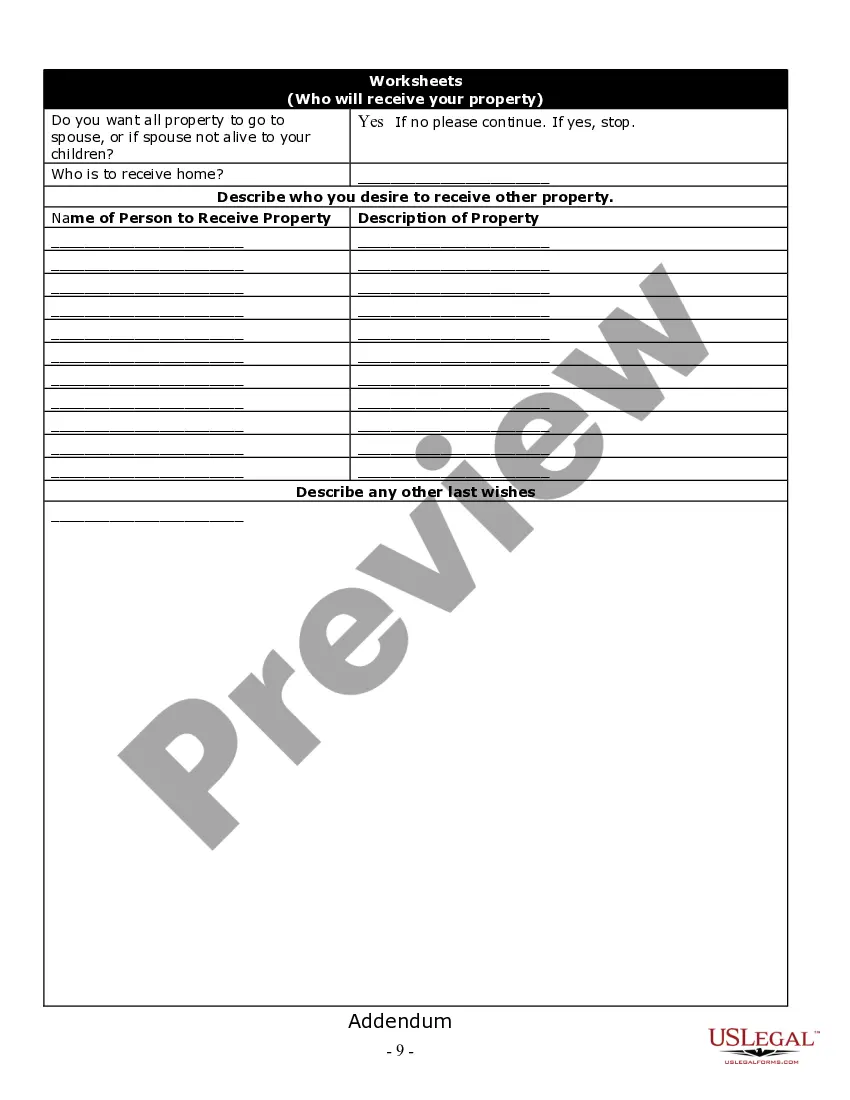
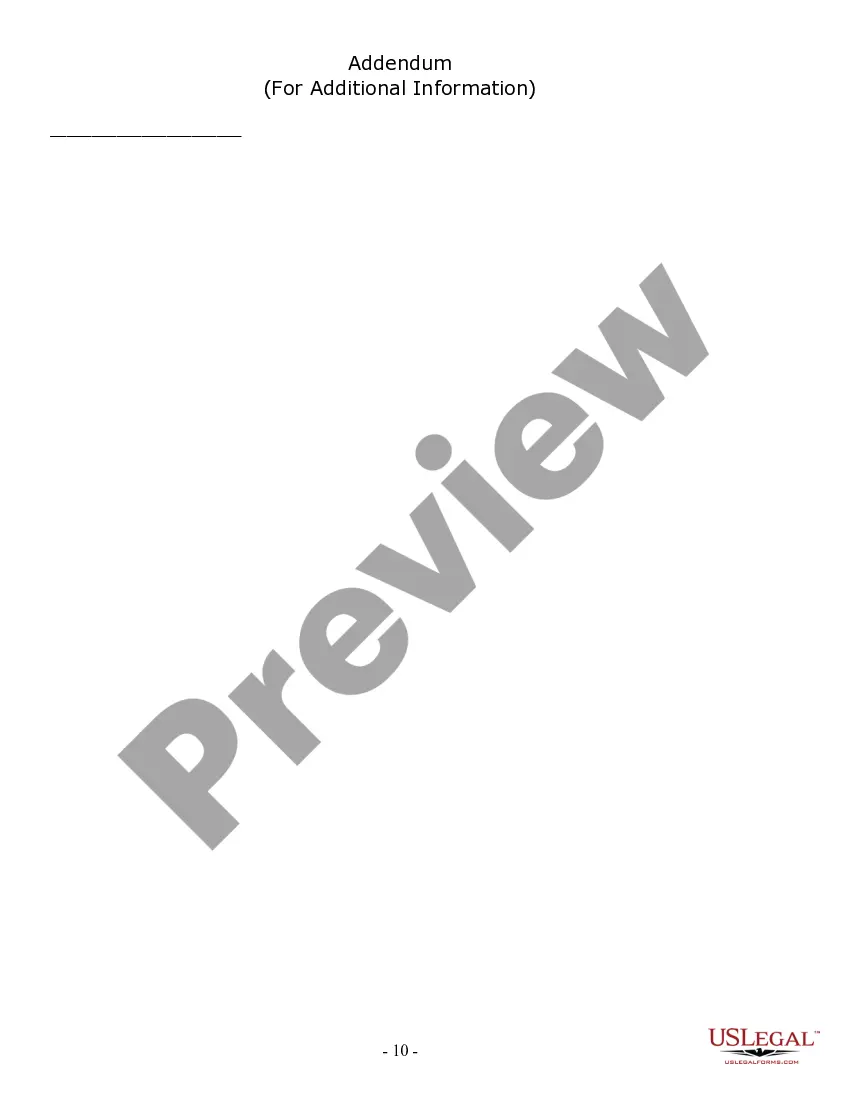
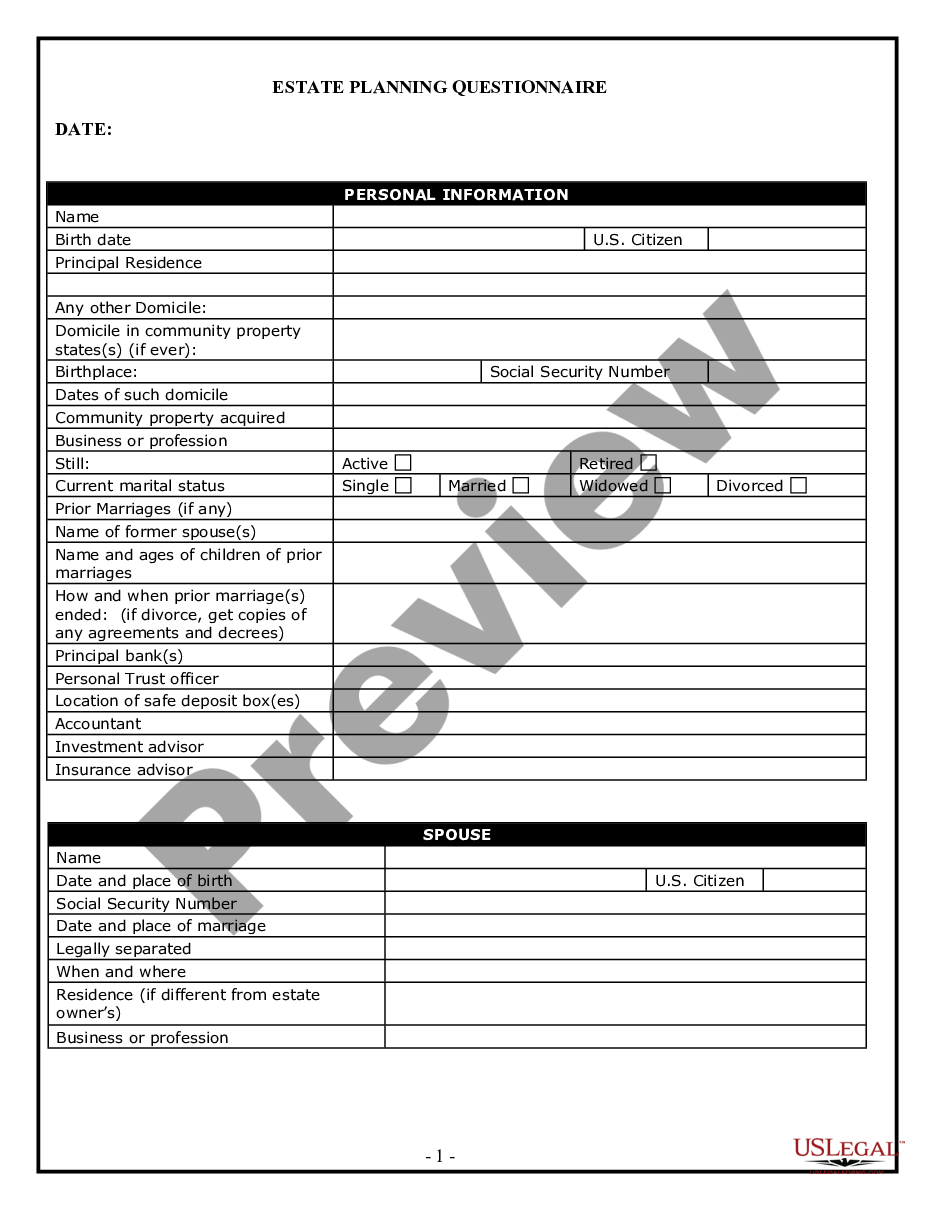
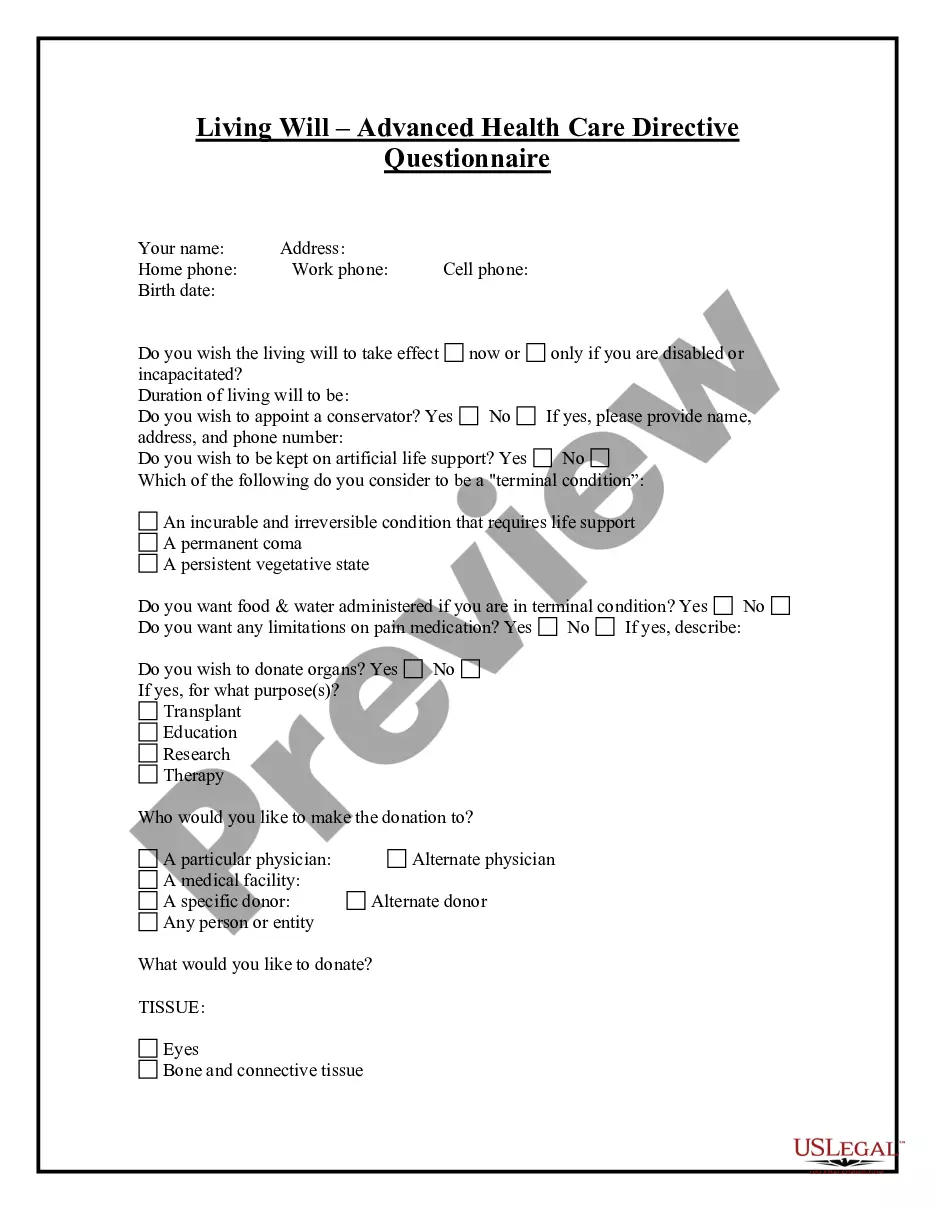
How to fill out California Estate Planning Questionnaire And Worksheets?
Securing a reliable source for the latest and pertinent legal samples is a significant part of navigating bureaucracy.
Selecting the appropriate legal documents requires accuracy and careful consideration, which is why it is essential to obtain samples of Estate Planning And Wills exclusively from trusted platforms, such as US Legal Forms.
Eliminate the hassle associated with your legal documentation. Explore the vast US Legal Forms library where you can discover legal samples, evaluate their applicability to your circumstances, and download them instantly.
- Utilize the catalog navigation or search bar to find your template.
- Review the form’s description to ensure it aligns with the stipulations of your state and county.
- Preview the form, if accessible, to confirm that it is indeed the document you need.
- Return to the search if the Estate Planning And Wills does not fulfill your criteria.
- If you are confident about the form’s relevance, proceed to download it.
- If you are an authorized user, click Log in to verify and access your selected forms in My documents.
- If you haven’t created an account yet, click Buy now to procure the form.
- Select a pricing plan that suits your needs.
- Proceed to the registration to complete your transaction.
- Finalize your purchase by choosing a payment method (credit card or PayPal).
- Choose the document format for downloading Estate Planning And Wills.
- Once the form is on your device, you can edit it using the editor or print it and fill it out manually.
Form popularity
FAQ
A will is a specific legal document that details how you want your assets distributed after your death. In contrast, an estate plan encompasses a broader range of documents and strategies, including wills, trusts, and healthcare directives. While a will addresses asset distribution, an estate plan can also cover issues like guardianship for minor children and tax strategies. Understanding the differences between estate planning and wills helps you make informed decisions tailored to your unique situation.
The primary purpose of an estate plan is to outline how your assets will be managed and distributed after your passing. It helps ensure that your wishes regarding your estate are clearly communicated and legally documented. Additionally, estate planning can minimize taxes and legal complications, making the process smoother for your loved ones. By focusing on estate planning and wills, you proactively safeguard your family's future.
The first step in estate planning and wills involves assessing your current financial situation and determining your goals for your estate. You should gather important documents, identify your assets, and consider who you wish to benefit from your estate. Working with professionals, such as those available on the uslegalforms platform, can help you navigate this initial stage effectively and establish a solid plan.
In general, an estate plan does not automatically override a will, but it can influence how your assets are distributed upon your death. Estate planning and wills work together to ensure your wishes are fulfilled, and certain assets may pass outside of the will if they are included in a trust or have designated beneficiaries. It's crucial to coordinate these documents to prevent conflict and confusion among your heirs.
An estate plan often provides a more comprehensive approach than a simple will by addressing various aspects of your property and financial wishes. With estate planning and wills, you can incorporate trusts, powers of attorney, and healthcare directives, offering greater control over your assets while you're alive and after you pass away. This holistic approach can reduce the chances of disputes and ensure that your wishes are honored.
Estate planning and wills can sometimes involve complex legal processes, which may confuse some individuals. Additionally, there can be upfront costs associated with hiring professionals to create a comprehensive plan, which some may view as a disadvantage. It’s important to remember that neglecting estate planning can lead to significant challenges for your loved ones, making the benefits outweigh the drawbacks in most cases.
The 5 or 5 rule in estate planning is essentially the same as the 5 and 5 rule, emphasizing the withdrawal rights granted to beneficiaries of certain trusts. This rule allows beneficiaries to withdraw either $5,000 or 5% of the trust's value each year without incurring gift taxes. By understanding the implications of this rule, individuals can make informed decisions during the estate planning and wills process.
One of the most common mistakes parents make when establishing a trust fund is not clearly defining the terms and conditions of the trust. This lack of clarity can lead to misunderstandings and conflicts among beneficiaries. To avoid this issue, parents should carefully outline the goals of the trust and the responsibilities of trustees during the estate planning and wills process.
A significant mistake often made with wills is the failure to update them regularly. Life changes, such as marriage, divorce, birth of children, or changes in assets can make an existing will inappropriate or outdated. Regularly reviewing and updating your will is essential in estate planning and wills to ensure it accurately reflects your current desires and circumstances.
The two key documents typically used in preparing an effective estate plan are a will and a durable power of attorney. The will outlines your wishes for asset distribution upon death, whereas a durable power of attorney designates someone to make financial or medical decisions on your behalf if you become incapacitated. Together, they form a solid foundation for comprehensive estate planning and wills.