California Wills Information Withdrawal
Description
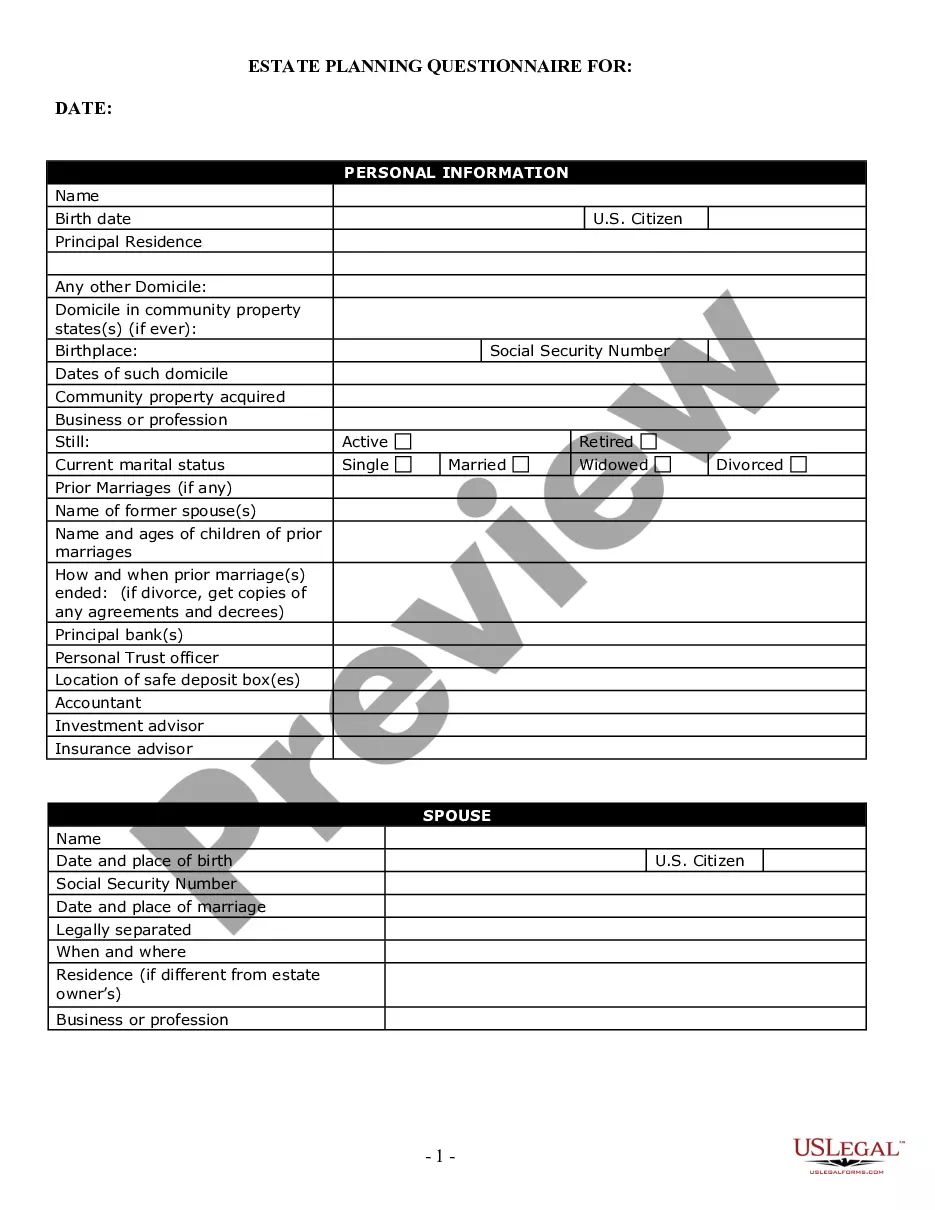
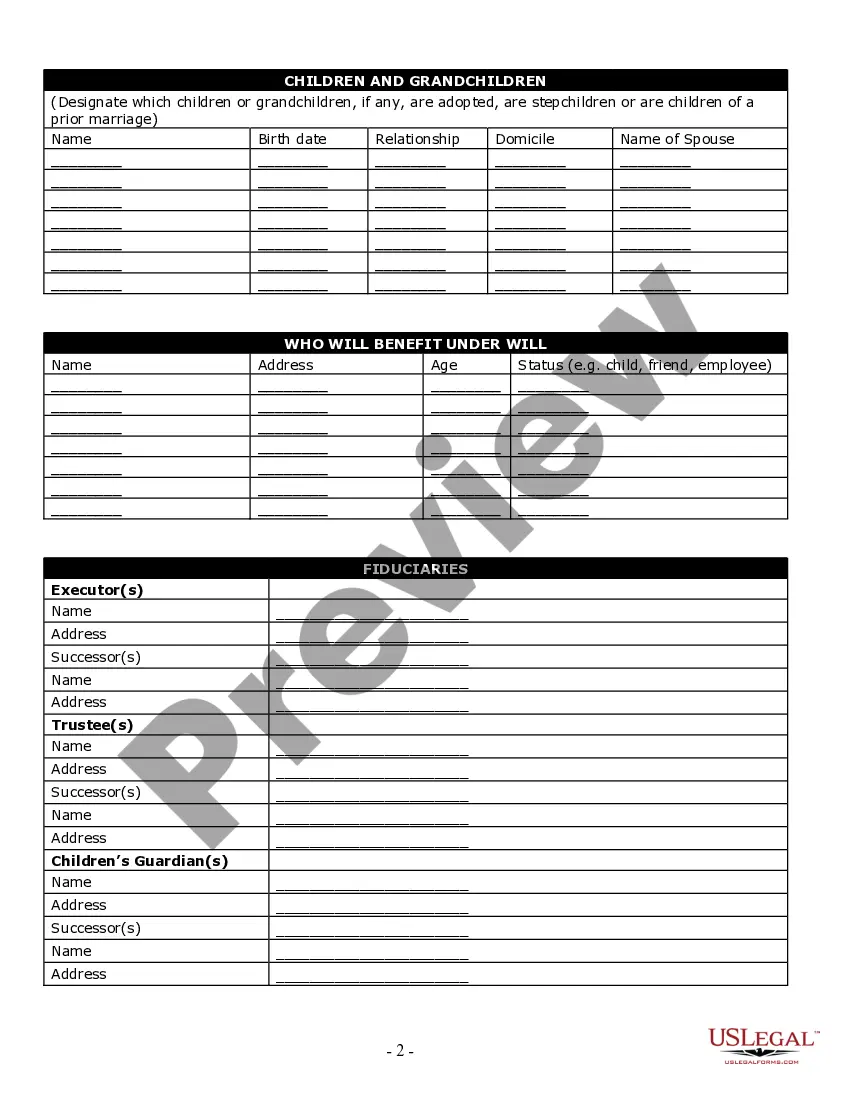
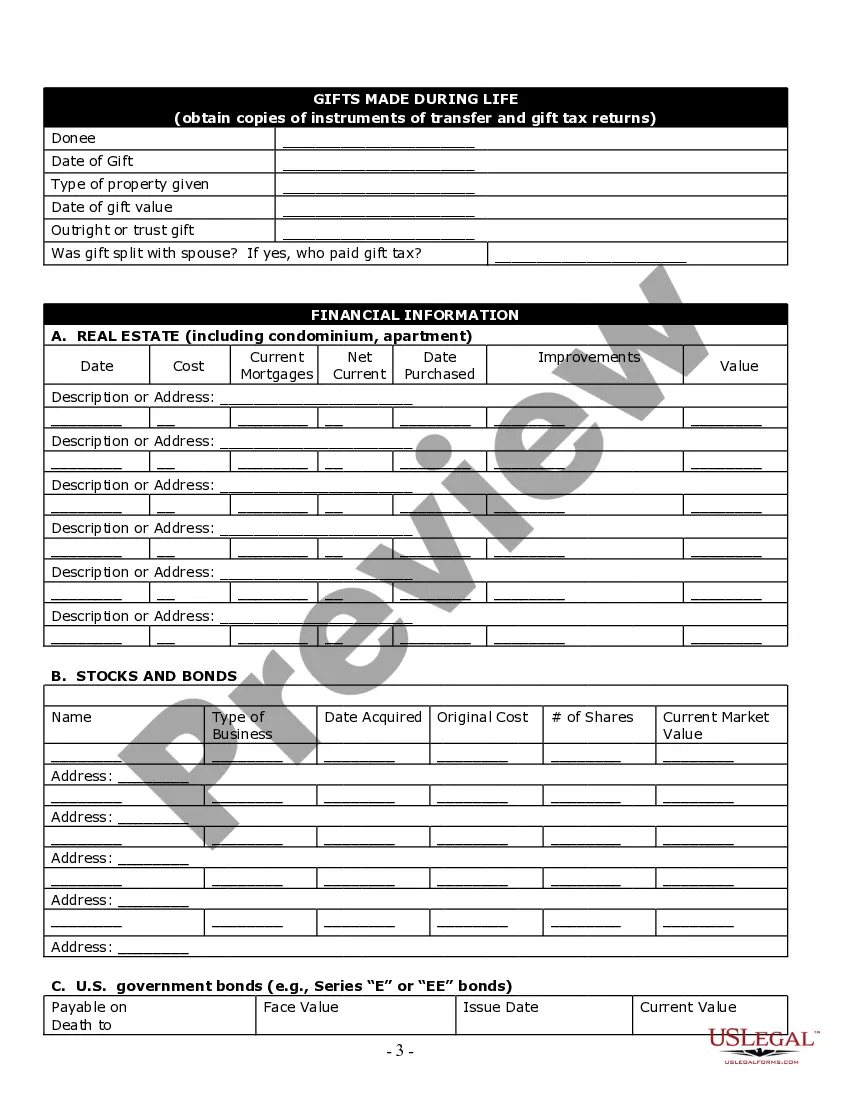
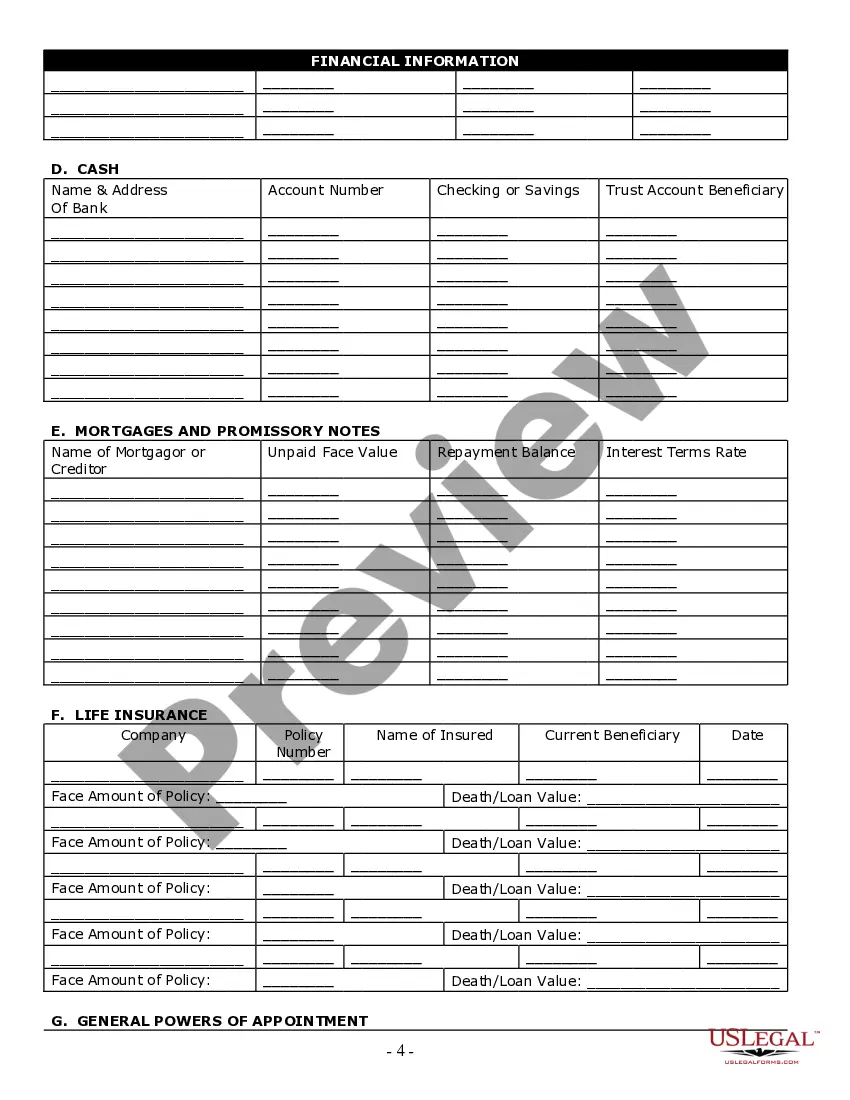



Get your form ready online
Our built-in tools help you complete, sign, share, and store your documents in one place.
Make edits, fill in missing information, and update formatting in US Legal Forms—just like you would in MS Word.
Download a copy, print it, send it by email, or mail it via USPS—whatever works best for your next step.
Sign and collect signatures with our SignNow integration. Send to multiple recipients, set reminders, and more. Go Premium to unlock E-Sign.
If this form requires notarization, complete it online through a secure video call—no need to meet a notary in person or wait for an appointment.
We protect your documents and personal data by following strict security and privacy standards.

Make edits, fill in missing information, and update formatting in US Legal Forms—just like you would in MS Word.

Download a copy, print it, send it by email, or mail it via USPS—whatever works best for your next step.

Sign and collect signatures with our SignNow integration. Send to multiple recipients, set reminders, and more. Go Premium to unlock E-Sign.

If this form requires notarization, complete it online through a secure video call—no need to meet a notary in person or wait for an appointment.

We protect your documents and personal data by following strict security and privacy standards.
Looking for another form?







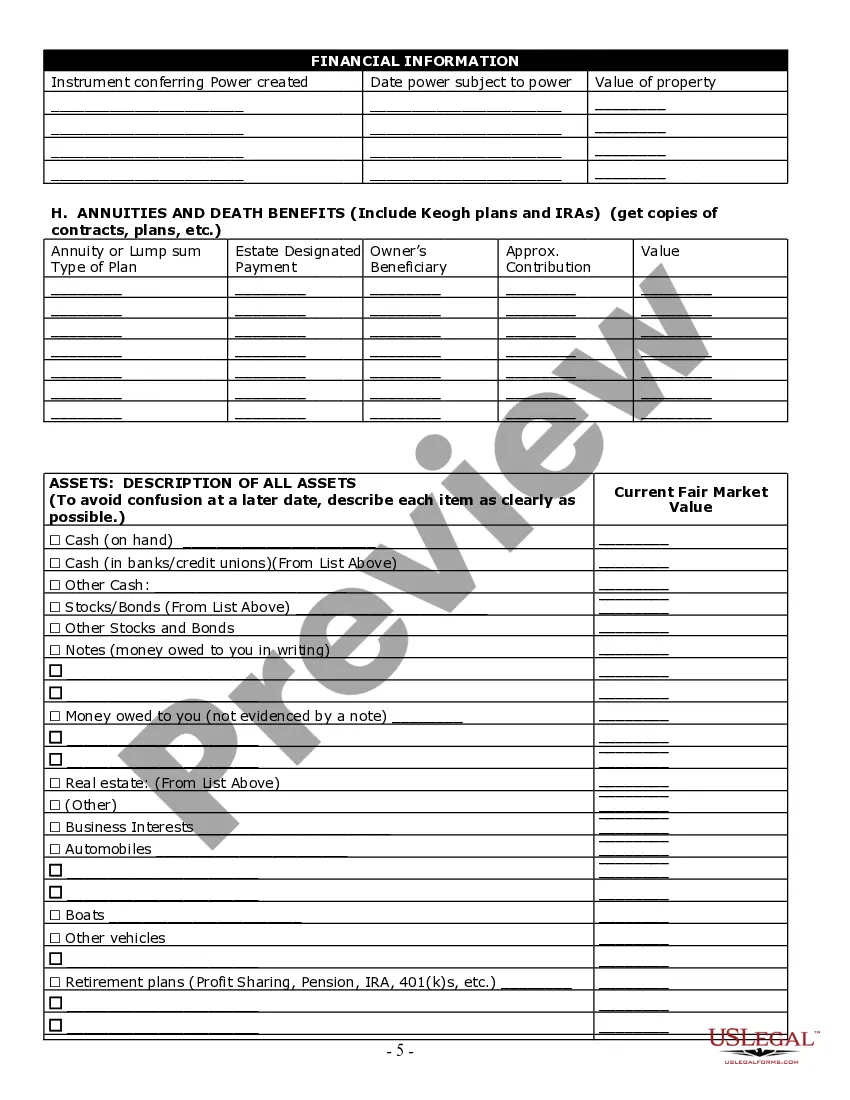
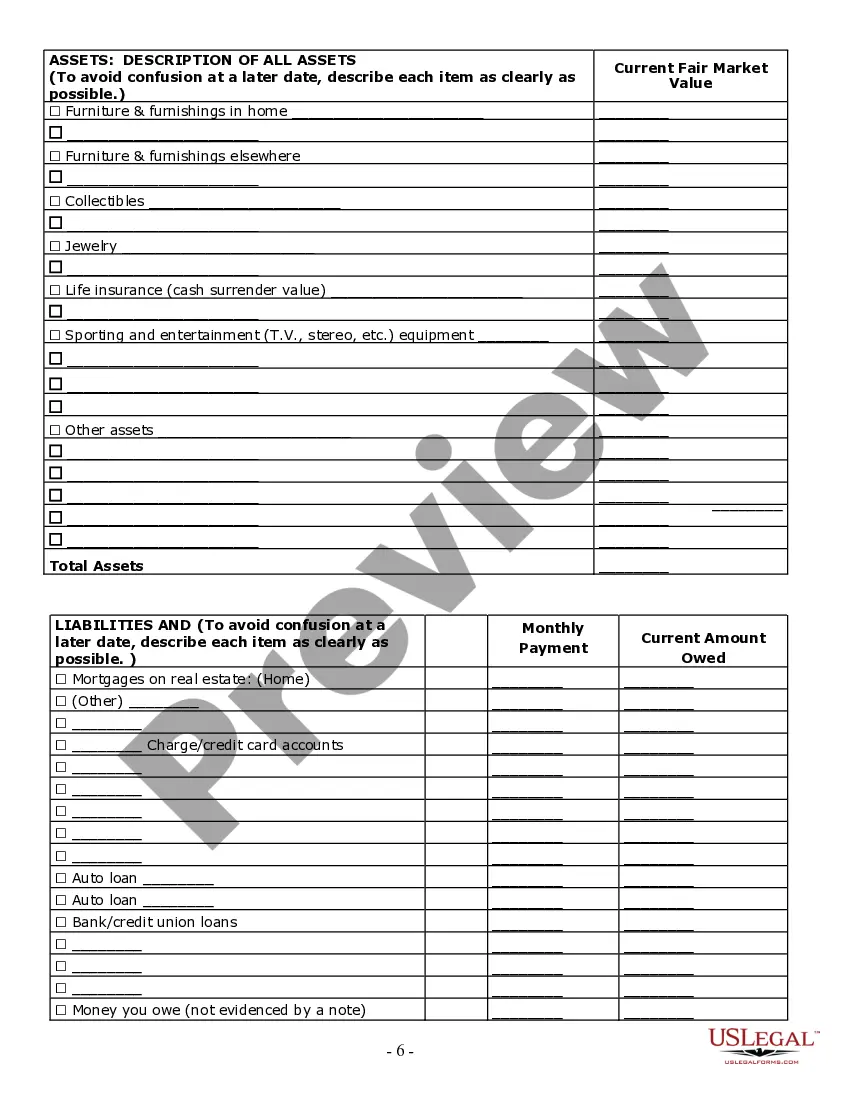
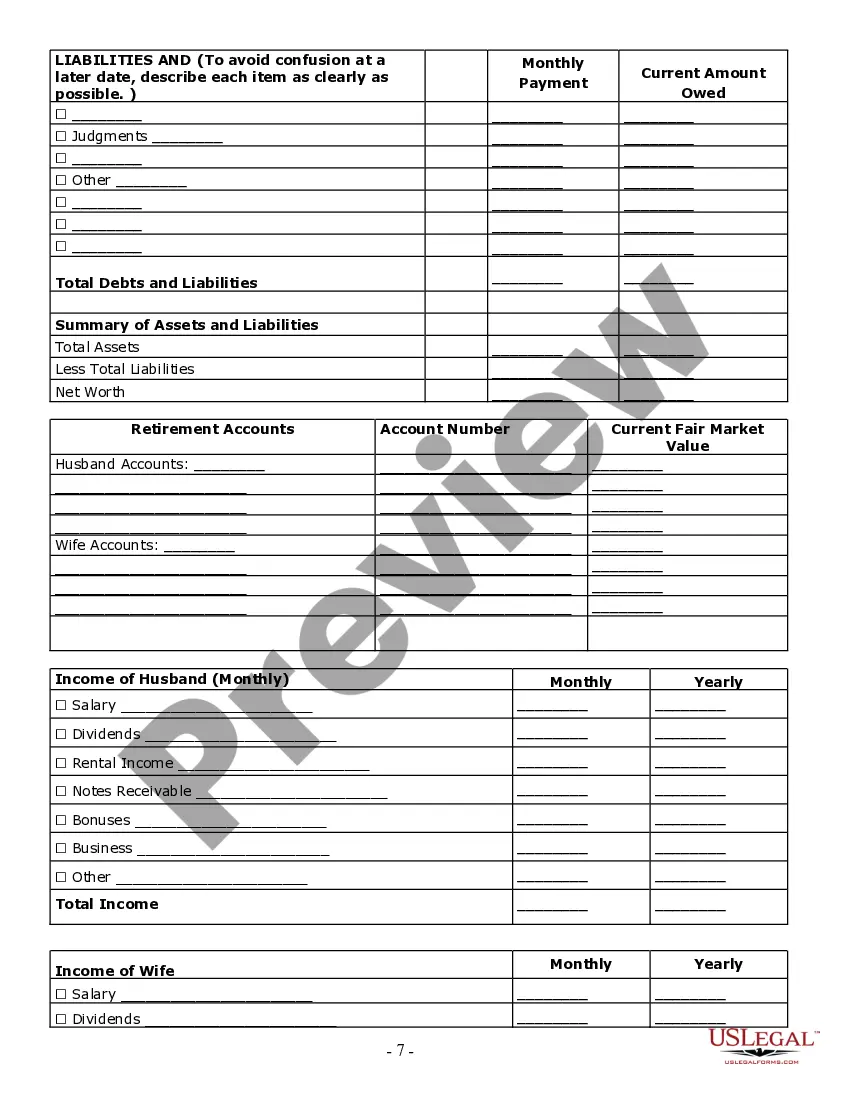
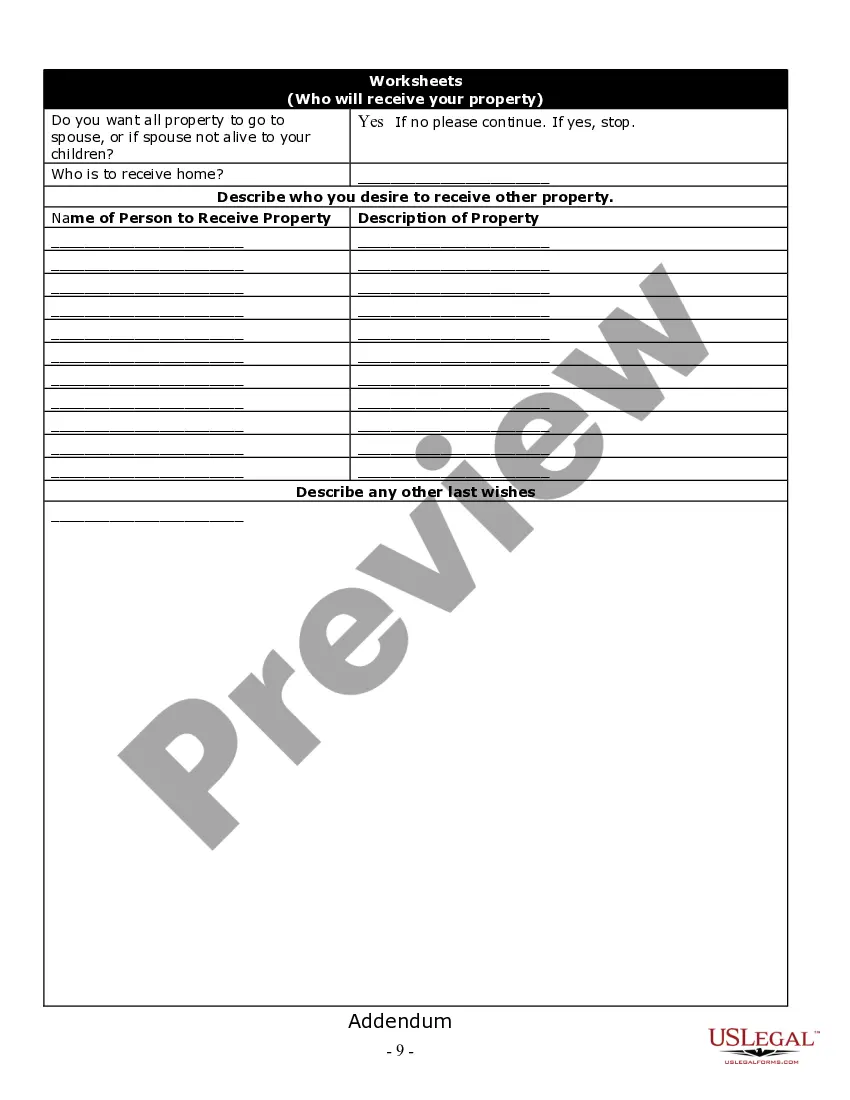
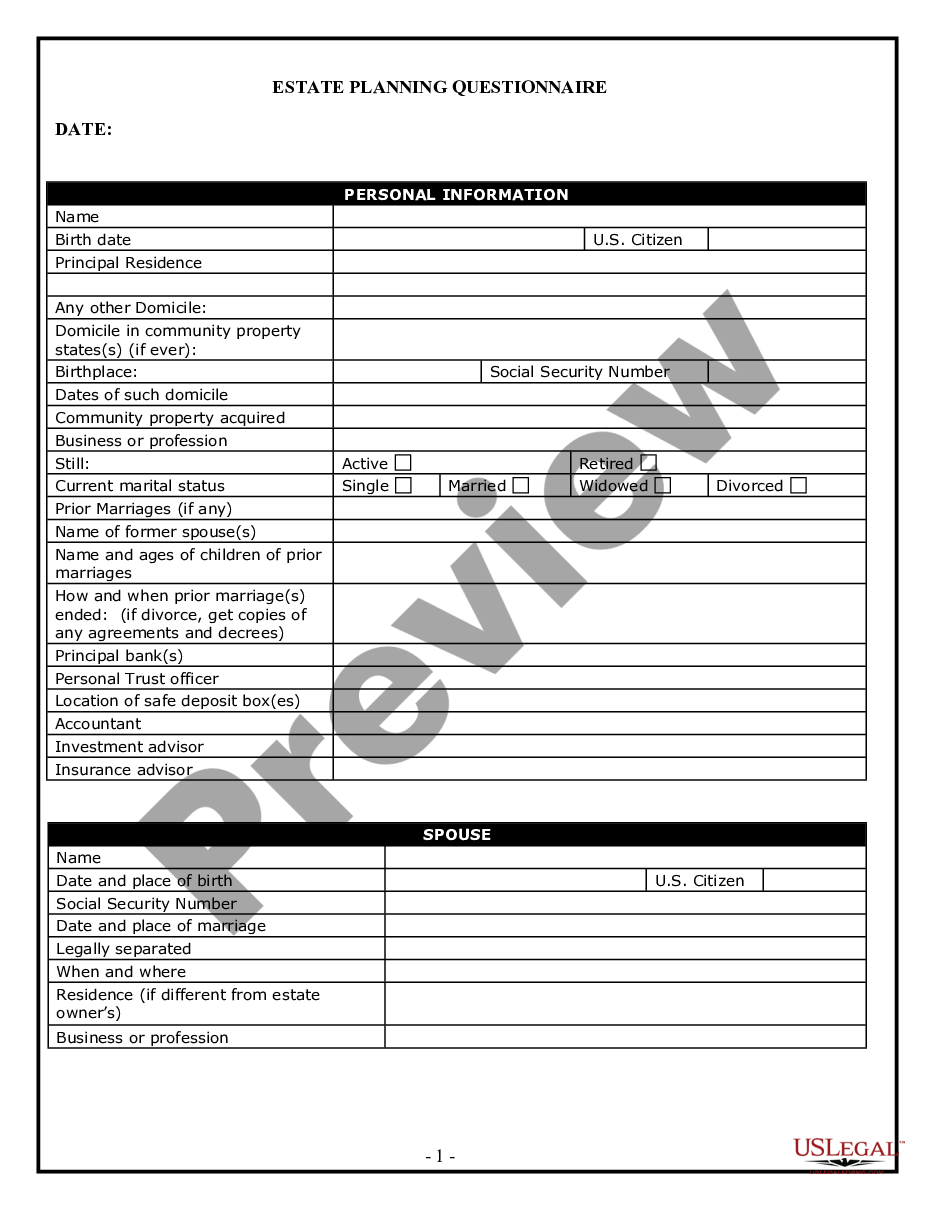
How to fill out California Estate Planning Questionnaire And Worksheets?
The California Wills Information Withdrawal you see on this webpage is a reusable official template created by qualified attorneys in accordance with federal and state statutes and regulations.
For over 25 years, US Legal Forms has supplied individuals, businesses, and lawyers with more than 85,000 validated, state-specific documents for any professional and personal situation. It’s the quickest, most direct, and most reliable method to acquire the necessary paperwork, as the service assures bank-level data protection and anti-malware safeguards.
Join US Legal Forms to have certified legal templates for all of life’s situations at your fingertips.
- Search for the document you require and examine it.
- Go through the sample you looked for and preview it or review the form details to confirm it meets your requirements. If it doesn't, utilize the search feature to locate the correct one. Click Buy Now once you have found the template you need.
- Register and Log In.
- Choose the subscription plan that fits you and set up an account. Use PayPal or a credit card for a swift payment. If you already possess an account, Log In and verify your subscription to continue.
- Obtain the editable template.
- Pick the format you desire for your California Wills Information Withdrawal (PDF, Word, RTF) and download the example onto your device.
- Complete and sign the document.
- Print the template to finish it by hand. Alternatively, employ an online multifunctional PDF editor to quickly and accurately fill out and sign your form with a legally-binding electronic signature.
- Download your documents once again.
- Reuse the same document as often as required. Access the My documents section in your profile to redownload any previously saved forms.
Form popularity
FAQ
Yes, you can request to see a copy of the will, especially if you are a beneficiary or an interested party. California law grants certain rights to individuals who may have a stake in the estate. Typically, the executor must provide a copy upon request, but you may need to establish your interest. If you need more information on California wills information withdrawal, resources like US Legal Forms can guide you.
In California, individuals entitled to see a will include the executor named in the document and beneficiaries designated in the will. Additionally, heirs at law may also request access. This access allows them to understand their rights and the terms stipulated in the will. For expert advice on California wills information withdrawal, you might find US Legal Forms helpful.
Rule 3.400 of the California Rules of Court addresses the requirements for filing a petition for appointment of a personal representative. This rule outlines necessary documentation and procedures in the estate administration process. Understanding this rule can help ensure that California wills information withdrawal is conducted legally and effectively. For assistance with related legal forms, explore US Legal Forms.
In California, access to a will is generally limited to individuals involved in the probate process, such as the executor and beneficiaries. These parties have the legal right to view the will to understand the deceased's final wishes. However, anyone can access a will once it has been filed with the court during probate. For more detailed guidance on California wills information withdrawal, consider consulting with US Legal Forms.
In California, anyone can request to see a will once it has been filed in probate court. However, certain information may be restricted if it contains sensitive details. Beneficiaries named in the will, as well as relatives, can usually obtain copies and learn about the California wills information withdrawal process through the court.
Yes, California wills are considered public records once they enter probate. This means you can access these documents unless specific legal protections apply. To view a will, you can visit the probate court or utilize online resources that provide access to California wills information withdrawal.
To determine if someone left you an inheritance in a will, check with the probate court in the county where the individual resided. The court generally has records of all filed wills under California wills information withdrawal. If you are named as a beneficiary, the executor must notify you, but it may help to inquire proactively.
To look up a will in California, you can start by visiting the probate court in the county where the deceased person lived. Many counties offer online databases where you can search for documents related to California wills information withdrawal. If you cannot find the will online, you may need to request assistance from the court clerk.
In California, not all wills are required to be filed with the court, but it is necessary to file the will for probate proceedings. Filing ensures that the will is recognized legally and provides transparency in distributing assets. For further assistance with California wills information withdrawal, US Legal Forms offers comprehensive solutions to help you navigate the filing requirements effectively.
To revoke a will, you need to either create a new will that states your intention to revoke, or you can physically destroy the existing will. You may also need to formally notify your beneficiaries if you have made significant changes. For detailed steps on California wills information withdrawal, explore the user-friendly resources available on the US Legal Forms platform.