Ca Estate Information Withholding Form 593
Description
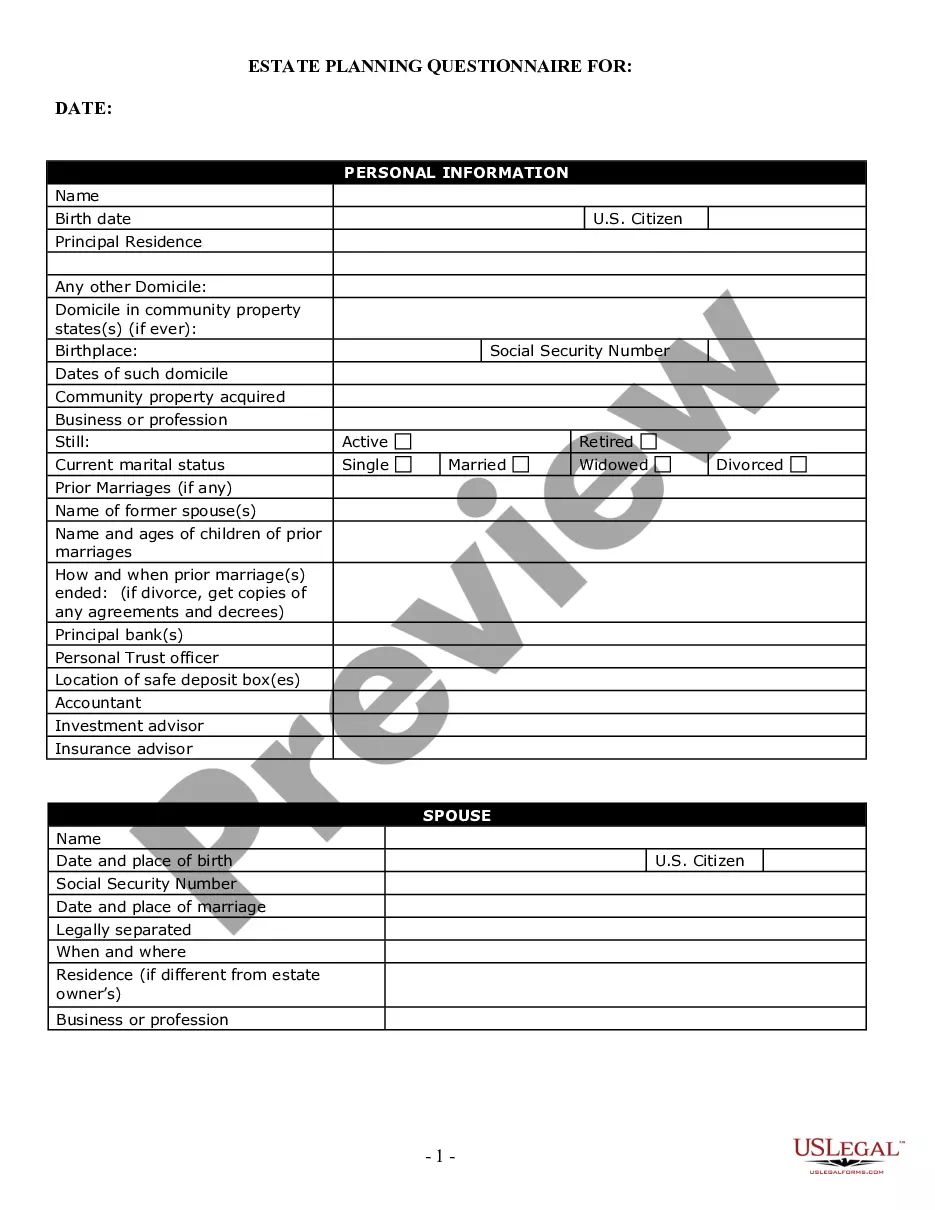
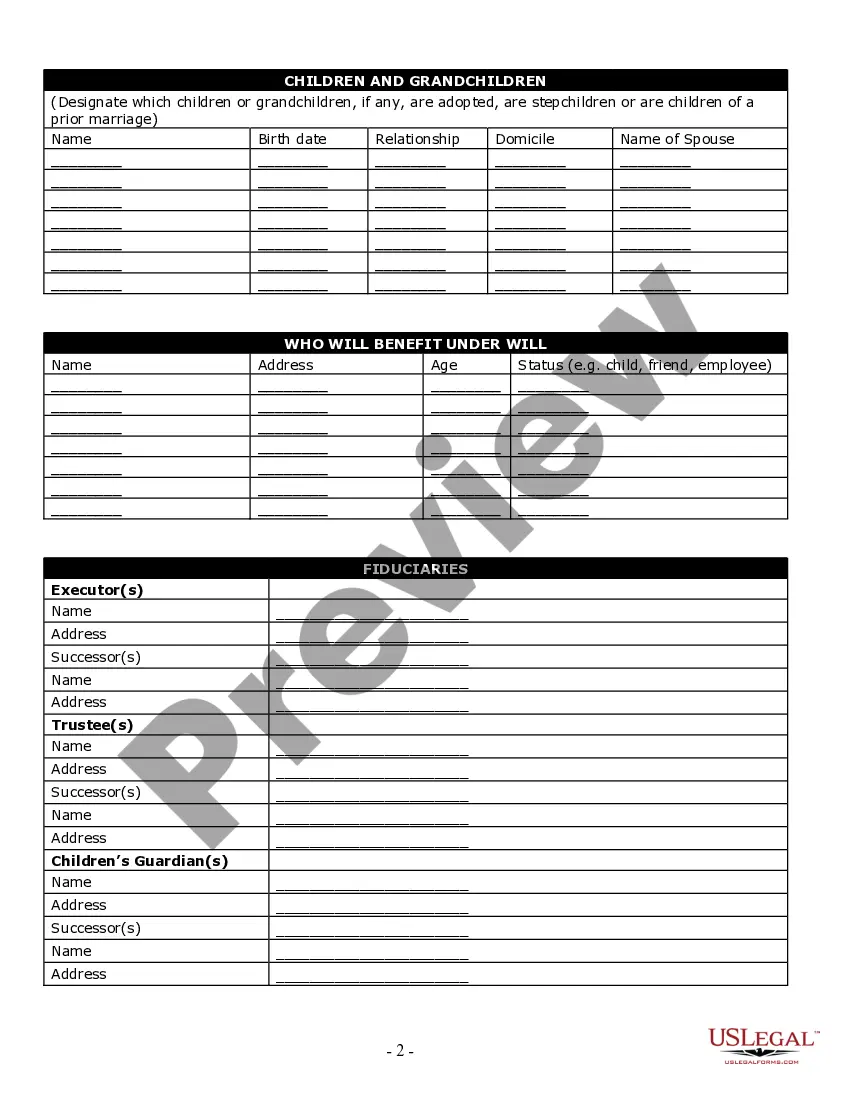
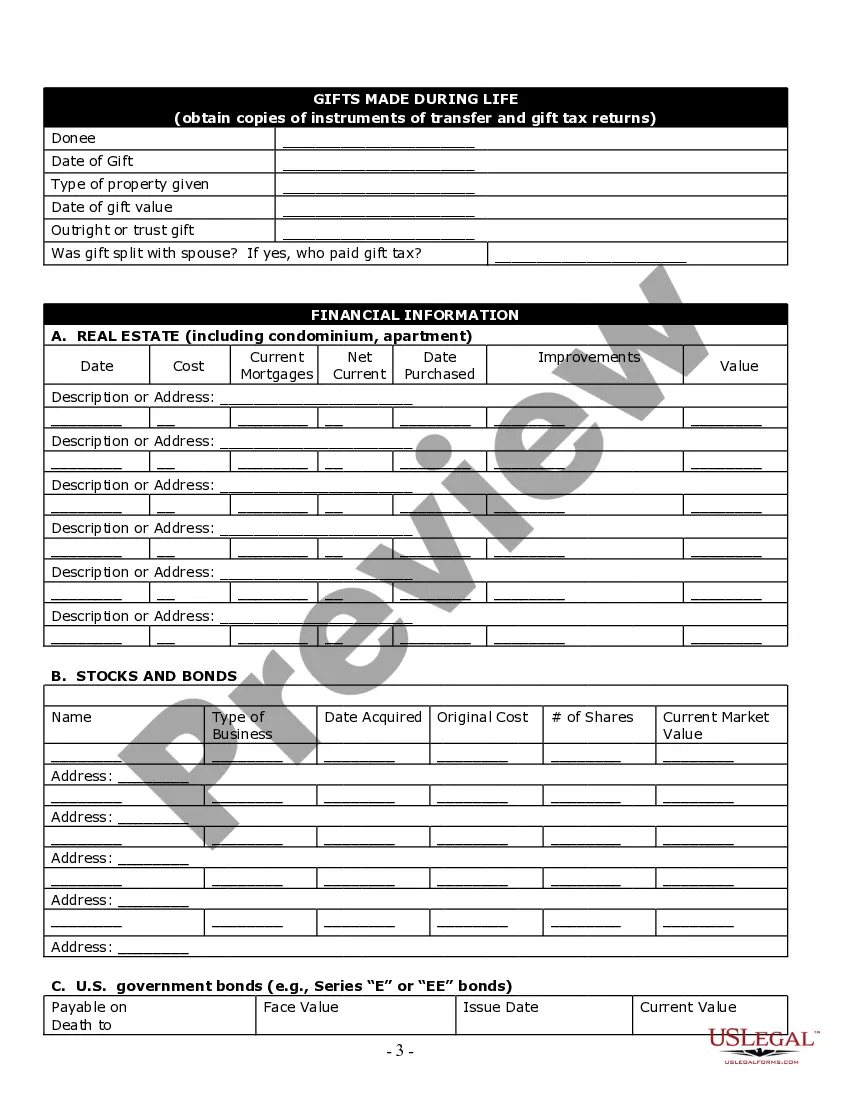
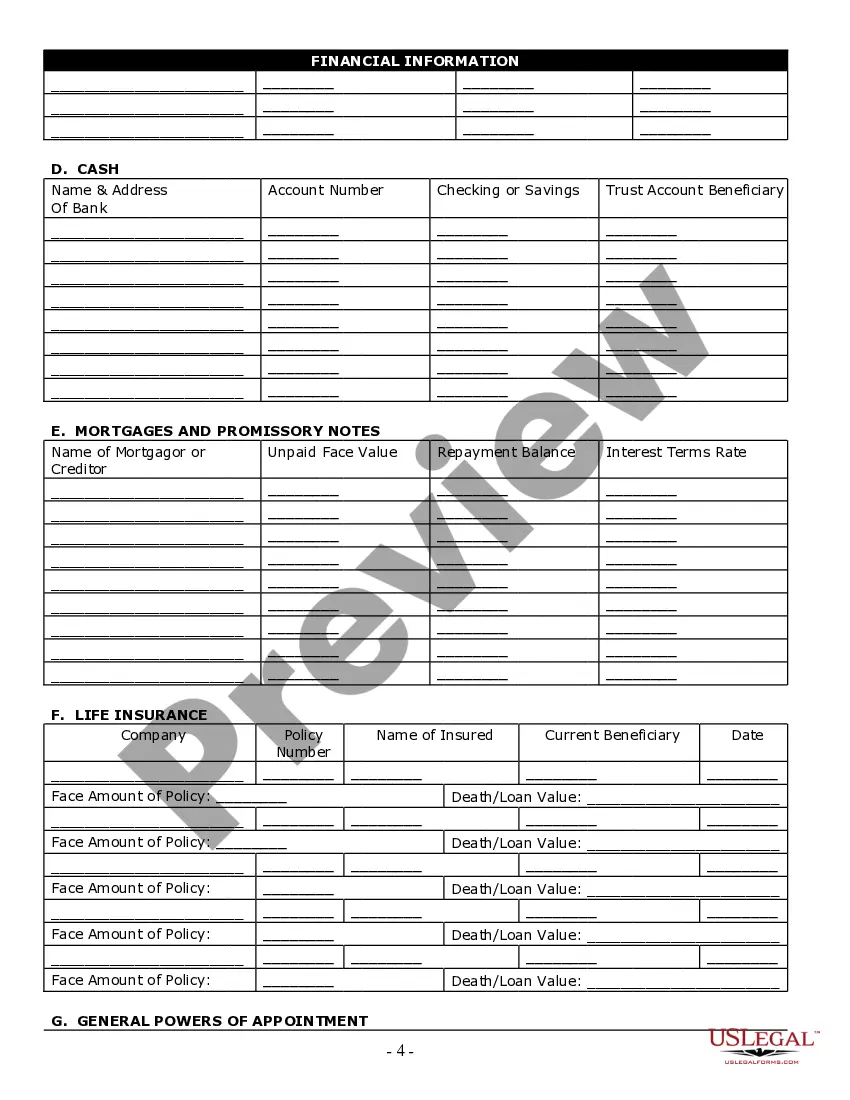
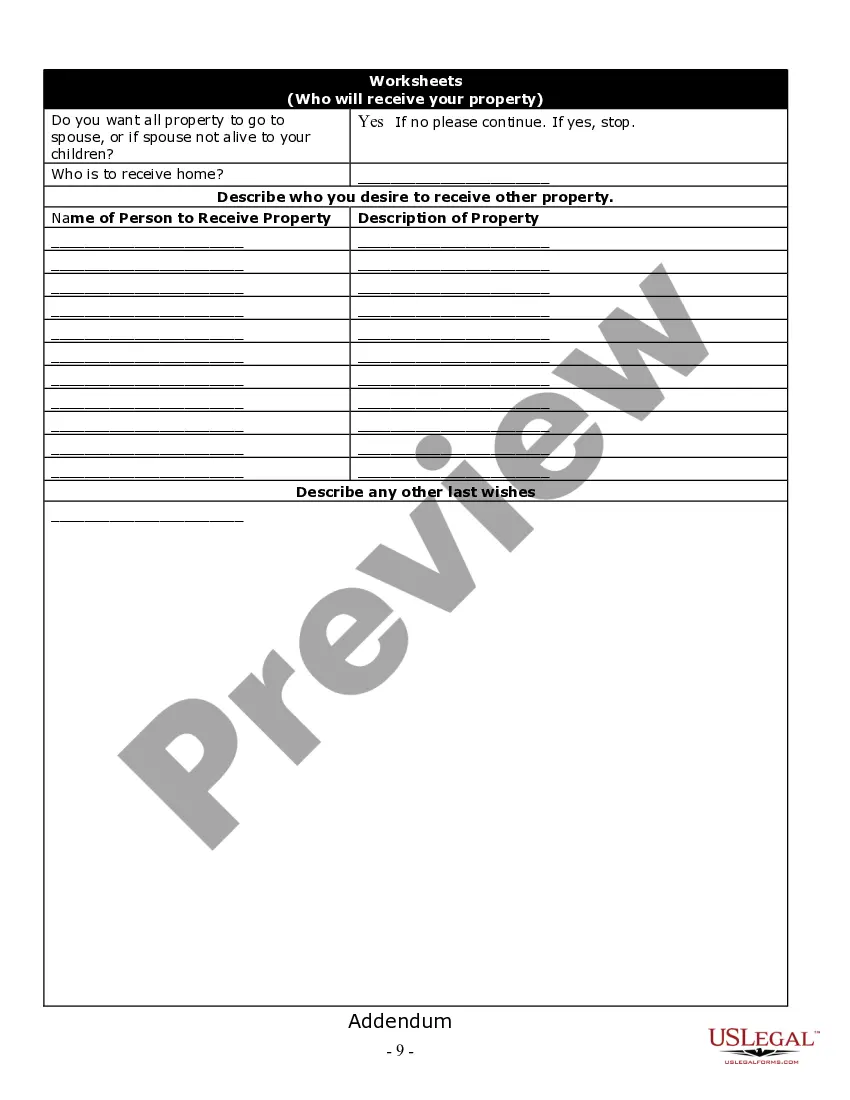
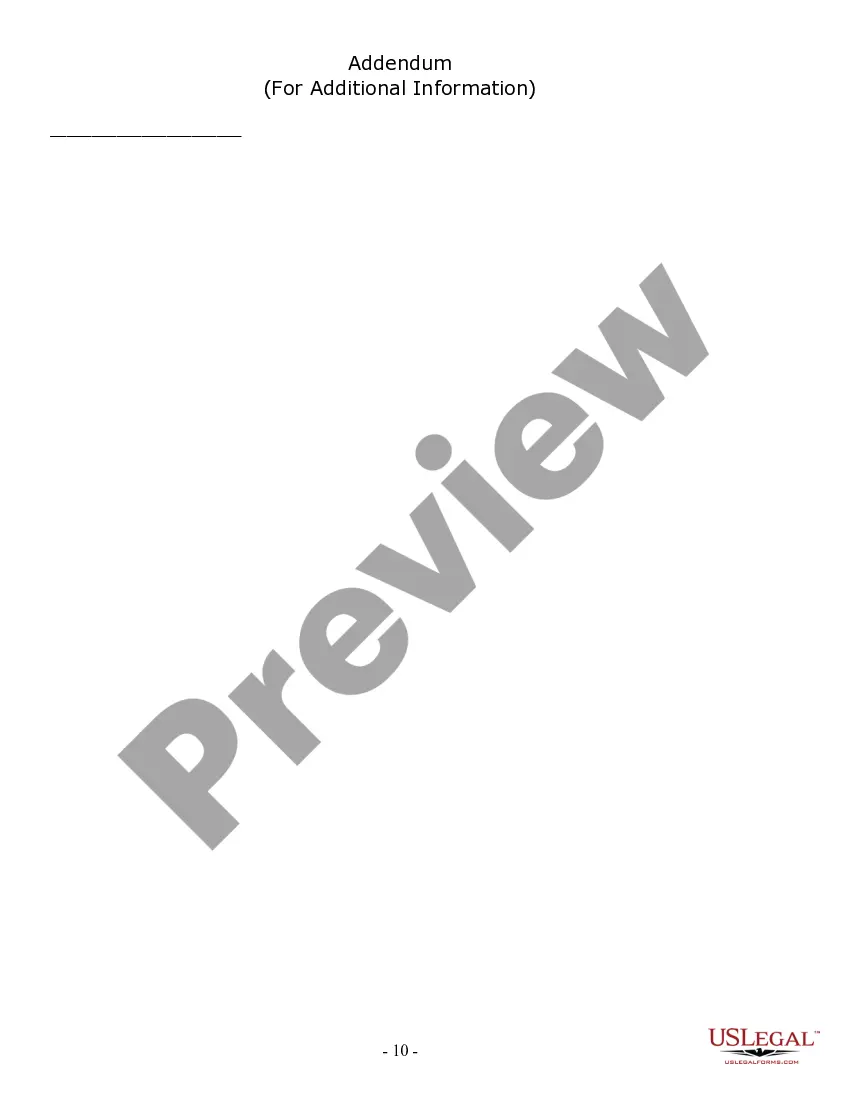

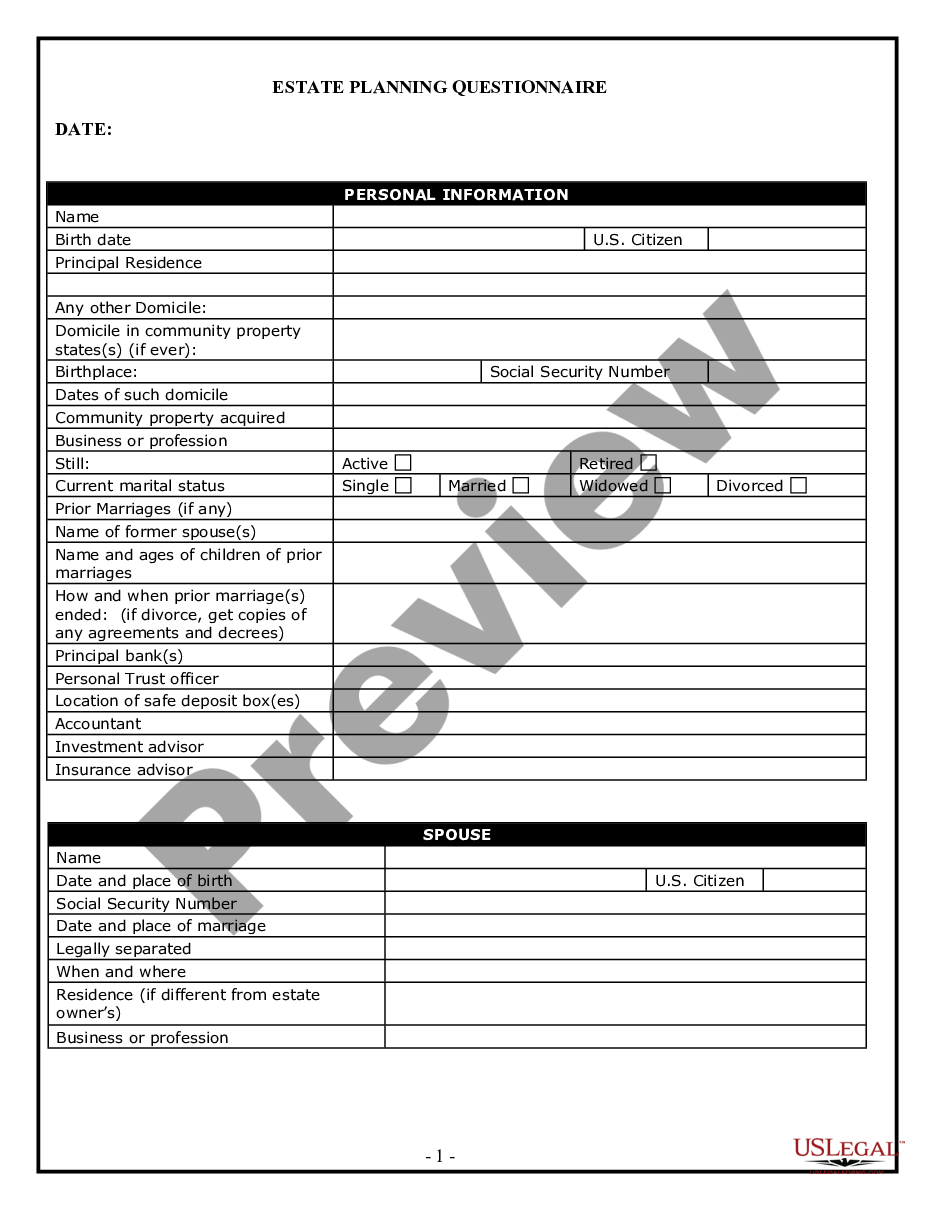
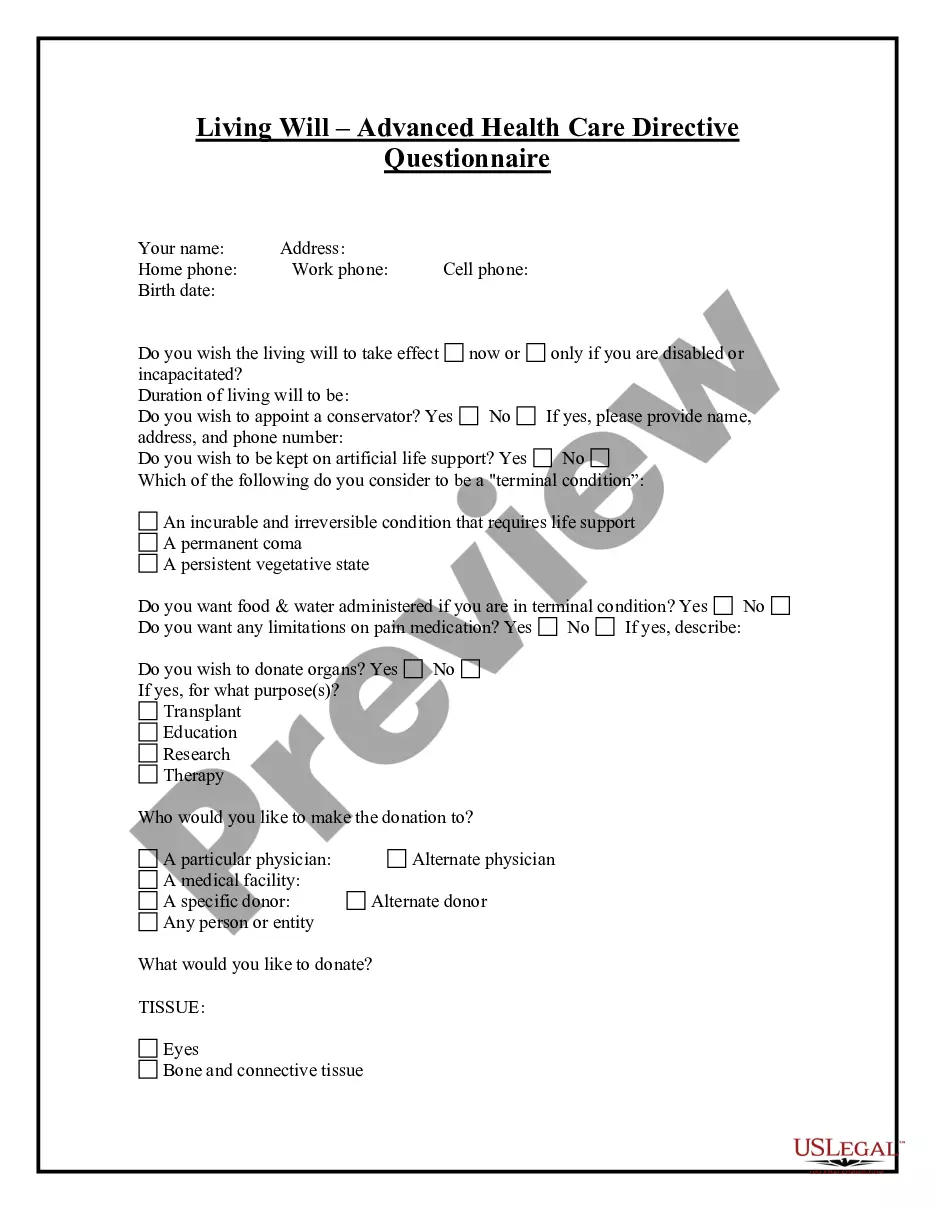
Get your form ready online
Our built-in tools help you complete, sign, share, and store your documents in one place.
Make edits, fill in missing information, and update formatting in US Legal Forms—just like you would in MS Word.
Download a copy, print it, send it by email, or mail it via USPS—whatever works best for your next step.
Sign and collect signatures with our SignNow integration. Send to multiple recipients, set reminders, and more. Go Premium to unlock E-Sign.
If this form requires notarization, complete it online through a secure video call—no need to meet a notary in person or wait for an appointment.
We protect your documents and personal data by following strict security and privacy standards.

Make edits, fill in missing information, and update formatting in US Legal Forms—just like you would in MS Word.

Download a copy, print it, send it by email, or mail it via USPS—whatever works best for your next step.

Sign and collect signatures with our SignNow integration. Send to multiple recipients, set reminders, and more. Go Premium to unlock E-Sign.

If this form requires notarization, complete it online through a secure video call—no need to meet a notary in person or wait for an appointment.

We protect your documents and personal data by following strict security and privacy standards.
Looking for another form?








How to fill out California Estate Planning Questionnaire And Worksheets?
Whether for commercial endeavors or personal matters, everyone must navigate legal situations at various points in their lives.
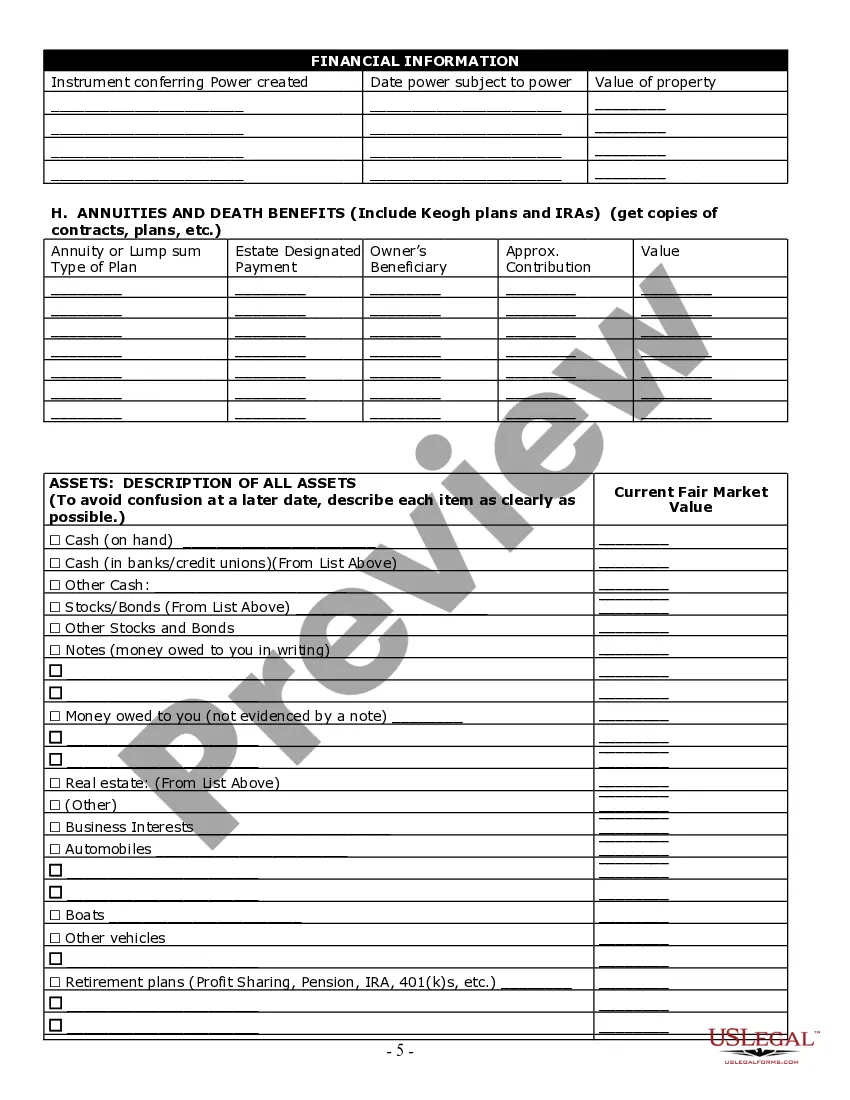
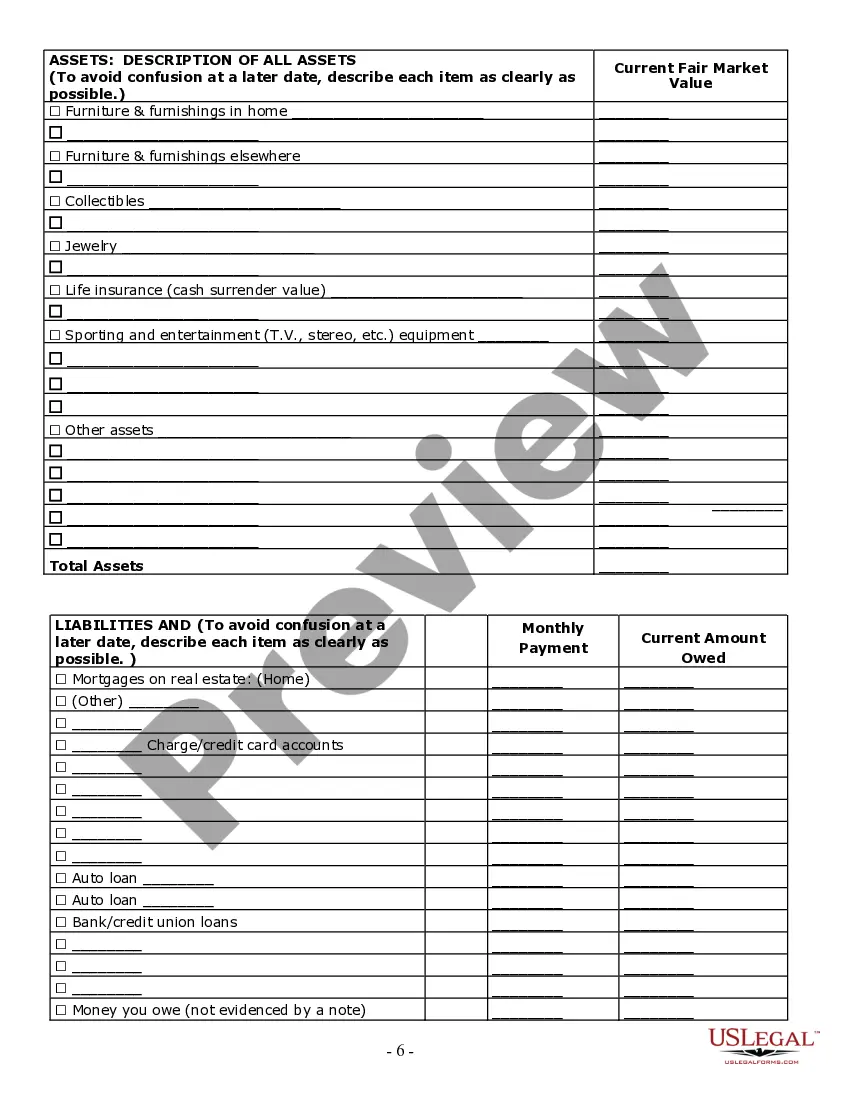
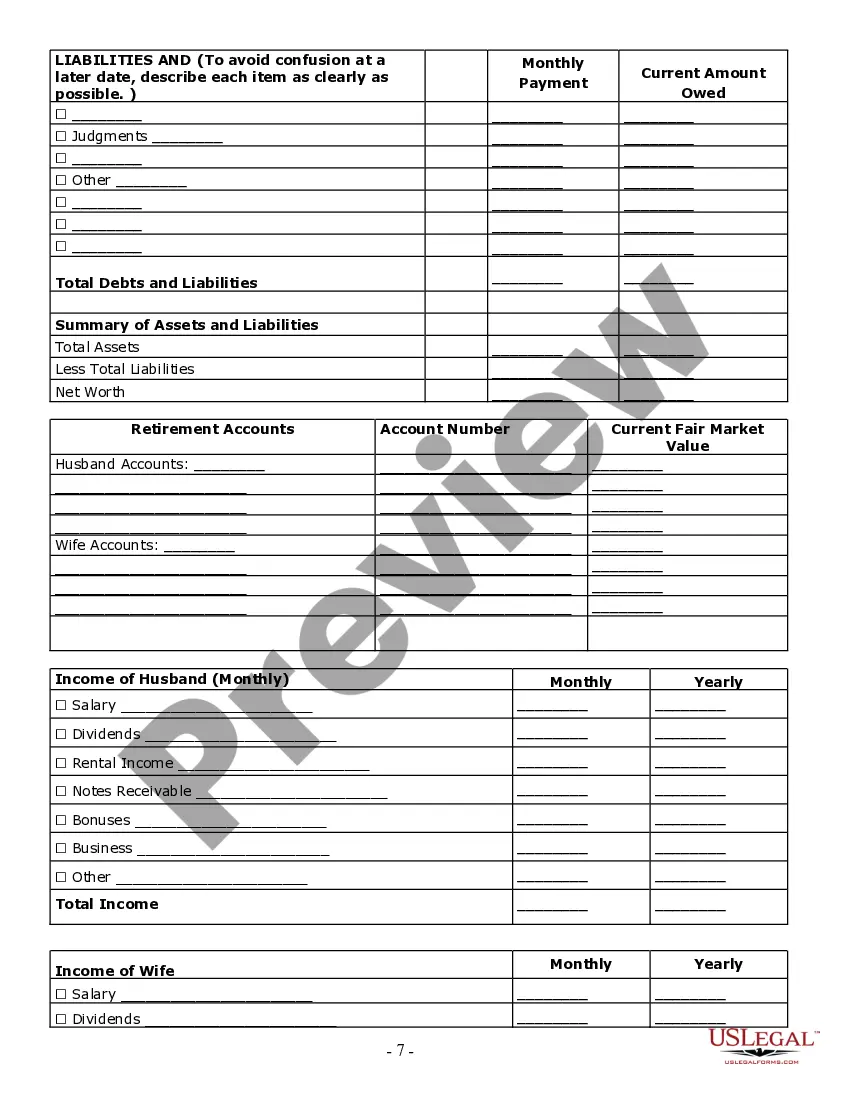
Filling out legal documents requires meticulous attention, starting with the selection of the appropriate form sample. For example, if you choose an incorrect version of a Ca Estate Information Withholding Form 593, it will be rejected upon submission. Thus, it is vital to have a reliable source of legal documents like US Legal Forms.
With an extensive catalog from US Legal Forms available, you do not need to squander time searching for the correct sample online. Utilize the library’s straightforward navigation to find the appropriate template for any occasion.
- Locate the sample you require by using the search bar or browsing the catalog.
- Review the form’s description to ensure it meets your specific circumstance, state, and county.
- Click on the form’s preview to assess it.
- If it is the incorrect form, return to the search function to locate the Ca Estate Information Withholding Form 593 sample you need.
- Obtain the template if it satisfies your criteria.
- If you have a US Legal Forms account, click Log in to retrieve previously saved documents in My documents.
- If you don’t have an account yet, you can acquire the form by clicking Buy now.
- Choose the relevant pricing option.
- Fill out the account registration form.
- Select your payment method: either a credit card or a PayPal account.
- Choose the file format you desire and download the Ca Estate Information Withholding Form 593.
- Once saved, you can complete the form using editing software or print it and fill it out by hand.
Form popularity
FAQ
Ing to the New Jersey instructions: A Resident of New Jersey is an individual that is domiciled in New Jersey for the tax year or an individual that maintains a permanent home in New Jersey and spends more than 183 days in the state.
A Resident of New Jersey is an individual that is domiciled in New Jersey for the tax year or an individual that maintains a permanent home in New Jersey and spends more than 183 days in the state.
Tax wise, you would be considered a resident if you spend more than half the year living in a certain state or have established your domicile there. You may also establish residency by owning a business or being gainfully employed in a state even if you do not live there all year.
Apply for legal help online Apply online or call our Toll-Free Statewide Legal Hotline at 1-888-LSNJ-LAW.
Legal Services of New Jersey (LSNJ) coordinates the statewide Legal Services system in New Jersey, providing free legal assistance to low-income people in civil matters. This service is provided at no charge, but applicants must be financially eligible to qualify.
You can be a resident of two states at the same time, usually by maintaining a domicile in one state and spending 183 days or more in another. It is not advisable, as you will be liable to file income taxes in both states, rather than in only one.
If New Jersey is not your domicile, you are only considered a resident if you maintain a permanent home and spend more than 183 days here.
You do not need to be separated from your spouse to file for divorce in New Jersey, unless you want to base your divorce on the fact that you are separated from one another. If that is the case, you need to be living separate and apart for at least 18 months before you can file and you would file based upon separation.