Real Estate Attorney For Eviction
Description
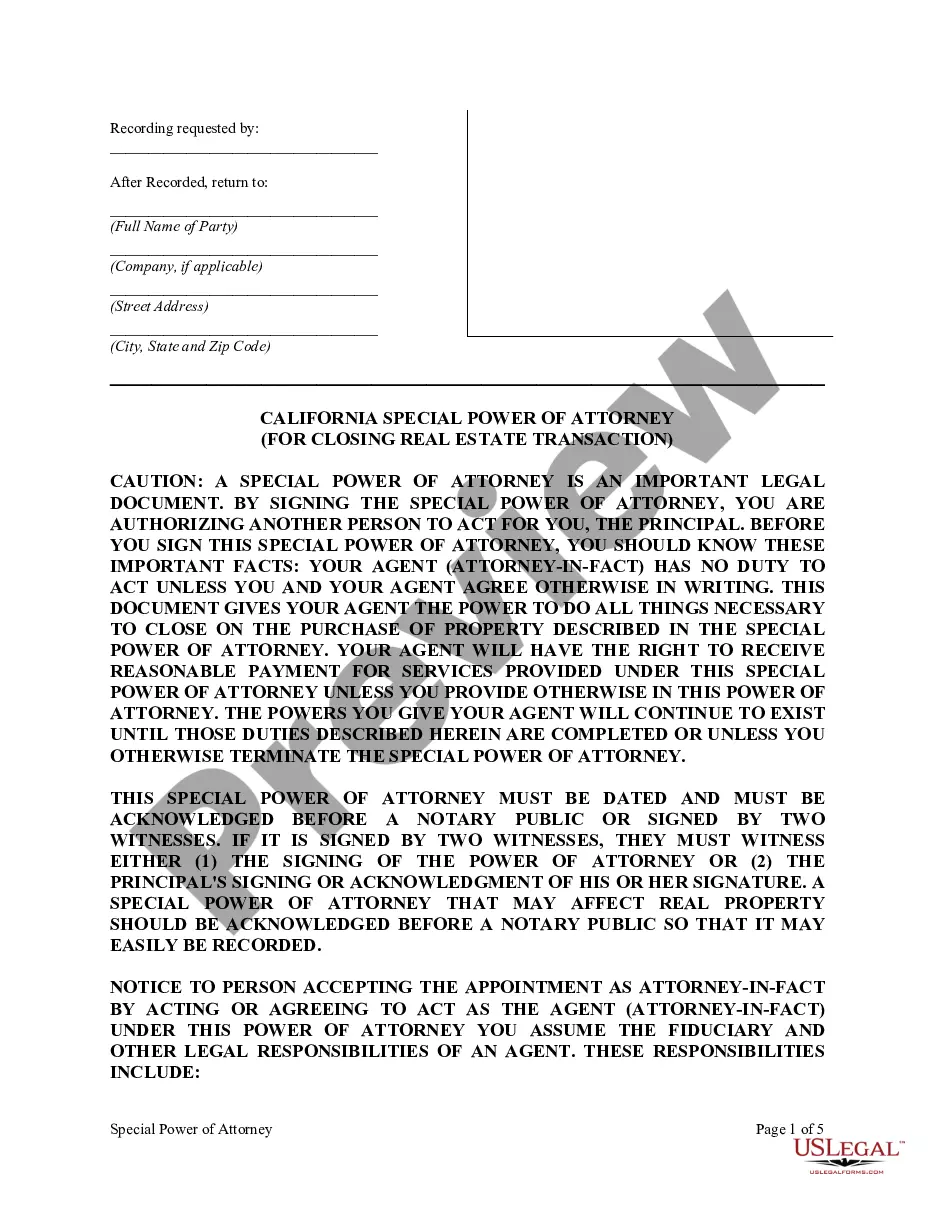
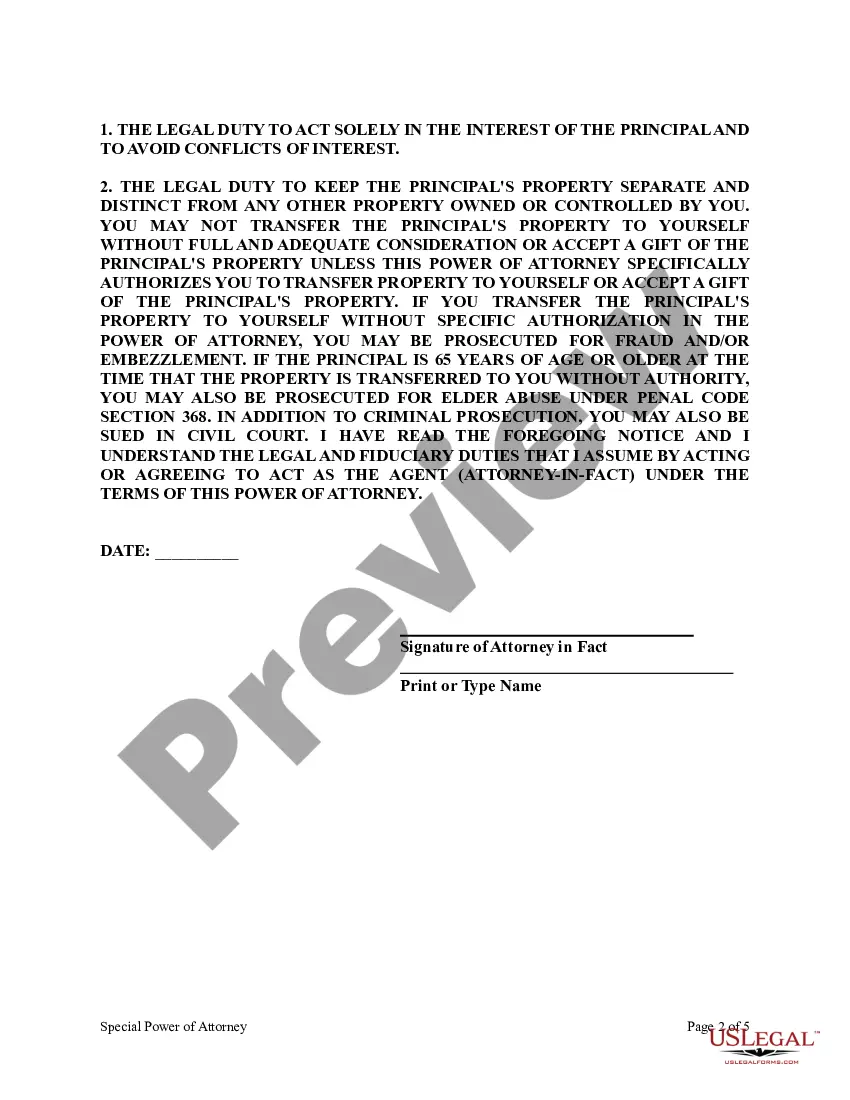
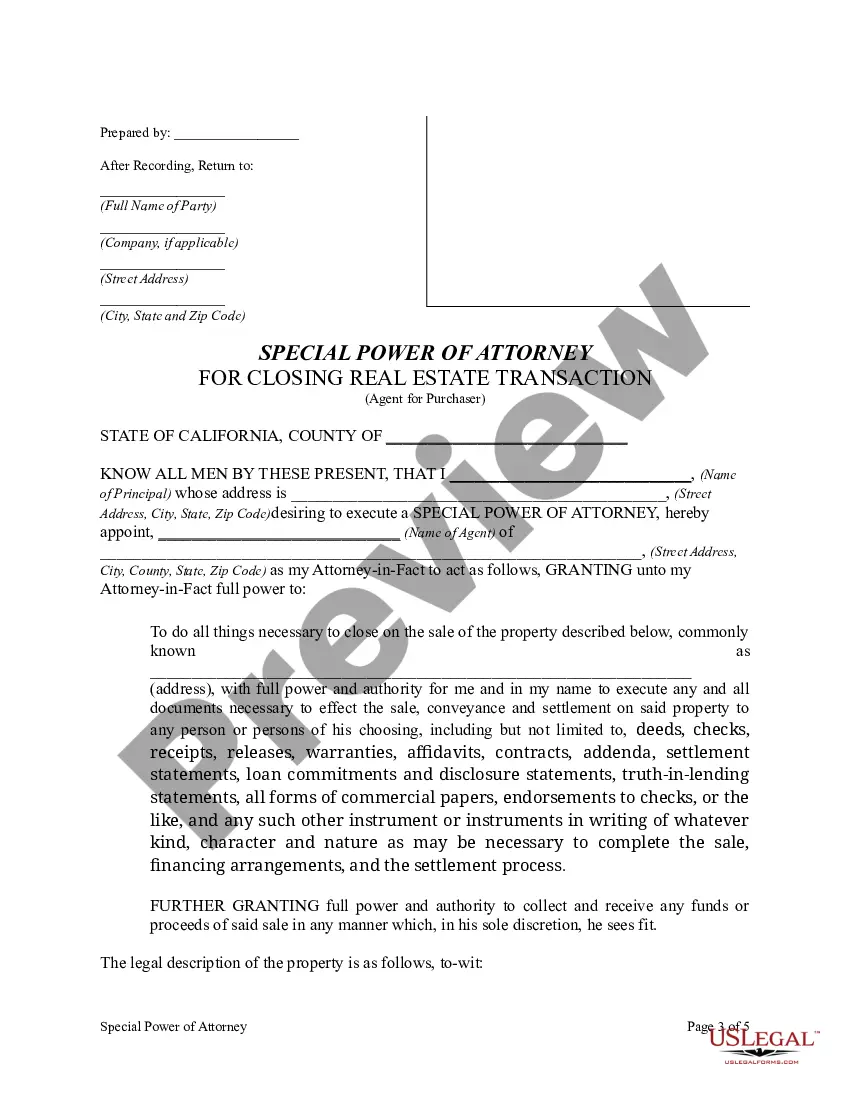
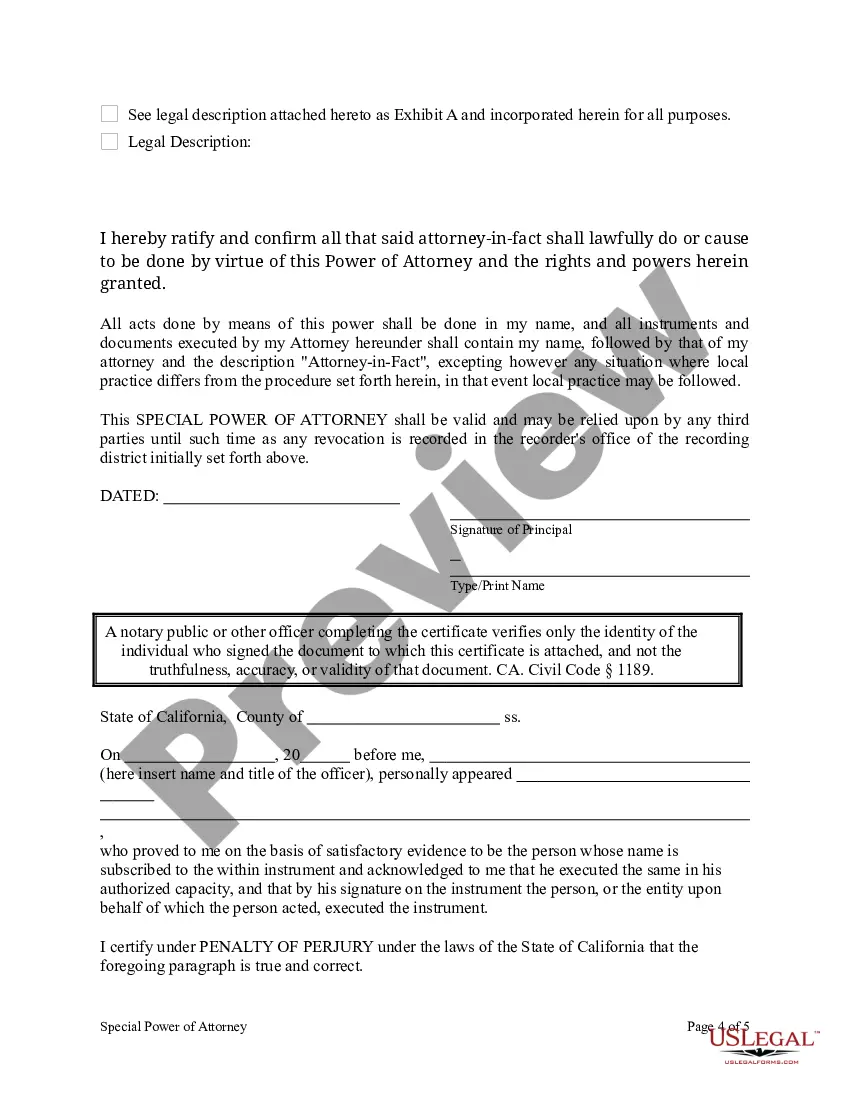
Get your form ready online
Our built-in tools help you complete, sign, share, and store your documents in one place.
Make edits, fill in missing information, and update formatting in US Legal Forms—just like you would in MS Word.
Download a copy, print it, send it by email, or mail it via USPS—whatever works best for your next step.
Sign and collect signatures with our SignNow integration. Send to multiple recipients, set reminders, and more. Go Premium to unlock E-Sign.
If this form requires notarization, complete it online through a secure video call—no need to meet a notary in person or wait for an appointment.
We protect your documents and personal data by following strict security and privacy standards.

Make edits, fill in missing information, and update formatting in US Legal Forms—just like you would in MS Word.

Download a copy, print it, send it by email, or mail it via USPS—whatever works best for your next step.

Sign and collect signatures with our SignNow integration. Send to multiple recipients, set reminders, and more. Go Premium to unlock E-Sign.

If this form requires notarization, complete it online through a secure video call—no need to meet a notary in person or wait for an appointment.

We protect your documents and personal data by following strict security and privacy standards.
Looking for another form?

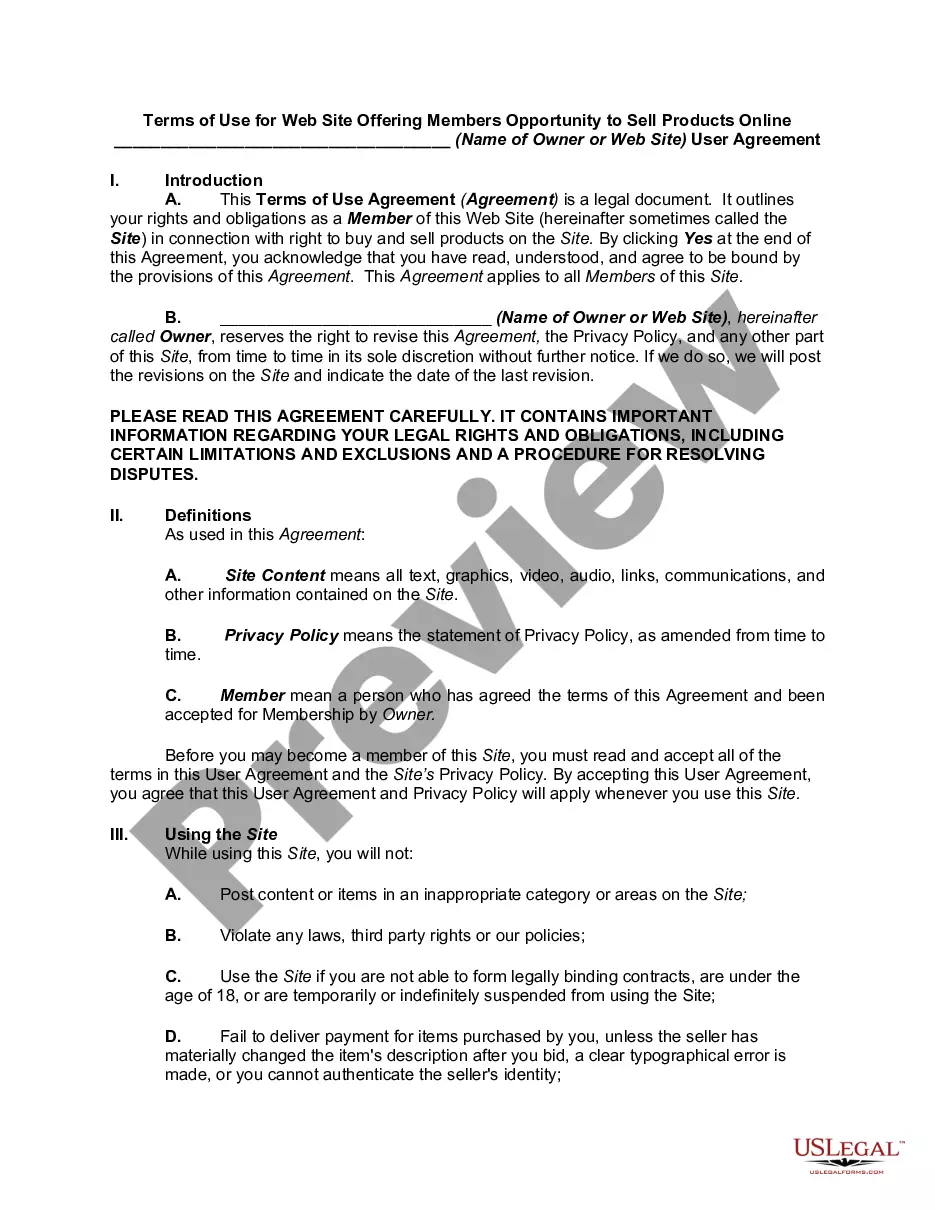



How to fill out California Special Or Limited Power Of Attorney For Real Estate Purchase Transaction By Purchaser?
- Log in to your US Legal Forms account if you are an existing user. Ensure your subscription is current or renew it as necessary.
- For first-time users, begin by previewing the available forms. Confirm that the form aligns with your jurisdiction's requirements.
- Use the Search feature if you need to explore additional templates that meet your needs.
- Once you've found the right document, click the Buy Now button and select your desired subscription plan.
- Complete your purchase by providing your payment details through credit card or PayPal.
- Download your selected template directly to your device and access it anytime in the My Forms section of your profile.
US Legal Forms empowers both individuals and attorneys by providing an extensive library of over 85,000 easily fillable legal forms. This ensures that you have the necessary tools for accurate document preparation.
In conclusion, utilizing US Legal Forms for your eviction documents not only saves time but also provides access to expert assistance for legal document preparation. Start your process today and ensure you have the resources you need!
Form popularity
FAQ
If a landlord fails to appear in court for an eviction hearing, the court may dismiss the case. This can provide you with a significant advantage, as it may allow you to remain in your home. However, it is essential to remain informed and prepared, which is where a real estate attorney for eviction can help. They can advise you on how to proceed if your landlord does not show, protecting your interests.
In New York, landlords cannot evict tenants immediately without proper cause and due process. They must follow the legal eviction procedure, which includes giving notice and obtaining a court ruling. A real estate attorney for eviction can assist landlords in managing this process and ensure compliance with all legal requirements. This helps prevent unnecessary delays and disputes.
New laws on eviction in New York include enhanced protections for tenants and tighter regulations for landlords. These changes focus on preventing unjust evictions and require landlords to provide clear documentation. Consulting with a real estate attorney for eviction can provide clarity on how these laws affect your specific situation. They can assist you in understanding your rights and responsibilities.
The quickest way to evict a tenant is to follow the legal procedures outlined in your state's laws. Typically, this involves providing proper notice, filing the eviction petition, and obtaining a court order. To streamline this process, working with a real estate attorney for eviction is advisable. They will help ensure all steps are completed correctly and efficiently.
In New York, a landlord cannot evict you without going to court. The eviction process requires formal legal procedures, including filing a lawsuit and obtaining a judgment. Engaging a real estate attorney for eviction can ensure your rights are protected during this process. They can guide you through the legal landscape and help you understand your options.
Currently, evictions in California can take several weeks to months, depending on court schedules and local regulations. Factors such as tenant responses and the type of eviction process also impact timelines. If you are involved in an eviction, a real estate attorney for eviction can expedite your understanding of the process and potentially minimize delays.
The new law on eviction in California emphasizes tenant protections, particularly concerning no-fault evictions. Landlords must now present valid reasons for eviction, ensuring tenants have more security in their homes. Engaging a real estate attorney for eviction can help you navigate these laws and keep your rights protected.
No, in California, a landlord cannot evict a tenant without going through the court process if the tenant challenges the eviction. The landlord must file an unlawful detainer action to lawfully evict you. If you find yourself facing potential eviction, reaching out to a real estate attorney for eviction can provide the necessary guidance and support.
In California, a landlord must provide a written notice of at least 30 days for tenants who have lived in a rental for less than a year. For tenants who have resided for more than a year, a 60-day notice is required. Consulting a real estate attorney for eviction can clarify any nuances in your situation and ensure compliance with local laws.
The new California renter law, effective in 2025, introduces various protections for tenants. It limits rent increases and ensures that landlords must provide just cause for eviction. A real estate attorney for eviction can help you understand how these changes impact your rights and responsibilities as a tenant or landlord.