Attorney For Real Estate Issues
Description
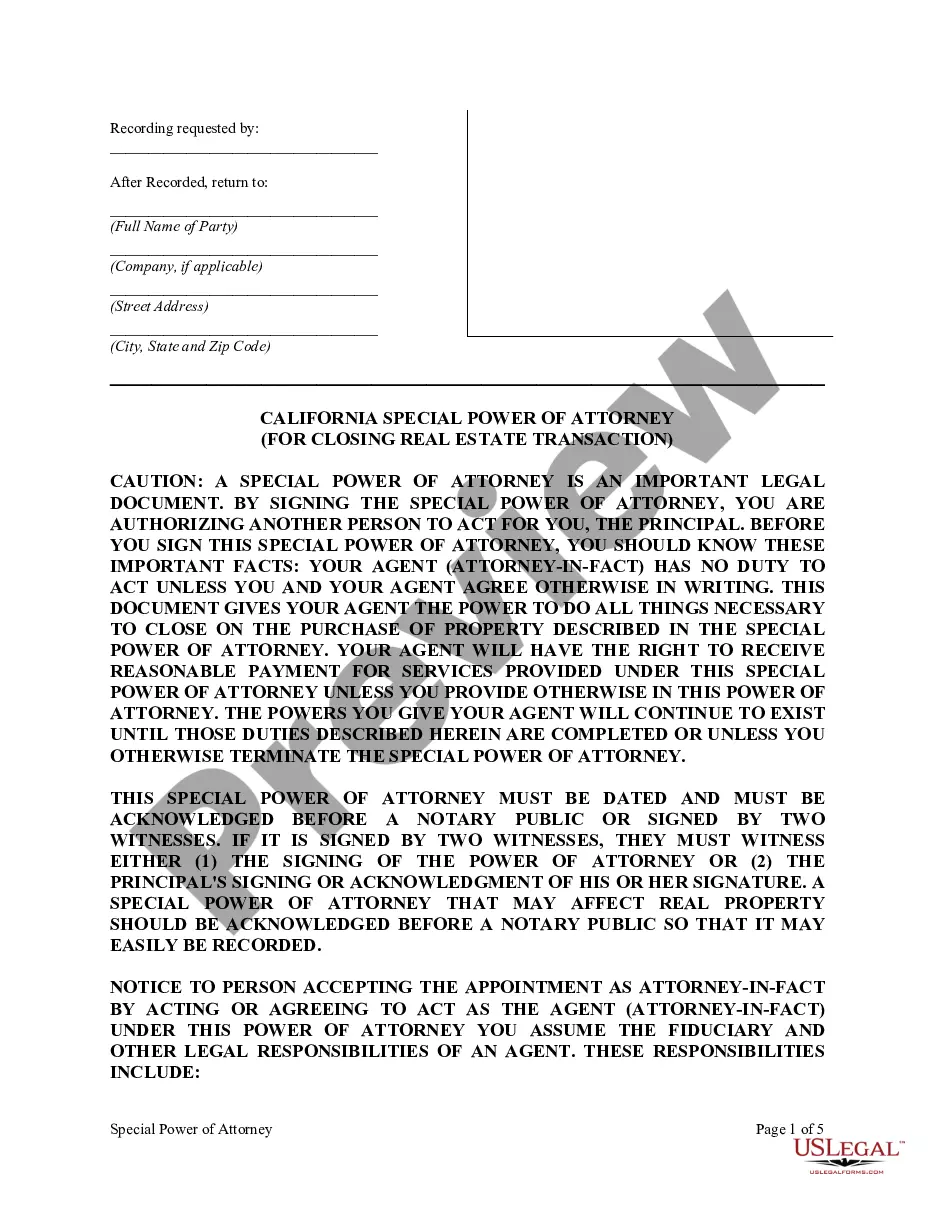
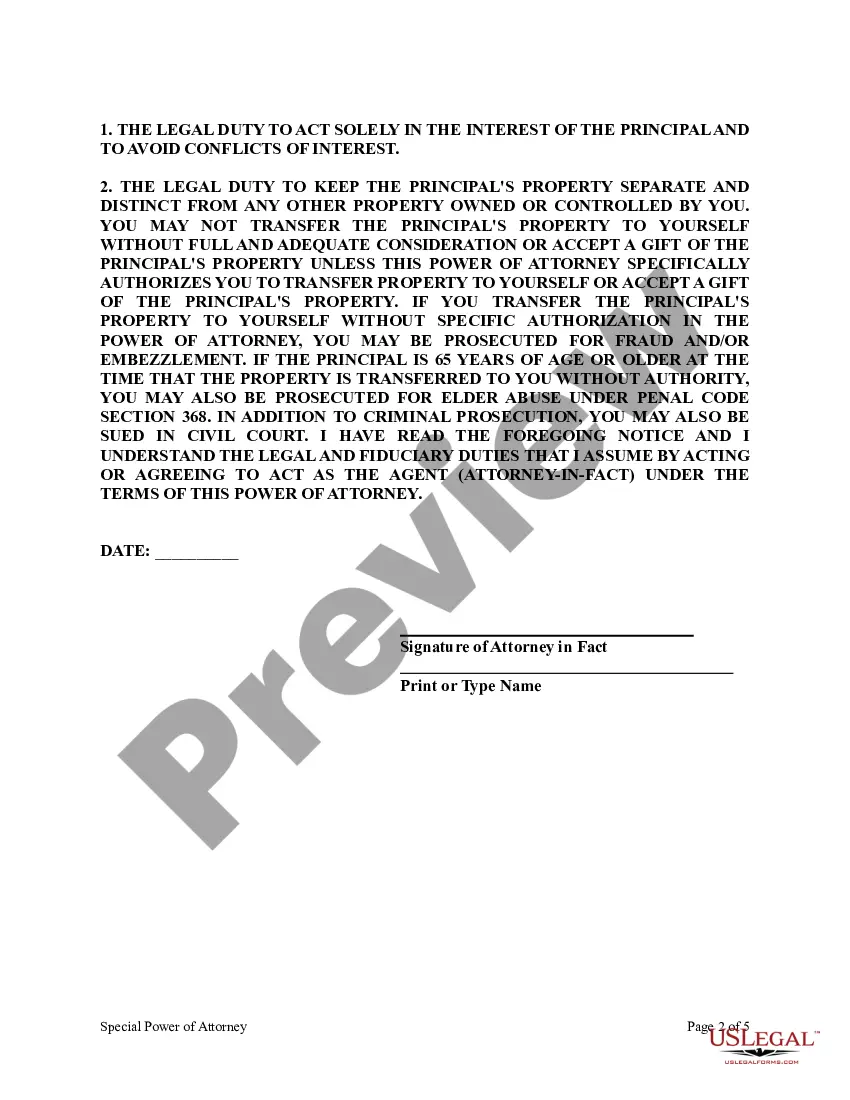
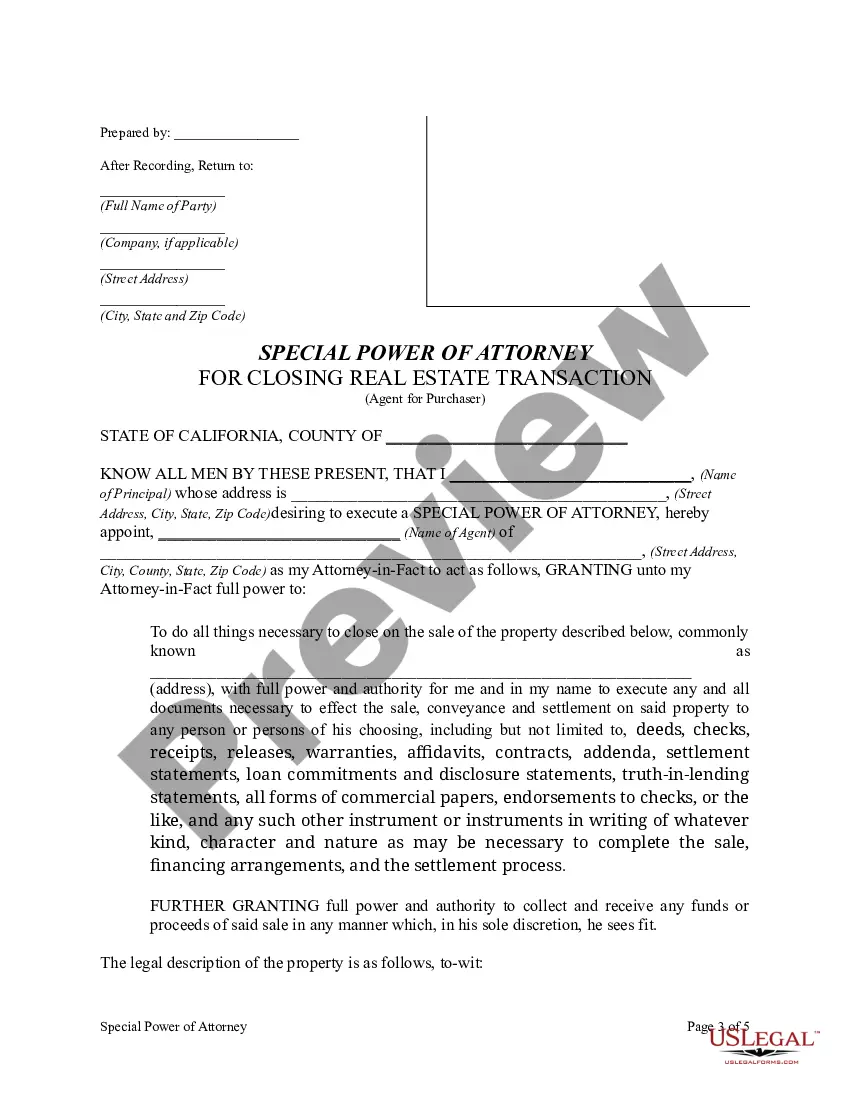
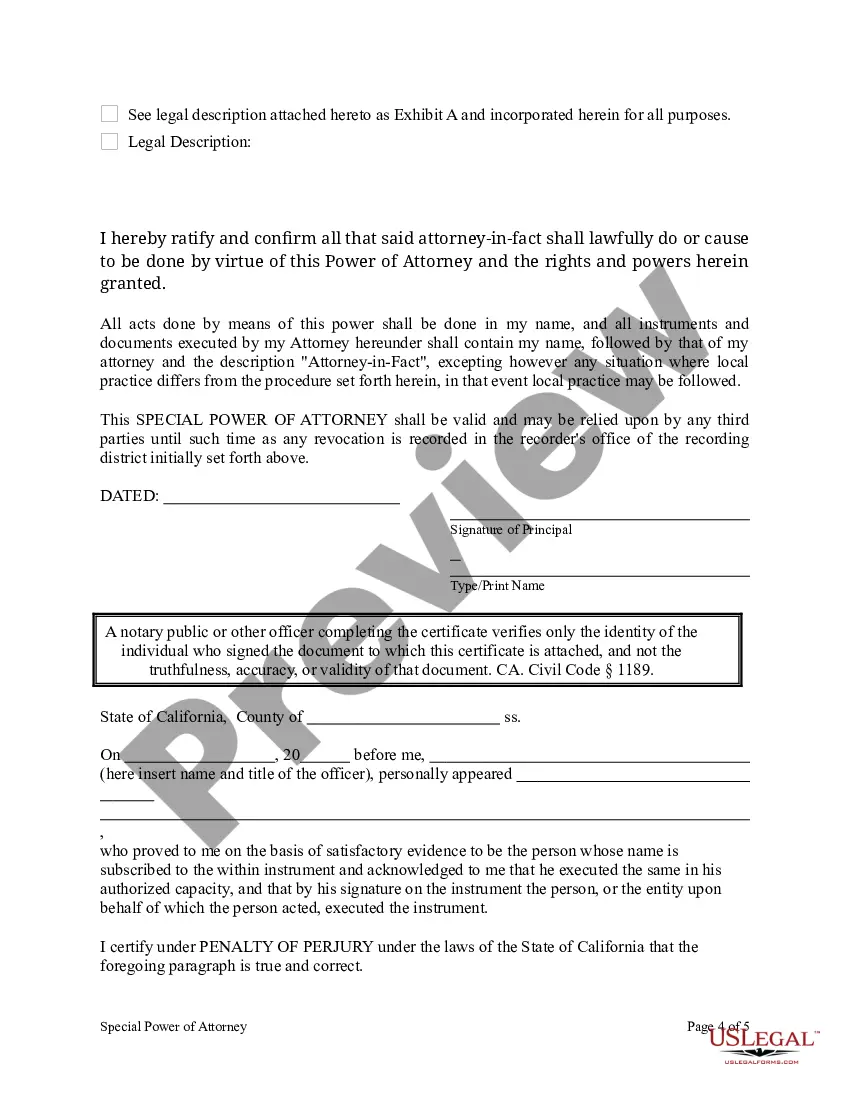
Get your form ready online
Our built-in tools help you complete, sign, share, and store your documents in one place.
Make edits, fill in missing information, and update formatting in US Legal Forms—just like you would in MS Word.
Download a copy, print it, send it by email, or mail it via USPS—whatever works best for your next step.
Sign and collect signatures with our SignNow integration. Send to multiple recipients, set reminders, and more. Go Premium to unlock E-Sign.
If this form requires notarization, complete it online through a secure video call—no need to meet a notary in person or wait for an appointment.
We protect your documents and personal data by following strict security and privacy standards.

Make edits, fill in missing information, and update formatting in US Legal Forms—just like you would in MS Word.

Download a copy, print it, send it by email, or mail it via USPS—whatever works best for your next step.

Sign and collect signatures with our SignNow integration. Send to multiple recipients, set reminders, and more. Go Premium to unlock E-Sign.

If this form requires notarization, complete it online through a secure video call—no need to meet a notary in person or wait for an appointment.

We protect your documents and personal data by following strict security and privacy standards.
Looking for another form?





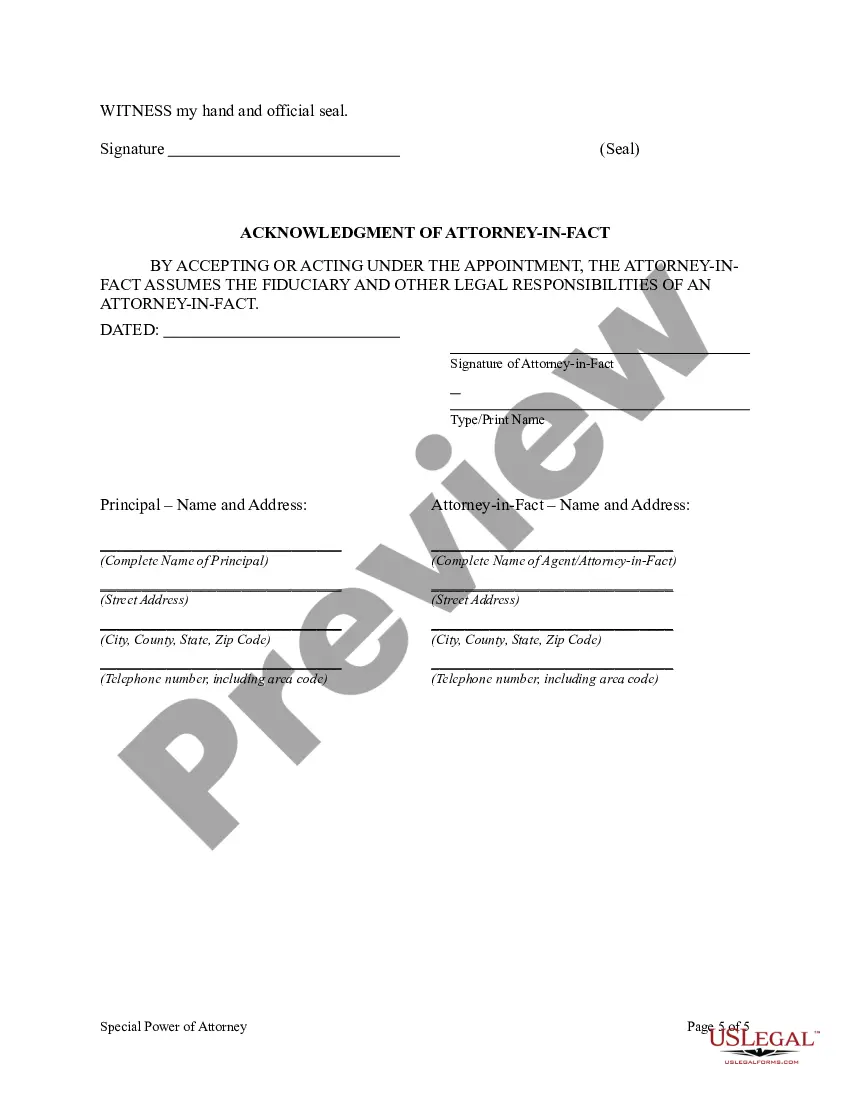
How to fill out California Special Or Limited Power Of Attorney For Real Estate Purchase Transaction By Purchaser?
- If you're already a user, log in to your account and download the necessary form template by hitting the Download button. Ensure your subscription remains active; if not, update it per your payment agreement.
- For first-time users, start by reviewing the Preview mode and detailed form descriptions to confirm you select the right document that fits your needs and your local jurisdiction's requirements.
- If necessary, utilize the Search tab above to find an alternative template that resolves any inconsistencies in your initial choice. Once confirmed, proceed to the next step.
- Purchase the document by clicking the Buy Now button and selecting your preferred subscription plan. Remember to register for an account to unlock access to a vast library of resources.
- Complete your transaction by inputting your credit card information or linking your PayPal account to finalize your purchase.
- Download your selected form to your device, enabling you to fill it out as needed. You can also revisit it anytime through the My Forms section of your profile.
US Legal Forms not only offers the most extensive collection of legal forms but also provides access to premium experts who can assist you in completing your documents precisely.
Take advantage of the legal solutions today; empower your practice by utilizing US Legal Forms for all your real estate issues!
Form popularity
FAQ
Examples of unethical attorney behavior include making false statements to the court, failing to adhere to deadlines, and representing clients without the necessary expertise. Such actions can undermine client trust and damage an attorney’s reputation. Choosing an attorney for real estate issues who maintains high ethical standards is crucial for a successful partnership.
Unethical attorney billing practices include charging for unperformed or unnecessary services, failing to disclose fees upfront, and inflating billable hours. Instances like these undermine trust between clients and attorneys, especially in real estate dealings. Make sure to consult with an attorney for real estate issues who is transparent about their fees to avoid such complications.
To file a complaint against a realtor in California, you should first gather all relevant documentation, including contracts and correspondence. Next, you can submit a complaint to the California Department of Real Estate, providing details about the issues you've faced. If you're dealing with real estate issues, consulting an attorney for real estate issues can also guide you through this process effectively.
The most frequent complaint against lawyers involves inadequate communication or failure to keep clients informed about their cases. Clients often feel left in the dark regarding important developments, which can lead to dissatisfaction. If you need legal support for real estate issues, finding an attorney who prioritizes clear communication can help you avoid these scenarios.
Lawyers often face various ethical challenges, such as conflicts of interest, misappropriation of client funds, and lack of communication with clients. Additionally, issues like overcharging for services, inadequate representation, and failure to maintain client confidentiality also arise. As an attorney for real estate issues, understanding these problems can help you navigate your practice responsibly and ethically.
Yes, attorneys for real estate issues are skilled negotiators. They advocate for your best interests during the buying or selling process, ensuring that terms are favorable. Their negotiation can minimize risks and help you secure a better deal. Engaging a real estate attorney is a proactive step towards a successful transaction.
Typically, the seller usually pays for the attorney for real estate issues in a transaction, but this can vary by agreement. Buyers may also choose to hire their own attorney to review contracts and documents for added peace of mind. It's essential to clarify costs during negotiations to ensure both parties understand their financial responsibilities. Consulting platforms like USLegalForms can help navigate these arrangements effectively.
The primary role of an attorney for real estate issues is to provide legal guidance during real estate transactions. They help ensure that your documents are in order, your interests are protected, and all legalities are managed properly. Additionally, they can address any disputes that arise, making your experience smoother. Ultimately, their expertise can prevent potential issues down the road.
Real estate attorneys assist with property transactions, ensuring that agreements are legally sound. They negotiate contracts, address zoning laws, and handle disputes that may arise. Hiring an attorney for real estate issues not only helps in navigating legalities but also provides peace of mind throughout the process.
The law of negligence in real estate refers to the responsibility property owners, landlords, or agents have to ensure safety for tenants and visitors. If someone fails to maintain property and it results in harm, they could be held liable. Consulting an attorney for real estate issues can provide insight into legal responsibilities and potential claims.