Power Of Attorney For Property Validity
Description

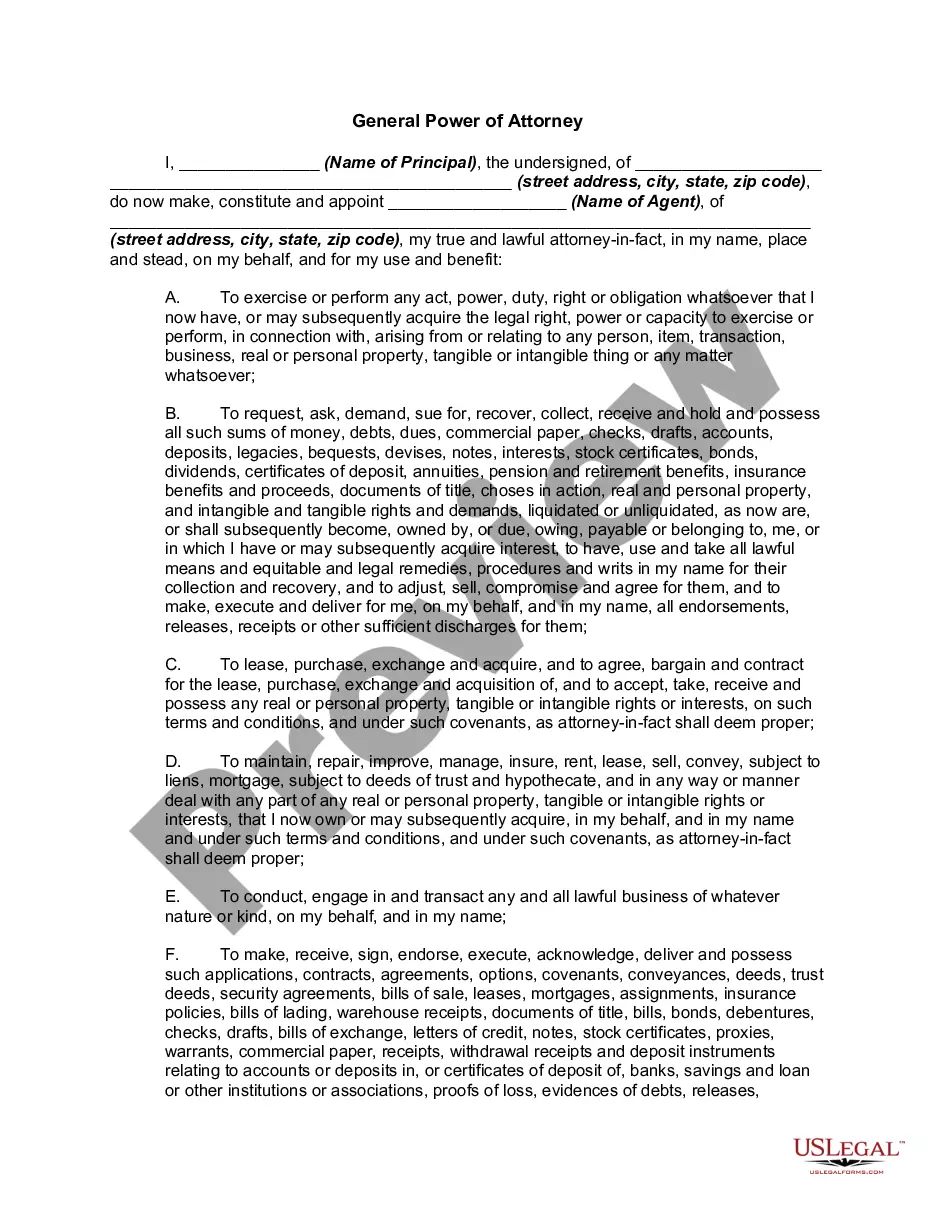
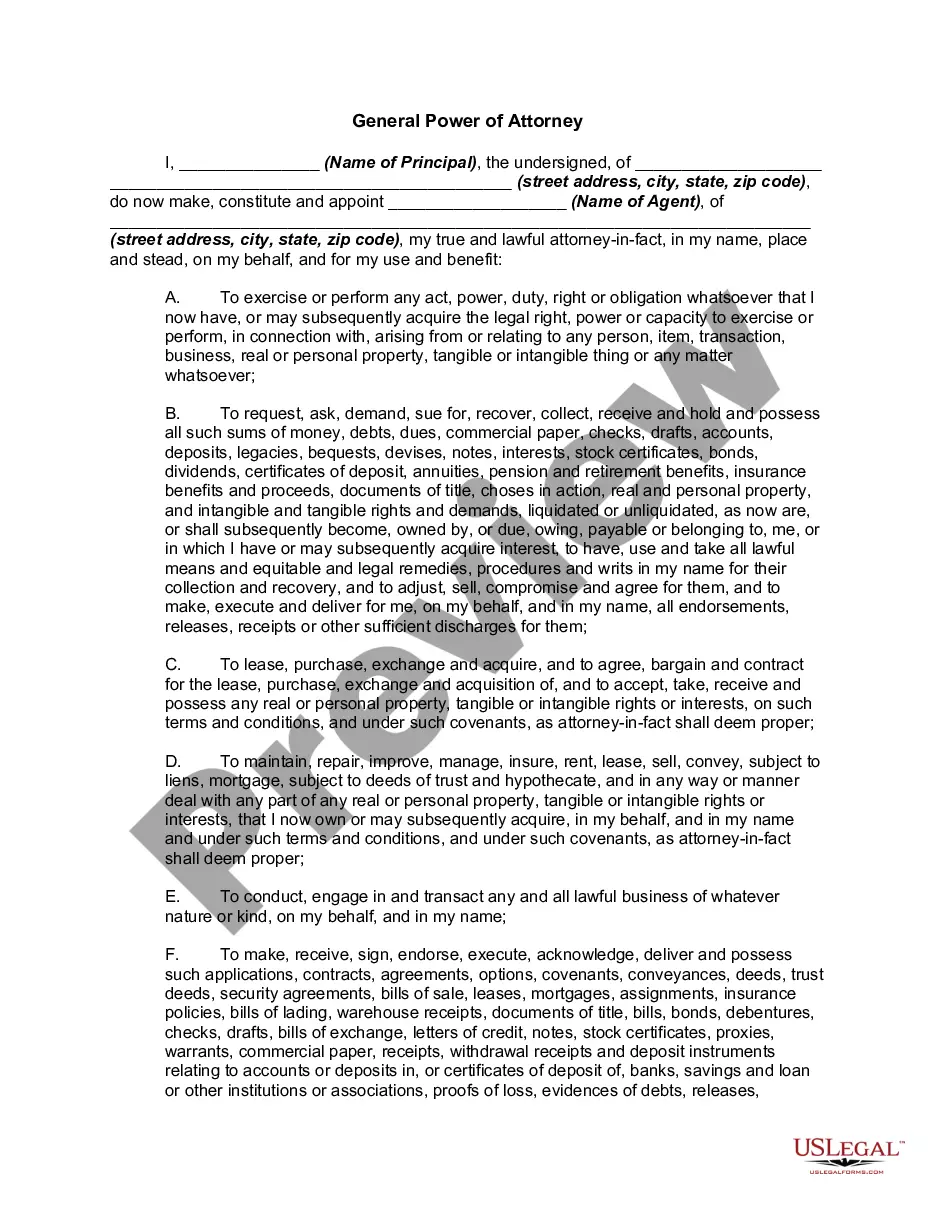
Get your form ready online
Our built-in tools help you complete, sign, share, and store your documents in one place.
Make edits, fill in missing information, and update formatting in US Legal Forms—just like you would in MS Word.
Download a copy, print it, send it by email, or mail it via USPS—whatever works best for your next step.
Sign and collect signatures with our SignNow integration. Send to multiple recipients, set reminders, and more. Go Premium to unlock E-Sign.
If this form requires notarization, complete it online through a secure video call—no need to meet a notary in person or wait for an appointment.
We protect your documents and personal data by following strict security and privacy standards.

Make edits, fill in missing information, and update formatting in US Legal Forms—just like you would in MS Word.

Download a copy, print it, send it by email, or mail it via USPS—whatever works best for your next step.

Sign and collect signatures with our SignNow integration. Send to multiple recipients, set reminders, and more. Go Premium to unlock E-Sign.

If this form requires notarization, complete it online through a secure video call—no need to meet a notary in person or wait for an appointment.

We protect your documents and personal data by following strict security and privacy standards.
Looking for another form?




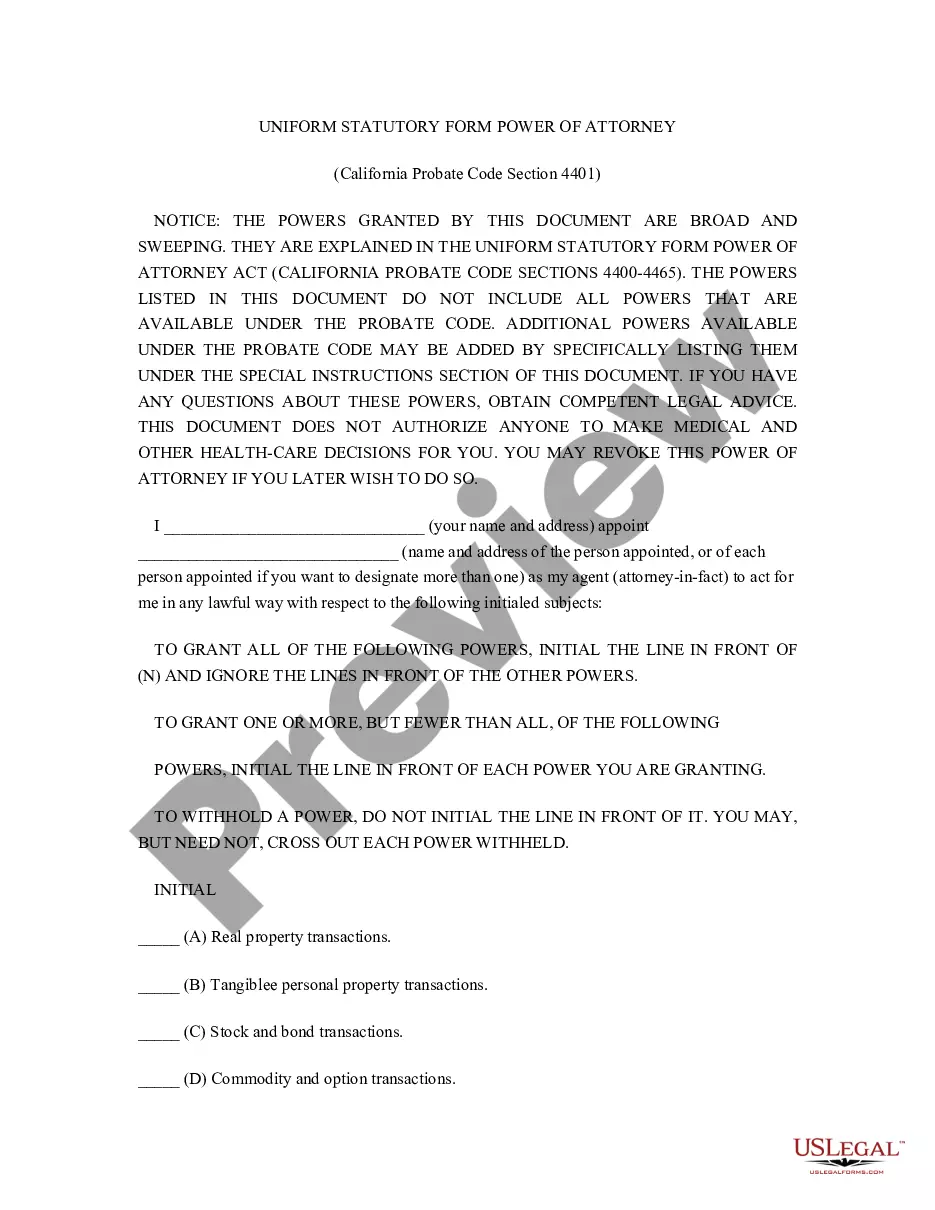
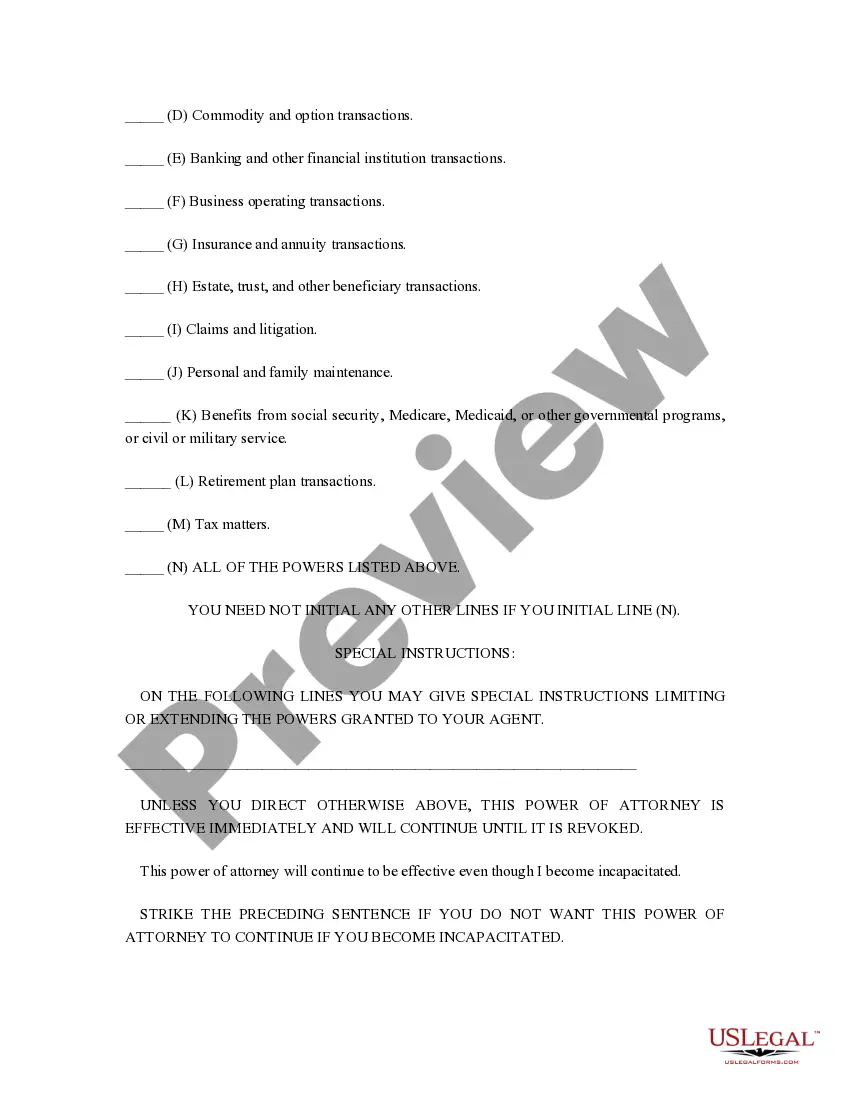
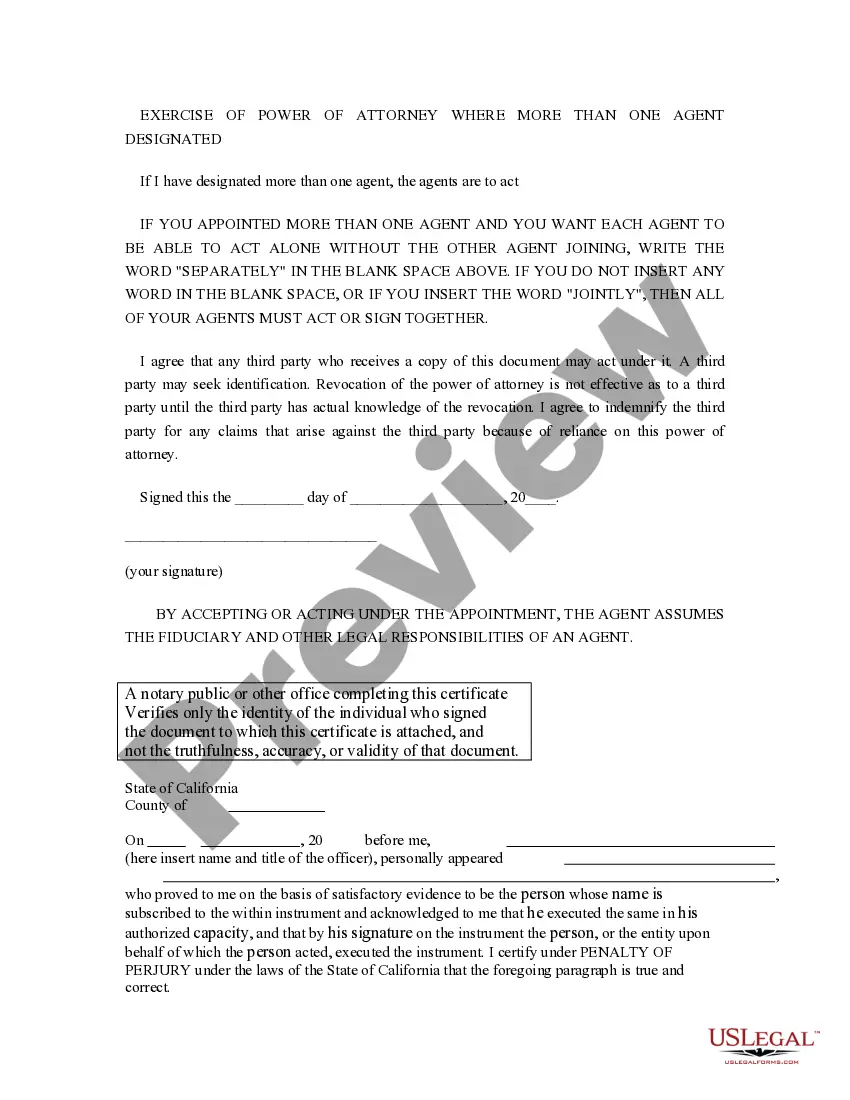
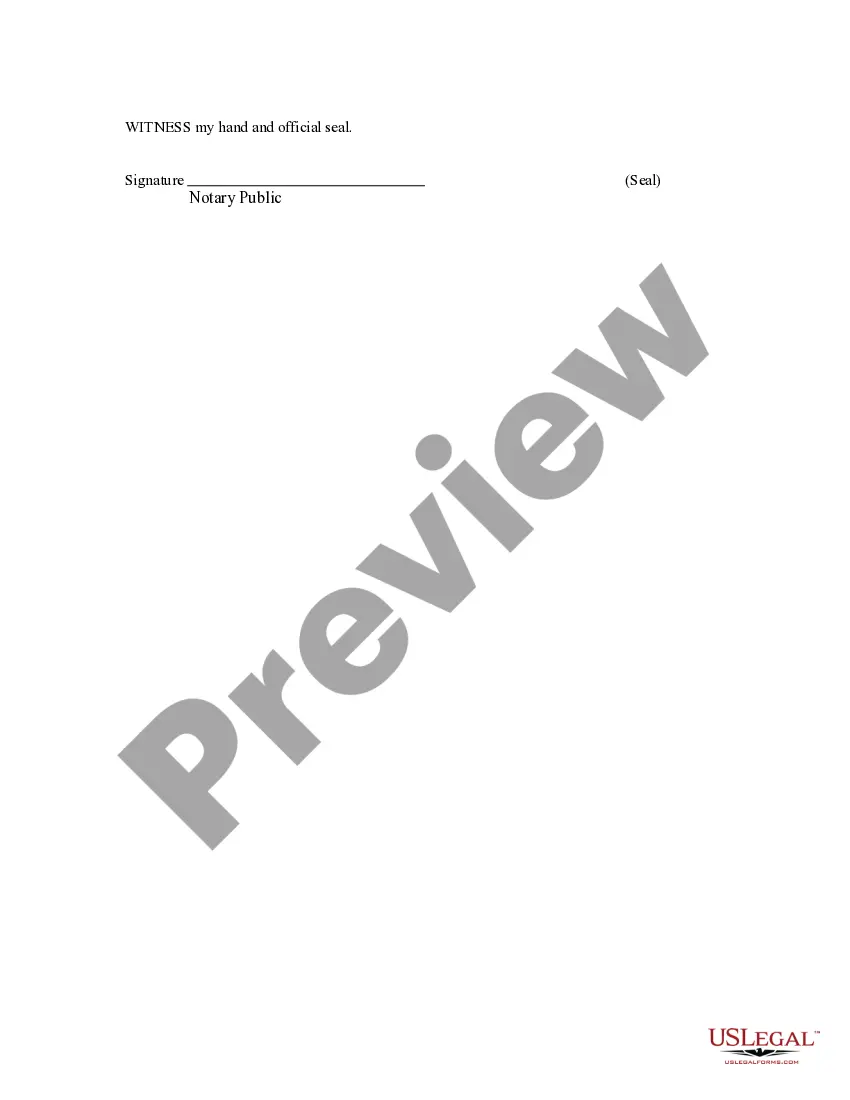
How to fill out California Uniform Statutory Power Of Attorney - Property - Finances - Section 4401?
Finding a reliable source for the most up-to-date and pertinent legal templates is a major part of navigating bureaucracy.
Identifying the appropriate legal documents requires accuracy and careful attention, which is why it is crucial to procure samples of Power Of Attorney For Property Validity exclusively from trustworthy providers, such as US Legal Forms.
Once you have the document on your device, you can edit it with the editor or print and complete it manually. Banish the stress associated with your legal documentation. Browse the comprehensive US Legal Forms catalog to locate legal templates, assess their applicability to your situation, and download them immediately.
- Utilize the catalog navigation or search bar to find your template.
- Review the form’s description to determine if it meets the criteria of your state and county.
- Preview the form, if an option, to ensure it aligns with your needs.
- Return to the search to find the correct template if the Power Of Attorney For Property Validity does not meet your requirements.
- If you are confident about the form’s appropriateness, download it.
- If you are a registered user, click Log in to verify your identity and access your selected forms in My documents.
- If you do not have an account yet, click Buy now to secure the form.
- Select the pricing option that suits your needs.
- Proceed to registration to complete your transaction.
- Conclude your purchase by choosing a payment method (credit card or PayPal).
- Select the document format for downloading the Power Of Attorney For Property Validity.
Form popularity
FAQ
A power of attorney typically has some restrictions based on the wishes of the principal and state laws. For instance, agents cannot use the authority to benefit themselves personally without consent. Awareness of these restrictions is crucial for maintaining the power of attorney for property validity and ensuring that the agent adheres to the principal’s intentions.
In New York, a power of attorney does not generally need to be filed with the court. It remains a private document unless a legal action requires its production. However, for certain financial transactions, verifying the power of attorney for property validity may be necessary, so you should keep the document readily accessible.
New York state has defined rules regarding the execution and responsibilities associated with power of attorney. The agent must act in the principal's best interest, and the authority granted must be explicitly stated. Understanding these rules helps maintain the power of attorney for property validity, ensuring all parties comply with legal expectations.
To create a valid power of attorney in New York, you need to meet specific requirements. The document must be signed by the principal in the presence of two witnesses, and the notary must also acknowledge it. This ensures that the power of attorney for property validity is robust and legally enforceable.
In New York, a copy of a power of attorney can be considered valid under certain conditions. If it is a true and complete copy of the original, it may be accepted for some purposes. However, for critical transactions, particularly those relating to power of attorney for property validity, having the original document is advisable to avoid complications.
In the USA, the validity of a power of attorney depends on the laws of each state as well as the terms specified in the document. Generally, it remains in effect until revoked by the principal or until the principal's death. To ensure consistent power of attorney for property validity, always consult state regulations, and consider using platforms like US Legal Forms for assistance.
A power of attorney can be void if it is created under duress, fraud, or coercion, or if the principal was not of sound mind at the time of its execution. Furthermore, any changes made after the original signing without proper re-execution can also void the document. It is advisable to regularly review your power of attorney to ensure ongoing power of attorney for property validity.
A power of attorney typically remains in effect until the principal revokes it or passes away. Some documents can be set to expire after a certain period or upon certain events. Thus, it is crucial to clearly state the intended duration for the power of attorney for property validity to prevent misunderstandings.
The duration of a power of attorney document depends on the terms outlined within the document itself. Generally, it remains valid until the principal revokes it, the principal passes away, or a predetermined expiration date is reached. To maintain clarity and validity, it is beneficial to specify the timeframe in the power of attorney.
A power of attorney can be considered invalid if it lacks proper signatures, is not witnessed or notarized where required, or if the principal does not have the mental capacity to grant authority at the time of signing. Additionally, if the document includes conflicting provisions or if the agent is not legally eligible to act, it can also be rendered invalid. Ensuring compliance with state laws is crucial for power of attorney for property validity.