Ca Probate Code Notification By Trustee
Description
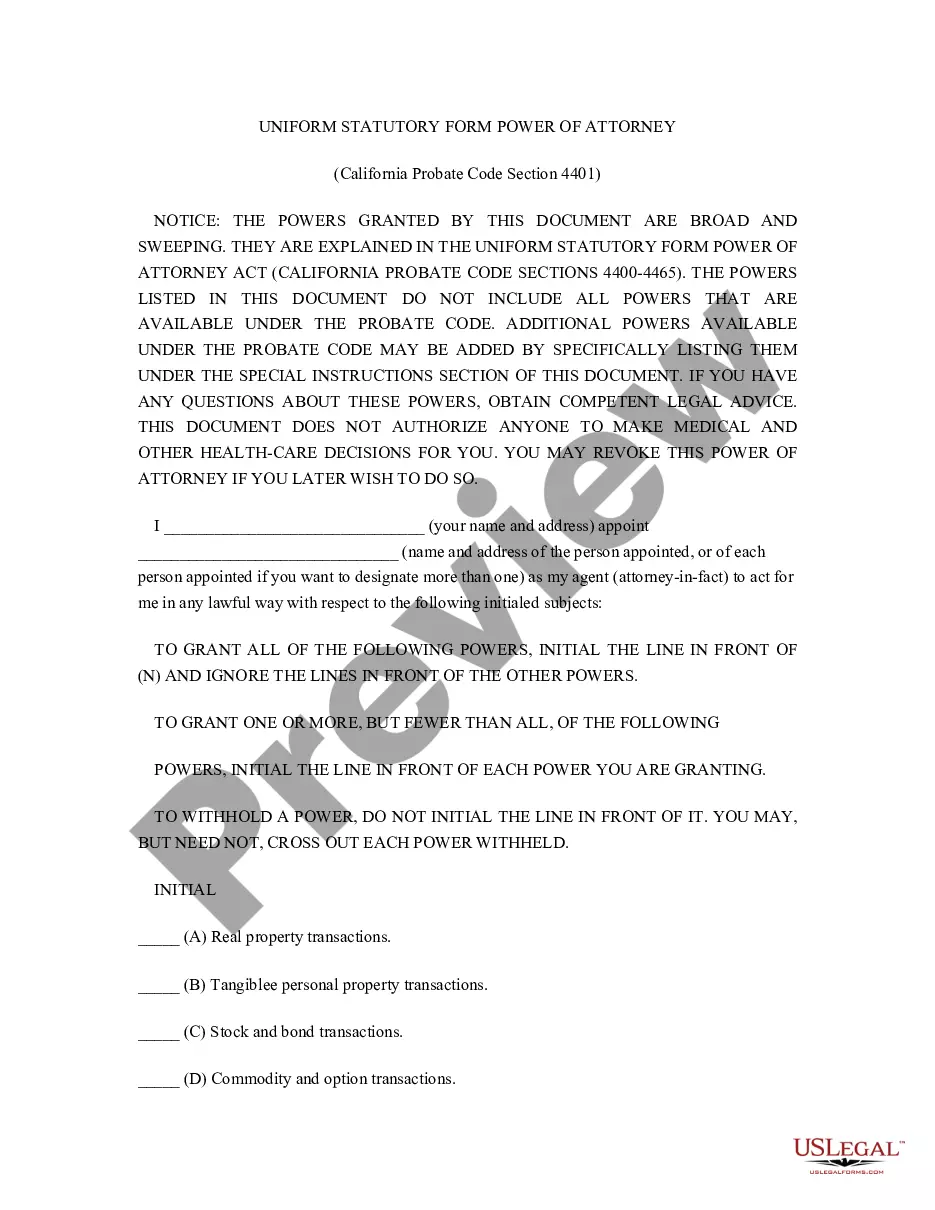
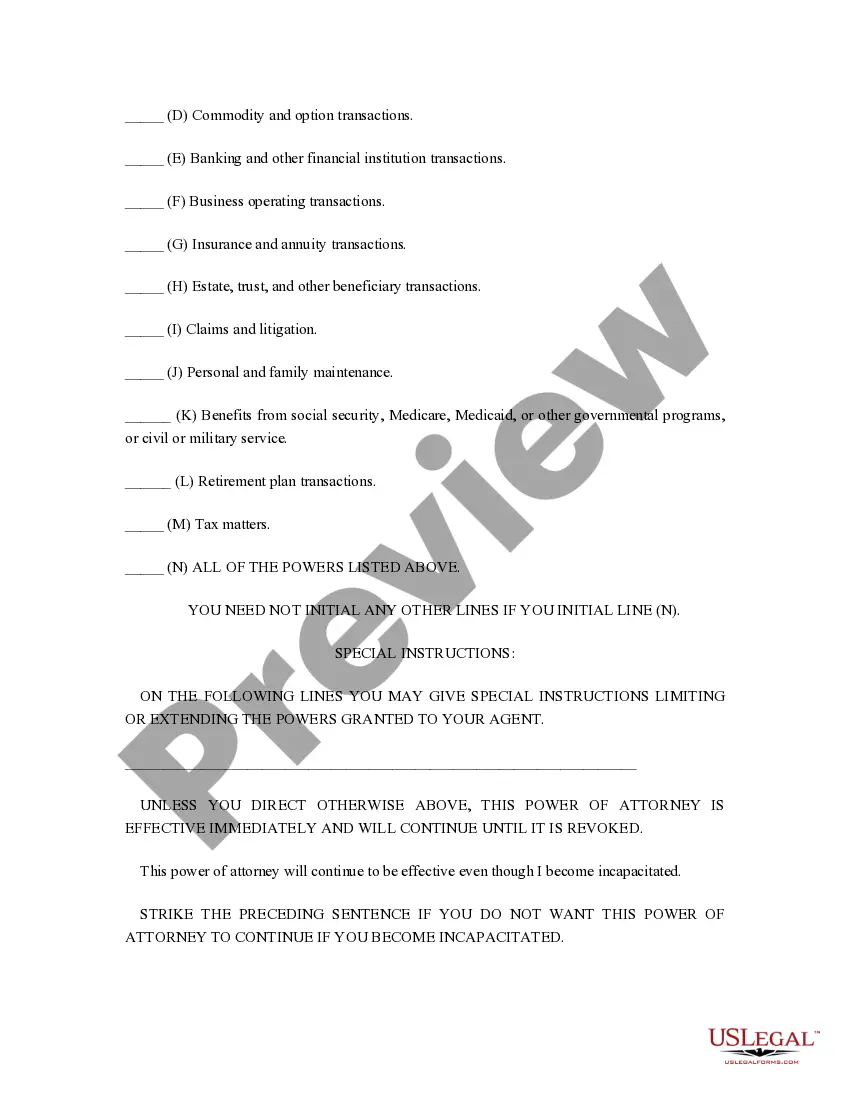
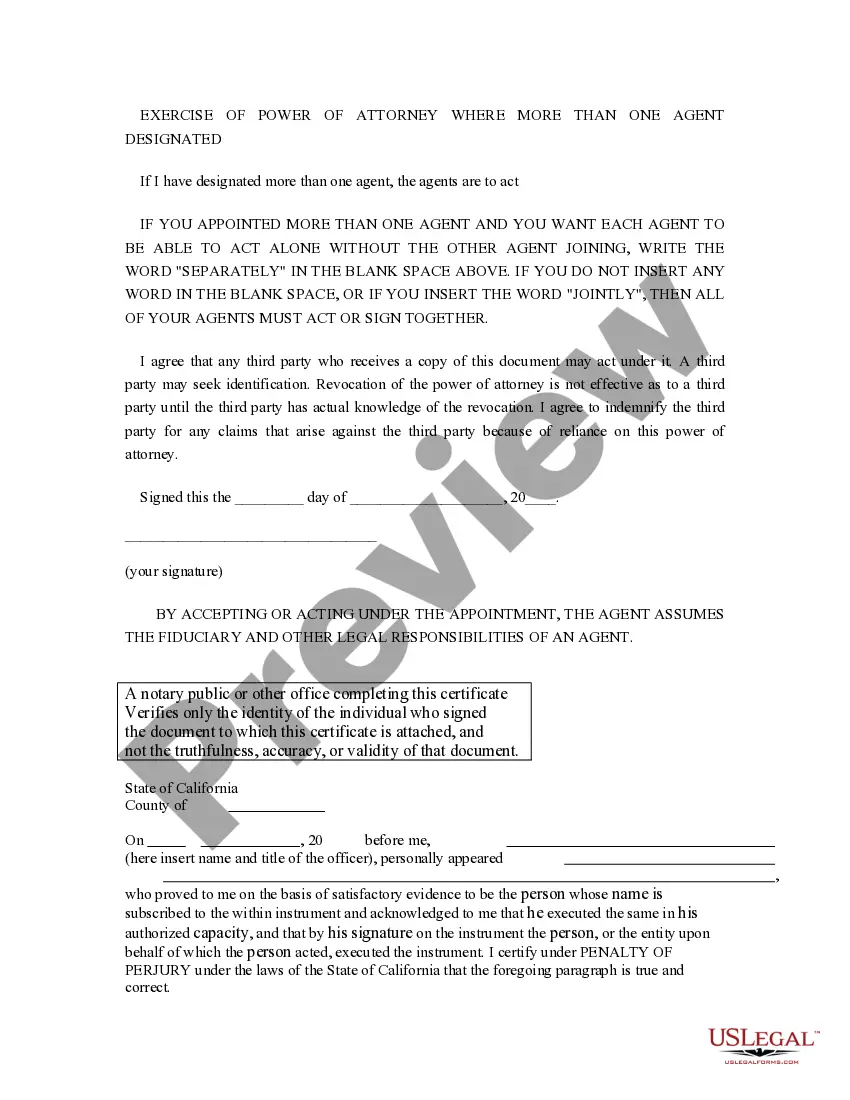


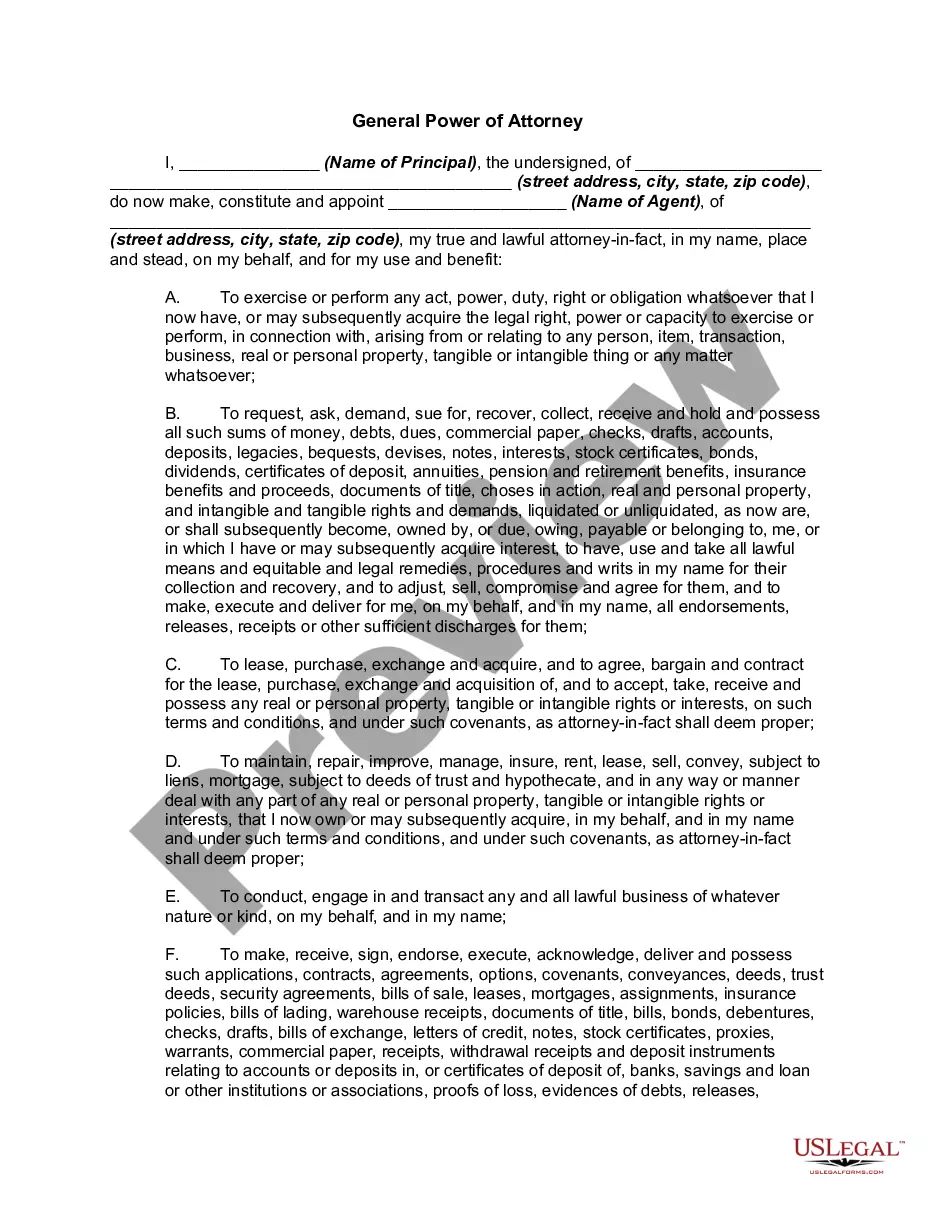
Get your form ready online
Our built-in tools help you complete, sign, share, and store your documents in one place.
Make edits, fill in missing information, and update formatting in US Legal Forms—just like you would in MS Word.
Download a copy, print it, send it by email, or mail it via USPS—whatever works best for your next step.
Sign and collect signatures with our SignNow integration. Send to multiple recipients, set reminders, and more. Go Premium to unlock E-Sign.
If this form requires notarization, complete it online through a secure video call—no need to meet a notary in person or wait for an appointment.
We protect your documents and personal data by following strict security and privacy standards.

Make edits, fill in missing information, and update formatting in US Legal Forms—just like you would in MS Word.

Download a copy, print it, send it by email, or mail it via USPS—whatever works best for your next step.

Sign and collect signatures with our SignNow integration. Send to multiple recipients, set reminders, and more. Go Premium to unlock E-Sign.

If this form requires notarization, complete it online through a secure video call—no need to meet a notary in person or wait for an appointment.

We protect your documents and personal data by following strict security and privacy standards.
Looking for another form?
How to fill out California Uniform Statutory Power Of Attorney - Property - Finances - Section 4401?
Creating legal documents from the ground up can frequently be somewhat daunting.
Certain situations may necessitate extensive research and significant financial investment.
If you’re searching for a simpler and more cost-effective method of generating Ca Probate Code Notification By Trustee or any other forms without unnecessary obstacles, US Legal Forms is perpetually available for you.
Our online repository of over 85,000 current legal forms encompasses nearly every element of your financial, legal, and personal matters.
However, before diving straight into downloading Ca Probate Code Notification By Trustee, consider these pointers: Check the document preview and descriptions to ensure you have located the document you seek. Verify if the template you choose fulfills the criteria of your state and county. Select the most appropriate subscription plan to obtain the Ca Probate Code Notification By Trustee. Download the form, then complete, sign, and print it. US Legal Forms enjoys an impeccable reputation and over 25 years of experience. Join us today and simplify the document execution process!
- With just a few clicks, you can swiftly access state- and county-specific forms meticulously prepared for you by our legal experts.
- Utilize our website whenever you require trustworthy and dependable services through which you can effortlessly find and download the Ca Probate Code Notification By Trustee.
- If you're already familiar with our services and have set up an account with us in the past, simply Log In to access your account, find the template, and download it or retrieve it later in the My documents section.
- Don’t possess an account? No problem. Setting it up takes minimal time, allowing you to explore the library.
Form popularity
FAQ
In California, the trustee's duty to inform beneficiaries is clearly outlined in the CA probate code notification by trustee. Trustees must provide beneficiaries with essential information about the trust, including its terms and the administration process. This obligation promotes trust and accountability, ensuring beneficiaries are aware of their rights. For more information on trustee responsibilities, UsLegalForms can be a valuable resource.
Yes, if you are a beneficiary in a trust, the trustee is obligated to notify you. The CA probate code notification by trustee mandates that all beneficiaries receive proper notification regarding the trust's terms and their rights. This communication is essential for transparency and ensures that you are informed about your interests. If you have concerns about notification, UsLegalForms can help clarify your rights.
In California, the CA probate code notification by trustee requires that trustees notify beneficiaries within 60 days of the trust becoming irrevocable. This timeframe allows beneficiaries to understand their entitlements and the trust's terms. It's crucial for trustees to comply with this requirement to avoid potential disputes. For guidance on navigating these regulations, UsLegalForms offers helpful resources.
According to the CA probate code notification by trustee, a trustee must notify beneficiaries within a specific timeframe. Generally, this notification should occur within 60 days of the trust's administration. Timely notification ensures that beneficiaries are aware of their rights and interests in the trust. If you need assistance with this process, consider using the resources available on the UsLegalForms platform.
The California Probate Code Section 16061.7 states that a successor trustee has a legal obligation to notify all beneficiaries and heirs in the case of the settlor's death to ensure that all parties involved are well-informed.
Duty of Disclosure of Information It is the law that Trustees should keep beneficiaries reasonably informed of the status of the trust administration, the assets, income and expenses of the trust, and all important decisions pertaining to the trust management and distribution.
Trustees have a legal duty to keep the beneficiaries of a trust informed about how the trust assets are being managed. If the beneficiaries don't have good, current information, they can't protect their rights. This responsibility lasts as long as you're serving as trustee.
A: A Notice of Proposed Action essentially requires a beneficiary to ?speak now or forever hold their peace.? California Probate Code sections 16500-16504 permit a trustee to give notice to the beneficiaries of a trust that the trustee intends to take (or not to take) some kind of specified action.
Notice to beneficiaries and heirs: If the trust becomes irrevocable when the settlor dies, the trustee has 60 days after becoming trustee or 60 days after the settlor's death, whichever happens later, to give written notice to all beneficiaries of the trust and to each heir of the decedent.