Residential Lease Agreement For Single Family Dwelling
Description
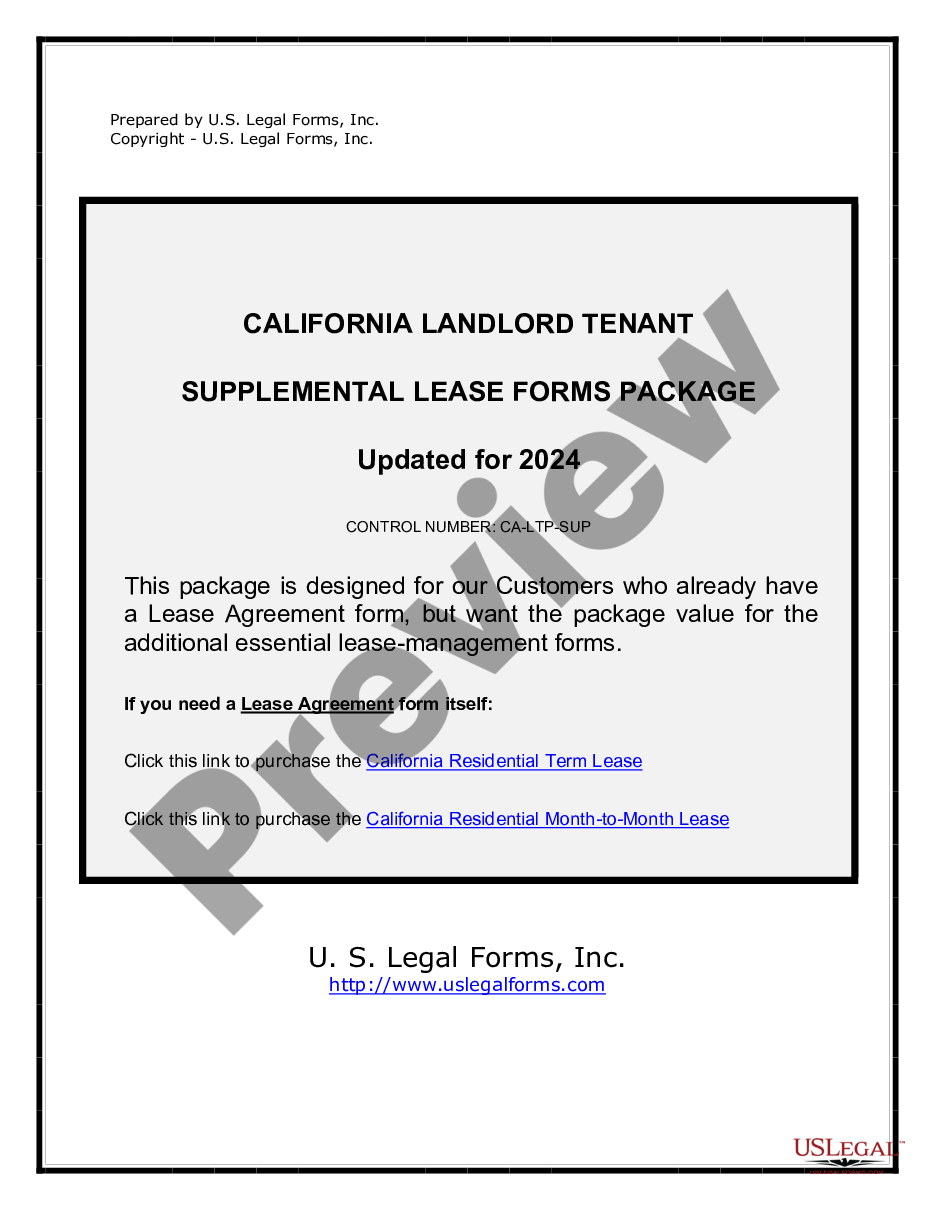
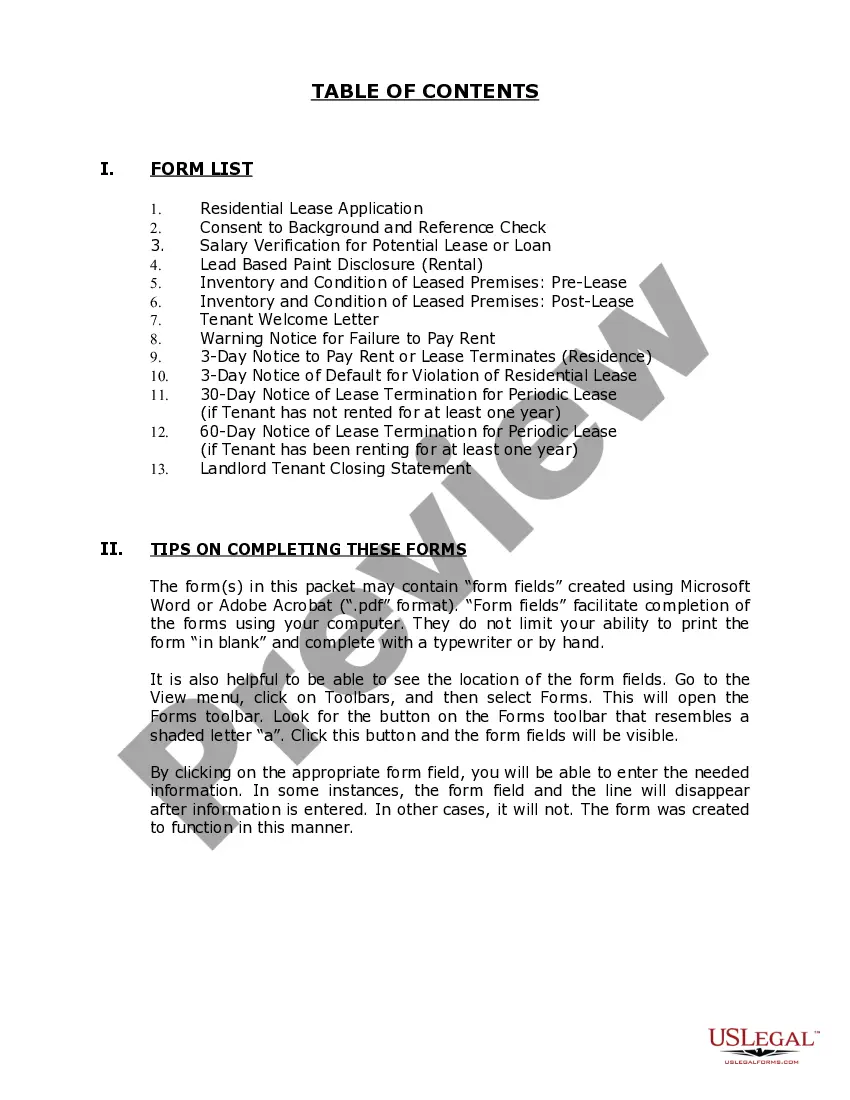
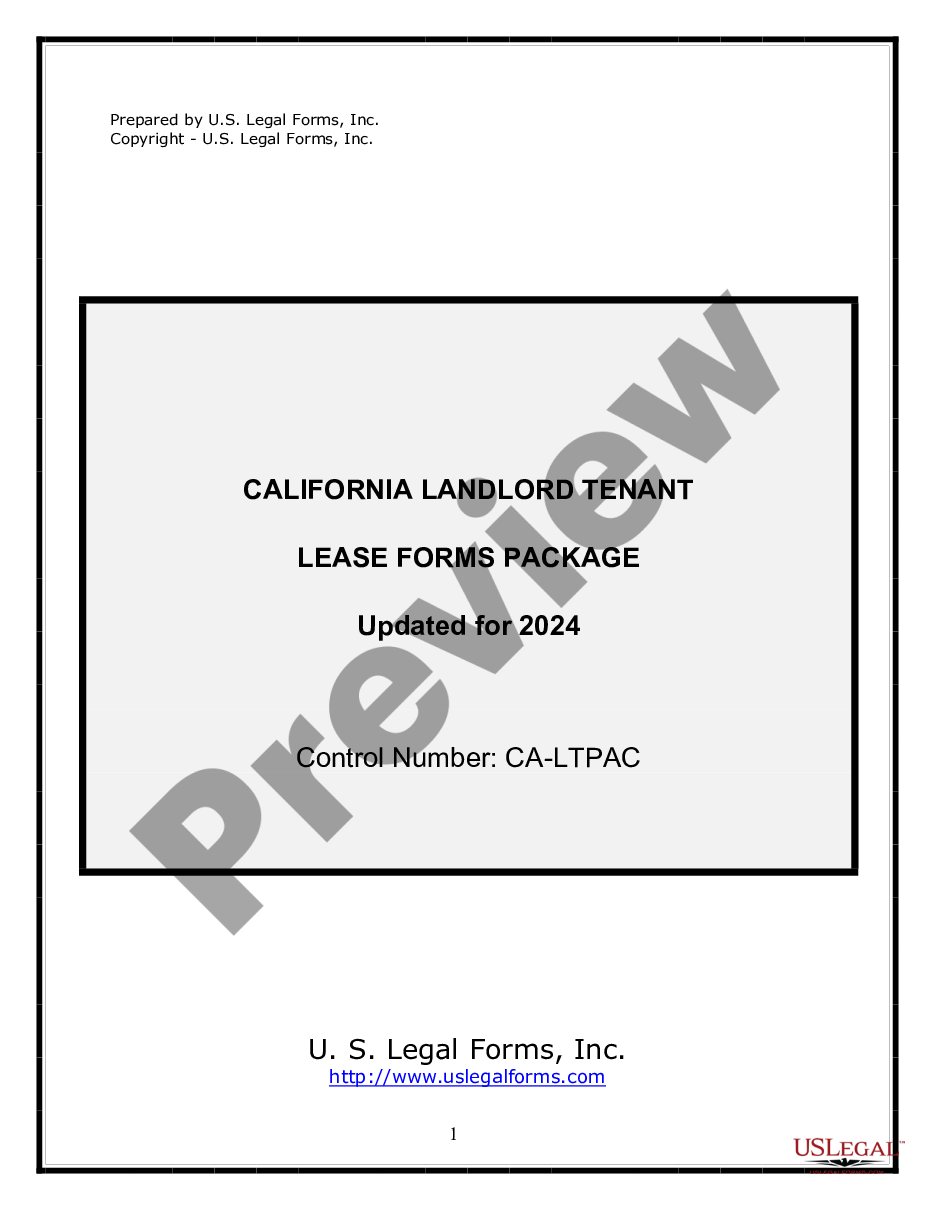
Get your form ready online
Our built-in tools help you complete, sign, share, and store your documents in one place.
Make edits, fill in missing information, and update formatting in US Legal Forms—just like you would in MS Word.
Download a copy, print it, send it by email, or mail it via USPS—whatever works best for your next step.
Sign and collect signatures with our SignNow integration. Send to multiple recipients, set reminders, and more. Go Premium to unlock E-Sign.
If this form requires notarization, complete it online through a secure video call—no need to meet a notary in person or wait for an appointment.
We protect your documents and personal data by following strict security and privacy standards.

Make edits, fill in missing information, and update formatting in US Legal Forms—just like you would in MS Word.

Download a copy, print it, send it by email, or mail it via USPS—whatever works best for your next step.

Sign and collect signatures with our SignNow integration. Send to multiple recipients, set reminders, and more. Go Premium to unlock E-Sign.

If this form requires notarization, complete it online through a secure video call—no need to meet a notary in person or wait for an appointment.

We protect your documents and personal data by following strict security and privacy standards.
Looking for another form?





How to fill out California Supplemental Residential Lease Forms Package?
- If you're already a user of US Legal Forms, log into your account and access your templates. Ensure your subscription is active; renew if necessary.
- For new users, begin by checking the Preview mode and form description to confirm it meets your needs and adheres to your local jurisdiction.
- If any discrepancies arise, use the Search tab to find a suitable template before proceeding.
- Purchase the document by selecting the Buy Now option and choose your preferred subscription plan. You'll need to register to access the full library.
- Complete your purchase with your credit card or PayPal account.
- Download your form and save it on your device. You can access it anytime from the My Forms section of your profile.
With US Legal Forms, users benefit from a vast repository of over 85,000 legal forms, providing more options than most competitors at similar pricing. Additionally, users can seek help from expert practitioners to ensure document accuracy.
Start your journey towards a legally sound residential lease agreement today with US Legal Forms. Explore the resources available and create your document with ease!
Form popularity
FAQ
The most common lease for residential properties is the annual lease, which usually spans one year. This agreement establishes a clear understanding of the rental obligations and rights of each party involved. A comprehensive residential lease agreement for single family dwelling can greatly benefit both landlords and tenants by outlining the terms in detail. If you are looking for an effective lease solution, uslegalforms offers a wide range of customizable templates.
Typically, a fixed-term lease is the standard used for residential property, especially in single family dwellings. This lease type clearly defines the rental period, providing both landlords and tenants consistency in their expectations. By having a detailed residential lease agreement for single family dwelling, both parties can navigate their relationship with clarity and assurance. You can find the right lease templates at uslegalforms to suit your specific needs.
The most common tenancy in residential leasing is the month-to-month tenancy. This arrangement offers flexibility, allowing tenants and landlords to adjust agreements easily, while still ensuring the fundamentals of a residential lease agreement for single family dwelling are observed. Furthermore, this type of tenancy can cater to individuals who may not want to commit long-term. Knowing your options can make your leasing experience smoother, and uslegalforms provides valuable insights on this.
In Texas, a lease agreement must include essential details such as the names of the landlord and tenant, the property address, and the lease duration. Additionally, it should specify the rent amount, payment due dates, and instructions for maintenance responsibilities. A well-drafted residential lease agreement for single family dwelling not only protects the interests of both parties but also ensures compliance with Texas law. Uslegalforms can help you craft a lease that covers all necessary components.
The most common residential lease is the fixed-term lease, typically lasting for one year. This lease type provides stability for both the landlord and tenant, making it a popular choice for single family dwellings. A residential lease agreement for single family dwelling outlines the rental terms, responsibilities, and rights of both parties. You can easily find templates to create a comprehensive agreement through uslegalforms.
Filling out a lease agreement requires attention to detail. Begin by completing the residential lease agreement for single family dwelling with important information such as the names of the parties involved, the rental property address, and the terms of the lease. Be sure to read each section carefully before signing to avoid any errors or misunderstandings.
Hiring a lawyer is not strictly necessary to write a lease, but it can provide peace of mind. You can create a residential lease agreement for single family dwelling using templates designed for this purpose. However, if your situation is complex or if there is a disagreement, consulting with a legal professional may be wise. It ensures compliance with local laws.
Yes, landlords can create their own leases, but they should ensure that the lease complies with state laws. A well-crafted residential lease agreement for single family dwelling will outline key aspects, such as payment terms and tenant rights. To avoid pitfalls, landlords may want to reference legal resources or consider using a professional service for guidance.
Writing a rental agreement for a family member involves the same steps as creating any residential lease agreement for single family dwelling. Clearly state the terms of the rental, including the rent amount, duration, and specific responsibilities. It's crucial to maintain a professional tone and make sure both parties understand the agreement. Consider using a structured template to avoid misunderstandings.
Avoid leases that contain ambiguous language, unreasonable fees, or clauses that undermine your rights as a tenant. A residential lease agreement for single family dwelling should clearly define terms to avoid misunderstandings. Consulting trusted platforms like USLegalForms can help you identify and avoid potential pitfalls in lease agreements.