Residential Lease Agreement For North Carolina
Description
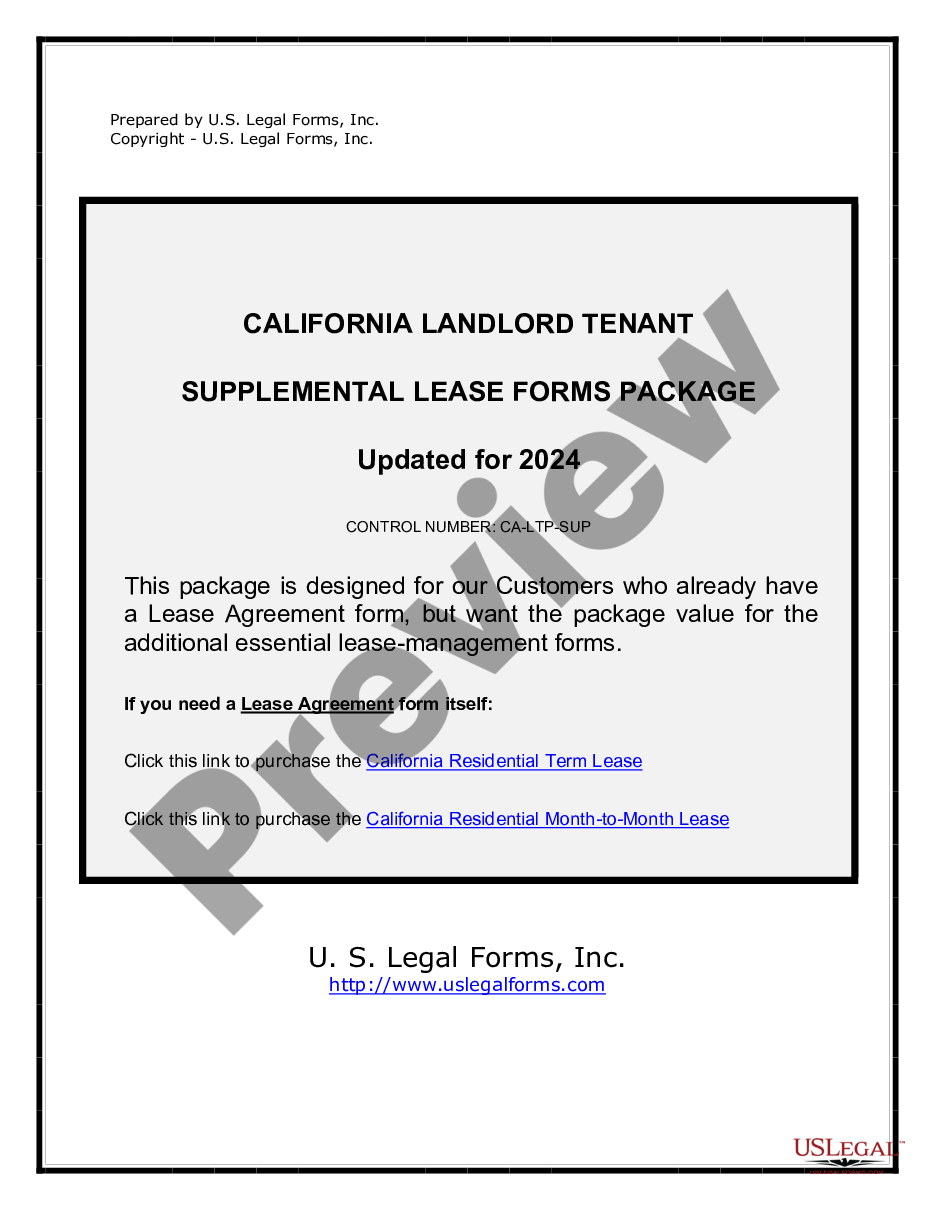
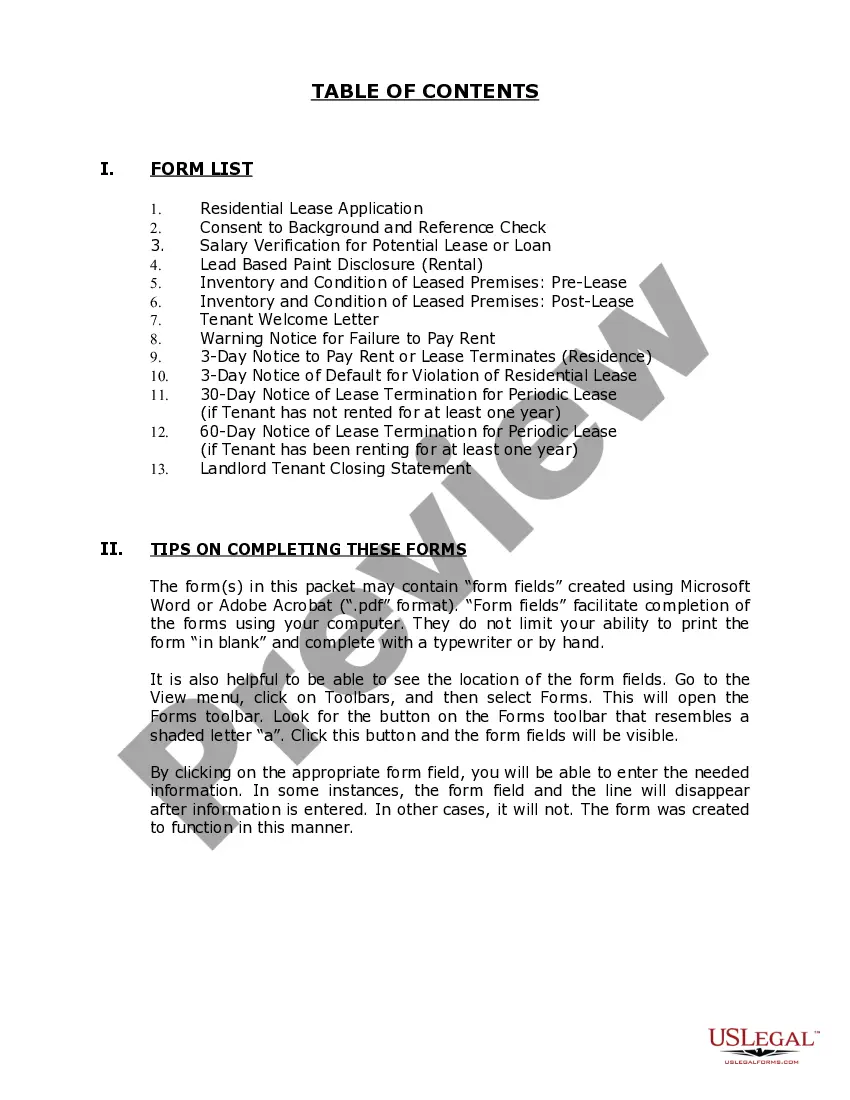
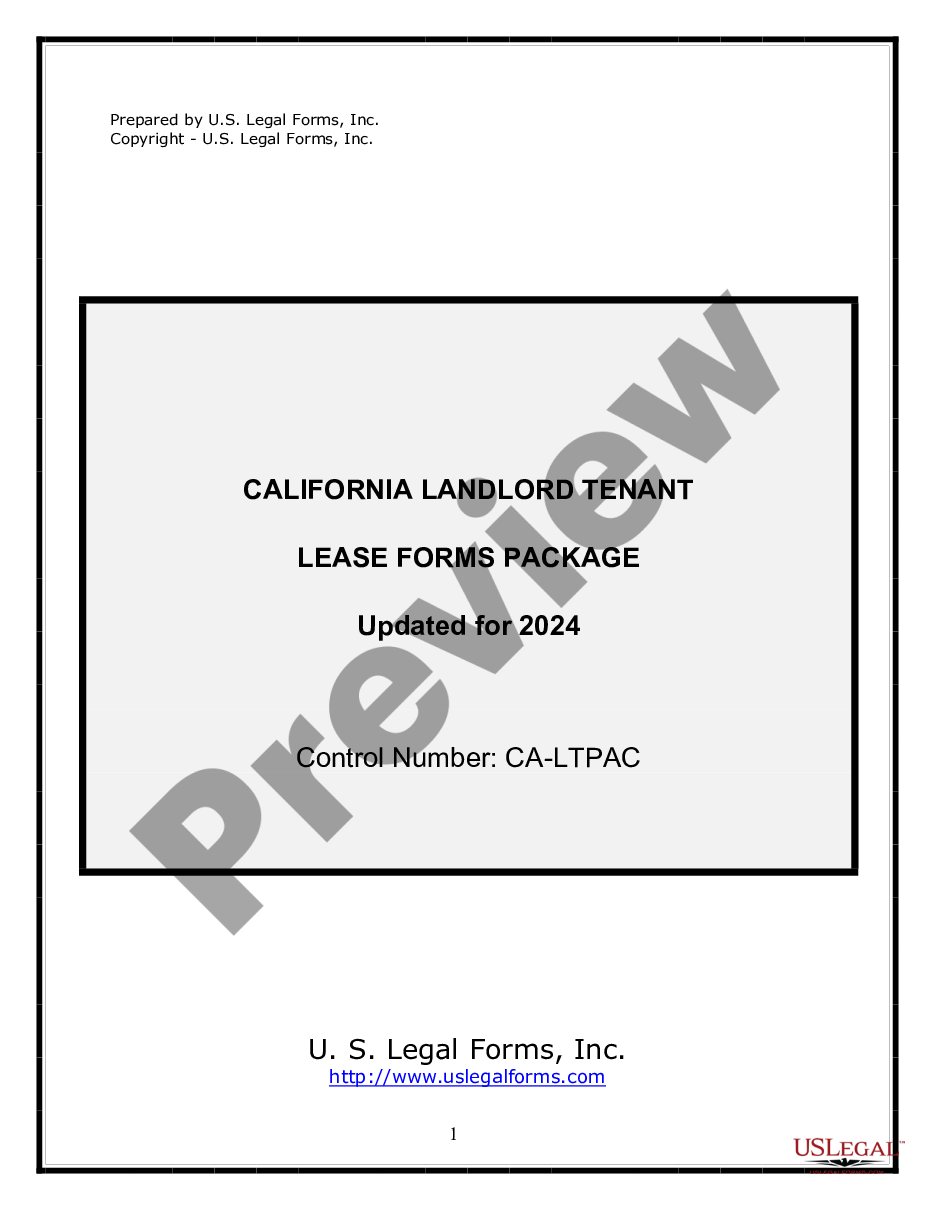
Get your form ready online
Our built-in tools help you complete, sign, share, and store your documents in one place.
Make edits, fill in missing information, and update formatting in US Legal Forms—just like you would in MS Word.
Download a copy, print it, send it by email, or mail it via USPS—whatever works best for your next step.
Sign and collect signatures with our SignNow integration. Send to multiple recipients, set reminders, and more. Go Premium to unlock E-Sign.
If this form requires notarization, complete it online through a secure video call—no need to meet a notary in person or wait for an appointment.
We protect your documents and personal data by following strict security and privacy standards.

Make edits, fill in missing information, and update formatting in US Legal Forms—just like you would in MS Word.

Download a copy, print it, send it by email, or mail it via USPS—whatever works best for your next step.

Sign and collect signatures with our SignNow integration. Send to multiple recipients, set reminders, and more. Go Premium to unlock E-Sign.

If this form requires notarization, complete it online through a secure video call—no need to meet a notary in person or wait for an appointment.

We protect your documents and personal data by following strict security and privacy standards.
Looking for another form?
How to fill out California Supplemental Residential Lease Forms Package?
- Log in to your US Legal Forms account if you're a returning user. Ensure your subscription remains active before proceeding.
- For new users, first, preview the lease agreement to ensure it meets your needs and complies with North Carolina regulations.
- If necessary, use the search function to find alternative templates that may better suit your requirements.
- Select your preferred subscription plan by clicking the Buy Now button to access the document.
- Complete your purchase by entering your payment information, using either a credit card or PayPal.
- Download the completed lease form to your device for easy access and future reference through the My Forms section.
By using US Legal Forms, you empower yourself to quickly access and complete legal documents with ease. Their extensive collection of over 85,000 editable forms ensures you find exactly what you need.
Don’t wait! Visit US Legal Forms today and simplify your document creation process.
Form popularity
FAQ
Yes, you have the option to create your own lease contract in North Carolina. Yet, you should consider the specific legal requirements and language that must be included to make it enforceable. For convenience and to ensure all details are precise, many users prefer a ready-made residential lease agreement for North Carolina available through platforms like UsLegalForms.
Yes, a landlord can write up their own lease in North Carolina. However, it is crucial that the lease complies with state laws and covers all necessary terms. Using a standardized residential lease agreement for North Carolina can save time and ensure that all legal requirements are met.
The Residential Rental Agreement Act in North Carolina governs the relationship between landlords and tenants. It sets forth the rights and responsibilities of both parties, including maintenance obligations, security deposits, and eviction procedures. Understanding the act can help you create a compliant residential lease agreement for North Carolina.
The most commonly used lease for residential property in North Carolina is the standard residential lease agreement. This type of lease outlines the duration of the tenancy, rent amount, and responsibilities of both landlords and tenants. It is essential to use a clear and comprehensive residential lease agreement for North Carolina to protect everyone's interests.
Yes, a handwritten lease agreement can be legally binding in North Carolina, provided it meets the necessary legal requirements. The agreement should clearly outline the terms of the rental, including the names of the parties involved, property details, and payment terms. However, for added security and clarity, it's advisable to use a professionally drafted residential lease agreement for North Carolina.
A standard lease agreement for North Carolina typically includes key details such as rental amount, lease duration, security deposit requirements, and maintenance responsibilities. It should also outline tenant rights and landlord obligations, providing a clear understanding for both parties. To ensure your lease complies with state laws, consider using professional templates available through uslegalforms, which are specifically designed for North Carolina.
A lease must be in writing in North Carolina if it lasts more than three years. Additionally, even short-term leases benefit from having a written agreement, as it clarifies expectations and terms. Having a residential lease agreement for North Carolina in writing can prevent disputes and provide a clear reference for both landlords and tenants. Utilize uslegalforms to create a compliant document easily.
In North Carolina, landlords must provide habitable living conditions, which include safe and functional utilities, necessary repairs, and adequate heat. They must also comply with local building codes and provide a written rental agreement when required. A well-drafted residential lease agreement for North Carolina clearly outlines these responsibilities, helping both parties understand their rights.
Generally, residential lease agreements for North Carolina do not need to be recorded. However, if the lease term extends beyond three years, recording it may provide additional legal protections. Regardless, it's always a good practice to keep a copy of the lease in a safe place. Using uslegalforms can ensure you have a valid lease ready for any situation.
In North Carolina, leases for a duration of more than three years must be in writing to be enforceable. For shorter terms, a verbal agreement may suffice, but having a written residential lease agreement for North Carolina helps avoid misunderstandings. Additionally, a written document provides clear terms and evidence of the agreement. Consider using available templates to simplify this process.