Work Hours In Overtime
Description
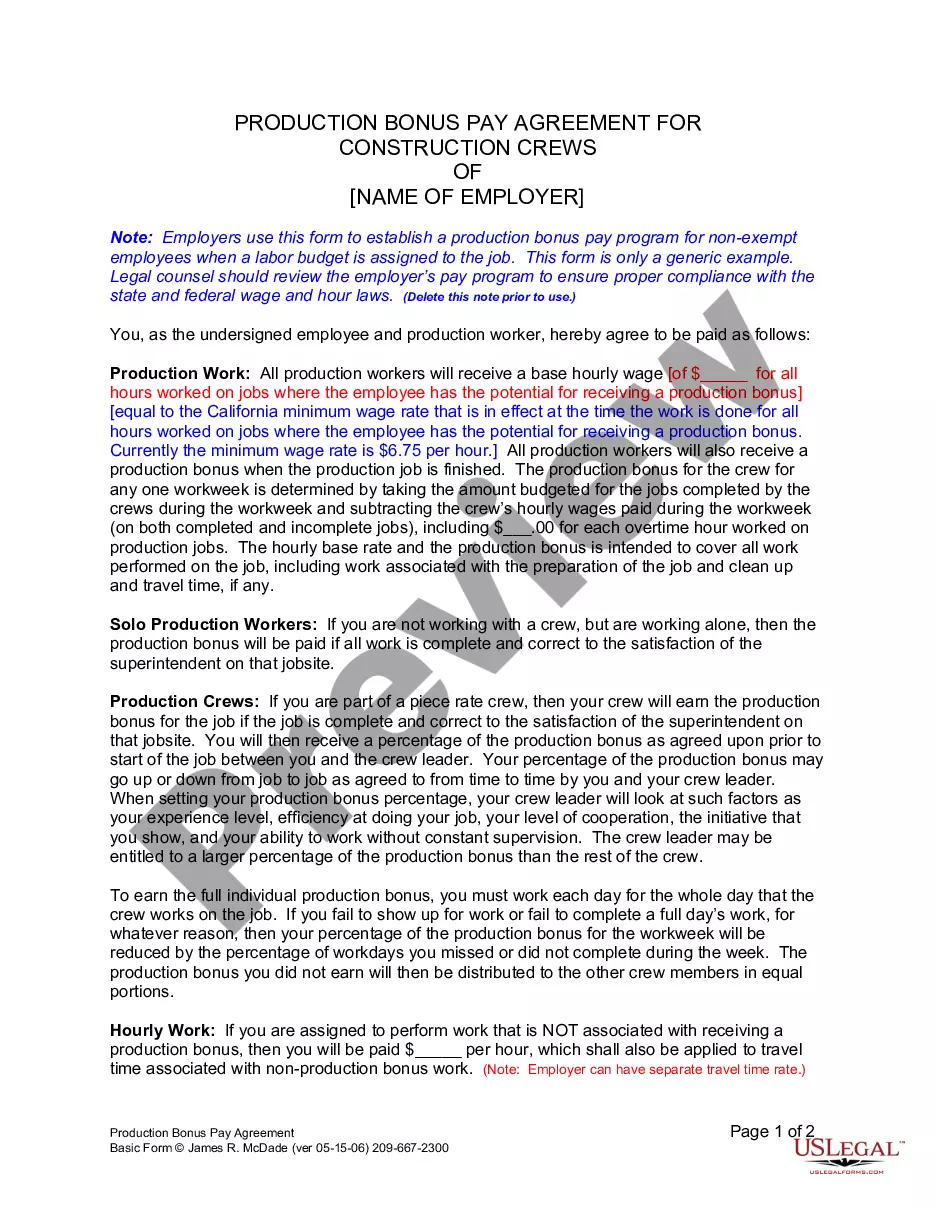
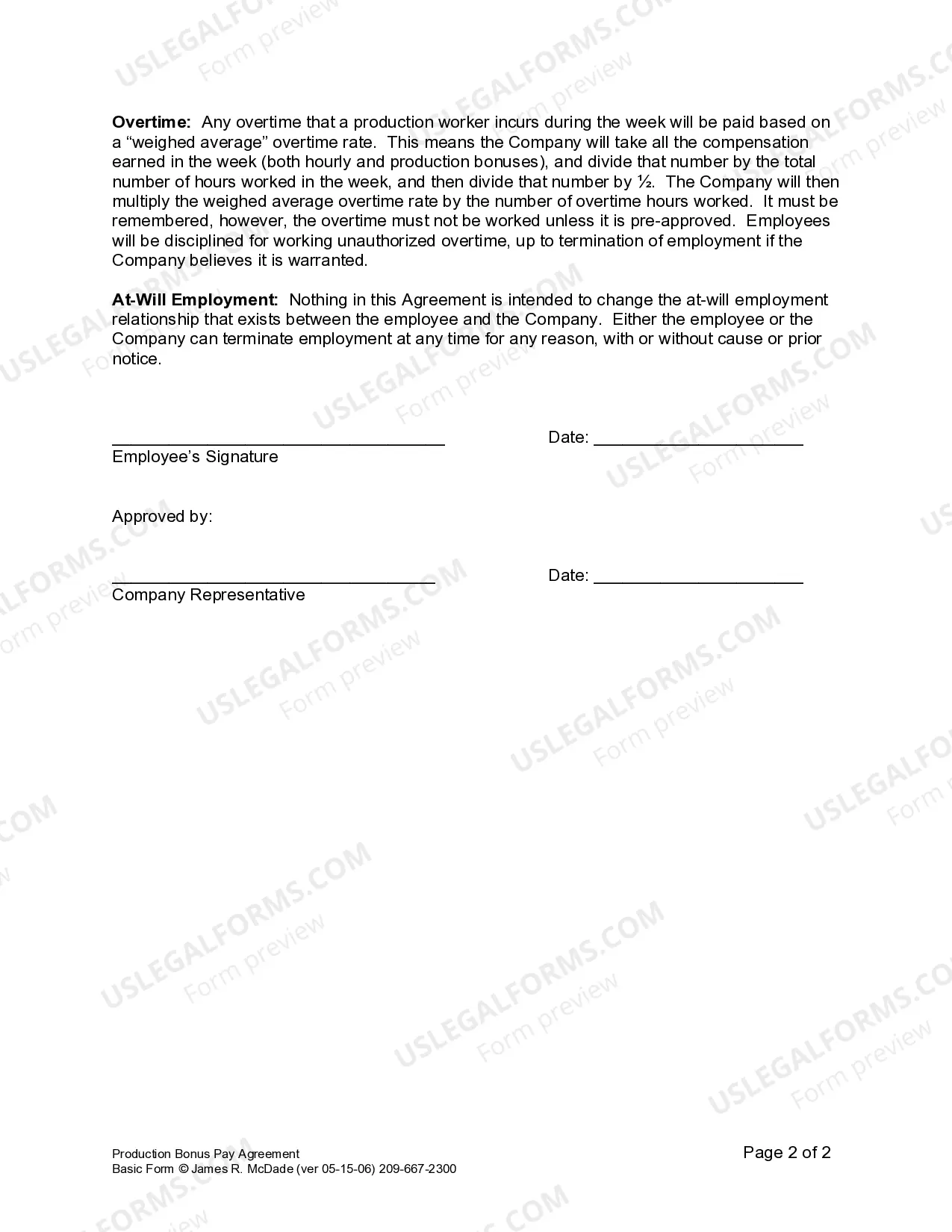
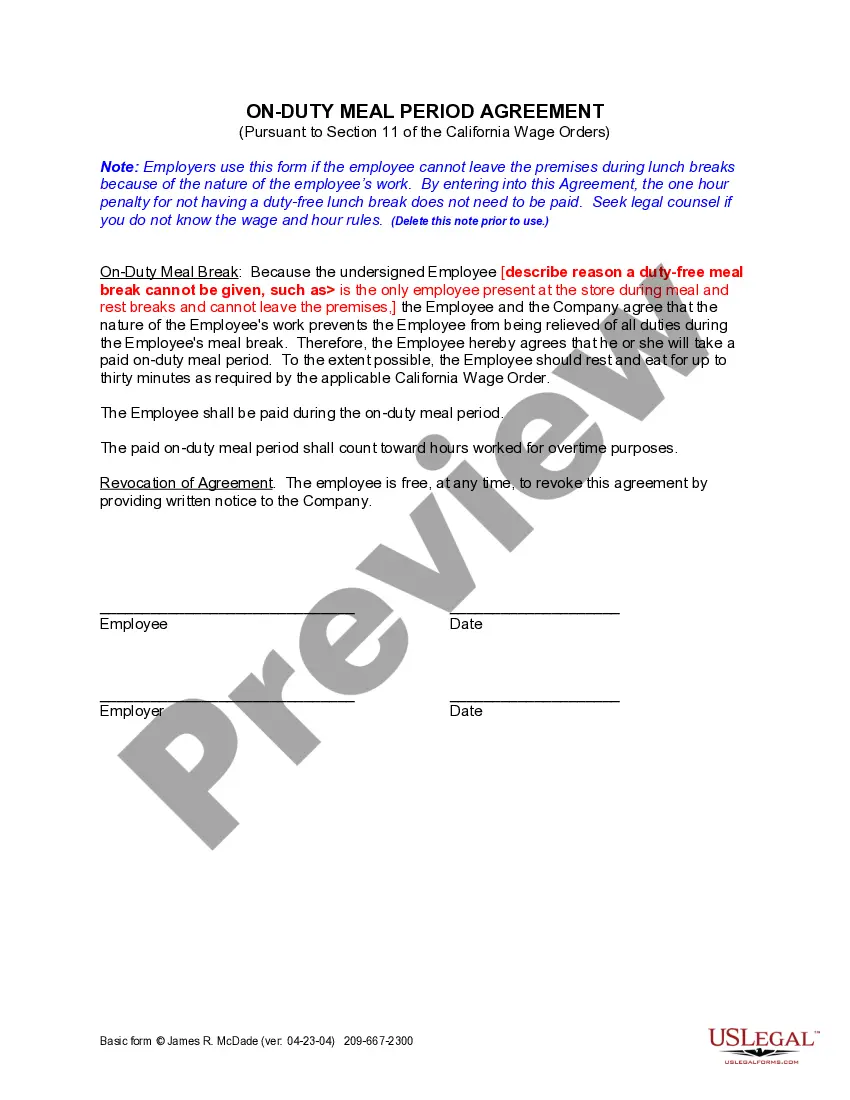
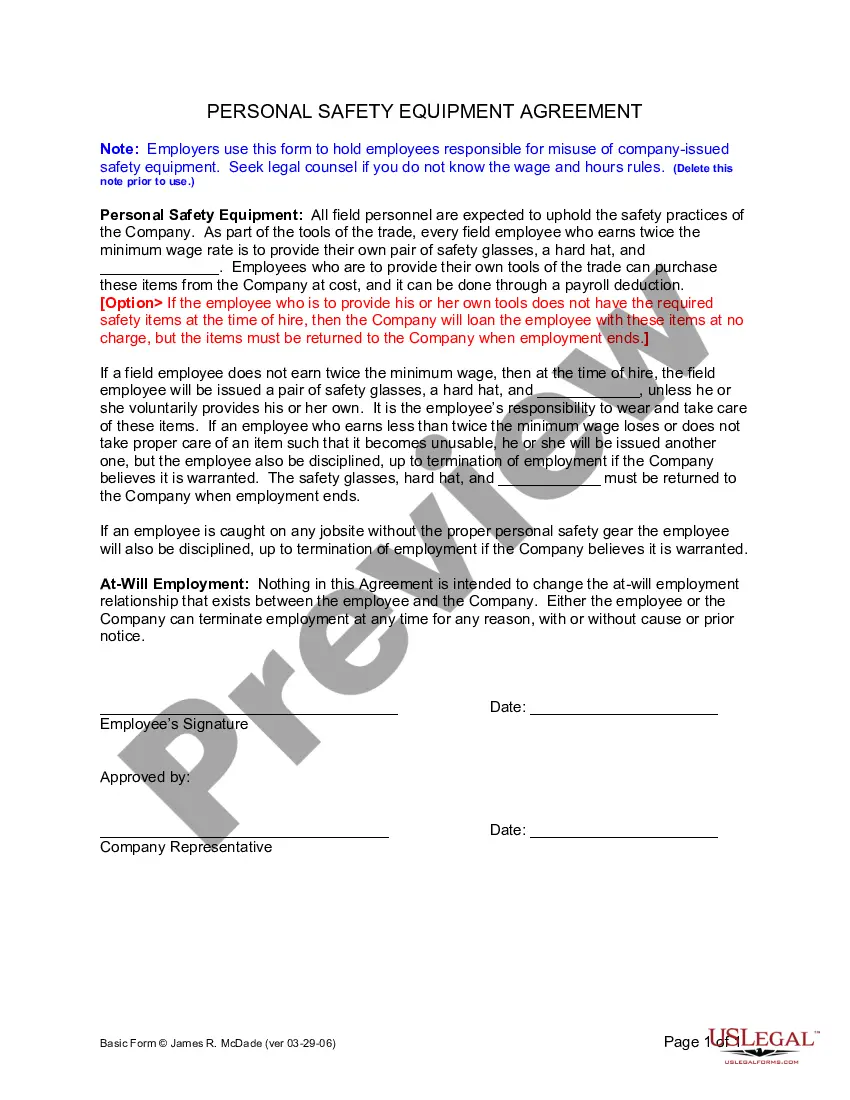
Get your form ready online
Our built-in tools help you complete, sign, share, and store your documents in one place.
Make edits, fill in missing information, and update formatting in US Legal Forms—just like you would in MS Word.
Download a copy, print it, send it by email, or mail it via USPS—whatever works best for your next step.
Sign and collect signatures with our SignNow integration. Send to multiple recipients, set reminders, and more. Go Premium to unlock E-Sign.
If this form requires notarization, complete it online through a secure video call—no need to meet a notary in person or wait for an appointment.
We protect your documents and personal data by following strict security and privacy standards.

Make edits, fill in missing information, and update formatting in US Legal Forms—just like you would in MS Word.

Download a copy, print it, send it by email, or mail it via USPS—whatever works best for your next step.

Sign and collect signatures with our SignNow integration. Send to multiple recipients, set reminders, and more. Go Premium to unlock E-Sign.

If this form requires notarization, complete it online through a secure video call—no need to meet a notary in person or wait for an appointment.

We protect your documents and personal data by following strict security and privacy standards.
Looking for another form?

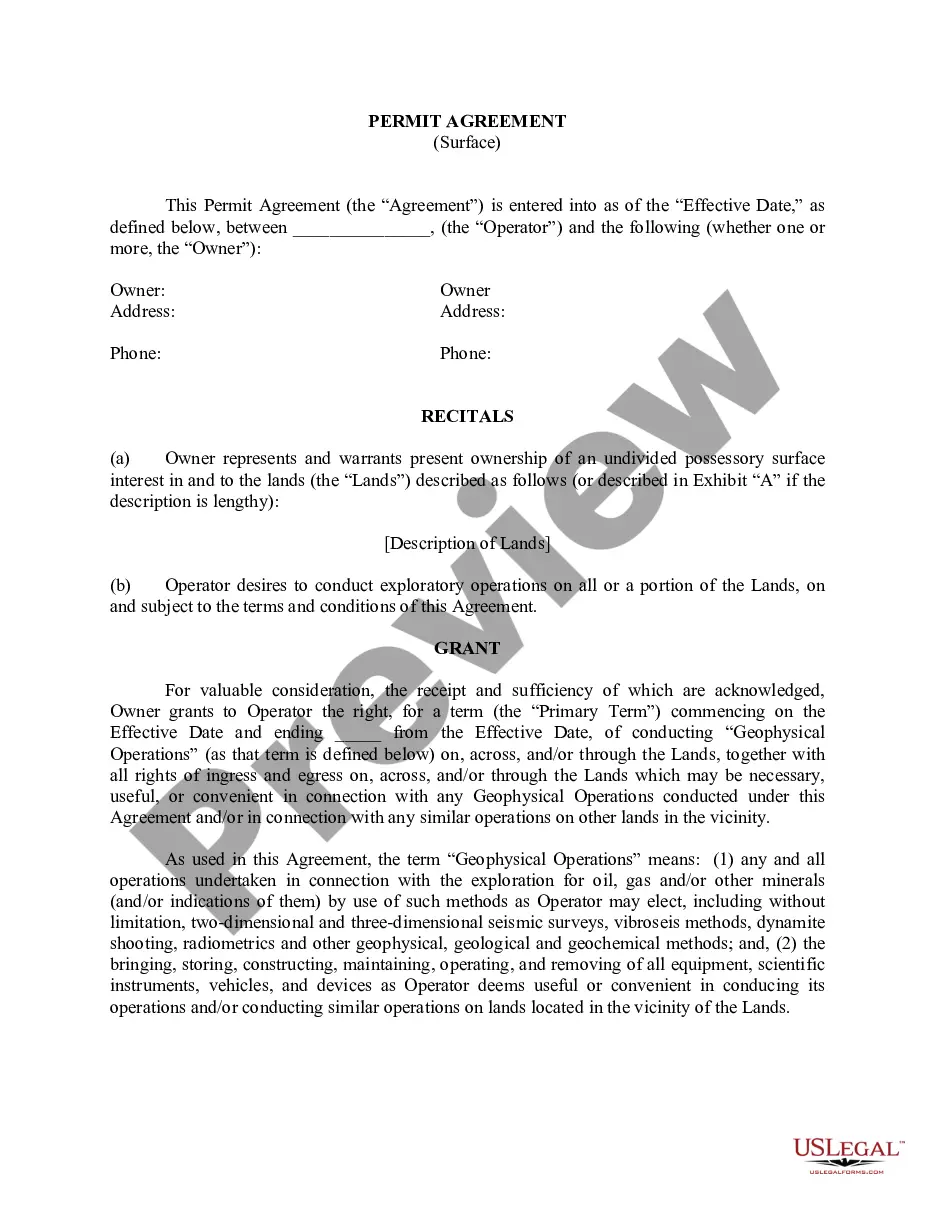
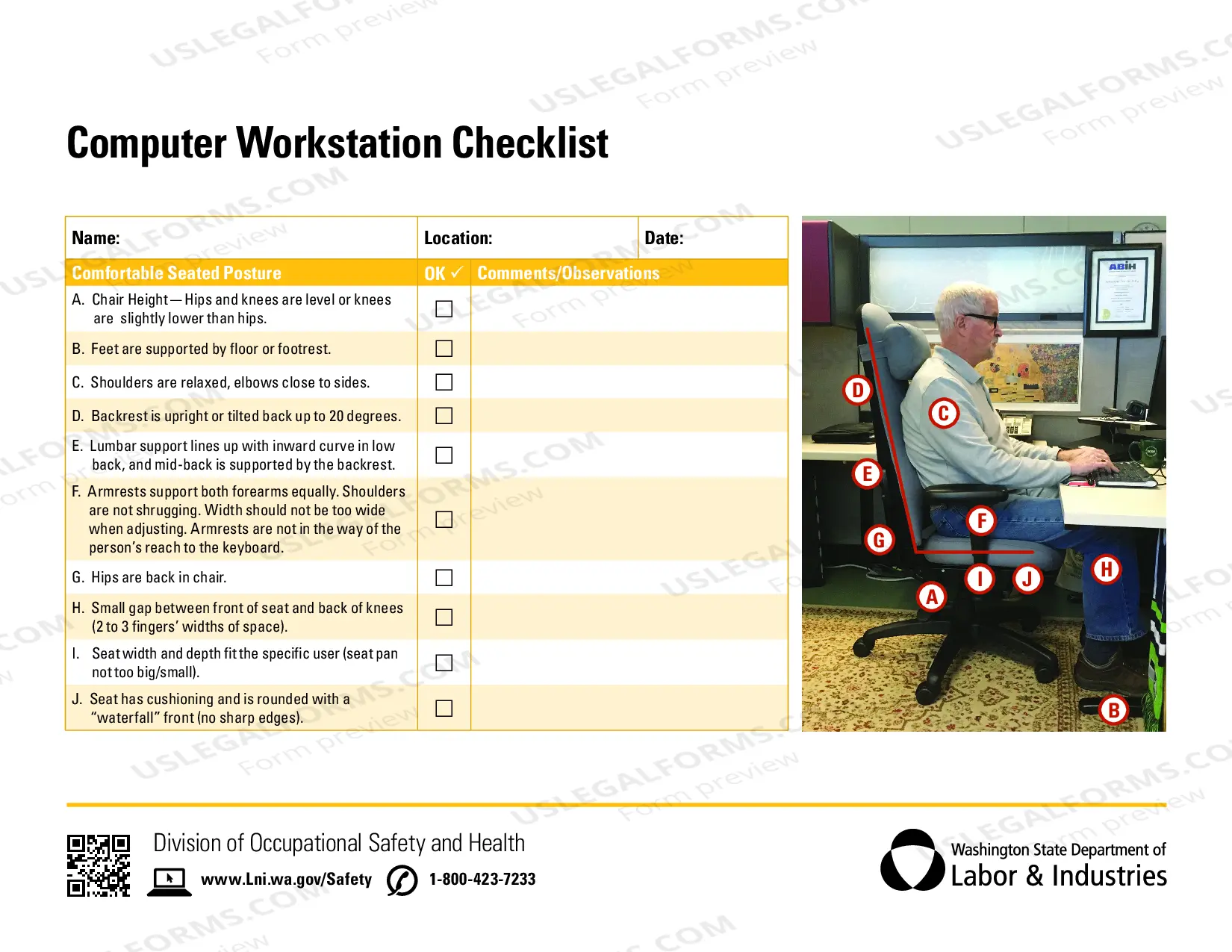
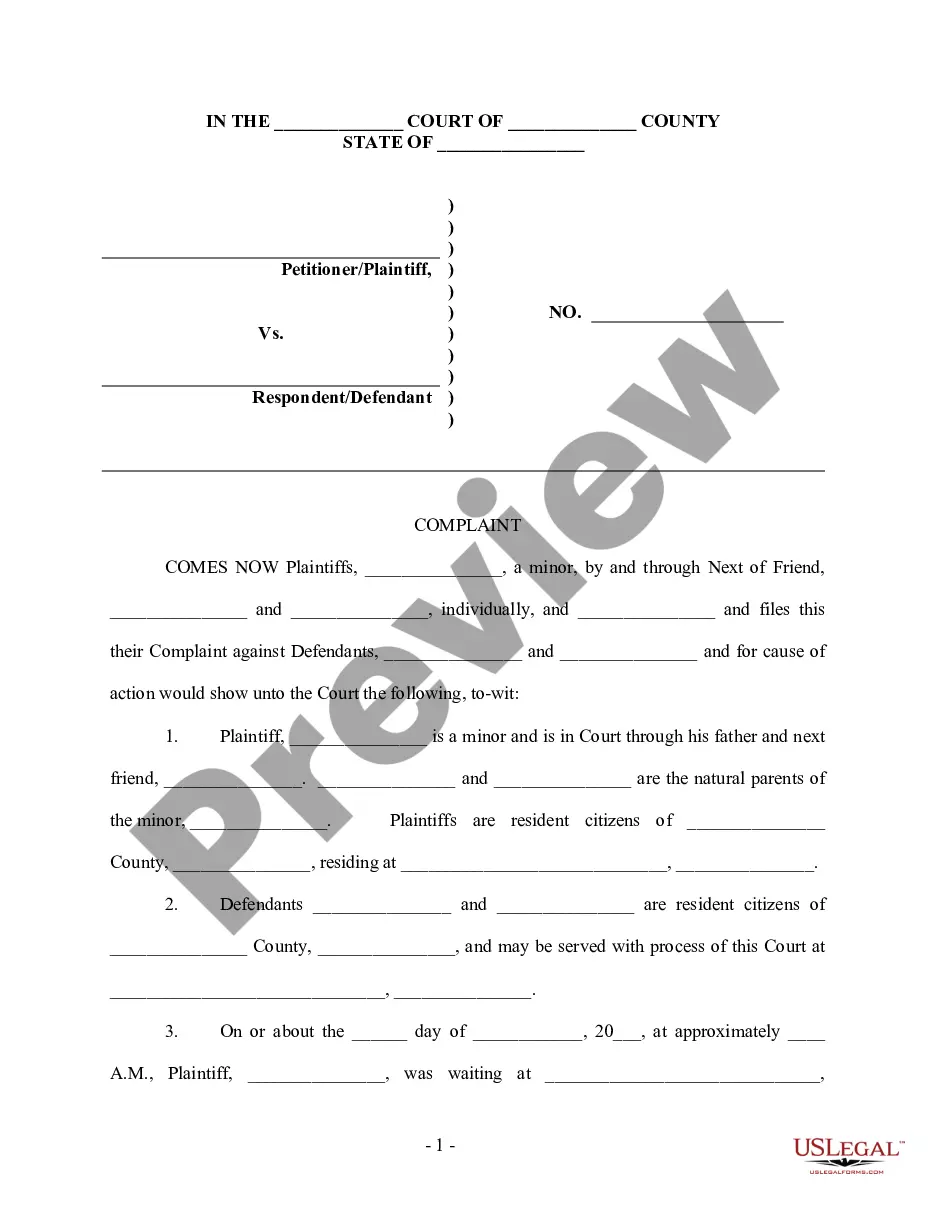

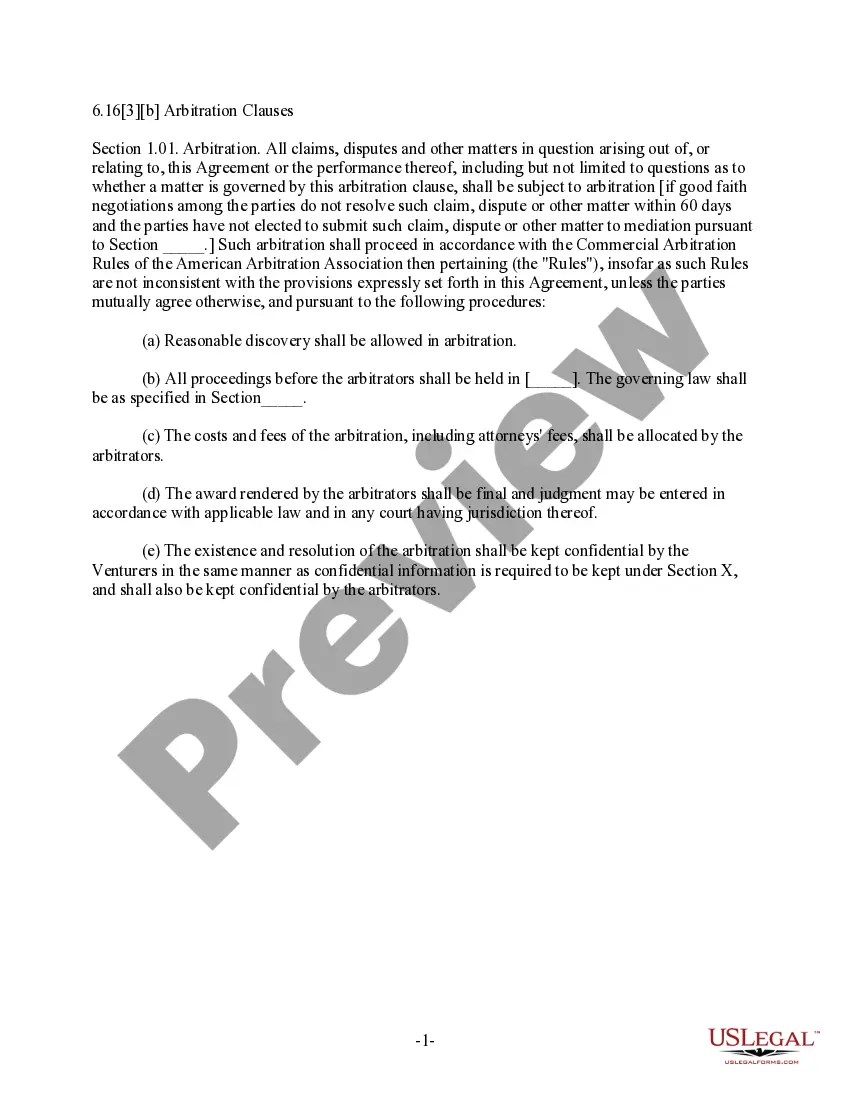

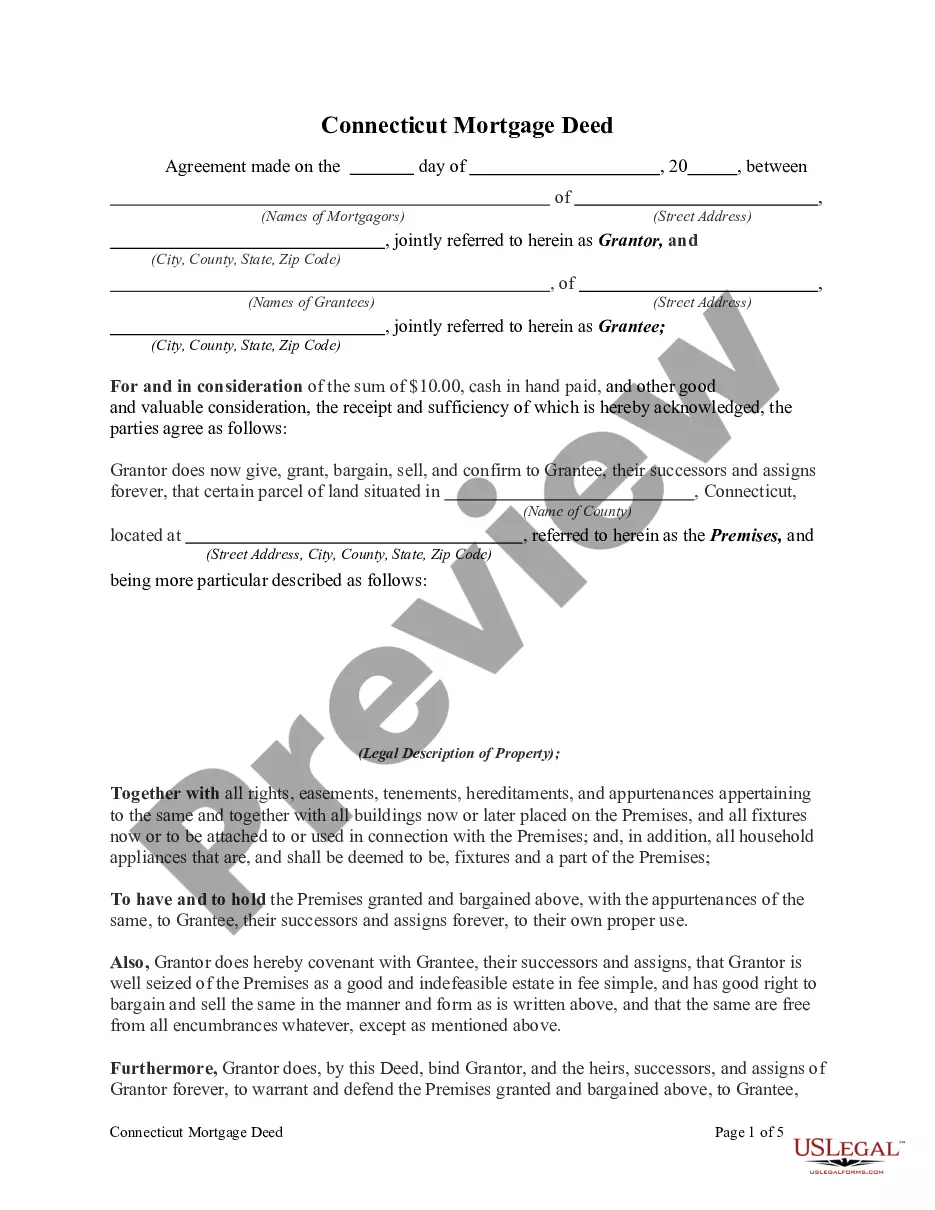

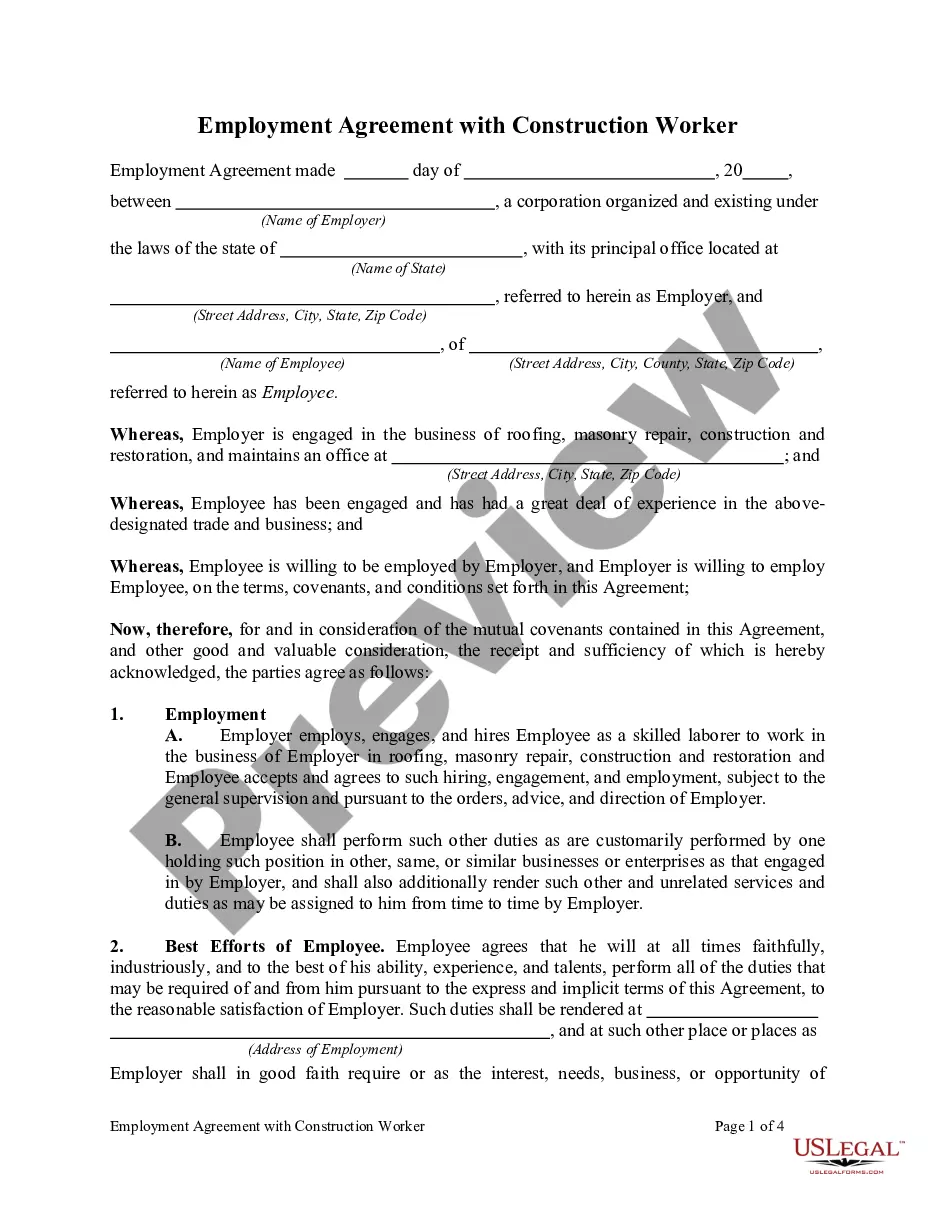
How to fill out California Production Bonus Pay Agreement For Construction?
Locating a reliable source to obtain the latest and suitable legal templates is a significant part of navigating bureaucracy. Securing the correct legal documents necessitates accuracy and meticulousness, which is why it is crucial to source Work Hours In Overtime samples exclusively from reputable providers, such as US Legal Forms. Using an incorrect template can squander your time and prolong your current situation. With US Legal Forms, you have minimal worries. You can access and review all the details regarding the document's applicability and significance for your particular situation and in your jurisdiction.
Follow these steps to finalize your Work Hours In Overtime.
Eliminate the stress associated with your legal paperwork. Explore the extensive US Legal Forms library where you can discover legal templates, assess their applicability to your situation, and download them instantly.
- Use the catalog navigation or search bar to find your example.
- Review the form's description to ensure it aligns with your state's and area's regulations.
- View the form preview, if available, to confirm that the template is indeed the one you seek.
- Return to the search and identify the appropriate document if the Work Hours In Overtime does not fulfill your criteria.
- If you are confident about the form's suitability, proceed to download it.
- If you are a registered user, click Log in to verify and retrieve your selected templates in My documents.
- If you do not have an account yet, select Buy now to purchase the form.
- Select the pricing plan that meets your needs.
- Continue to register to complete your order.
- Conclude your purchase by choosing a payment method (credit card or PayPal).
- Select the file format for downloading Work Hours In Overtime.
- Once you have the form on your device, you can modify it using the editor or print it and complete it manually.
Form popularity
FAQ
In general, there is no legal limit on how many hours of overtime you can work in a week, as long as you receive proper compensation for those hours. However, you should be mindful of your employer's policies and any applicable labor laws. If you find yourself regularly working extensive work hours in overtime, it may be worthwhile to review your workload and discuss it with your supervisor. The US Legal Forms platform can help you navigate your rights and any agreements related to overtime.
Adding your work hours in overtime involves tracking the time accurately and summing it with your regular hours. Ensure that you note any discrepancies in your schedule. Many workplaces have specific protocols for reporting these hours, so check with your supervisor for guidance. Regular updates can help avoid confusion when calculating your total hours.
To calculate overtime hours worked, first monitor your total hours for the week. If your total exceeds 40 hours, subtract 40 from that number to determine your overtime hours. For example, if you logged 42 hours, you have 2 hours of overtime. Utilizing US Legal Forms can help you manage your time tracking efficiently and ensure you receive the payment you deserve.
No, 40 hours and 30 minutes is not classified as work hours in overtime. Overtime typically starts when you exceed 40 hours of work in a week. In this case, you have 30 minutes of overtime, which would be calculated and compensated accordingly. Ensure you track all of your hours accurately to receive the right payment.
To compute work hours in overtime, start by determining your regular hourly rate. Then, identify the total number of hours you worked beyond the standard 40-hour workweek. For example, if you worked 45 hours, you earned 5 hours of overtime. Multiply these overtime hours by 1.5 times your regular hourly rate to calculate your additional earnings.
Overtime is when you pay your employees 1.5 times their normal rate, while double time is when you pay your employees twice their normal rate. For instance, if an employee regularly earns $17, their overtime rate is $25.5 per hour, while their double time rate is $34 per hour.
What to Include in an Overtime Request Basic employee information (name, position, employee ID number, contact information, etc.) Manager name and contact information. Number of overtime hours requested. Time(s) and date(s) of requested overtime hours. Calculated total cost of overtime hours.
Form HUD-1040 will be used to request and obtain approval for all overtime, holiday or compensatory hours. Nonexempt employees must be paid overtime - compensatory hours are not authorized. 2. Each request will be fully justified as to the reason that the work could not be done during regular working hours.
The standard overtime rate is 1.5 times the employee's regular hourly wage. This number is also commonly known as ?time-and-a-half.? So if one employee makes $15 per hour, their overtime rate is $22.50 per hour ($15 x 1.5). If another employee makes $25 per hour, their overtime rate is $37.50 per hour ($25 x 1.5).
To calculate any overtime you're entitled to, you can follow the same process as if you were an hourly employee. In other words, calculate overtime as your hourly pay rate multiplied by 1.5, then multiplied again by the number of overtime hours you worked.