Organization Meeting
Description
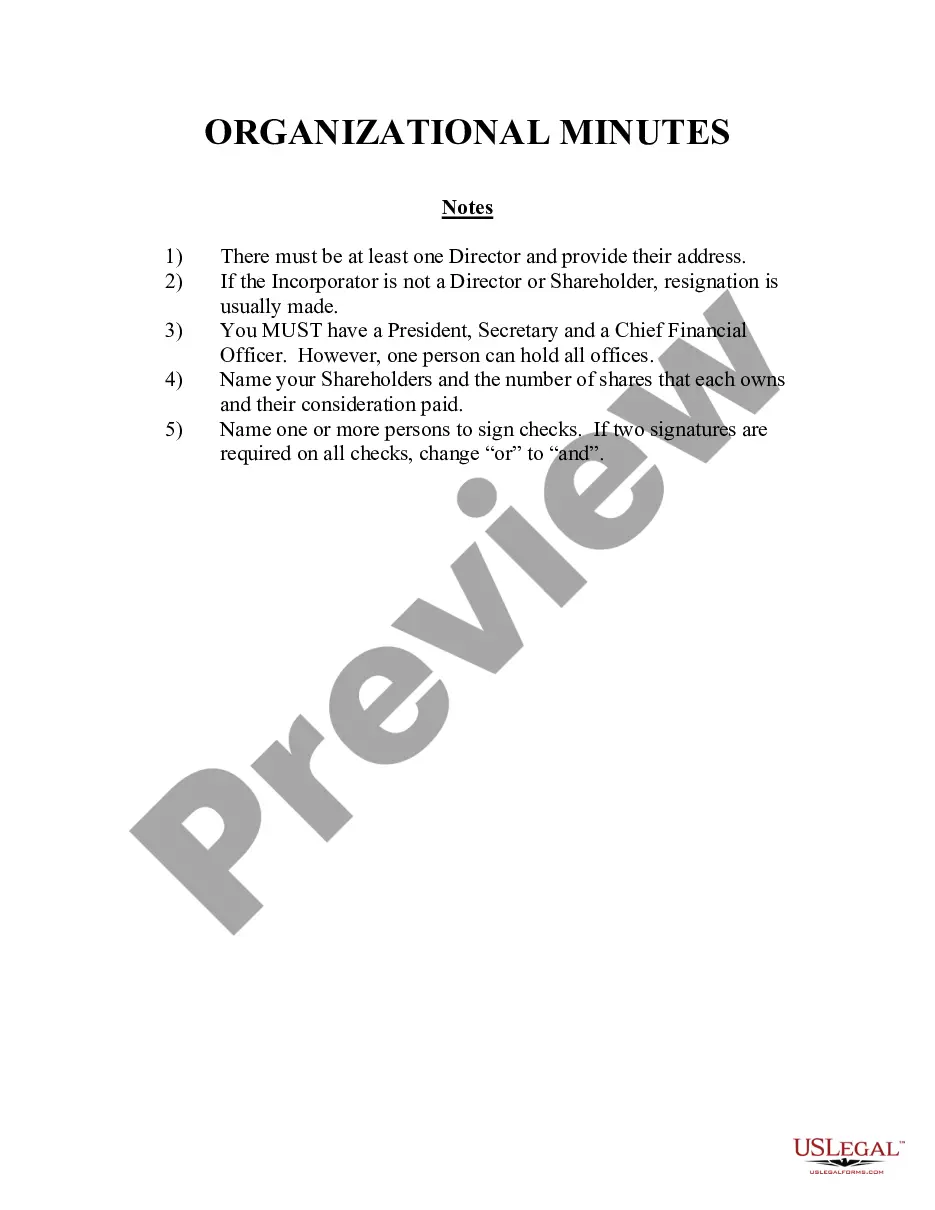
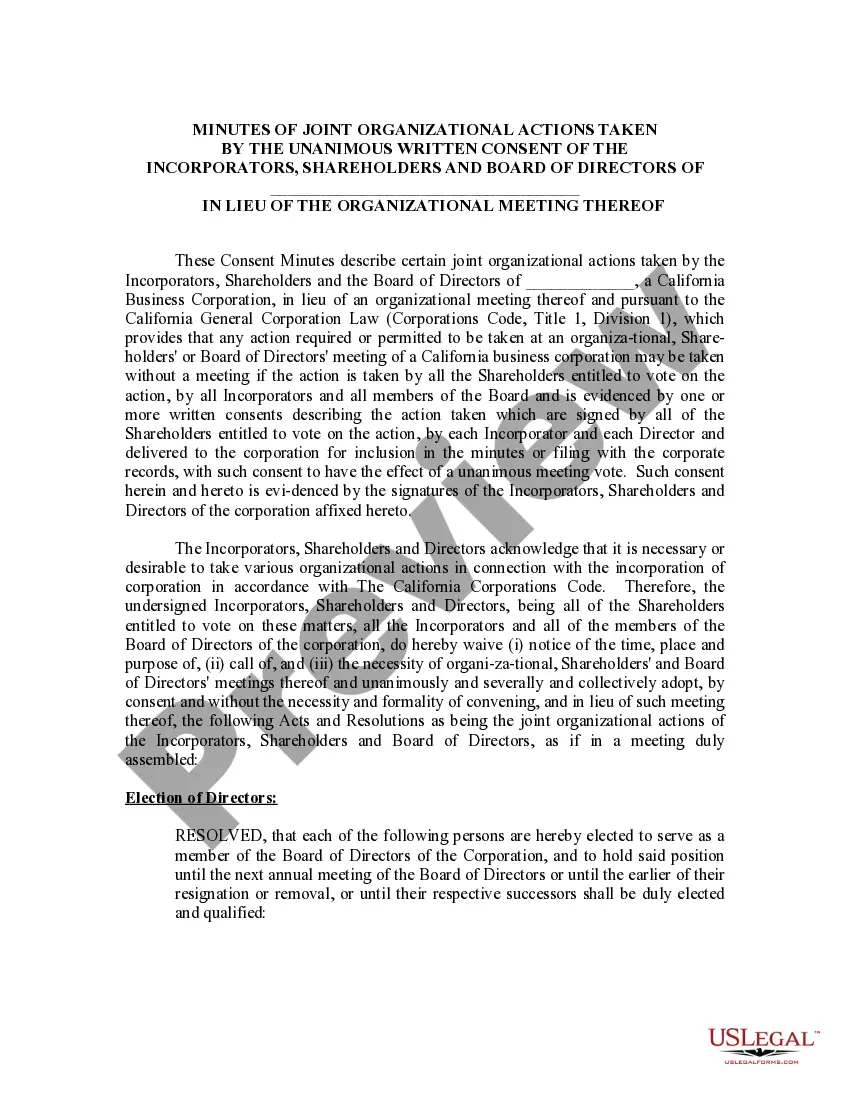
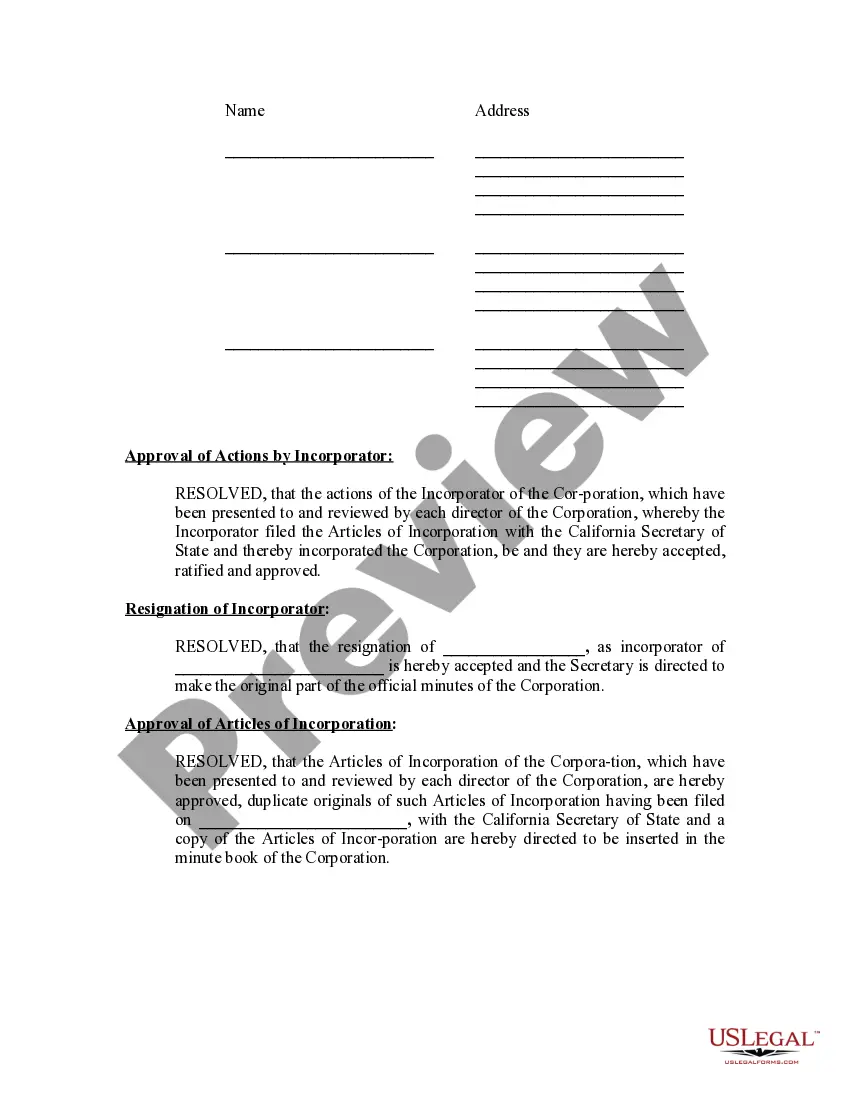
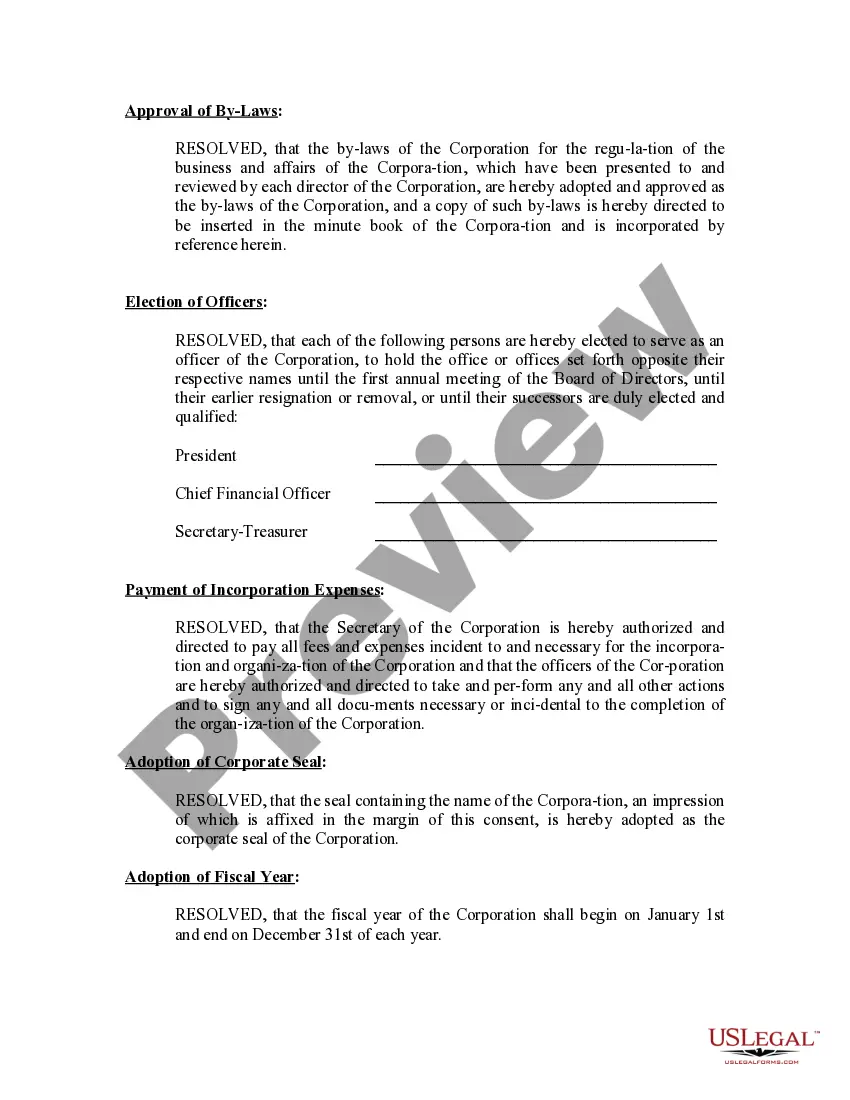
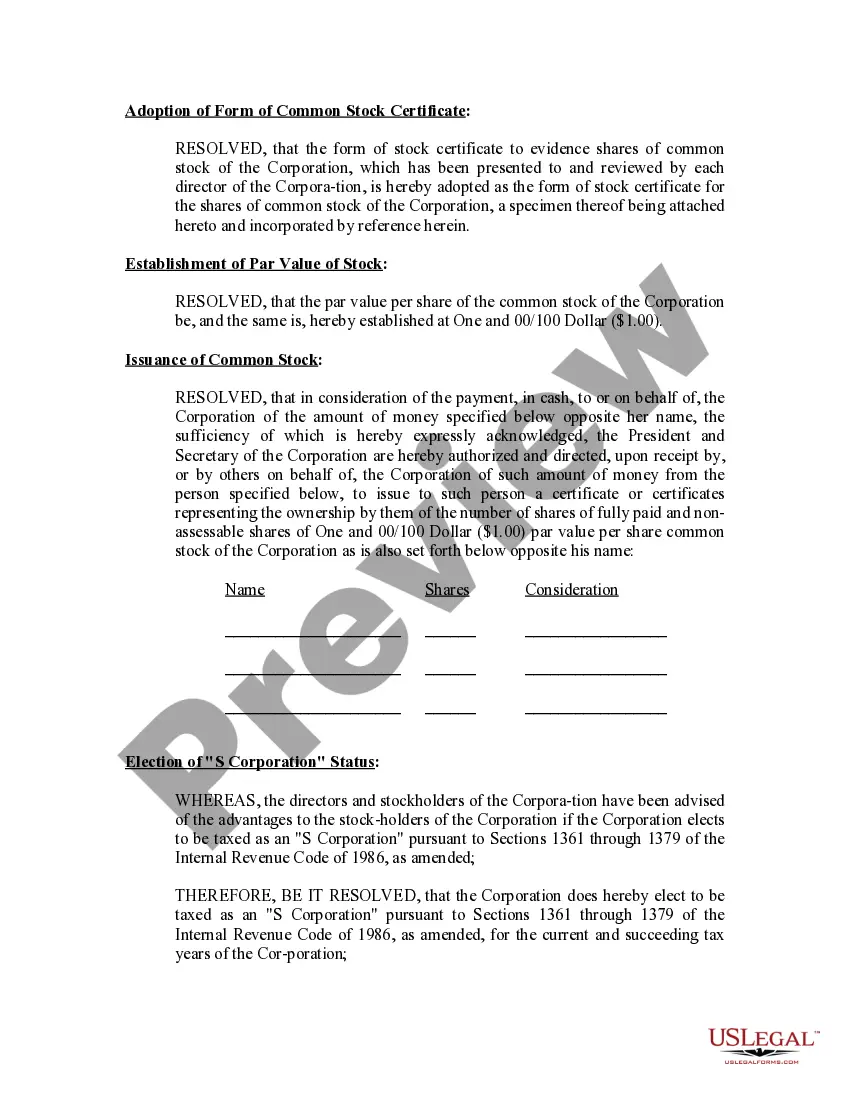
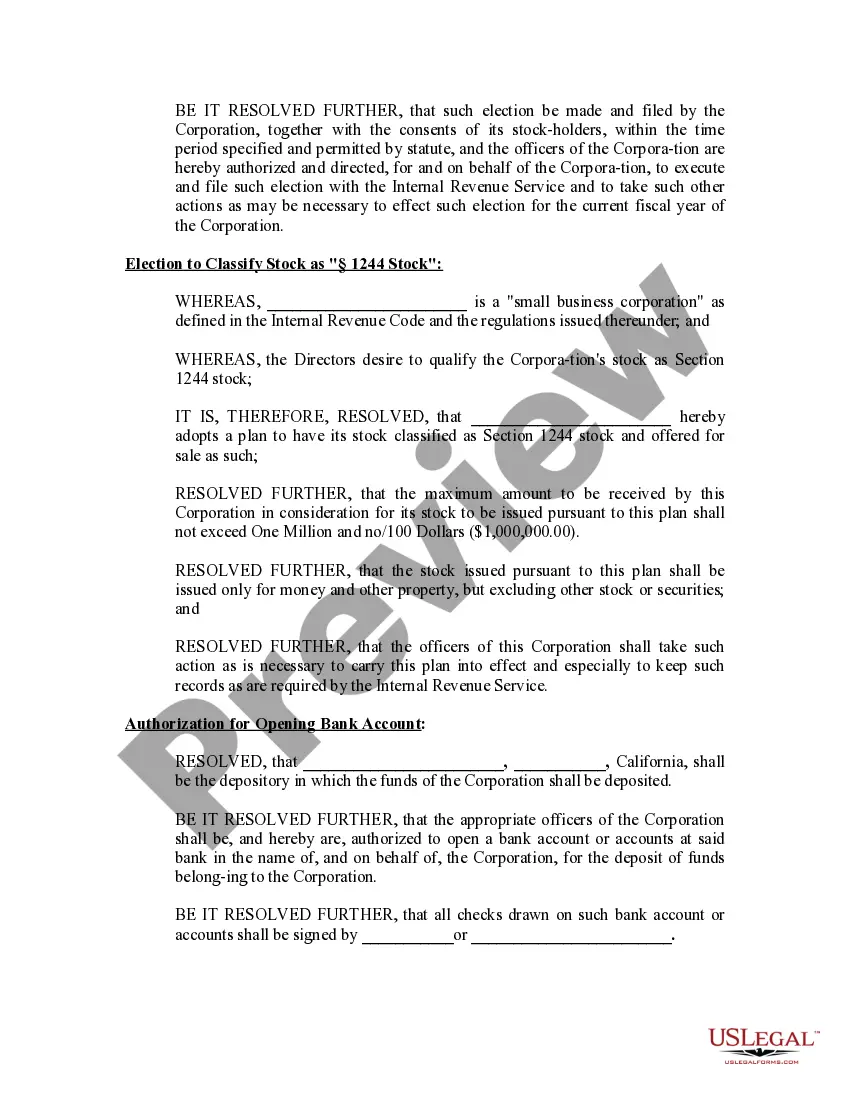
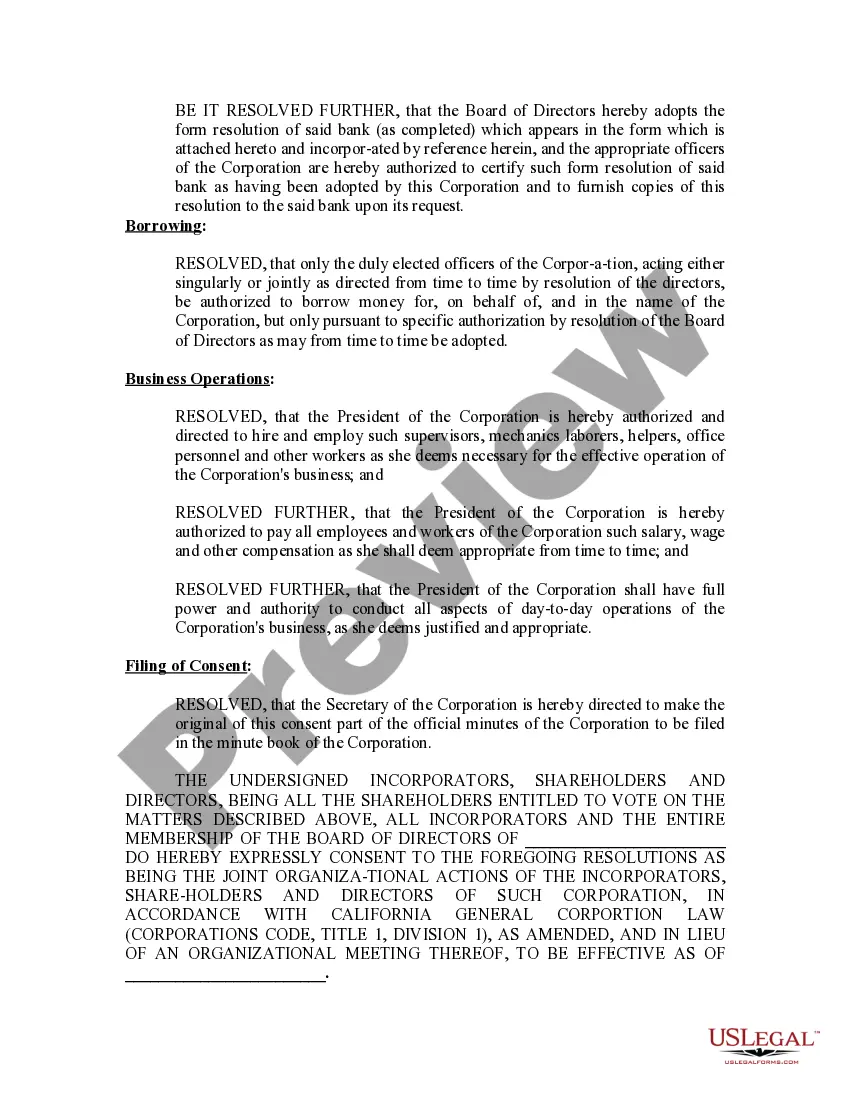
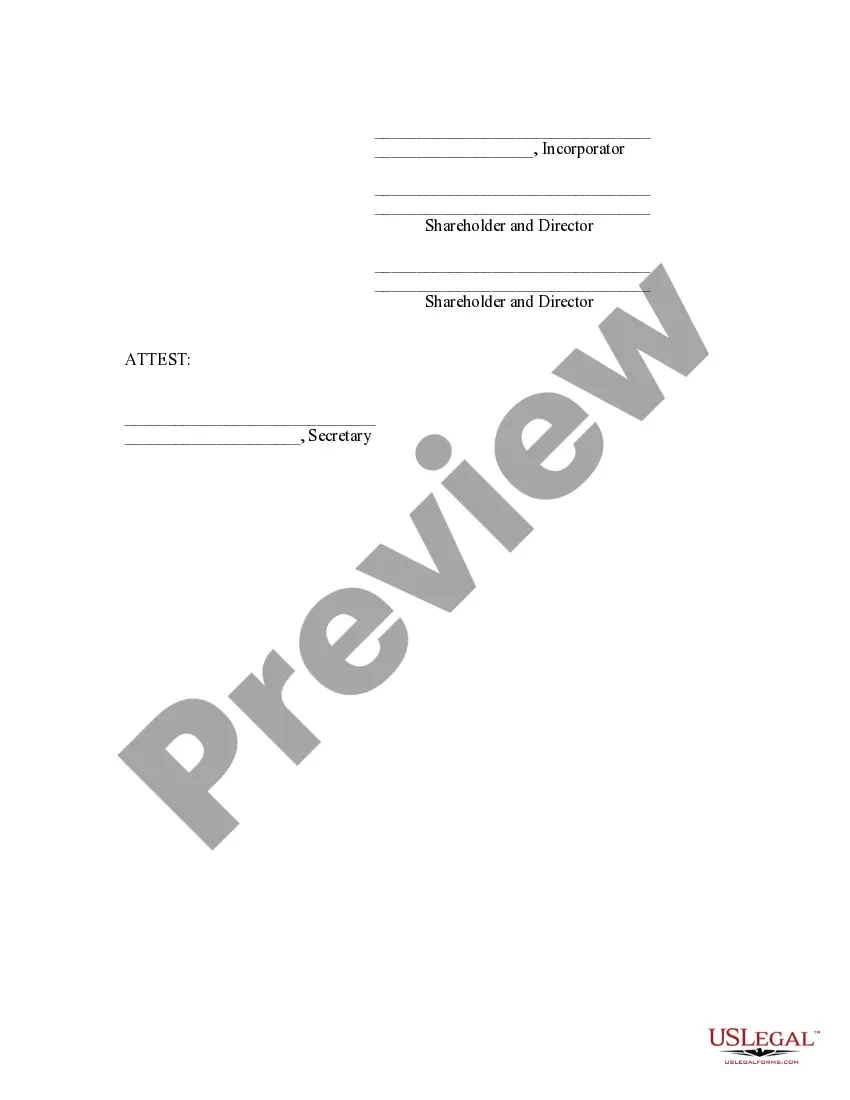
Get your form ready online
Our built-in tools help you complete, sign, share, and store your documents in one place.
Make edits, fill in missing information, and update formatting in US Legal Forms—just like you would in MS Word.
Download a copy, print it, send it by email, or mail it via USPS—whatever works best for your next step.
Sign and collect signatures with our SignNow integration. Send to multiple recipients, set reminders, and more. Go Premium to unlock E-Sign.
If this form requires notarization, complete it online through a secure video call—no need to meet a notary in person or wait for an appointment.
We protect your documents and personal data by following strict security and privacy standards.

Make edits, fill in missing information, and update formatting in US Legal Forms—just like you would in MS Word.

Download a copy, print it, send it by email, or mail it via USPS—whatever works best for your next step.

Sign and collect signatures with our SignNow integration. Send to multiple recipients, set reminders, and more. Go Premium to unlock E-Sign.

If this form requires notarization, complete it online through a secure video call—no need to meet a notary in person or wait for an appointment.

We protect your documents and personal data by following strict security and privacy standards.
Looking for another form?

How to fill out California Minutes For Organizational Meeting?
Locating a trusted source for the most up-to-date and pertinent legal templates is a significant portion of navigating bureaucracy.
Selecting the correct legal documents demands accuracy and meticulousness, which accounts for the necessity of obtaining samples of Organization Meeting exclusively from reliable sources, such as US Legal Forms. A flawed template will squander your time and hinder your situation.
Once you have the form on your device, you can modify it with the editor or print it out to complete it manually. Eliminate the inconvenience associated with your legal documents. Discover the vast collection of US Legal Forms to find legal templates, assess their pertinence to your situation, and download them immediately.
- Utilize the directory navigation or search bar to locate your template.
- Examine the document’s specifics to verify if it aligns with the mandates of your state and area.
- Review the form preview, if accessible, to ensure the form is indeed the one you require.
- Continue the search and find the appropriate template if the Organization Meeting does not meet your needs.
- If you are confident about the form’s relevance, download it.
- As a registered user, click Log in to verify and access your selected templates in My documents.
- If you don’t have an account yet, click Buy now to acquire the template.
- Choose the pricing option that fits your preferences.
- Proceed to the registration to complete your purchase.
- Finalize your transaction by selecting a payment method (credit card or PayPal).
- Choose the file format for downloading the Organization Meeting.
Form popularity
FAQ
An organizing meeting is intended to lay the groundwork for a group’s activities and establish its operational direction. During this meeting, essential topics such as mission, goals, and member roles are discussed to ensure clarity and focus. It's critical for fostering a unified vision among participants. To ensure that your organizing meeting is effective, consider using tools from platforms like uslegalforms to facilitate planning and documentation.
The four primary types of meetings include informational, decision-making, discussion, and feedback meetings. Informational meetings are about sharing updates and knowledge, whereas decision-making meetings focus on reaching conclusions. Discussion meetings encourage open dialogue among participants, while feedback meetings revolve around reviewing performance and processes. By recognizing these categories, organizations can tailor their meetings to achieve desired outcomes effectively.
Companies often engage in various types of meetings, including status update meetings, brainstorming sessions, strategy planning, and performance reviews, among others. Each type serves a unique purpose and contributes to the overall effectiveness of organization meetings. Understanding these differences allows teams to choose the right meeting format for their objectives. By utilizing platforms like uslegalforms, organizations can streamline meeting preparations and documentation.
The term organizational meeting refers to a structured gathering designed to coordinate activities, establish goals, and ensure all participants are on the same page. It provides a formal setting to discuss important topics and make collective decisions. Such meetings are essential in promoting teamwork and developing a common vision within the organization. This collaborative environment fosters accountability and clarity among team members.
An initial meeting is typically the first official gathering of a group aimed at discussing foundational issues and setting future directions. During this meeting, members usually outline objectives, establish ground rules, and assign roles. It's an important step in creating a cohesive team and ensures that everyone is aligned from the outset. By prioritizing open communication, initial meetings can set a positive tone for future organization meetings.
The four Ps of meetings are Purpose, Participants, Process, and Product. The purpose defines what you aim to achieve, while participants are those involved in the organization meeting. Process refers to how the meeting will unfold, including the agenda and discussion formats. Finally, the product is the expected outcome, such as decisions made or action items assigned, which helps in measuring the meeting's success.
An initial organizational meeting sets the stage for a newly-formed group or company, outlining its purpose, goals, and operational guidelines. This meeting is crucial as it establishes roles, responsibilities, and a framework for future organization meetings. Attendees often include key stakeholders, allowing for a collaborative approach in crafting the organization's vision. Ensuring all voices are heard in this meeting is essential for long-term success.
An organization meeting is a gathering of individuals within a group to discuss, plan, and make decisions regarding the group's objectives. Typically, these meetings serve as a platform to align team members on goals and strategies. They can occur at various levels within a company, ensuring everyone is informed and engaged. Utilizing a formal structure during organization meetings can lead to productive discussions and actionable outcomes.
In any organization, meetings generally fall into four main categories: informational, decision-making, problem-solving, and team-building. Informational meetings focus on sharing knowledge, while decision-making meetings aim to reach a conclusion on specific issues. Problem-solving meetings address challenges within the organization, and team-building meetings foster collaboration and improve relationships among team members. Understanding these types can enhance the effectiveness of your organization meetings.
To fill out a meeting agenda effectively, start by entering the meeting title, date, and objectives. Next, list each topic along with the corresponding time frames and responsible persons. Finally, review your agenda to confirm clarity and completeness, ensuring it covers all aspects of the organization meeting.