Settlement Agreement For Employee
Description
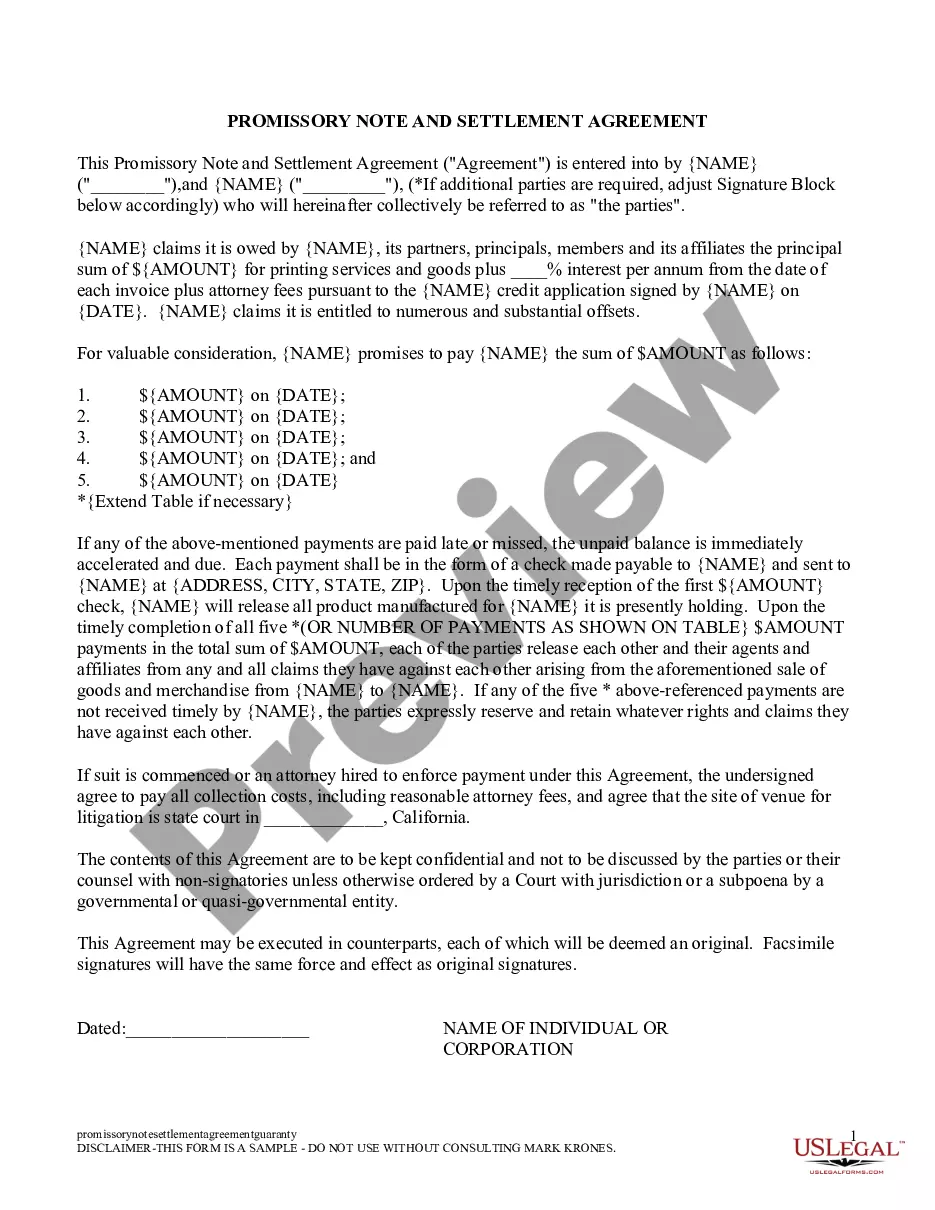
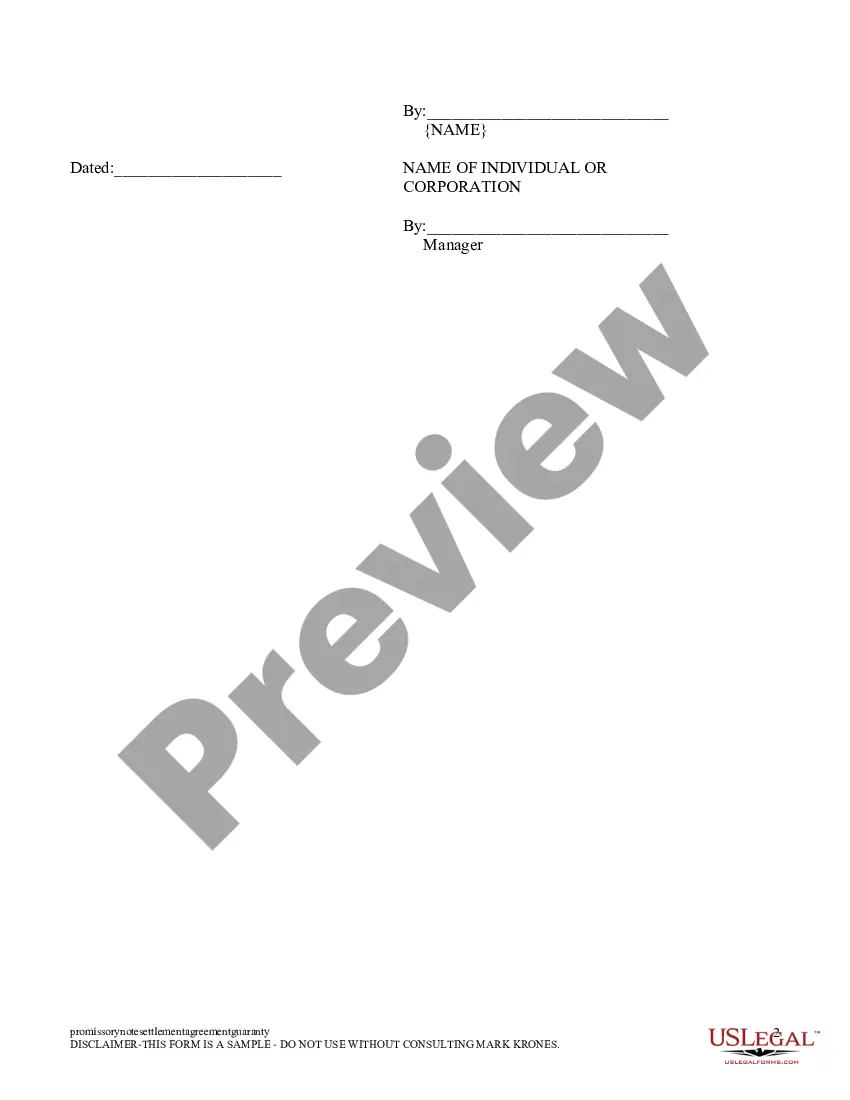
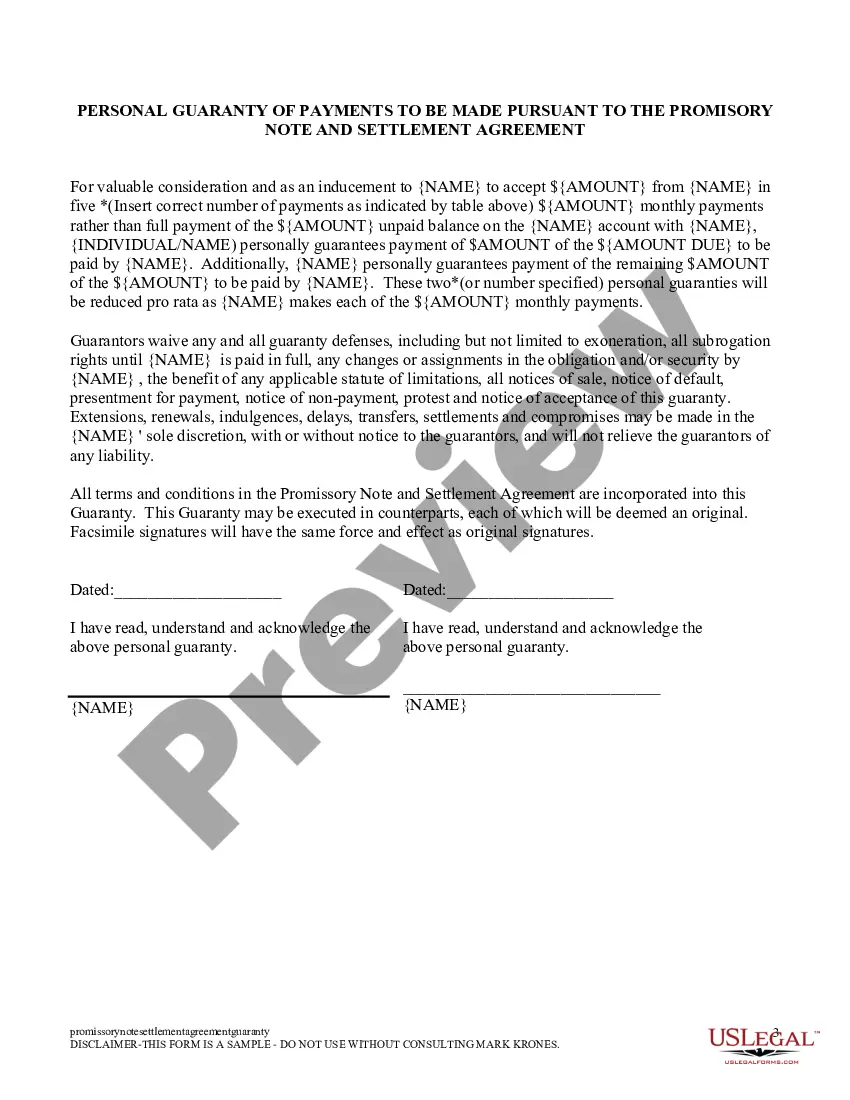
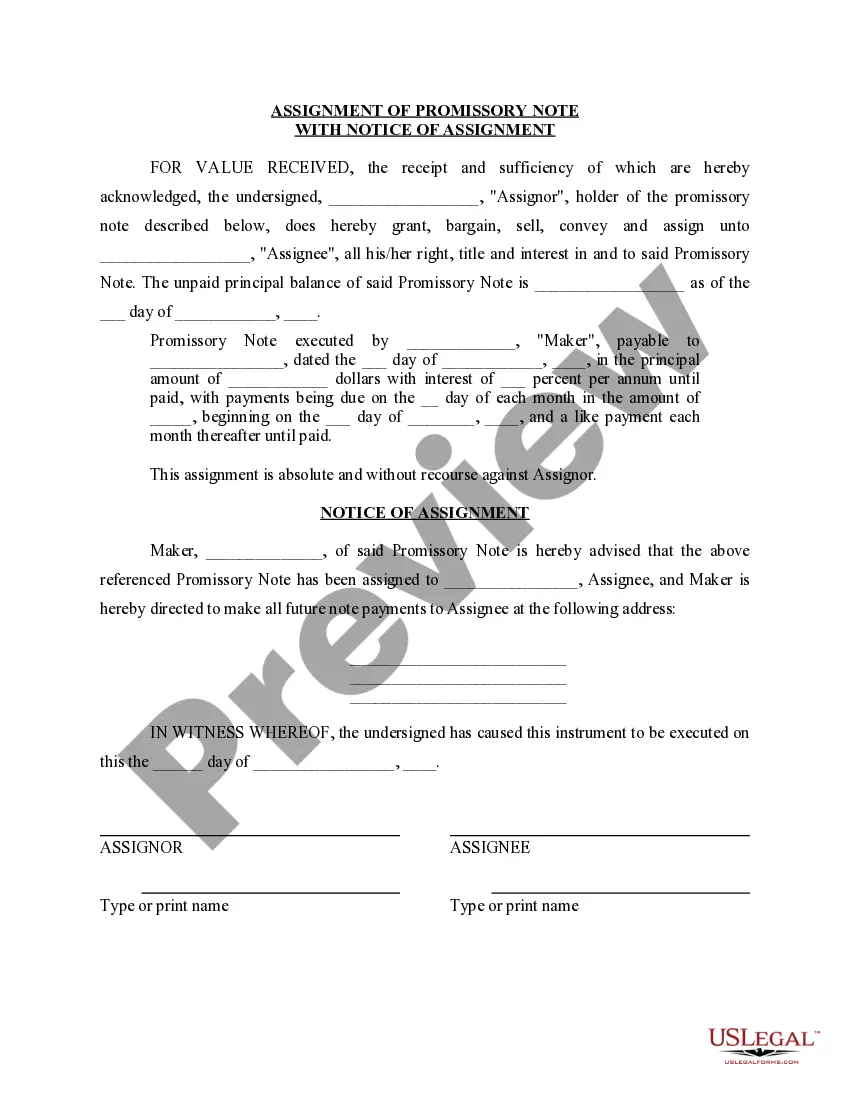
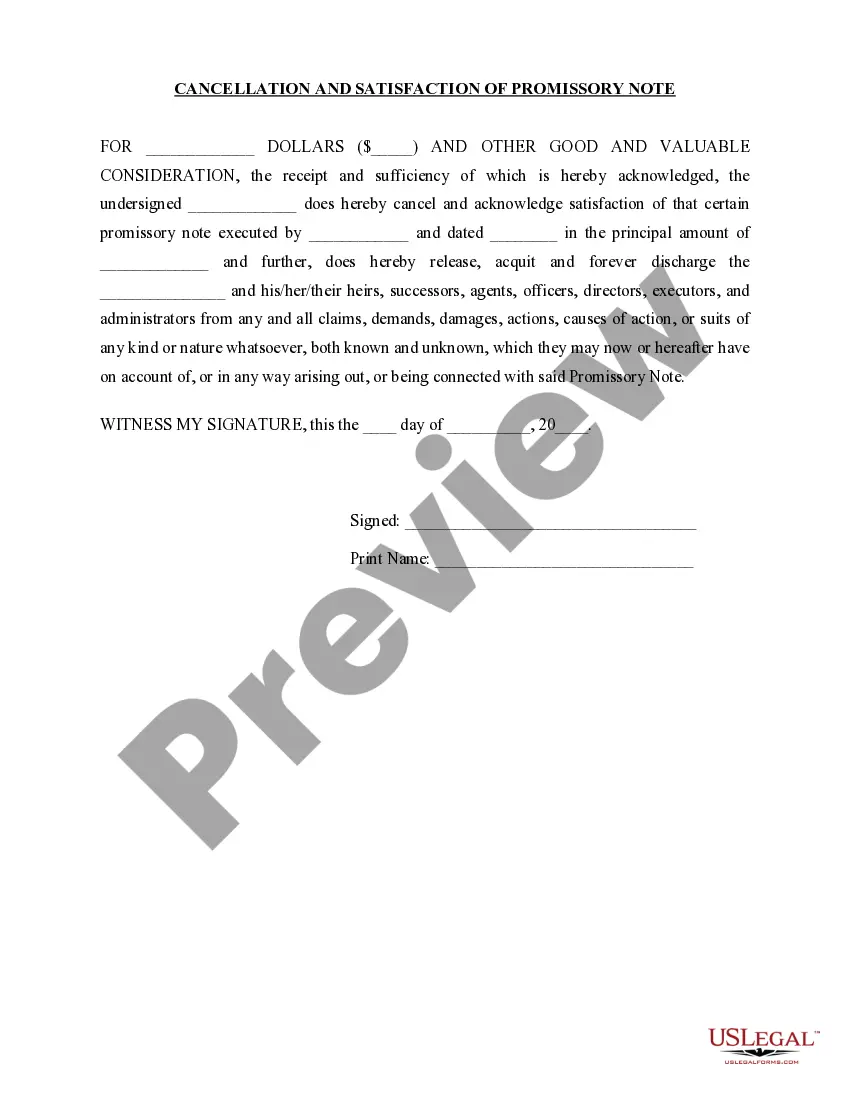
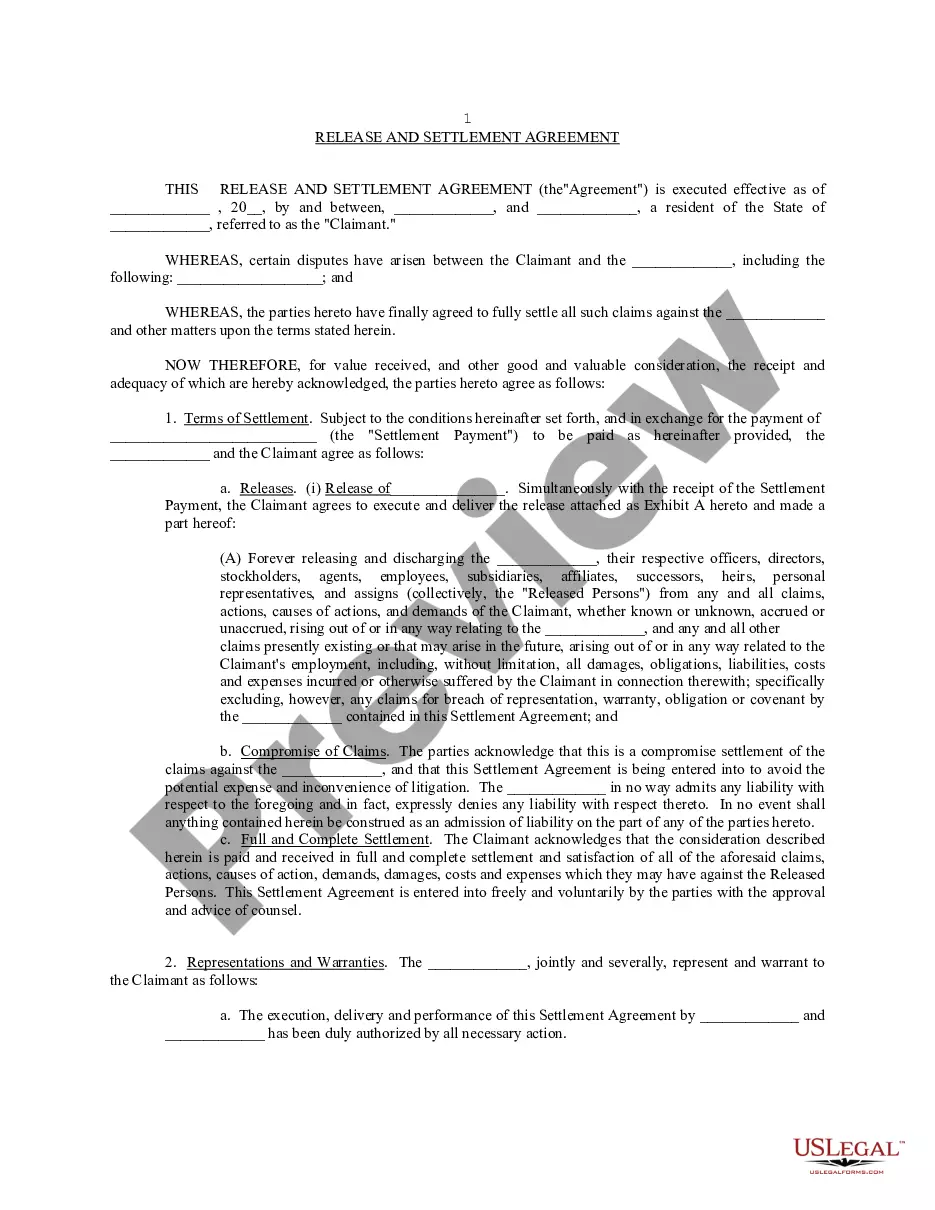
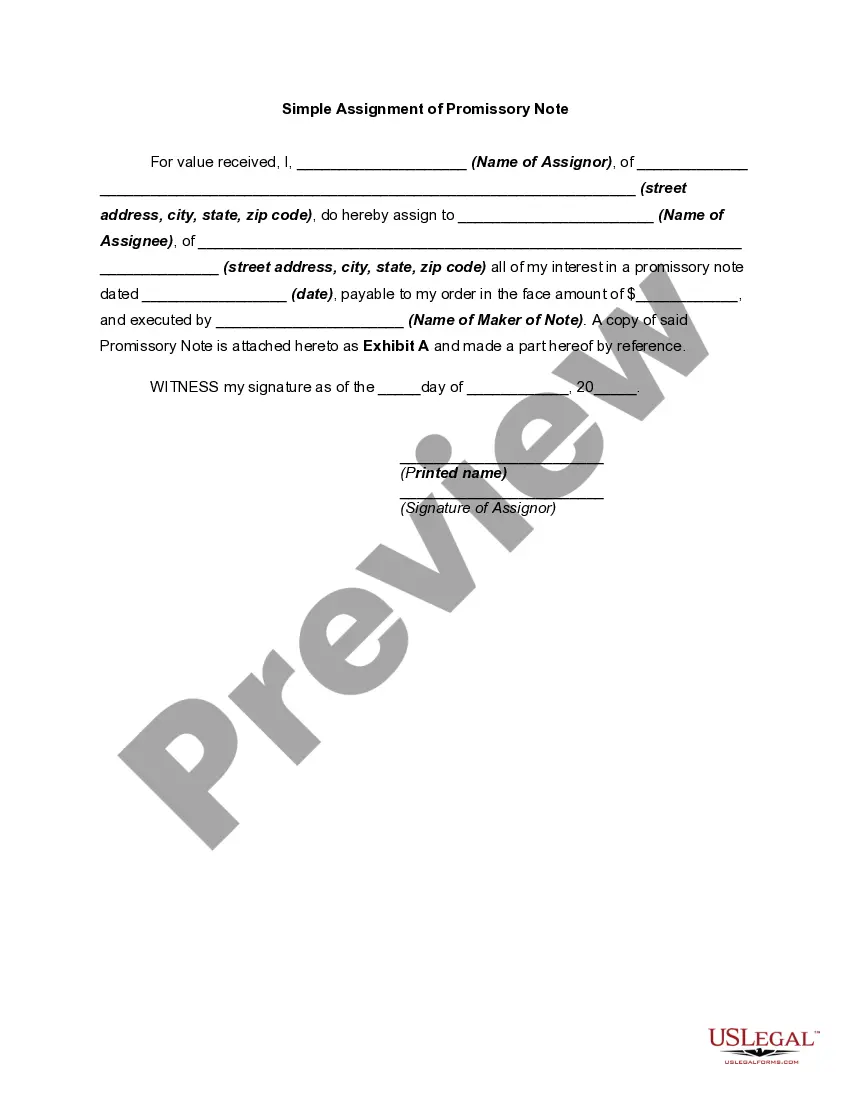
Get your form ready online
Our built-in tools help you complete, sign, share, and store your documents in one place.
Make edits, fill in missing information, and update formatting in US Legal Forms—just like you would in MS Word.
Download a copy, print it, send it by email, or mail it via USPS—whatever works best for your next step.
Sign and collect signatures with our SignNow integration. Send to multiple recipients, set reminders, and more. Go Premium to unlock E-Sign.
If this form requires notarization, complete it online through a secure video call—no need to meet a notary in person or wait for an appointment.
We protect your documents and personal data by following strict security and privacy standards.

Make edits, fill in missing information, and update formatting in US Legal Forms—just like you would in MS Word.

Download a copy, print it, send it by email, or mail it via USPS—whatever works best for your next step.

Sign and collect signatures with our SignNow integration. Send to multiple recipients, set reminders, and more. Go Premium to unlock E-Sign.

If this form requires notarization, complete it online through a secure video call—no need to meet a notary in person or wait for an appointment.

We protect your documents and personal data by following strict security and privacy standards.
Looking for another form?


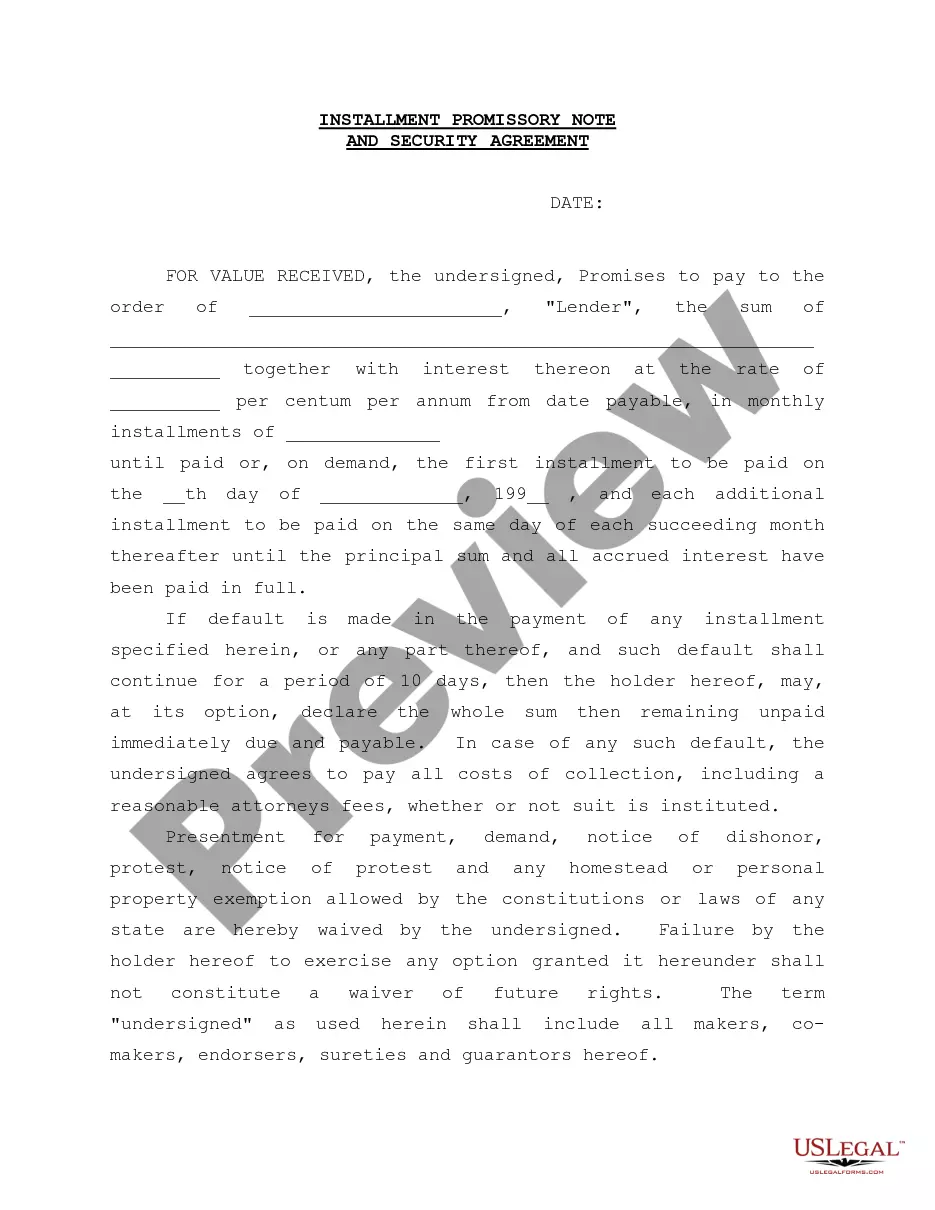
How to fill out California Promissory Note And Settlement Agreement?
- Log in to your US Legal Forms account if you're a returning user, or create a new account if this is your first visit.
- Review the Preview mode and description of the settlement agreement form to ensure it matches your requirements and complies with your local laws.
- If the form isn’t suitable, use the Search tab to find the correct document that aligns with your needs.
- Purchase the document by clicking the Buy Now button, selecting your desired subscription plan, and registering for access to the library.
- Complete your purchase by entering your payment information, either by credit card or PayPal.
- Download your completed form and save it to your device from your profile's My Forms menu for easy access in the future.
Utilizing US Legal Forms allows you to tap into an extensive library of over 85,000 legal templates, ensuring you have ample resources for your needs. With the support of premium experts, you can ensure that your documents are not only accurate but also legally sound.
Start your journey to a well-drafted settlement agreement today with US Legal Forms. It’s time to empower yourself with the legal resources you need!
Form popularity
FAQ
Once you accept a settlement agreement for an employee, changing your mind can be challenging. Typically, these agreements are final once signed, and rescinding them may not be possible unless specific conditions apply. It's vital to carefully consider the terms before acceptance. Remember, thorough review and legal counsel can help you make informed decisions.
A settlement agreement for an employee may be deemed void if it results from fraud, duress, or is unconscionable. Additionally, if the agreement violates public policy or statutory requirements, it will not hold up in court. Understanding these potential pitfalls is crucial for both parties to avoid future complications. Consulting a legal professional can clarify these concerns.
A compensation agreement for employees typically outlines the financial benefits or settlement a worker receives in exchange for resolving a dispute. This can include monetary payments, benefits, or other non-monetary compensations. Such agreements aim to provide fair compensation while avoiding lengthy disputes. It's beneficial to understand these terms thoroughly before signing.
A settlement agreement for an employee is legally binding when it includes essential elements like offer, acceptance, consideration, and the intention to create a legal obligation. Both parties must sign the document, and it should clearly outline the terms agreed upon. Without these elements, the agreement may lack enforceability. Clarity and compliance with state laws ensure its validity.
Generally, once both parties sign a settlement agreement for an employee, it becomes binding. However, there may be specific circumstances under which a party can withdraw, such as if they did not fully understand the terms or if there was coercion involved. Always seek legal advice if you feel the need to back out. Understanding your rights is essential.
To write a simple settlement agreement for employee disputes, begin with a standard template that outlines the basic framework. Clearly state the parties involved, the purpose of the agreement, and all relevant terms. Use clear, straightforward language to detail the nature of the resolution, ensuring that both parties understand their rights and responsibilities. Utilizing uslegalforms can provide you with easy-to-use templates to guide you through the process.
A settlement agreement for employee cases typically includes essential information such as the parties involved, the nature of the dispute, and details regarding the agreed settlement. It often specifies payment amounts, deadlines, and any non-disclosure or non-compete clauses. Additionally, it might include terms for the dismissal of claims and any future obligations that either party must uphold.
To structure a settlement agreement for employee situations, start with a clear title that identifies it as a settlement agreement. Include the names and contact information of all parties involved. Outline the terms, focusing on the resolution of the dispute, any compensation agreed upon, and the timeline for actions required. Finally, include signatures to verify acceptance of the terms.
Approaching a settlement agreement for employees requires clear communication and a collaborative mindset. Start by discussing the issues at hand and identifying the goals of both parties. Create a draft that reflects these objectives, emphasizing transparency throughout the process. Utilizing resources like US Legal Forms can streamline this approach by providing you with templates and professional guidance.
To write a simple agreement, begin by specifying the parties involved and the purpose of the agreement. Then, clearly outline the rights and responsibilities of each party, using straightforward language to ensure clarity. Include any necessary deadlines or payment terms. A simple agreement should reflect mutual understanding, so both parties should review the terms carefully before signing.