What Is A Living Trust
Description
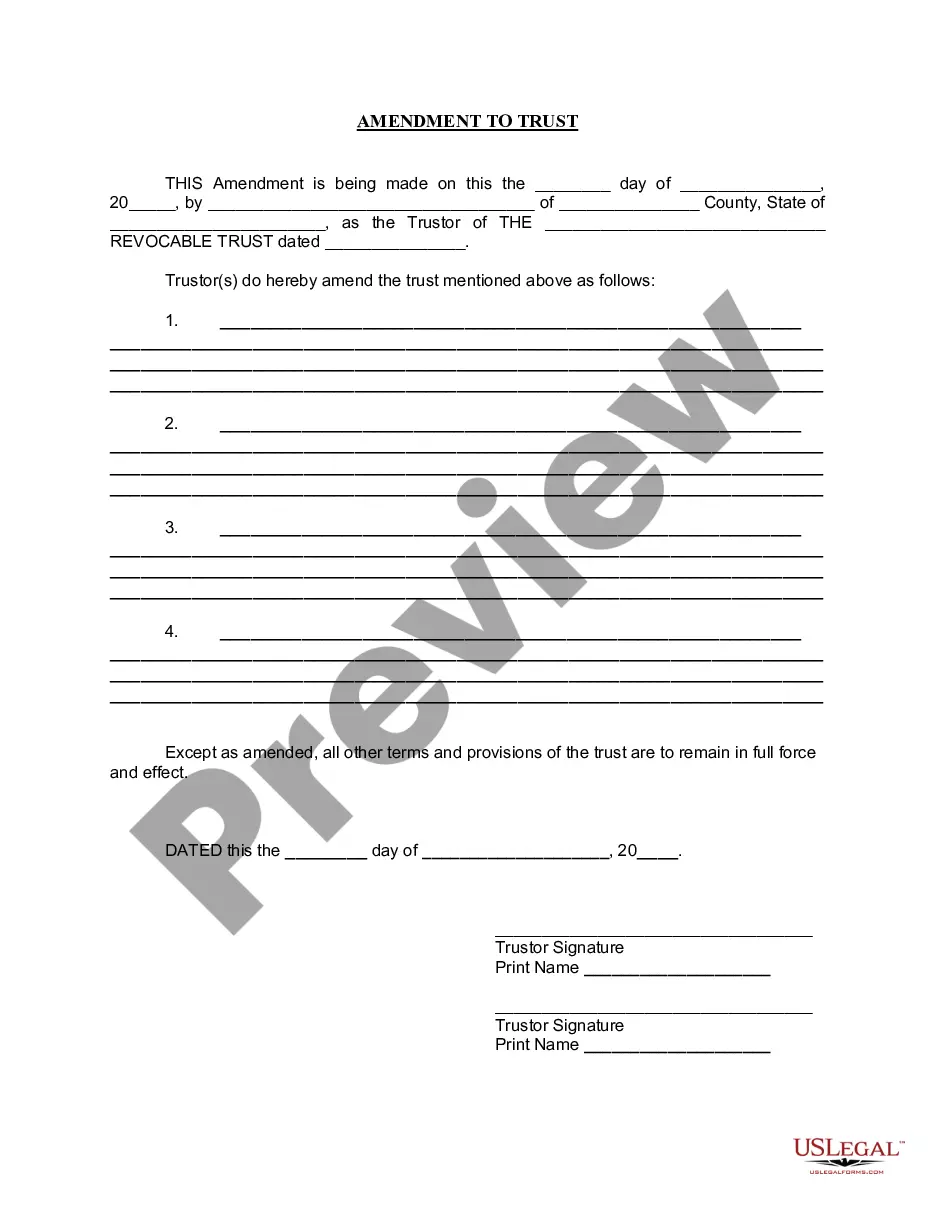
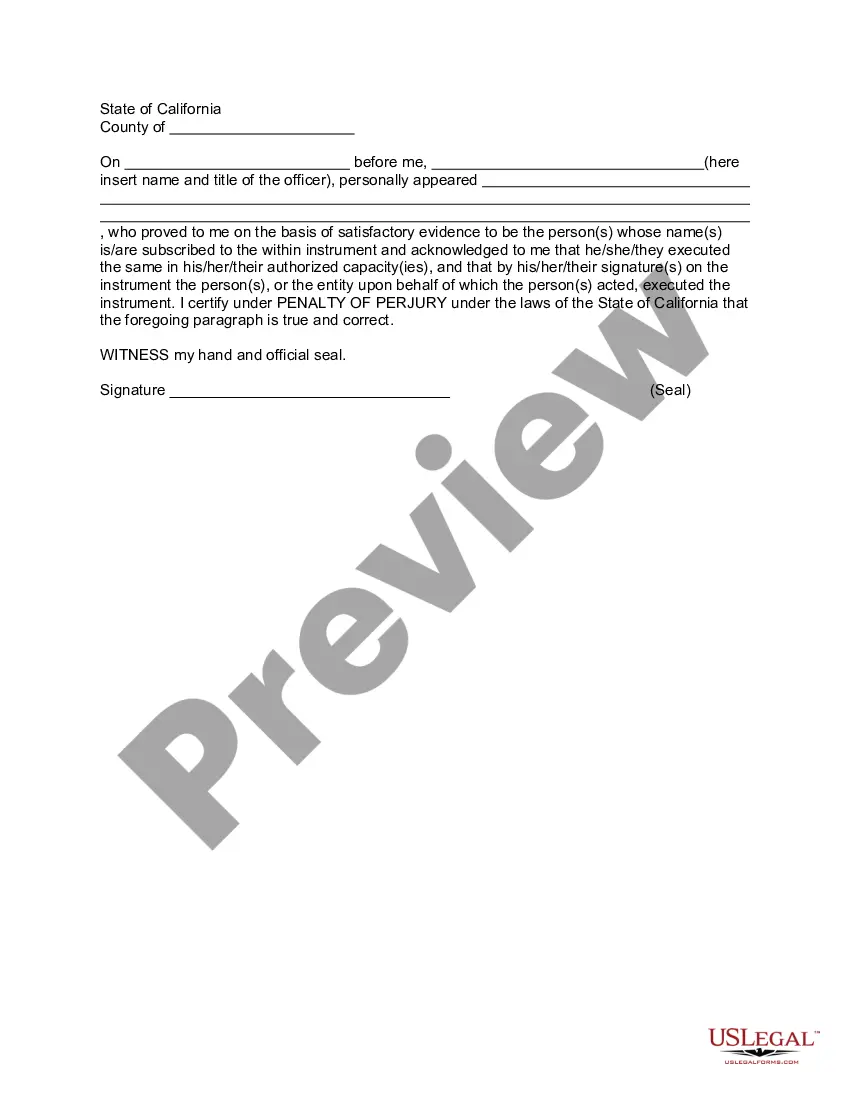


Get your form ready online
Our built-in tools help you complete, sign, share, and store your documents in one place.
Make edits, fill in missing information, and update formatting in US Legal Forms—just like you would in MS Word.
Download a copy, print it, send it by email, or mail it via USPS—whatever works best for your next step.
Sign and collect signatures with our SignNow integration. Send to multiple recipients, set reminders, and more. Go Premium to unlock E-Sign.
If this form requires notarization, complete it online through a secure video call—no need to meet a notary in person or wait for an appointment.
We protect your documents and personal data by following strict security and privacy standards.

Make edits, fill in missing information, and update formatting in US Legal Forms—just like you would in MS Word.

Download a copy, print it, send it by email, or mail it via USPS—whatever works best for your next step.

Sign and collect signatures with our SignNow integration. Send to multiple recipients, set reminders, and more. Go Premium to unlock E-Sign.

If this form requires notarization, complete it online through a secure video call—no need to meet a notary in person or wait for an appointment.

We protect your documents and personal data by following strict security and privacy standards.
Looking for another form?








How to fill out California Amendment To Living Trust?
- Log in to your US Legal Forms account if you've used the service before, and ensure your subscription is active.
- Review the Preview mode and form description to verify you've selected the right living trust template based on your jurisdiction.
- If necessary, utilize the Search tab to find alternative templates that better fit your requirements.
- Select the Buy Now button to purchase the document. Choose a subscription plan and create an account to gain access to the library.
- Complete your payment using a credit card or PayPal to secure your subscription.
- Download your living trust form and save it to your device. Access it anytime through the My Forms section of your profile.
Creating a living trust using US Legal Forms not only simplifies the process but also ensures your documents are legally sound. With a robust collection of over 85,000 editable legal forms, you can find exactly what you need.
Don’t wait any longer—start your estate planning process today and explore the benefits of a living trust with US Legal Forms!
Form popularity
FAQ
When considering what assets to place in a living trust, remember that not everything fits. Items like personal belongings with sentimental value, specific retirement accounts, and life insurance policies may be better managed outside the trust. It's crucial to evaluate your assets and determine where a living trust truly adds value. If you need assistance with this decision, Uslegalforms can guide you through the process.
A living trust is a legal arrangement where you place your assets into a trust during your lifetime. For instance, consider a homeowner who creates a living trust to hold their property and investments. This setup not only helps in avoiding probate but also allows for a smoother transfer of assets to beneficiaries upon their passing. Understanding what is a living trust can empower you to manage your estate effectively, ensuring your wishes are honored.
One common mistake parents make is failing to clearly outline the conditions of the trust fund. Without clear guidelines, beneficiaries may misunderstand their responsibilities. It’s essential to communicate your intentions clearly to ensure the trust serves its purpose. Knowing what is a living trust will help you avoid such pitfalls and create a meaningful legacy.
Putting your house in a living trust might limit your ability to refinance or sell it easily. Some lenders may have restrictions when dealing with properties held in a trust. Furthermore, there may be tax implications or mortgage issues to consider. Understanding what is a living trust can help you navigate these challenges.
To create a living trust by yourself, start by gathering detailed information about your assets and beneficiaries. Next, use a reputable online service like USLegalForms to access templates that provide clear instructions on drafting your living trust document. After completing the document, sign it in front of a notary public to ensure its validity. This process demystifies how to create a living trust, placing you in control of your estate planning.
Yes, you can set up a trust fund by yourself, which is often a straightforward process. To do this, you need to draft a living trust document that outlines your intentions and appoint a successor trustee. By using platforms like USLegalForms, you can access templates and guidance to simplify the setup. Knowing what a living trust entails makes it easier for you to create one independently.
A living trust helps you manage your assets during your lifetime and distributes them after your death. This legal arrangement allows you to set conditions on how and when your assets are shared, giving you flexibility and control. Additionally, a living trust helps avoid probate, making the process faster and more private for your loved ones. Essentially, understanding what a living trust can do for you ensures better planning for the future.