Living Trust Form With Bank Account
Description
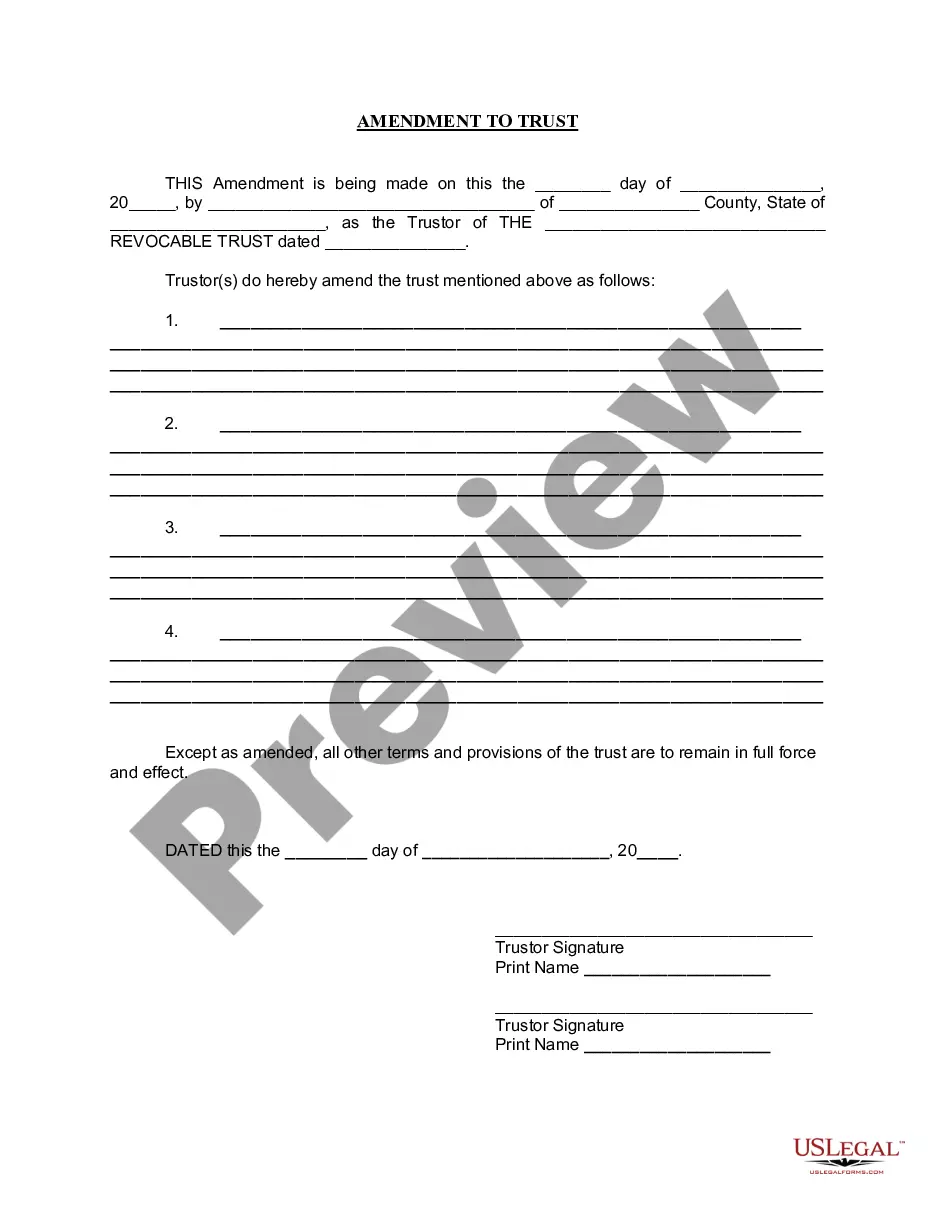
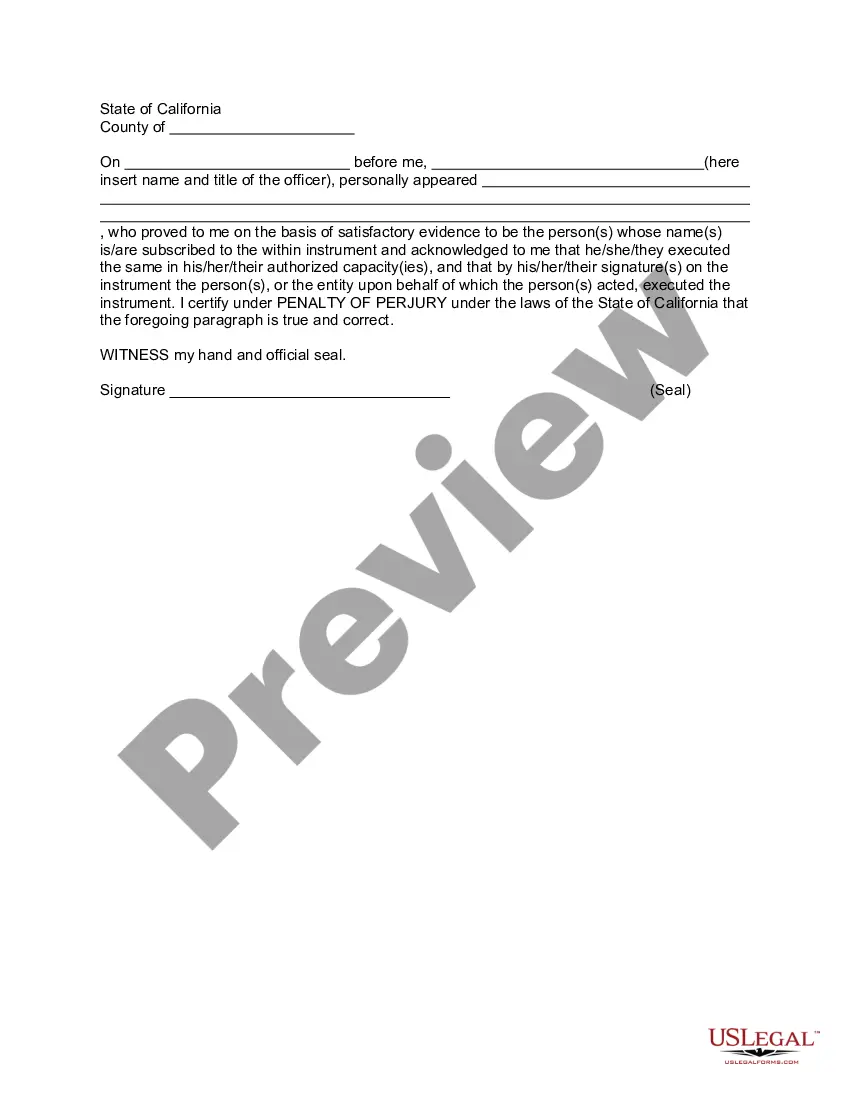
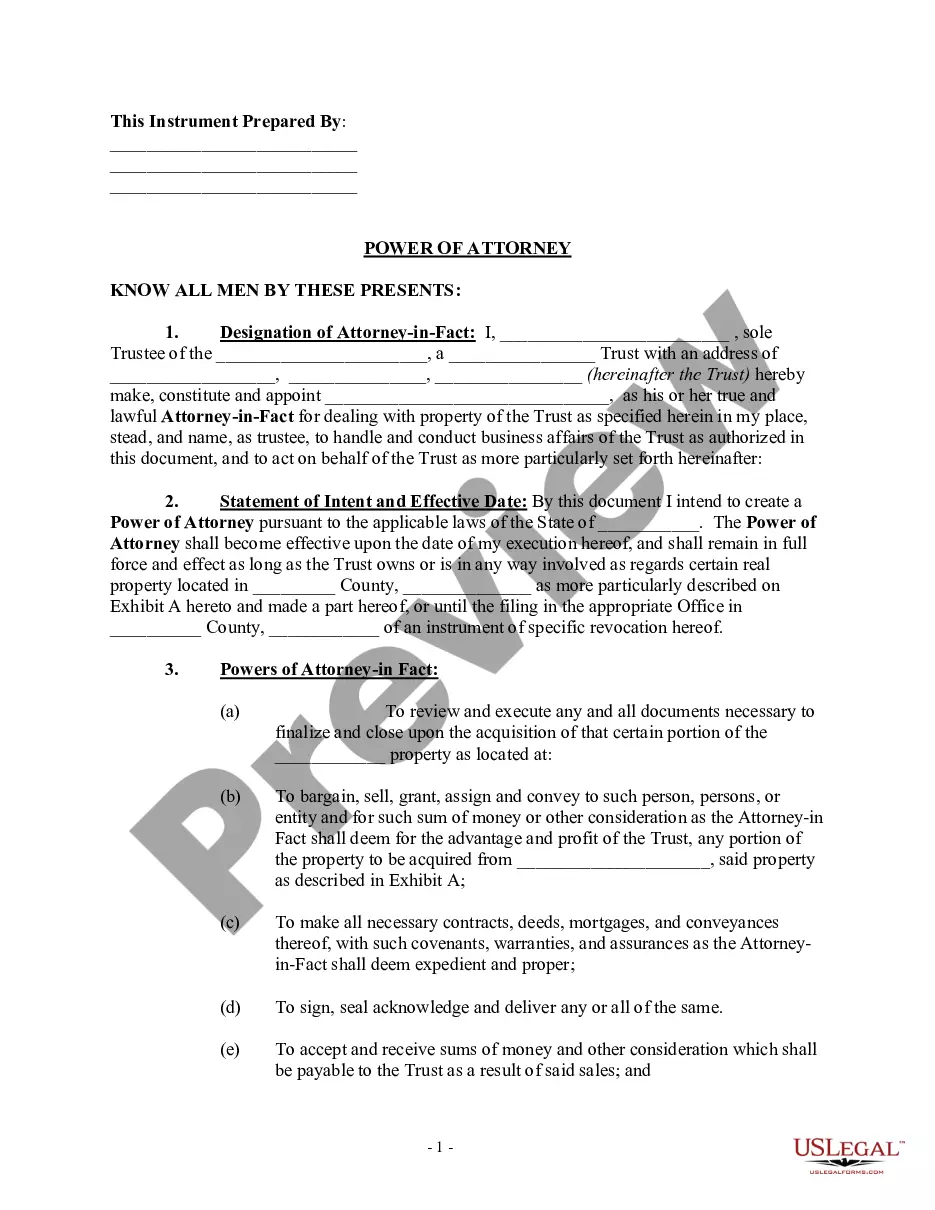

Get your form ready online
Our built-in tools help you complete, sign, share, and store your documents in one place.
Make edits, fill in missing information, and update formatting in US Legal Forms—just like you would in MS Word.
Download a copy, print it, send it by email, or mail it via USPS—whatever works best for your next step.
Sign and collect signatures with our SignNow integration. Send to multiple recipients, set reminders, and more. Go Premium to unlock E-Sign.
If this form requires notarization, complete it online through a secure video call—no need to meet a notary in person or wait for an appointment.
We protect your documents and personal data by following strict security and privacy standards.

Make edits, fill in missing information, and update formatting in US Legal Forms—just like you would in MS Word.

Download a copy, print it, send it by email, or mail it via USPS—whatever works best for your next step.

Sign and collect signatures with our SignNow integration. Send to multiple recipients, set reminders, and more. Go Premium to unlock E-Sign.

If this form requires notarization, complete it online through a secure video call—no need to meet a notary in person or wait for an appointment.

We protect your documents and personal data by following strict security and privacy standards.
Looking for another form?









How to fill out California Amendment To Living Trust?
- If you are a returning user, log in to your account and download the living trust form template you need by clicking the 'Download' button.
- Check the preview mode and form description to confirm it meets your requirements and complies with local jurisdiction regulations.
- If adjustments are needed, utilize the Search tab to find an alternative template that suits your needs.
- To proceed, click the 'Buy Now' button and select the subscription plan that fits your budgeting needs.
- Complete your purchase by entering your credit card details or opting for PayPal to finalize your subscription.
- Download your form and save it to your device, making it easily accessible in the My Forms section of your profile.
US Legal Forms distinguishes itself with an extensive library containing over 85,000 editable and fillable legal forms, providing users with a range of options that outshines competitors. Additionally, access to premium support ensures that your documents are accurate and legally sound.
In conclusion, securing your living trust form with a bank account through US Legal Forms is straightforward. Embrace the ease of this service today to safeguard your assets efficiently. Start your journey by visiting US Legal Forms now!
Form popularity
FAQ
Including bank accounts in your living trust can provide several benefits. It allows for easier management of your assets and helps avoid probate after your passing. Additionally, by completing a living trust form with bank account information, you ensure that your funds are distributed according to your wishes. This can provide peace of mind for you and your loved ones.
Transferring your bank account to a living trust is a straightforward process. First, you will need to complete a living trust form with a bank account section. After that, visit your bank with the completed form and any required identification. The bank representative will guide you through the steps to officially transfer the account into your living trust.
Certain assets, like retirement accounts and life insurance policies, generally should not be placed in a trust due to tax considerations. Additionally, personal assets such as cars or everyday items may not require trust protection. Understanding what does or doesn't belong in a trust is essential, and utilizing a living trust form with bank account can help streamline this process.
Some banks have moved away from offering trust accounts due to regulatory challenges and the complexity involved in managing them. However, this doesn't diminish the importance of having a living trust form with bank account, which can offer numerous benefits for managing funds. Many individuals may benefit from seeking institutions that specialize in trust services.
Whether you should place your checking account into your trust depends on your specific financial situation. If you want streamlined management and control over your funds after passing, a living trust form with bank account can be beneficial. Consider consulting with a financial advisor to see if it aligns with your goals.
Placing a checking account in a trust can complicate your financial management. With the right living trust form with bank account, you may face issues like access restrictions or potential tax implications. Many individuals prefer keeping checking accounts outside the trust for easier daily transactions and flexibility.
One of the biggest mistakes parents make is failing to fund the trust properly, leaving it ineffective. Without transferring assets into the living trust, those assets may still go through probate. Parents should also avoid neglecting to communicate with their children about the trust's details. Utilizing a living trust form with bank account can help minimize such mistakes, ensuring everything is positioned correctly.
If your parents want to simplify the transfer of assets after they pass, establishing a trust can be beneficial. A living trust form with bank account can help avoid probate, making the transition smoother for heirs. However, it's important for them to evaluate their unique situations and financial goals. Consulting with an estate planning expert can provide clarity on whether a trust is suitable for their needs.
To put your bank account into a living trust, you first need to create a living trust form with bank account listed as an asset. Once your trust is established, you will typically need to contact your bank to change the account title to the name of the trust. This process may involve additional paperwork, but it can offer peace of mind regarding your assets. Always consider consulting with a legal professional to ensure you're making the right decisions.
When you place assets in a trust, you may lose some control over those assets, as they are no longer in your name. This can be concerning for some individuals who might prefer maintaining direct access. Furthermore, it requires careful planning and documentation to ensure a living trust form with bank account is set up correctly. Ignoring these details can result in unintended consequences.