Living Trust Form Sample For A Family
Description
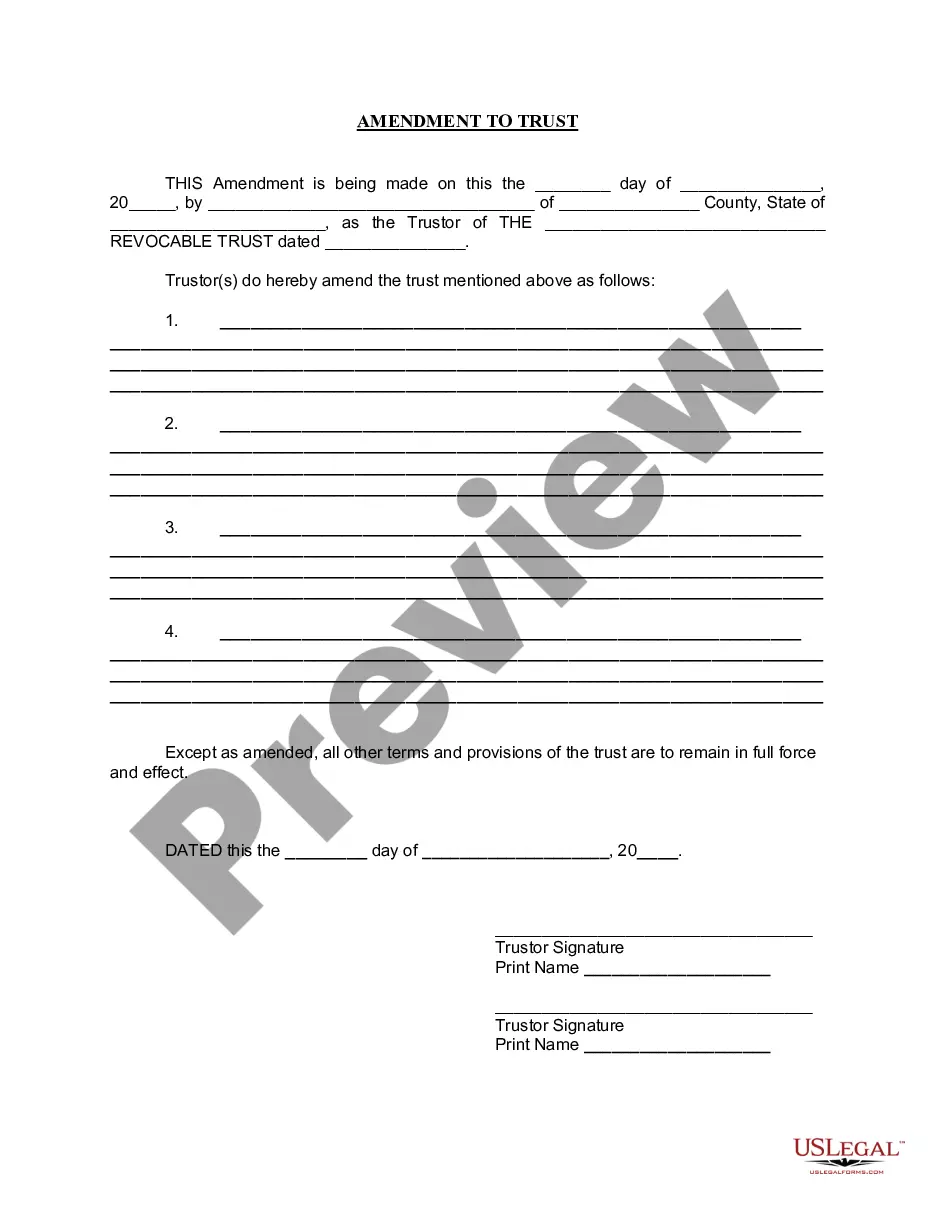
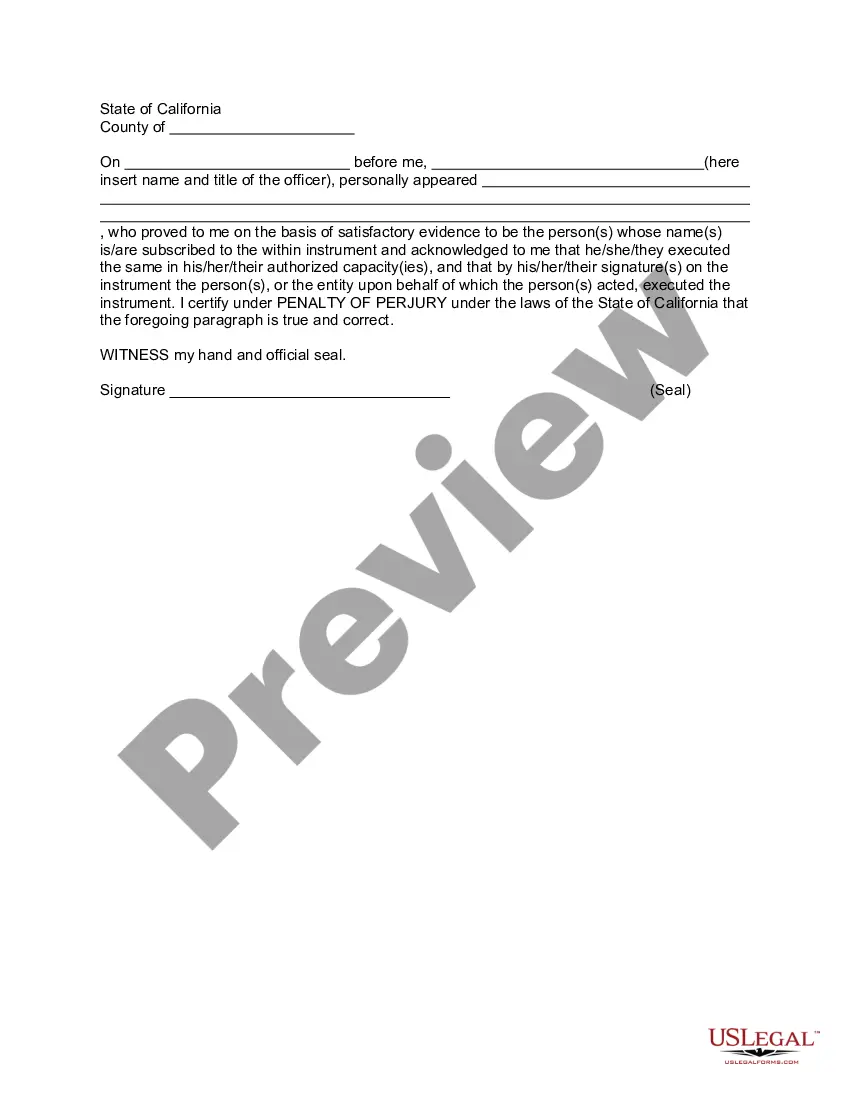
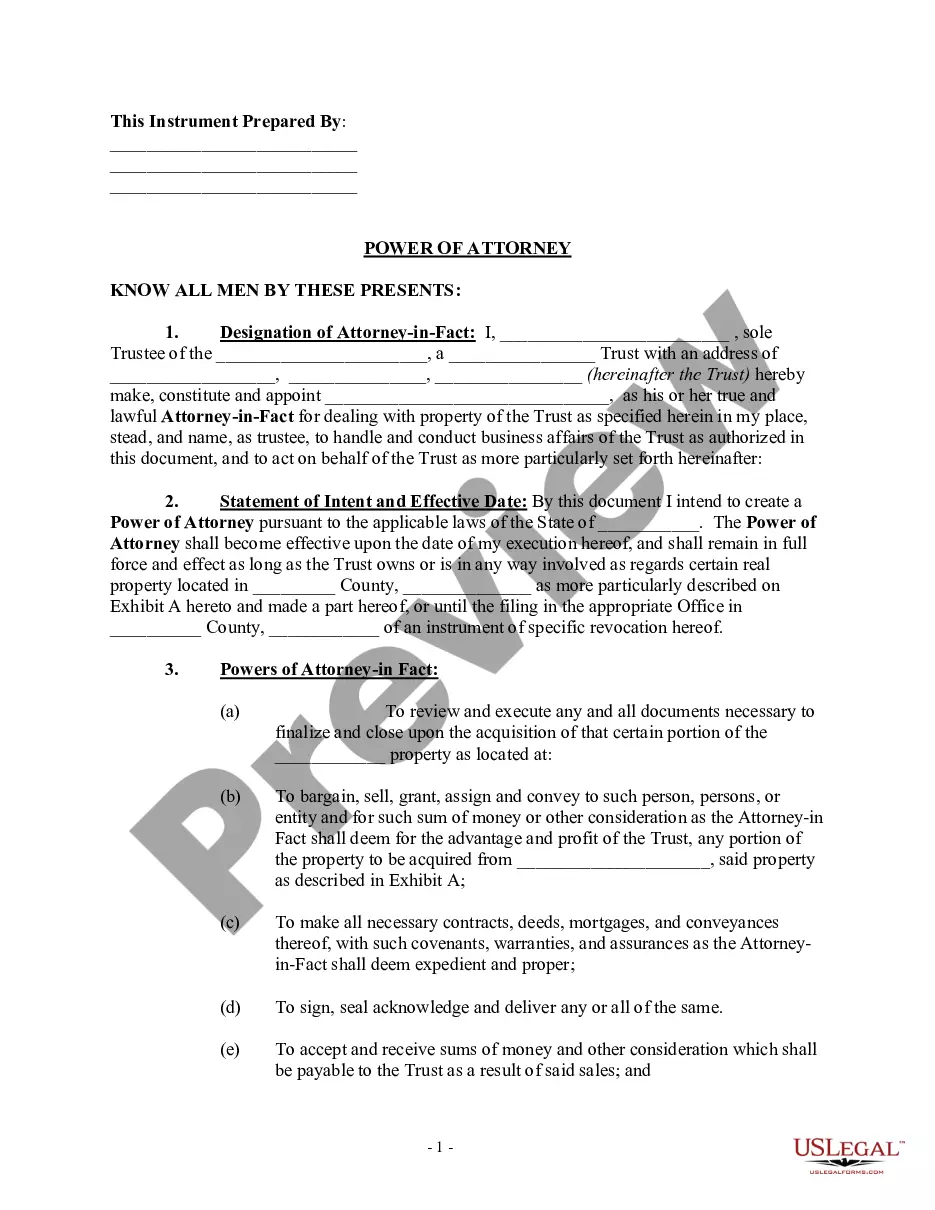

Get your form ready online
Our built-in tools help you complete, sign, share, and store your documents in one place.
Make edits, fill in missing information, and update formatting in US Legal Forms—just like you would in MS Word.
Download a copy, print it, send it by email, or mail it via USPS—whatever works best for your next step.
Sign and collect signatures with our SignNow integration. Send to multiple recipients, set reminders, and more. Go Premium to unlock E-Sign.
If this form requires notarization, complete it online through a secure video call—no need to meet a notary in person or wait for an appointment.
We protect your documents and personal data by following strict security and privacy standards.

Make edits, fill in missing information, and update formatting in US Legal Forms—just like you would in MS Word.

Download a copy, print it, send it by email, or mail it via USPS—whatever works best for your next step.

Sign and collect signatures with our SignNow integration. Send to multiple recipients, set reminders, and more. Go Premium to unlock E-Sign.

If this form requires notarization, complete it online through a secure video call—no need to meet a notary in person or wait for an appointment.

We protect your documents and personal data by following strict security and privacy standards.
Looking for another form?








How to fill out California Amendment To Living Trust?
- Log in to your US Legal Forms account if you're an existing user to find and download your required form template.
- If you're new to the service, start by reviewing the available templates in Preview mode to ensure compatibility with your local jurisdiction.
- If needed, utilize the Search tab to explore different templates that may better suit your requirements.
- Once you've selected the correct document, click on the Buy Now button and choose a subscription plan that fits your needs.
- Proceed to make your purchase using a credit card or PayPal to secure your subscription.
- Finally, download the form to your device and access it anytime from the My Forms section of your account.
US Legal Forms empowers both individuals and lawyers by providing a robust selection of legal documents. With over 85,000 editable forms, users can ensure that their documents are precise and legally sound, thanks to access to premium experts for guidance.
Don’t leave your family's future to chance; utilize US Legal Forms today and create your living trust efficiently. Start your journey now!
Form popularity
FAQ
The main downfall of having a trust is the responsibility that comes with managing and maintaining it. A living trust form sample for a family can provide guidelines, but ongoing upkeep is necessary. If the trust is not properly funded or updated over time, it may lead to unintended consequences. Careful management ensures that the trust serves your family’s needs effectively.
One downside of putting assets in a trust is that it can limit access to those assets during the grantor's lifetime, depending on the trust's terms. While a living trust form sample for a family can simplify asset transfer at death, it may delay access for beneficiaries under certain conditions. Moreover, the initial effort to transfer assets into the trust can be time-consuming. Weighing these factors against the benefits is crucial when deciding on asset placement.
Encouraging your parents to consider a trust may provide significant benefits for managing their assets. A living trust form sample for a family can outline how their assets will pass to heirs without the complications of probate. Additionally, this can provide a level of control over asset distribution and protection from creditors. Discussing these advantages with your parents can help them understand the value of setting up a trust.
Filing taxes for a family trust can seem complex, but it becomes more manageable with proper organization. Generally, a family trust may need to file Form 1041 if it generates income. Additionally, beneficiaries typically report their share of income on their personal tax returns. Utilizing a living trust form sample for a family can clarify whether you need to report any distributions.
Filling out a living trust form sample for a family is straightforward. Begin by including your personal information, such as your name and address, as well as details about your family members who will benefit from the trust. Clearly outline the assets you wish to include, and specify the distribution wishes for these assets after your passing. For comprehensive guidance, you may consider using US Legal Forms, which provides reliable templates and instructions tailored for creating a living trust efficiently.
In Texas, a trust is considered valid when it is created by a competent grantor, has definite beneficiaries, and includes identifiable property. A living trust form sample for a family should meet these guidelines to ensure legality. Additionally, Texas law requires that the trust document be executed properly, so conforming to these regulations is crucial. For assistance, platforms like USLegalForms can provide helpful templates and resources.
The requirement for notarization of a family trust varies by state law. While notarization is not always mandatory for a family trust to be valid, it provides clarity and proof of intent. When using a living trust form sample for a family, consider including notarization to enhance the document's reliability. Consulting with a legal expert can help clarify what is necessary in your jurisdiction.
A trust can still be considered valid without notarization, depending on state laws and execution requirements. However, notarizing the trust document adds an extra layer of legality and helps verify authenticity. A living trust form sample for a family should be executed according to your state's guidelines to ensure it holds up in court. Always seek legal advice if you’re unclear about the necessity of notarization.
Notarization is required for certain legal documents, including wills, powers of attorney, and sometimes trust documents. A living trust form sample for a family may require notarization to ensure that the document is legally binding and authentic. Check your state's regulations, as requirements can vary. It is best to consult a legal expert if you are uncertain about which documents need notarization.
Creating a living trust template involves outlining your family's assets, naming a trustee, and defining your beneficiaries. Start with a living trust form sample for a family to identify key elements that need inclusion. Customize the template to reflect your unique needs, and ensure you comply with state laws as you draft the document. For additional support, consider using resources from platforms like USLegalForms.