Trust Incontestable Successor Formula
Description
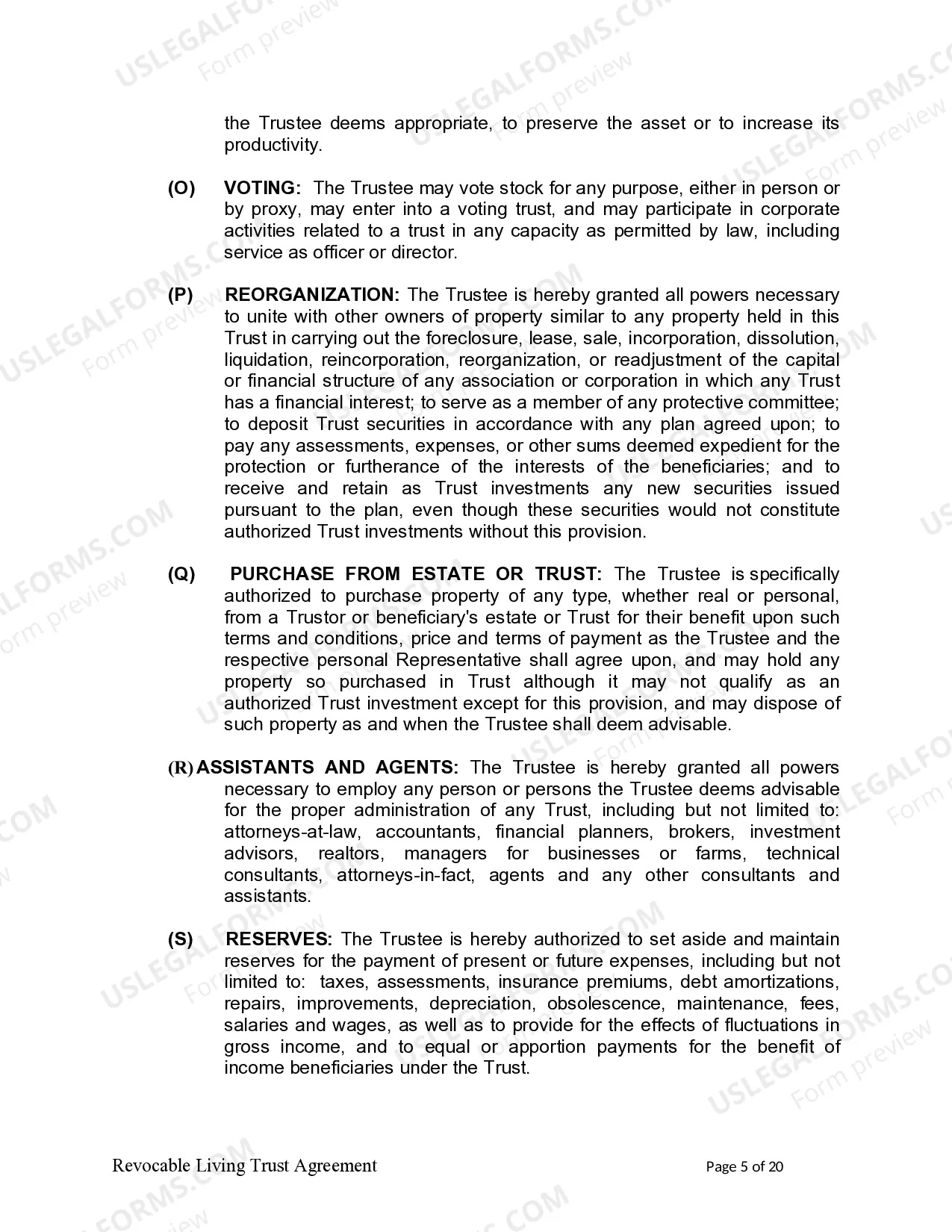
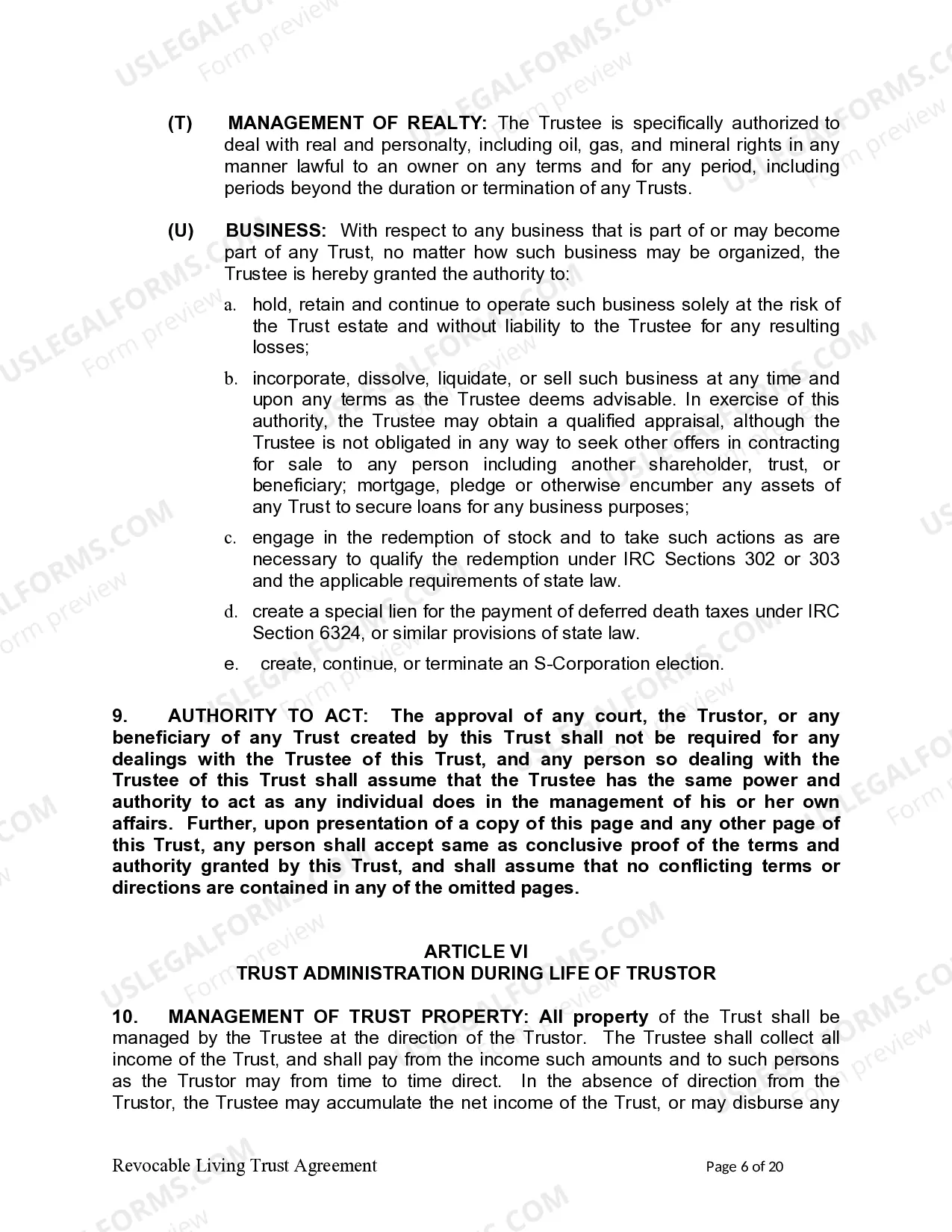
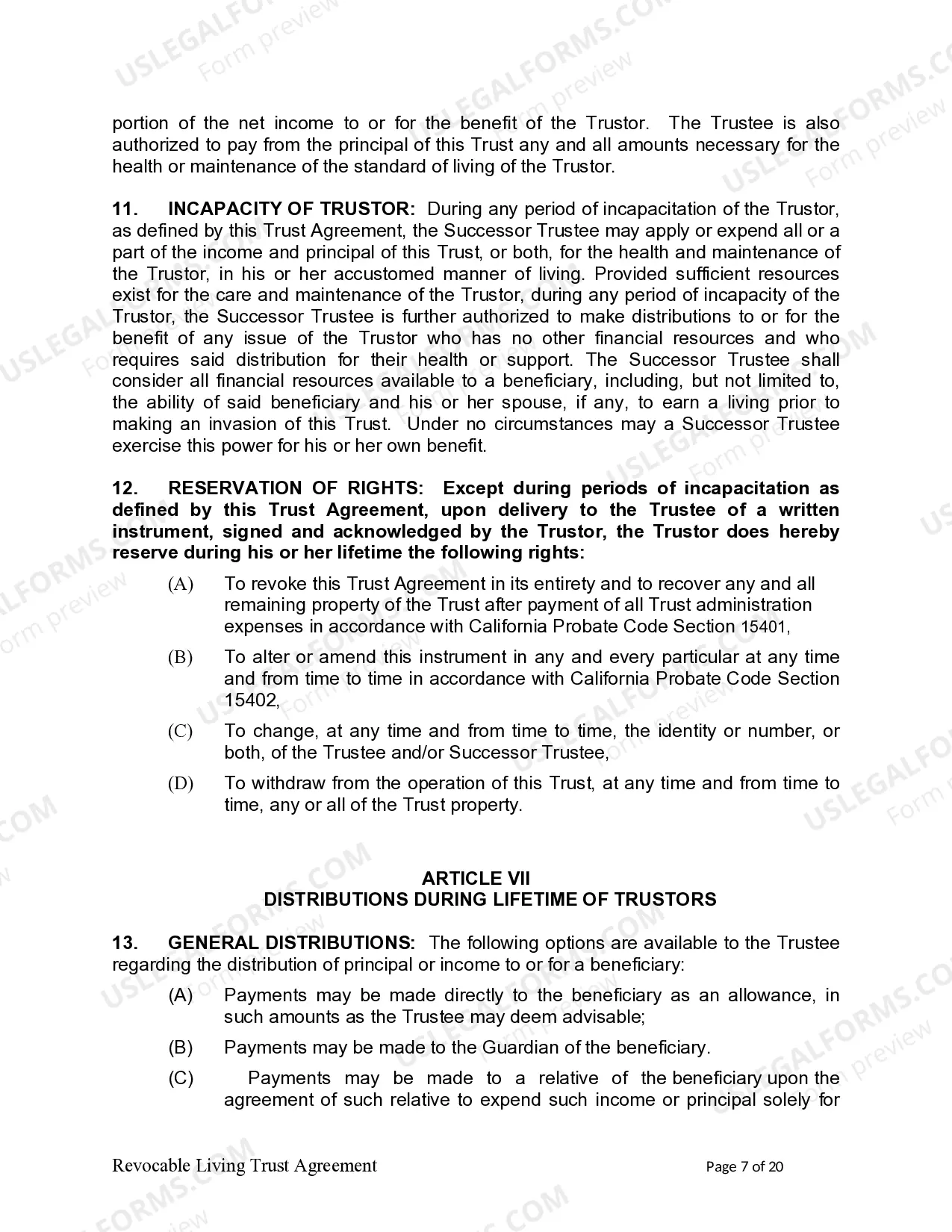
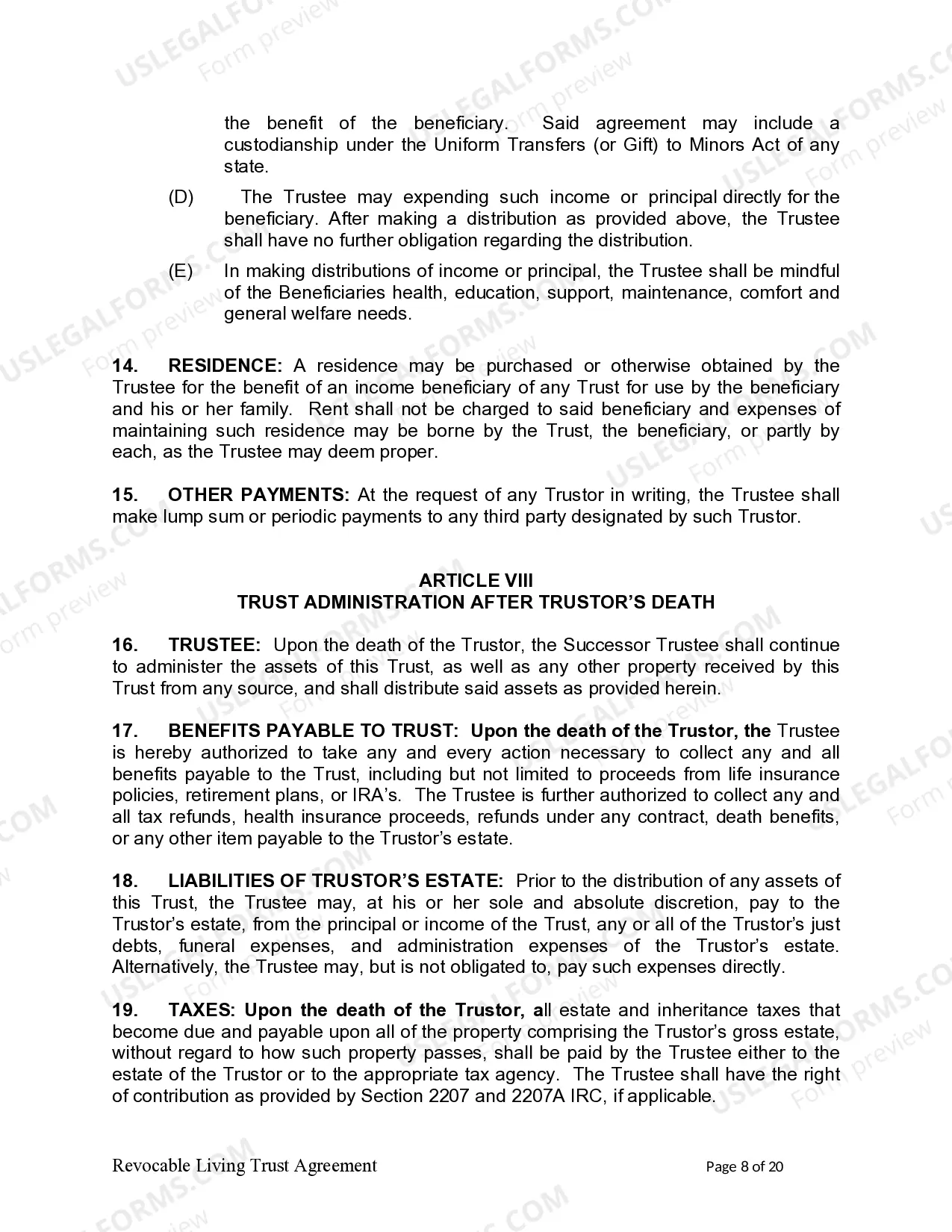



Get your form ready online
Our built-in tools help you complete, sign, share, and store your documents in one place.
Make edits, fill in missing information, and update formatting in US Legal Forms—just like you would in MS Word.
Download a copy, print it, send it by email, or mail it via USPS—whatever works best for your next step.
Sign and collect signatures with our SignNow integration. Send to multiple recipients, set reminders, and more. Go Premium to unlock E-Sign.
If this form requires notarization, complete it online through a secure video call—no need to meet a notary in person or wait for an appointment.
We protect your documents and personal data by following strict security and privacy standards.

Make edits, fill in missing information, and update formatting in US Legal Forms—just like you would in MS Word.

Download a copy, print it, send it by email, or mail it via USPS—whatever works best for your next step.

Sign and collect signatures with our SignNow integration. Send to multiple recipients, set reminders, and more. Go Premium to unlock E-Sign.

If this form requires notarization, complete it online through a secure video call—no need to meet a notary in person or wait for an appointment.

We protect your documents and personal data by following strict security and privacy standards.
Looking for another form?




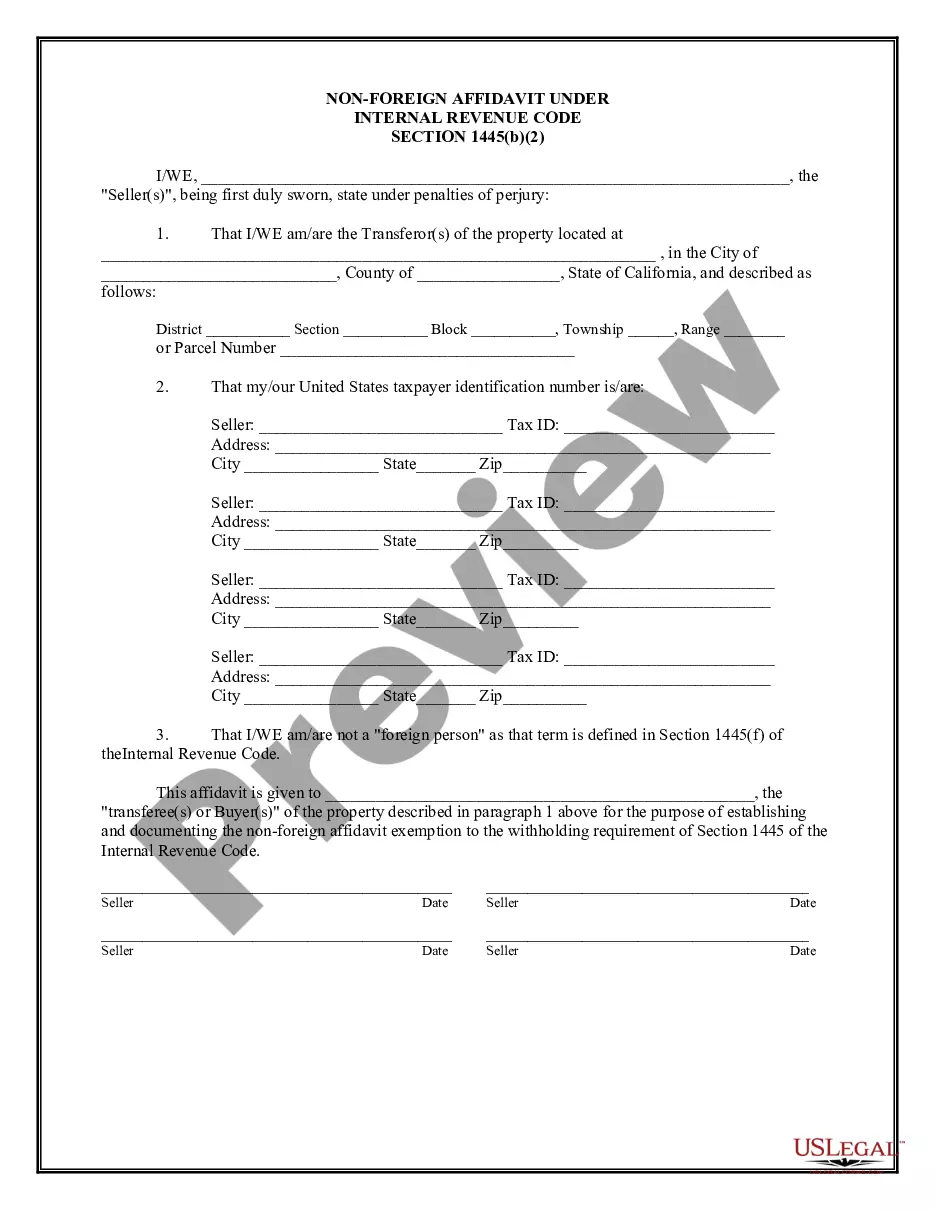




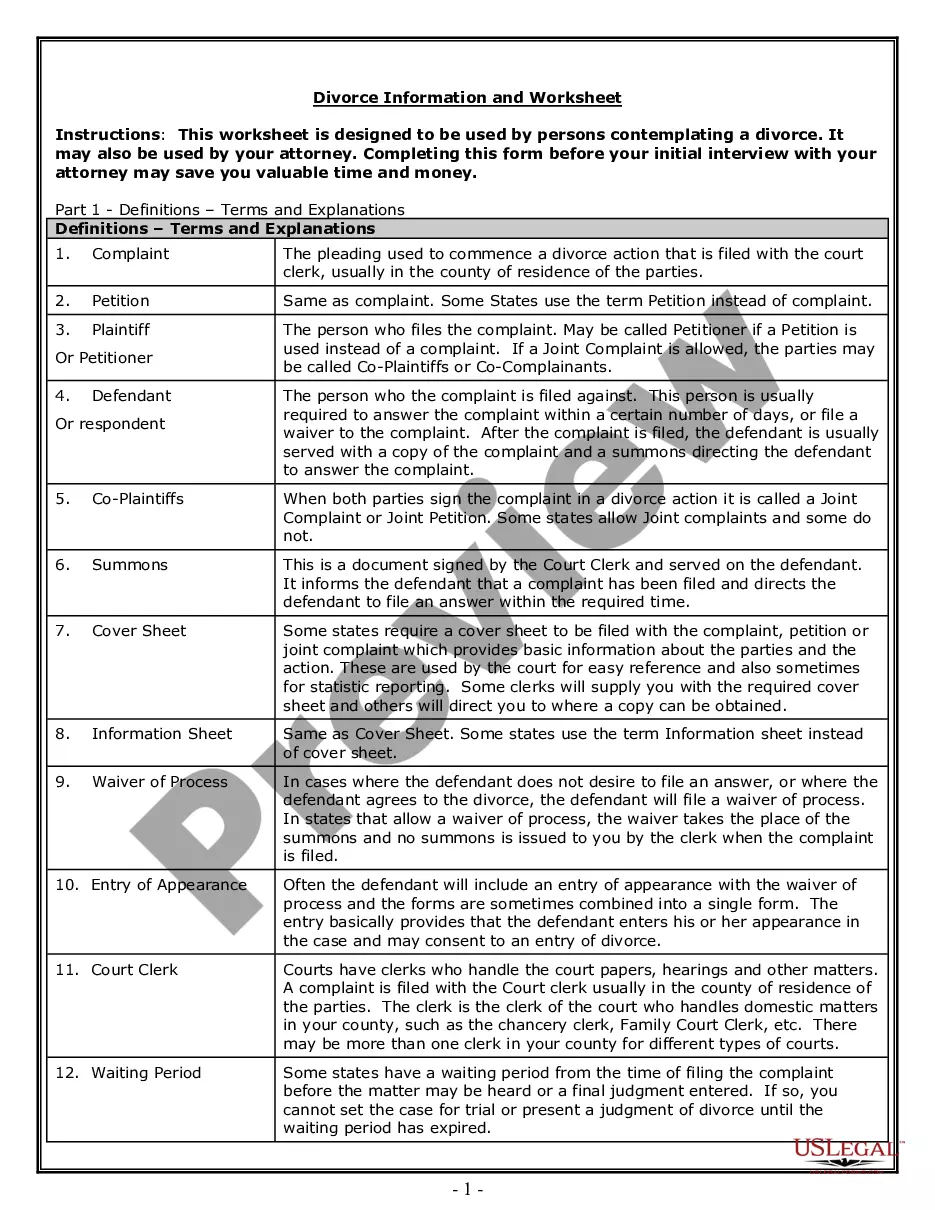
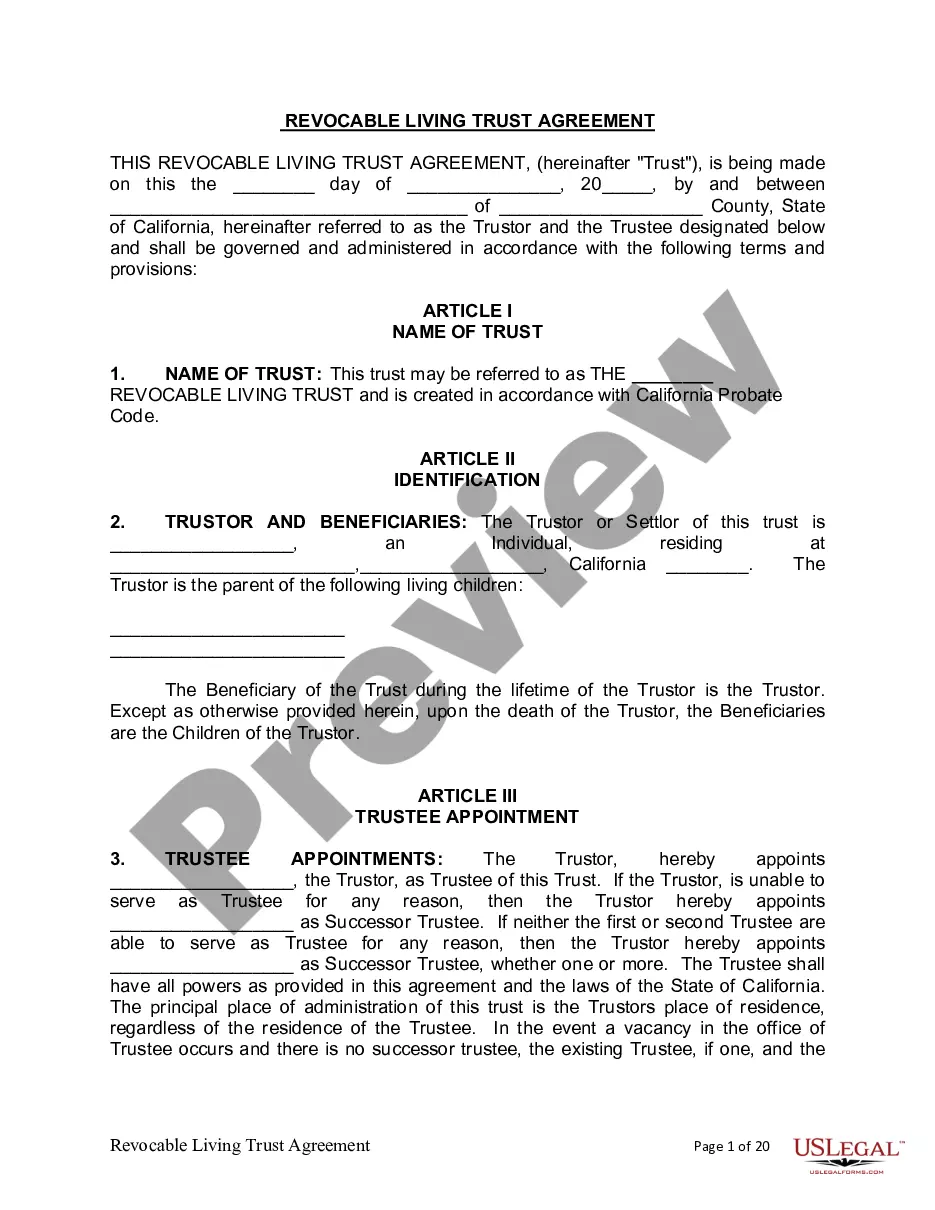
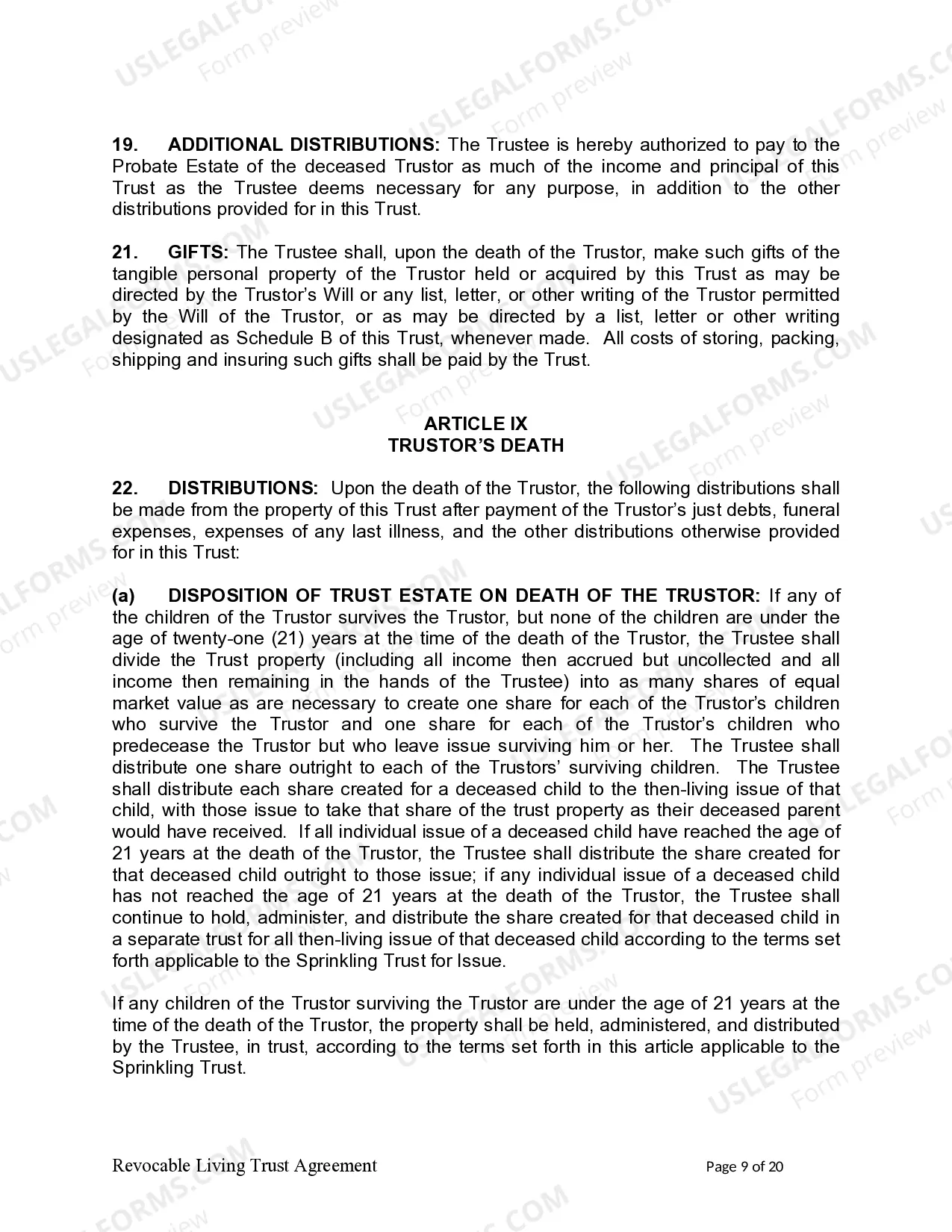
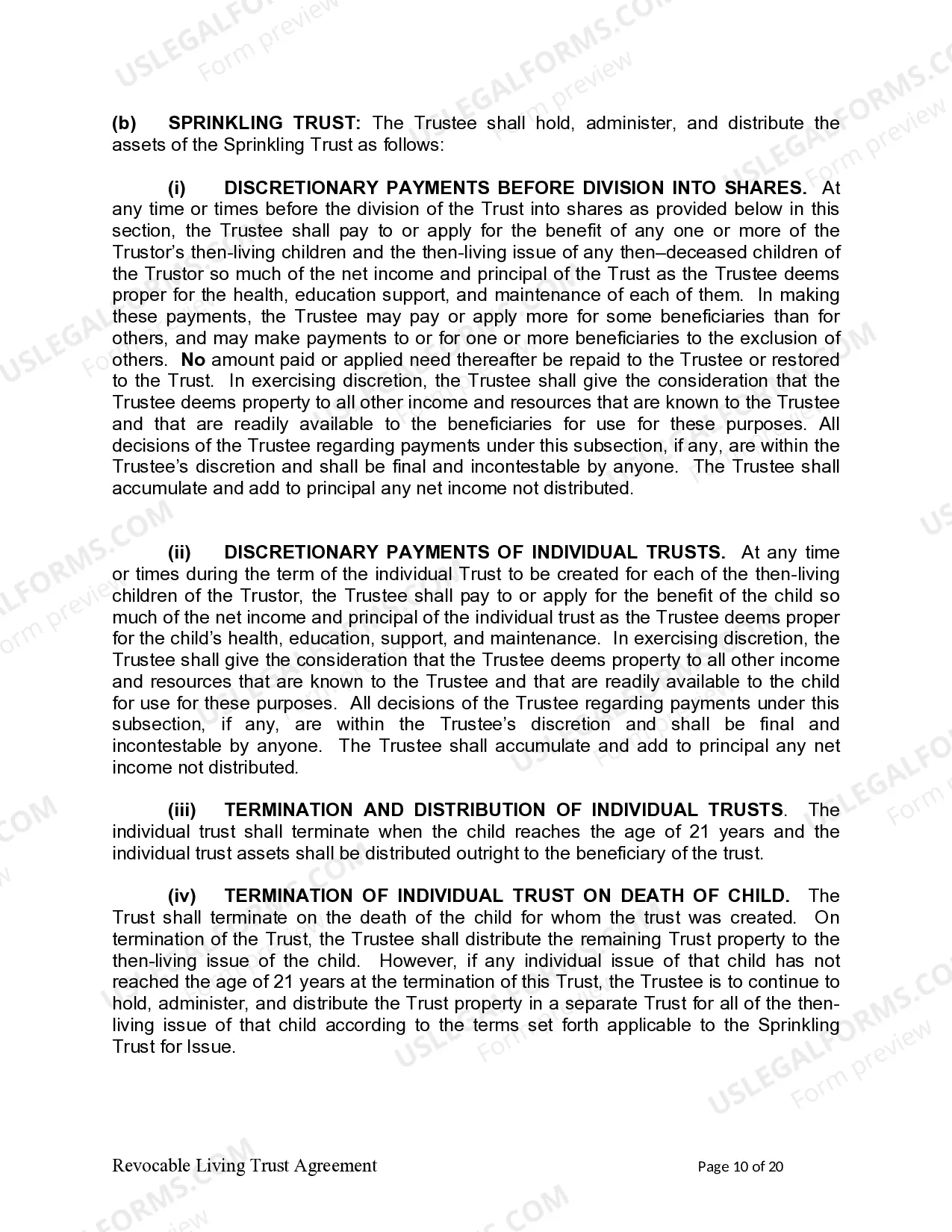
How to fill out California Living Trust For Individual, Who Is Single, Divorced Or Widow (or Widower) With Children?
Legal papers managing may be mind-boggling, even for knowledgeable specialists. When you are looking for a Trust Incontestable Successor Formula and do not get the a chance to spend in search of the correct and updated version, the processes might be stressful. A robust online form library can be a gamechanger for anybody who wants to manage these situations successfully. US Legal Forms is a industry leader in web legal forms, with more than 85,000 state-specific legal forms available to you at any time.
With US Legal Forms, you can:
- Access state- or county-specific legal and business forms. US Legal Forms handles any needs you may have, from individual to business paperwork, in one spot.
- Use advanced resources to complete and deal with your Trust Incontestable Successor Formula
- Access a resource base of articles, guides and handbooks and materials related to your situation and needs
Save time and effort in search of the paperwork you will need, and employ US Legal Forms’ advanced search and Review tool to discover Trust Incontestable Successor Formula and get it. If you have a monthly subscription, log in to your US Legal Forms profile, search for the form, and get it. Take a look at My Forms tab to view the paperwork you previously saved as well as to deal with your folders as you see fit.
Should it be your first time with US Legal Forms, make an account and obtain limitless usage of all advantages of the library. Here are the steps for taking after accessing the form you need:
- Confirm it is the right form by previewing it and reading through its information.
- Be sure that the sample is recognized in your state or county.
- Choose Buy Now when you are ready.
- Choose a subscription plan.
- Pick the formatting you need, and Download, complete, eSign, print and send out your papers.
Enjoy the US Legal Forms online library, supported with 25 years of expertise and reliability. Enhance your daily papers managing into a easy and user-friendly process right now.
Form popularity
FAQ
Grantors can choose to nominate a close relative, family friend, or even financial institution to take on the role of Successor Trustee. A Grantor will name their Successor Trustee within a document called a Declaration of Trust, which is also where their role will be explained.
In most cases, a trust deed generally offers two processes for the removal of a beneficiary. Most commonly, the beneficiary can sign a document to renunciate all interests as a beneficiary. Otherwise, the trustee may have discretionary power to revoke the beneficiary.
The successor trustee may be the primary beneficiary of the trust. However, the successor trustee can be anyone you trust. For example, the successor trustee can be a close friend, an adult child, your spouse, your lawyer, an accountant, or a corporate trustee.
The successor trustee may be the primary beneficiary of the trust. However, the successor trustee can be anyone you trust. For example, the successor trustee can be a close friend, an adult child, your spouse, your lawyer, an accountant, or a corporate trustee.
You also need to understand that there is a distinction to be made between who inherits a trust when someone dies (the beneficiaries) and who shall have the responsibility of administering the trust, paying the bills and taxes, and distributing what's left to the beneficiaries (the successor trustees).