Living Trust Individual With No Successor Trustee
Description



Get your form ready online
Our built-in tools help you complete, sign, share, and store your documents in one place.
Make edits, fill in missing information, and update formatting in US Legal Forms—just like you would in MS Word.
Download a copy, print it, send it by email, or mail it via USPS—whatever works best for your next step.
Sign and collect signatures with our SignNow integration. Send to multiple recipients, set reminders, and more. Go Premium to unlock E-Sign.
If this form requires notarization, complete it online through a secure video call—no need to meet a notary in person or wait for an appointment.
We protect your documents and personal data by following strict security and privacy standards.

Make edits, fill in missing information, and update formatting in US Legal Forms—just like you would in MS Word.

Download a copy, print it, send it by email, or mail it via USPS—whatever works best for your next step.

Sign and collect signatures with our SignNow integration. Send to multiple recipients, set reminders, and more. Go Premium to unlock E-Sign.

If this form requires notarization, complete it online through a secure video call—no need to meet a notary in person or wait for an appointment.

We protect your documents and personal data by following strict security and privacy standards.
Looking for another form?









How to fill out California Living Trust For Individual, Who Is Single, Divorced Or Widow (or Widower) With Children?
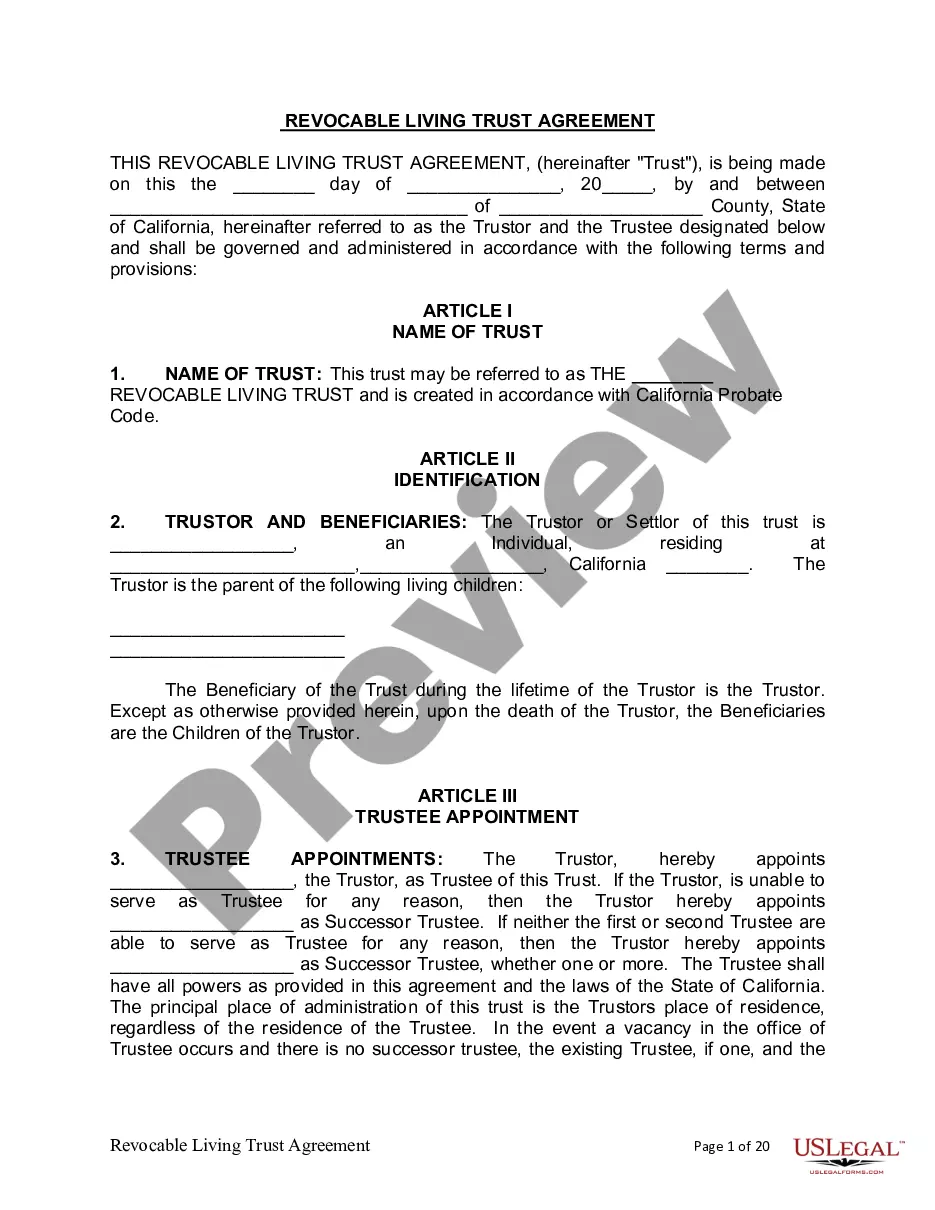
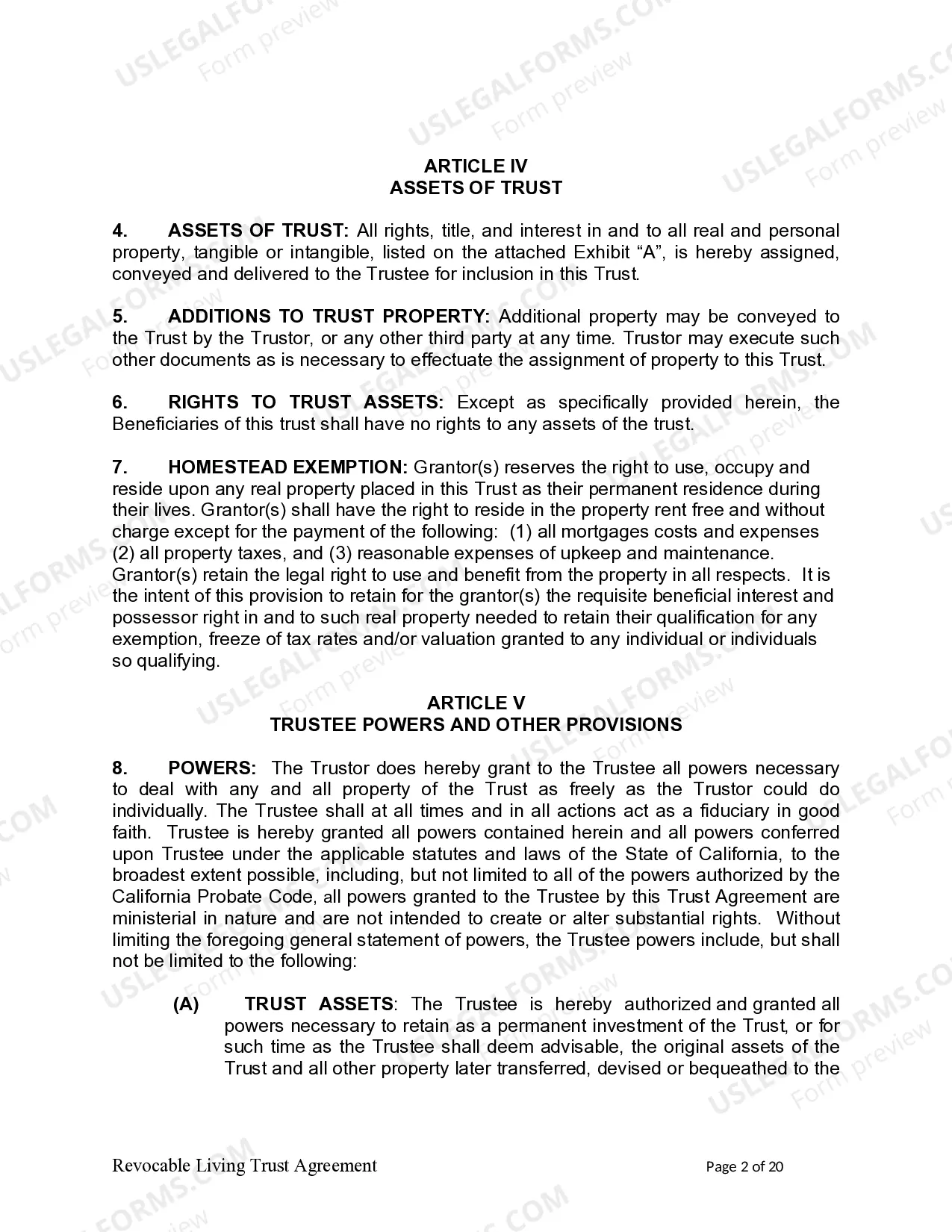
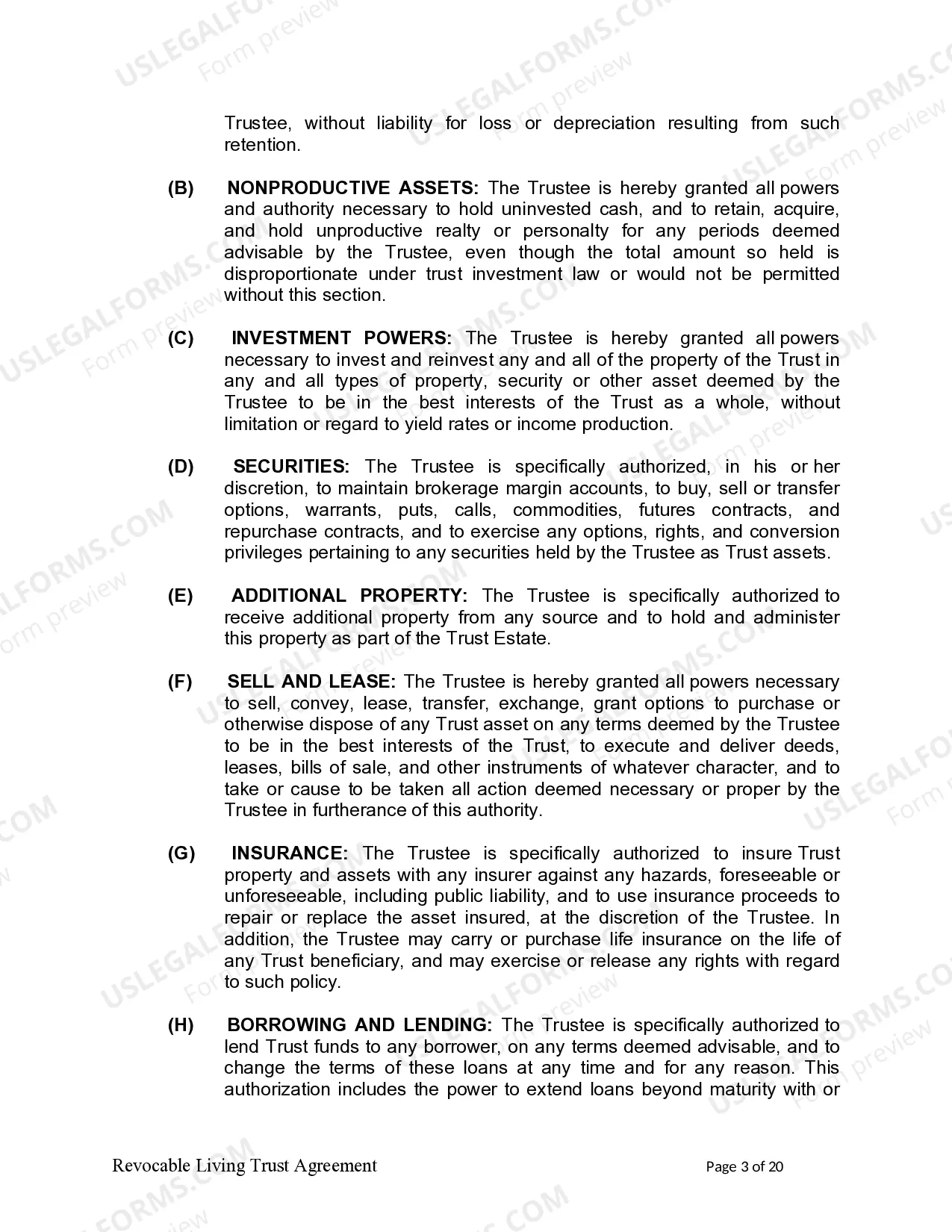
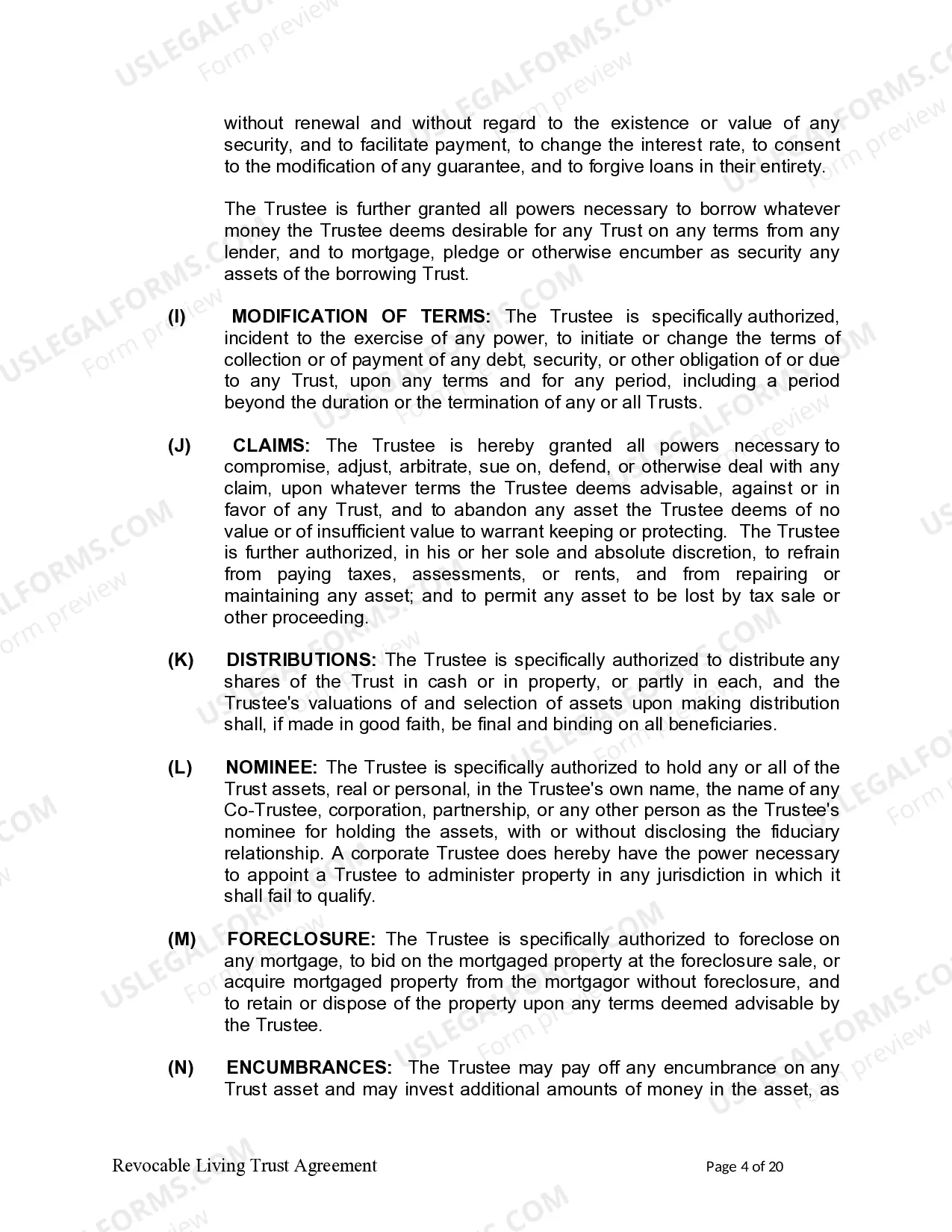
The Living Trust Individual Without a Successor Trustee displayed on this webpage is a versatile official template crafted by experienced attorneys in accordance with federal and state statutes and regulations.
For over 25 years, US Legal Forms has delivered individuals, organizations, and legal practitioners with more than 85,000 validated, state-specific forms for any business and personal situation.
Subscribe to US Legal Forms to have authenticated legal templates for every circumstance at your convenience.
- Search for the document you require and examine it.
- Browse through the file you searched and view it or check the form description to ensure it meets your requirements. If it does not, utilize the search feature to find the correct one. Click Buy Now when you have found the template you need.
- Register and sign in.
- Choose the pricing option that fits you and set up an account. Use PayPal or a credit card for a swift payment. If you already possess an account, Log In and verify your subscription to continue.
- Obtain the editable template.
- Select the format you prefer for your Living Trust Individual Without a Successor Trustee (PDF, Word, RTF) and download the document onto your device.
- Complete and sign the documents.
- Print the template for manual completion. Alternatively, use an online multifaceted PDF editor to quickly and accurately fill out and sign your form with a legally-binding electronic signature.
- Re-download your documents later.
- Re-use the same document whenever needed. Access the My documents tab in your account to retrieve any previously saved forms.
Form popularity
FAQ
Technically, a trust can exist without a successor trustee; however, it is not advisable. A living trust individual with no successor trustee may face operational challenges, resulting in assets remaining unmanaged until a court intervenes. Planning for a successor ensures that the trust's intentions are honored efficiently. Consider consulting US Legal Forms for solutions to properly structure your trust and ensure it has the necessary trustees.
When a living trust individual with no successor trustee is created, it can lead to significant complications. Without a successor, there might be delays in asset management and potential disputes among beneficiaries. This absence creates a gap in trust administration, underscoring the importance of naming successors. Utilizing platforms like US Legal Forms can help you draft suitable trust documents and name appropriate trustees.
A living trust can be terminated through revocation by the grantor, fulfilled terms of the trust, or a court order. In situations where a living trust individual with no successor trustee exists, the lack of a managing party may complicate the termination process. Proper planning can simplify this and help avoid legal entanglements. Involving a legal expert or using services like US Legal Forms could provide necessary guidance.
Yes, a trust must have a trustee to function properly. The trustee manages the assets, follows the trust's instructions, and makes distributions to beneficiaries. In a living trust individual with no successor trustee, the absence of a named trustee can hinder the trust's effectiveness. Thus, it's essential to appoint a reliable trustee to ensure smooth operations.
If a living trust individual with no successor trustee has been established, the trust may become inactive. Without a trustee, there is no one to manage the trust's assets or execute its terms. This situation can lead to confusion and potential legal disputes among beneficiaries. To prevent this, it is advisable to name a successor trustee or establish clear directives for asset management.
If there are no trustees designated in your living trust, your assets may enter probate, leading to delays and increased costs. This scenario undermines your intentions for swift and private distribution. To avoid this hassle, it's essential to establish a clear plan for trustee succession or use professional signing services. USLegalForms can help you outline and create a robust living trust structure that includes provisions for unforeseen circumstances.
Selecting the best trustee for your living trust is crucial, especially if you are a living trust individual with no successor trustee. You should consider someone responsible, trustworthy, and familiar with financial matters. This person can be a family member, a friend, or a professional such as an attorney. Ultimately, the decision should depend on your comfort level and the trustee's willingness to handle the responsibilities involved.
If you don't have a successor trustee for your living trust, your assets may face challenges in management or distribution when you're no longer able to handle them. This situation can complicate your estate plan, potentially leading to court involvement. It’s advisable to name a trusted individual or consider professional trustee services to eliminate these issues. Using a platform like USLegalForms can guide you in creating a living trust that accommodates your unique needs.
A trust cannot function properly without a trustee, making it crucial to designate one, even in a living trust individual with no successor trustee. Without a trustee, trust assets remain unmanaged, creating potential hardships for beneficiaries. In extreme cases, the court might need to intervene to appoint a trustee. To avoid such complications, consider consulting USLegalForms for guidance and support in structuring your trust effectively.
When a trust lacks a successor trustee, it risks becoming inactive, leaving beneficiaries without access to trust assets. This scenario can lead to potential disputes among heirs and dissatisfaction with the management of the trust. To mitigate these risks, it's essential to include a clear succession plan when establishing a living trust individual with no successor trustee. USLegalForms provides useful resources to help you address this need effectively.