Living Trust For Child
Description
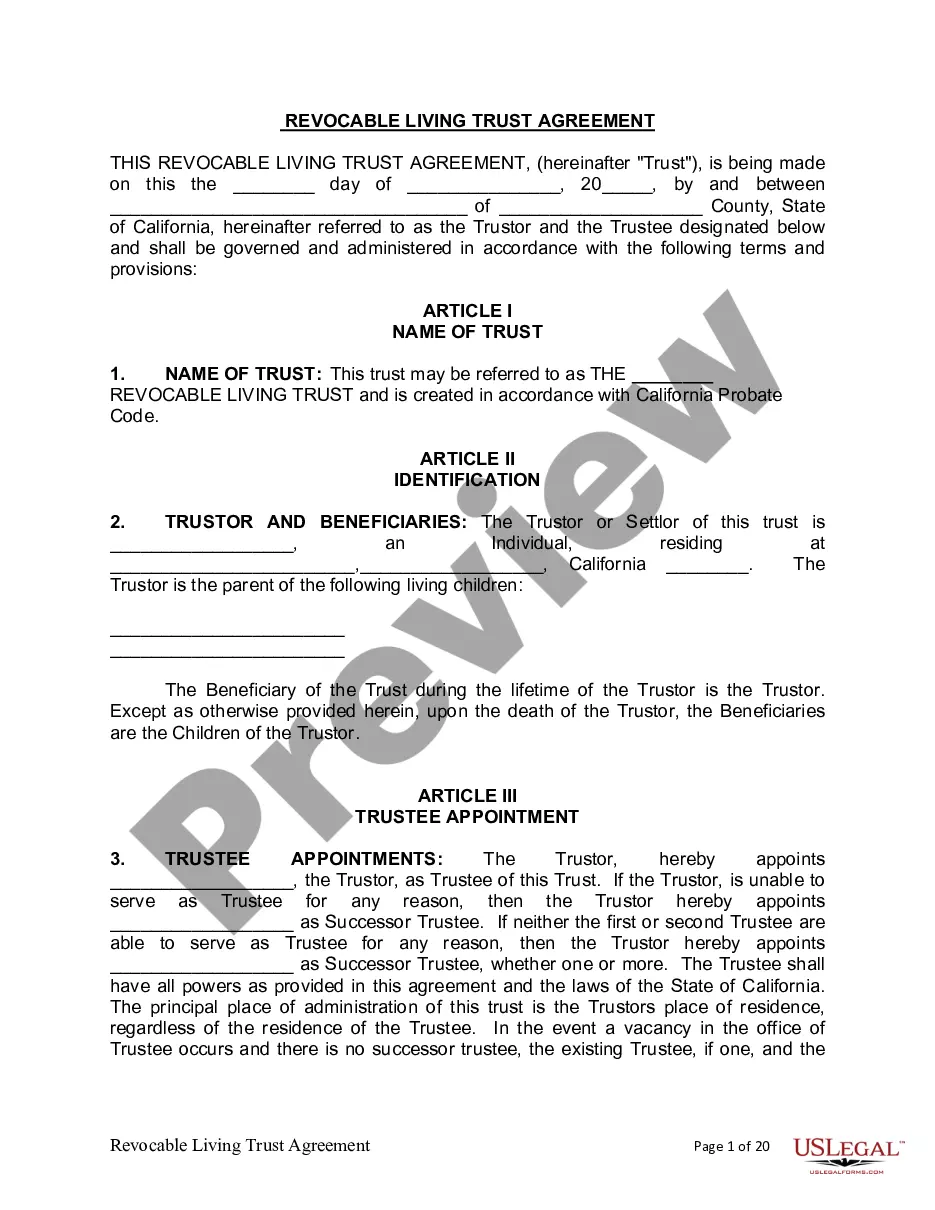
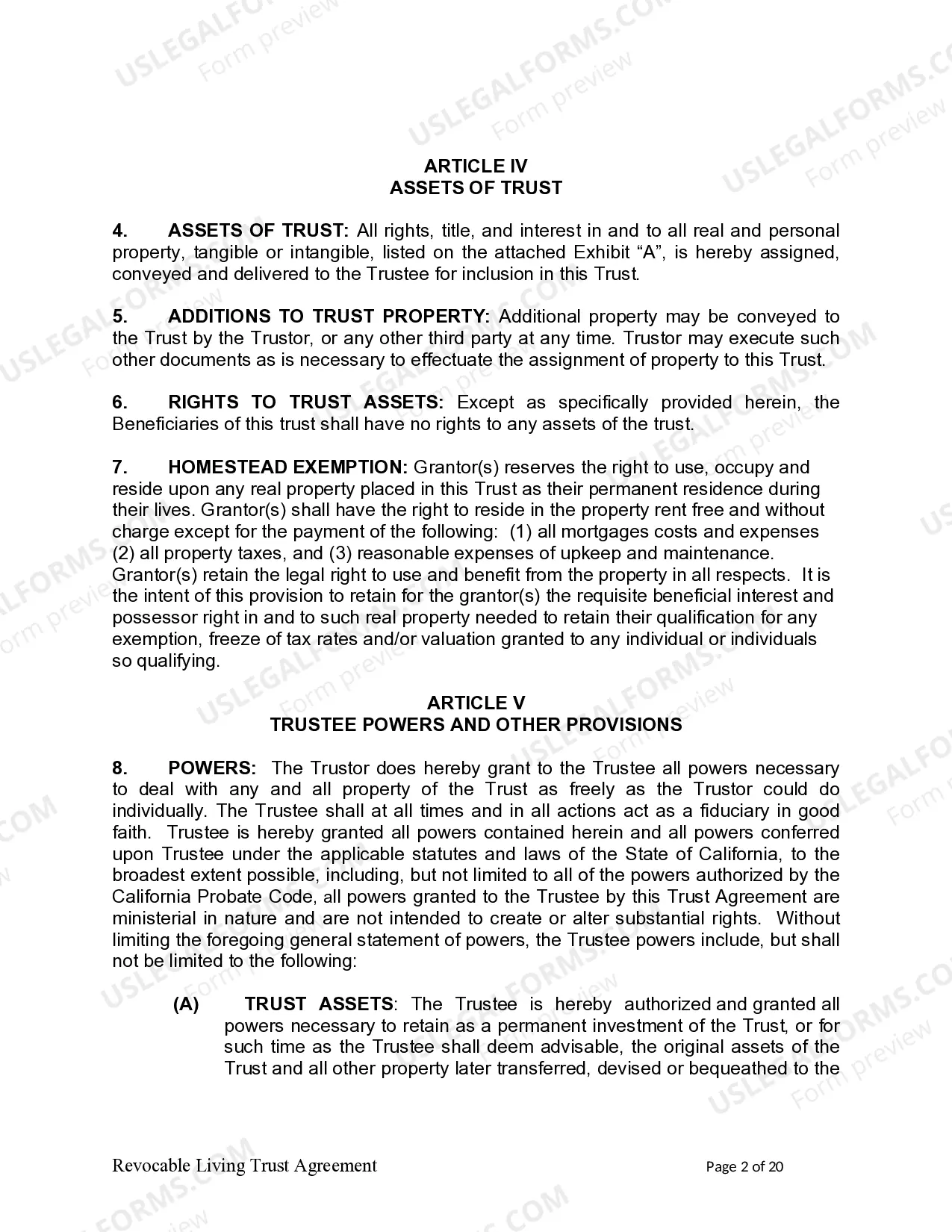
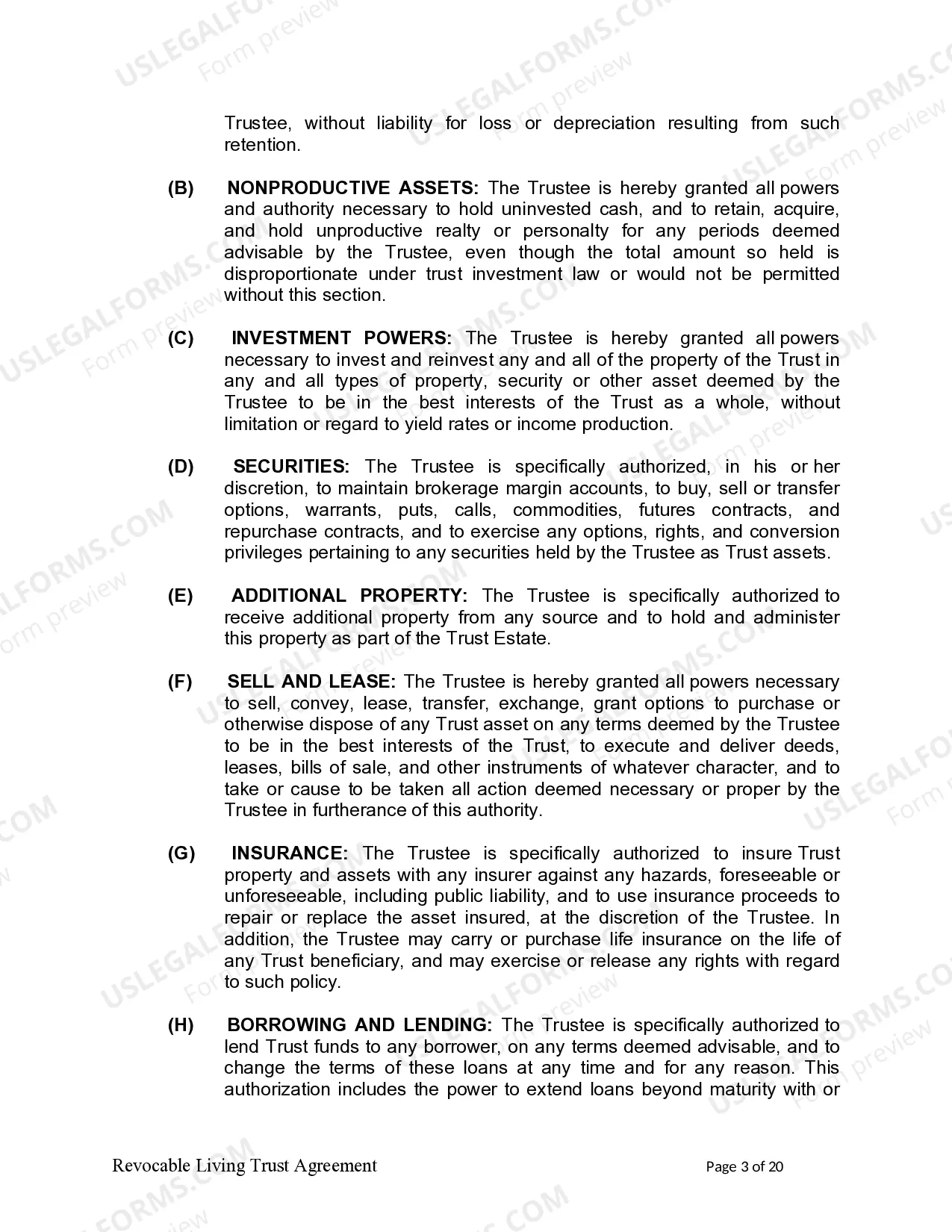
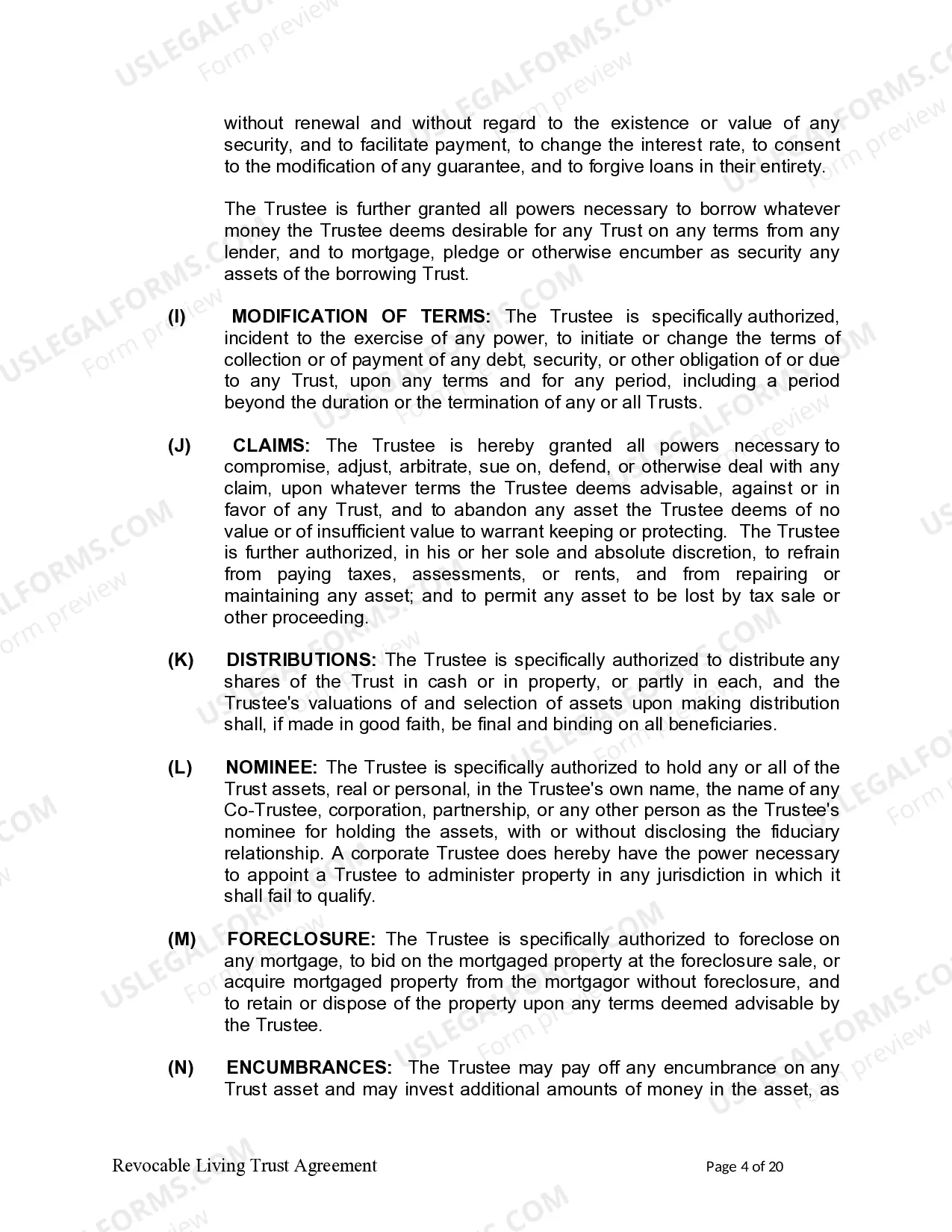
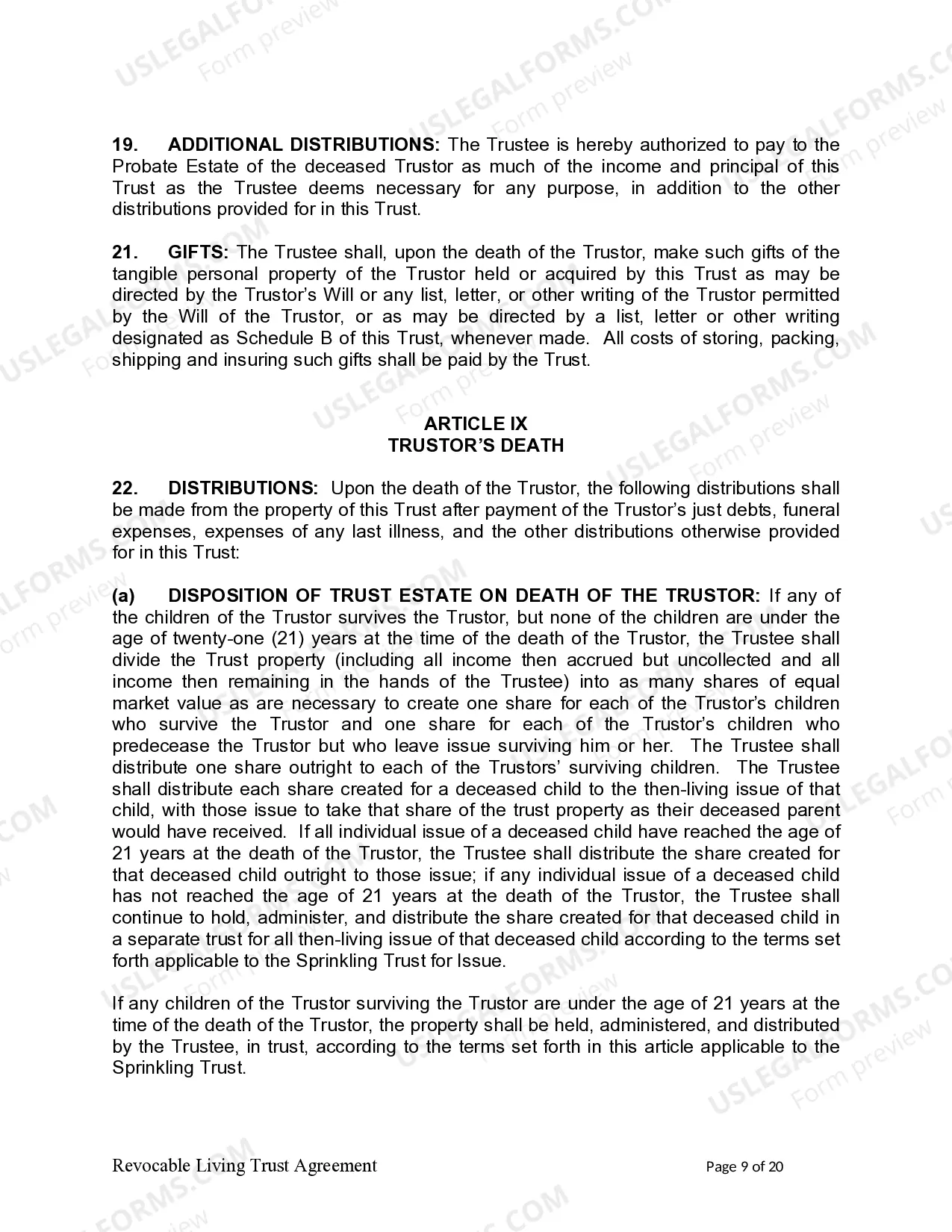



Get your form ready online
Our built-in tools help you complete, sign, share, and store your documents in one place.
Make edits, fill in missing information, and update formatting in US Legal Forms—just like you would in MS Word.
Download a copy, print it, send it by email, or mail it via USPS—whatever works best for your next step.
Sign and collect signatures with our SignNow integration. Send to multiple recipients, set reminders, and more. Go Premium to unlock E-Sign.
If this form requires notarization, complete it online through a secure video call—no need to meet a notary in person or wait for an appointment.
We protect your documents and personal data by following strict security and privacy standards.

Make edits, fill in missing information, and update formatting in US Legal Forms—just like you would in MS Word.

Download a copy, print it, send it by email, or mail it via USPS—whatever works best for your next step.

Sign and collect signatures with our SignNow integration. Send to multiple recipients, set reminders, and more. Go Premium to unlock E-Sign.

If this form requires notarization, complete it online through a secure video call—no need to meet a notary in person or wait for an appointment.

We protect your documents and personal data by following strict security and privacy standards.
Looking for another form?







How to fill out California Living Trust For Individual, Who Is Single, Divorced Or Widow (or Widower) With Children?
Using legal templates that meet the federal and regional laws is a matter of necessity, and the internet offers many options to pick from. But what’s the point in wasting time looking for the appropriate Living Trust For Child sample on the web if the US Legal Forms online library already has such templates collected in one place?
US Legal Forms is the largest online legal library with over 85,000 fillable templates drafted by lawyers for any business and life scenario. They are easy to browse with all papers grouped by state and purpose of use. Our professionals stay up with legislative changes, so you can always be confident your paperwork is up to date and compliant when obtaining a Living Trust For Child from our website.
Getting a Living Trust For Child is easy and quick for both current and new users. If you already have an account with a valid subscription, log in and save the document sample you need in the preferred format. If you are new to our website, adhere to the instructions below:
- Examine the template utilizing the Preview feature or through the text description to make certain it meets your needs.
- Browse for a different sample utilizing the search function at the top of the page if needed.
- Click Buy Now when you’ve located the correct form and select a subscription plan.
- Register for an account or sign in and make a payment with PayPal or a credit card.
- Choose the right format for your Living Trust For Child and download it.
All templates you locate through US Legal Forms are reusable. To re-download and complete previously purchased forms, open the My Forms tab in your profile. Benefit from the most extensive and straightforward-to-use legal paperwork service!
Form popularity
FAQ
When establishing a Trust Fund for your parents, follow these steps as your initial guide: List their assets (property, stocks, vehicles, life insurance policies, etc.) Collect all necessary paperwork. Decide who will be the sole grantor. Choose beneficiaries (such as yourself, siblings, other family members, etc.)
For a revocable living trust to take effect, it should be funded by transferring certain assets into the trust. Often people fund a living trust with real estate, financial accounts, life insurance, annuity certificates, personal property, business interests, and other assets.
Assets that should not be used to fund your living trust include: Qualified retirement accounts ? 401ks, IRAs, 403(b)s, qualified annuities. Health saving accounts (HSAs) Medical saving accounts (MSAs) Uniform Transfers to Minors (UTMAs) Uniform Gifts to Minors (UGMAs) Life insurance. Motor vehicles.
Set Up a Trust for Each Child Another approach is to establish a trust for each child. With this arrangement, you use your will or living trust to name a trustee (usually a trusted relative or friend), who will handle money or property the child inherits until the child reaches the age you specify.
Estate planning tools like wills and trusts are the best options for leaving money to your children because you can outline how and when your children will receive the money. If the child is a minor, you can even dictate how they can spend the money.