Living Trust Forms For Florida
Description
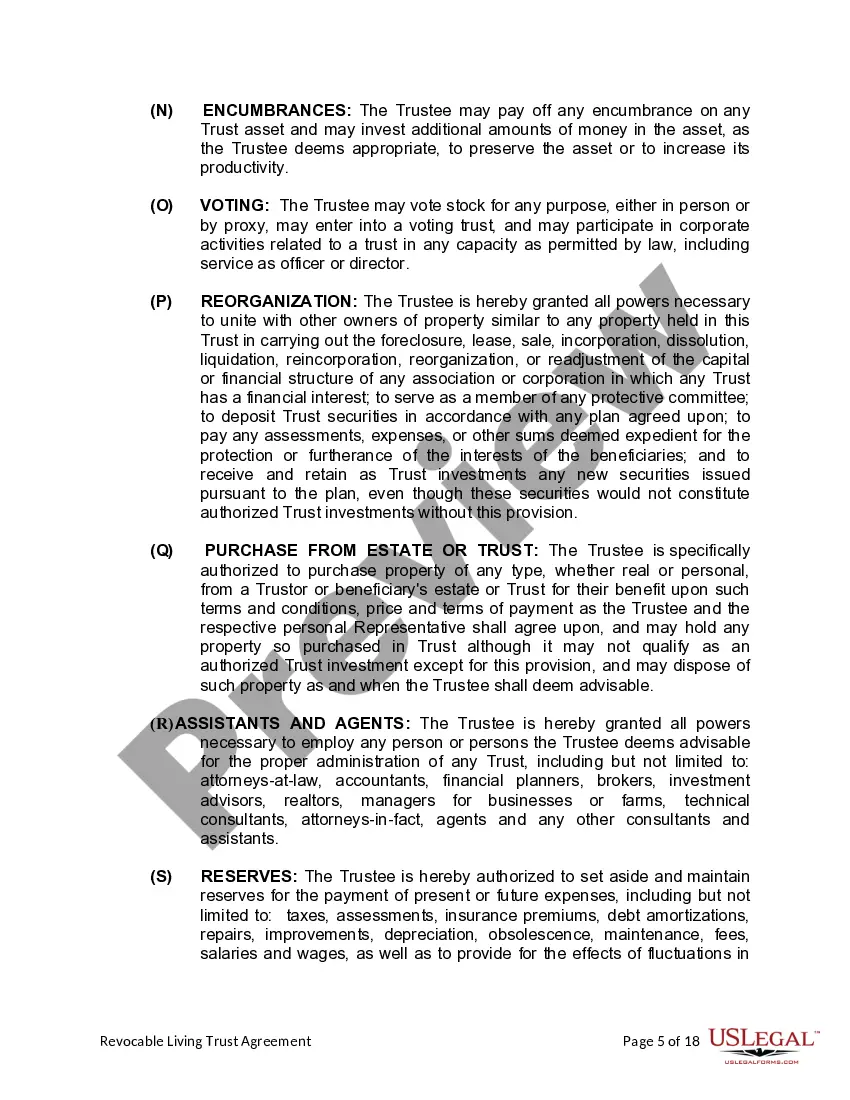
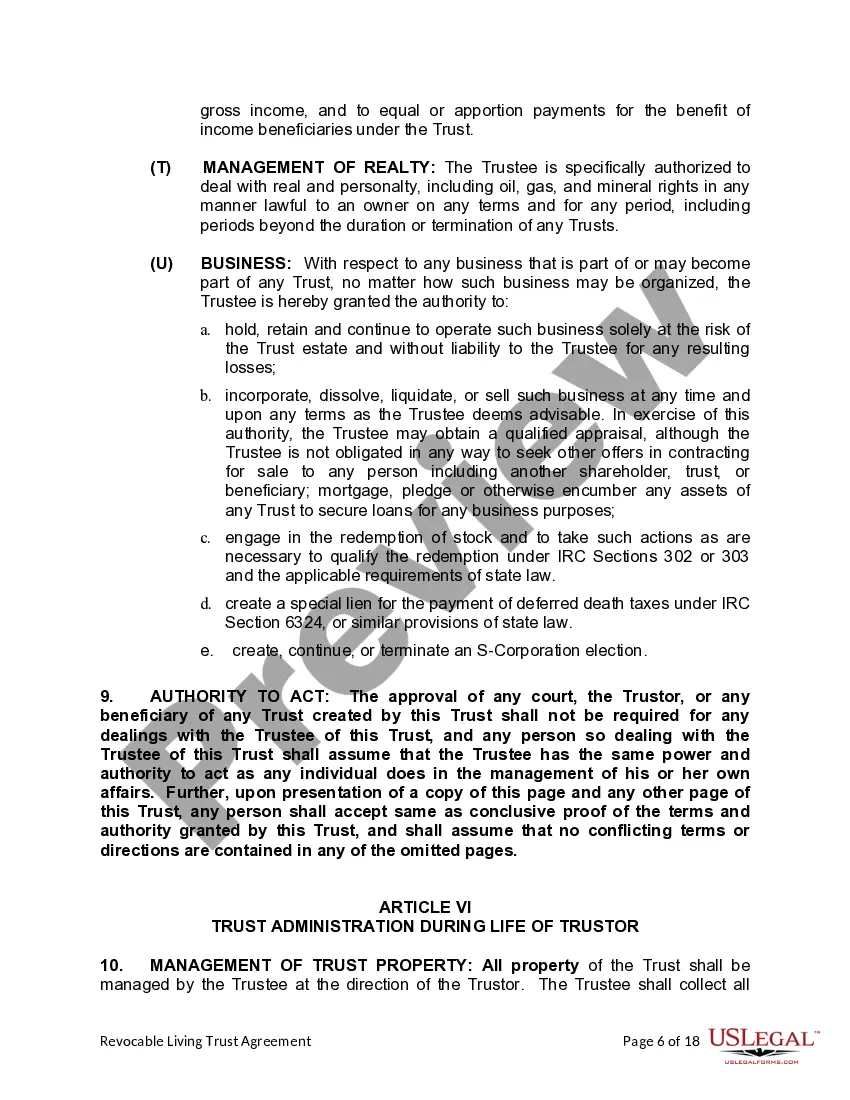
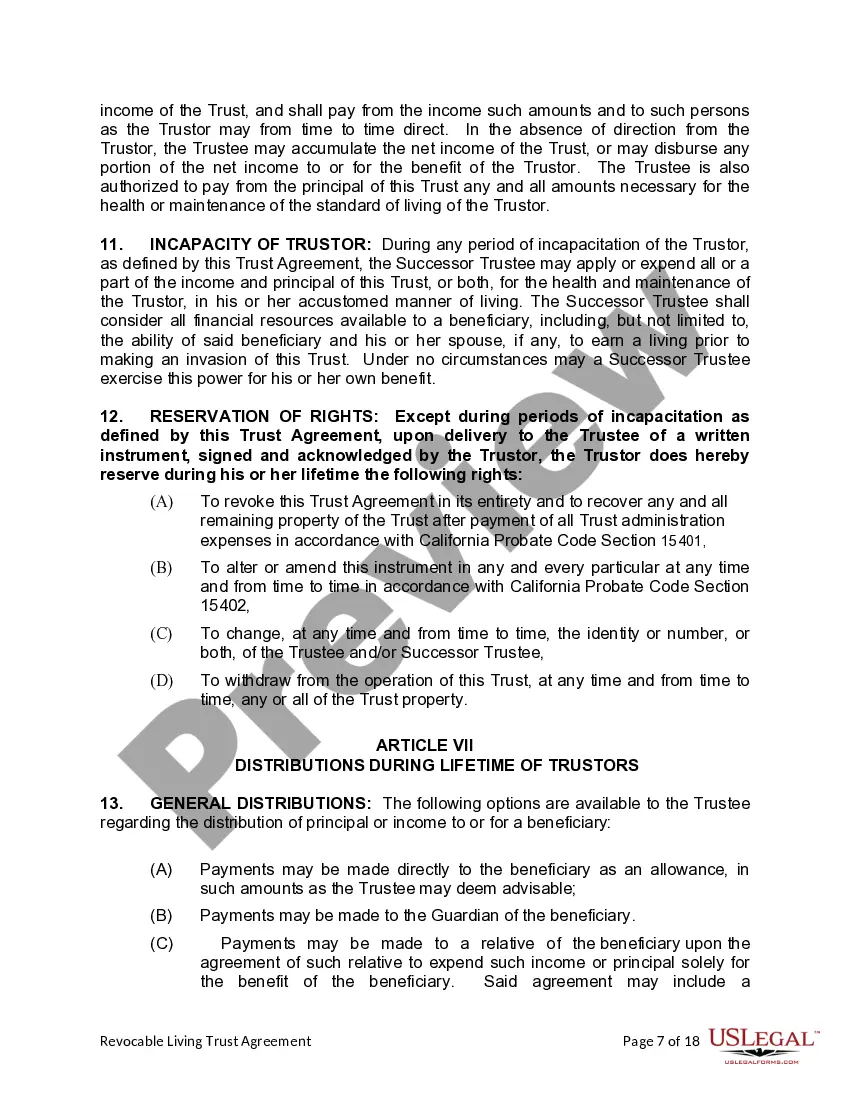
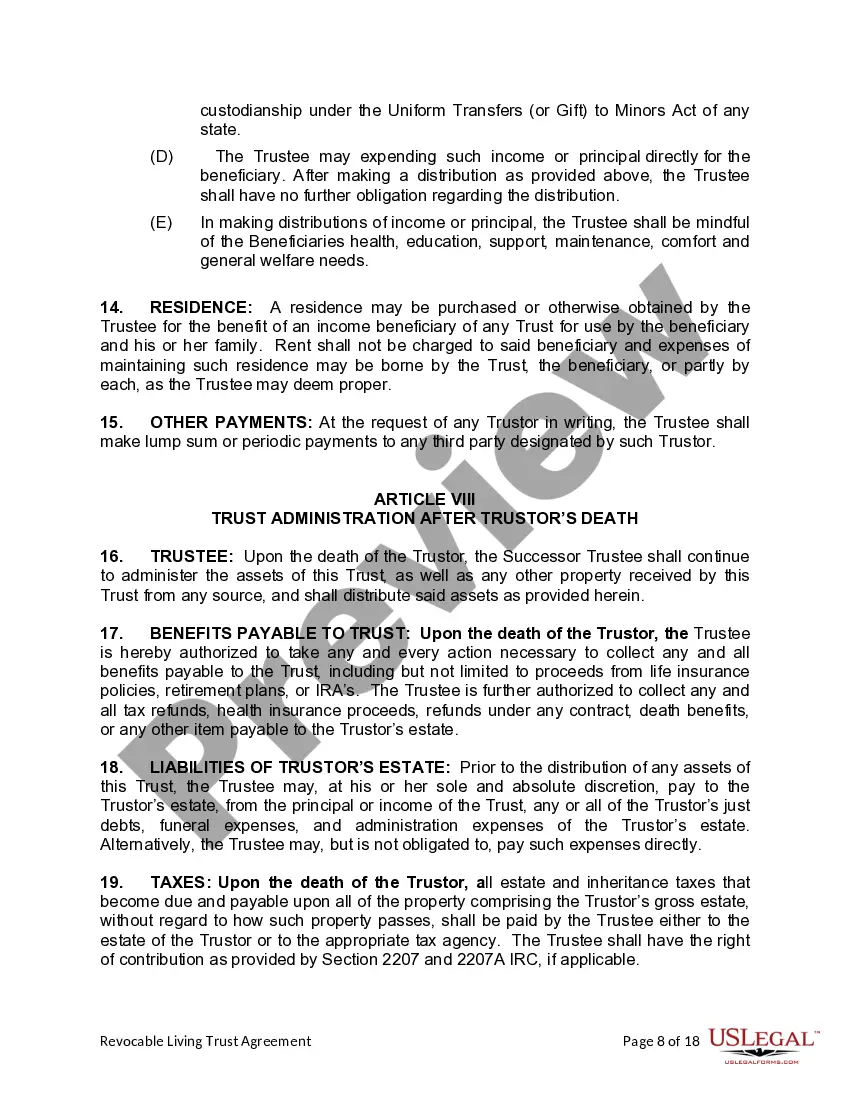




Get your form ready online
Our built-in tools help you complete, sign, share, and store your documents in one place.
Make edits, fill in missing information, and update formatting in US Legal Forms—just like you would in MS Word.
Download a copy, print it, send it by email, or mail it via USPS—whatever works best for your next step.
Sign and collect signatures with our SignNow integration. Send to multiple recipients, set reminders, and more. Go Premium to unlock E-Sign.
If this form requires notarization, complete it online through a secure video call—no need to meet a notary in person or wait for an appointment.
We protect your documents and personal data by following strict security and privacy standards.

Make edits, fill in missing information, and update formatting in US Legal Forms—just like you would in MS Word.

Download a copy, print it, send it by email, or mail it via USPS—whatever works best for your next step.

Sign and collect signatures with our SignNow integration. Send to multiple recipients, set reminders, and more. Go Premium to unlock E-Sign.

If this form requires notarization, complete it online through a secure video call—no need to meet a notary in person or wait for an appointment.

We protect your documents and personal data by following strict security and privacy standards.
Looking for another form?






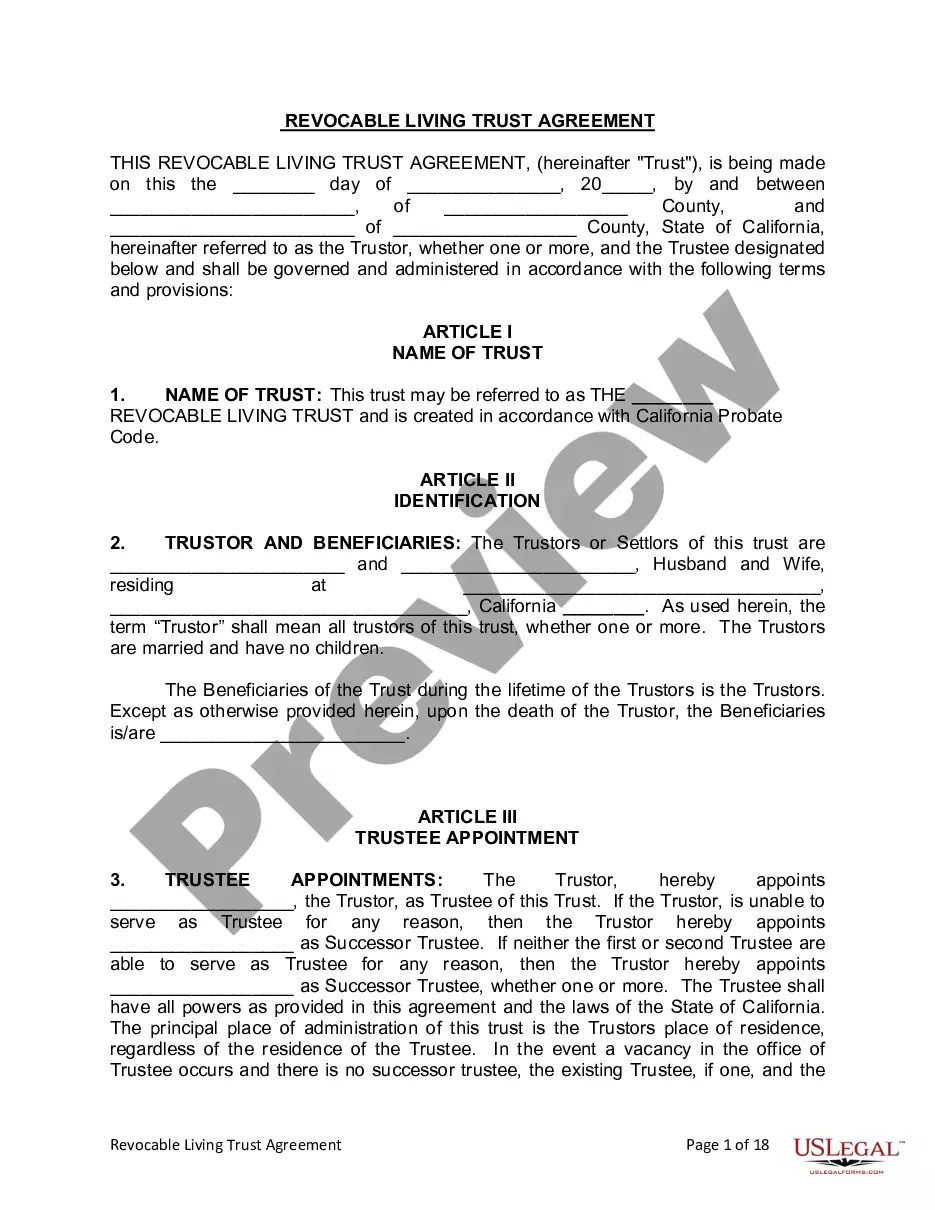
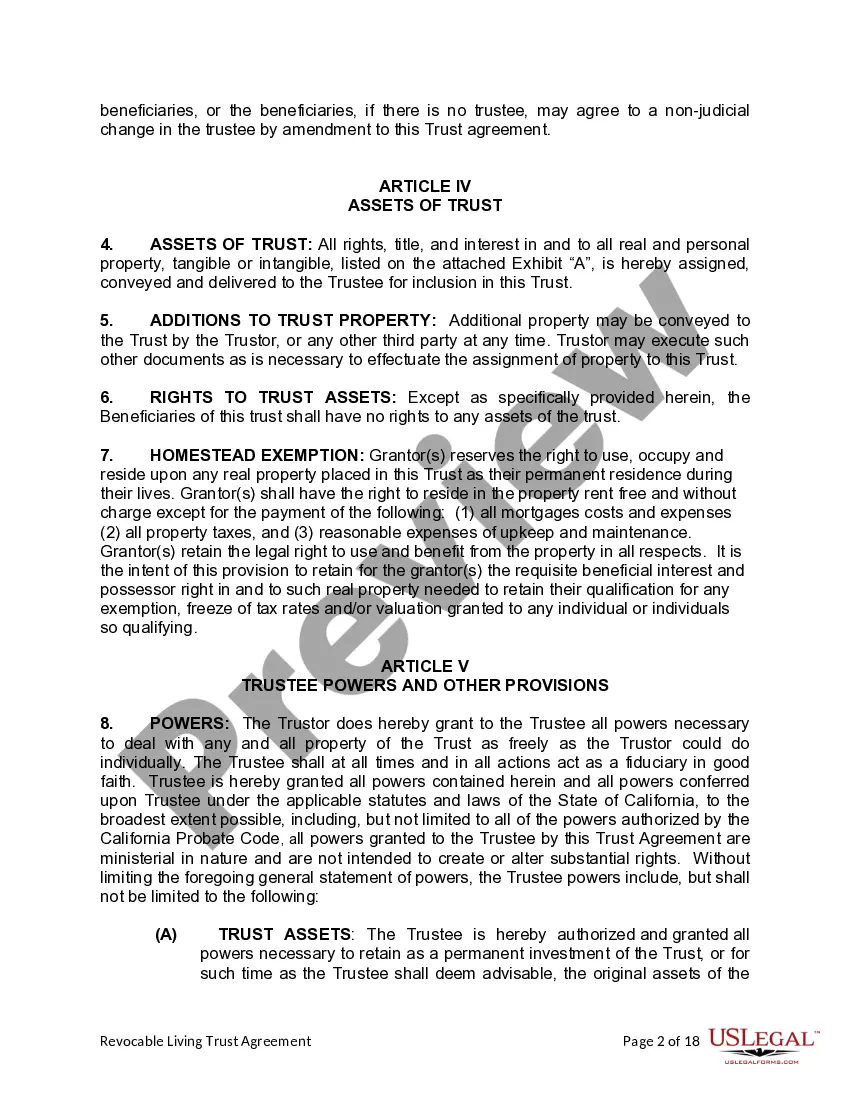
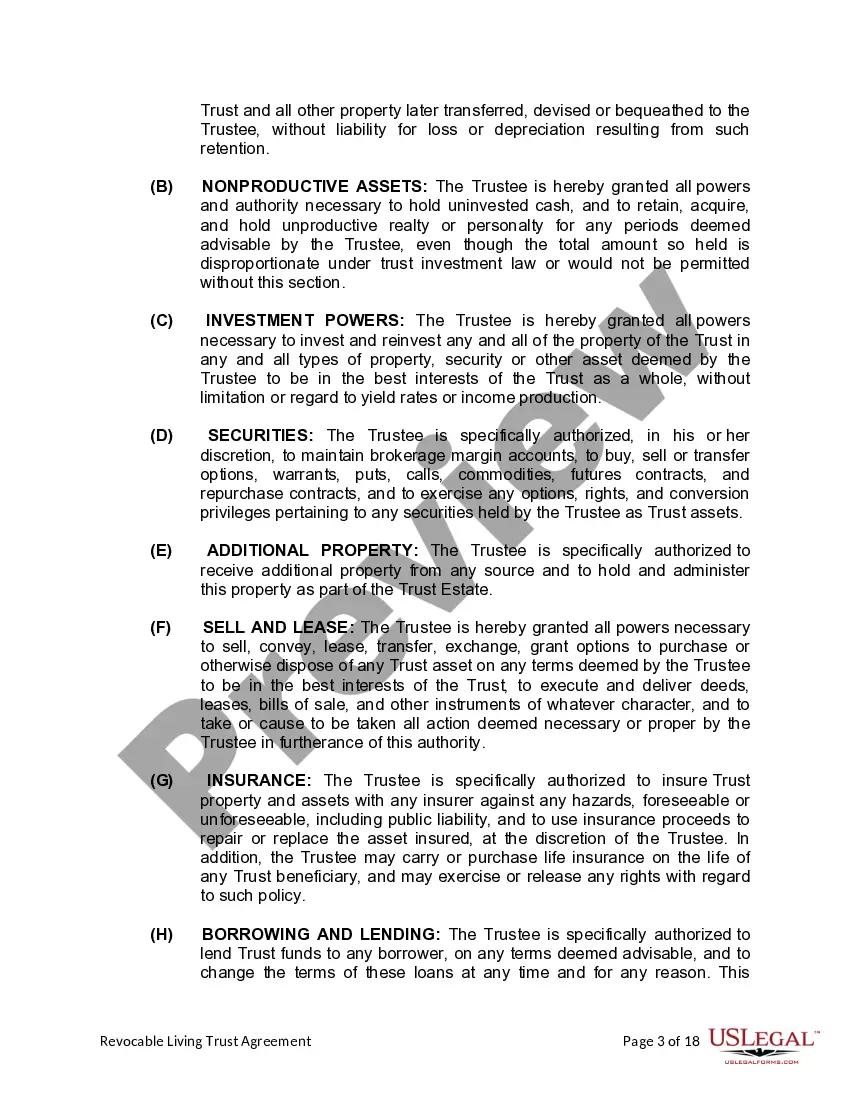
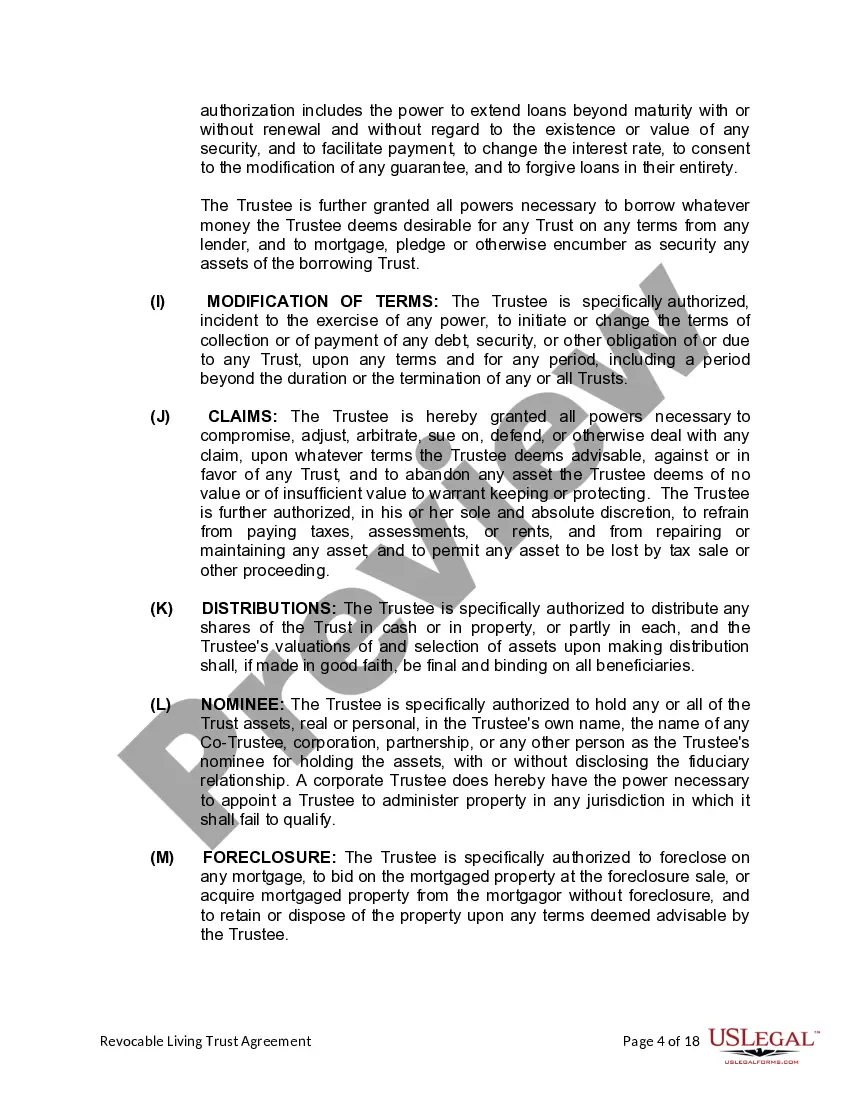
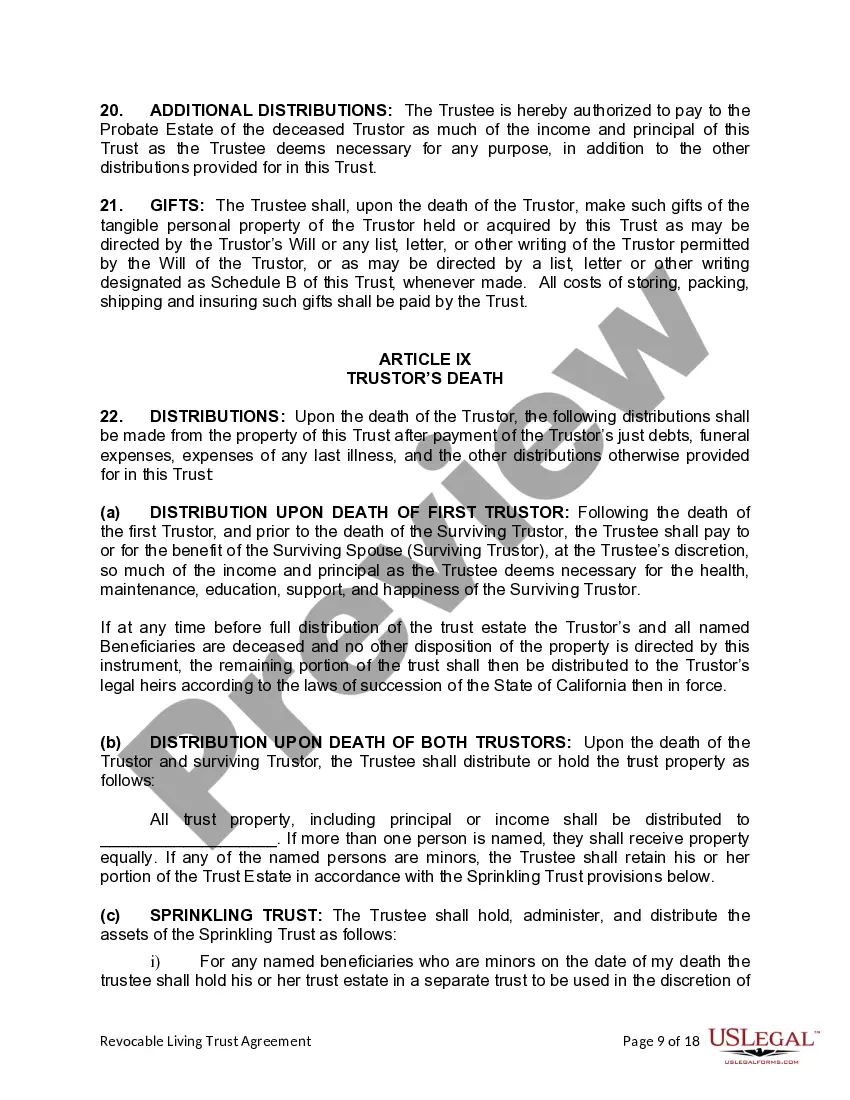
How to fill out California Revocable Living Trust For Husband And Wife With No Children?
The Living Trust Documents For Florida you observe on this site is a reusable legal template crafted by expert attorneys in accordance with federal and state regulations.
For over 25 years, US Legal Forms has supplied individuals, organizations, and lawyers with more than 85,000 authenticated, state-specific documents for any business and personal situation. It’s the quickest, simplest, and most dependable method to acquire the paperwork you require, as the service ensures bank-level data security and anti-malware safeguards.
Subscribe to US Legal Forms to have validated legal templates for all of life’s situations at your fingertips.
- Look for the document you need and review it.
- Sign up and Log In.
- Get the fillable template.
- Complete and sign the paperwork.
- Download your paperwork again.
Form popularity
FAQ
Since living trusts are not required to be filed with the Florida courts following a person's death, it is difficult to gauge the number of trusts vs. the number of wills (which are required to go through probate, therefore are public).
While it is true that with the information available on the Internet, you might be able to draw up your own living trust, there are numerous valid reasons why you should have an experienced Ayo and Iken Florida estate attorney prepare your living trust.
Yes. If you are competent to handle your financial affairs now, there's no legal reason why you can't be the trustee of your own Living Trust. In fact, this is what most people choose to do. And if you're married, you and your spouse can act as co-trustees.
To set up a living trust, you'll choose the type of trust you'll need, take a thorough inventory of your property, and choose a trustee. Then you'll need to draw up the trust document and sign it in front of a notary public. After that, you'll fund the trust by transferring property into the trust.
Assets that should not be used to fund your living trust include: Qualified retirement accounts ? 401ks, IRAs, 403(b)s, qualified annuities. Health saving accounts (HSAs) Medical saving accounts (MSAs) Uniform Transfers to Minors (UTMAs) Uniform Gifts to Minors (UGMAs) Life insurance. Motor vehicles.