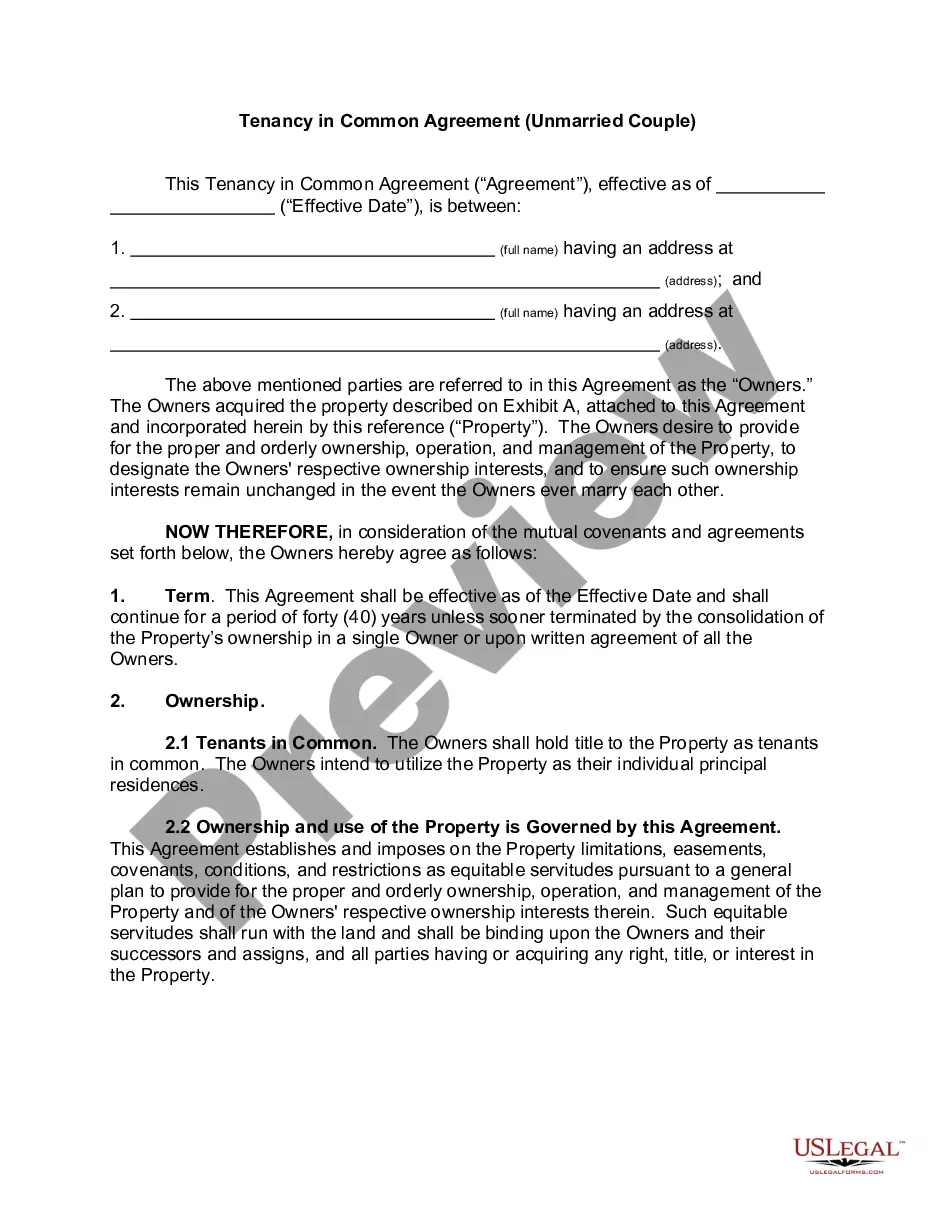
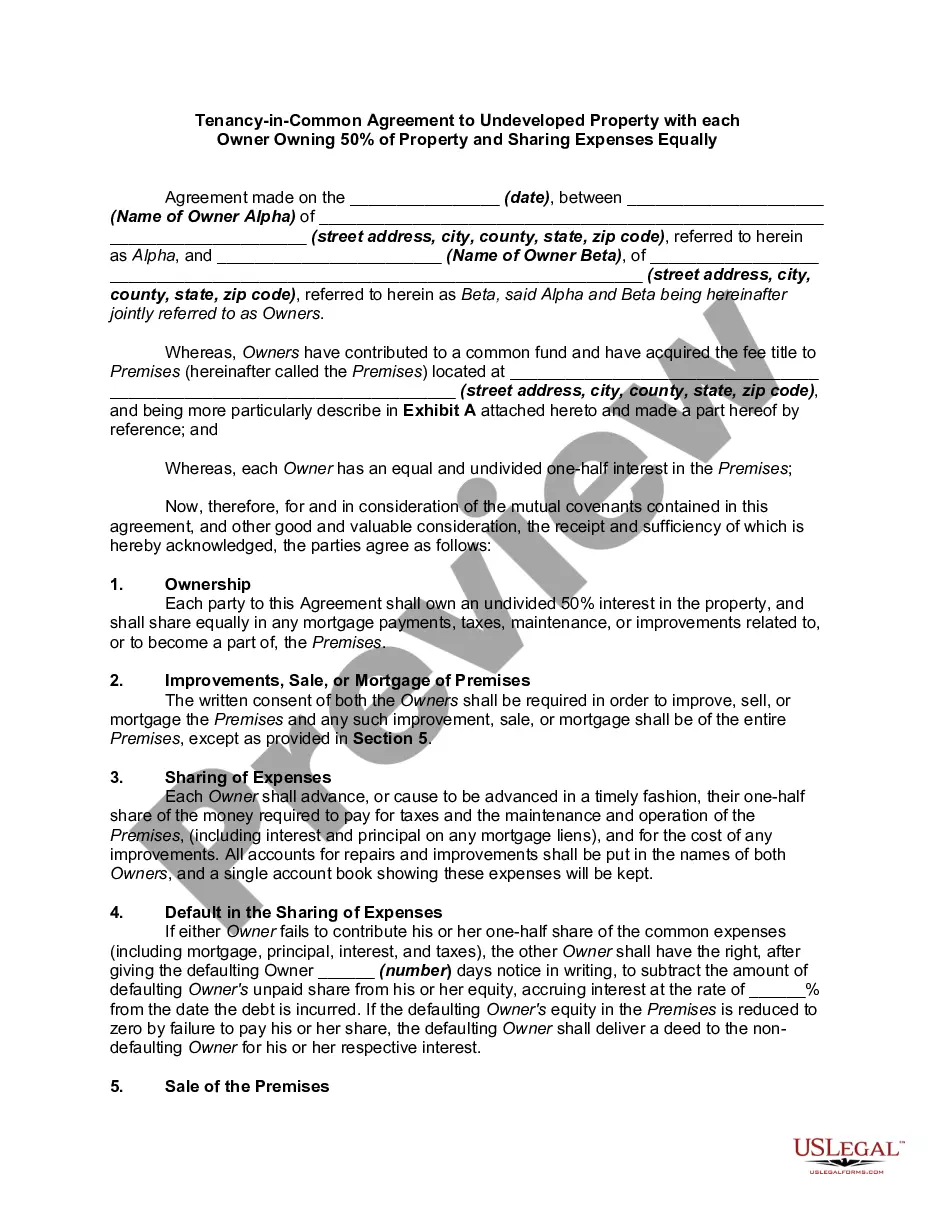
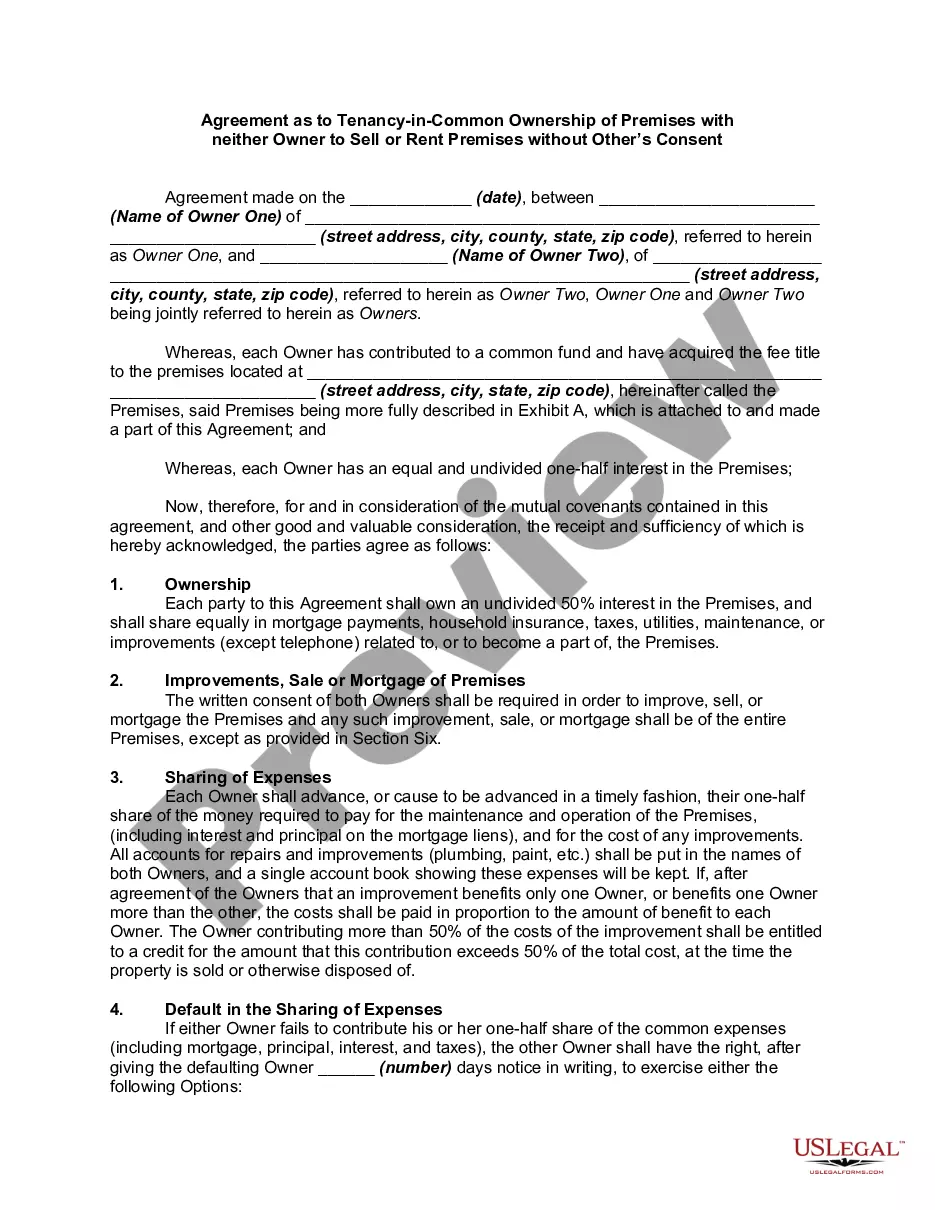
Tenancy Common Agreement Template For Unfurnished House
Description
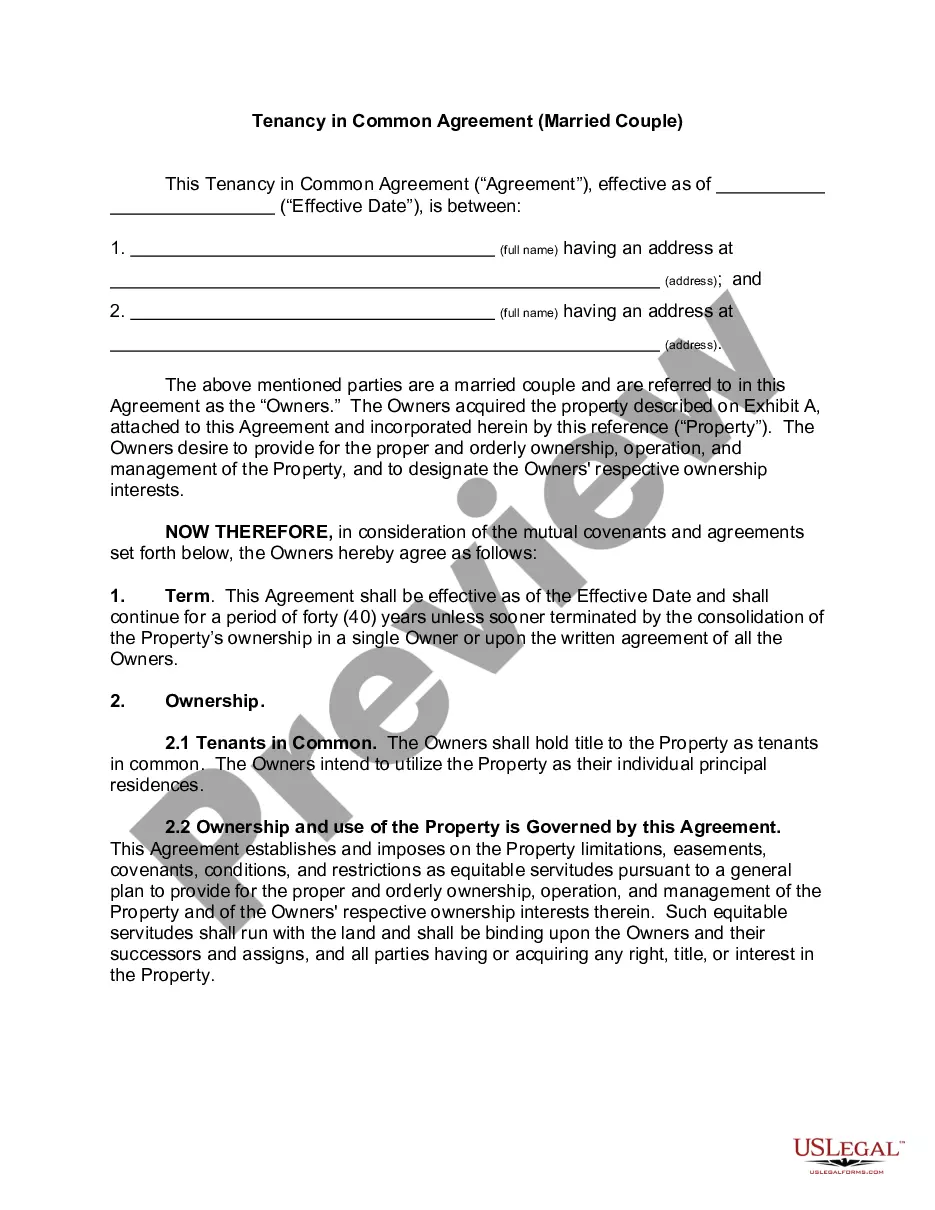
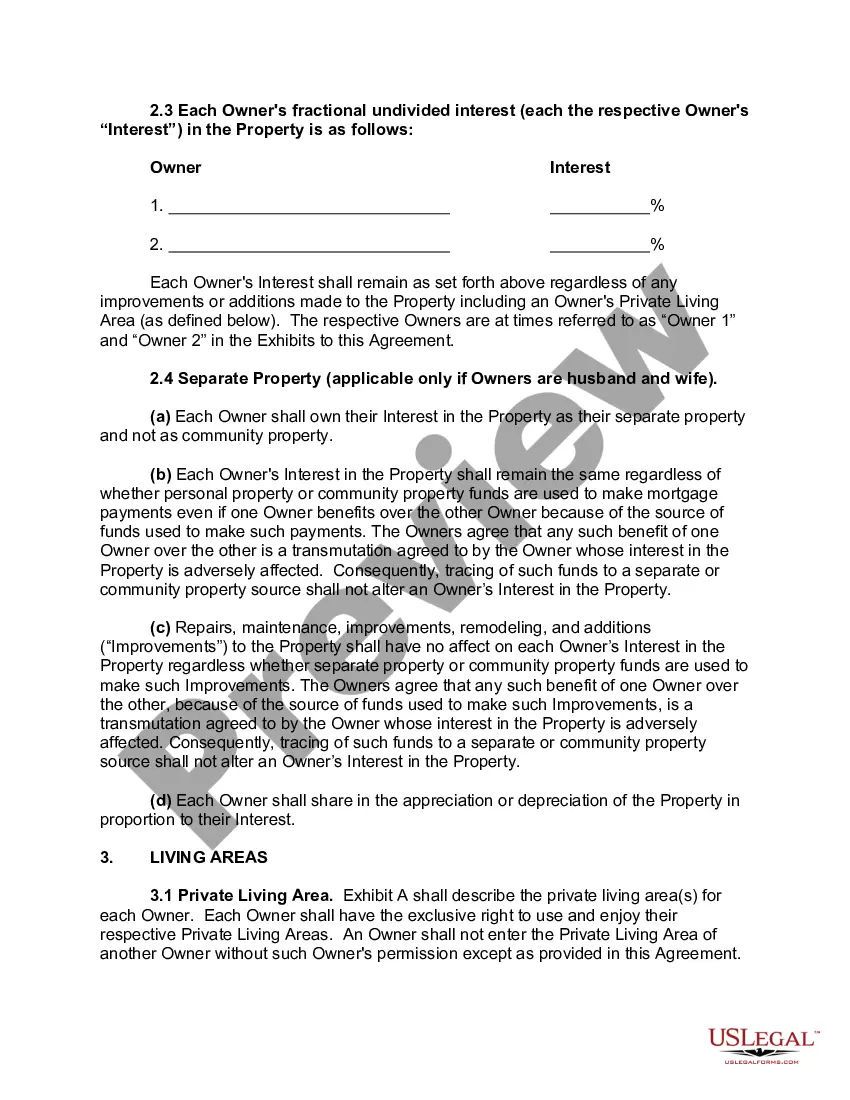
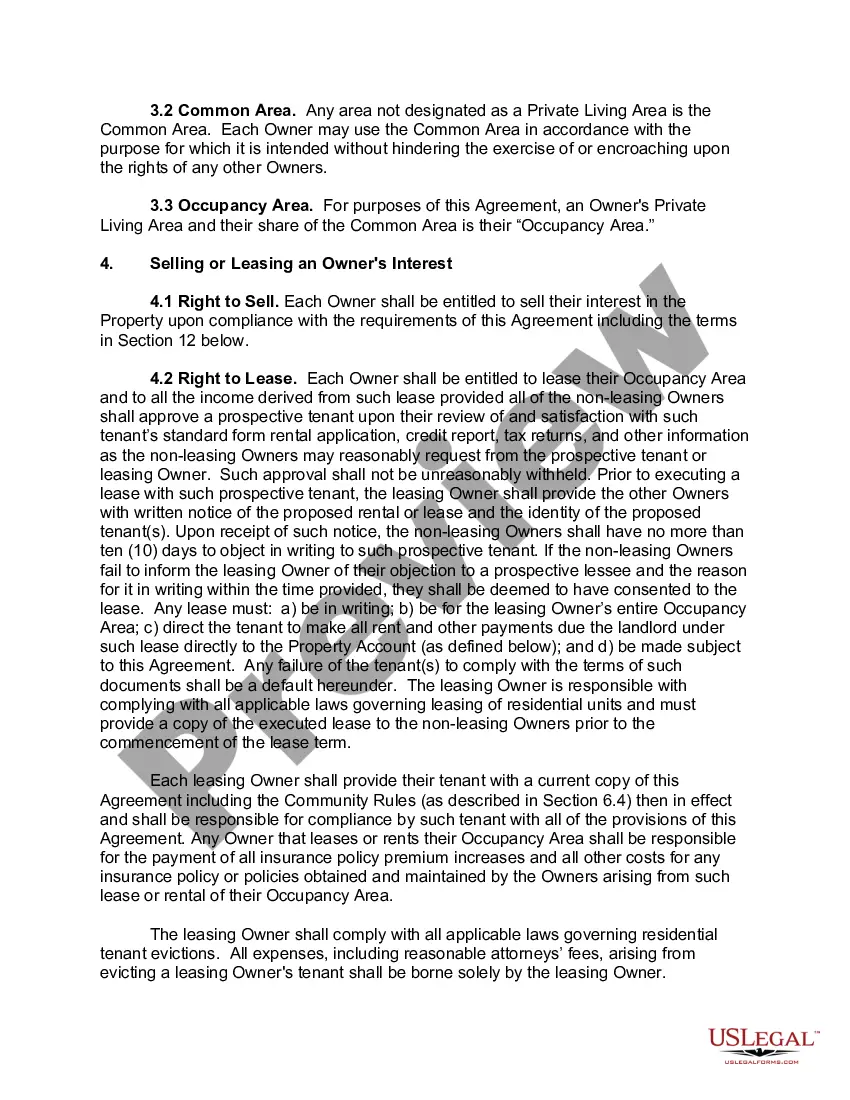
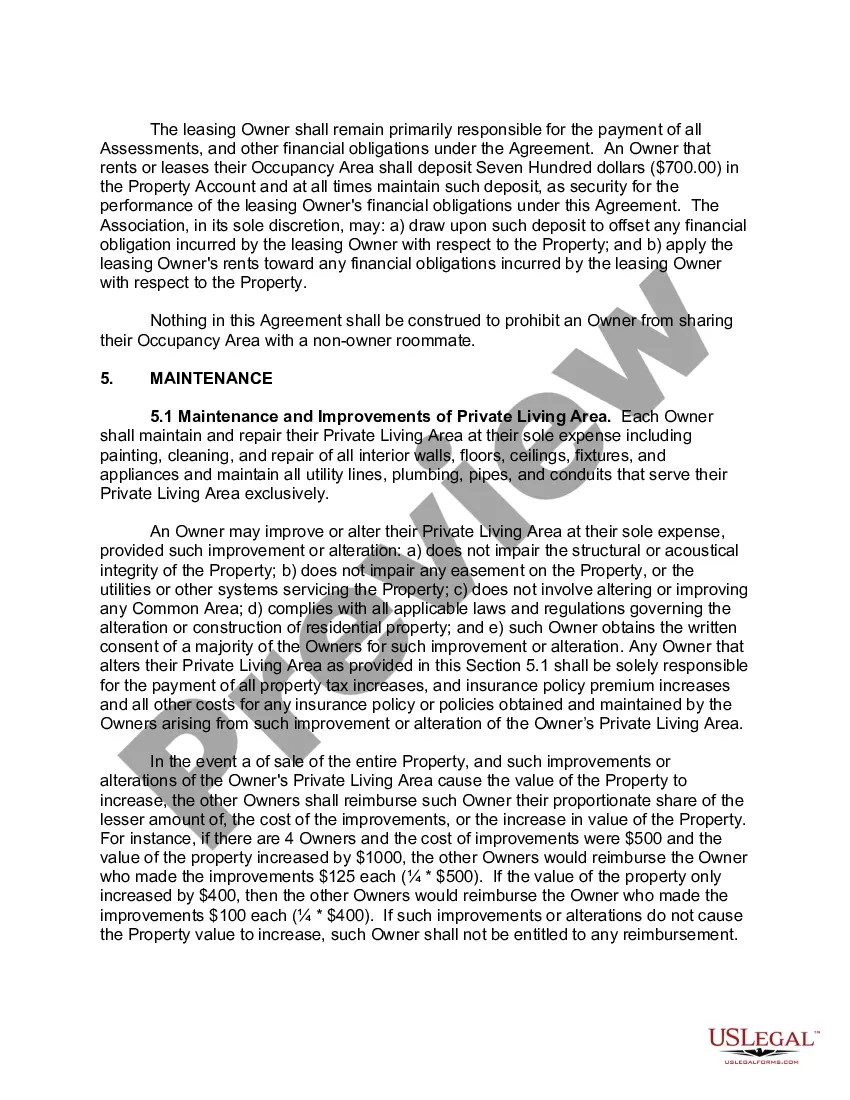
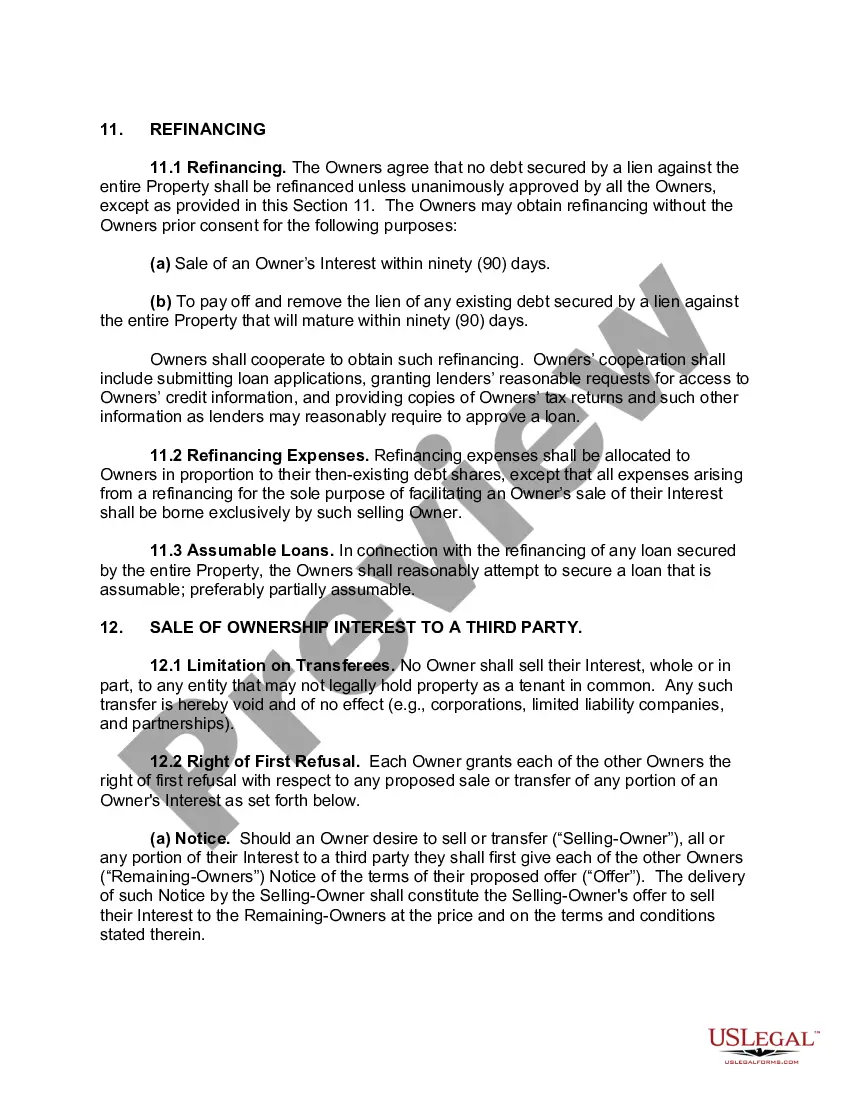
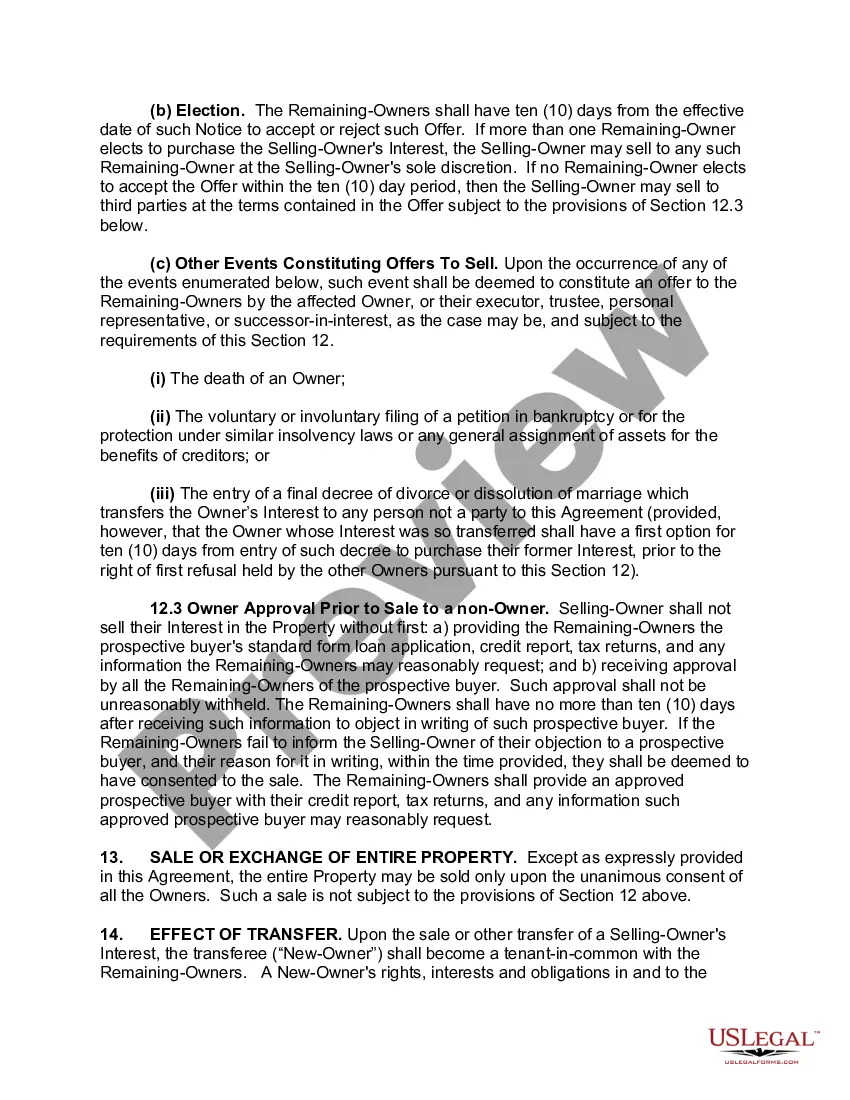

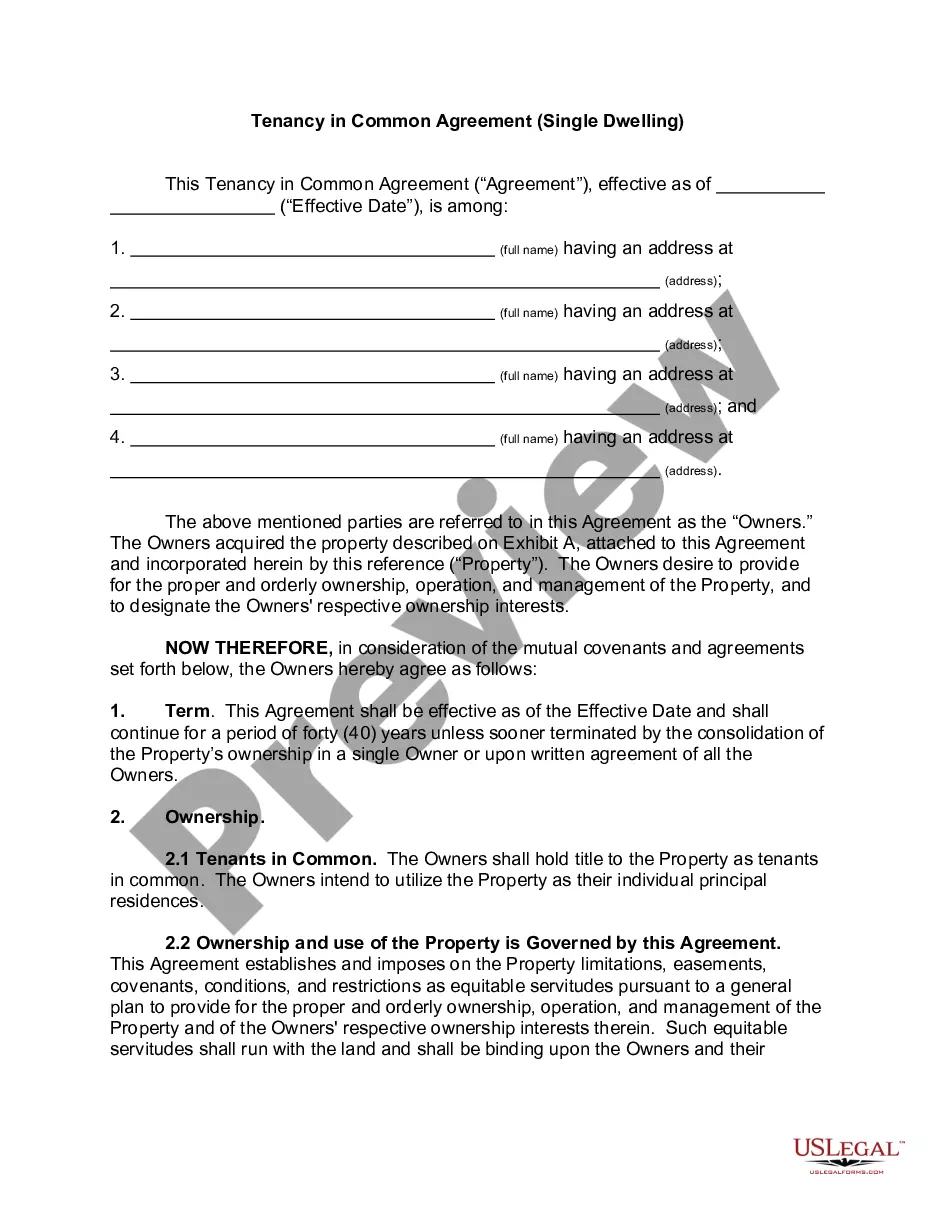
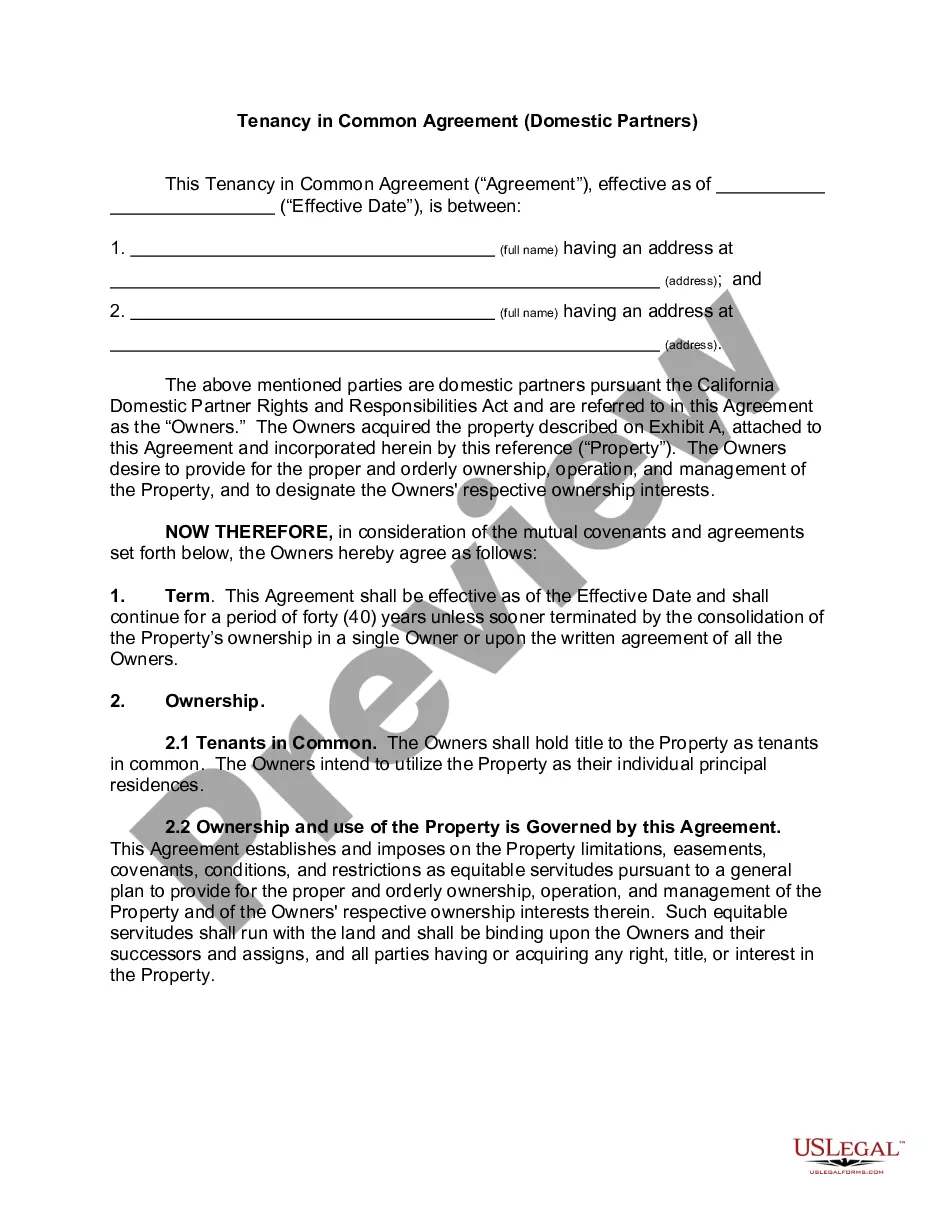
Get your form ready online
Our built-in tools help you complete, sign, share, and store your documents in one place.
Make edits, fill in missing information, and update formatting in US Legal Forms—just like you would in MS Word.
Download a copy, print it, send it by email, or mail it via USPS—whatever works best for your next step.
Sign and collect signatures with our SignNow integration. Send to multiple recipients, set reminders, and more. Go Premium to unlock E-Sign.
If this form requires notarization, complete it online through a secure video call—no need to meet a notary in person or wait for an appointment.
We protect your documents and personal data by following strict security and privacy standards.

Make edits, fill in missing information, and update formatting in US Legal Forms—just like you would in MS Word.

Download a copy, print it, send it by email, or mail it via USPS—whatever works best for your next step.

Sign and collect signatures with our SignNow integration. Send to multiple recipients, set reminders, and more. Go Premium to unlock E-Sign.

If this form requires notarization, complete it online through a secure video call—no need to meet a notary in person or wait for an appointment.

We protect your documents and personal data by following strict security and privacy standards.
Looking for another form?




How to fill out California Tenancy In Common Agreement - Single Dwelling - Married Couple?
Regardless of whether it’s for corporate needs or personal matters, everyone must manage legal issues at some point in their life.
Filling out legal documentation requires meticulous care, starting with selecting the appropriate form sample.
Complete the account registration form.
- For example, if you choose an incorrect version of a Tenancy Common Agreement Template For Unfurnished House, it will be rejected upon submission.
- Thus, it is crucial to find a reliable provider of legal documents like US Legal Forms.
- If you need to acquire a Tenancy Common Agreement Template For Unfurnished House example, adhere to these simple instructions.
- Retrieve the sample you require through the search bar or catalog browsing.
- Review the form’s details to confirm it corresponds with your circumstances, state, and locality.
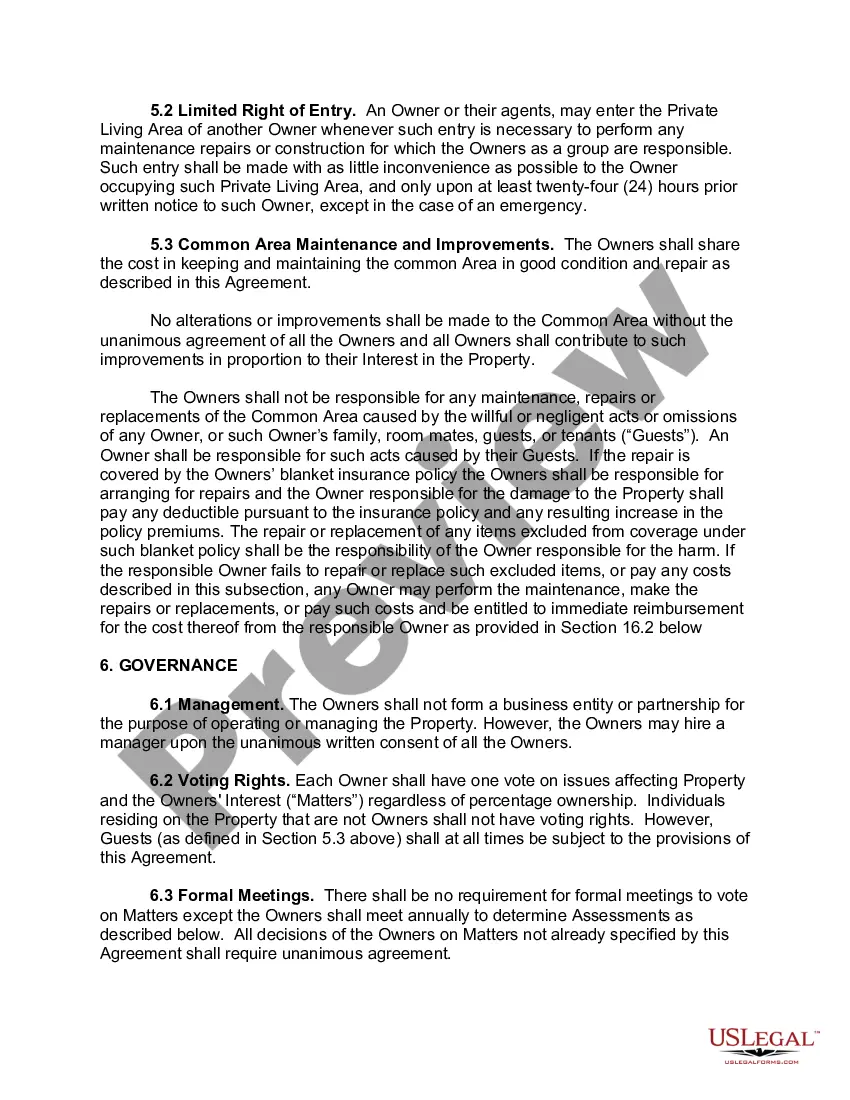
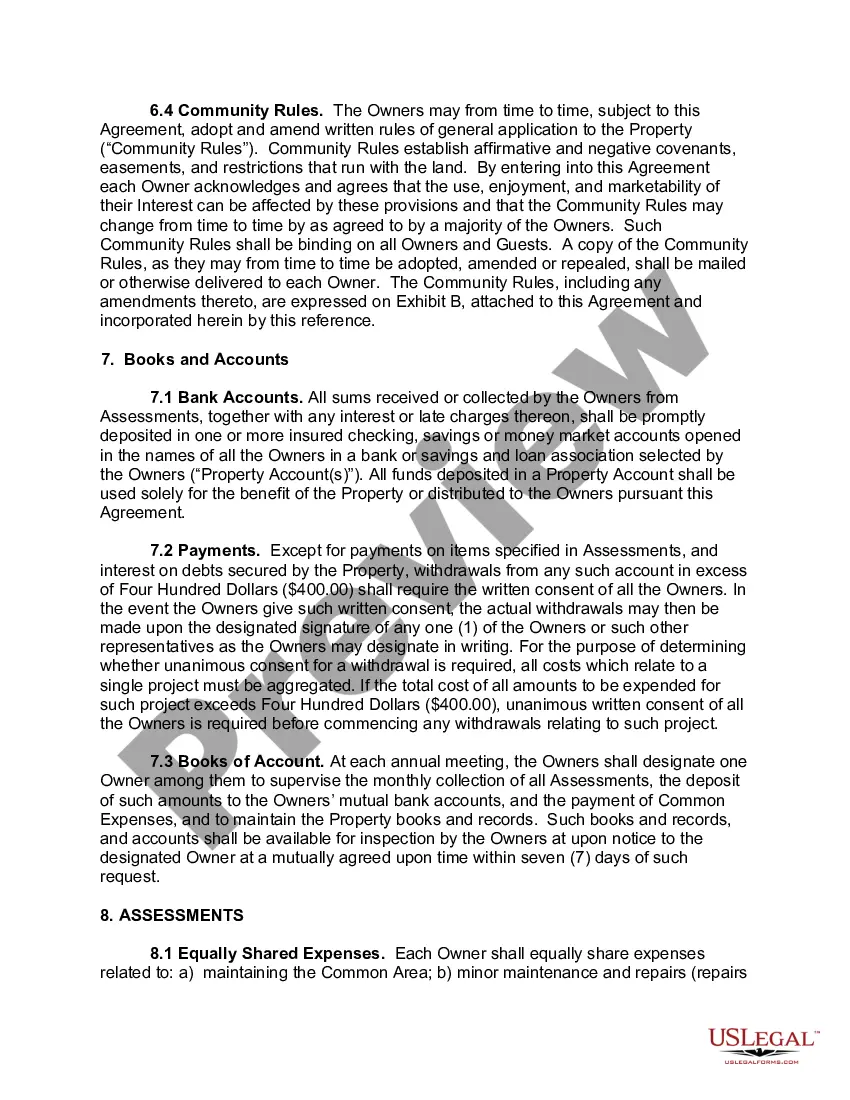
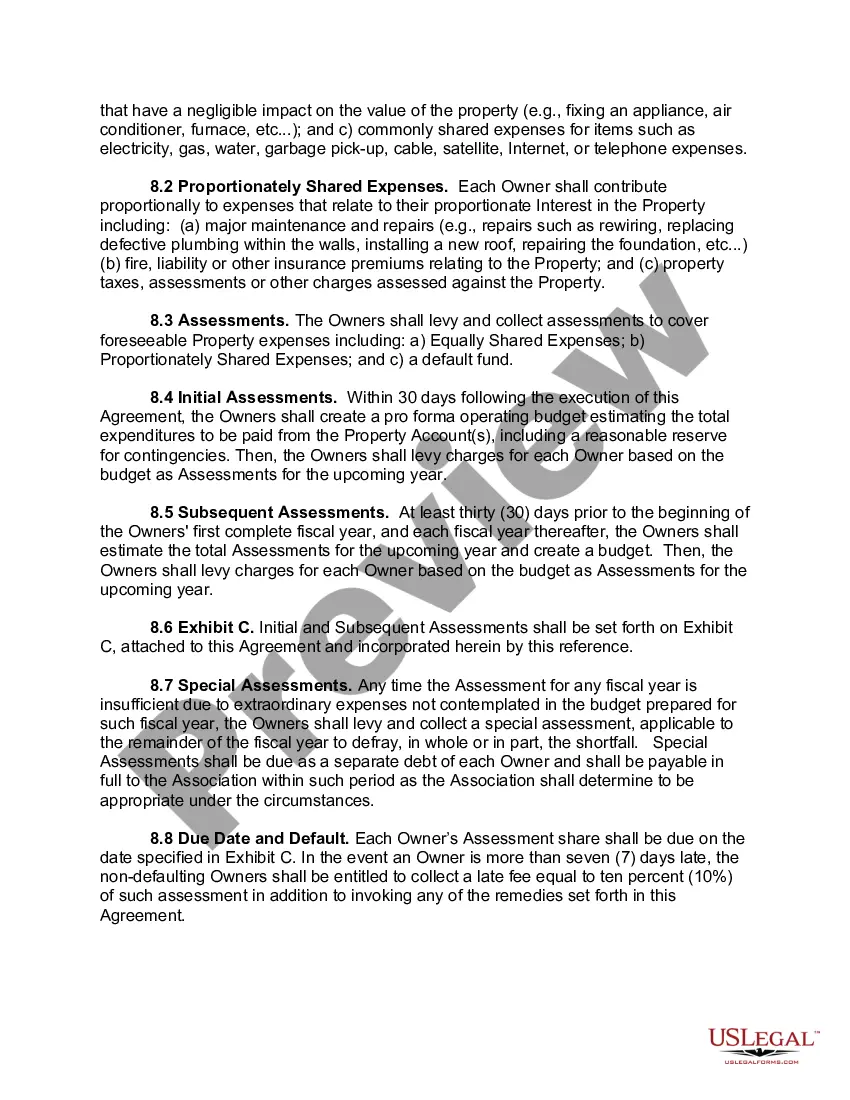
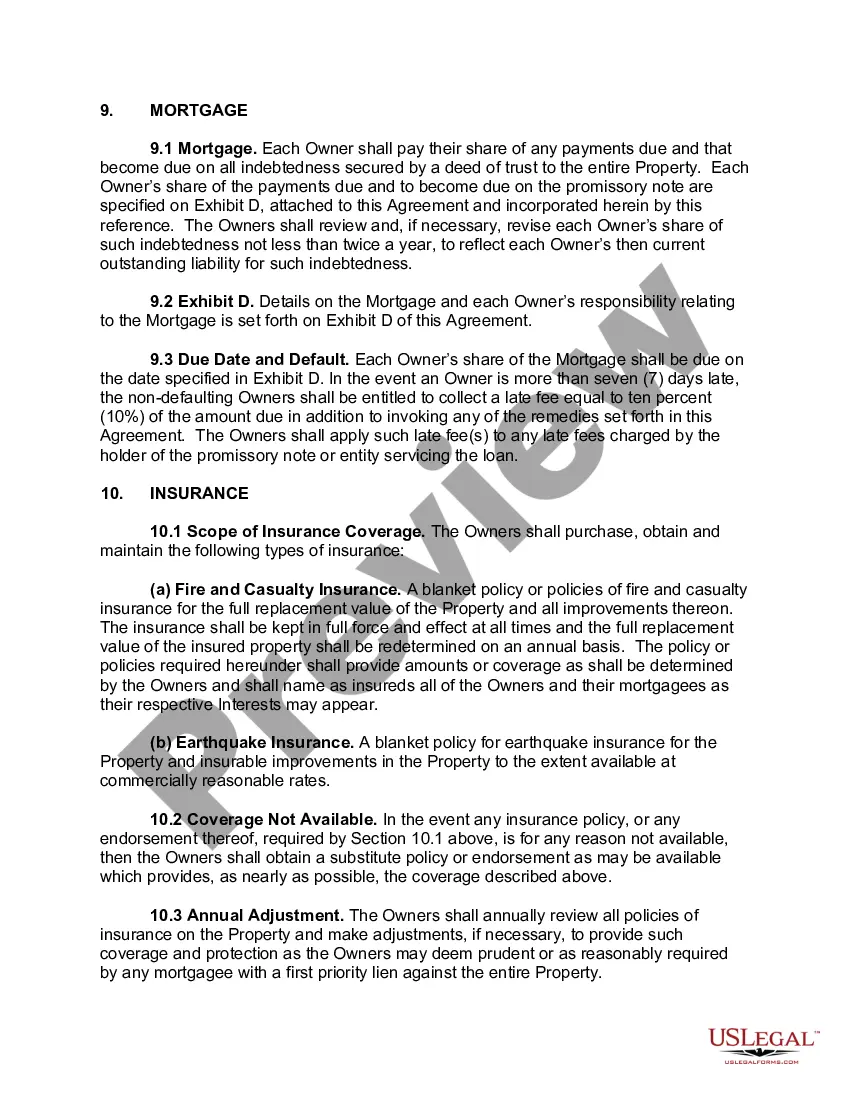
- Select the form’s preview to assess it.
- If it is the wrong document, revert to the search feature to locate the Tenancy Common Agreement Template For Unfurnished House example you need.
- Obtain the file once it satisfies your requirements.
- If you have a US Legal Forms account, simply click Log in to access documents you previously saved in My documents.
- Should you not possess an account yet, you can acquire the form by selecting Buy now.
- Choose the suitable pricing option.
Form popularity
FAQ
You can only transfer your mortgage to another person if your mortgage lender allows it. If you have a conventional loan, you probably won't be able to transfer your mortgage unless you have an allowed exception, such as if you're going through a divorce.
An assignment transfers all the original mortgagee's interest under the mortgage or deed of trust to the new bank. Generally, the mortgage or deed of trust is recorded shortly after the mortgagors sign it, and, if the mortgage is subsequently transferred, each assignment is recorded in the county land records.
An heir who wants to keep the property can petition the lender to assume the mortgage, putting it in their name. (But note that an heir is never required to assume a deceased family member's mortgage.)
In a mortgage assignment, your original lender or servicer transfers your mortgage account to another loan servicer. When this occurs, the original mortgagee or lender's interests go to the next lender. Even if your mortgage gets transferred or assigned, your mortgage's terms should remain the same.
Mortgages are assigned using a document called an assignment of mortgage. This legally transfers the original lender's interest in the loan to the new company. After doing this, the original lender will no longer receive the payments of principal and interest.
A transfer of mortgage is the reassignment of an existing mortgage, usually on a home, from the current holder to another person or entity. Not all mortgages can be transferred; if they are, the lender has the right to approve the person assuming the loan.