Tenancy Common Agreement For Landlord
Description
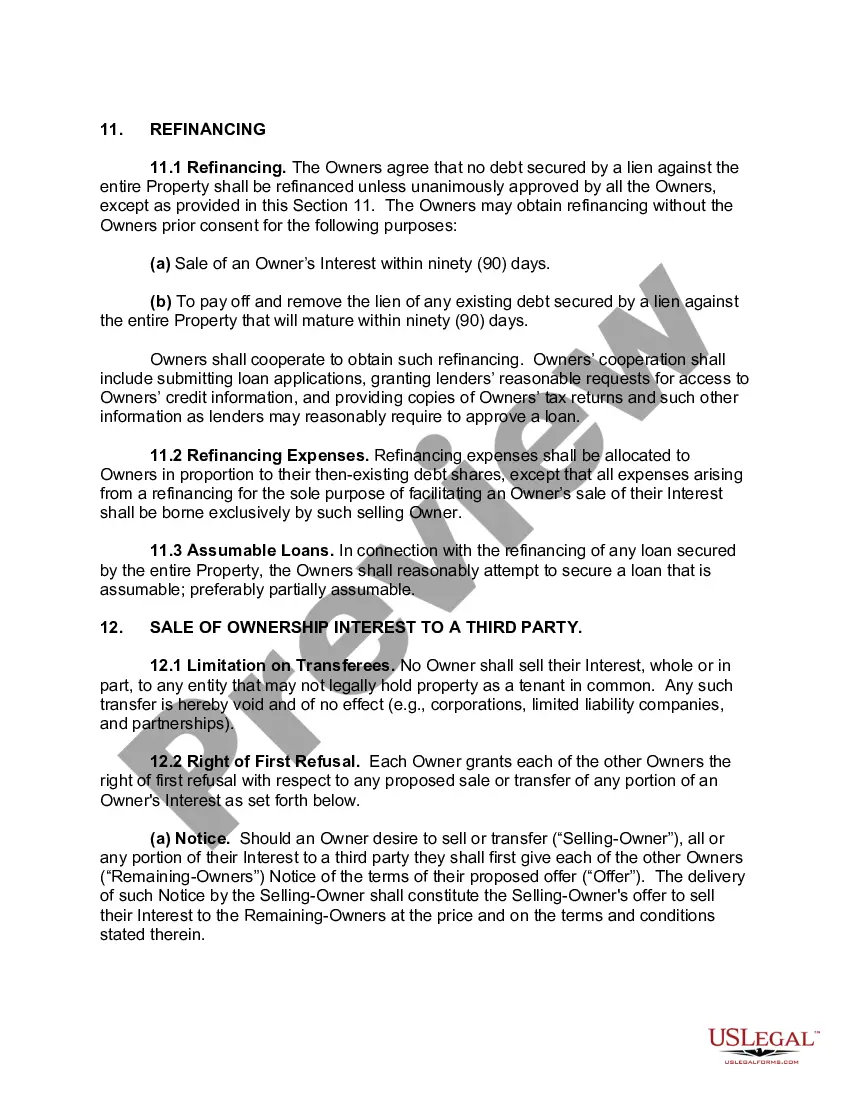
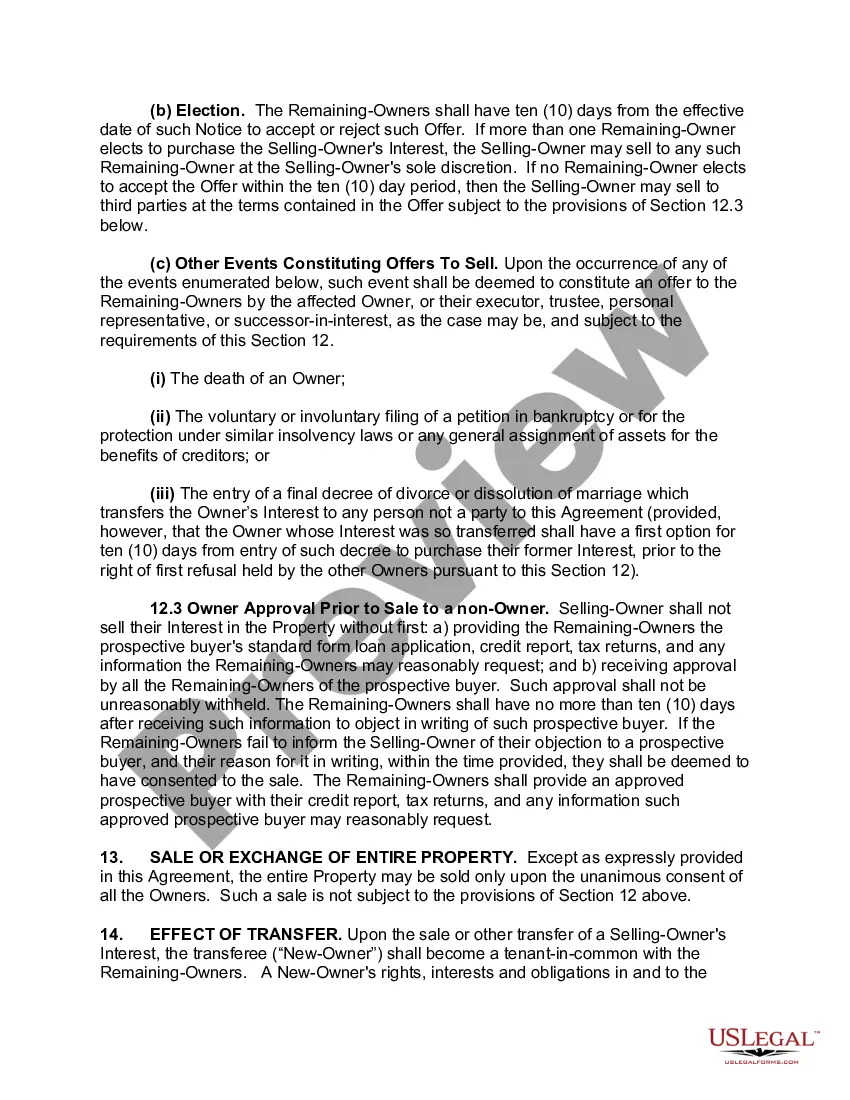

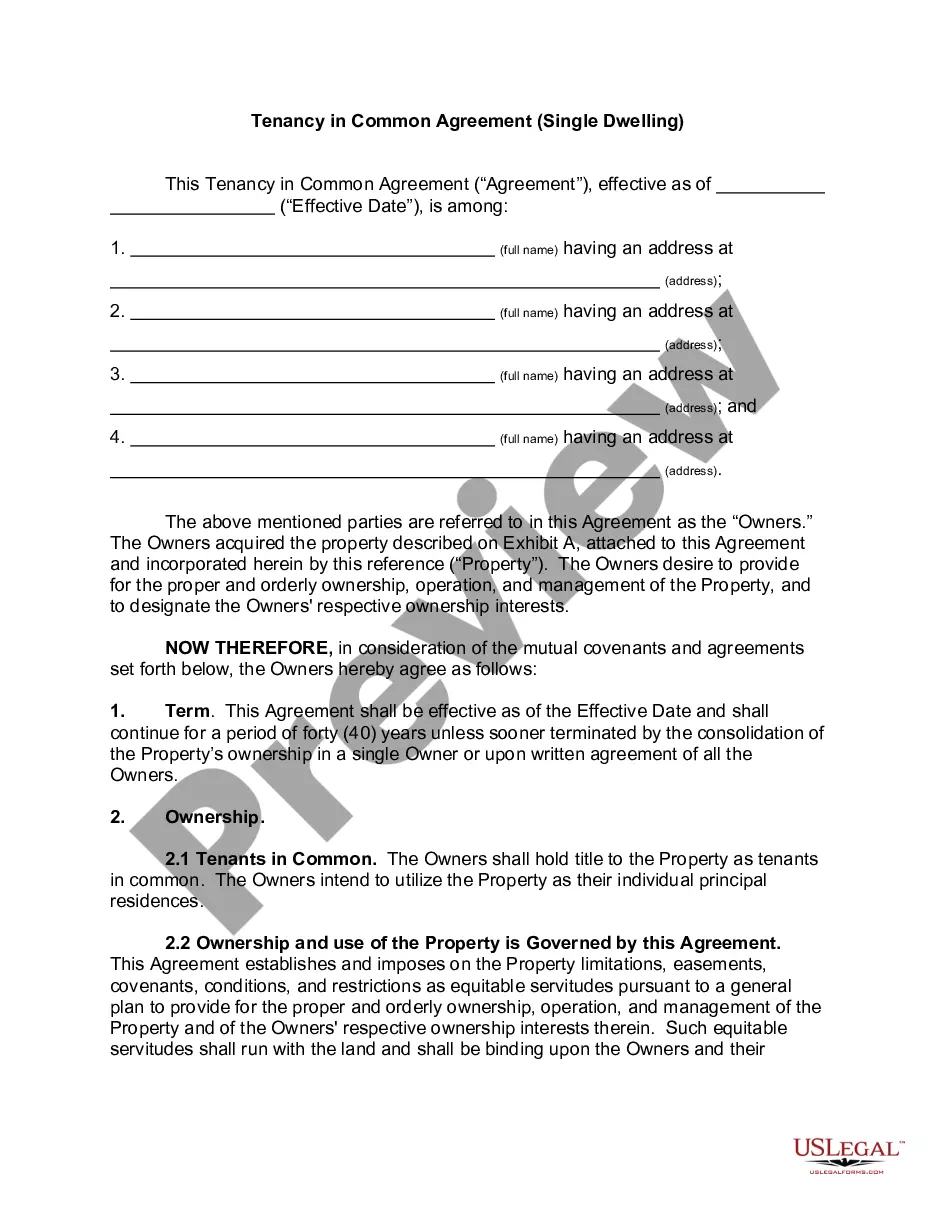
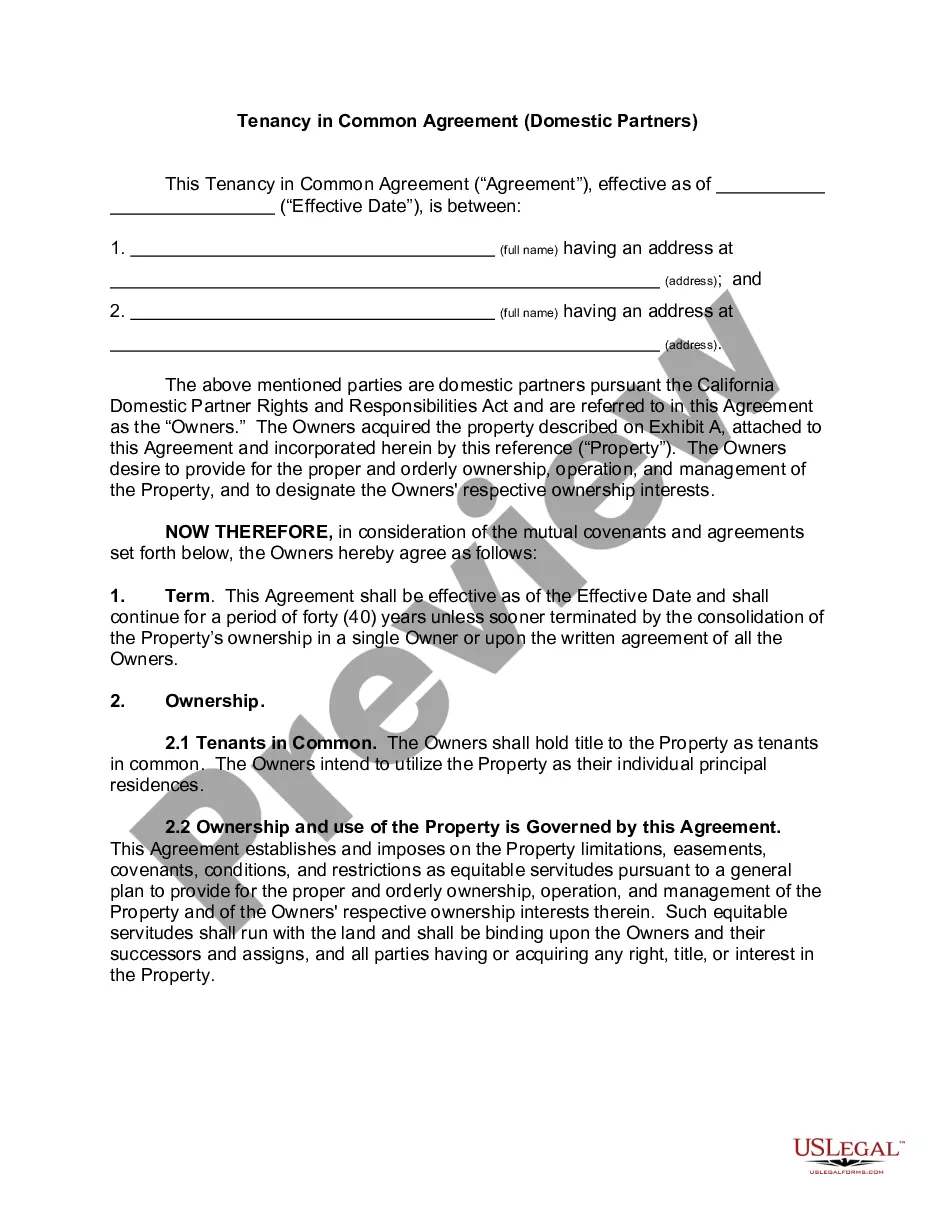
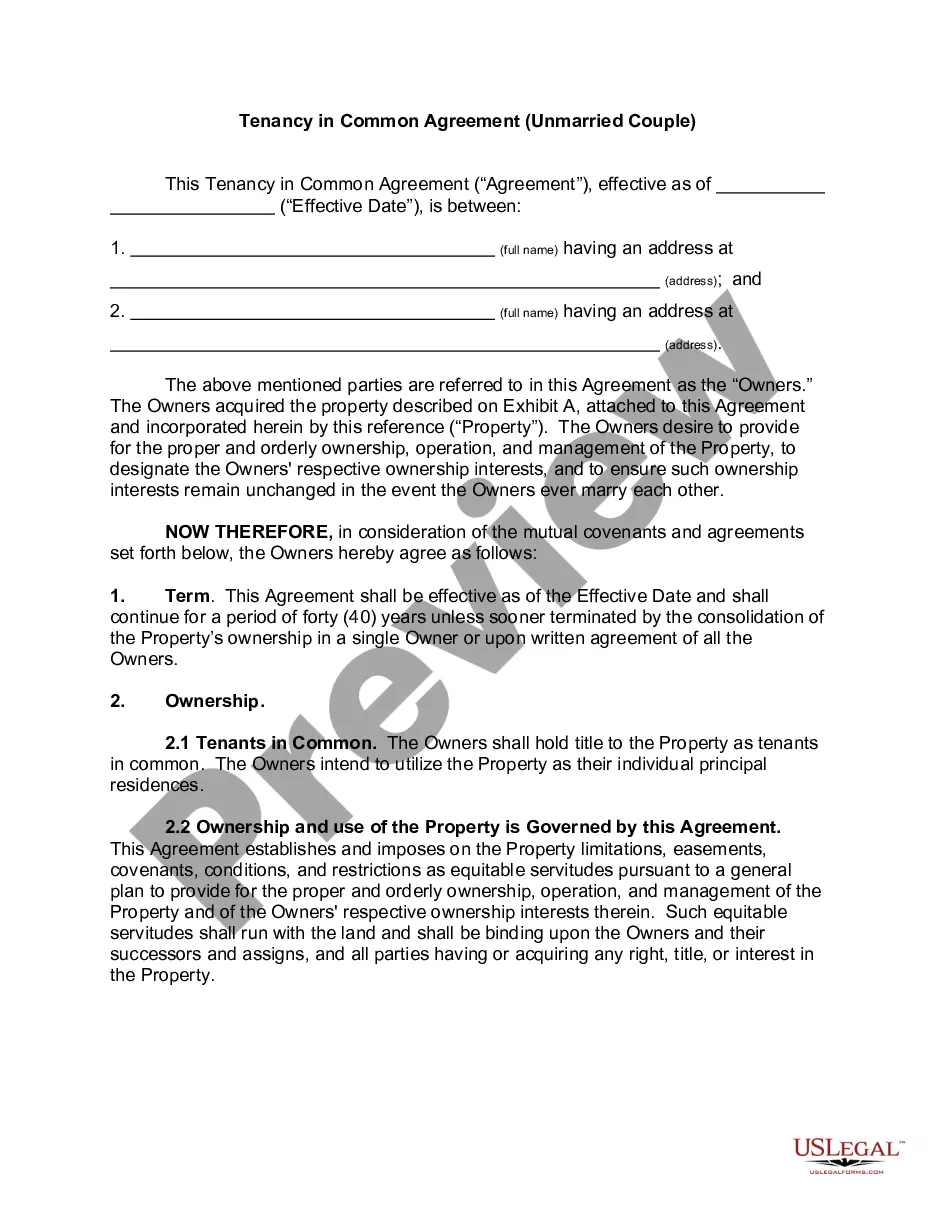
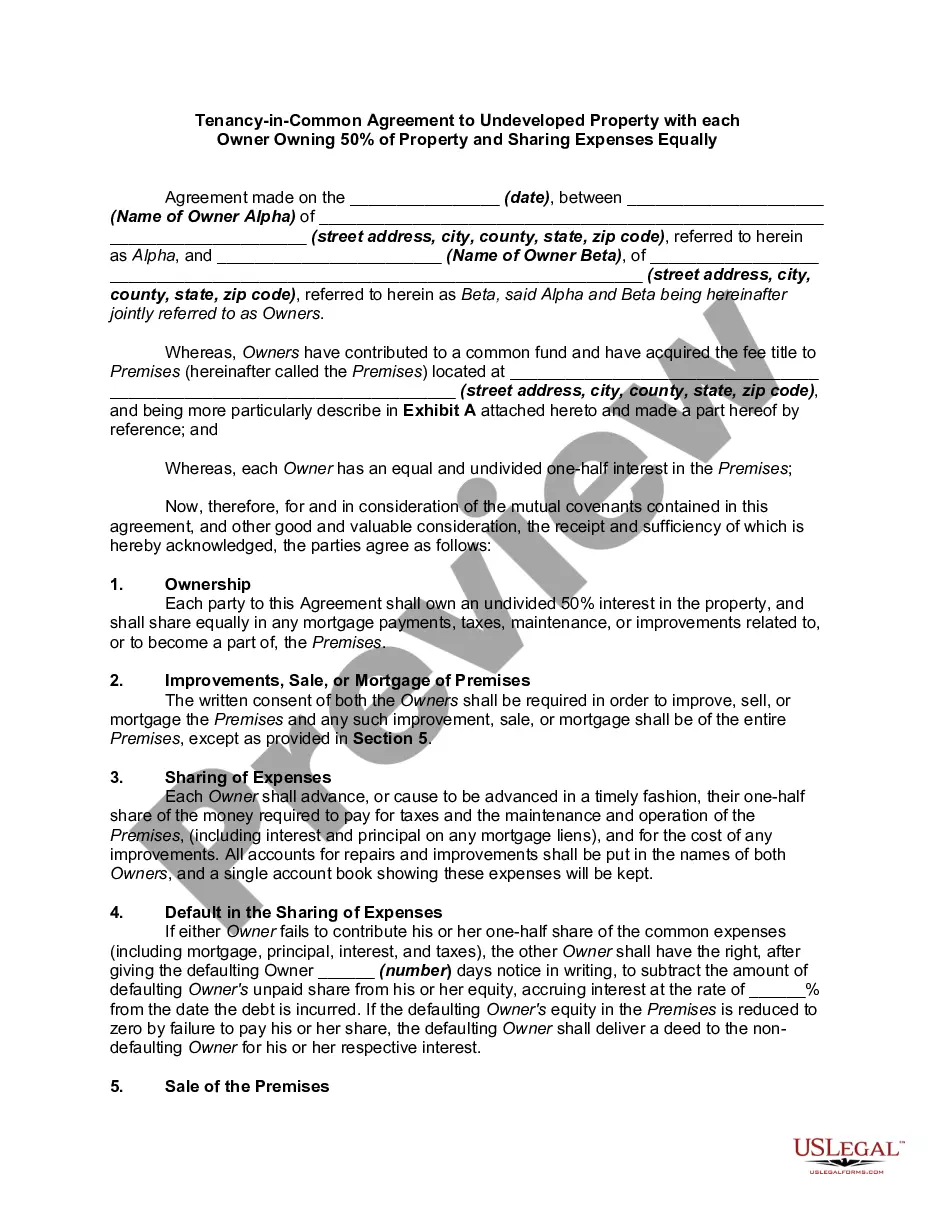
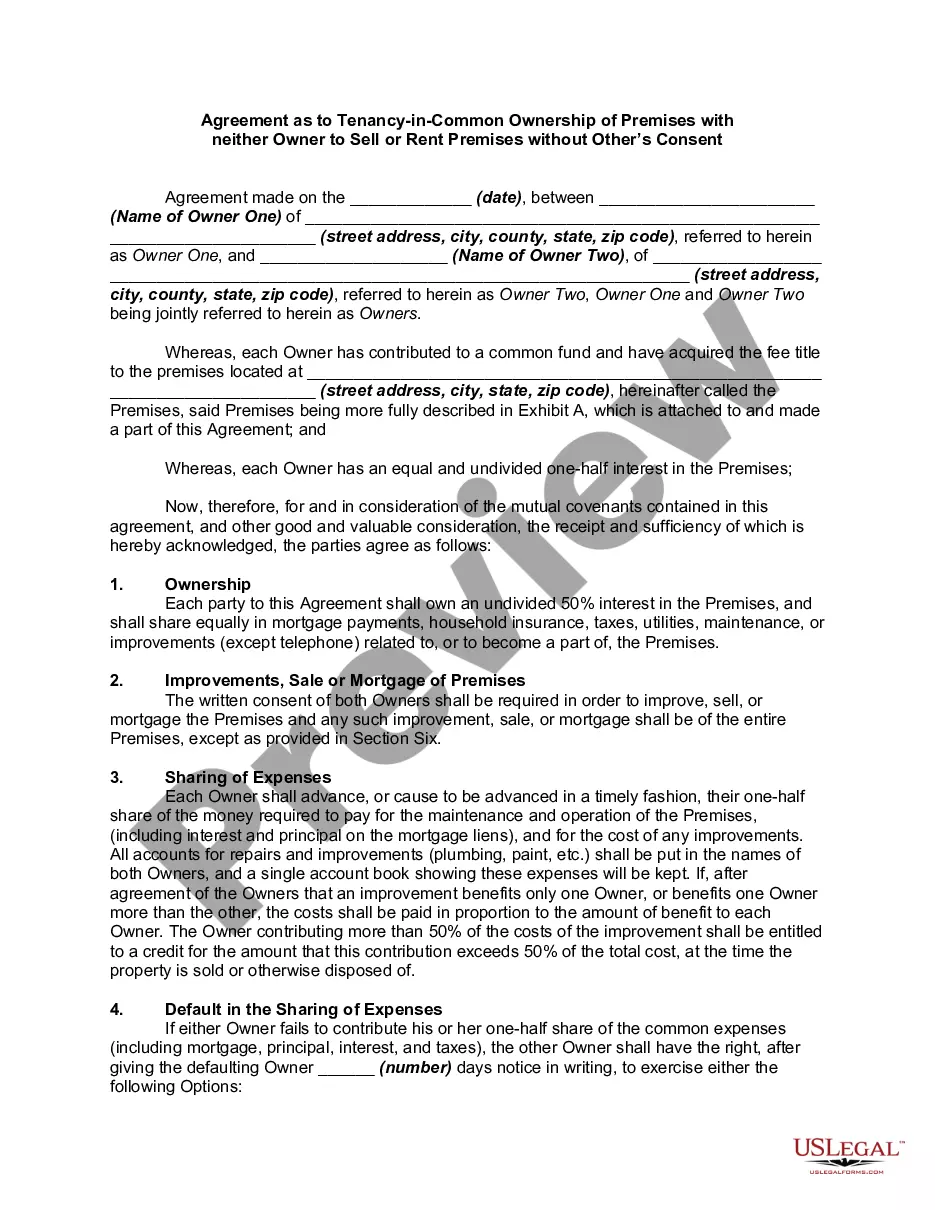
Get your form ready online
Our built-in tools help you complete, sign, share, and store your documents in one place.
Make edits, fill in missing information, and update formatting in US Legal Forms—just like you would in MS Word.
Download a copy, print it, send it by email, or mail it via USPS—whatever works best for your next step.
Sign and collect signatures with our SignNow integration. Send to multiple recipients, set reminders, and more. Go Premium to unlock E-Sign.
If this form requires notarization, complete it online through a secure video call—no need to meet a notary in person or wait for an appointment.
We protect your documents and personal data by following strict security and privacy standards.

Make edits, fill in missing information, and update formatting in US Legal Forms—just like you would in MS Word.

Download a copy, print it, send it by email, or mail it via USPS—whatever works best for your next step.

Sign and collect signatures with our SignNow integration. Send to multiple recipients, set reminders, and more. Go Premium to unlock E-Sign.

If this form requires notarization, complete it online through a secure video call—no need to meet a notary in person or wait for an appointment.

We protect your documents and personal data by following strict security and privacy standards.
Looking for another form?

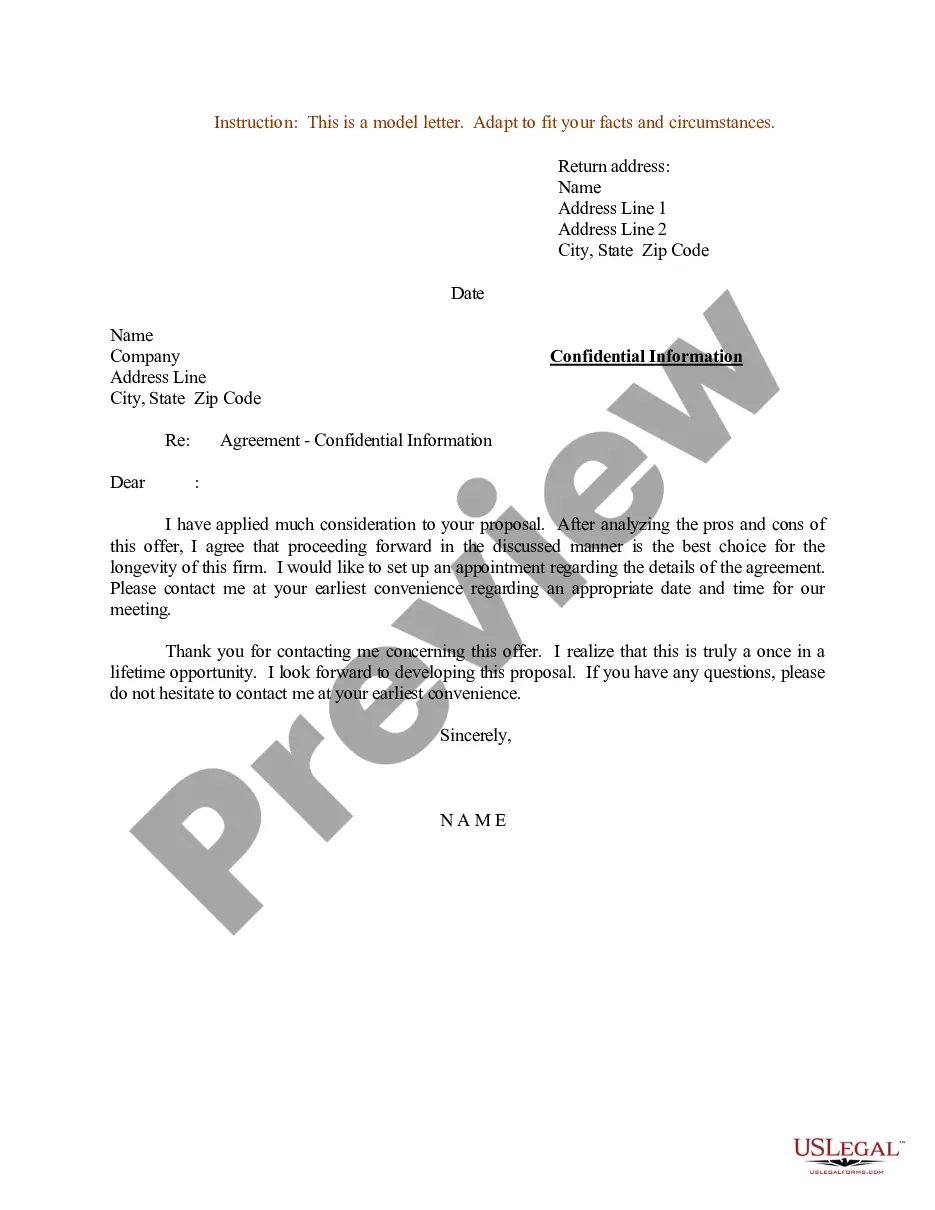
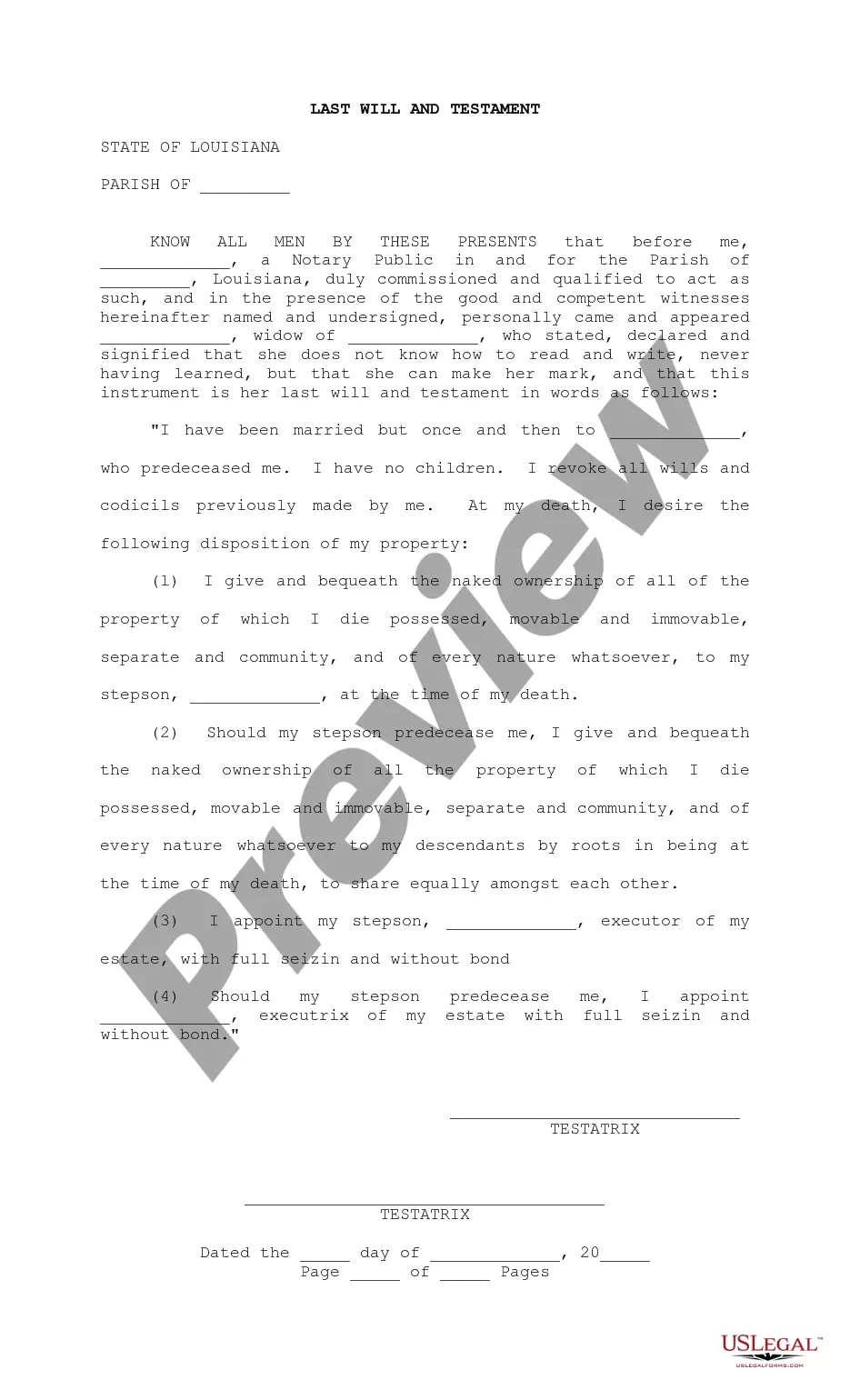






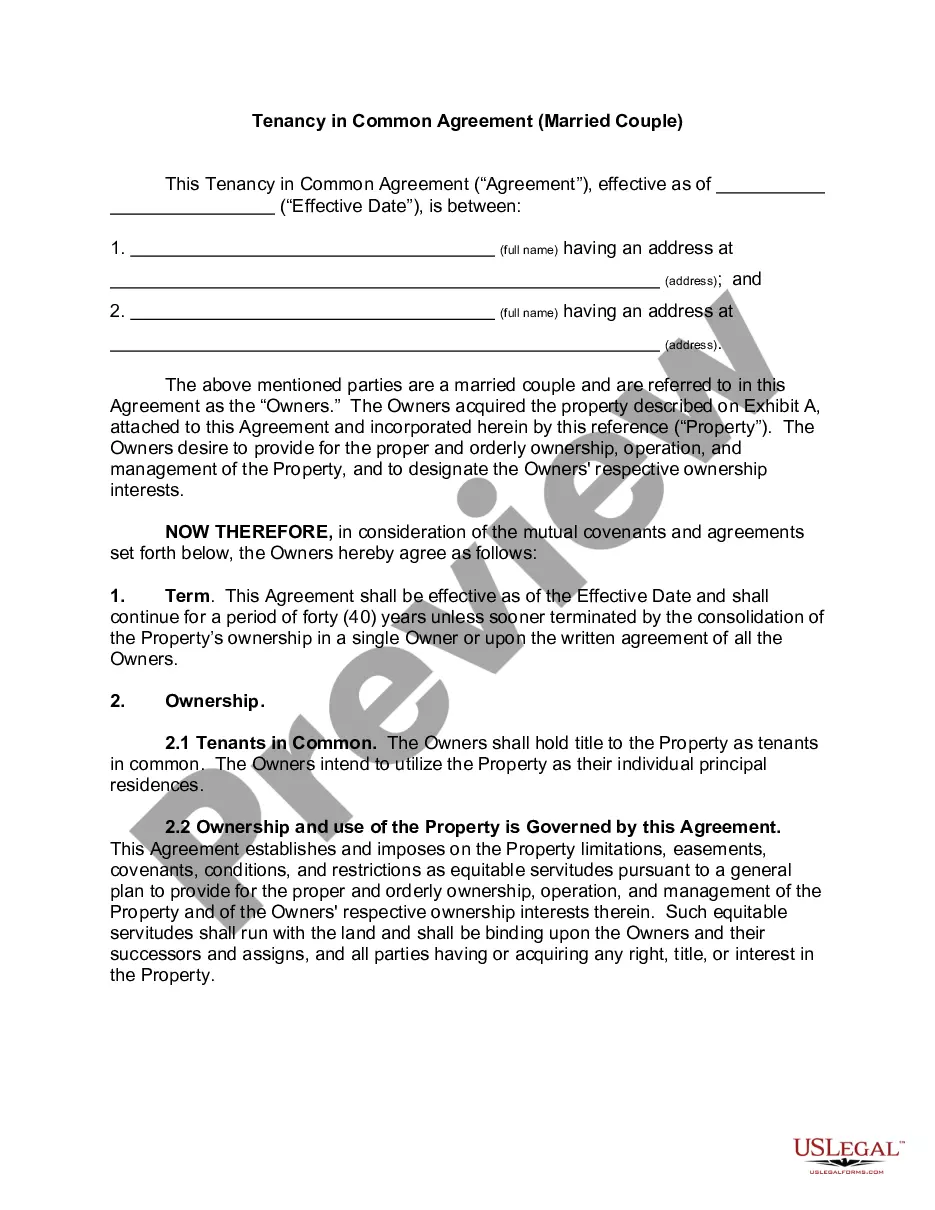
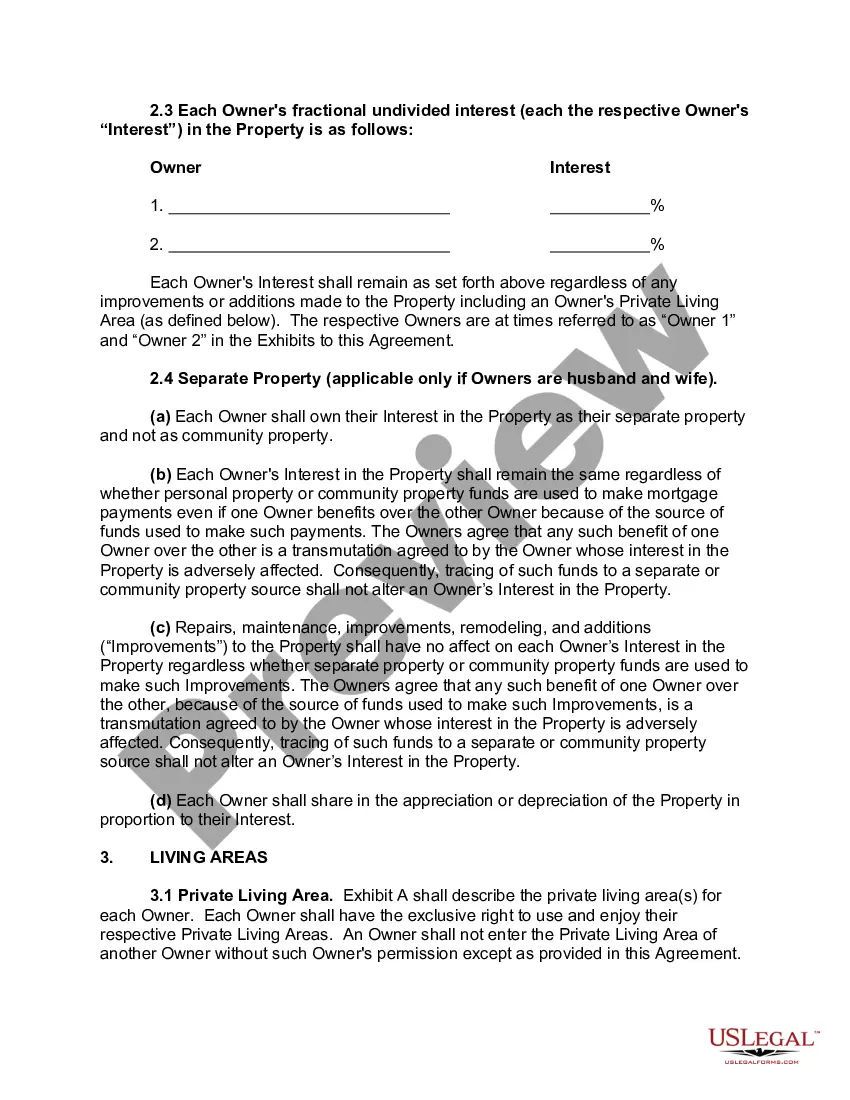
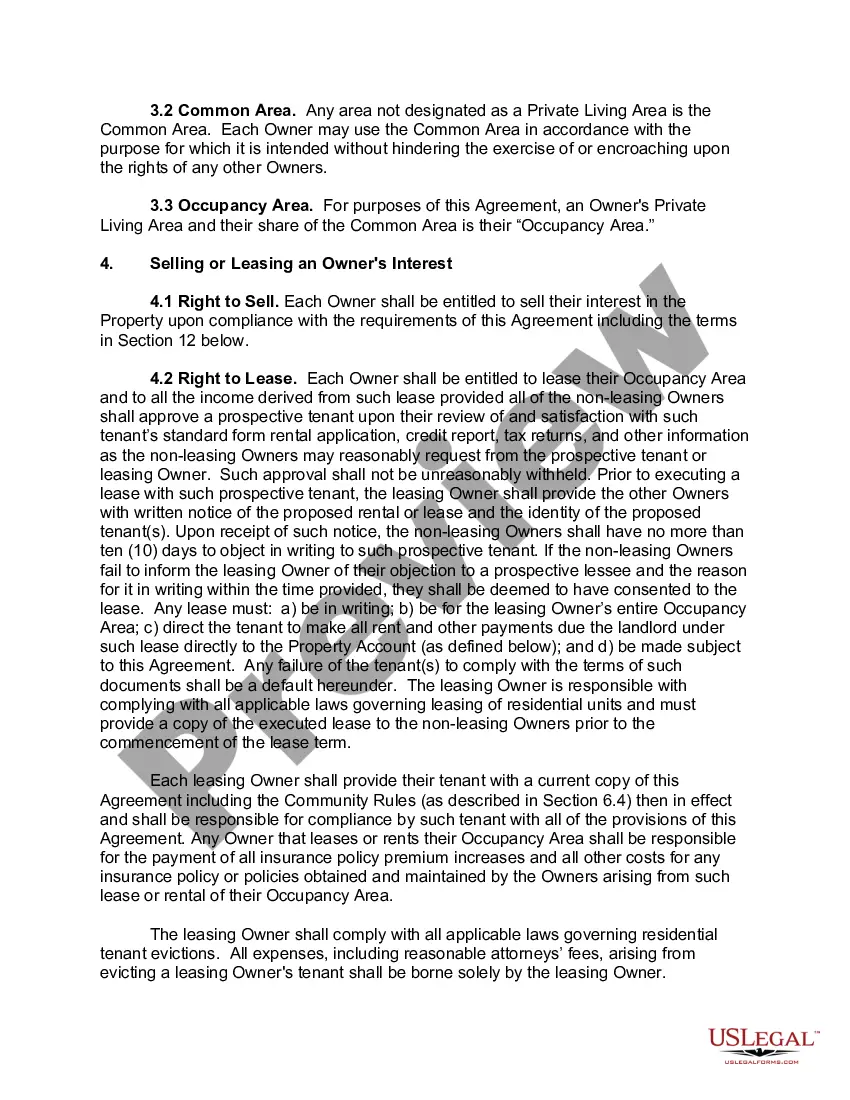
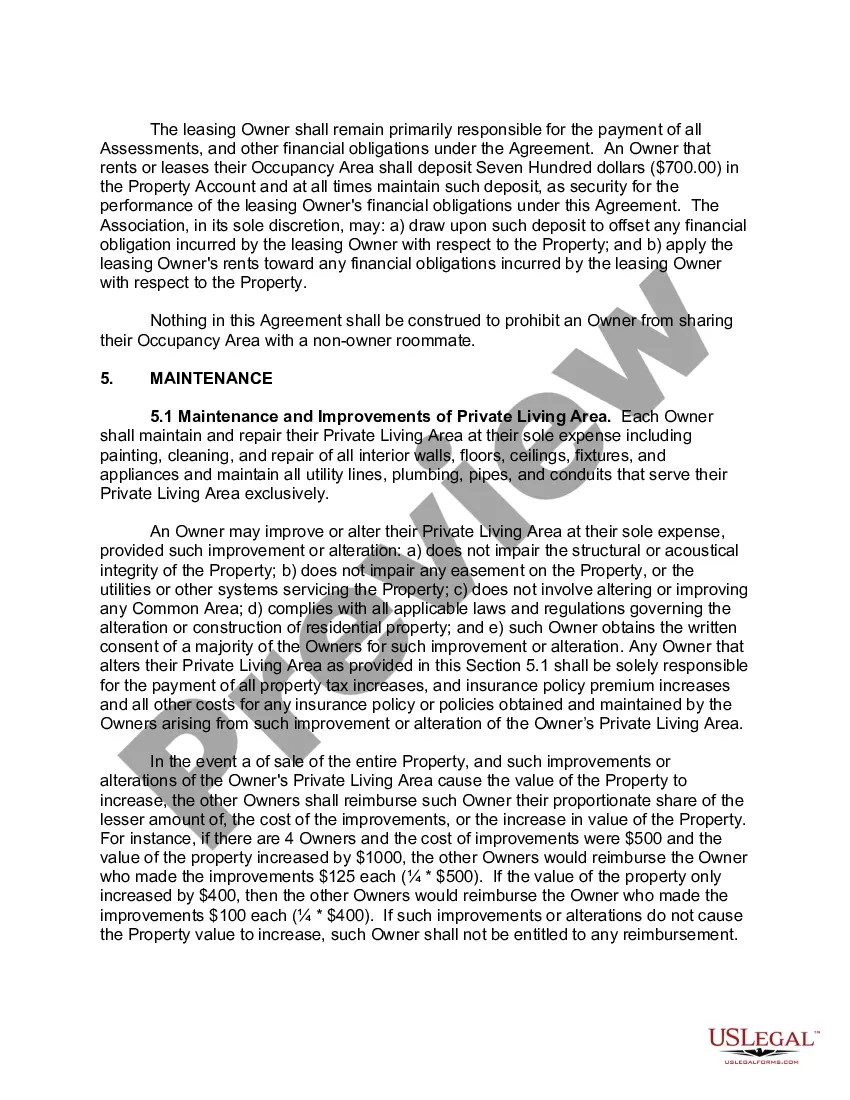
How to fill out California Tenancy In Common Agreement - Single Dwelling - Married Couple?
- If you're a returning user, log in to your account and download the form template directly by clicking the Download button.
- Ensure your subscription is active. If it's expired, renew it according to your payment plan.
- For first-time users, start by checking the Preview mode and form description of the tenancy common agreement to ensure it meets your local jurisdiction requirements.
- If necessary, perform a search using the Search tab to find any additional templates that may fit your needs.
- Once you find the correct form, click the Buy Now button and select your preferred subscription plan, which requires account registration.
- Complete your purchase by entering your credit card details or utilizing your PayPal account to pay for the subscription.
- After your order is confirmed, download the form and save it on your device to access it anytime via the My Forms section in your account.
By leveraging the extensive library offered by US Legal Forms, landlords can confidently create and manage legal documents with ease.
Don't compromise on your legal needs—begin your journey with US Legal Forms today for a seamless document preparation experience!
Form popularity
FAQ
The IRS defines common ownership as a situation where multiple individuals or entities hold an equal or shared interest in a property. For a landlord, understanding this concept is essential when drafting a tenancy common agreement. This agreement outlines the rights and responsibilities of all parties involved, ensuring clarity in usage and management of the property. By utilizing platforms like US Legal Forms, you can easily create a tenant common agreement for landlord situations, promoting a smoother rental experience.
Yes, Georgia recognizes Tenancy in Common as a legal method of property ownership. This arrangement allows your property to be owned by two or more individuals, each with distinct ownership rights. To maximize the benefits and mitigate potential issues, having a comprehensive tenancy common agreement for landlord is essential. It ensures that all owners are on the same page regarding property management and financial responsibilities.
Georgia does recognize the Right of Survivorship, but it is only applicable in Joint Tenancy arrangements, not in Tenancy in Common. This means that, under a Joint Tenancy, if one owner dies, their share automatically passes to the surviving owners. To achieve similar security in a Tenancy in Common, it is essential to include specific language in your tenancy common agreement for landlord to define how ownership will be handled upon each owner’s death.
In Georgia, if one owner of a property held as tenants in common passes away, their share of the property does not automatically transfer to the surviving owner or owners. Instead, the deceased owner’s share will go through probate and be distributed according to their will or the state's laws of intestacy. Creating a well-drafted tenancy common agreement for landlord can help clarify what happens upon the death of any owner, thus preventing future disputes.
Yes, Georgia recognizes tenants in common as a valid form of property ownership. This arrangement allows multiple individuals to own a property jointly, each holding a distinct share. It is vital to establish a tenancy common agreement for landlord to clarify terms of ownership and management. This document helps ensure that all parties understand their rights and obligations under Georgia law.
A Tenancy in Common can be a beneficial arrangement for many landlords, allowing shared ownership of property without the need for a partnership. However, it can also lead to complications, especially if one owner wants to sell their share. It is crucial to have a clear tenancy common agreement for landlord to outline each party’s rights and responsibilities. Understanding potential challenges can help you determine if this arrangement suits your needs.
A tenancy in common deed includes the names of all co-owners and specifies their respective ownership shares. For instance, a deed could state, 'John Smith owns 60% and Jane Doe owns 40% of the property.' This document should be recorded to legalize the arrangement. Having a comprehensive tenancy common agreement for landlords alongside the deed helps solidify the ownership structure.
You can create your own rental agreement, provided it meets state laws and regulations. A customized agreement allows you to address specific needs and preferences, which is beneficial for landlords and tenants alike. Ensure the document is detailed, covering all necessary terms to avoid disputes. Utilizing a tenancy common agreement for landlords can enhance your rental agreement by adding clear ownership terms.
Yes, individuals can hold a bank account as tenants in common. Each person has a right to their share of the funds, reflecting the ownership interests in the property. However, be mindful of the agreements that govern the account to prevent future misunderstandings. A tenancy common agreement for landlords can include financial considerations, ensuring clarity in managing shared assets.
In California, the law allows individuals to hold property as tenants in common. This means each owner has a distinct, undivided interest in the property. Regardless of the percentage ownership, all tenants share the use of the property equally. Understanding a tenancy common agreement for landlords is crucial for establishing clear rights and responsibilities among co-owners.