Right Of Possession Vs Right Of Ownership
Description
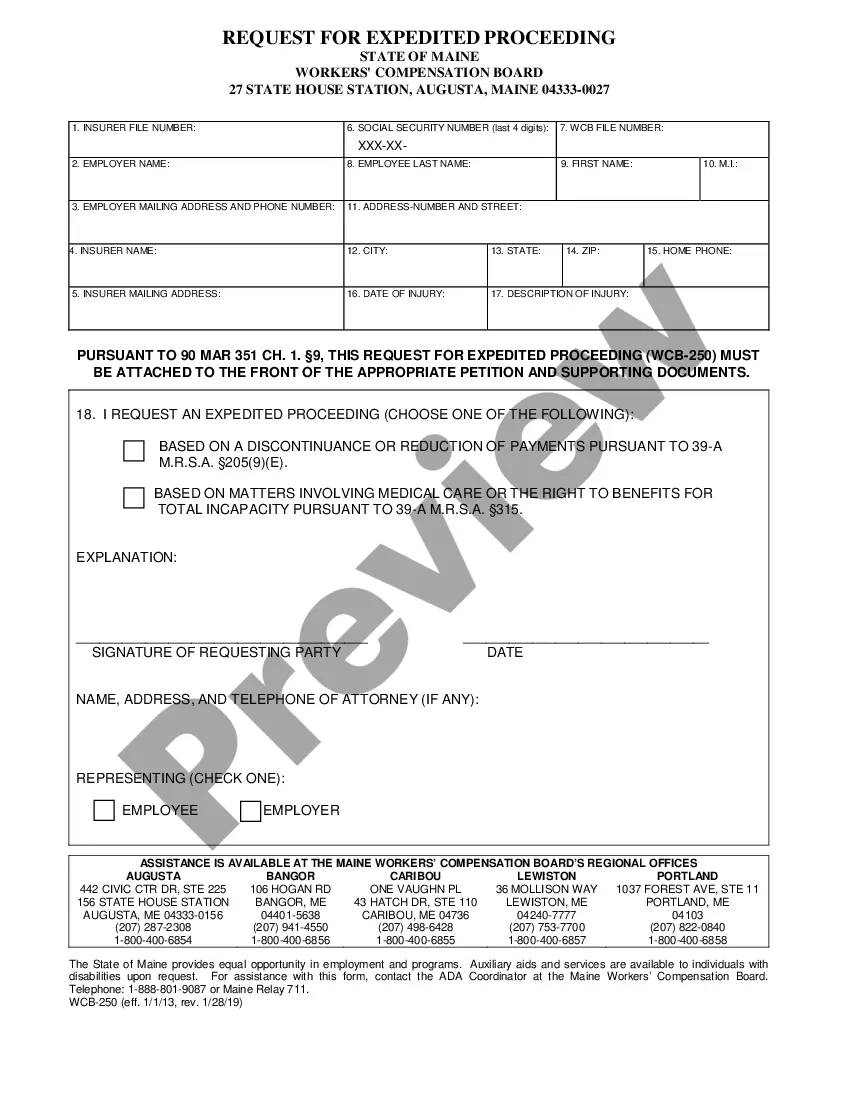
How to fill out California Claim Of Right To Possession - Unofficial Form For Use By Levying Officers In Unlawful Detainer Cases?
Whether for professional endeavors or personal matters, everyone must confront legal situations at some point in their lives. Completing legal paperwork requires meticulous attention, starting with selecting the correct form template. For example, if you choose an incorrect version of a Right Of Possession Vs Right Of Ownership, it will be denied upon submission. Thus, it is vital to find a reliable source of legal documents like US Legal Forms.
If you need to acquire a Right Of Possession Vs Right Of Ownership template, follow these straightforward steps.
With an extensive catalog from US Legal Forms available, you never have to waste time searching for the suitable sample online. Utilize the library’s simple navigation to find the appropriate template for any situation.
- Obtain the sample you require by using the search bar or catalog browsing.
- Review the form’s details to ensure it meets your circumstances, state, and county.
- Click on the form’s preview to inspect it.
- If it is the wrong form, return to the search option to locate the Right Of Possession Vs Right Of Ownership template you need.
- Download the document if it aligns with your requirements.
- If you have a US Legal Forms account, simply click Log in to access previously saved templates in My documents.
- If you do not have an account yet, you can acquire the form by clicking Buy now.
- Choose the appropriate pricing option.
- Fill out the profile registration form.
- Select your payment method: you can use a credit card or PayPal account.
- Choose the document format you prefer and download the Right Of Possession Vs Right Of Ownership.
- Once it is saved, you can complete the form using editing software or print it and finish it by hand.
Form popularity
FAQ
The right of possession refers to an individual's legal authority to hold or occupy a property. Unlike the right of ownership, which grants full rights to the property, the right of possession may not convey ownership. This means you can control or use the property, but another party may still hold the title. Understanding the differences between the right of possession and the right of ownership can help clarify your legal standing.
Owning and possessing are not the same. Ownership implies legal rights and responsibilities, while possession refers to physical control, regardless of ownership status. Understanding this distinction is vital in the exploration of right of possession vs right of ownership, especially when navigating legal matters concerning property.
An example of the right of possession can be seen when a tenant rents an apartment. The tenant possesses the property for the duration of the lease, although the landlord retains ownership. This scenario illustrates the nuanced relationship between the right of possession vs right of ownership, emphasizing how rights can be shared.
Ownership relates to having legal title to a property, while possession involves having physical control of that property. These concepts are interconnected but not synonymous, which is essential in the discussion of right of possession vs right of ownership. Clarifying these terms can aid in resolving conflicts regarding property rights.
Possession rights allow an individual to control or use an asset, while ownership rights confer legal title and authority over it. In essence, you can possess something without owning it, which highlights the importance of understanding the right of possession vs right of ownership. This knowledge can help you navigate legal situations involving property disputes.
Possession does not automatically prove ownership. While having physical control of an asset may suggest ownership, legal rights can differ. This distinction is vital when exploring the right of possession vs right of ownership, as one can possess an item without being the rightful owner.
The right of ownership refers to the legal authority one has over a property or asset. This includes the ability to use, sell, or lease the property as desired. Understanding the right of ownership is crucial when discussing the right of possession vs right of ownership, as ownership grants comprehensive control over the item.