Non Disclosure Agreement For Resigned Employee
Description

Get your form ready online
Our built-in tools help you complete, sign, share, and store your documents in one place.
Make edits, fill in missing information, and update formatting in US Legal Forms—just like you would in MS Word.
Download a copy, print it, send it by email, or mail it via USPS—whatever works best for your next step.
Sign and collect signatures with our SignNow integration. Send to multiple recipients, set reminders, and more. Go Premium to unlock E-Sign.
If this form requires notarization, complete it online through a secure video call—no need to meet a notary in person or wait for an appointment.
We protect your documents and personal data by following strict security and privacy standards.

Make edits, fill in missing information, and update formatting in US Legal Forms—just like you would in MS Word.

Download a copy, print it, send it by email, or mail it via USPS—whatever works best for your next step.

Sign and collect signatures with our SignNow integration. Send to multiple recipients, set reminders, and more. Go Premium to unlock E-Sign.

If this form requires notarization, complete it online through a secure video call—no need to meet a notary in person or wait for an appointment.

We protect your documents and personal data by following strict security and privacy standards.
Looking for another form?



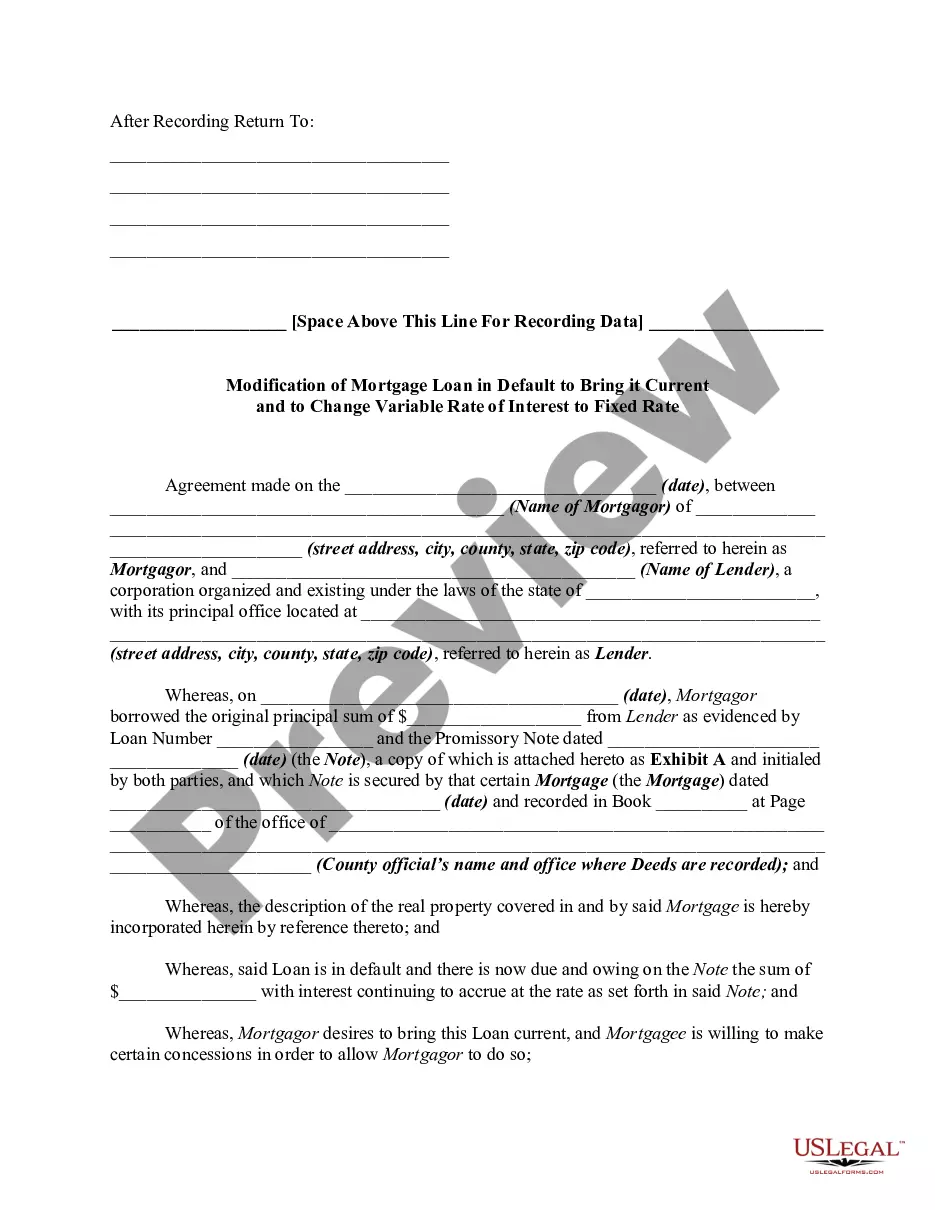

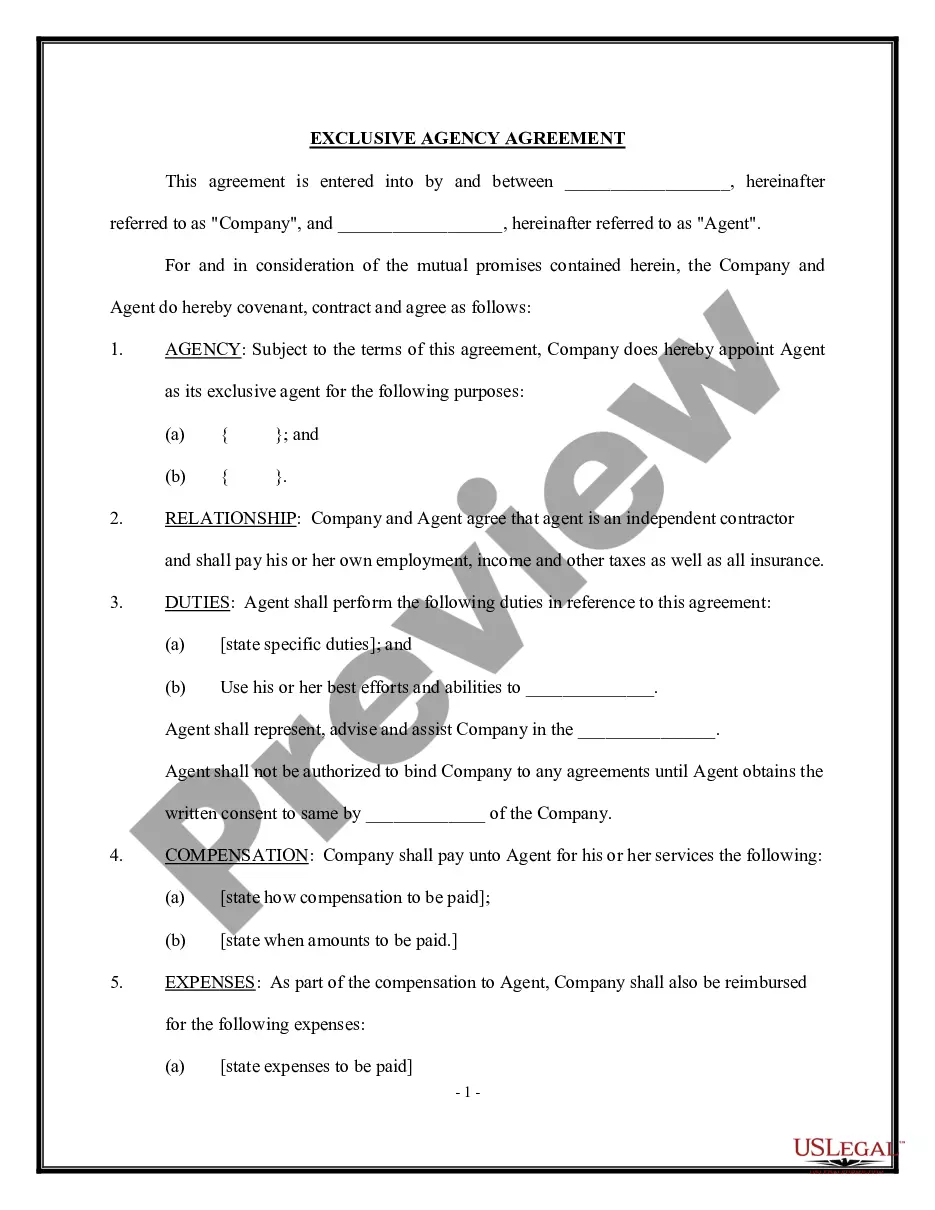



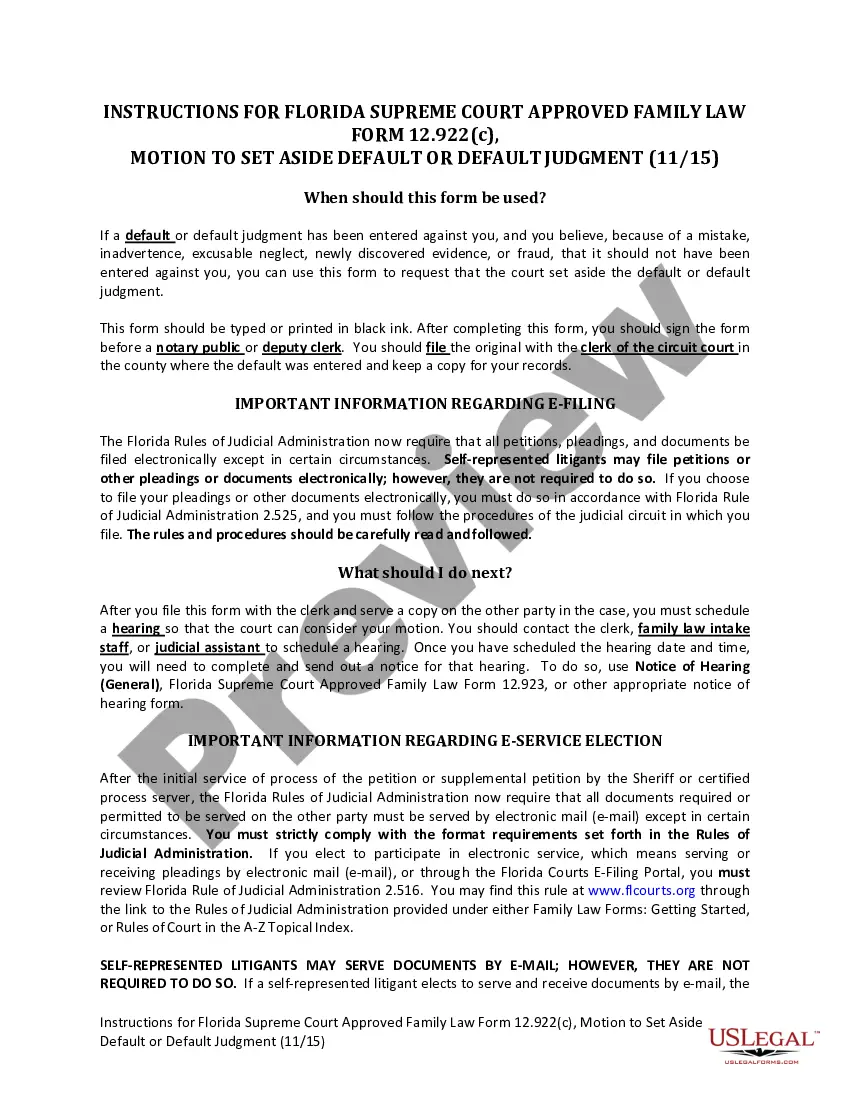
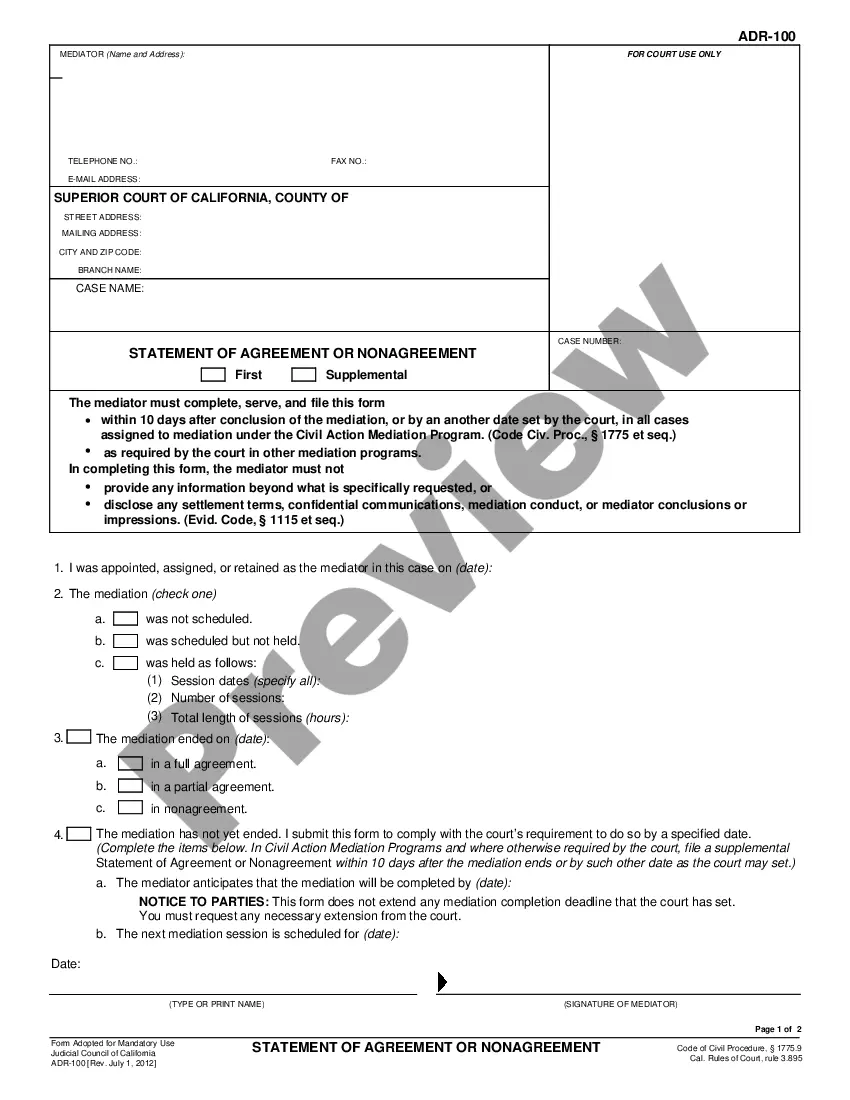
How to fill out California Statement Of Agreement Of Nonagreement?
Individuals typically connect legal documentation with something complex that only a professional can manage.
In one sense, this is accurate, as formulating a Non Disclosure Agreement For Resigned Employee necessitates significant knowledge in subject matter, encompassing state and county statutes.
However, with US Legal Forms, the process has been simplified: pre-prepared legal documents for any life and business event tailored to state regulations are compiled in a single online directory and are currently accessible to everyone.
All templates in our catalog are reusable: once purchased, they remain stored in your profile. You can access them whenever required via the My documents tab. Discover all the advantages of using the US Legal Forms platform. Subscribe now!
- US Legal Forms provides over 85,000 current forms categorized by state and area of use, making the search for a Non Disclosure Agreement For Resigned Employee or any specific template a matter of minutes.
- Previously registered members with a valid membership are required to Log In to their account and click Download to acquire the form.
- New users must first register for an account and subscribe before they can save any documents.
- Here is the step-by-step guide on obtaining the Non Disclosure Agreement For Resigned Employee.
- Review the page content carefully to ensure it meets your requirements.
- Examine the form description or confirm it through the Preview option.
- If the previous template is unsatisfactory, search for another sample using the Search bar above.
- Click Buy Now when you find the appropriate Non Disclosure Agreement For Resigned Employee.
- Select a pricing plan that fits your needs and budget.
- Create an account or Log In to proceed to the payment page.
- Complete your subscription payment via PayPal or with your credit card.
- Select the file format and click Download.
- Print your document or upload it to an online editor for quicker completion.
Form popularity
FAQ
How to Write a Non-Disclosure AgreementStep 1 - Describe the scope. Which information is considered confidential?Step 2 - Detail party obligations. What should the party that receives the information do to keep it confidential?Step 3 - Note potential exclusions.Step 4 - Set the term.Step 5 - Spell out consequences.
Generally, an effective confidentiality statement example must include these basic parts:The definition of confidential information.The parties involved.The reason the recipient received the information.Any limitations or exclusions on confidential information.The obligations of the receiving party.Term or time frame.More items...
How do I write a Non-Disclosure Agreement?Contact information for the parties involved.Details about the confidential information that needs protection.Permitted uses of the confidential information by the recipient.Time restrictions for keeping information confidential.Reason for disclosure.
Look for language like the disclosing party and the receiving party or both parties as opposed to one-sided language with noticeably absent requirements from the other side. If the NDA is intended to bind only one party, you should walk into that arrangement with eyes wide open.
How do I write a Non-Disclosure Agreement?Contact information for the parties involved.Details about the confidential information that needs protection.Permitted uses of the confidential information by the recipient.Time restrictions for keeping information confidential.Reason for disclosure.
