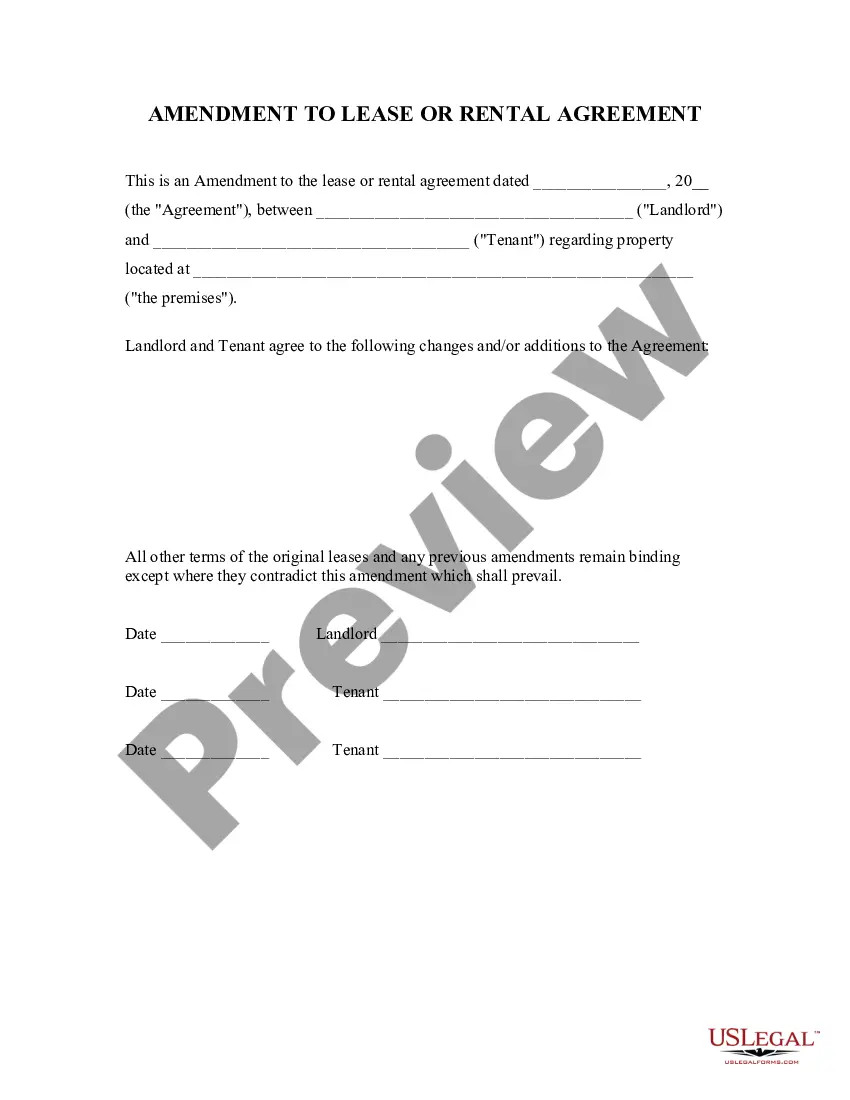
Rental Amendment
Description
Get your form ready online
Our built-in tools help you complete, sign, share, and store your documents in one place.
Make edits, fill in missing information, and update formatting in US Legal Forms—just like you would in MS Word.
Download a copy, print it, send it by email, or mail it via USPS—whatever works best for your next step.
Sign and collect signatures with our SignNow integration. Send to multiple recipients, set reminders, and more. Go Premium to unlock E-Sign.
If this form requires notarization, complete it online through a secure video call—no need to meet a notary in person or wait for an appointment.
We protect your documents and personal data by following strict security and privacy standards.

Make edits, fill in missing information, and update formatting in US Legal Forms—just like you would in MS Word.

Download a copy, print it, send it by email, or mail it via USPS—whatever works best for your next step.

Sign and collect signatures with our SignNow integration. Send to multiple recipients, set reminders, and more. Go Premium to unlock E-Sign.

If this form requires notarization, complete it online through a secure video call—no need to meet a notary in person or wait for an appointment.

We protect your documents and personal data by following strict security and privacy standards.
Looking for another form?








How to fill out California Amendment To Lease Or Rental Agreement?
Acquiring legal documents that comply with federal and state regulations is essential, and the web provides a plethora of choices to select from.
However, what is the use of spending time searching for the properly prepared Rental Amendment example online when the US Legal Forms digital library already contains such documents organized in one location.
US Legal Forms is the largest online legal resource with over 85,000 editable documents created by attorneys for various professional and personal situations.
Review the template using the Preview function or through the textual description to verify it suits your requirements.
- They are easy to navigate with all files organized by state and intended use.
- Our experts keep pace with legal updates, ensuring your documents are current and compliant when obtaining a Rental Amendment from our platform.
- Acquiring a Rental Amendment is quick and straightforward for both existing and new users.
- If you already possess an account with an active subscription, Log In and download the document template you need in the desired format.
- If you are a newcomer to our site, follow the instructions below.
Form popularity
FAQ
To add an amendment to a lease, first determine the changes you wish to make. Write clear statements outlining each amendment in a formal document. After completing the rental amendment, have both you and your landlord sign it to validate the modifications to the lease.
To add a lease amendment, follow a clear process of drafting the changes you want. Use simple language to explain the modifications and include important details. After you create the rental amendment, ensure that it is signed by both the landlord and the tenant to make it effective.
To add an amendment to an agreement, draft a document that specifies the change. Include the names of both parties and clearly describe the alterations in the rental amendment. Ensure that both parties sign the document for it to be valid and enforceable.
When requesting a lease amendment from your landlord, start with a polite conversation or written request. Clearly state the reasons for your needed changes, such as a rent adjustment or the addition of a roommate. Presenting a well-prepared rental amendment can help facilitate a productive discussion.
Typically, a lease amendment does not require notarization, but this can vary by state. It is important to check local laws to confirm if notarization is necessary for your rental amendment. Regardless, having a notary might offer extra protection for both parties.
To amend a lease, both the landlord and tenant must agree to the changes. First, clearly outline the desired modifications in writing, ensuring both parties understand the implications. After drafting the rental amendment, both parties should sign the document to make it legally binding.
An amendment in a contract signifies a formal change agreed upon by all parties involved. It can refine terms, add new conditions, or remove existing clauses to better suit the relationship and expectations. For effective changes, using a rental amendment can streamline this process and provide clear documentation of agreements.
A rent amendment specifically adjusts the rental payment terms in a lease agreement. It can raise or lower rent, or alter payment dates, depending on the situation. Implementing a rent amendment ensures that both parties agree on financial obligations moving forward.
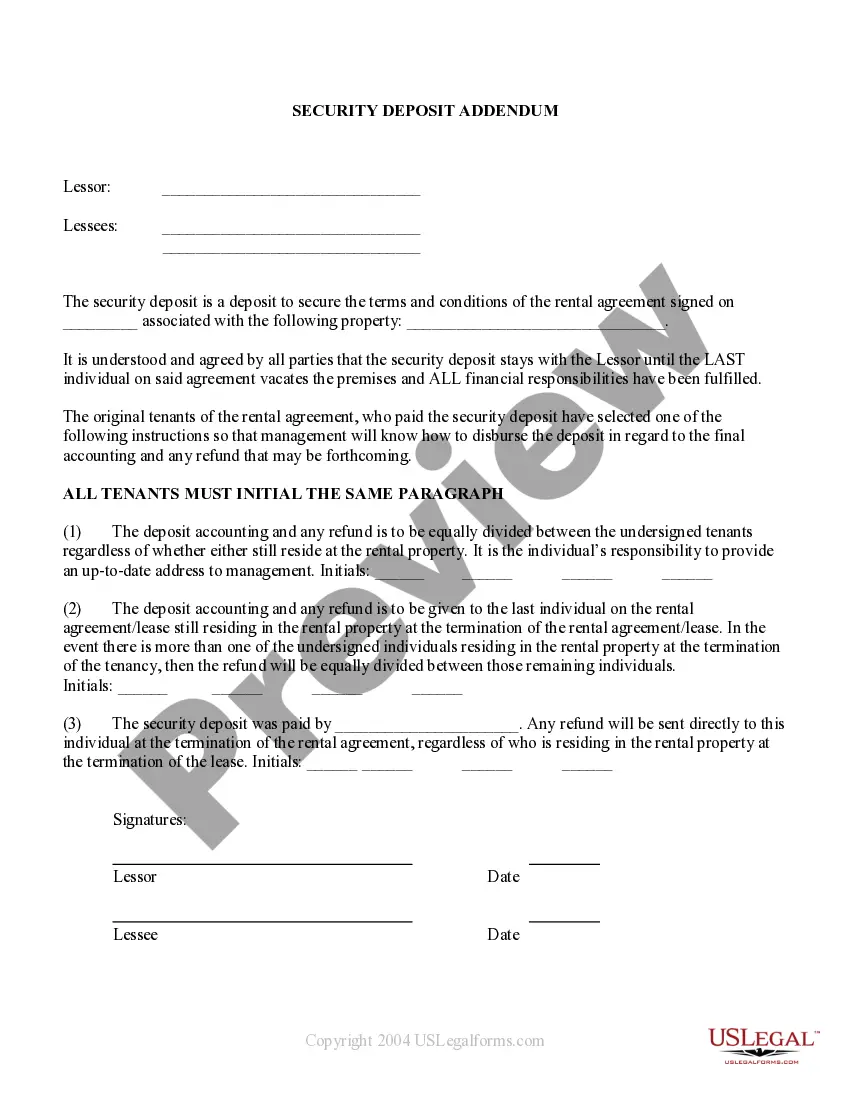
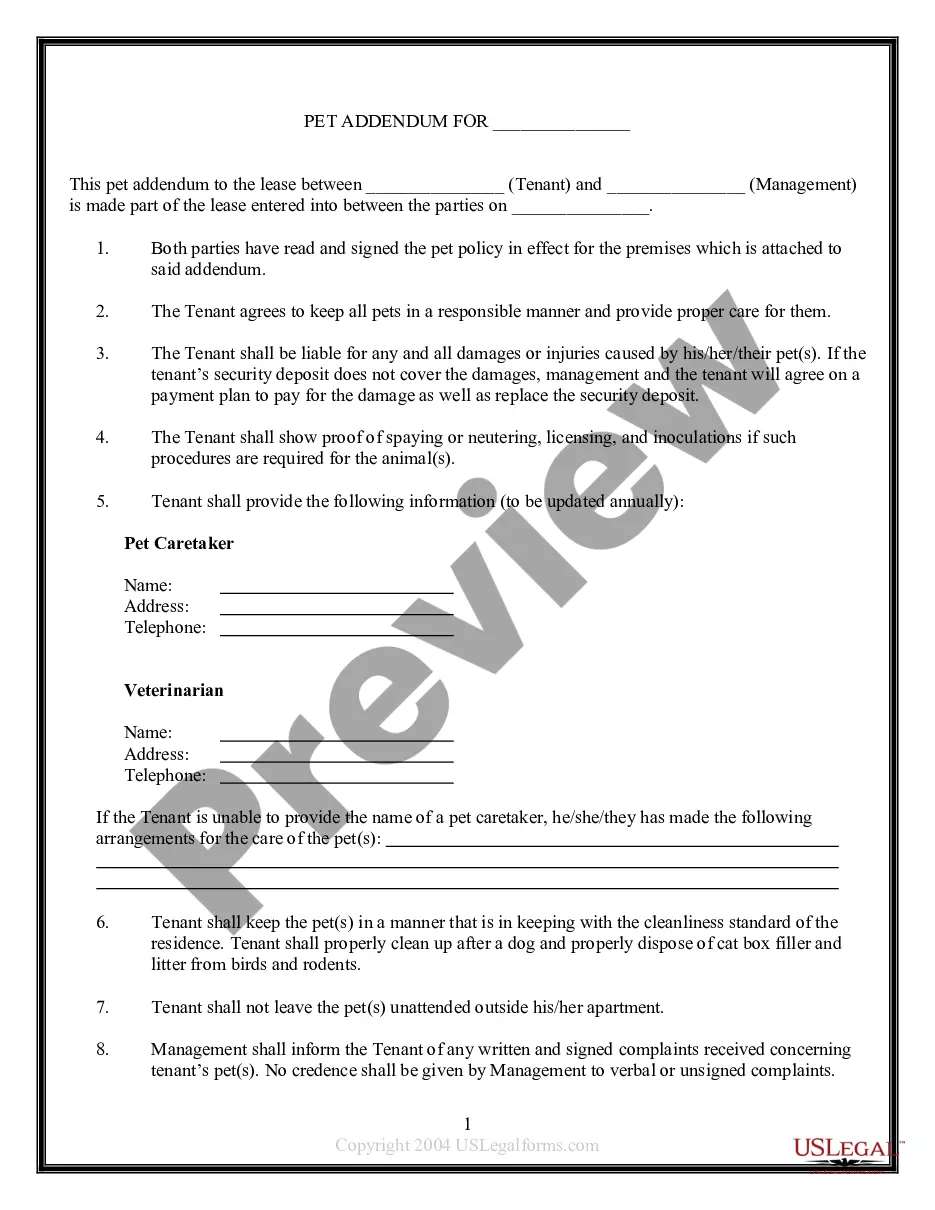
A lease addendum adds new terms or conditions to the original lease without altering existing terms, while an amendment changes existing provisions of the lease. Both tools serve important purposes in managing rental agreements. Whether you need to change or add terms, understanding these differences, such as through a rental amendment, can keep your contract clear and effective.
A tenancy amendment refers to changes made to the tenancy terms outlined in a rental contract. This could include adjustments to the rental period, payment methods, or tenant responsibilities. By using a tenancy amendment, both landlords and renters can ensure that the lease accurately reflects current living arrangements.