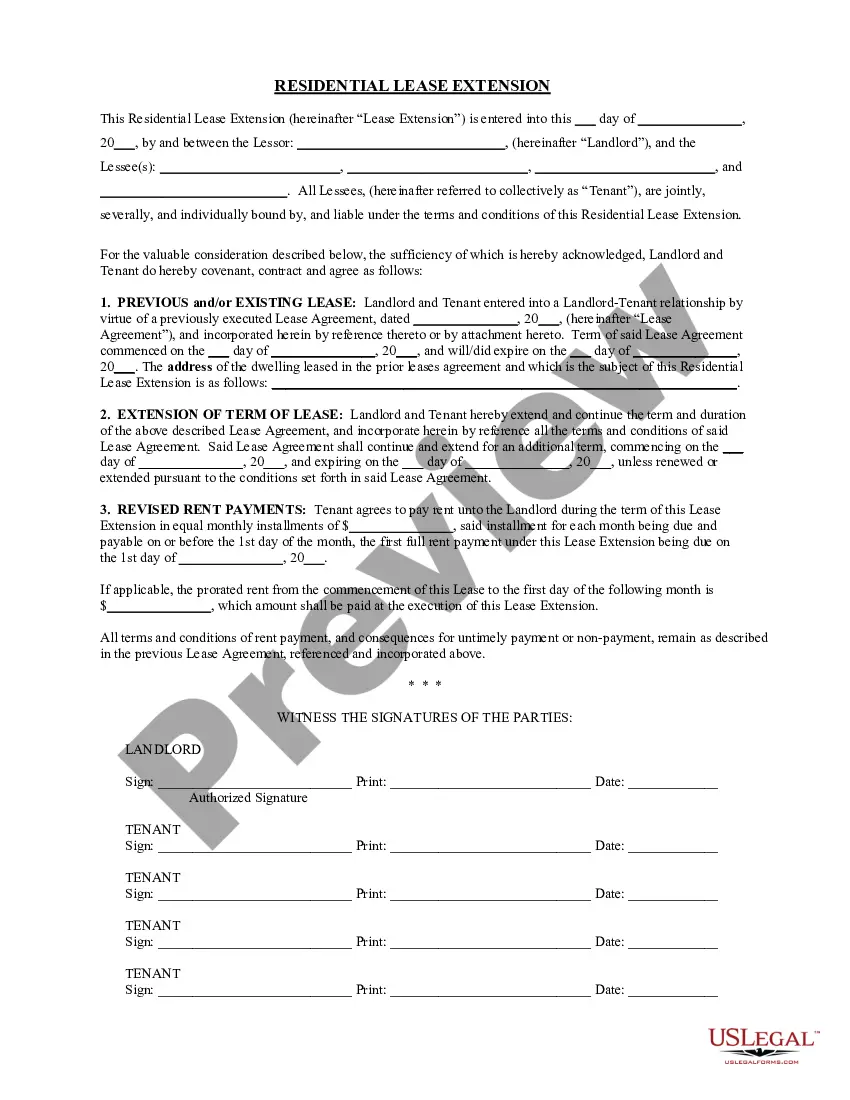
Residential Rental Lease Agreement With Utilities
Description
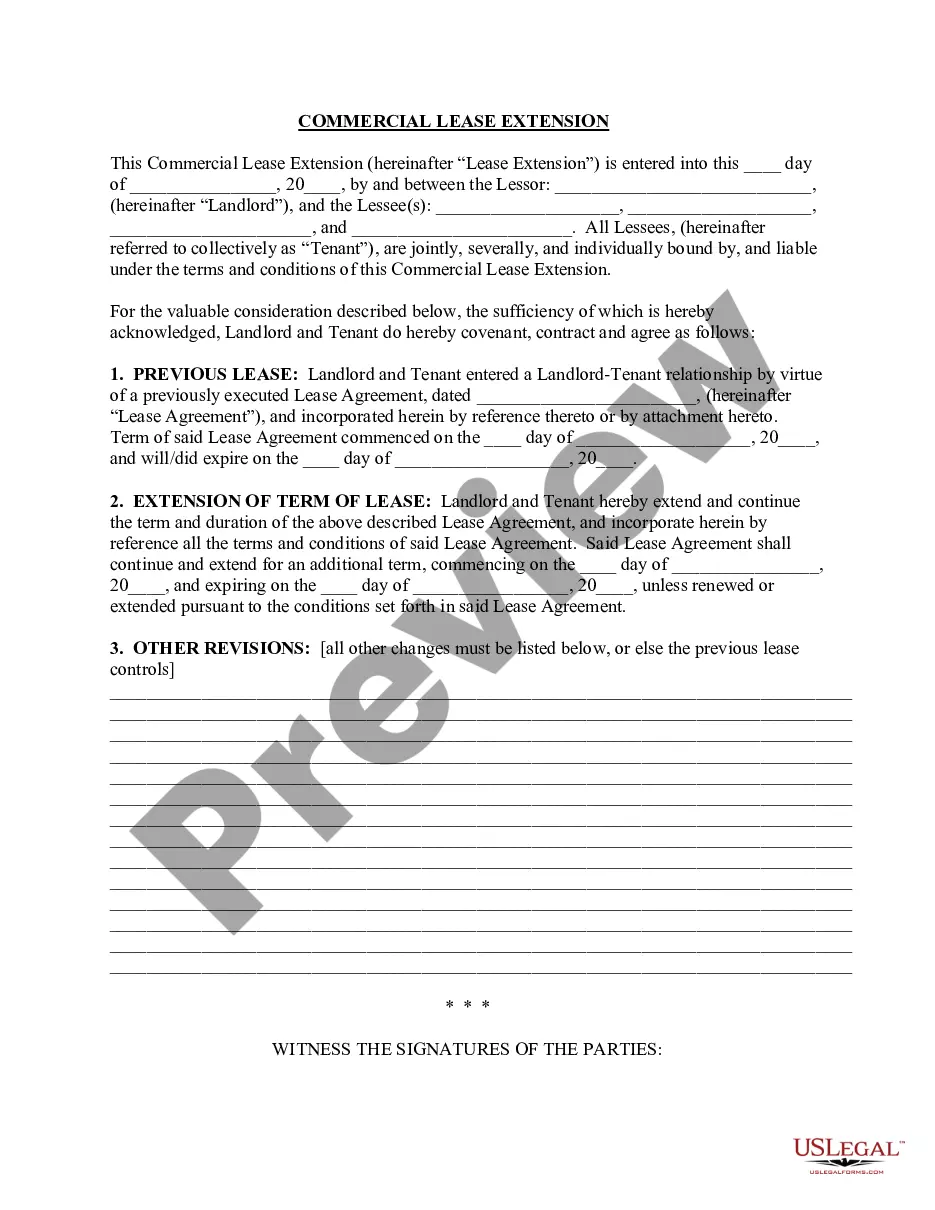
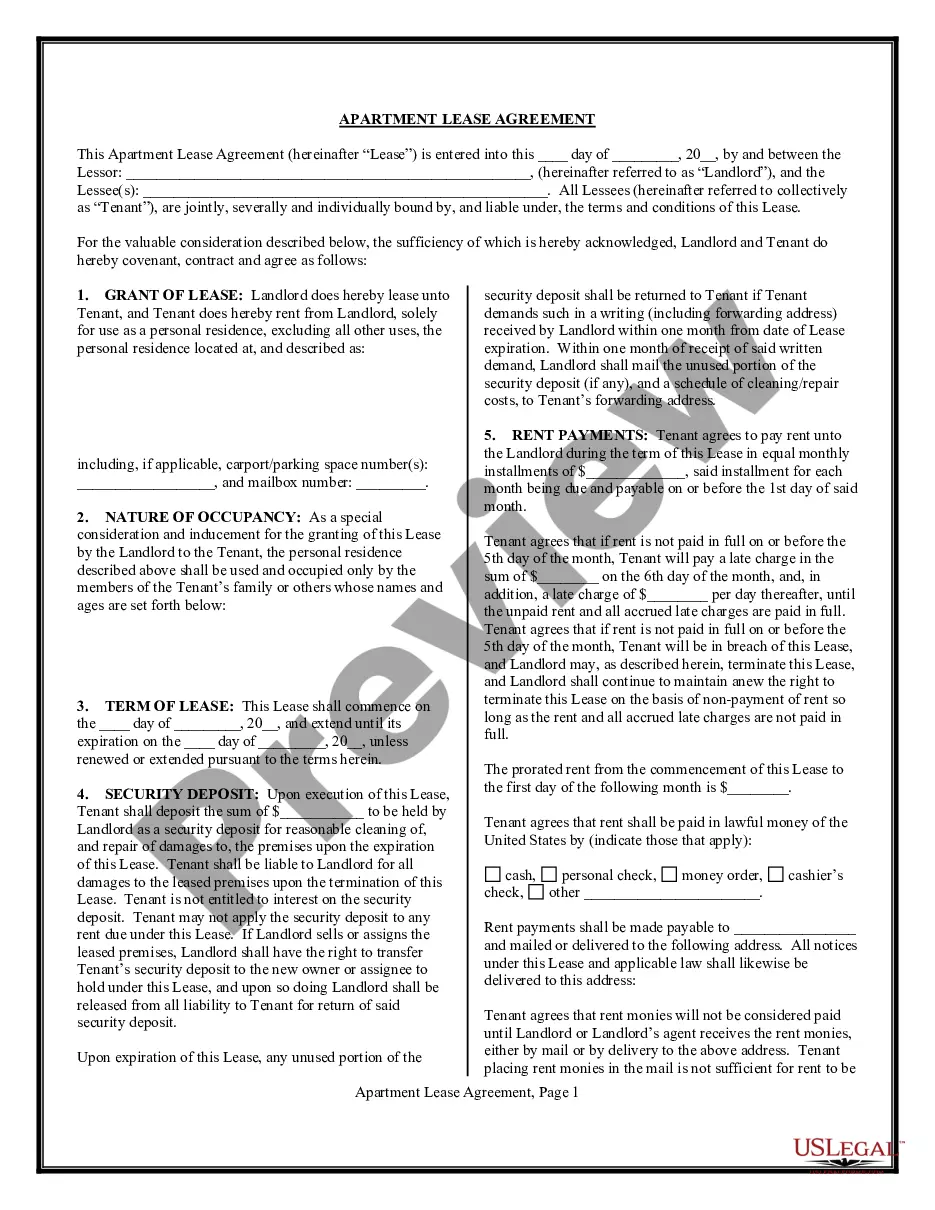
Get your form ready online
Our built-in tools help you complete, sign, share, and store your documents in one place.
Make edits, fill in missing information, and update formatting in US Legal Forms—just like you would in MS Word.
Download a copy, print it, send it by email, or mail it via USPS—whatever works best for your next step.
Sign and collect signatures with our SignNow integration. Send to multiple recipients, set reminders, and more. Go Premium to unlock E-Sign.
If this form requires notarization, complete it online through a secure video call—no need to meet a notary in person or wait for an appointment.
We protect your documents and personal data by following strict security and privacy standards.

Make edits, fill in missing information, and update formatting in US Legal Forms—just like you would in MS Word.

Download a copy, print it, send it by email, or mail it via USPS—whatever works best for your next step.

Sign and collect signatures with our SignNow integration. Send to multiple recipients, set reminders, and more. Go Premium to unlock E-Sign.

If this form requires notarization, complete it online through a secure video call—no need to meet a notary in person or wait for an appointment.

We protect your documents and personal data by following strict security and privacy standards.
Looking for another form?
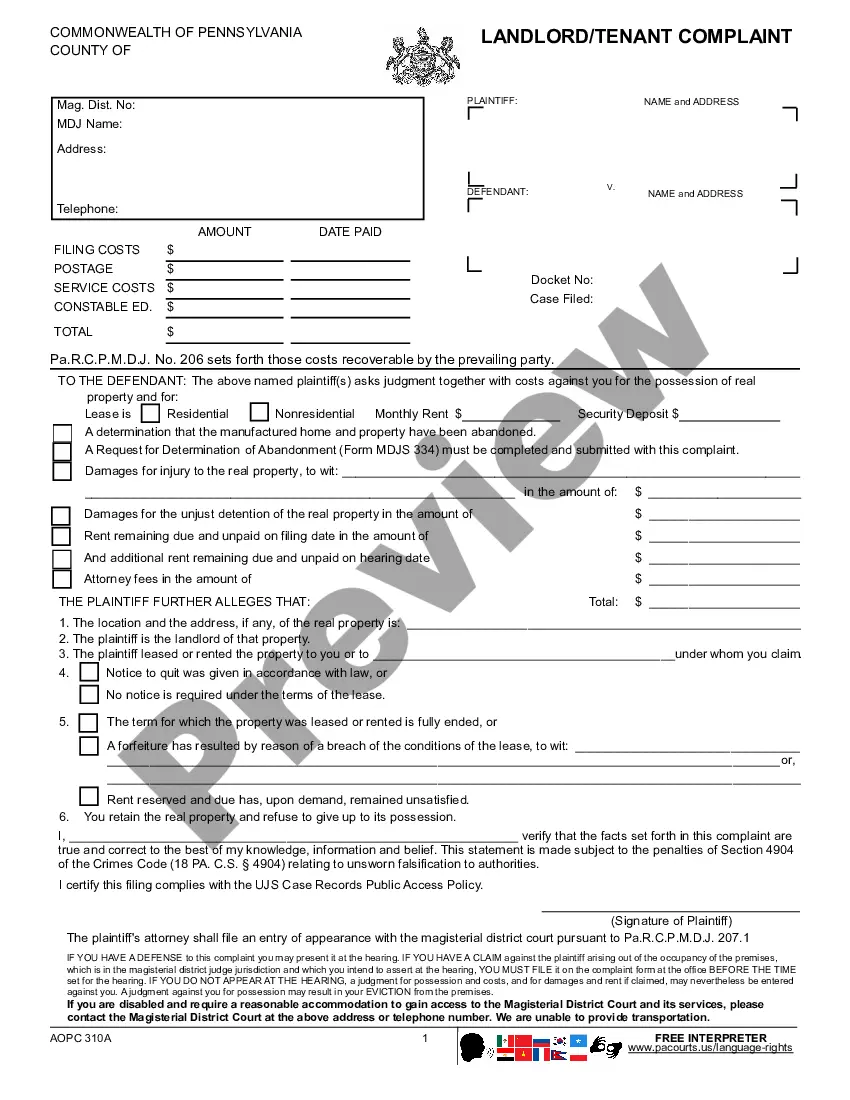
How to fill out California Residential Or Rental Lease Extension Agreement?
The Residential Rental Lease Agreement With Utilities displayed on this page is a reusable official template created by expert attorneys in accordance with national and local laws and regulations.
For over 25 years, US Legal Forms has supplied individuals, businesses, and legal practitioners with more than 85,000 validated, state-specific documents for various professional and personal circumstances. It’s the fastest, simplest, and most reliable method to acquire the documents you require, as the service ensures bank-level data protection and anti-malware safeguards.
Select the format you desire for your Residential Rental Lease Agreement With Utilities (PDF, DOCX, RTF) and download the document onto your device.
- Browse for the document you require and review it.
- Examine the sample you searched and either preview it or read the form description to confirm it meets your requirements. If it doesn’t, use the search bar to find the correct one. Click Buy Now when you have found the template you need.
- Subscribe and Log In.
- Choose the pricing option that fits you and create an account. Use PayPal or a credit card to make a swift payment. If you already possess an account, Log In and check your subscription to continue.
- Obtain the editable template.
Form popularity
FAQ
To get utilities in your name when renting, contact the utility providers directly and provide them with your residential rental lease agreement with utilities. This document typically serves as proof of your tenancy, making it easier to set up accounts. Be prepared to provide identification and possibly a deposit, depending on the provider’s policies. Taking these steps early ensures you have all essential services running smoothly when you move in.
To get utilities for your rental, first confirm which services are necessary, such as electricity, water, and internet. Contact local utility providers to set up accounts, and have the residential rental lease agreement with utilities handy, as it may include details needed for service activation. It’s important to initiate this process before your move-in date to avoid interruptions. Make sure you understand who is responsible for paying these utilities as outlined in your lease.
To create a residential rental lease agreement with utilities, start by gathering essential details such as the names of the landlord and tenant, property address, and rental terms. You can use online templates or services like US Legal Forms to ensure your agreement complies with local laws. Include sections that clearly outline the responsibilities for utilities, ensuring both parties understand their obligations. This clarity helps prevent disputes and fosters a positive rental experience.
The RTA specifies that a landlord is responsible for ?vital services?, which are defined as cold and hot water, electricity, fuel, heat, and gas. The only exceptions to this rule would be those leases that state that the tenant expressly agrees to obtain these services and maintain them independently of their landlord.
Tenants are generally responsible for establishing their own utility accounts and paying the bills for electricity, gas, trash, and water when they rent a single-family home in Florida.
The tenant may be responsible for electric and gas while the landlord is responsible for water and sewer. If your lease is in writing, make sure that the lease outlines who is responsible to pay for utilities.
The Board can order the tenant for the payment of the unpaid utilities that they were required to pay under the terms of the tenancy agreement. Moreover, if the tenant's non-payment has resulted in damage (e.g.: a burst pipe) to the rental unit, the Board can award payment for the damages caused.
Answer: California rental agreements do not have to be notarized or signed in front of the owner or owner's agent, but it is a good practice to do so.