Unfairness Warranting Sued For Negligence
Description
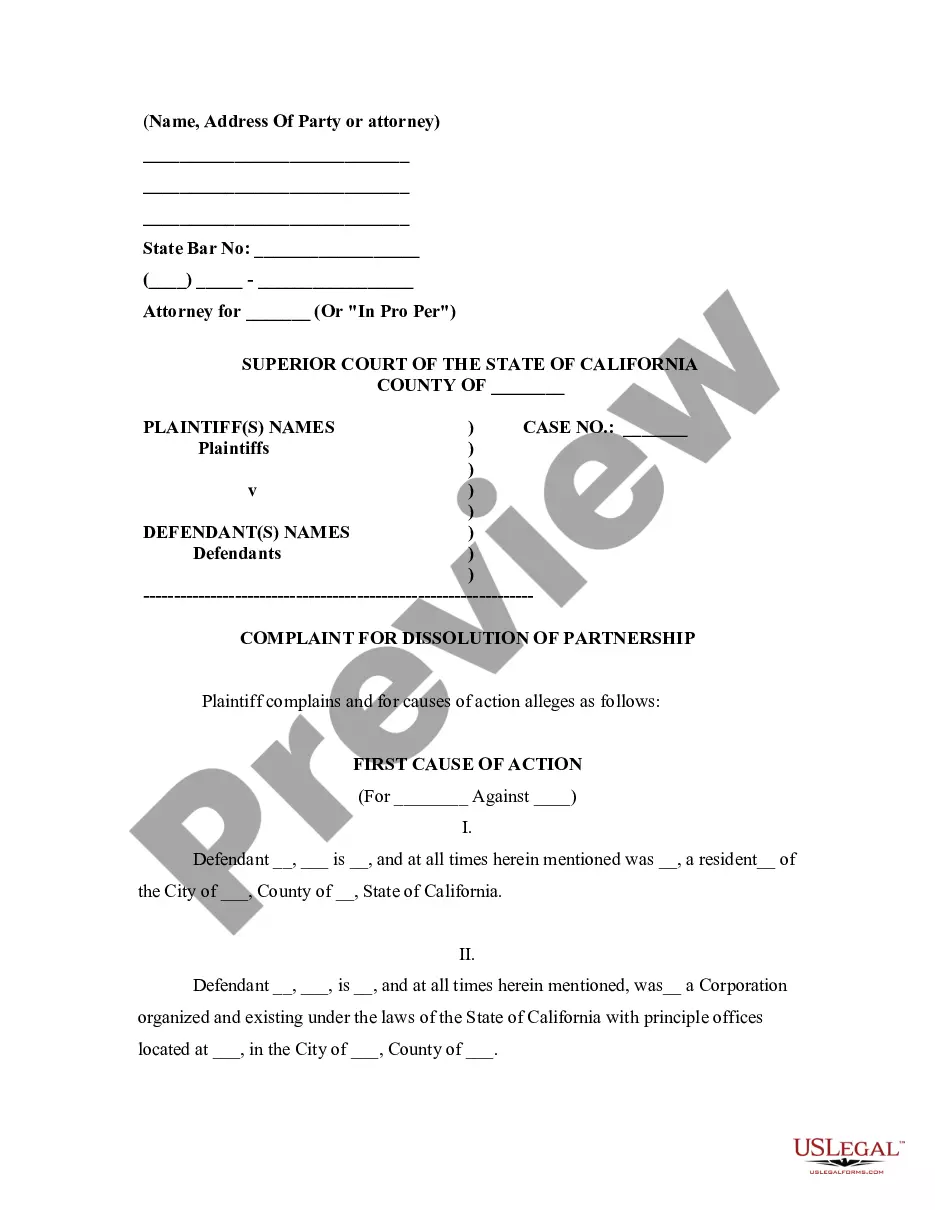
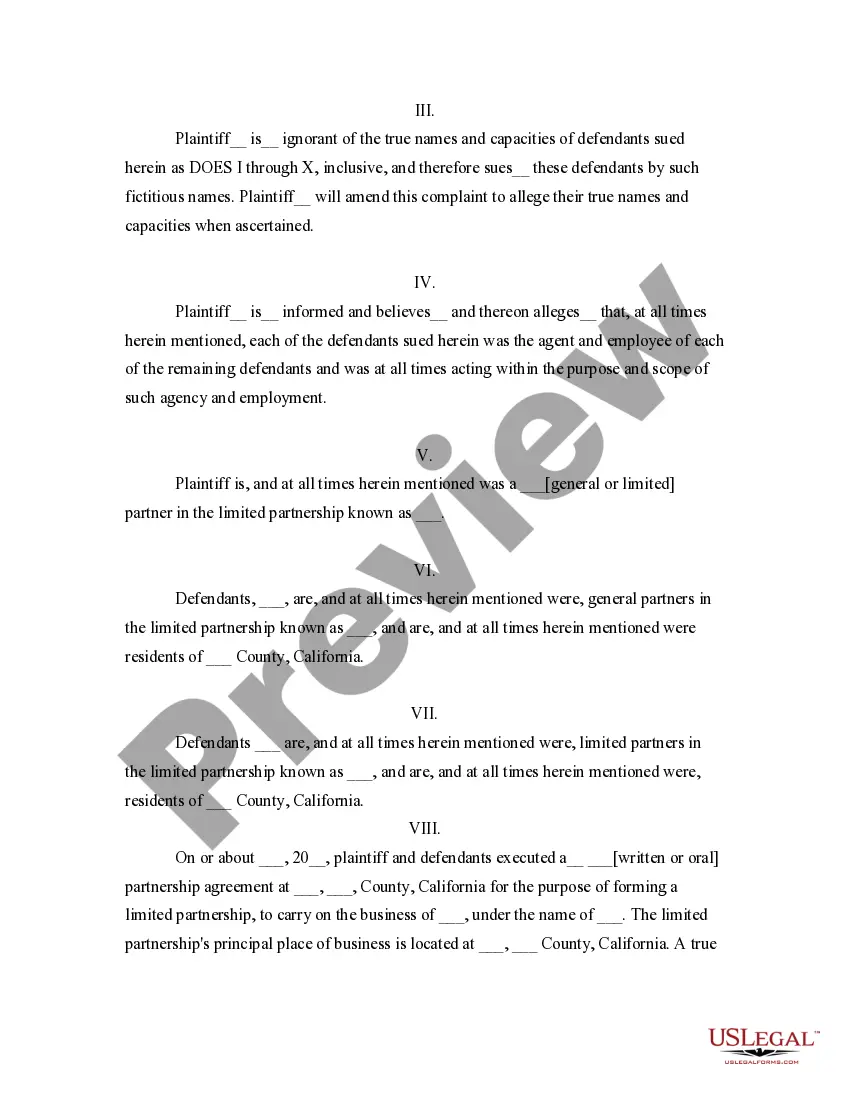
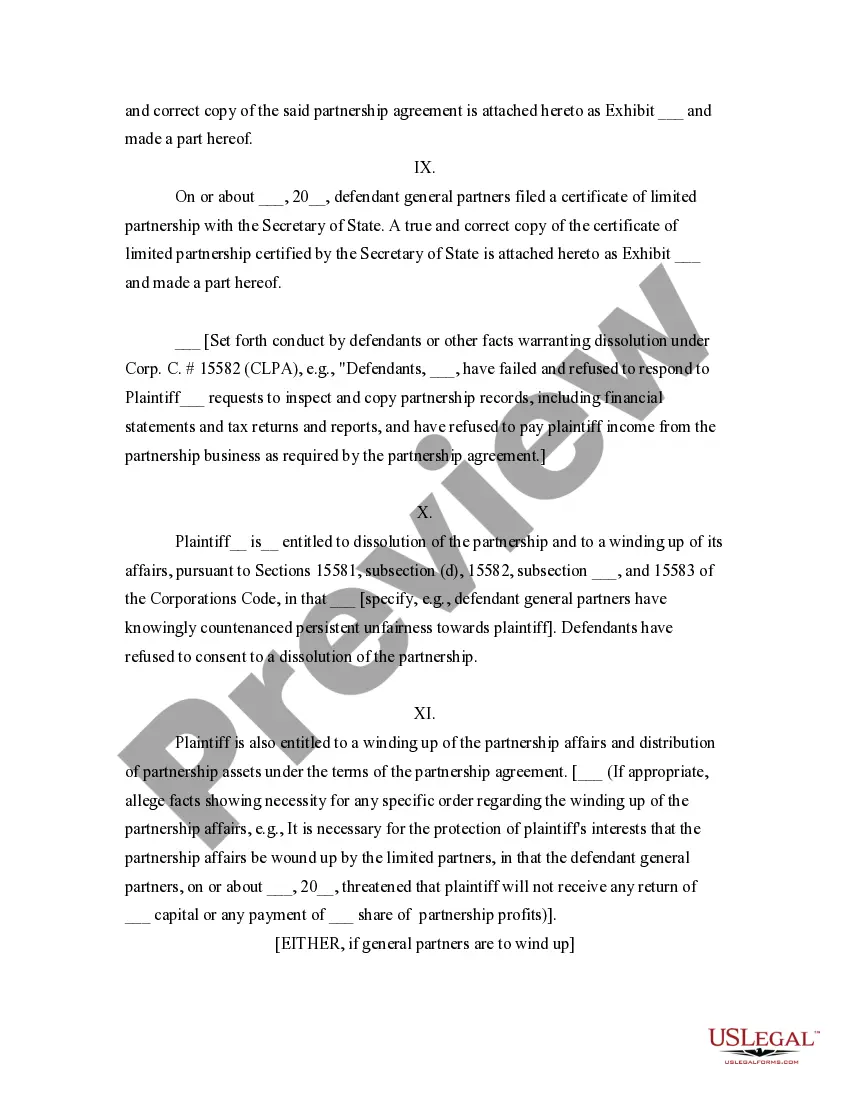
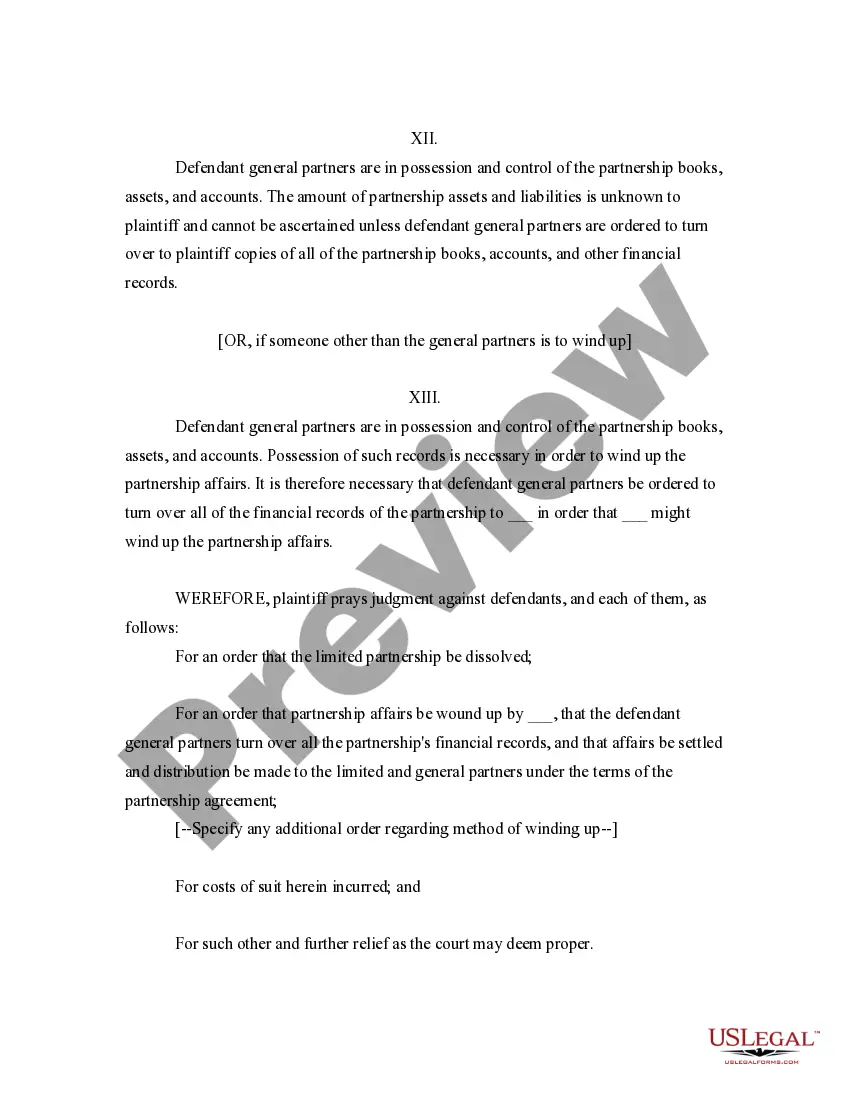
Get your form ready online
Our built-in tools help you complete, sign, share, and store your documents in one place.
Make edits, fill in missing information, and update formatting in US Legal Forms—just like you would in MS Word.
Download a copy, print it, send it by email, or mail it via USPS—whatever works best for your next step.
Sign and collect signatures with our SignNow integration. Send to multiple recipients, set reminders, and more. Go Premium to unlock E-Sign.
If this form requires notarization, complete it online through a secure video call—no need to meet a notary in person or wait for an appointment.
We protect your documents and personal data by following strict security and privacy standards.

Make edits, fill in missing information, and update formatting in US Legal Forms—just like you would in MS Word.

Download a copy, print it, send it by email, or mail it via USPS—whatever works best for your next step.

Sign and collect signatures with our SignNow integration. Send to multiple recipients, set reminders, and more. Go Premium to unlock E-Sign.

If this form requires notarization, complete it online through a secure video call—no need to meet a notary in person or wait for an appointment.

We protect your documents and personal data by following strict security and privacy standards.
Looking for another form?
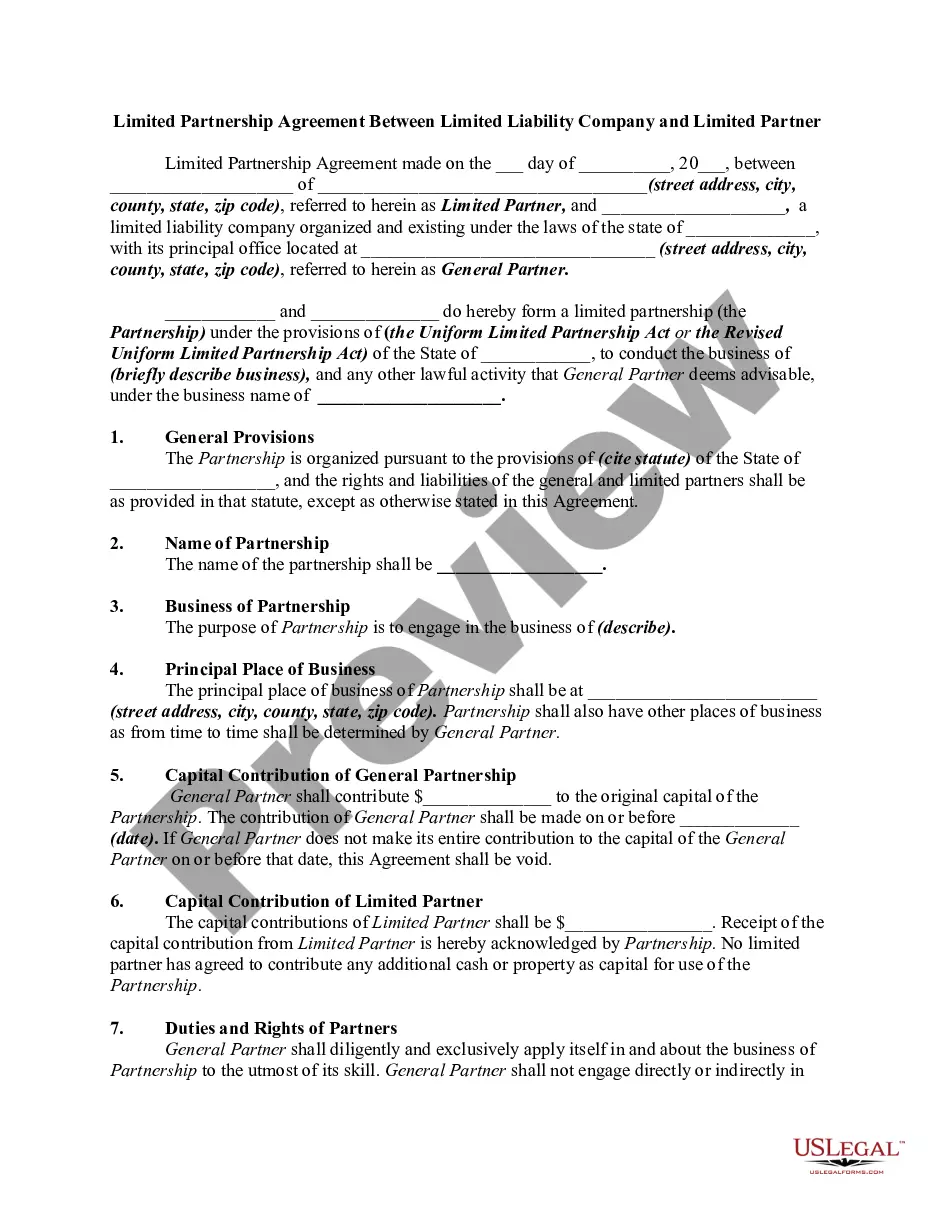
How to fill out California Complaint For Dissolution Of Limited Partnership?
- Begin by logging into your US Legal Forms account. If you've previously subscribed, ensure your subscription is active. If not, renew it based on your payment plan.
- If you're new to US Legal Forms, start by exploring the Preview mode and read the form description to confirm it aligns with your needs and local jurisdiction.
- In case you encounter any inconsistencies, utilize the Search tab to find the correct template suitable for your situation.
- Once you find the right form, click on the Buy Now button to select your desired subscription plan and create an account for access to the full library.
- Proceed to payment by entering your credit card details or using PayPal to secure your subscription.
- Finally, download your form and save it to your device. You can also revisit the saved documents anytime via the My Forms section in your account.
By following these straightforward steps, you can swiftly access the legal templates you need, ensuring you are prepared for addressing unfairness warranting sued for negligence.
Don’t hesitate—get started with US Legal Forms today and empower yourself with the right legal documents!
Form popularity
FAQ
The four conditions of negligence encompass a legal duty, the breach of that duty, actual damages, and proximate cause. A legal duty indicates the standard expected from individuals to avoid causing harm. Breaching that duty leads to actual damages being incurred. Proximate cause helps determine the direct relationship between the breach and the damages suffered. By recognizing these conditions, you can better navigate claims of unfairness warranting sued for negligence, and platforms like uslegalforms can assist in the legal process.
The four C's of negligence are care, cause, composition, and capacity. Care involves the standard of conduct expected from a reasonable person to prevent harm. Cause examines the link between one's actions and the resulting harm, while composition looks at the responsibilities among involved parties. Capacity defines whether an individual has the ability to understand the consequences of their actions. Together, these concepts highlight the complexities surrounding unfairness warranting sued for negligence.
The four types of negligence include comparative negligence, contributory negligence, gross negligence, and vicarious liability. Comparative negligence assesses the degree of fault of each party involved, while contributory negligence can bar recovery if the plaintiff is found partly at fault. Gross negligence refers to extreme carelessness that greatly increases risk, and vicarious liability holds one party responsible for the actions of another. These classifications demonstrate various scenarios of unfairness warranting sued for negligence.
The four elements of negligence are duty, breach, causation, and damages. First, a duty exists when a party owes a legal obligation to another. Next, a breach occurs when that duty is violated. Then, causation connects the breach to the resulting damages, which are the actual losses suffered by the injured party. Understanding these elements helps address situations of unfairness warranting sued for negligence.
The four criteria of negligence include duty, breach, causation, and damages. Establishing these criteria involves showing that the defendant had a duty of care, failed to meet that duty, caused harm through their actions, and that you suffered damages. Meeting these criteria can reveal unfairness warranting sued for negligence, allowing you to seek rightful compensation.
To successfully sue for negligence, you must prove three fundamental things: duty, breach, and damages. You need to demonstrate that the defendant owed a duty of care, that they failed to uphold that duty, and that as a result, you incurred actual damages. Your efforts could lead to recognition of unfairness warranting sued for negligence, providing justice.
In a typical negligence lawsuit, the burden of proof rests with the plaintiff, meaning you must provide enough evidence to convince the court. You need to demonstrate your claims clearly and convincingly, showing how the defendant’s actions lead to unfairness warranting sued for negligence. This often requires a solid foundation of evidence.
The three requirements for negligence consist of duty, breach, and damages. You must establish that the defendant had a duty to care for you, that they breached this duty, and ultimately that you suffered harms as a result. This all ties into establishing unfairness warranting sued for negligence, helping your case.
To prove negligence, appropriate evidence is crucial. This might include medical records, witness testimonies, expert opinions, and photographs of the incident. Such evidence can effectively support your claim of unfairness warranting sued for negligence, illustrating that the defendant failed to act reasonably.
The three essential elements of negligence include duty, breach, and causation. Duty refers to the responsibility one party has to avoid harming another. Breach indicates that the duty was not fulfilled, which, when proven, can establish unfairness warranting sued for negligence when you have suffered as a result.