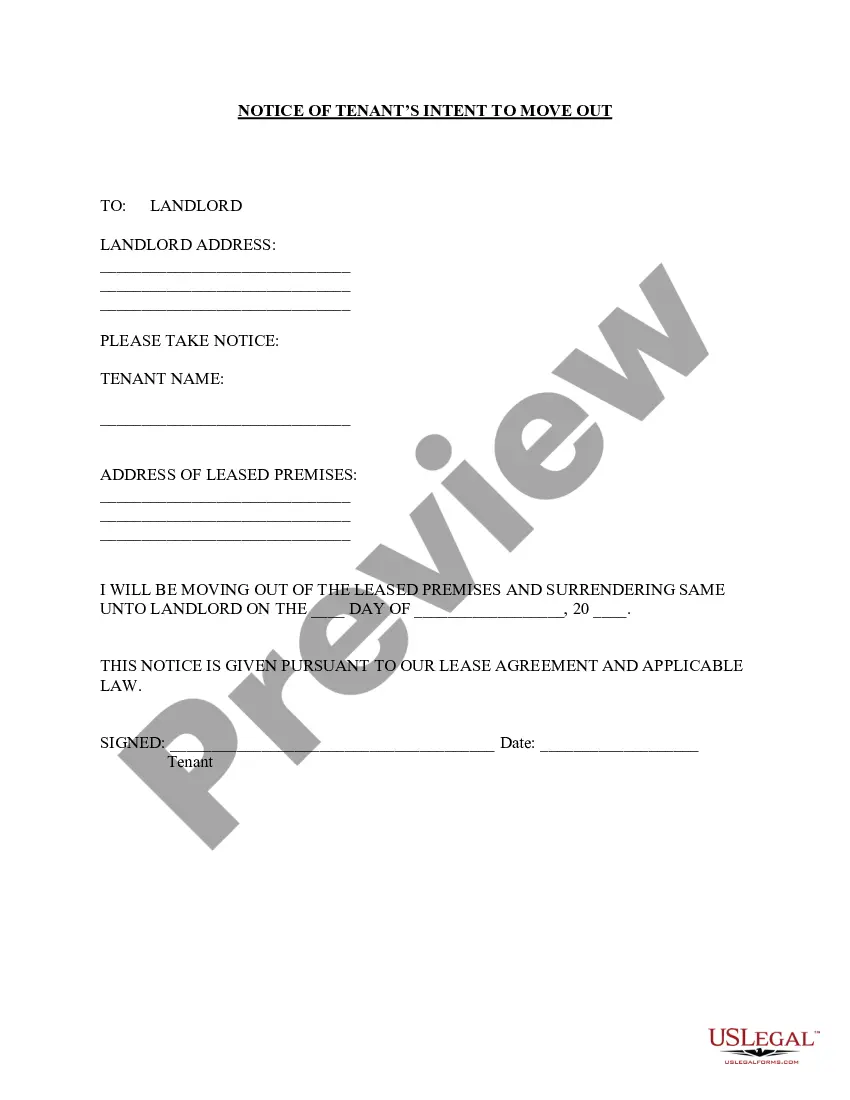
Notice Month To Month Tenancy Without Lease
Description

Get your form ready online
Our built-in tools help you complete, sign, share, and store your documents in one place.
Make edits, fill in missing information, and update formatting in US Legal Forms—just like you would in MS Word.
Download a copy, print it, send it by email, or mail it via USPS—whatever works best for your next step.
Sign and collect signatures with our SignNow integration. Send to multiple recipients, set reminders, and more. Go Premium to unlock E-Sign.
If this form requires notarization, complete it online through a secure video call—no need to meet a notary in person or wait for an appointment.
We protect your documents and personal data by following strict security and privacy standards.

Make edits, fill in missing information, and update formatting in US Legal Forms—just like you would in MS Word.

Download a copy, print it, send it by email, or mail it via USPS—whatever works best for your next step.

Sign and collect signatures with our SignNow integration. Send to multiple recipients, set reminders, and more. Go Premium to unlock E-Sign.

If this form requires notarization, complete it online through a secure video call—no need to meet a notary in person or wait for an appointment.

We protect your documents and personal data by following strict security and privacy standards.
Looking for another form?


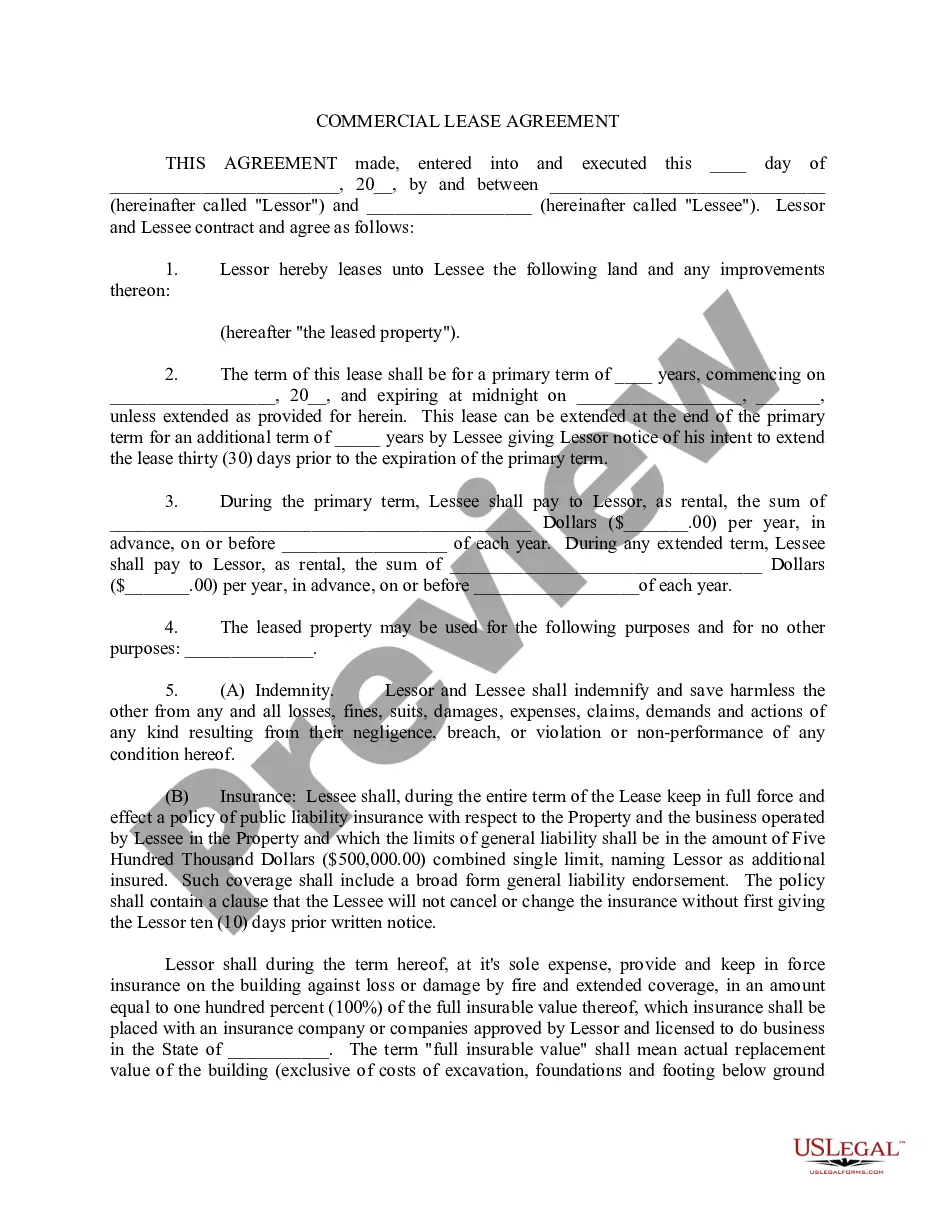





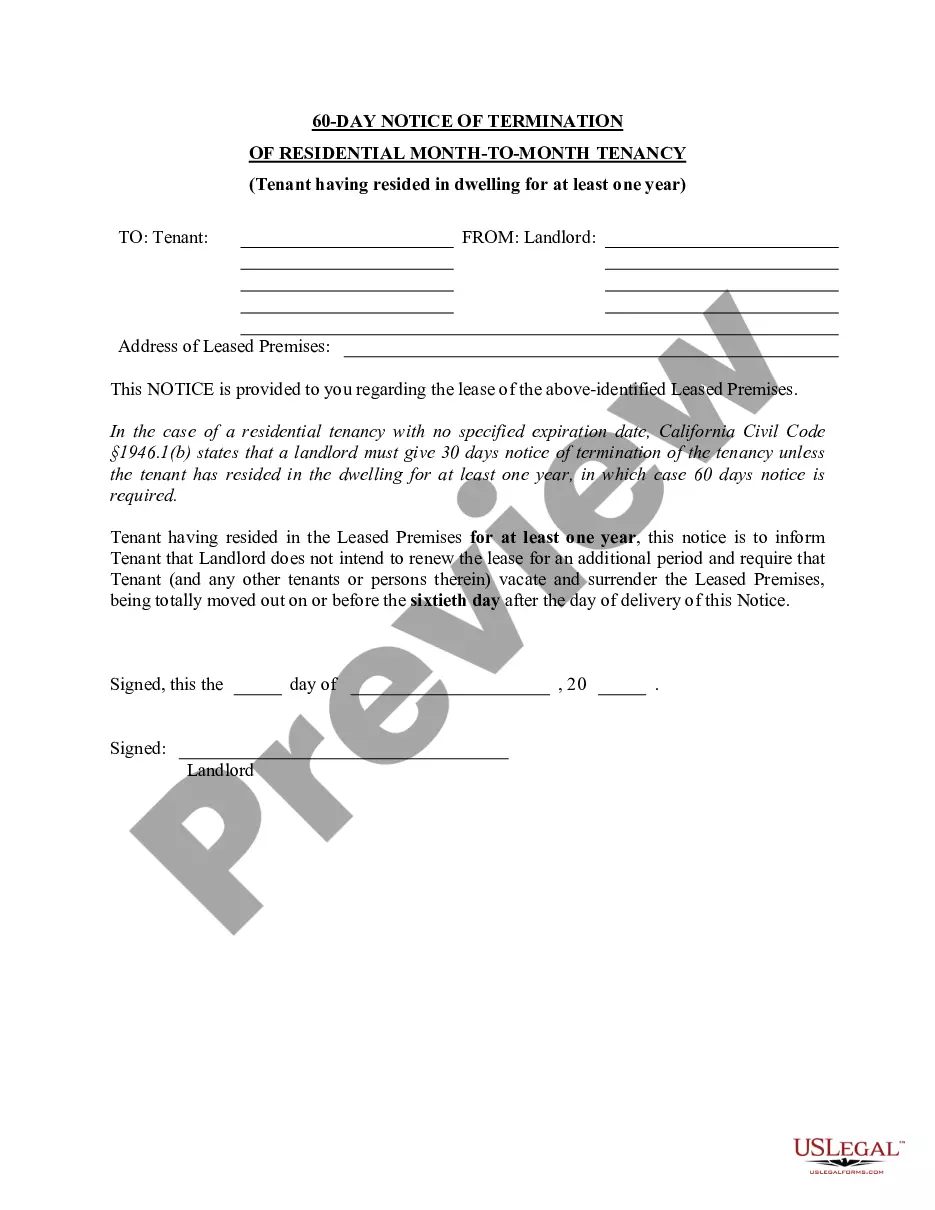
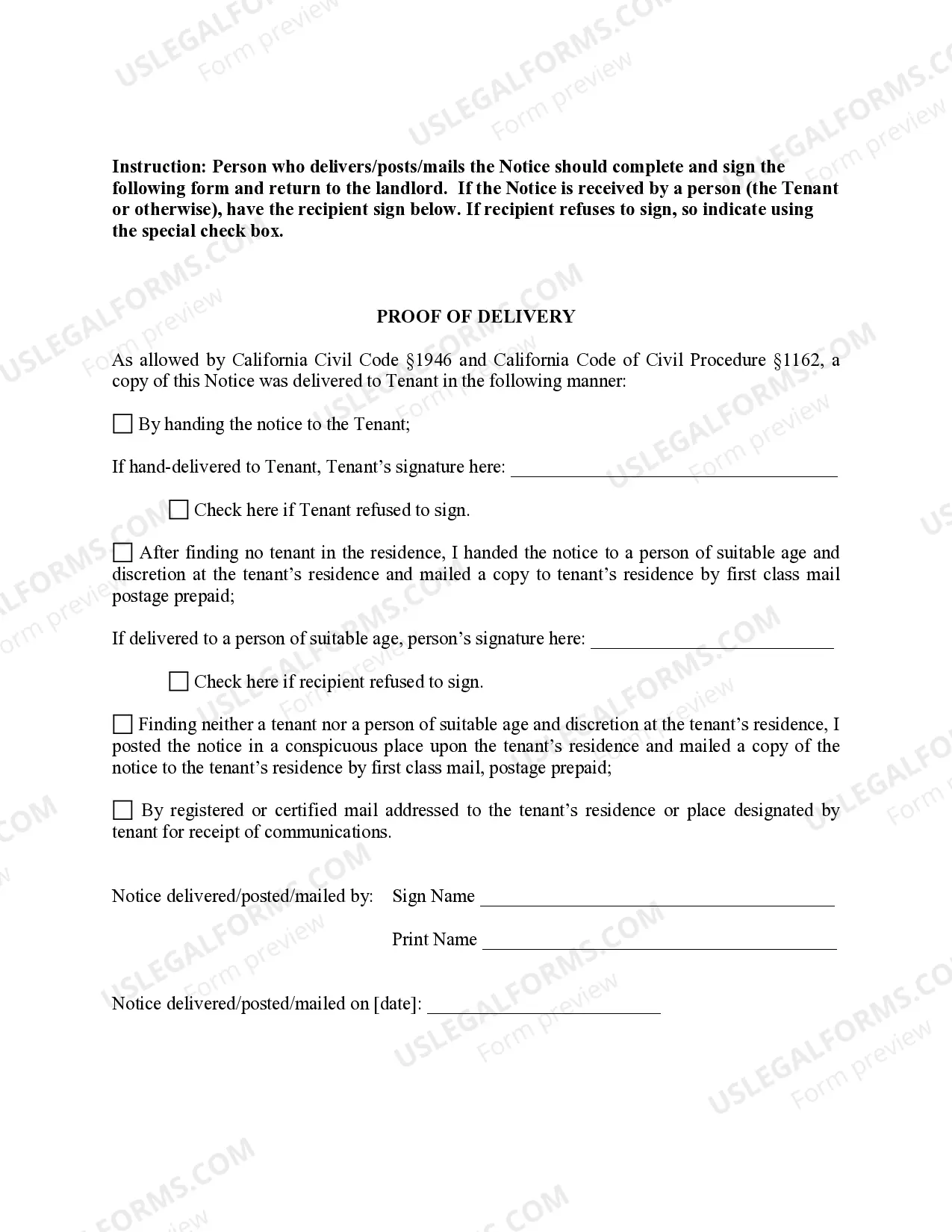
How to fill out California 60 Day Notice Of Termination - Residential Month-to-Month Tenancy?
The Notification Month To Month Tenancy Without Lease you observe on this page is a versatile formal template crafted by expert attorneys following federal and state laws.
For over 25 years, US Legal Forms has supplied individuals, organizations, and lawyers with more than 85,000 authenticated, state-specific documents for any business and personal purpose. It’s the fastest, most straightforward, and most dependable way to acquire the documents you require, as the service ensures bank-level data security and anti-malware safeguards.
Subscribe to US Legal Forms to have authenticated legal templates for all of life’s circumstances readily available.
- Search for the document you require and review it.
- Choose the pricing plan that fits you and create an account.
- Select the format you prefer for your Notice Month To Month Tenancy Without Lease (PDF, DOCX, RTF) and save the document on your device.
- Print out the template to fill it out manually. Alternatively, use an online multifunctional PDF editor to swiftly and accurately complete and sign your form with an electronic signature.
- Use the same document again whenever needed.
Form popularity
FAQ
New Jersey eviction laws to evict a tenant vary from court to court, but they still follow the same general eviction process: Send a clear written eviction notice. Fill out the forms. Serve the tenant. Attend the trial. Wait for judgment.
Here's what you should include: The date you're submitting your notice. The date you're moving. Information on your current home ? the address and the landlord's name. A statement declaring that you intend to leave the home. A straightforward statement that you're providing this letter, 30 days out, per your lease agreement.
Dear (Name of landlord or manager), This letter constitutes my written (number of days' notice that you need to give based on your lease agreement) -day notice that I will be moving out of my apartment on (date), the end of my current lease. I am leaving because (new job, rent increase, etc.
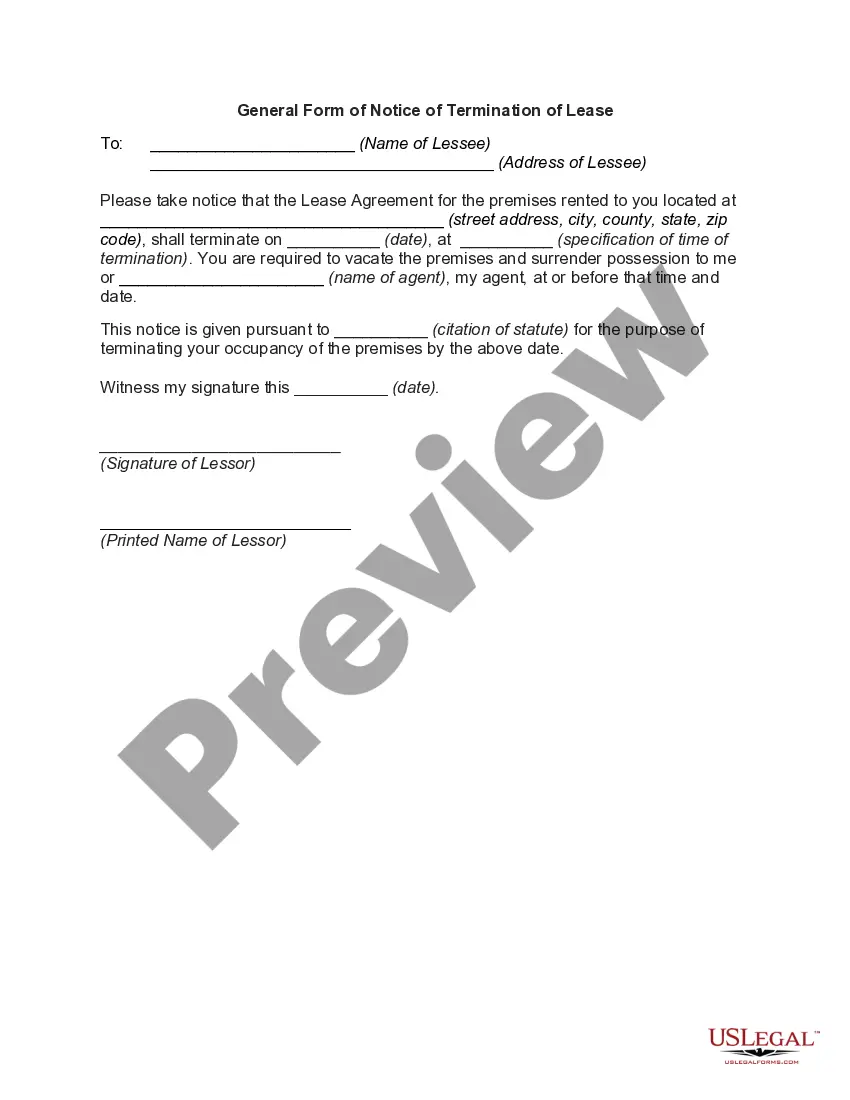
Here is a short guide that you can easily follow when you need to write a letter of notice to your tenant/s: Determine the notice period. ... Indicate the date of issuance. ... Write complete addresses. ... Write salutation. ... Begin with an introduction. ... Provide more details in the body. ... Conclude the letter.
Tenants without a lease agreement also have the right to privacy. The landlord cannot enter your rental property without your consent, except in emergencies or other legally allowed circumstances. The landlord must provide reasonable notice before entering the rental property for repairs, inspections, or other reasons.