Rent Increase For Houses Built After 2018
Description


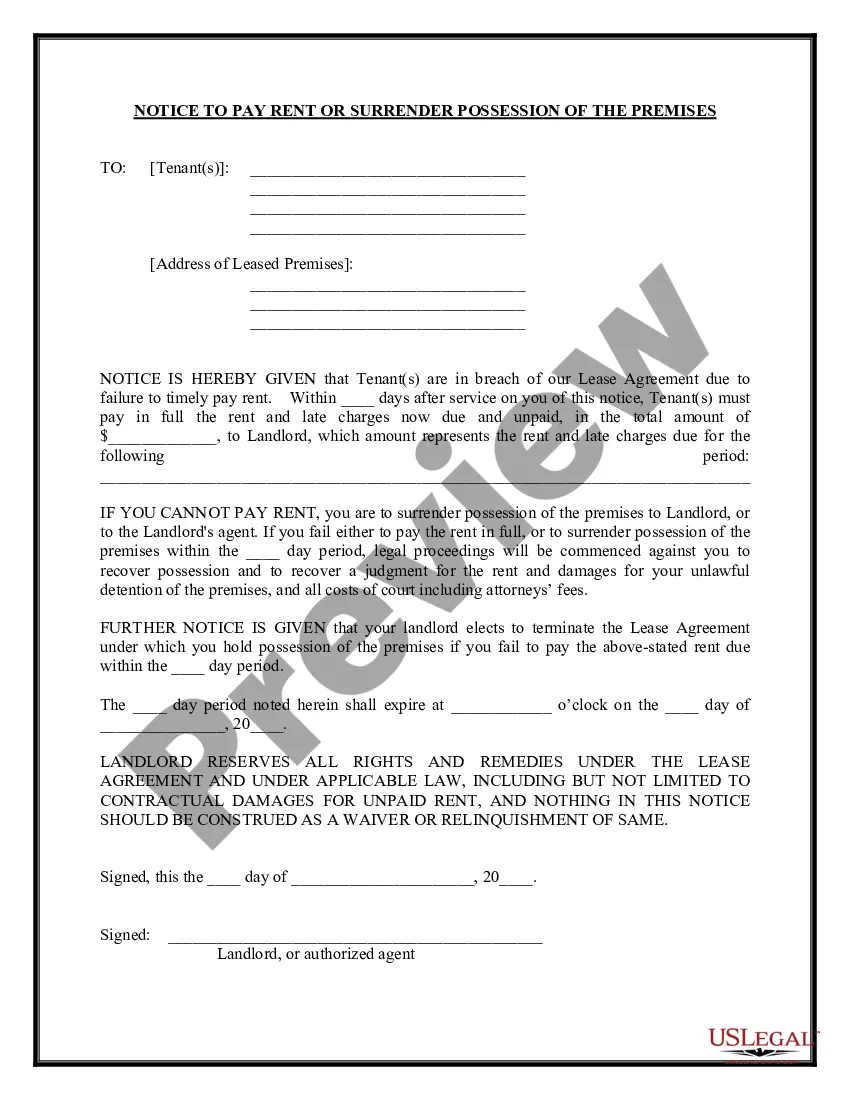
Get your form ready online
Our built-in tools help you complete, sign, share, and store your documents in one place.
Make edits, fill in missing information, and update formatting in US Legal Forms—just like you would in MS Word.
Download a copy, print it, send it by email, or mail it via USPS—whatever works best for your next step.
Sign and collect signatures with our SignNow integration. Send to multiple recipients, set reminders, and more. Go Premium to unlock E-Sign.
If this form requires notarization, complete it online through a secure video call—no need to meet a notary in person or wait for an appointment.
We protect your documents and personal data by following strict security and privacy standards.

Make edits, fill in missing information, and update formatting in US Legal Forms—just like you would in MS Word.

Download a copy, print it, send it by email, or mail it via USPS—whatever works best for your next step.

Sign and collect signatures with our SignNow integration. Send to multiple recipients, set reminders, and more. Go Premium to unlock E-Sign.

If this form requires notarization, complete it online through a secure video call—no need to meet a notary in person or wait for an appointment.

We protect your documents and personal data by following strict security and privacy standards.
Looking for another form?


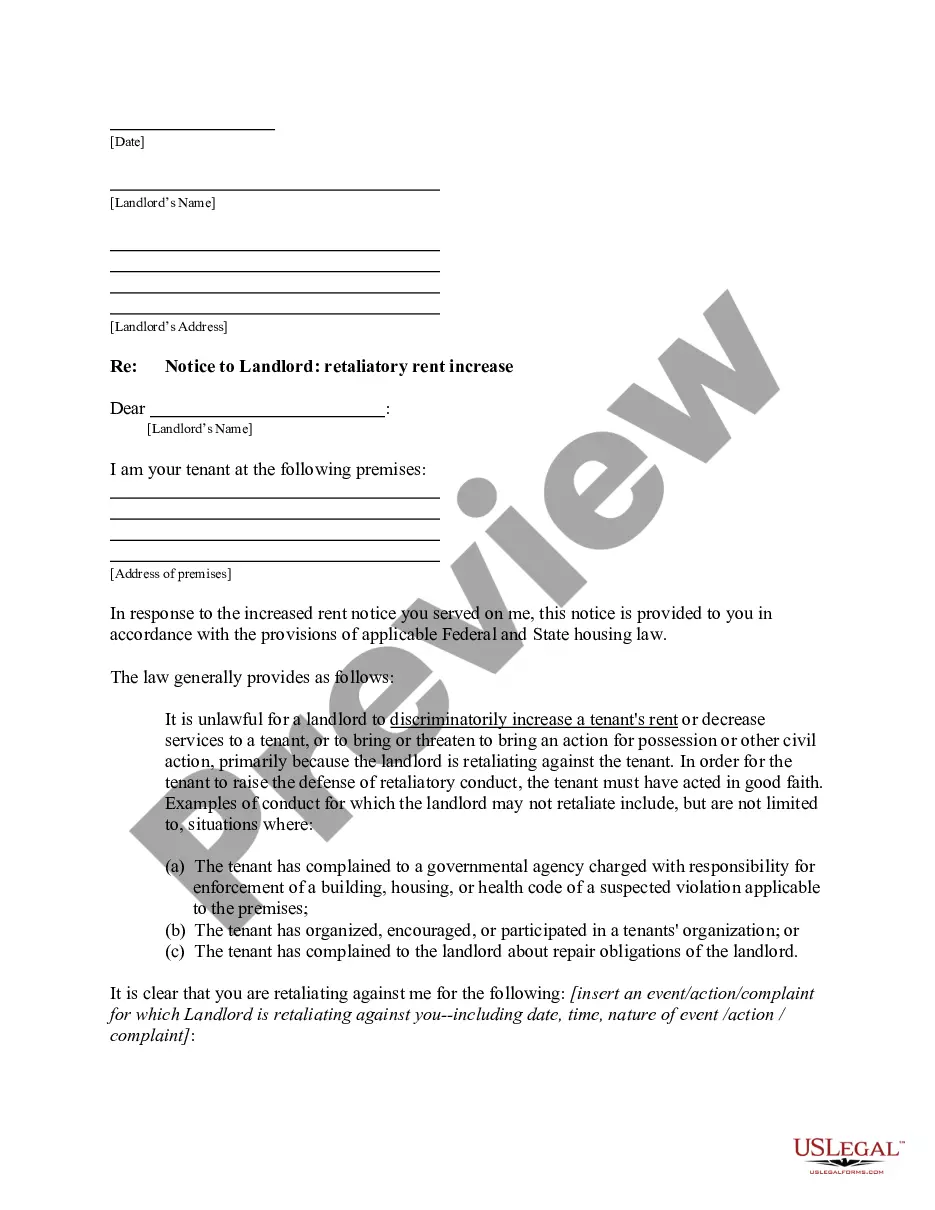
How to fill out California Letter From Tenant To Landlord Containing Notice To Landlord To Withdraw Retaliatory Rent Increase?
- If you're a returning user, log into your account to download your required form template by clicking the Download button. Ensure your subscription is active, and renew if necessary.
- For new users, start by checking the Preview mode and detailed form descriptions to confirm you have selected the appropriate document that meets local jurisdiction standards.
- If you need to find alternative templates, utilize the Search feature above for any discrepancies in your choice. Once you find a suitable match, proceed to the next step.
- Click on the Buy Now button to purchase the document, selecting your preferred subscription plan. Be sure to create an account for full access to the library's resources.
- Finalize your purchase by entering your credit card information or opting for PayPal to pay for your subscription.
- Once your transaction is complete, download your form to your device. You can also return to the My Forms section of your profile for easy access to your document whenever needed.
US Legal Forms simplifies the process of obtaining legal documents with a vast collection of over 85,000 forms, ensuring that you can find exactly what you need. Additionally, premium experts are available for assistance, guaranteeing precision and compliance in your paperwork.
Start reducing your legal document stress today by visiting US Legal Forms and exploring their extensive library!
Form popularity
FAQ
The most a landlord can raise rent in Arizona varies and is not capped by state law. For the rent increase for houses built after 2018, the increase may reflect market demand and other factors. Understanding your rights and your lease terms is crucial in this situation. If you face a significant rent hike, consider seeking legal advice or using platforms like US Legal Forms, which can help you navigate these rental issues.
Unlike some states, Arizona does not set a legal maximum percentage for rent increases. Landlords can choose to raise the rent as they see fit, particularly for the rent increase for houses built after 2018. However, it’s a good practice for landlords to keep increases reasonable and in line with market trends. If you feel the increase is excessive, discussing it directly with your landlord may lead to a more agreeable solution.
In Arizona, there is no statewide limit on how much a landlord can increase rent. This means the amount can vary based on the rental market and the specific lease agreement, especially for the rent increase for houses built after 2018. Landlords often base their adjustments on fair market values and property demand. Always review your lease to understand your specific situation.
In Arizona, a landlord must provide a written notice at least 30 days before a rent increase takes effect. This applies to most leases, including those for the rent increase for houses built after 2018. Ensuring that you receive this notice helps you prepare for the change in your monthly budget. It's essential to communicate with your landlord if you have any concerns.
To write a letter to your landlord regarding a rent increase, clearly state your concerns about the proposed increase. Reference the rent increase for houses built after 2018 if applicable, and provide context to support your position. Be respectful and concise, while showcasing any points that highlight your responsible tenancy. You may also want to ask for a meeting to discuss your concerns in person, which could lead to a better understanding and resolution.
In Connecticut, there is no specific limit on how much a landlord can increase rent, as long as they provide proper notice. However, under the law, tenants are protected against unreasonable increases, particularly in the context of a rent increase for houses built after 2018. If you feel the increase is excessive, you can consult rental market statistics or speak with a legal expert to evaluate your options. Understanding your rights can empower you in negotiations.
When discussing a rent increase with your landlord, approach the conversation calmly and thoughtfully. Begin by asking for clarification on the reasons for the increase, especially if it applies to a rent increase for houses built after 2018. Make sure to emphasize your adherence to lease terms and any strong points about your reliability as a tenant. This sets a collaborative tone that may lead to a more favorable discussion.
In Texas, the average rent increase has varied significantly depending on the region. Many cities have seen a rent increase for houses built after 2018 between 10% and 20% in recent years. Factors like economic growth and job opportunities play crucial roles. Utilizing platforms like USLegalForms can provide you with legal resources and forms to address any rental concerns effectively.
The maximum rental increase often depends on state and local laws. Some areas have restrictions, while others allow landlords to set their rates, contributing to the rent increase for houses built after 2018. Generally, it is prudent to check local guidelines. Transparency from your landlord about potential increases can also help lessen surprises.
Rent prices have experienced a considerable upward trend since 2019. This increase is especially observable in urban areas, where the rent increase for houses built after 2018 has been more pronounced. On average, many renters have reported increases of 5% to 15% annually. Keeping track of these changes can help you plan your budget effectively.