Notice Rent Increase With The Period
Description



Get your form ready online
Our built-in tools help you complete, sign, share, and store your documents in one place.
Make edits, fill in missing information, and update formatting in US Legal Forms—just like you would in MS Word.
Download a copy, print it, send it by email, or mail it via USPS—whatever works best for your next step.
Sign and collect signatures with our SignNow integration. Send to multiple recipients, set reminders, and more. Go Premium to unlock E-Sign.
If this form requires notarization, complete it online through a secure video call—no need to meet a notary in person or wait for an appointment.
We protect your documents and personal data by following strict security and privacy standards.

Make edits, fill in missing information, and update formatting in US Legal Forms—just like you would in MS Word.

Download a copy, print it, send it by email, or mail it via USPS—whatever works best for your next step.

Sign and collect signatures with our SignNow integration. Send to multiple recipients, set reminders, and more. Go Premium to unlock E-Sign.

If this form requires notarization, complete it online through a secure video call—no need to meet a notary in person or wait for an appointment.

We protect your documents and personal data by following strict security and privacy standards.
Looking for another form?

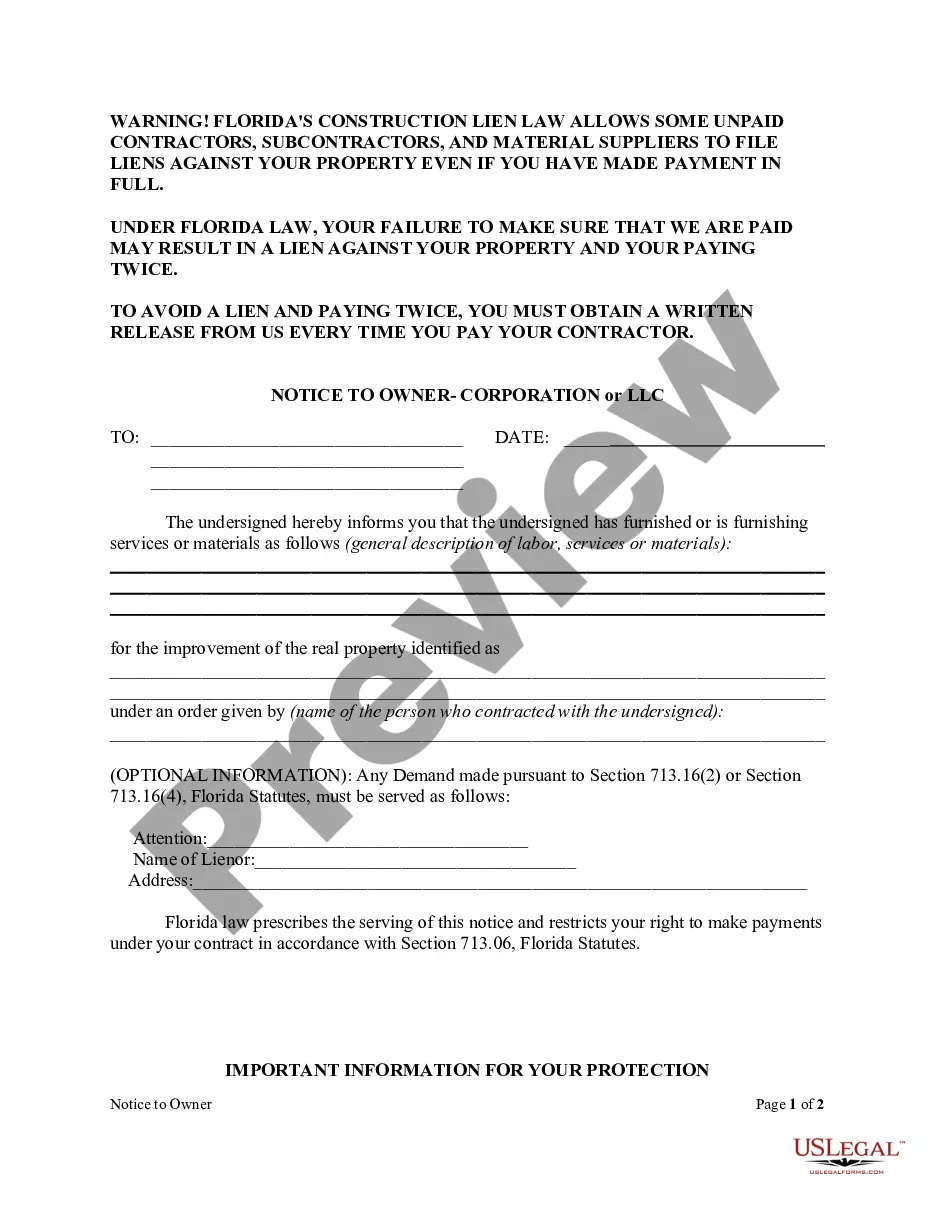






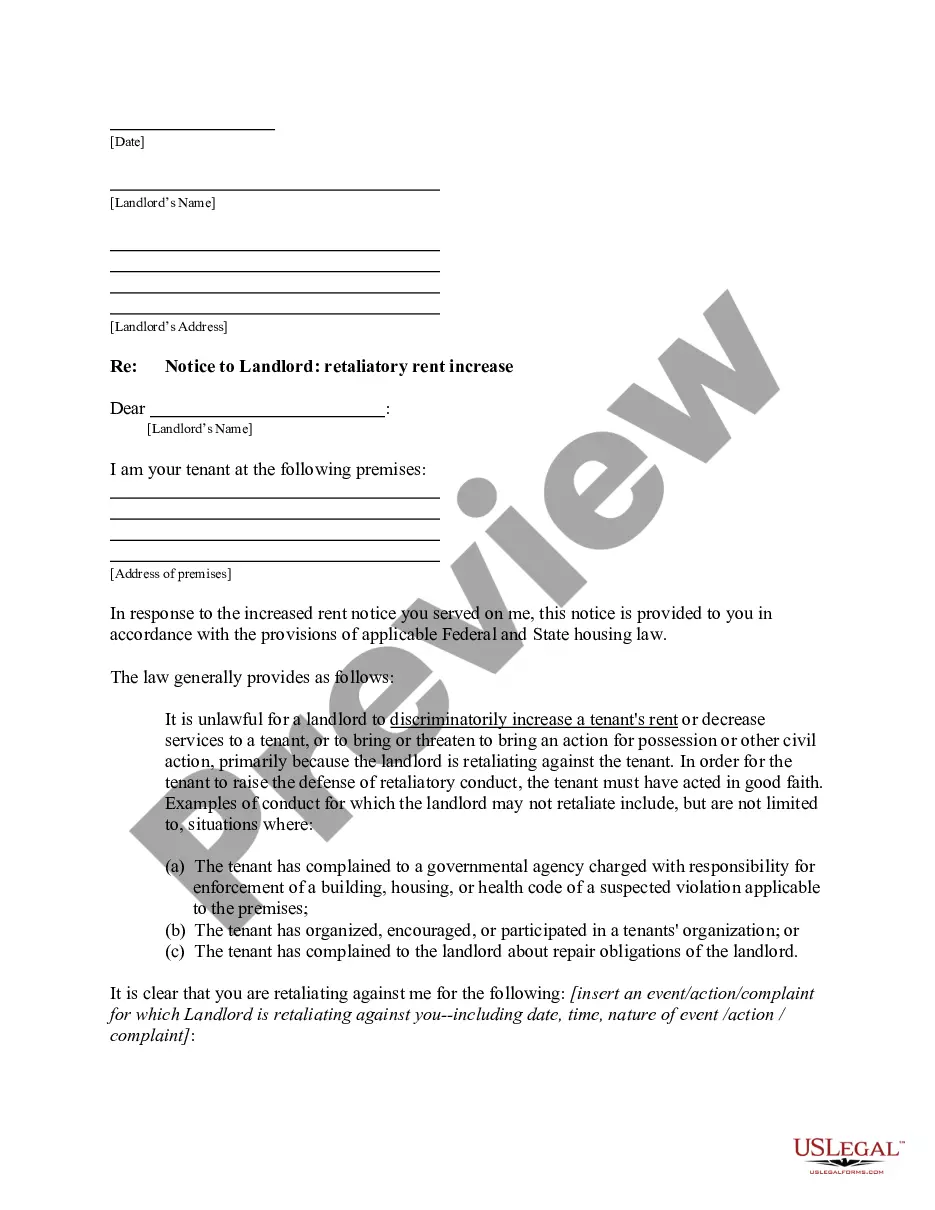
How to fill out California Letter From Tenant To Landlord Containing Notice To Landlord To Withdraw Retaliatory Rent Increase?
- Log in to your US Legal Forms account if you're a returning user, or create an account if you're new to the service.
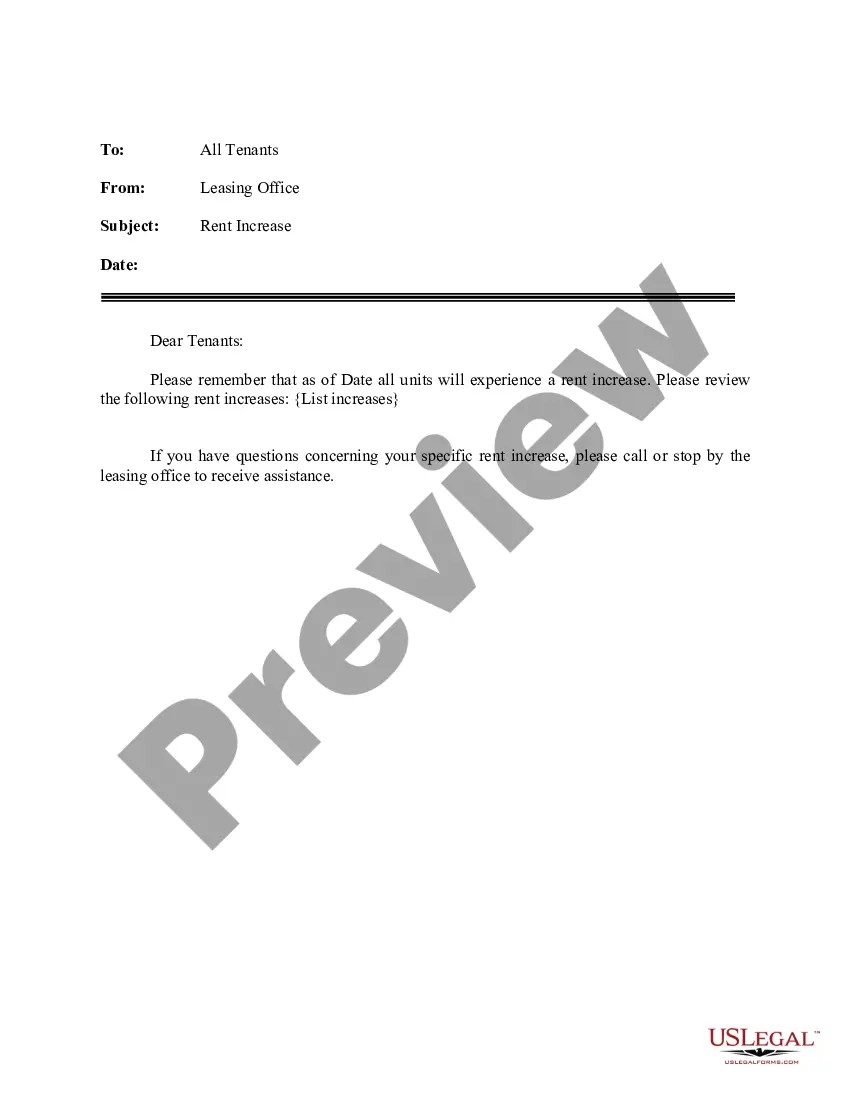
- Search for the rent increase notice template that meets your specific jurisdiction requirements.
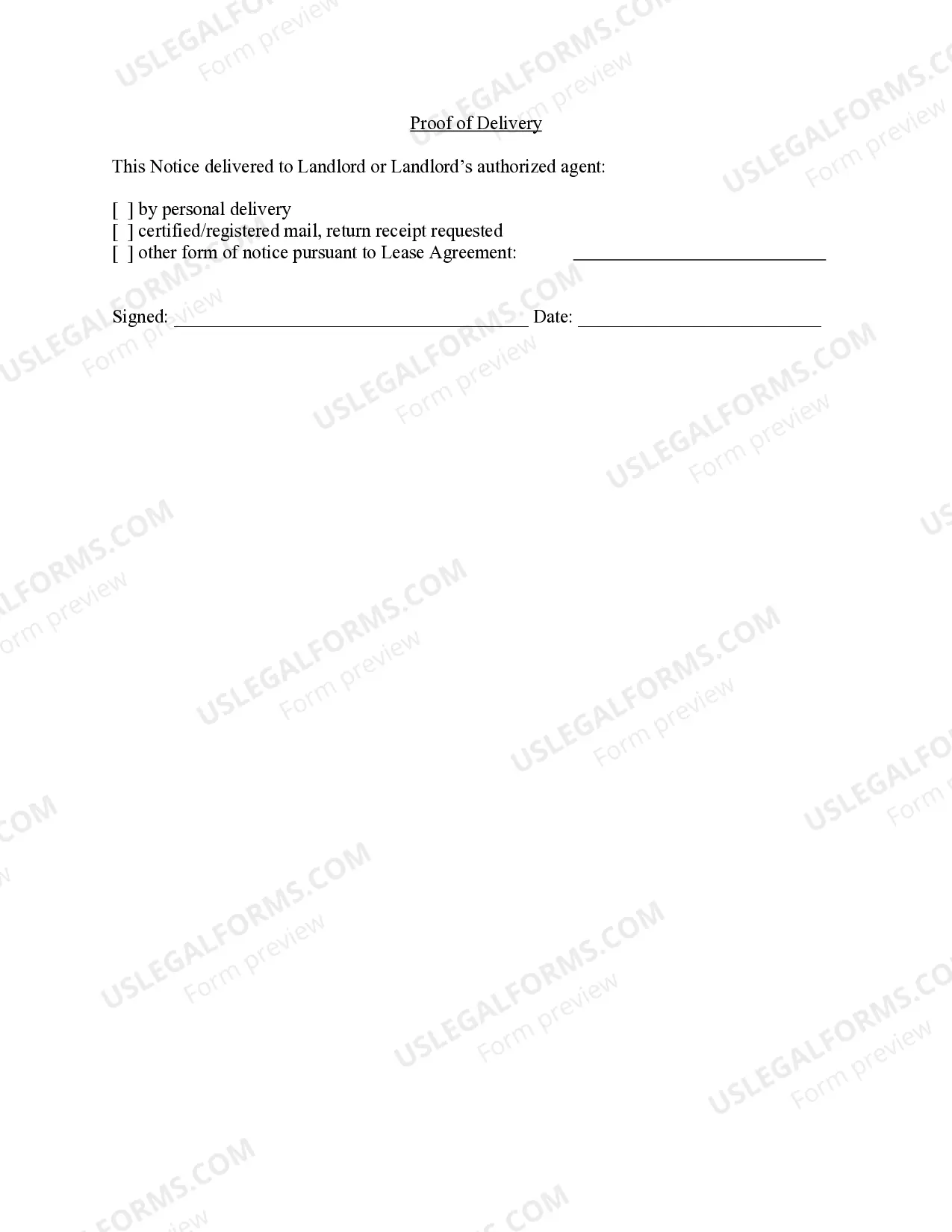
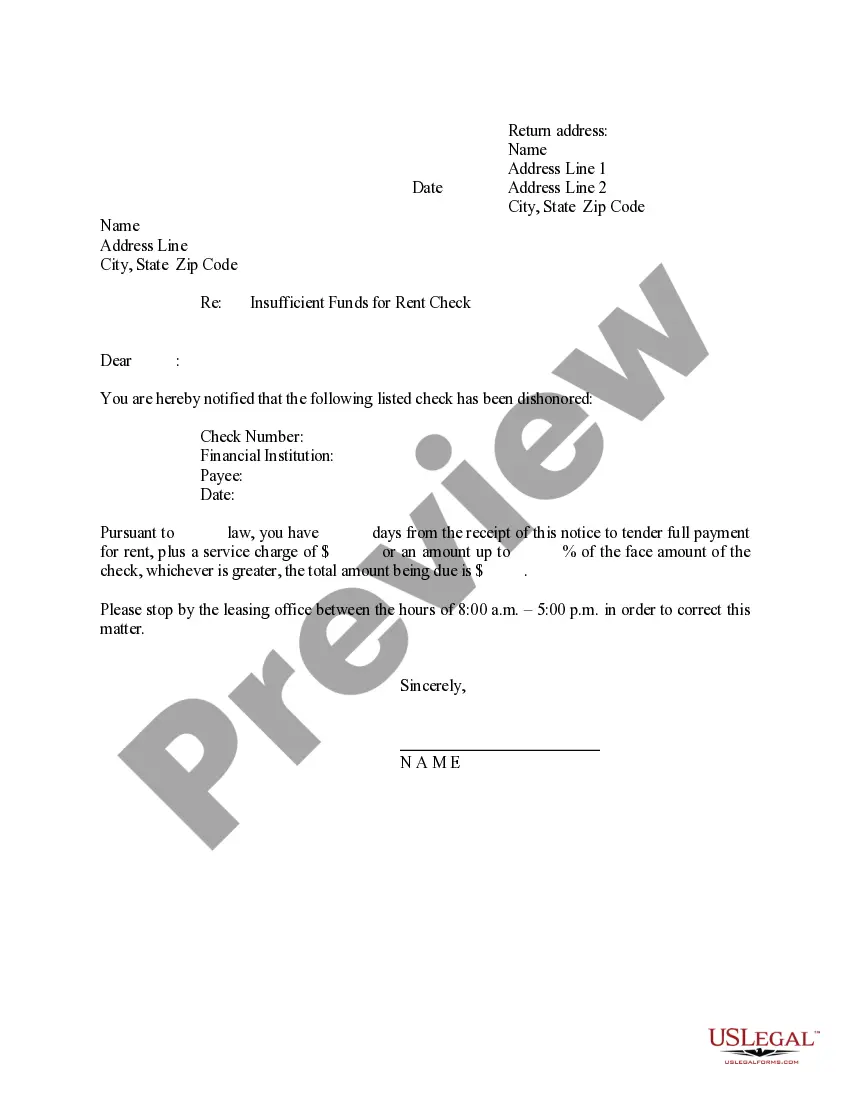
- Review the template in Preview mode to ensure it aligns with your needs.
- Select and purchase the document by clicking the Buy Now button and choose a suitable subscription plan.
- Complete your purchase using your credit card or PayPal account for secure payment.
- Download the form to your device, allowing for easy access and completion from your My Forms menu.
In conclusion, utilizing US Legal Forms simplifies the process of creating a notice for a rent increase. With a vast library of over 85,000 forms and access to premium experts, you can be confident that your documents are accurate and legally sound.
Get started today on US Legal Forms and ensure your rent increase notices are properly handled!
Form popularity
FAQ
In Illinois, leases do not automatically renew unless explicitly stated in the lease agreement. Many leases have a renewal clause that outlines the conditions for renewal. It’s important to review your lease terms closely as they relate to notice rent increase with the period for both you and your landlord. If you need assistance understanding or drafting lease agreements, consider exploring the resources available at US Legal Forms.
In Illinois, the maximum allowable rent increase is not defined at the state level, leaving it largely to local municipalities. However, cities may implement their guidelines or restrictions on how much and how often landlords can increase rent. Therefore, always verify your local regulations regarding notice rent increase with the period. For clarity on your rights and responsibilities, you can access valuable legal forms and information from US Legal Forms.
Yes, Illinois has specific regulations regarding rent increases. Generally, there is no statewide limit on how much a landlord can raise rent, but local laws may impose caps. Always check your local regulations regarding notice rent increase with the period and any limits that may apply. For guidance, consider visiting the US Legal Forms platform, which offers resources to help you navigate these laws.
Maryland does not have a statewide cap on rent increases, but it is essential to check local ordinances. Many areas have regulations that require landlords to provide a notice rent increase with the period stated. Always stay informed about your local laws to ensure compliance and safeguard your rights as a renter.
In Maryland, a tenant typically needs to provide at least 30 days' notice when ending a lease or requesting significant changes. This notice rent increase with the period in mind allows both tenants and landlords to plan accordingly. Always review your lease agreement and local laws for any specific requirements that may apply.
When discussing a notice rent increase with your landlord, it’s vital to be direct yet respectful. Express your concerns about the proposed increase and ask for clarification on the reasons behind the decision. Open a dialogue to discuss potential compromises that could work for both parties, ensuring a mutually beneficial outcome.
The maximum amount a landlord can raise rent typically depends on local laws and regulations. In many cases, landlords must also provide a notice rent increase with the period specified, ensuring that tenants are properly informed. It’s best to check your local housing authority or consult legal resources to understand specific limits in your area.
When writing a letter to request a rent reduction, you should start with a polite introduction and state your reason for the request. Highlight any financial difficulties you may be facing or changes in your situation that justify a notice rent increase with the period necessary to address. Remember to present your case clearly and support it with any documentation when appropriate.
Begin your letter by clearly stating the purpose: to discuss a notice rent increase with the period included. Provide relevant details, such as the current rent amount, the proposed increase, and the effective date. Be sure to express your desire for open communication and consider suggesting a meeting to further discuss the changes.
In Florida, landlords must provide a written notice of at least 30 days before raising the rent for month-to-month leases. It is crucial to adhere to this timeline to ensure compliance and respect your tenant's rights. Always remember to document the notice rent increase with the period in writing to avoid confusion or misunderstandings.