Rent Control Rules And Regulations
Description

Get your form ready online
Our built-in tools help you complete, sign, share, and store your documents in one place.
Make edits, fill in missing information, and update formatting in US Legal Forms—just like you would in MS Word.
Download a copy, print it, send it by email, or mail it via USPS—whatever works best for your next step.
Sign and collect signatures with our SignNow integration. Send to multiple recipients, set reminders, and more. Go Premium to unlock E-Sign.
If this form requires notarization, complete it online through a secure video call—no need to meet a notary in person or wait for an appointment.
We protect your documents and personal data by following strict security and privacy standards.

Make edits, fill in missing information, and update formatting in US Legal Forms—just like you would in MS Word.

Download a copy, print it, send it by email, or mail it via USPS—whatever works best for your next step.

Sign and collect signatures with our SignNow integration. Send to multiple recipients, set reminders, and more. Go Premium to unlock E-Sign.

If this form requires notarization, complete it online through a secure video call—no need to meet a notary in person or wait for an appointment.

We protect your documents and personal data by following strict security and privacy standards.
Looking for another form?

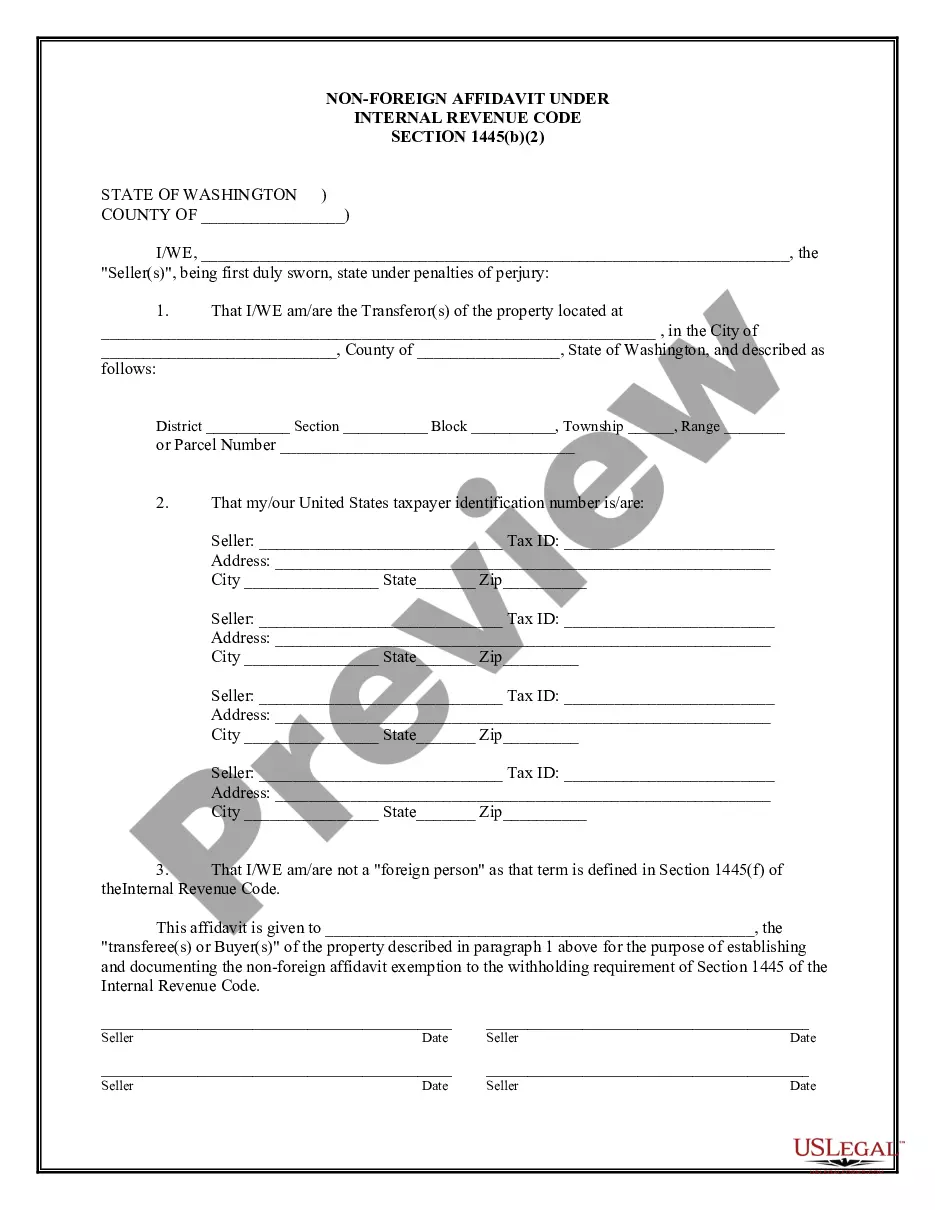







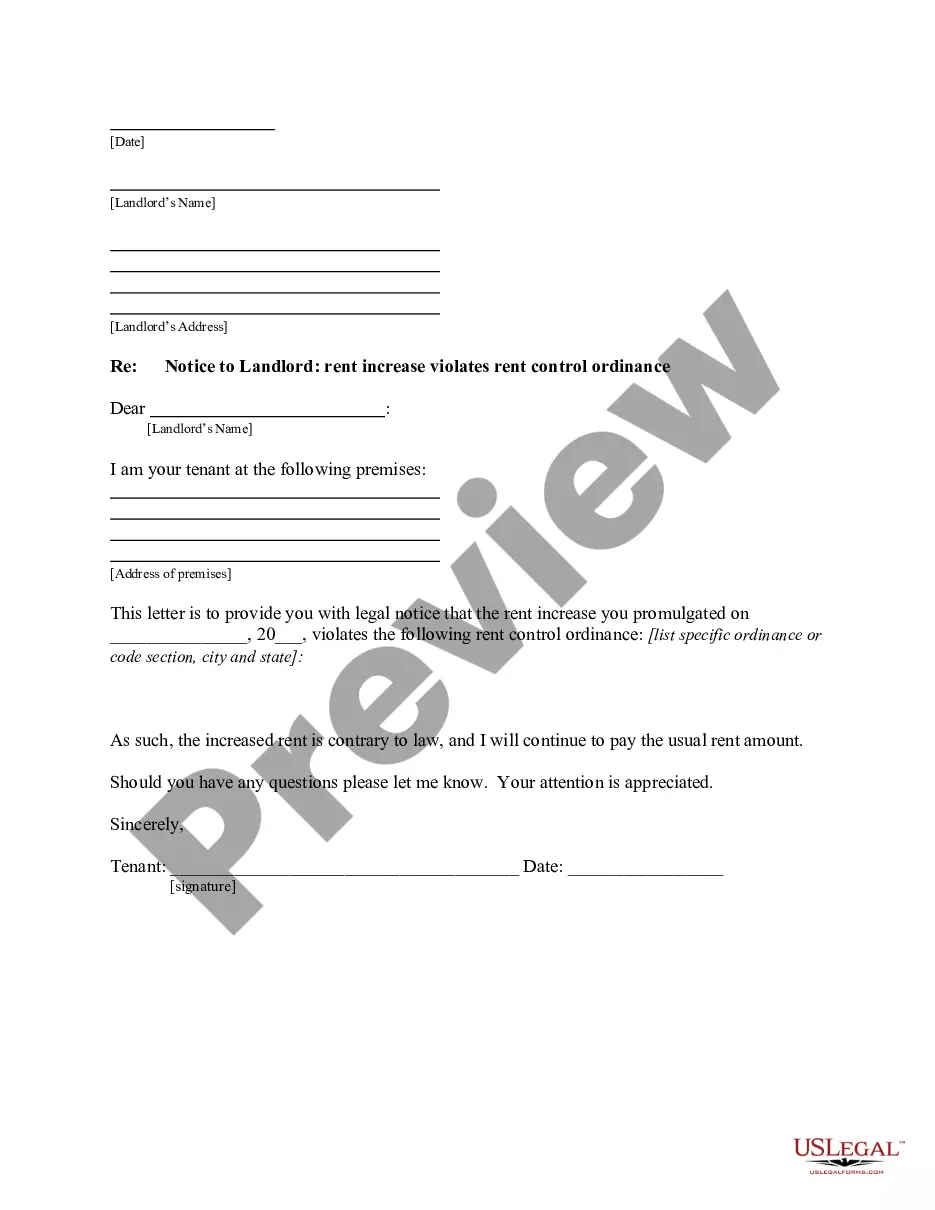
How to fill out California Letter From Tenant To Landlord Containing Notice To Landlord To Withdraw Improper Rent Increase Due To Violation Of Rent Control Ordinance?
Locating a reliable source for acquiring the most up-to-date and pertinent legal templates is a significant part of navigating bureaucracy.
Selecting the appropriate legal documents demands precision and meticulousness, which is why it is essential to obtain samples of Rent Control Rules And Regulations solely from credible sources, such as US Legal Forms.
Eliminate the hassle associated with your legal documentation. Explore the extensive US Legal Forms catalog to discover legal templates, verify their applicability to your situation, and download them instantly.
- Utilize the catalog navigation or search box to locate your template.
- Examine the form’s description to determine if it aligns with the requirements of your state and region.
- Inspect the form preview, if available, to confirm the template is indeed the one you seek.
- Continue your search and find the correct document if the Rent Control Rules And Regulations does not fulfill your needs.
- If you are confident about the form’s applicability, download it.
- As a registered user, click Log in to verify and access your selected forms in My documents.
- If you do not have an account yet, click Buy now to procure the form.
- Select the pricing plan that suits your needs.
- Proceed with the registration to complete your purchase.
- Finalize your transaction by choosing a payment option (credit card or PayPal).
- Select the document format for downloading Rent Control Rules And Regulations.
- Once you have the form on your device, you may modify it using the editor or print it and complete it by hand.
Form popularity
FAQ
The maximum rental increase allowed varies by jurisdiction and is usually defined by local rent control rules and regulations. Many cities set specific percentages on how much rent can increase annually. To understand the limits that apply to your situation, it's important to consult local laws or seek guidance from a legal expert.
Yes, you can write up your own rental agreement, but it's essential to ensure it complies with local laws and includes all necessary details, following rent control rules and regulations. A well-drafted rental agreement protects both your rights and those of the landlord. Using a reliable platform like USLegalForms can help you create a comprehensive rental agreement tailored to your needs.
You can express your concerns about a rent increase, but it's important to know that a landlord can decide whether to proceed with the increase according to rent control rules and regulations in your area. Depending on your lease agreement and state laws, there might be limited options for refusing an increase. If you do find yourself in such a situation, exploring negotiation with your landlord or seeking legal advice could be beneficial.
In Arizona, landlords can raise the rent at their discretion, as there are no statewide rent control rules and regulations. That said, landlords must still follow proper notification procedures, usually giving tenants at least 30 days' notice of any increase. It is advisable for tenants to familiarize themselves with their specific rental agreements to understand their rights.
In Arizona, there are no statewide rent control rules and regulations that limit how much a landlord can raise the rent. Landlords can choose to increase rent as they see fit, but they must provide tenants with proper notice, typically 30 days. Tenants should review their lease agreements for any specific terms regarding rent increases.
The most a landlord can increase the rent depends on local rent control rules and regulations, which vary widely by city and state. Generally, landlords must provide tenants with a written notice before any increase takes effect. It's crucial to check local laws to understand the specific limits in your area.
The highest percentage a landlord can raise rent depends on the local rent control rules and regulations in place. Some areas cap rent increases annually at a certain percentage, while others may allow raises only after a specified duration. It is important to consult your local regulations or speak with a tenant's rights organization to clarify permissible rent increases. Knowing these rules can empower you in discussions with your landlord.
The maximum rent increase allowed per year varies by jurisdiction, particularly in areas with rent control rules and regulations. Generally, in unregulated areas, landlords can raise rent as they see fit, given proper notice. However, in controlled areas, specific limits might apply, often tied to inflation rates or set by local ordinances. Always check your local laws to determine the allowable increases in your area.
In Pennsylvania, rent control laws exist but are limited. The state generally does not impose statewide rent control regulations, leaving it to local jurisdictions to establish their own rules. Some cities have enacted rent control measures, so it is advisable for tenants and landlords to review local regulations. Understanding these rent control rules and regulations can help you make informed decisions about renting in specific areas.