Containing Rent Control For California
Description

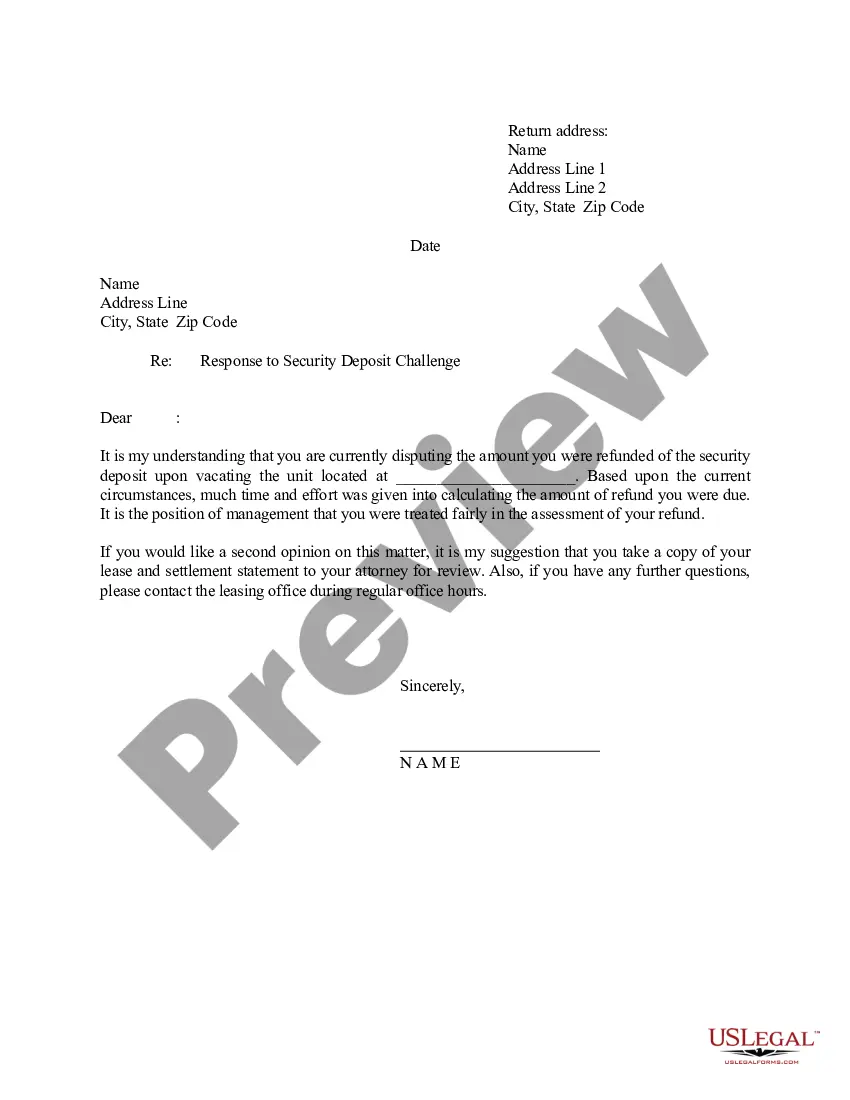
Get your form ready online
Our built-in tools help you complete, sign, share, and store your documents in one place.
Make edits, fill in missing information, and update formatting in US Legal Forms—just like you would in MS Word.
Download a copy, print it, send it by email, or mail it via USPS—whatever works best for your next step.
Sign and collect signatures with our SignNow integration. Send to multiple recipients, set reminders, and more. Go Premium to unlock E-Sign.
If this form requires notarization, complete it online through a secure video call—no need to meet a notary in person or wait for an appointment.
We protect your documents and personal data by following strict security and privacy standards.

Make edits, fill in missing information, and update formatting in US Legal Forms—just like you would in MS Word.

Download a copy, print it, send it by email, or mail it via USPS—whatever works best for your next step.

Sign and collect signatures with our SignNow integration. Send to multiple recipients, set reminders, and more. Go Premium to unlock E-Sign.

If this form requires notarization, complete it online through a secure video call—no need to meet a notary in person or wait for an appointment.

We protect your documents and personal data by following strict security and privacy standards.
Looking for another form?










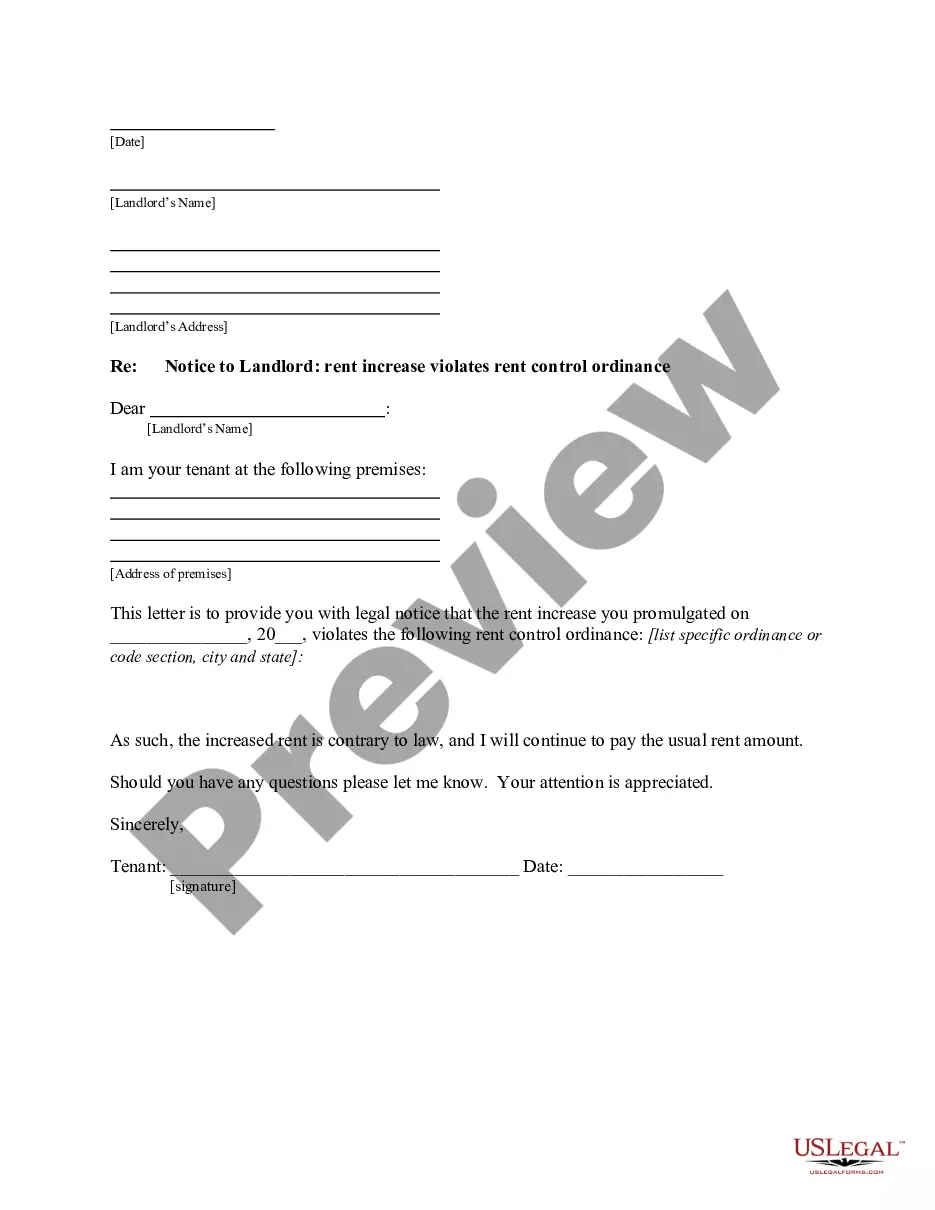
How to fill out California Letter From Tenant To Landlord Containing Notice To Landlord To Withdraw Improper Rent Increase Due To Violation Of Rent Control Ordinance?
It’s clear that you can’t swiftly transform into a legal authority, nor can you quickly understand how to draft Containing Rent Control For California without possessing specific skills.
Crafting legal documents is an extensive process that requires particular training and expertise. So why not leave the preparation of the Containing Rent Control For California to the professionals.
With US Legal Forms, one of the most comprehensive legal template libraries, you can find everything from court documents to templates for internal communication.
You can regain access to your documents from the My documents section at any time. If you’re an existing customer, you can simply Log In and find and download the template from the same area.
Regardless of the intent behind your paperwork—whether financial, legal, or personal—our platform is well-equipped to assist. Give US Legal Forms a try now!
- Locate the form you need by utilizing the search bar at the upper section of the page.
- Examine it (if this feature is available) and read the accompanying description to decide if Containing Rent Control For California is what you require.
- Restart your search if you need a different template.
- Create a complimentary account and select a subscription plan to acquire the form.
- Click Buy now. After the payment is processed, you can download the Containing Rent Control For California, fill it out, print it, and mail it to the intended recipients.
Form popularity
FAQ
Legally withholding rent in California often involves specific steps that depend on valid reasons, such as uninhabitable living conditions. First, ensure that the issues you are experiencing genuinely violate housing codes. Next, provide your landlord with written notice about these issues, giving them an opportunity to make necessary repairs. If they fail to act within a reasonable timeframe, you may have grounds for containing rent control for California, allowing you to withhold rent until the situation improves.
A private landlord in California can typically increase rent by a maximum of 5% plus the local rate of inflation, without exceeding a total increase of 10% in one year. This cap is part of California's efforts to contain rent control to protect tenants. It's crucial for landlords to adhere to these limits to avoid legal issues. The US Legal Forms platform can assist landlords in creating proper notices to ensure compliance while managing rent increases.
The rent control rules in California include restrictions on the amount and frequency of rent increases. Generally, landlords must provide written notice, and increases are often capped at 5% plus inflation, or 10%, whichever is lower. Additionally, eviction protections exist for tenants under certain conditions. Staying informed about these rules is essential for both parties involved in containing rent control for California.
A $400 rent increase might violate California's rent control laws, depending on the current rental rate and the percentage increase. Under AB 1482, increases must follow the set caps, which usually limit annual increases significantly lower than that amount. Tenants should check their rent control status and consult legal resources to challenge excessive increases. The US Legal Forms platform can help tenants understand their rights better, especially when containing rent control for California.
California's rent control requirements, as stated in laws like AB 1482, limit the amount landlords can increase rent annually. Generally, landlords cannot raise rent by more than 5% plus the local rate of inflation, or 10%, whichever is lower. Additionally, specific guidelines detail how landlords must notify tenants of these increases. Familiarizing yourself with these regulations aids in effectively containing rent control for California.
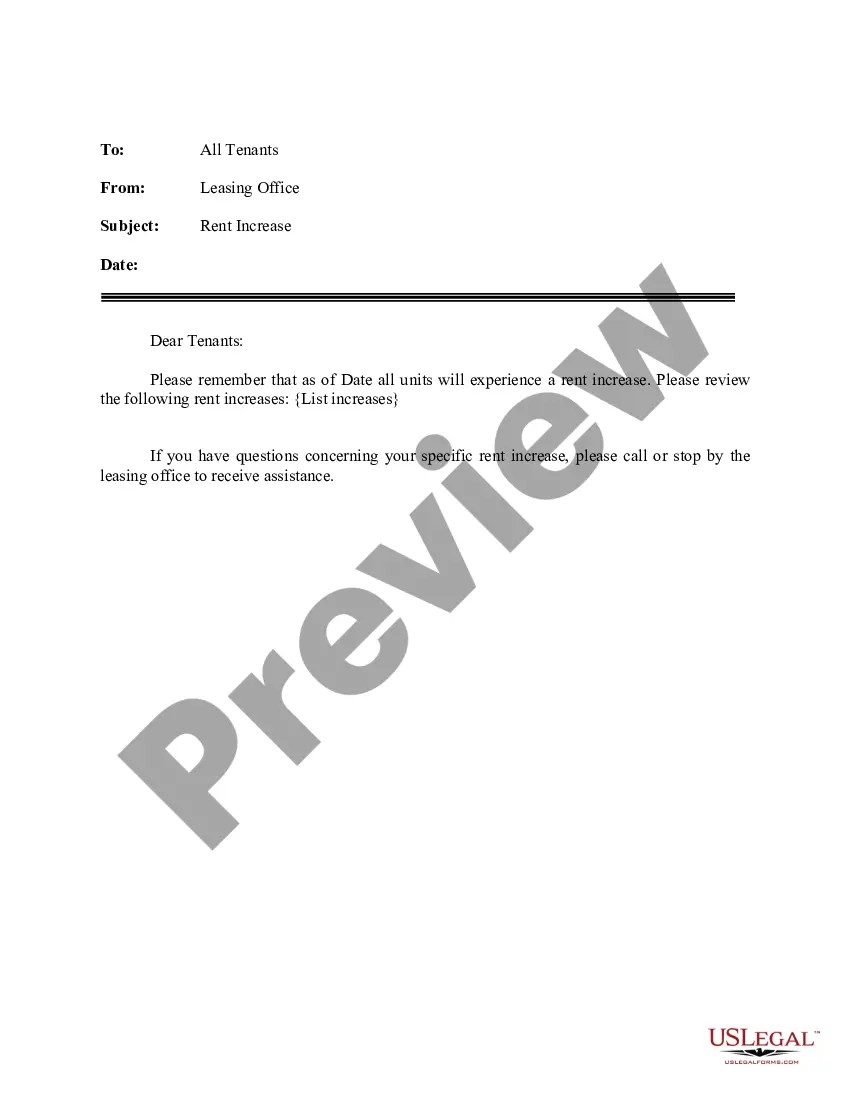
Filling out a rent increase form requires clear documentation and communication with your tenants. First, state the current rent, the new rental amount, and the date when the increase will take effect. It's important to adhere to local laws regarding notice periods when implementing the increase. For those needing assistance, the US Legal Forms platform offers straightforward templates to ensure compliance while containing rent control for California.
Certain properties are exempt from AB 1482 rent control regulations in California. This includes single-family homes if the owner is not a corporate entity, and housing built within the last 15 years. Additionally, certain government-subsidized housing and affordable housing projects may also be exempt. Understanding these exemptions is crucial for both landlords and tenants in containing rent control for California.