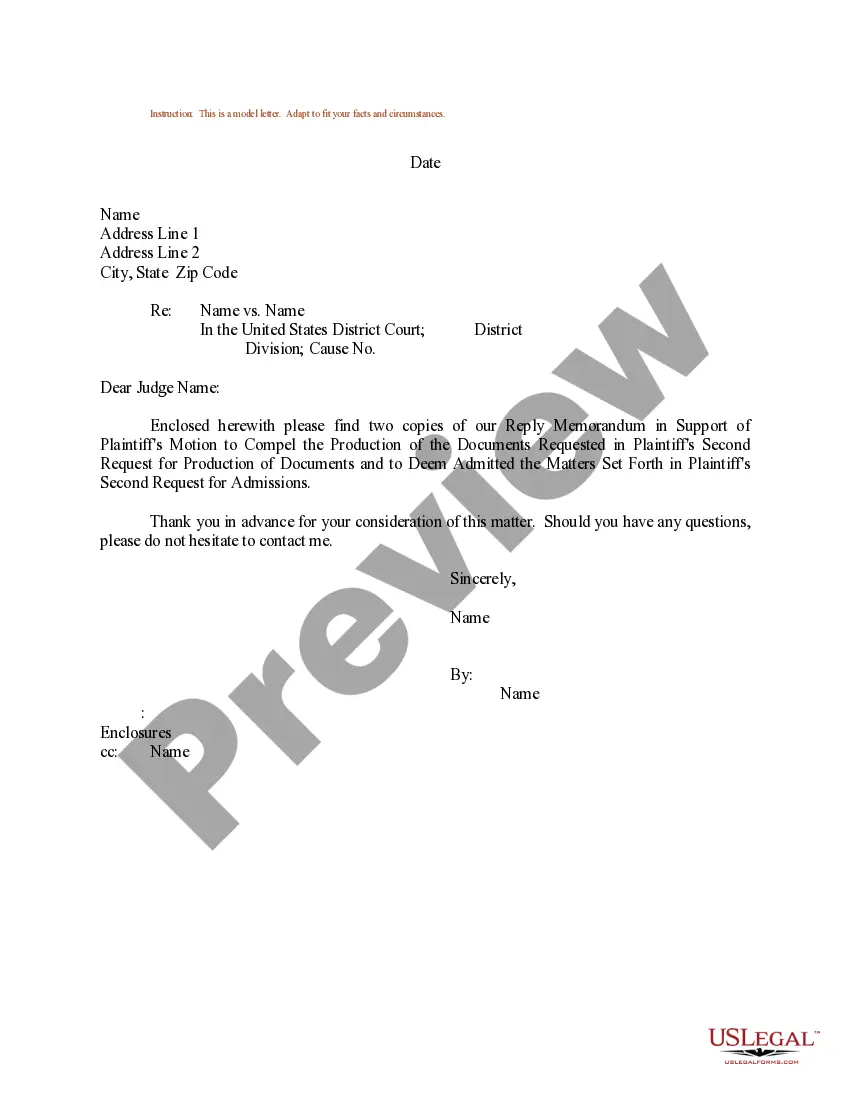
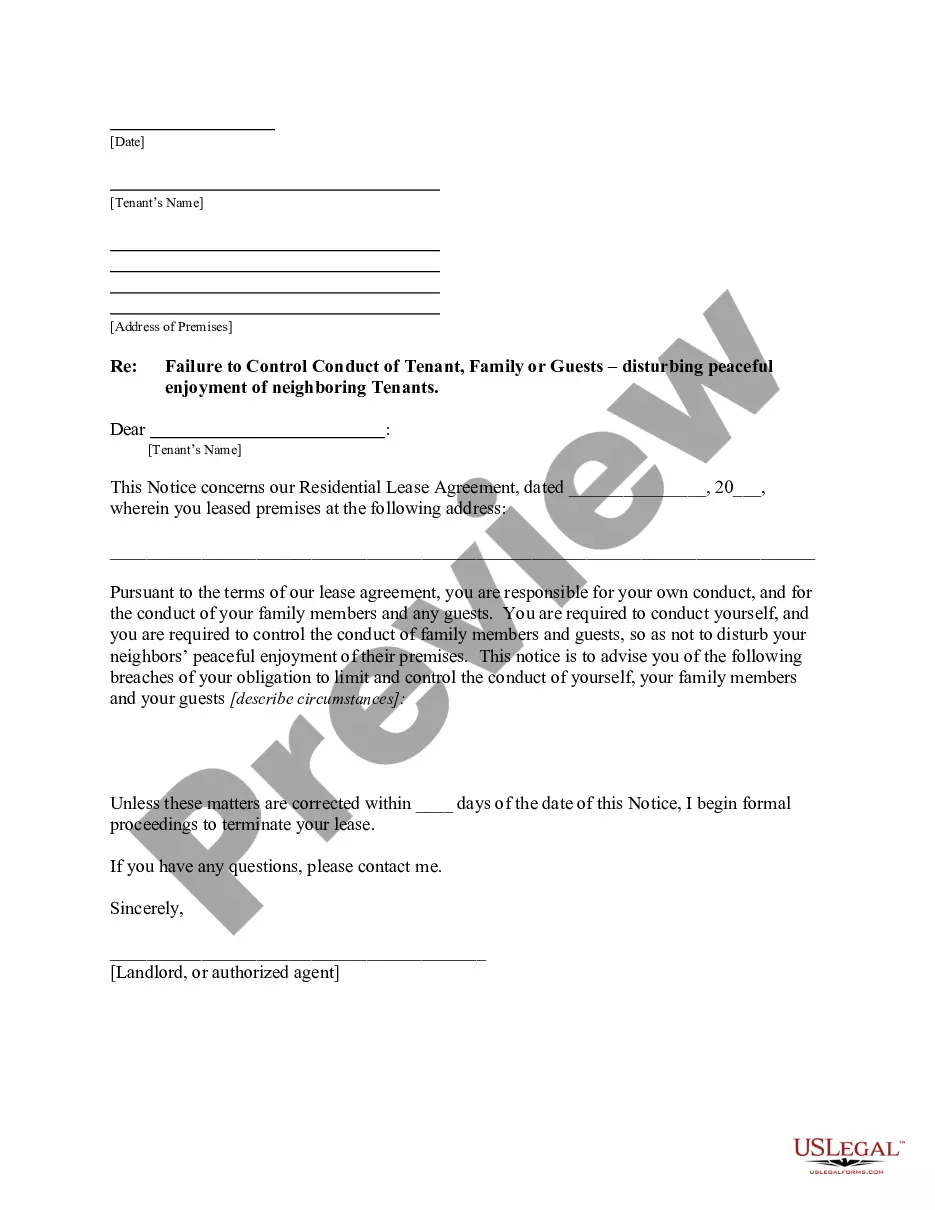
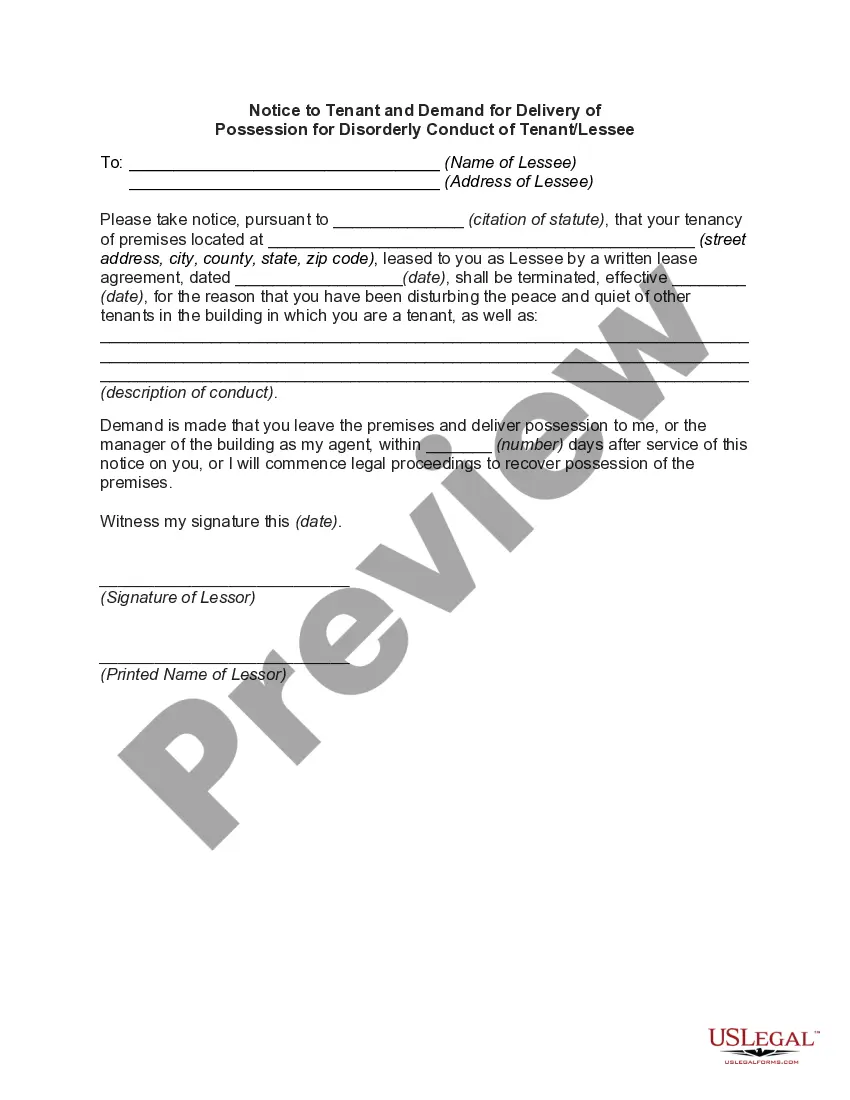
Landlord Tenant Enjoyment Form
Description


Get your form ready online
Our built-in tools help you complete, sign, share, and store your documents in one place.
Make edits, fill in missing information, and update formatting in US Legal Forms—just like you would in MS Word.
Download a copy, print it, send it by email, or mail it via USPS—whatever works best for your next step.
Sign and collect signatures with our SignNow integration. Send to multiple recipients, set reminders, and more. Go Premium to unlock E-Sign.
If this form requires notarization, complete it online through a secure video call—no need to meet a notary in person or wait for an appointment.
We protect your documents and personal data by following strict security and privacy standards.

Make edits, fill in missing information, and update formatting in US Legal Forms—just like you would in MS Word.

Download a copy, print it, send it by email, or mail it via USPS—whatever works best for your next step.

Sign and collect signatures with our SignNow integration. Send to multiple recipients, set reminders, and more. Go Premium to unlock E-Sign.

If this form requires notarization, complete it online through a secure video call—no need to meet a notary in person or wait for an appointment.

We protect your documents and personal data by following strict security and privacy standards.
Looking for another form?







How to fill out California Letter From Landlord To Tenant As Notice To Tenant Of Tenant's Disturbance Of Neighbors' Peaceful Enjoyment To Remedy Or Lease Terminates?
What is the most reliable service to obtain the Landlord Tenant Enjoyment Form and other current versions of legal documents? US Legal Forms is the answer! It's the largest repository of legal forms for any scenario. Each template is expertly created and validated for adherence to federal and local laws. They are organized by sector and jurisdiction, making it simple to find what you require.
Veteran users of the site just need to Log In to the platform, verify their subscription status, and click the Download button next to the Landlord Tenant Enjoyment Form to retrieve it. Once saved, the template remains accessible for future reference within the My documents section of your account. If you do not yet have an account with us, follow these steps to create one.
US Legal Forms is an excellent option for anyone needing to manage legal documentation. Premium users can benefit even further by filling out and signing previously saved documents electronically at any time through the integrated PDF editing feature. Give it a try today!
- Template compliance assessment. Before you obtain any document, ensure that it meets your intended use and complies with your state or county's legal requirements. Review the form description and utilize the Preview feature if accessible.
- Alternative document search. If there are discrepancies, utilize the search function in the header to find a different template. Click Buy Now to select the appropriate one.
- Account registration and subscription activation. Select the most suitable pricing option, Log In or create your account, and purchase your subscription using PayPal or credit card.
- Document download. Choose the format in which you want to save the Landlord Tenant Enjoyment Form (PDF or DOCX) and click Download to retrieve it.
Form popularity
FAQ
You can also call the LTB at 416-645-8080 or 1-888-332- 3234 (toll-free). If you file your application in person at an LTB office, you can pay the application fee by cash, debit card, certified cheque, money order, Visa or MasterCard. Mail your T2 application to the nearest LTB office.
Primary tabs. In property law, the covenant of quiet enjoyment is an implied term in every lease that the tenant shall have quiet and peaceful possession of the leased premises against the lessor. The covenant ensures that the landlord is bound to refrain from action which interrupts the tenant's beneficial enjoyment.
The Human Rights Act states that people are entitled to the peaceful enjoyment of their property. Quiet or peaceful enjoyment means that the tenant can live normally in the property without suffering any unnecessary interruptions from the landlord.
Here in Toronto, the rules say occupants have the right to be free from unreasonable disturbances. Further, landlords have a positive obligation to provide quiet enjoyment and take reasonable action to address another tenant's conduct that disturbs the complaining tenant. That's right.
There is a long-standing L&T common law principle known as "quiet enjoyment", which basically placed a duty on the landlord to provide the tenant with (and not to interfere with) peaceful, undisturbed and dignified possession of the premises - limited only by necessary interruptions for maintenance and safety.