Letter Landlord Building With Tenant
Description


Get your form ready online
Our built-in tools help you complete, sign, share, and store your documents in one place.
Make edits, fill in missing information, and update formatting in US Legal Forms—just like you would in MS Word.
Download a copy, print it, send it by email, or mail it via USPS—whatever works best for your next step.
Sign and collect signatures with our SignNow integration. Send to multiple recipients, set reminders, and more. Go Premium to unlock E-Sign.
If this form requires notarization, complete it online through a secure video call—no need to meet a notary in person or wait for an appointment.
We protect your documents and personal data by following strict security and privacy standards.

Make edits, fill in missing information, and update formatting in US Legal Forms—just like you would in MS Word.

Download a copy, print it, send it by email, or mail it via USPS—whatever works best for your next step.

Sign and collect signatures with our SignNow integration. Send to multiple recipients, set reminders, and more. Go Premium to unlock E-Sign.

If this form requires notarization, complete it online through a secure video call—no need to meet a notary in person or wait for an appointment.

We protect your documents and personal data by following strict security and privacy standards.
Looking for another form?
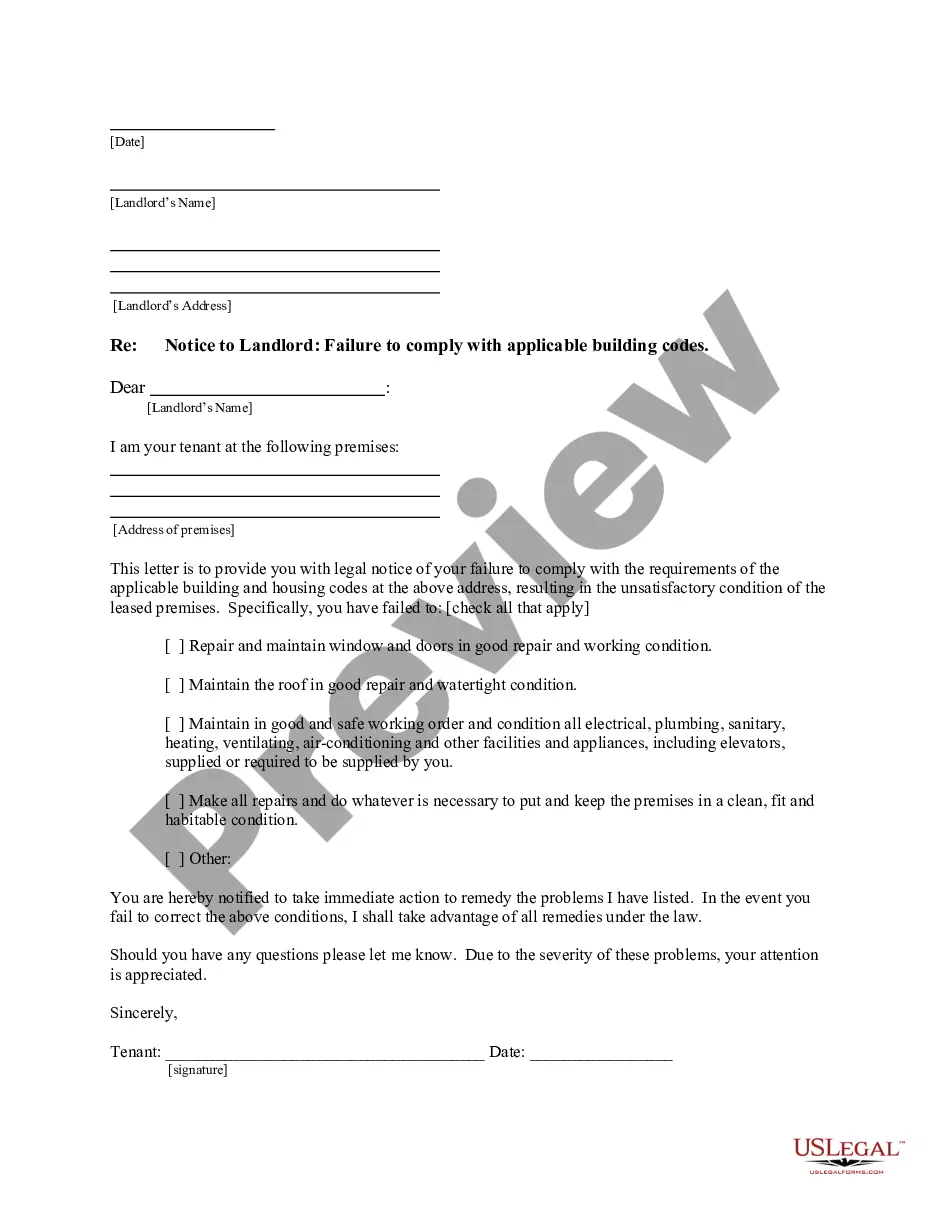
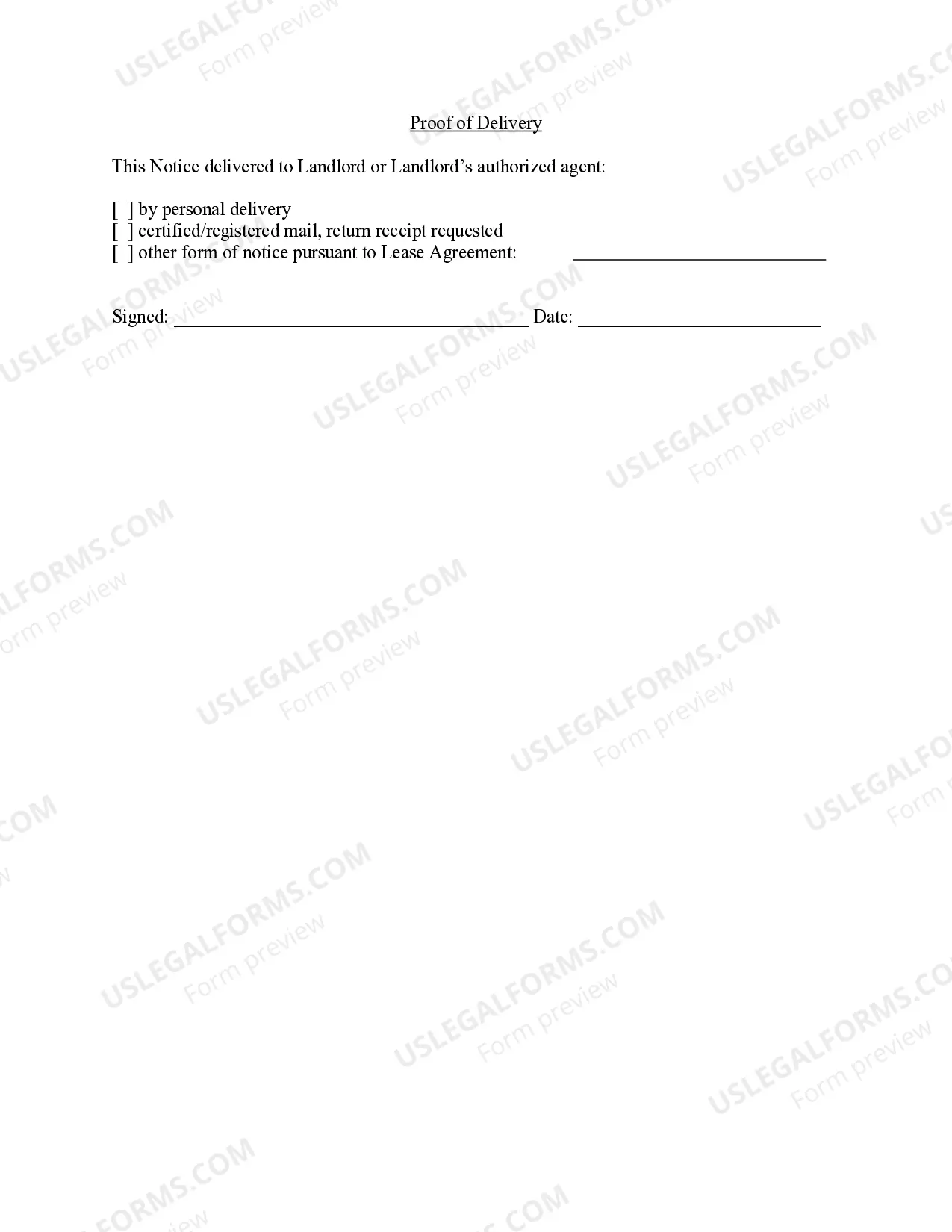
How to fill out California Letter From Tenant To Landlord For Failure Of Landlord To Comply With Building Codes Affecting Health And Safety Or Resulting In Untenantable Condition - Demand For Remedy?
- Visit the US Legal Forms website and check their extensive library for the 'letter landlord building with tenant' template.
- If you’ve used US Legal Forms before, simply log in and access your account to download the template directly.
- If you are a new user, click on the relevant template and review its description in Preview mode to ensure it meets your local requirements.
- If you need to search for other templates, utilize the Search tab to find the right document that addresses your needs.
- Select the template that fits your requirements, then click on 'Buy Now' to choose your subscription plan and register an account.
- Complete your purchase using your credit card or PayPal, ensuring you have a valid subscription.
- Once purchased, download your document and save it to your device. You can access it anytime through the My Forms section of your profile.
By following these steps, you can efficiently acquire the legally sound letter you need. US Legal Forms empowers users by providing a simple process to access a variety of legal documents, ensuring that your needs are met without hassle.
Get started today and streamline your legal documentation process!
Form popularity
FAQ
Writing a letter of permission to a tenant involves stating your intent clearly and concisely. Begin with a formal greeting, followed by the specifics of what you are permitting, such as subletting or making repairs. Include any conditions involved with the permission and express your willingness to answer questions. A well-structured letter fosters a positive landlord-building relationship and reassures tenants.
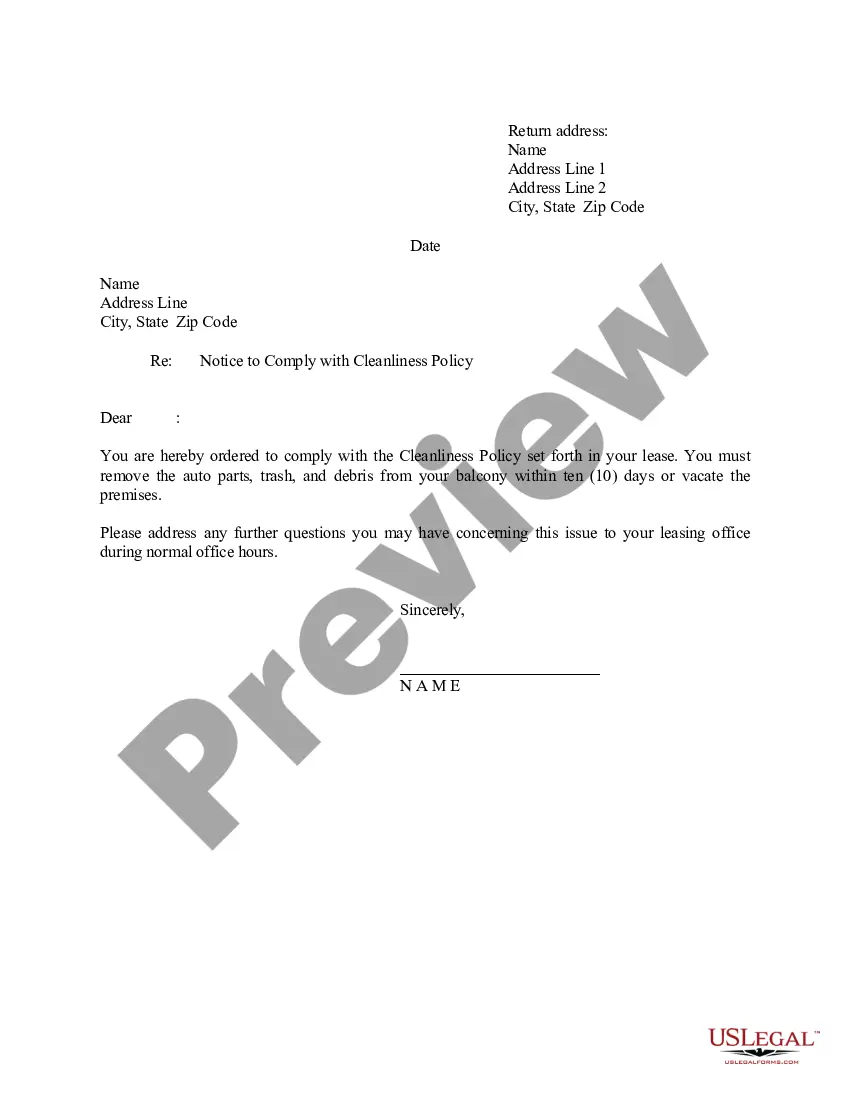
To write a quick notice for a tenant, keep the message brief and to the point while including essential details. Mention the issue at hand, a timeline for response or action, and follow-up instructions if necessary. This straightforward approach can prevent misunderstandings and ensure clarity. Utilizing a clear template can help you draft these notices efficiently, reinforcing your landlord-building relationship.
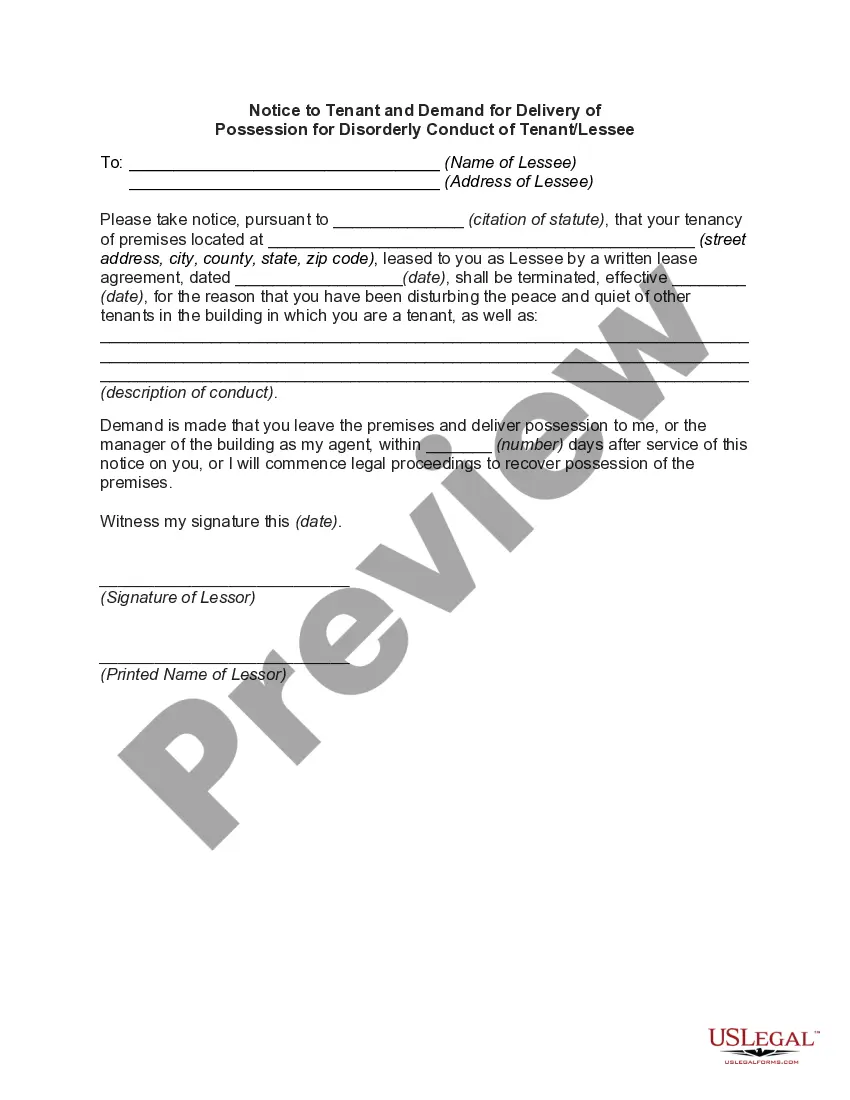
When informing a tenant to move out, be direct yet gentle in your communication. Start by expressing appreciation for their time in the property, and then state the necessity for them to vacate. Provide a specific timeline and any steps they need to follow for a smooth transition. A well-crafted letter can ease this process, demonstrating your respect for their situation and maintaining a positive landlord-building dynamic.
An example letter for a tenant regarding an inspection should include the date, time, and purpose of the visit. Begin with a warm greeting and remind the tenant of their rights and responsibilities concerning the inspection. Stress the importance of maintaining the property and ensuring safety. This kind of communication helps solidify a landlord-building connection with your tenant.
When writing a letter from landlord to tenant, begin with the date and the tenant's name and address. Clearly state the purpose of the letter, whether it's regarding rent payments, lease renewal, or property inspections. Maintain a friendly yet professional tone throughout, and end with your contact details. This approach promotes transparency and fosters a trusting landlord-building relationship with your tenant.
In general, a person can stay with you for a limited time without needing to be added to the lease. This duration often varies based on state or local laws, but a common timeframe is typically around 30 days. It's important to check your lease agreement and local regulations to ensure compliance. Hobbyists and guests can add to your living situation but clarify their status with your tenants to avoid misunderstandings.
To write a letter for your tenant, start with a clear and concise opening that states the purpose of the letter. Include relevant details such as dates, payment amounts, or specific requests. Make sure to use a professional tone and end the letter with your contact information. The format you choose can set a solid foundation for a productive landlord-building relationship with your tenant.
A letter to a tenant for a new property manager serves to introduce the new management team and explain any changes that may affect the tenant. This letter should include the new manager’s contact information, their responsibilities, and any changes in procedures. It is important to convey that the new manager is committed to maintaining a positive living experience. Crafting a thoughtful Letter landlord building with tenant will help ensure that all parties are informed and comfortable with the transition.
Writing a new management letter involves clearly outlining the essential changes in management and key information for tenants. Begin with a warm greeting, followed by an introduction of the new management team and their contact details. Include instructions for any changes related to payments or maintenance requests. By utilizing a structured Letter landlord building with tenant, you can provide clarity and foster a smooth transition.
To introduce a new property manager, write a letter to your tenants that clearly outlines the new manager's name, role, and contact information. Make sure to express your confidence in their abilities to handle property management effectively. This letter not only assures tenants that they have a reliable contact but also helps establish a rapport between them and the new manager. A targeted Letter landlord building with tenant can be a very effective tool for this process.