Tenant Landlord With For Repairs
Description
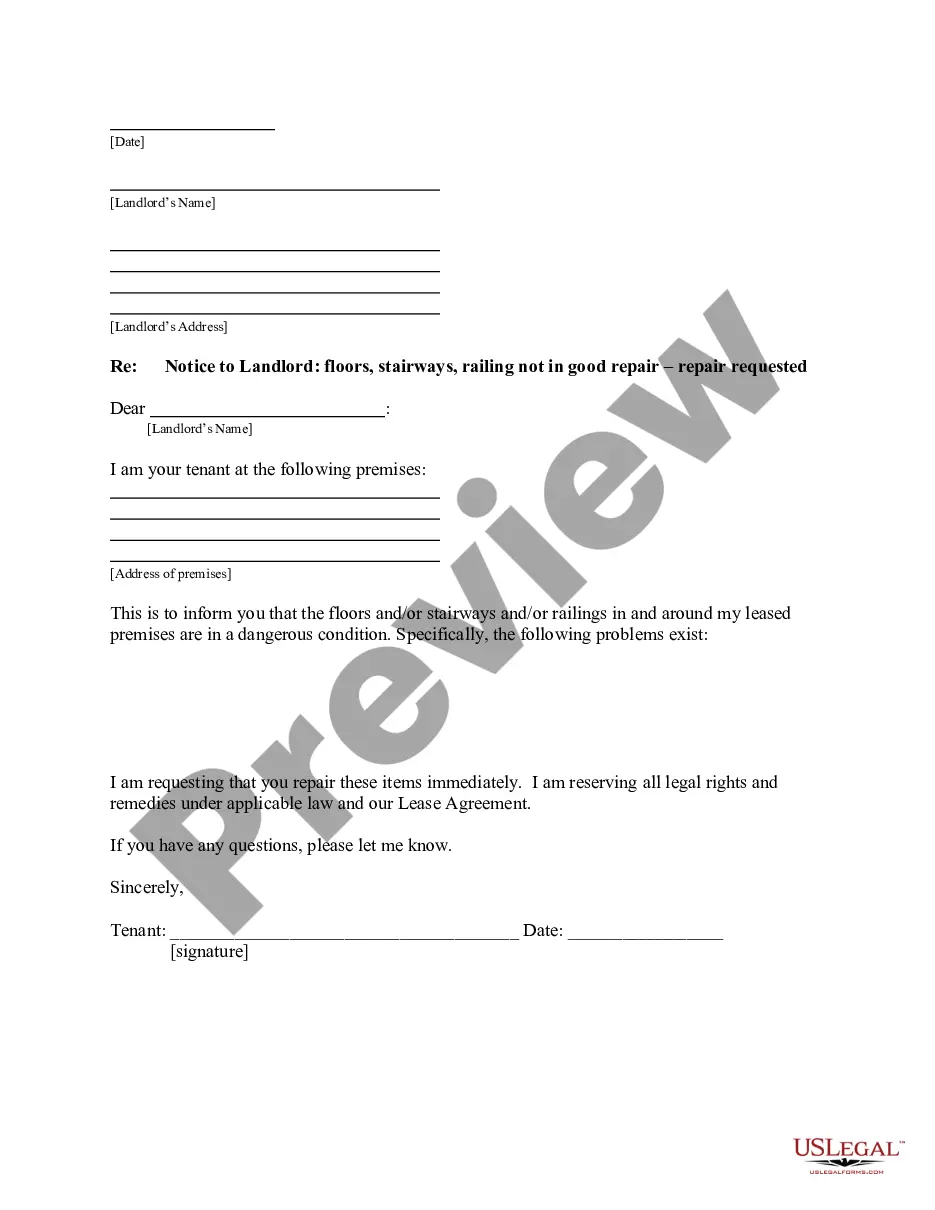
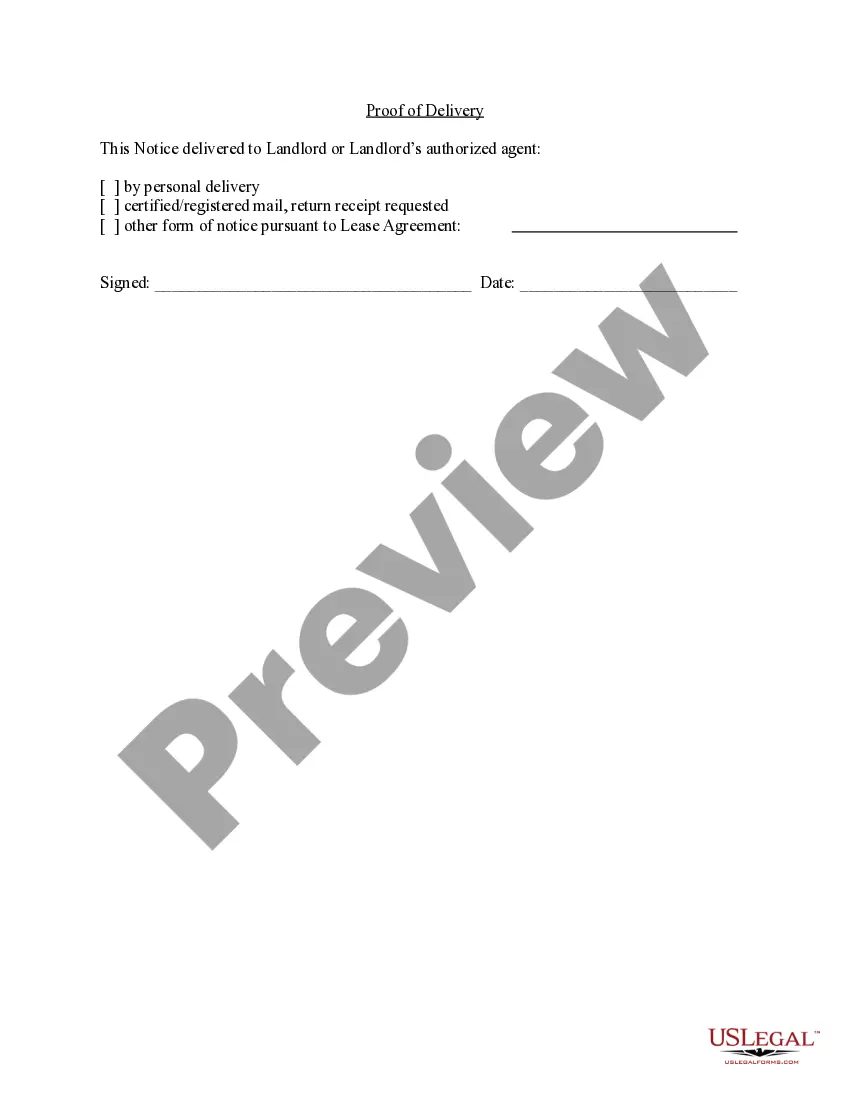



Get your form ready online
Our built-in tools help you complete, sign, share, and store your documents in one place.
Make edits, fill in missing information, and update formatting in US Legal Forms—just like you would in MS Word.
Download a copy, print it, send it by email, or mail it via USPS—whatever works best for your next step.
Sign and collect signatures with our SignNow integration. Send to multiple recipients, set reminders, and more. Go Premium to unlock E-Sign.
If this form requires notarization, complete it online through a secure video call—no need to meet a notary in person or wait for an appointment.
We protect your documents and personal data by following strict security and privacy standards.

Make edits, fill in missing information, and update formatting in US Legal Forms—just like you would in MS Word.

Download a copy, print it, send it by email, or mail it via USPS—whatever works best for your next step.

Sign and collect signatures with our SignNow integration. Send to multiple recipients, set reminders, and more. Go Premium to unlock E-Sign.

If this form requires notarization, complete it online through a secure video call—no need to meet a notary in person or wait for an appointment.

We protect your documents and personal data by following strict security and privacy standards.
Looking for another form?


How to fill out California Letter From Tenant To Landlord With Demand That Landlord Repair Floors, Stairs Or Railings?
- Log in to your US Legal Forms account if you are an existing user, and verify your subscription status. If expired, renew it as per your current plan.
- If you are new to the service, start by previewing the available forms. Ensure you select the template that aligns with your requirements and complies with your local laws.
- Use the Search feature to find alternate templates if needed; make sure to choose the one that perfectly fits your scenario.
- Click on the Buy Now button once you've selected your form, and make sure to choose a suitable subscription plan. You'll need to create an account to gain access.
- Complete your purchase by entering your payment details or using PayPal, and finalize the transaction.
- Download your completed form to your device and save it. You can also find it anytime in the My Forms section of your profile.
US Legal Forms provides a vast collection of legal forms, empowering both individuals and attorneys to execute documents efficiently. With over 85,000 editable and fillable templates available, you are sure to find the one that meets your needs.
Experience the convenience and reliability of US Legal Forms today. Start securing your essential documents for tenant-landlord repairs, and ensure peace of mind in your legal matters.
Form popularity
FAQ
To file a complaint against a landlord in Kansas, first gather evidence, including photographs and written correspondence regarding repair issues. You can then submit your complaint to local housing authorities or the Kansas Attorney General's office. Utilizing platforms like US Legal Forms can provide you with complaint templates that help streamline the process and clarify your rights concerning repairs.
Dealing with an irresponsible landlord requires consistent communication and proper documentation of repair requests. If your landlord fails to respond, consider sending a formal complaint or notification outlining the issues. Utilizing resources like US Legal Forms can help you find the right templates to formally address issues with your landlord, helping to ensure your rights as a tenant are upheld successfully.
In Kansas, tenants can report landlords to local housing authorities or the Kansas Department of Health and Environment. These agencies can investigate complaints related to unsafe living conditions and help enforce tenant rights. Remember, documenting issues with your landlord related to repairs can significantly support your case during this process.
To file legal action against a landlord, start by documenting all communication regarding repairs and maintenance issues. After gathering evidence, you can consult a legal expert to discuss your case and determine the best course of action, whether it's negotiating or proceeding to court. Resources like US Legal Forms offer templates and guidance on tenant rights that can help you navigate the process effectively.
Landlord negligence occurs when a landlord fails to maintain property conditions that ensure tenant safety and habitability. This could involve ignoring repair requests or not fixing hazardous issues like leaky roofs or broken heating systems promptly. When a landlord neglects these responsibilities, it can create significant challenges for tenants, specifically when they seek repairs and safe living conditions.
Generally, tenants are not responsible for paying for repairs that fall under the landlord's obligations, such as structural issues or plumbing problems. However, tenants may be liable for damages caused by their negligence or misuse. Clarifying the tenant landlord with for repairs responsibilities upfront can help set clear expectations and prevent misunderstandings.
In Washington, landlords are required to fix serious health and safety issues within a few days of being notified. For less urgent repairs, the timeline can extend up to 30 days. Being aware of these timelines helps tenants better navigate their rights in the tenant landlord with for repairs relationship.
In Alabama, landlords must generally address repairs within a reasonable time frame, which can vary based on the issue's severity. For urgent problems, such as a lack of heat during winter, landlords should act quickly to restore essential services. Understanding these timelines is key in the tenant landlord with for repairs dynamic.
In Alabama, landlords are responsible for ensuring that the rental property is safe and habitable. This includes making necessary repairs to plumbing, heating, electrical systems, and structural safety. A clear understanding of the tenant landlord with for repairs obligations can help prevent disputes and ensure a smooth rental experience.
Handling noncompliance requires a structured approach. First, document any violations related to the tenant landlord with for repairs agreement. Next, communicate directly with the tenant about the specific issues, providing them an opportunity to resolve the situation. If the problem persists, consider seeking legal advice to explore your options.