Limited Partnership With Shares
Description

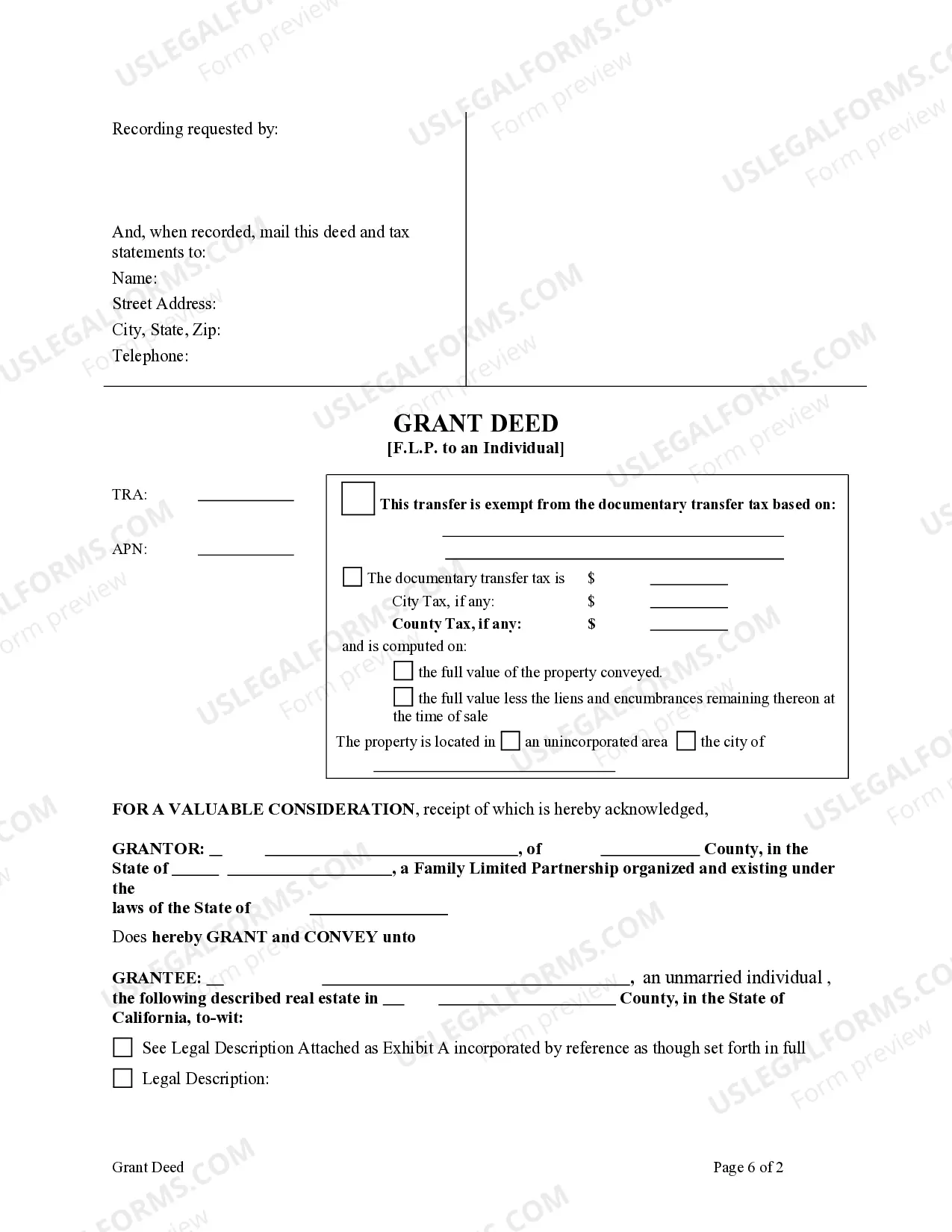
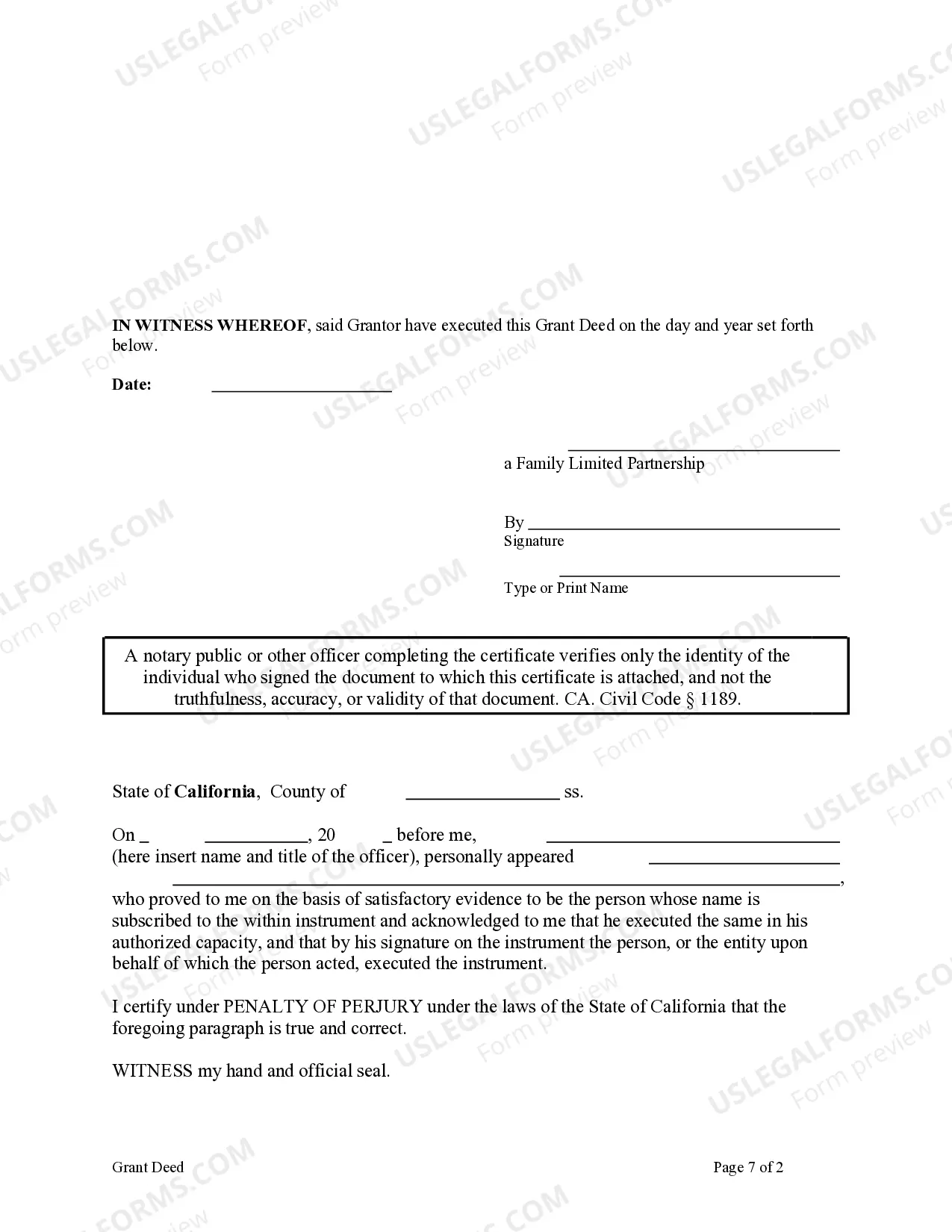


Get your form ready online
Our built-in tools help you complete, sign, share, and store your documents in one place.
Make edits, fill in missing information, and update formatting in US Legal Forms—just like you would in MS Word.
Download a copy, print it, send it by email, or mail it via USPS—whatever works best for your next step.
Sign and collect signatures with our SignNow integration. Send to multiple recipients, set reminders, and more. Go Premium to unlock E-Sign.
If this form requires notarization, complete it online through a secure video call—no need to meet a notary in person or wait for an appointment.
We protect your documents and personal data by following strict security and privacy standards.

Make edits, fill in missing information, and update formatting in US Legal Forms—just like you would in MS Word.

Download a copy, print it, send it by email, or mail it via USPS—whatever works best for your next step.

Sign and collect signatures with our SignNow integration. Send to multiple recipients, set reminders, and more. Go Premium to unlock E-Sign.

If this form requires notarization, complete it online through a secure video call—no need to meet a notary in person or wait for an appointment.

We protect your documents and personal data by following strict security and privacy standards.
Looking for another form?








How to fill out California Grant Deed From Family Limited Partnership To An Individual.?
- Begin by visiting the US Legal Forms website. If you already have an account, log in to access your files. Make sure your subscription is active; if not, renew it following your payment plan.
- For first-time users, start by browsing through the extensive library. Preview the form descriptions to find the limited partnership with shares template that meets your specific needs.
- If you need a different template, utilize the Search tab at the top to locate the appropriate document that complies with your local jurisdiction.
- Once you have found the correct form, click on the 'Buy Now' button. Choose the subscription plan that suits your requirements. You will need to create an account to gain access to the comprehensive library.
- Proceed to make your purchase by entering your payment information, either through a credit card or via PayPal.
- After completing your transaction, download your form to your device. You can access it anytime from the My Forms section of your profile.
US Legal Forms offers an unparalleled advantage with its extensive library of over 85,000 fillable legal templates. This ensures you can find the exact document you need for the specific legal context.
Start simplifying your legal documentation today with US Legal Forms! Take control of your legal needs by accessing our robust resources right now.
Form popularity
FAQ
A partnership firm can hold shares if it operates as a limited partnership with shares. This enables the firm to invest in other companies, diversifying its portfolio and increasing potential revenue streams. Holding shares can also convey credibility and stability to your business in the eyes of investors and clients. For clarity on managing shares within your partnership, visit USLegalForms for tailored guidance.
Indeed, a limited partnership with shares can possess shares, distinguishing itself from traditional partnerships. This structure enables you to raise capital by issuing shares to potential investors, fundamentally enhancing your business’s financial flexibility. Moreover, having shares within your partnership can facilitate smooth ownership transfers. Explore resources from USLegalForms to set up your partnership correctly and ensure compliance.
Yes, a limited partnership with shares allows you to issue shares as part of your business structure. This approach can attract investors who wish to become shareholders while enjoying limited liability. By incorporating shares into your partnership, you expand your funding options. Consider using platforms like USLegalForms to navigate the complexities of structuring your limited partnership effectively.
Yes, you can sell your shares in a limited company, and this process is generally more straightforward compared to partnerships. The rights and restrictions regarding share transfers are often outlined in the company’s articles of incorporation. If you are considering options within a limited partnership with shares, ensure you consult your legal agreements to understand the implications of selling your shares.
Partnerships typically do not sell shares on the stock market, as they are not publicly traded entities. However, if you have a limited partnership with shares, it may be possible to convert your structure into a corporation to facilitate public trading. This transition can provide additional capital and reach but involves complex legal considerations and should be approached with careful planning.
Yes, you can sell your shares in a partnership, but the process may vary based on your partnership agreement. In a limited partnership with shares, it’s essential to check the specific provisions related to transfers of shares. Generally, you may need the approval of other partners, as partnerships often have restrictions to maintain control and stability.
Yes, you can sell shares in a limited partnership, which is one of its key advantages. This ability allows for increased liquidity, attracting new investors who want to participate in your business. When structured properly, a limited partnership with shares fosters a marketable investment. If you are looking for guidance on structuring your limited partnership, consider using platforms like uslegalforms for comprehensive resources.
A partnership limited by shares is a unique business arrangement where shares are issued to investors, limiting their liability. In this structure, general partners maintain control, while limited partners contribute capital by buying shares. This offers a compelling option for businesses seeking investment while protecting investors from losing more than their investment. By considering a limited partnership with shares, you can tap into new funding avenues.
A limited partnership can indeed be limited by shares. This means that the liability of the limited partners is confined to the amount they have invested in the partnership. Utilizing a limited partnership with shares allows for flexibility in funding while safeguarding investor interests. It’s a beneficial structure for entrepreneurs who want to attract investment without exposing their personal assets.
While traditional partnerships do not issue shares, a limited partnership with shares changes this dynamic. In such arrangements, you can integrate shares, allowing for both investment opportunities and limited liability for your investors. This is an attractive feature for those looking to invite stakeholders without giving up control of the business. By using a limited partnership with shares, you can effectively manage both risk and reward.