Difference Between Rescission And Termination Of Contract
Description
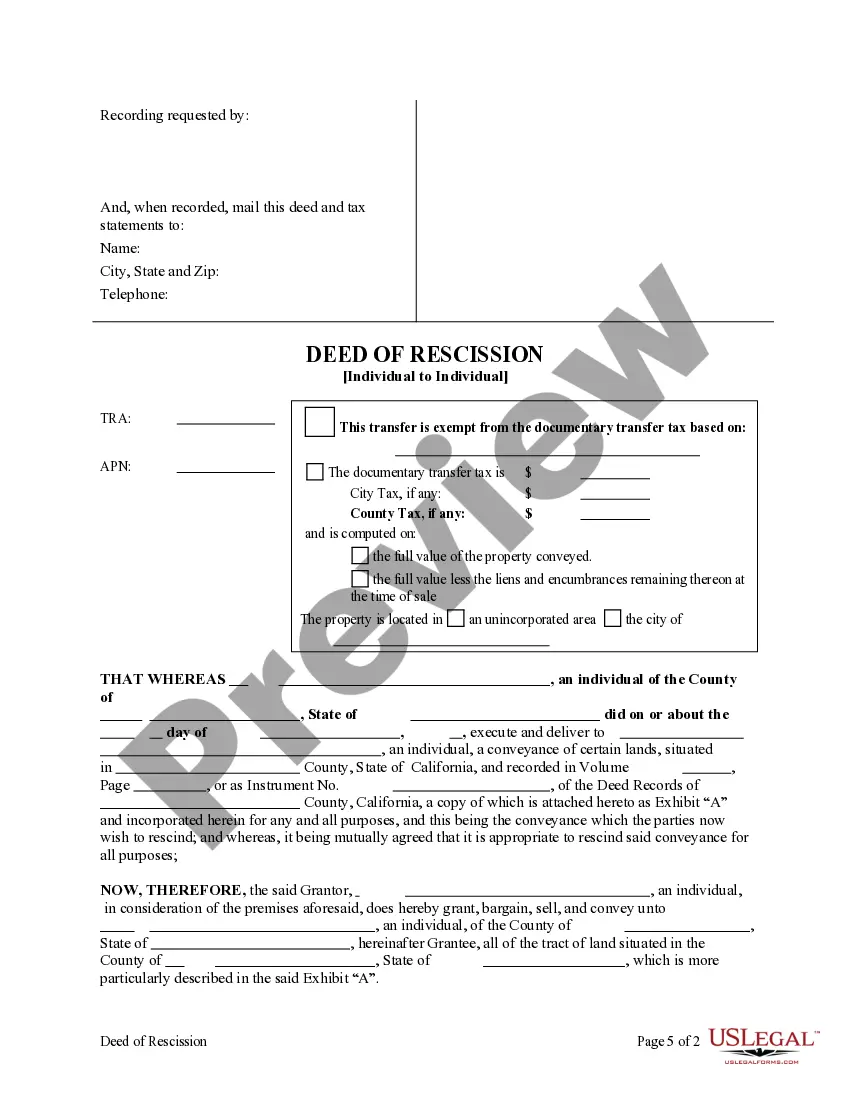
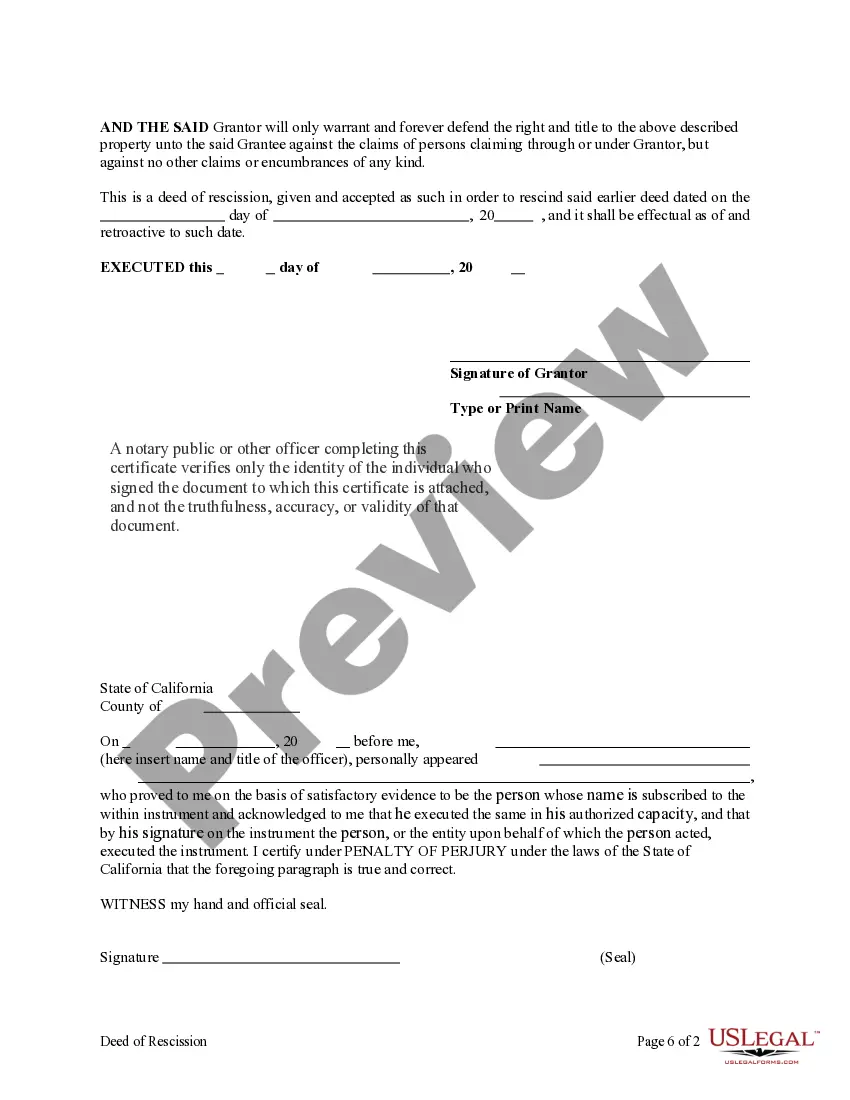

Get your form ready online
Our built-in tools help you complete, sign, share, and store your documents in one place.
Make edits, fill in missing information, and update formatting in US Legal Forms—just like you would in MS Word.
Download a copy, print it, send it by email, or mail it via USPS—whatever works best for your next step.
Sign and collect signatures with our SignNow integration. Send to multiple recipients, set reminders, and more. Go Premium to unlock E-Sign.
If this form requires notarization, complete it online through a secure video call—no need to meet a notary in person or wait for an appointment.
We protect your documents and personal data by following strict security and privacy standards.

Make edits, fill in missing information, and update formatting in US Legal Forms—just like you would in MS Word.

Download a copy, print it, send it by email, or mail it via USPS—whatever works best for your next step.

Sign and collect signatures with our SignNow integration. Send to multiple recipients, set reminders, and more. Go Premium to unlock E-Sign.

If this form requires notarization, complete it online through a secure video call—no need to meet a notary in person or wait for an appointment.

We protect your documents and personal data by following strict security and privacy standards.
Looking for another form?









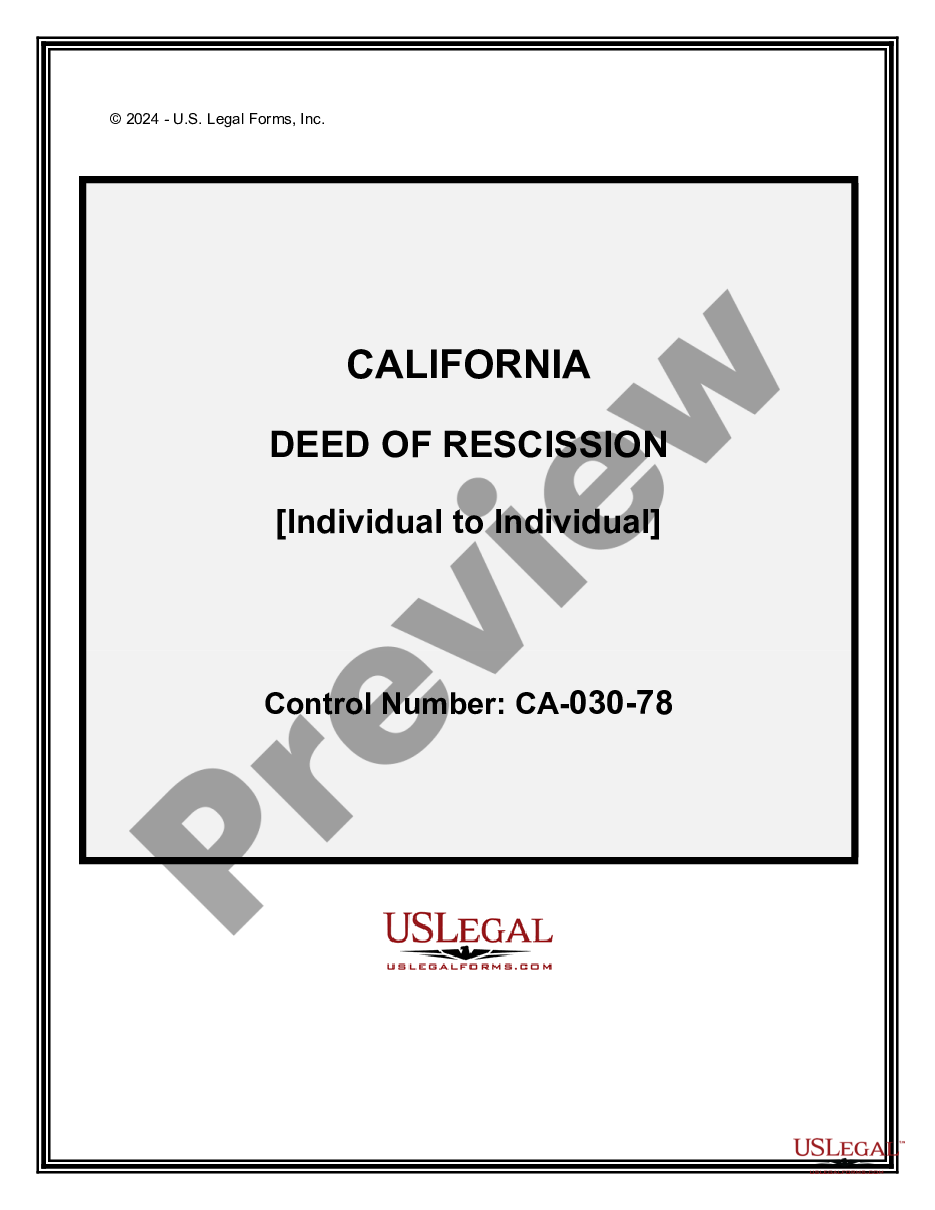
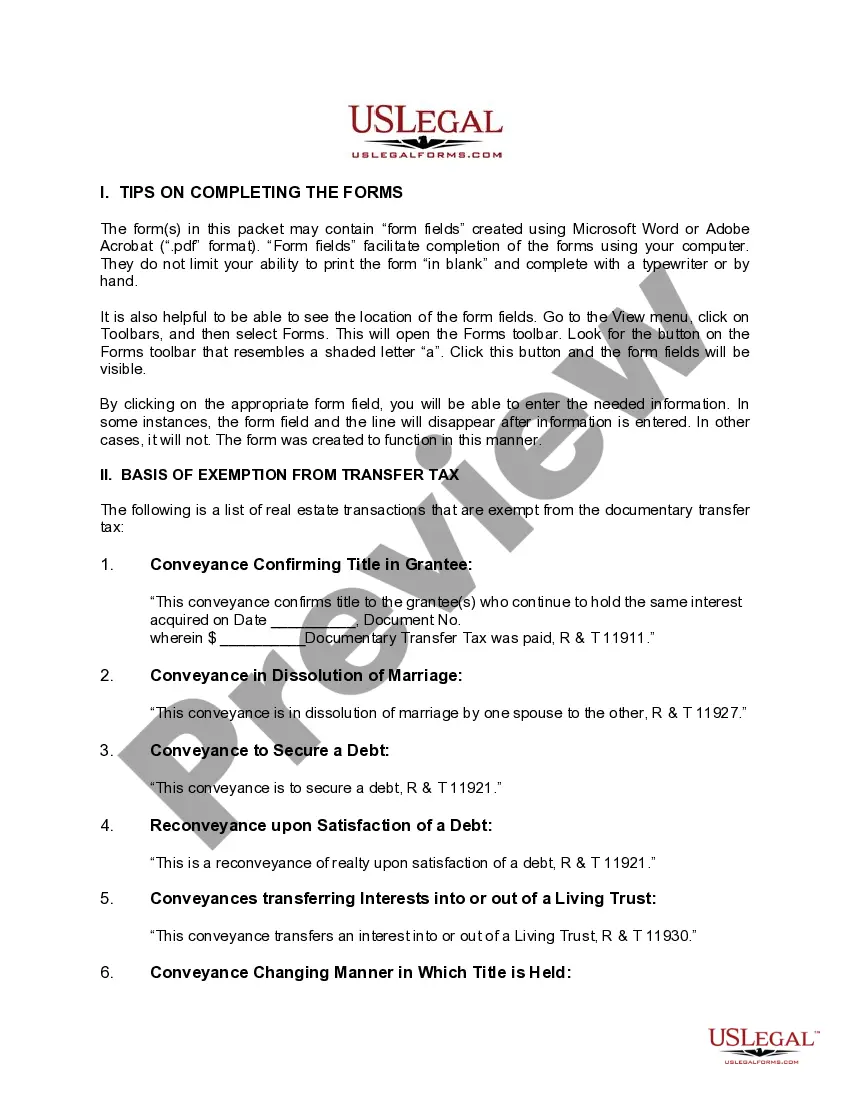
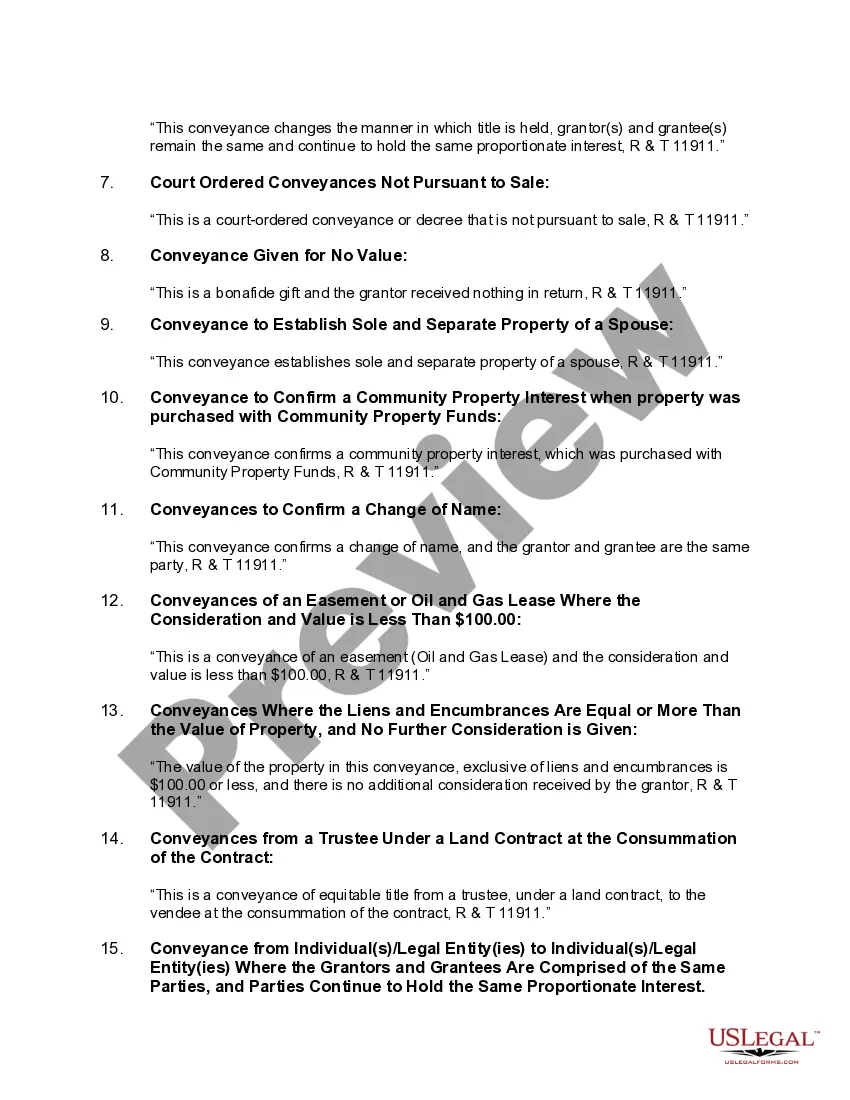
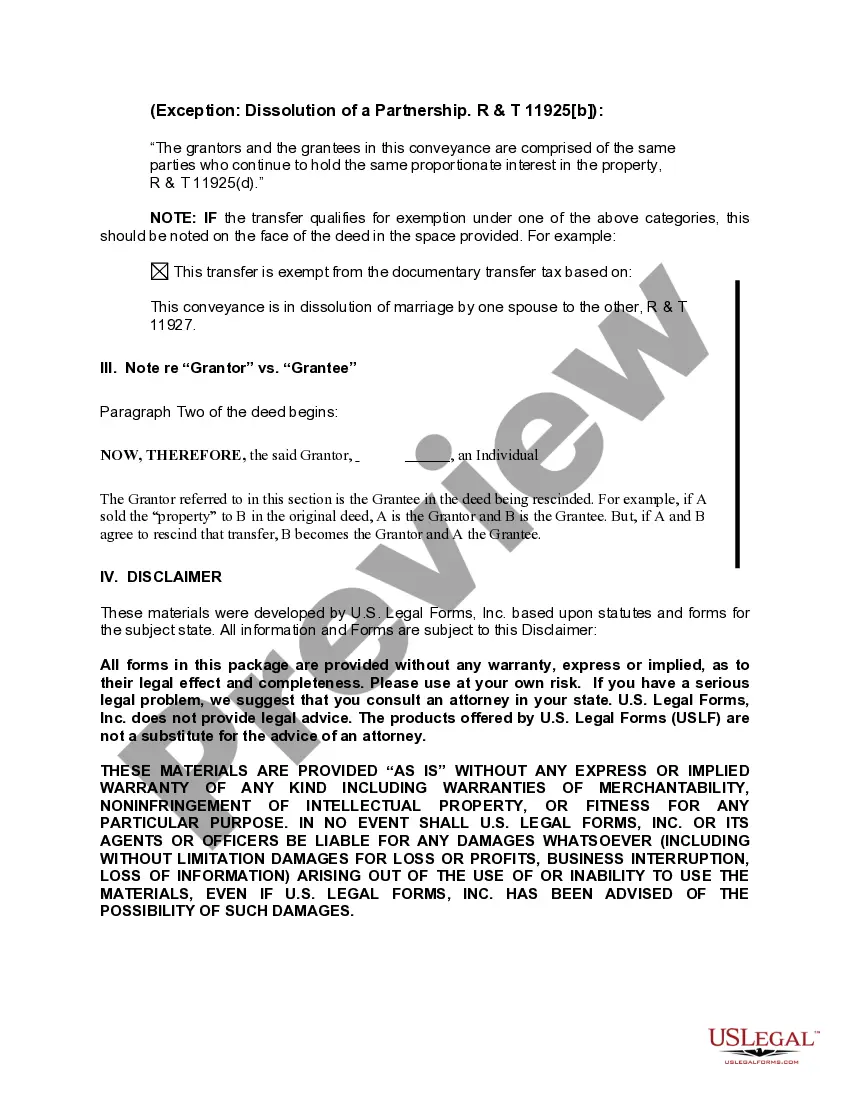
How to fill out California Deed Of Rescission - Individual To Individual?
It’s well-known that one cannot become a legal expert overnight, nor can one quickly learn to draft the Difference Between Rescission And Termination Of Contract without a specific skill set.
Drafting legal documents is a lengthy process that necessitates particular training and expertise. Therefore, why not entrust the creation of the Difference Between Rescission And Termination Of Contract to experienced professionals.
With US Legal Forms, one of the most extensive legal document repositories, you can discover everything from court filings to templates for in-office communications. We recognize the importance of complying with federal and state regulations, which is why all templates on our site are location-specific and current.
You can regain access to your documents from the My documents section whenever you need. If you are a returning client, just Log In to find and download the template from the same section.
No matter the aim of your forms—be it financial, legal, or personal—our platform is ready to assist you. Experience US Legal Forms today!
- Locate the document you want using the search bar located at the top of the webpage.
- View it (if this option is available) and examine the accompanying description to see if the Difference Between Rescission And Termination Of Contract fits your needs.
- If you require another form, restart your search.
- Sign up for a free account and select a subscription plan to buy the template.
- Click Buy now. Once the transaction is finalized, you can access the Difference Between Rescission And Termination Of Contract, fill it out, print it, and send or mail it to the appropriate individuals or organizations.
Form popularity
FAQ
No, rescind and terminate are not the same. The difference between rescission and termination of contract lies in their implications. Rescission cancels a contract, returning both parties to their original positions as if the contract never existed. On the other hand, termination ends a contract but may not affect prior obligations or rights that have already been established.
When exploring the difference between rescission and termination, it's important to note that rescission annuls the contract entirely, whereas termination simply ends the ongoing obligations under the contract. This means that rescission can restore parties to their original positions, while termination does not always provide that benefit. Grasping these concepts can help you navigate contract disputes more effectively. For detailed assistance, consider using US Legal Forms to access resources tailored to your needs.
The difference between rescission and termination of a contract lies in their effects and implications. Rescission voids the contract as if it never existed, while termination ends the contract but maintains any obligations or rights that arose before the termination. This distinction is crucial when considering legal remedies or outcomes. Understanding these differences can guide you in making informed decisions about your contracts.
We inform you that we will no longer require the services of [name of company], as of [date]. With this notification, we comply with the minimum notice period required by our agreement. Your company has provided us with good service in the past, however, we decided to terminate our business contract due to [reasons].
Contract Rescission Letter: Everything You Need to Know Where and when the contract was signed. What state the contract was signed in. Your contact information. The purpose of the original contract. The reason for rescinding the contract. Any additional offers being made as part of the contract rescission.
Rescission is the voiding of a contract that a court does not recognize as legally binding. Find out when you can and cannot rescind a contract. Disaffirmance: What it Means, How it Works. Disaffirmance is the right by one party to renounce a contract and void any legal obligations resulting from that agreement.
Rescission is the main remedy for a void contract. It involves reversing the contract so that each party is restored to its original position. If you have a voidable contract, rescission doesn't happen automatically. You must choose to do so.
Put simply, a voidable contract is a contract that a party has the right to rescind. Rescinding a contract occurs when you put the contract aside and make it ineffective. Despite being voidable, this type of contract is still a legally valid contract which gives rise to rights and obligations.