Life Estate Vs Trust In Florida
Description

Get your form ready online
Our built-in tools help you complete, sign, share, and store your documents in one place.
Make edits, fill in missing information, and update formatting in US Legal Forms—just like you would in MS Word.
Download a copy, print it, send it by email, or mail it via USPS—whatever works best for your next step.
Sign and collect signatures with our SignNow integration. Send to multiple recipients, set reminders, and more. Go Premium to unlock E-Sign.
If this form requires notarization, complete it online through a secure video call—no need to meet a notary in person or wait for an appointment.
We protect your documents and personal data by following strict security and privacy standards.

Make edits, fill in missing information, and update formatting in US Legal Forms—just like you would in MS Word.

Download a copy, print it, send it by email, or mail it via USPS—whatever works best for your next step.

Sign and collect signatures with our SignNow integration. Send to multiple recipients, set reminders, and more. Go Premium to unlock E-Sign.

If this form requires notarization, complete it online through a secure video call—no need to meet a notary in person or wait for an appointment.

We protect your documents and personal data by following strict security and privacy standards.
Looking for another form?



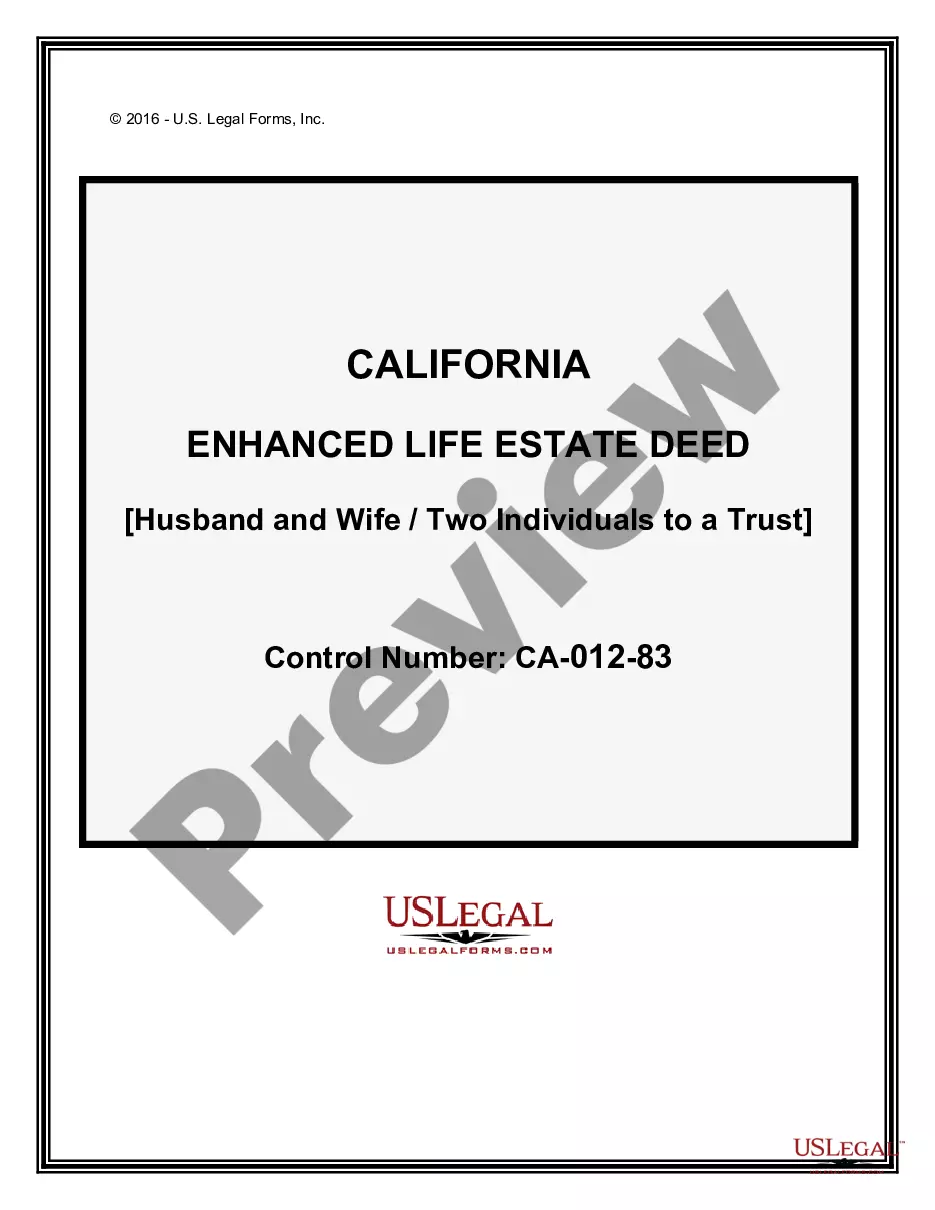
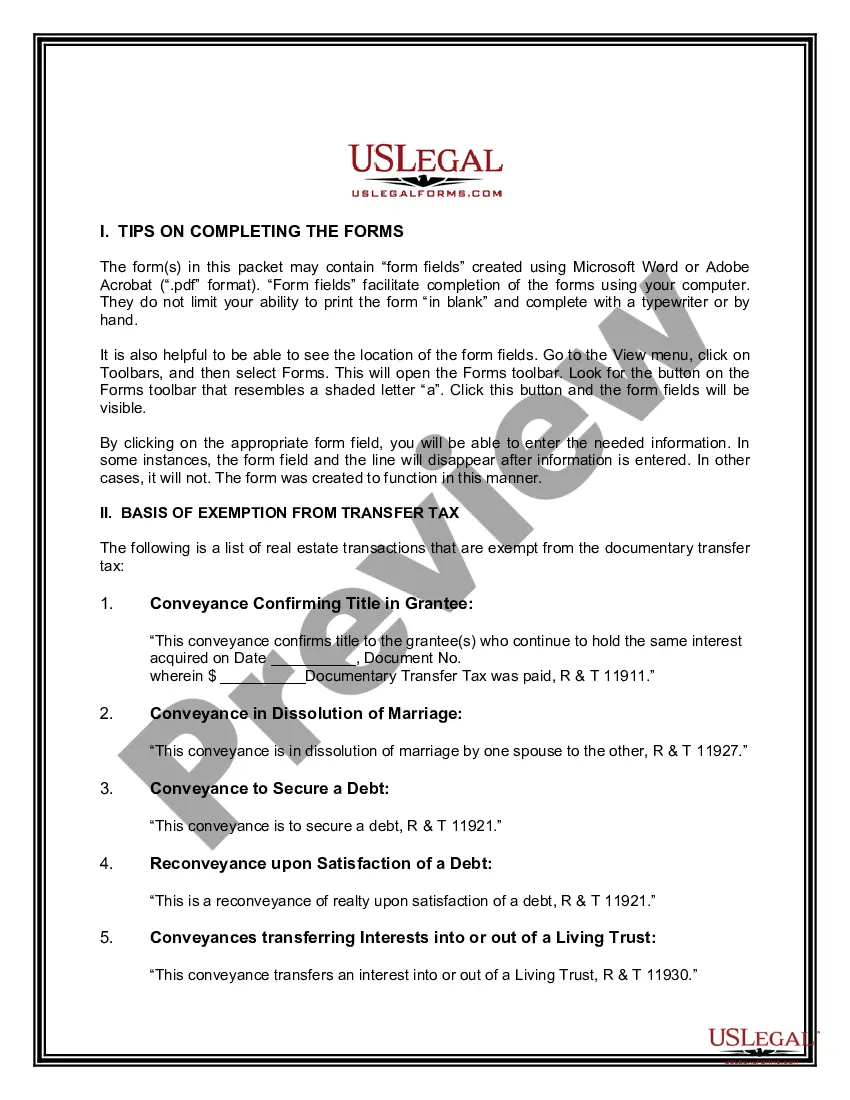
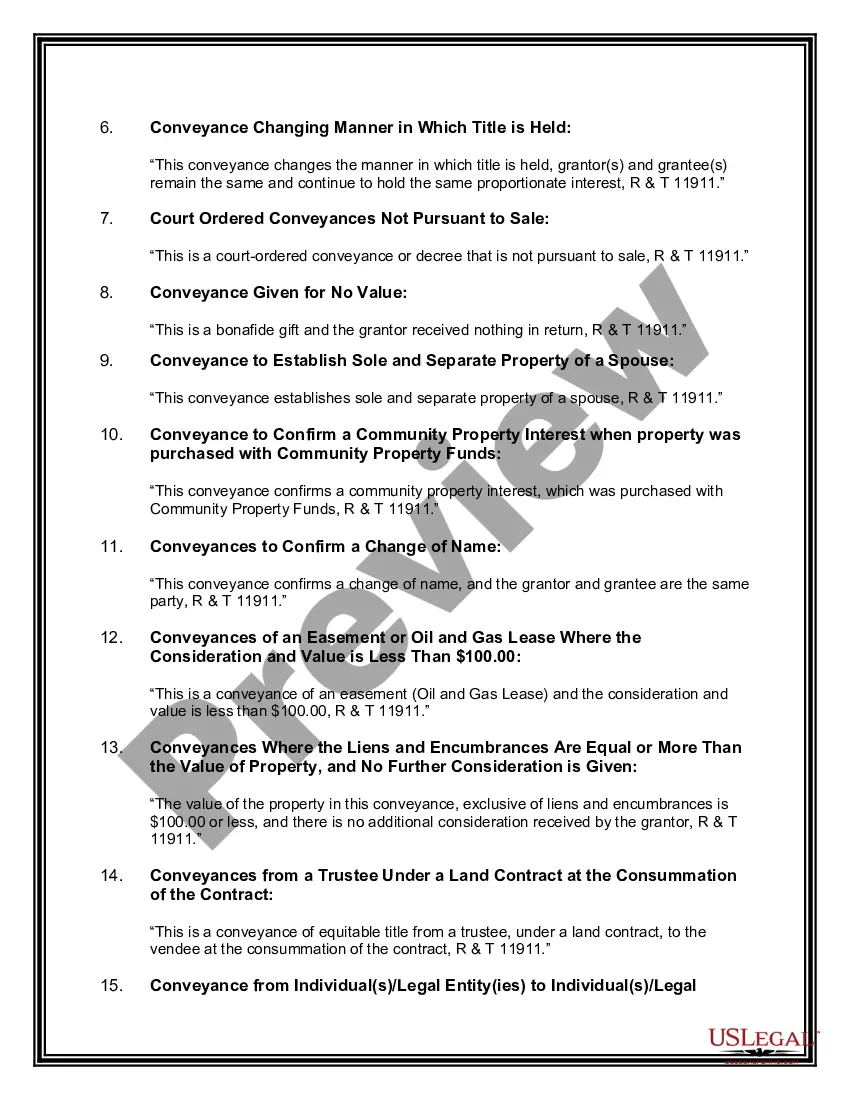
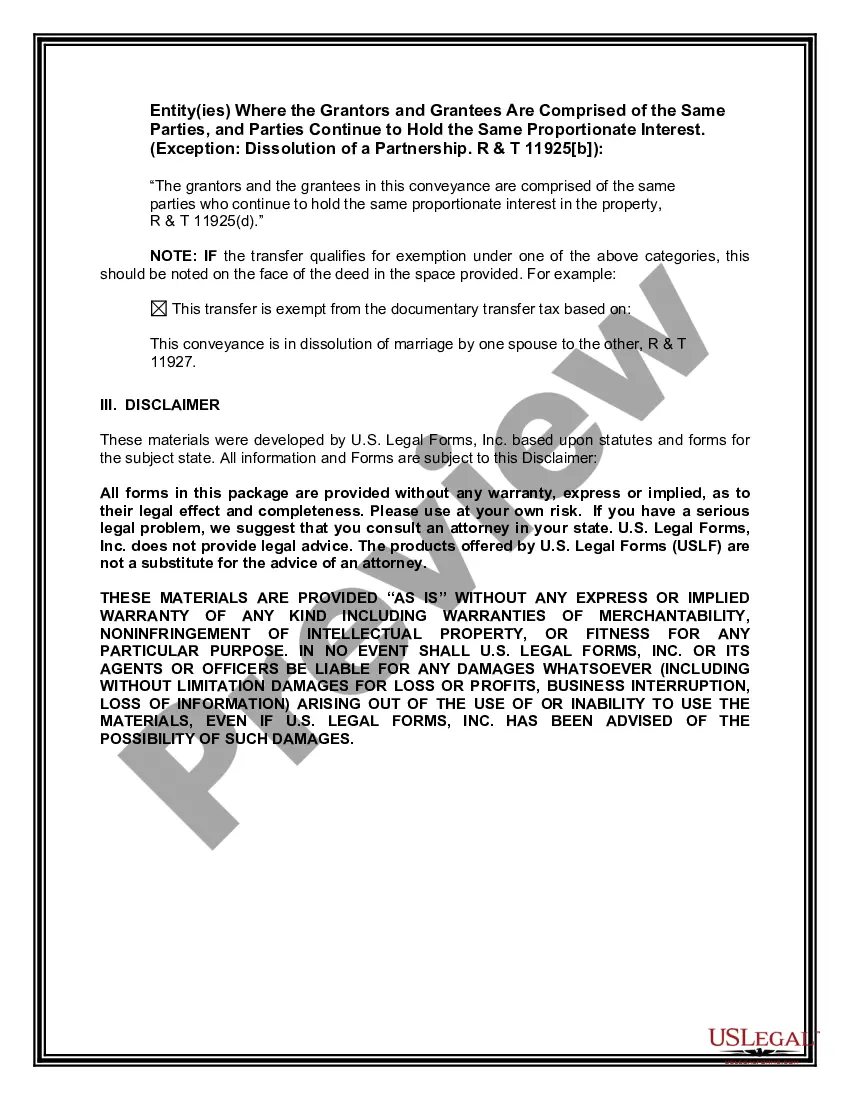
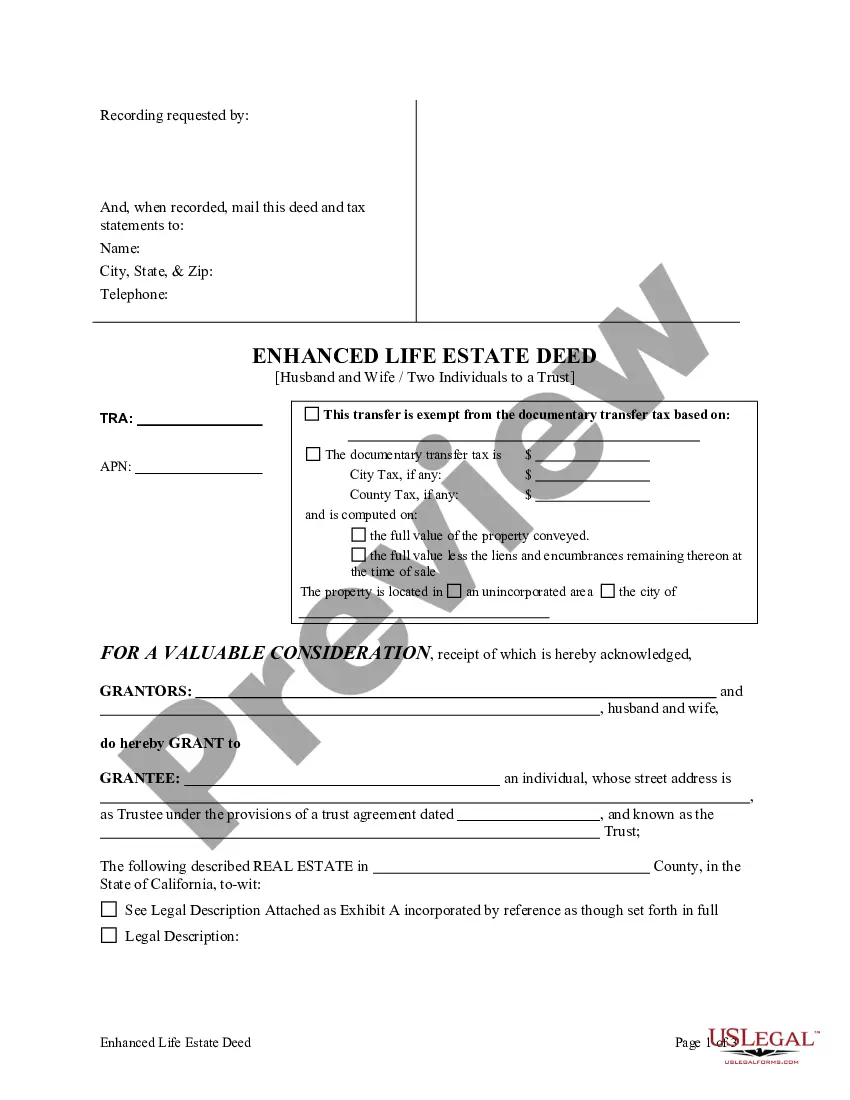
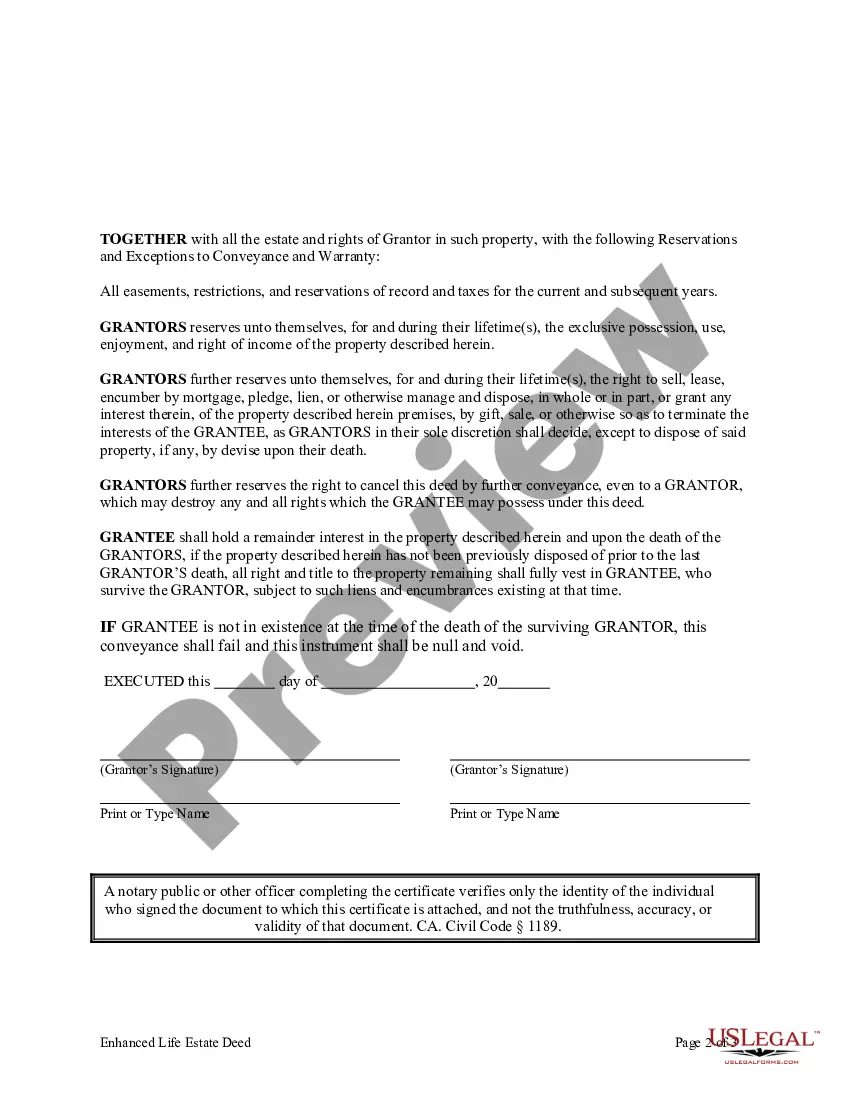
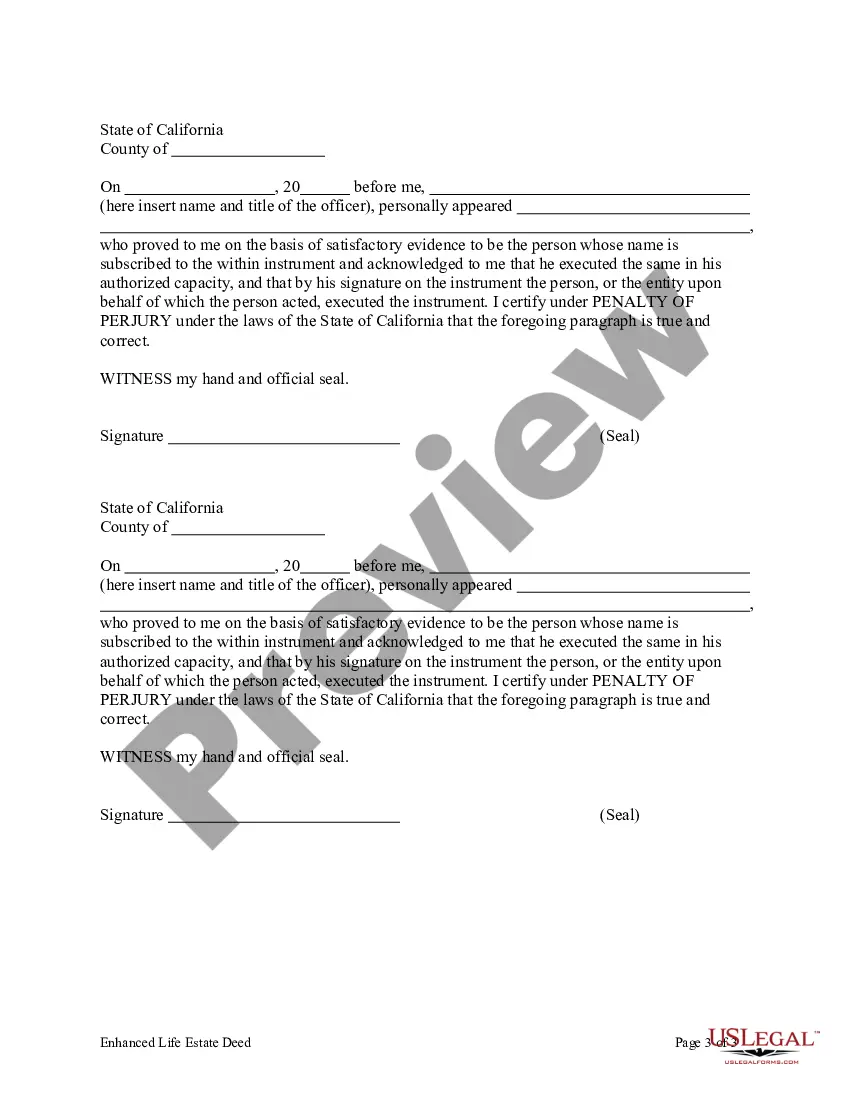
How to fill out California Enhanced Life Estate Deed From Husband And Wife, Or Two Individuals, To A Trust.?
The Life Estate versus Trust in Florida that you find on this page is a reusable legal template crafted by experienced attorneys in accordance with federal and state laws.
For over 25 years, US Legal Forms has supplied individuals, businesses, and lawyers with more than 85,000 verified, state-specific documents for any business and personal circumstance. It’s the fastest, most straightforward, and most reliable method to procure the paperwork you require, as the service ensures bank-level data security and anti-malware safeguards.
Join US Legal Forms to have verified legal templates for all of life's circumstances readily available.
- Search for the document you need and examine it.
- Browse through the sample you looked for and preview it or review the form description to confirm it meets your requirements. If not, utilize the search bar to find the appropriate one. Click Buy Now once you have identified the template you need.
- Register and Log Into your account.
- Choose the pricing plan that works best for you and create an account. Use PayPal or a credit card to make a quick payment. If you already possess an account, Log In and verify your subscription to proceed.
- Obtain the editable template.
- Select the format you desire for your Life Estate vs Trust in Florida (PDF, Word, RTF) and download the document to your device.
- Complete and sign the paperwork.
- Print the template to fill it out manually. Alternatively, utilize an online multifunctional PDF editor to swiftly and accurately fill out and sign your form electronically.
- Download your documents again if needed.
- Use the same document once more whenever required. Access the My documents tab in your profile to redownload any previously downloaded forms.
Form popularity
FAQ
In Florida, the life tenant is responsible for paying property taxes on the life estate. This obligation arises because the life tenant holds the rights to use and benefit from the property during their lifetime. The scenario can differ when you compare life estate vs trust in Florida; trusts may have different rules regarding taxation. If you have questions about managing taxes in your estate planning, consider exploring solutions on the US Legal Forms platform.
The choice between a trust and a life estate depends on your specific goals and situation. A trust can offer more flexibility, control, and privacy over your assets after you pass away. On the other hand, a life estate can provide immediate benefits for the current occupant and simplifies the transfer of property upon death. Evaluating the life estate vs trust in Florida can help you make an informed decision tailored to your needs.
A life estate in Florida allows one person to live in and use a property for their lifetime. After the individual's death, the property automatically transfers to the designated beneficiaries, bypassing probate. This arrangement can simplify the estate transfer process, making it a popular choice among Florida residents. When comparing life estate vs trust in Florida, understanding how these options impact property ownership and inheritance is crucial.
Deciding whether a life estate or a trust is better depends on individual circumstances and goals. A life estate allows you to retain rights to the property during your lifetime, but it can limit future flexibility. In contrast, a trust can provide more detailed estate management and potentially avoid probate. In the life estate vs trust in Florida discussion, understanding your specific needs will help you choose the best option for your estate planning.
The major disadvantage of a trust is the complexity involved in its setup and management. Establishing a trust often requires legal assistance, and ongoing maintenance can generate additional costs. Moreover, in the debate of life estate vs trust in Florida, some may find that a trust limits direct control over assets during their lifetime. Additionally, trust laws can vary, making them less straightforward for everyone.
If you hold the life estate your obligated to make repairs that are essential to the preservation of the property, your obligated to pay the interest on any outstanding mortgages and Property taxes.
Life estates split ownership between the giver and receiver. An irrevocable trust allows an individual to give away part of an asset.
A Florida Enhanced Life Estate Deed can help avoid probate, speed up the transfer of a property upon death, maintain the ability to use the fair market value of the property at the time of death as a cost basis (lowers income taxes upon sale), and maintain Medicaid eligibility.
One of the best legal instruments available to Florida residents is the Life Estate Deed, a special type of deed that allows you to have greater flexibility and control over the future of your estate. This type of deed also allows you to avoid the probate process.
Definition: To be clear, Estates and Trusts share very few similarities. While an Estate is merely the total value of a person's assets after they pass away, a Trust is a legal entity designed to hold, manage and distribute assets on behalf of beneficiaries.