Life Estate In Trust Property
Description
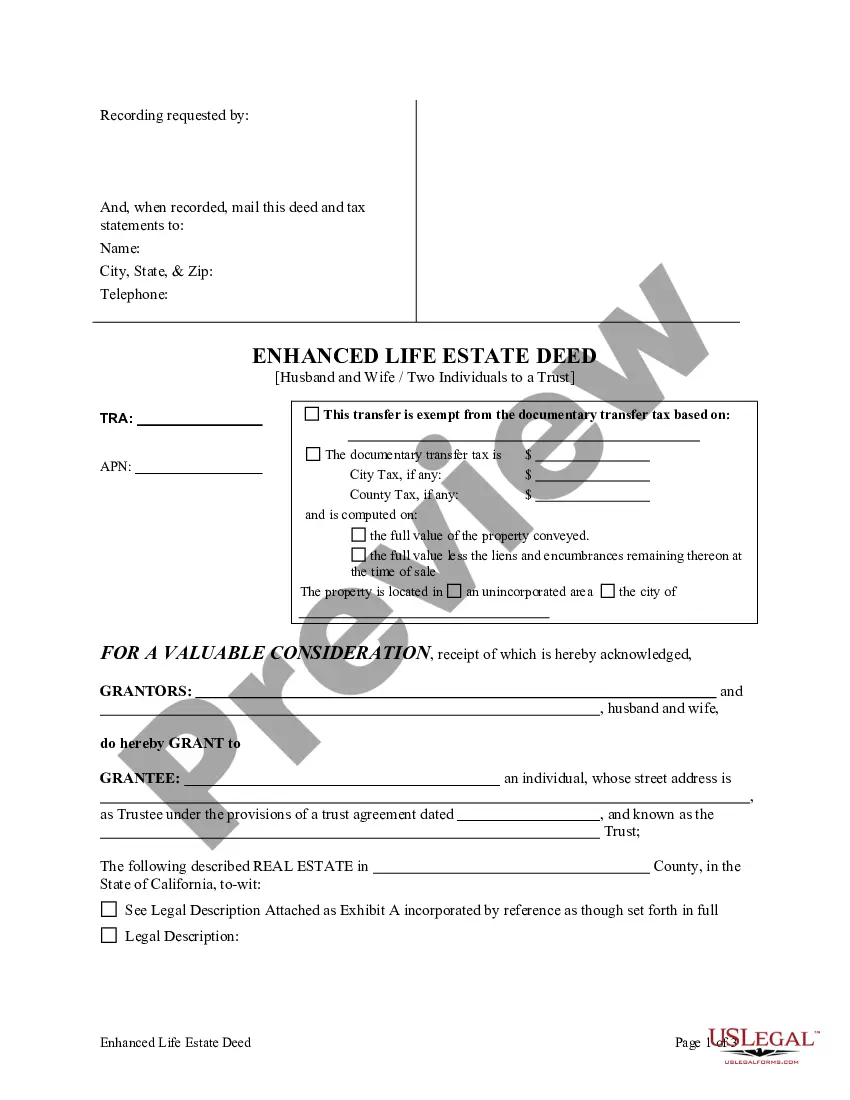
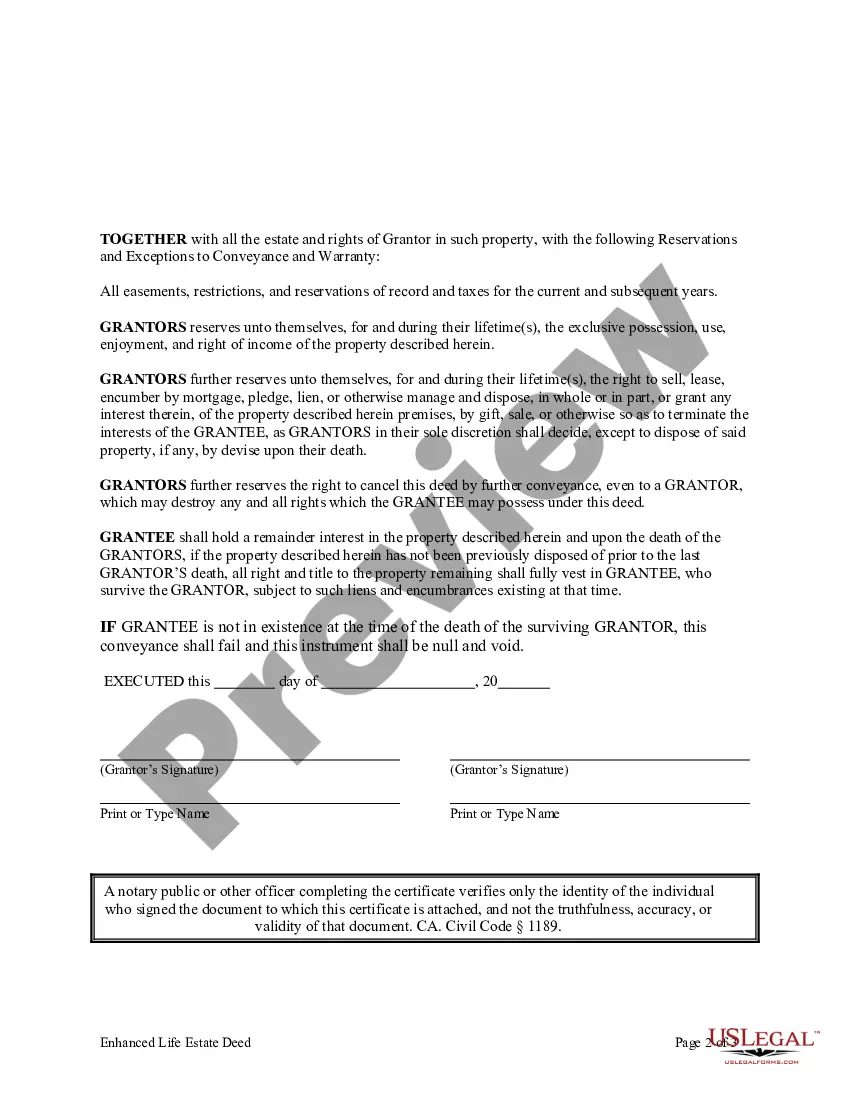
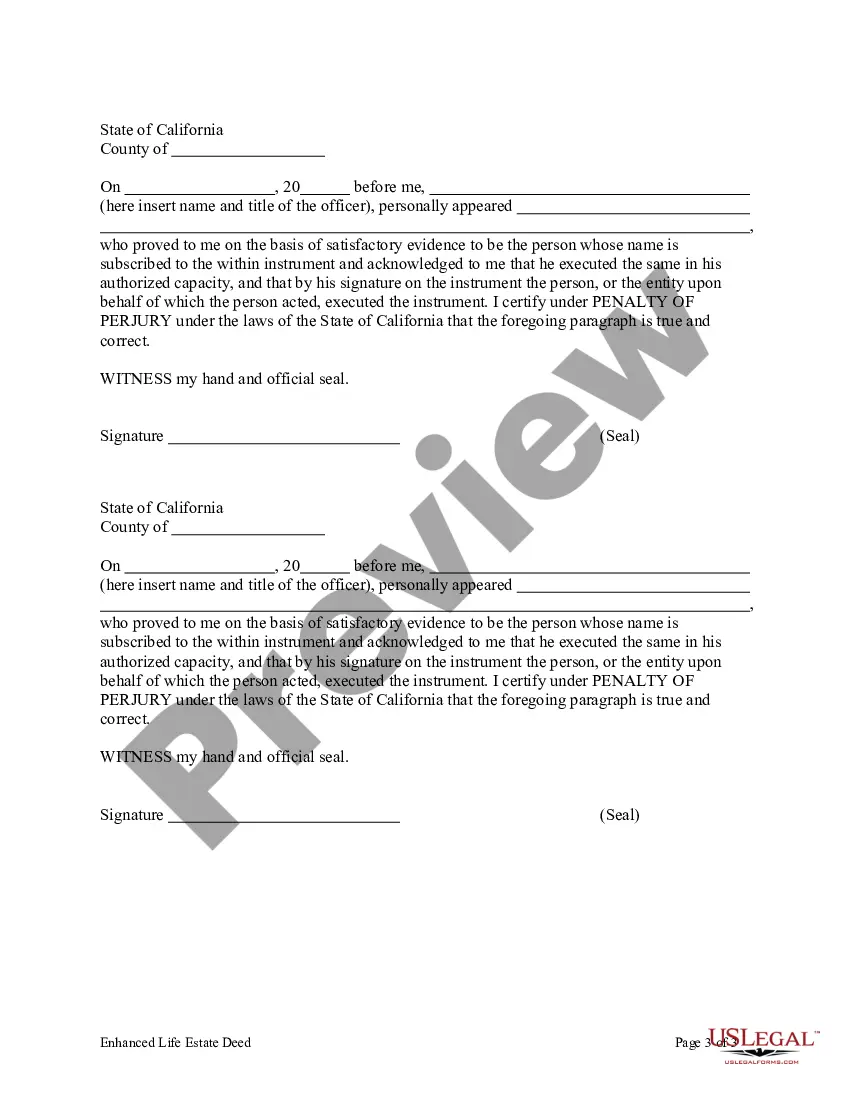
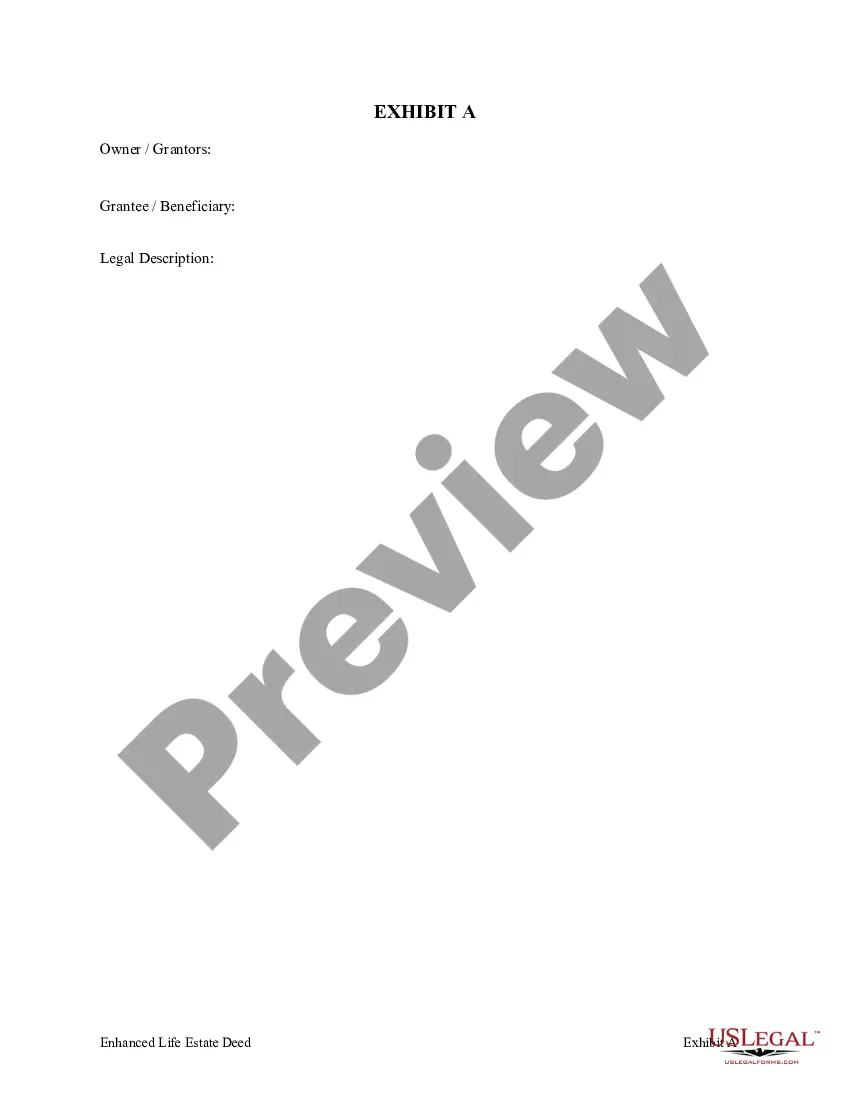

Get your form ready online
Our built-in tools help you complete, sign, share, and store your documents in one place.
Make edits, fill in missing information, and update formatting in US Legal Forms—just like you would in MS Word.
Download a copy, print it, send it by email, or mail it via USPS—whatever works best for your next step.
Sign and collect signatures with our SignNow integration. Send to multiple recipients, set reminders, and more. Go Premium to unlock E-Sign.
If this form requires notarization, complete it online through a secure video call—no need to meet a notary in person or wait for an appointment.
We protect your documents and personal data by following strict security and privacy standards.

Make edits, fill in missing information, and update formatting in US Legal Forms—just like you would in MS Word.

Download a copy, print it, send it by email, or mail it via USPS—whatever works best for your next step.

Sign and collect signatures with our SignNow integration. Send to multiple recipients, set reminders, and more. Go Premium to unlock E-Sign.

If this form requires notarization, complete it online through a secure video call—no need to meet a notary in person or wait for an appointment.

We protect your documents and personal data by following strict security and privacy standards.
Looking for another form?


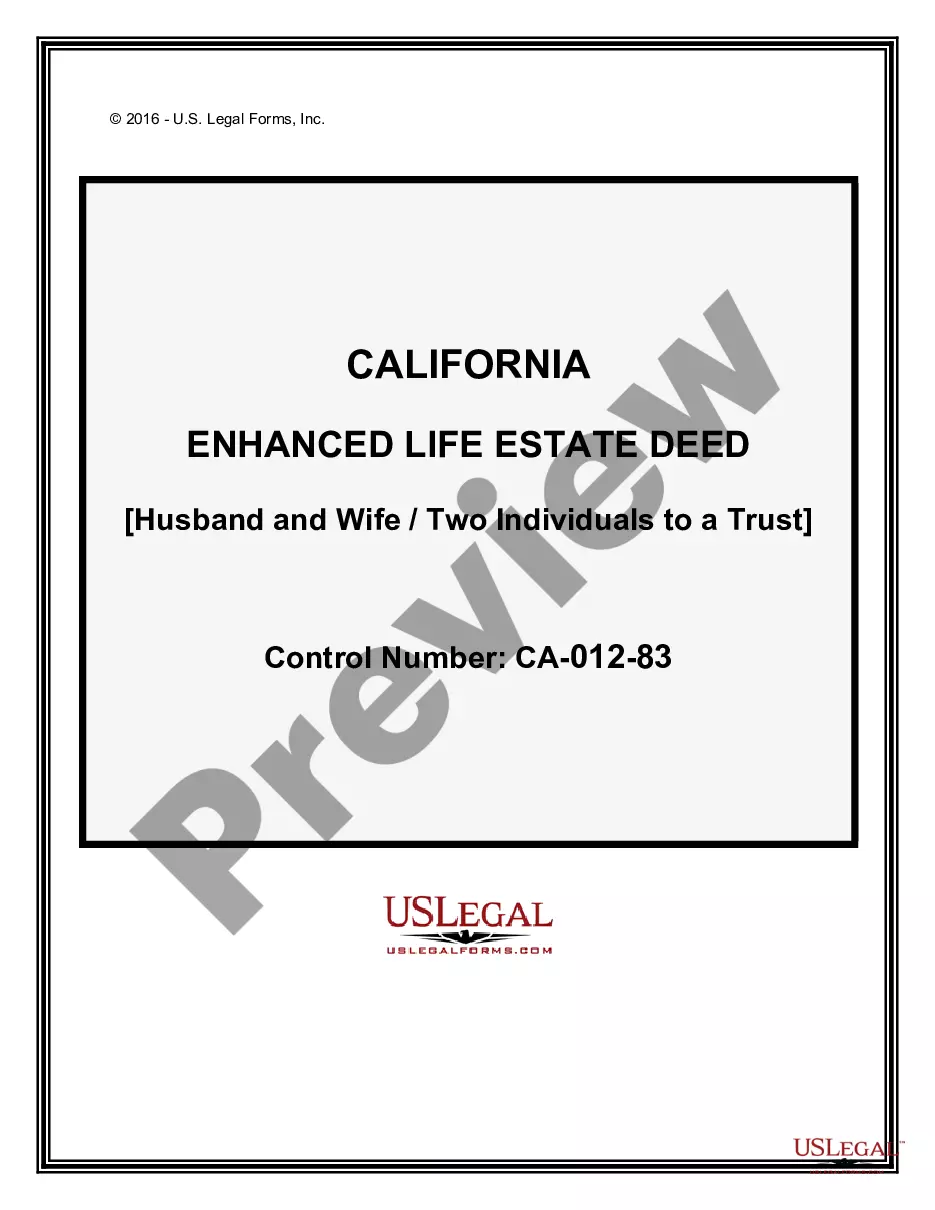
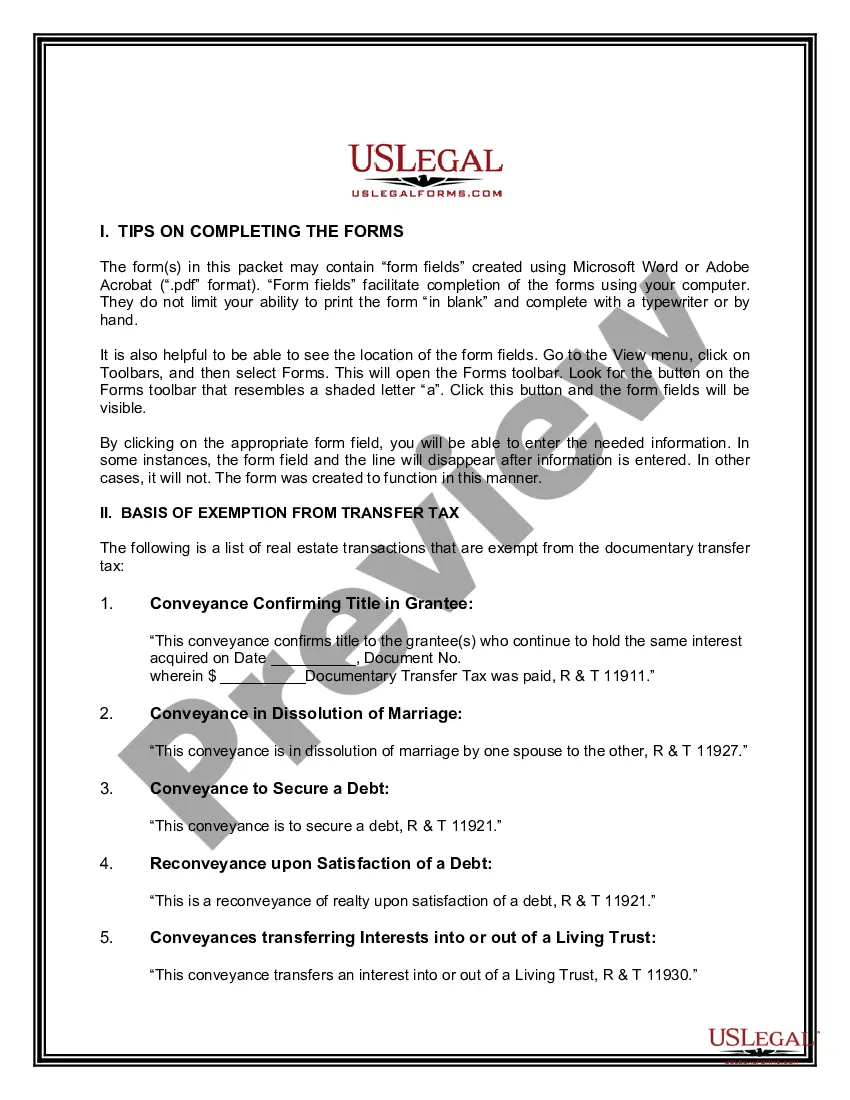
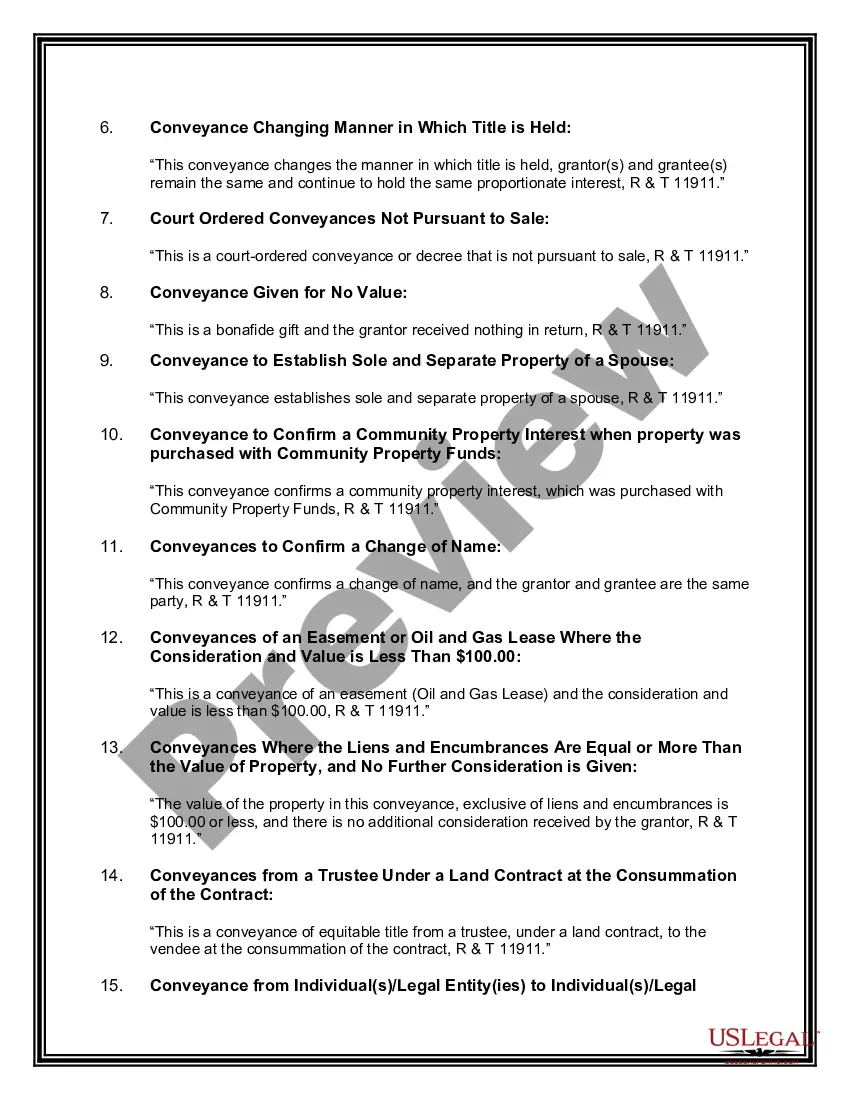
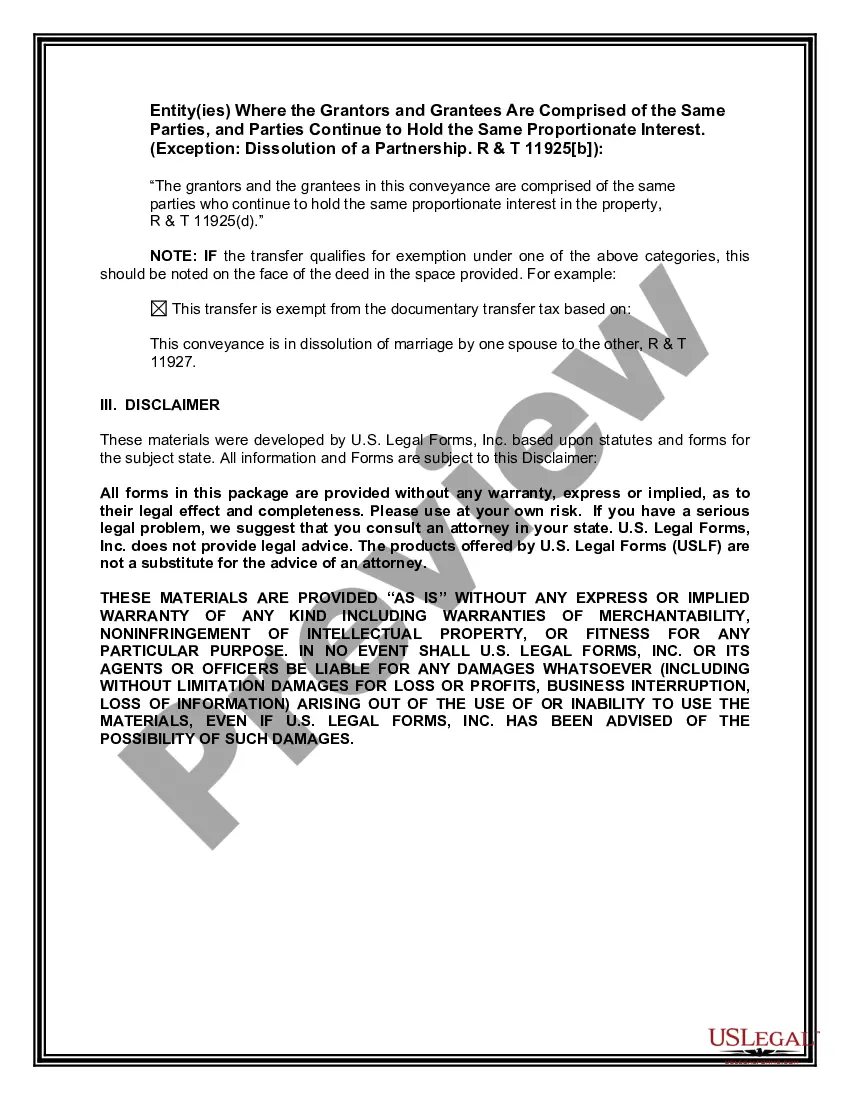
How to fill out California Enhanced Life Estate Deed From Husband And Wife, Or Two Individuals, To A Trust.?
The Life Estate In Trust Property displayed on this page is a reusable legal template created by expert lawyers in accordance with federal and local regulations.
For over 25 years, US Legal Forms has supplied individuals, enterprises, and legal professionals with more than 85,000 verified, state-specific documents for any business and personal needs. It’s the quickest, most straightforward, and most trustworthy method to acquire the paperwork you require, as the service guarantees bank-level data security and anti-malware measures.
Pick the format you want for your Life Estate In Trust Property (PDF, Word, RTF) and download the template to your device. Fill out and sign the document. Print the template to complete it manually. Alternatively, use an online versatile PDF editor to quickly and accurately fill out and sign your form with an eSignature.
- Search for the document you require and examine it.
- Browse the file you located and preview it or review the form description to confirm it meets your needs. If it doesn’t, utilize the search bar to find the right one. Click Buy Now once you have found the template you need.
- Choose and Log Into your account.
- Select the pricing plan that best fits you and create an account. Use PayPal or a credit card to make a quick payment. If you already possess an account, Log In and verify your subscription to continue.
- Obtain the editable template.
Form popularity
FAQ
Typically, the life tenant is responsible for paying taxes on life estate property. Since they occupy and benefit from the property during their lifetime, it is their duty to manage expenses associated with it, including property taxes. However, this can vary based on local laws and specific arrangements, so it’s wise to consult professionals. Platforms like uslegalforms offer resources that can help you navigate the financial aspects of life estates.
While a life estate in trust property offers benefits, it also comes with potential drawbacks. Once you establish a life estate, you cannot easily change your mind or sell the property without agreement from the remainderman—those who inherit after your death. Additionally, a life estate can complicate tax situations, as the life tenant may be responsible for property taxes. Being aware of these disadvantages is crucial in making informed estate planning choices.
Giving someone a life estate means granting them the right to use and enjoy a property for the duration of their life, even though they do not own it outright. This arrangement allows the beneficiary to live in the property while eventually directing it to a designated heir or beneficiary upon their passing. This can be a thoughtful approach to estate planning, ensuring that your loved ones enjoy the benefits of property ownership while also preserving your wishes. Consulting uslegalforms can clarify how this can be effectively structured.
A life estate in a trust refers to a legal arrangement where the trust grants an individual rights to use a property for their lifetime while the ultimate ownership belongs to another beneficiary after their death. This setup helps in managing property while avoiding probate and facilitating a smoother transition of ownership. By leveraging this structure, you can benefit from tax considerations and simplified estate planning. Trusts can sometimes be complex, but platforms like uslegalforms can provide guidance.
A life estate and a trust are distinct legal concepts. A life estate in trust property allows a person to live in and use the property during their lifetime, while a trust holds property on behalf of beneficiaries. In essence, a life estate grants ownership rights for a lifetime, whereas a trust provides a framework for managing and distributing assets. Understanding these differences can help you decide how to best plan your estate.
A life interest, however, allows you to give the property to a person for the duration of their life, after which it passes to the next generation or ing to the terms of a will or deed. A life tenant is a person who benefits from the creation of a life interest.
Definition: To be clear, Estates and Trusts share very few similarities. While an Estate is merely the total value of a person's assets after they pass away, a Trust is a legal entity designed to hold, manage and distribute assets on behalf of beneficiaries.
Life Estates establish two different categories of property owners: the Life Tenant Owner and the Remainder Owner. The Life Tenant Owner maintains the absolute and exclusive right to use the property during his or her lifetime. This can be a sole owner or joint Life Tenants.
Removing a Living Person from a Life Estate If someone (an owner) is alive, they cannot be ?removed? from a deed. Further, a co-owner cannot remove the interests of other owners in an estate by executing a new deed without their consent. There is no direct or indirect way to eliminate any of them from a title.