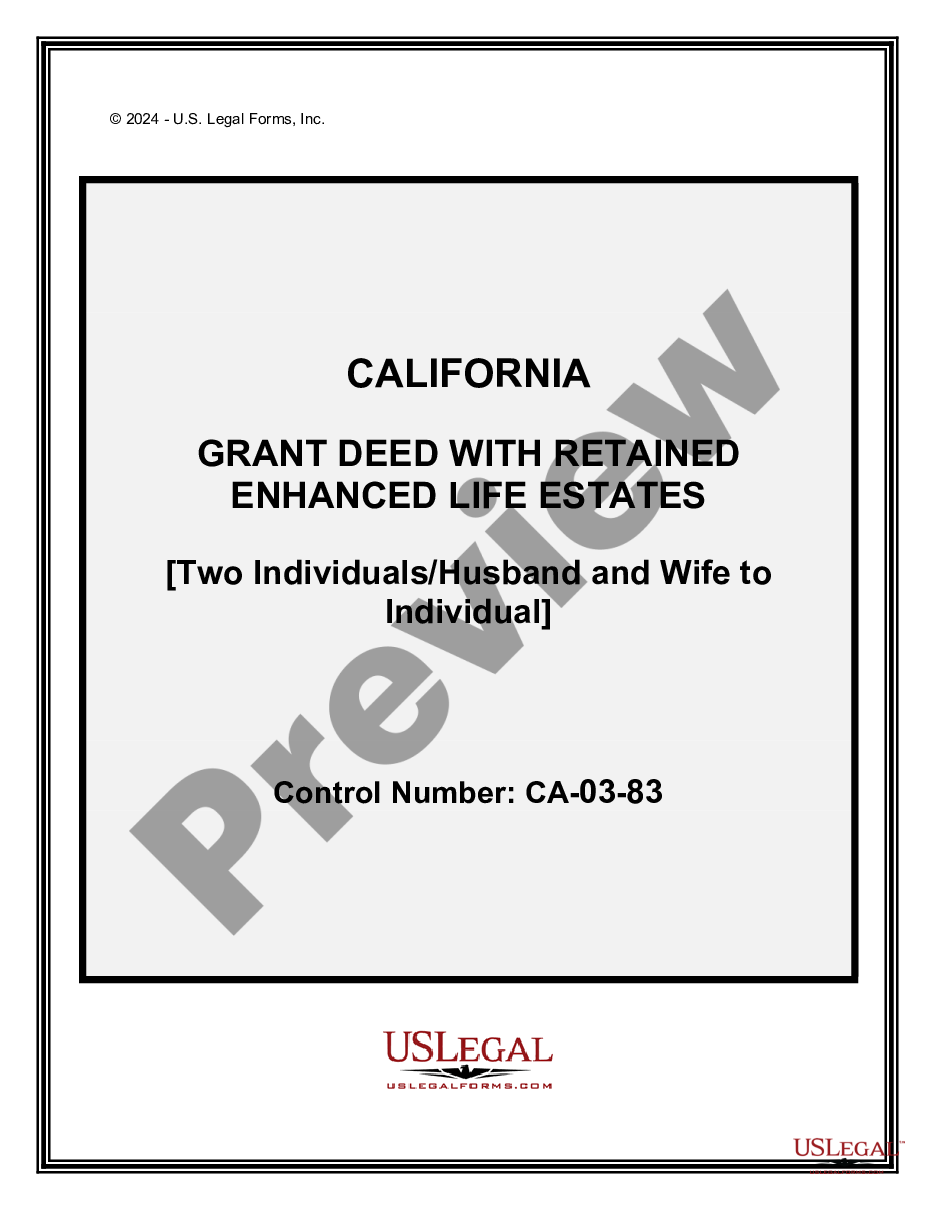
Life Estate
Description
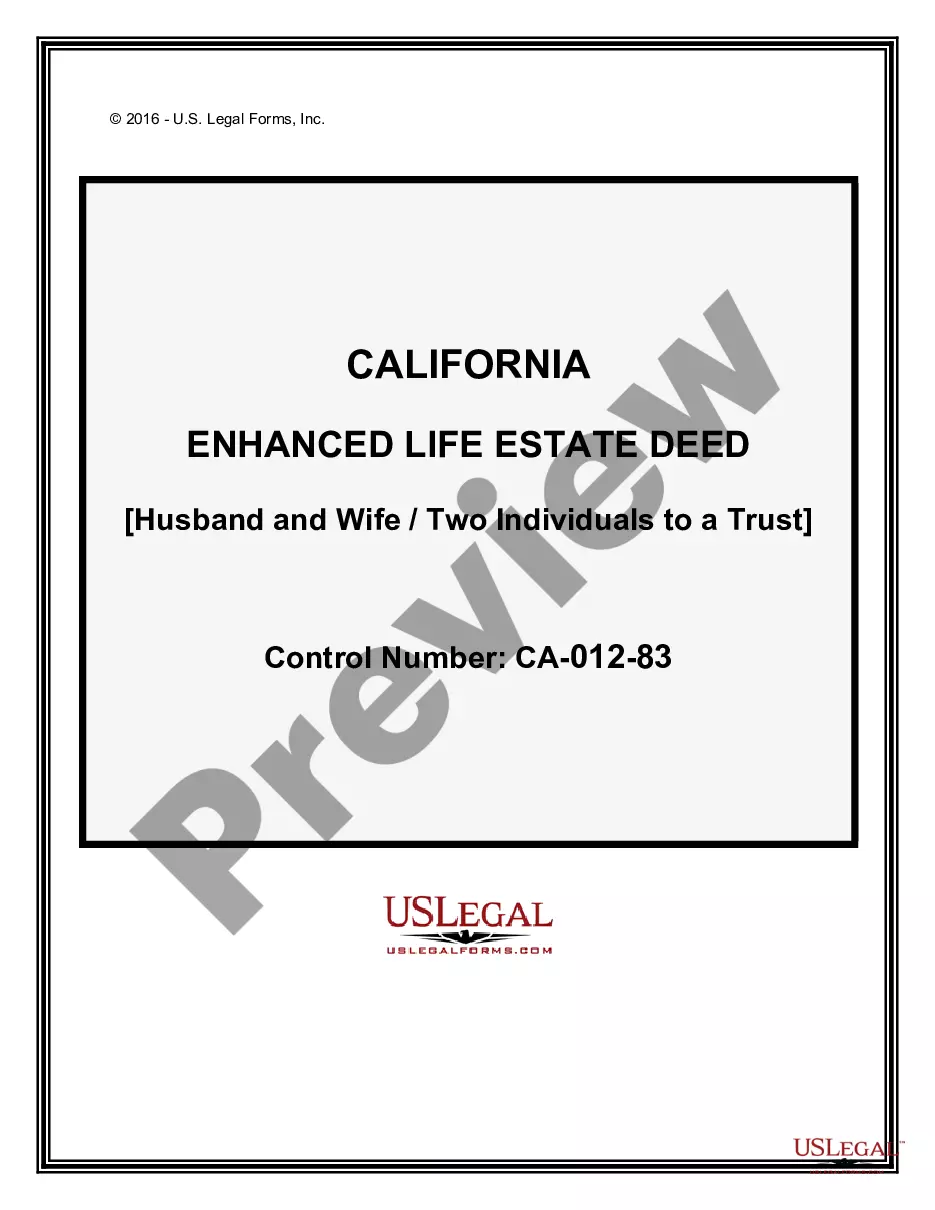
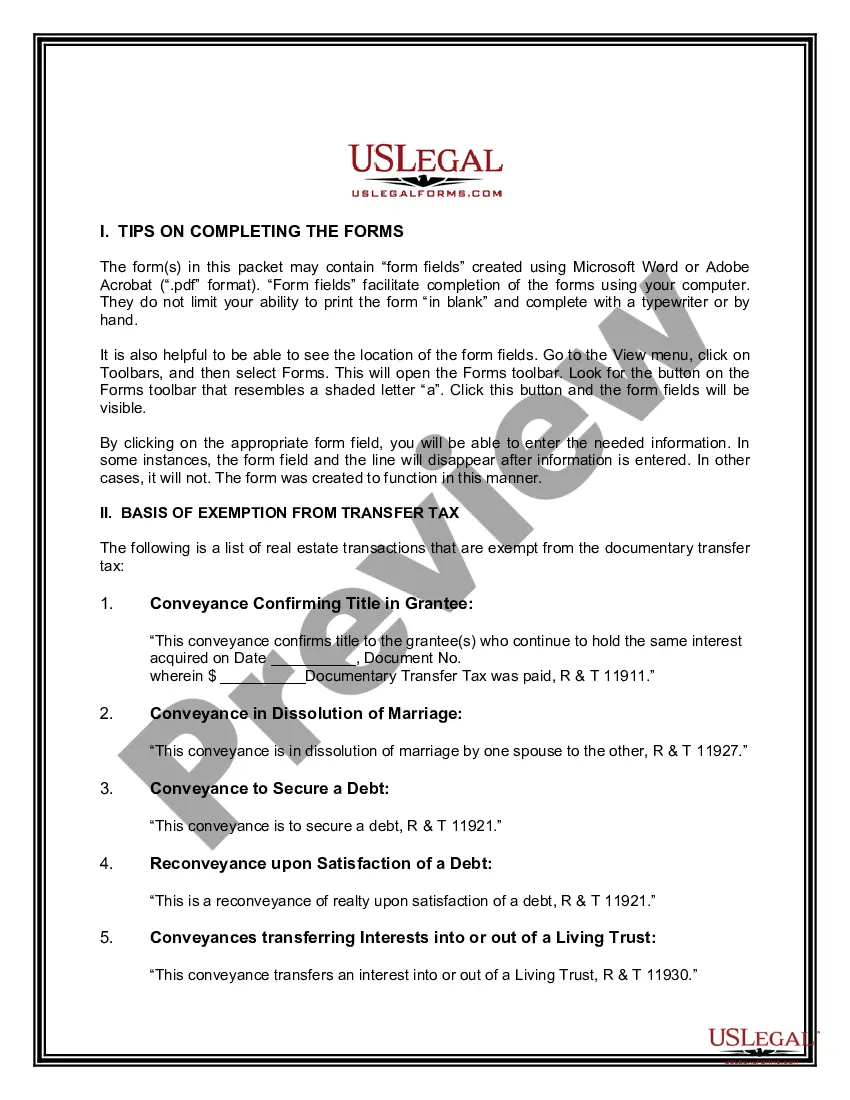
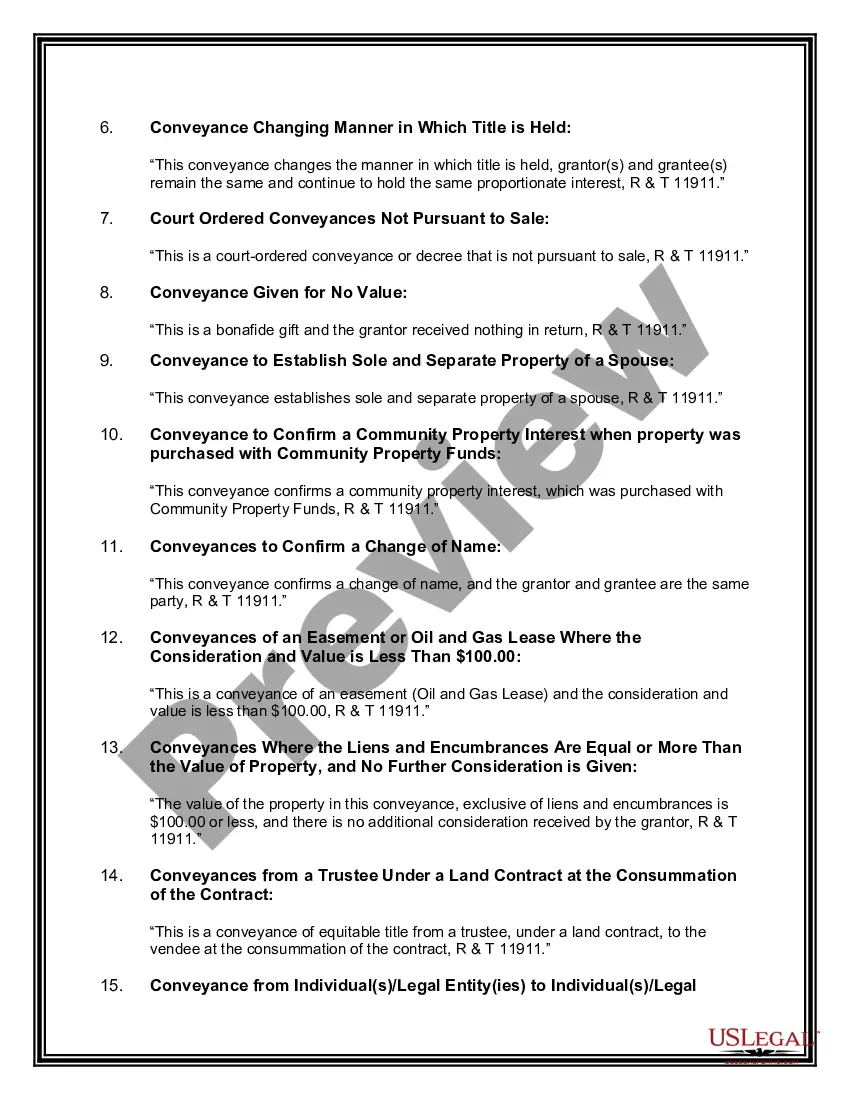
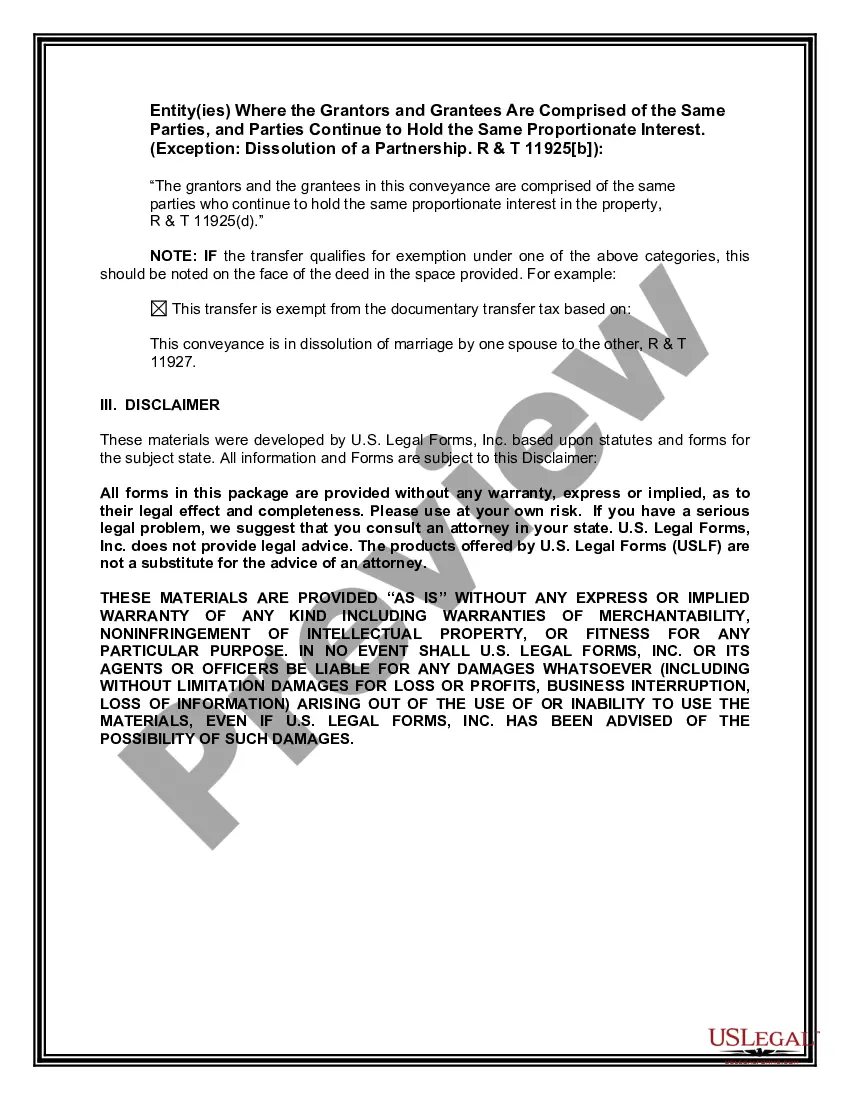
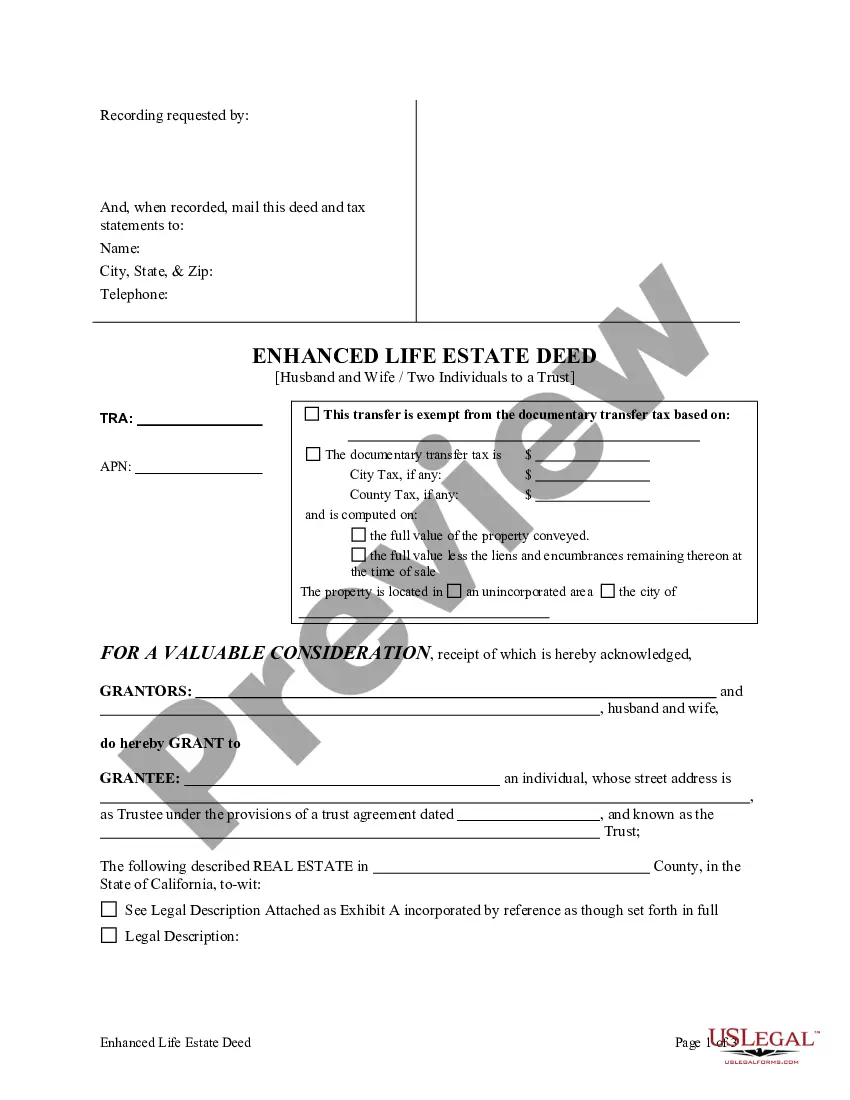
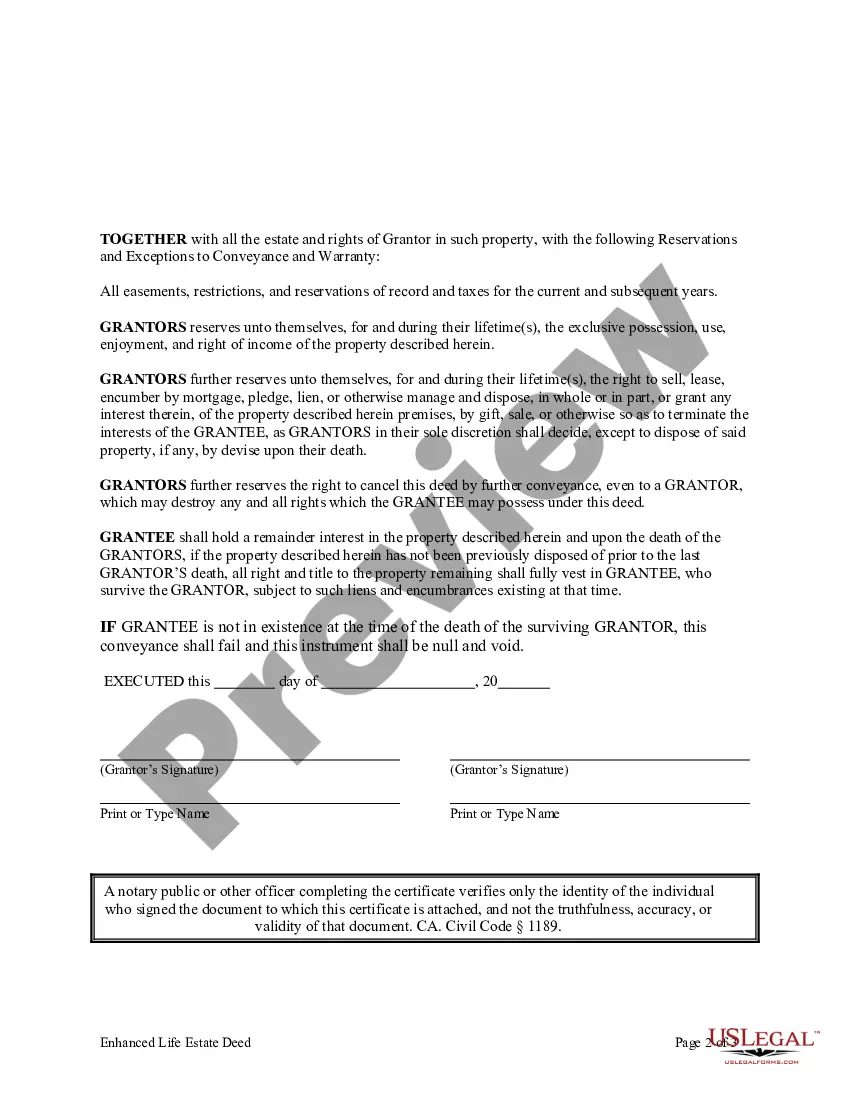
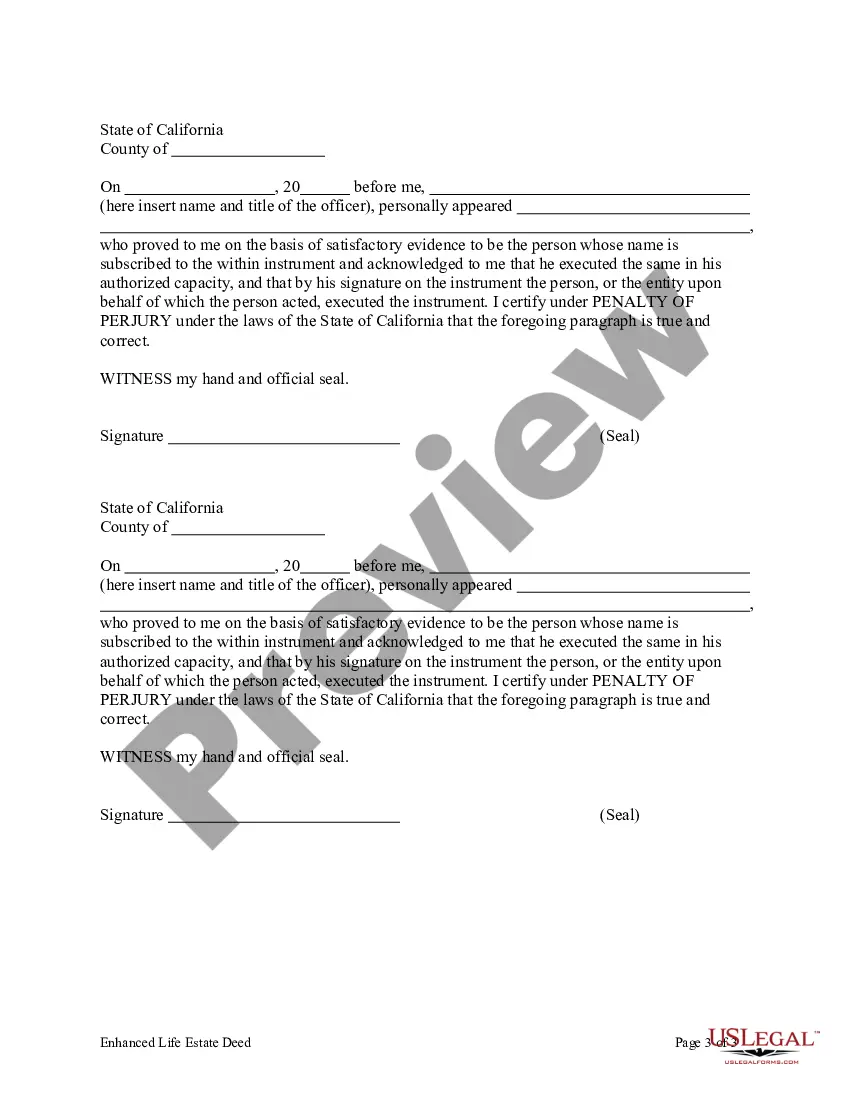

Get your form ready online
Our built-in tools help you complete, sign, share, and store your documents in one place.
Make edits, fill in missing information, and update formatting in US Legal Forms—just like you would in MS Word.
Download a copy, print it, send it by email, or mail it via USPS—whatever works best for your next step.
Sign and collect signatures with our SignNow integration. Send to multiple recipients, set reminders, and more. Go Premium to unlock E-Sign.
If this form requires notarization, complete it online through a secure video call—no need to meet a notary in person or wait for an appointment.
We protect your documents and personal data by following strict security and privacy standards.

Make edits, fill in missing information, and update formatting in US Legal Forms—just like you would in MS Word.

Download a copy, print it, send it by email, or mail it via USPS—whatever works best for your next step.

Sign and collect signatures with our SignNow integration. Send to multiple recipients, set reminders, and more. Go Premium to unlock E-Sign.

If this form requires notarization, complete it online through a secure video call—no need to meet a notary in person or wait for an appointment.

We protect your documents and personal data by following strict security and privacy standards.
Looking for another form?




How to fill out California Enhanced Life Estate Deed From Husband And Wife, Or Two Individuals, To A Trust.?
- If you're a previous user, simply log in to your account and download your required form template by clicking the Download button. Verify that your subscription is up to date; if not, take a moment to renew it according to your payment plan.
- For first-time users, start by reviewing the Preview mode and the form description. Ensure you've selected a life estate document that aligns with your requirements and meets your local jurisdiction's criteria.
- If you need to explore further options, use the Search tab at the top to find additional templates. If you find one that fits, proceed to the next step.
- Purchase your document by clicking the Buy Now button. Choose your preferred subscription plan, and you'll need to create an account to gain access to the extensive library.
- Complete your purchase by entering your credit card information or using your PayPal account for payment.
- Download your form and save the template on your device. You can always revisit it through the My documents section in your profile.
In conclusion, US Legal Forms simplifies the process of obtaining legal documents, making it accessible and efficient. Whether you are establishing a life estate or another legal need, their robust library has you covered.
Take the first step towards securing your legal needs today with US Legal Forms!
Form popularity
FAQ
The main difference between a life estate and a living trust lies in the control and flexibility they offer. A life estate grants you rights to use property during your lifetime, but transfers ownership upon death. In contrast, a living trust allows for broader management of various assets, providing an effective way to direct how your estate is handled after you pass away. Exploring these options through platforms like US Legal Forms can clarify which choice suits your needs.
A life estate can offer some protection from nursing home expenses, but the specific rules vary by state. In many cases, the value of the life estate may be considered during asset assessments for Medicaid eligibility. It is wise to consult with a legal expert familiar with your state's laws to determine the best strategy for protecting your assets.
One of the main disadvantages of a life estate is that it prevents the homeowner from selling or mortgaging the property without the consent of the remainderman. Additionally, if the life tenant incurs debts, those creditors may seek a claim against the property. Therefore, while a life estate offers benefits, it also introduces certain limitations that should be carefully considered.
A trust is a legal entity that holds and manages assets for individuals, whereas an estate refers to the total assets owned by a person at the time of their death. In essence, a trust can distribute assets and rather avoids probate, while an estate primarily comes into play after death. Understanding these differences helps in making informed decisions during estate planning.
Having a life estate means you hold the ownership of a property for your lifetime, while also granting specific rights to another party after your death. This setup allows you to retain control over the property while ensuring future beneficiaries receive it without going through probate. It's a beneficial strategy for managing estate planning.
Leaving someone a life estate means you give them the right to live in or use a property for as long as they are alive. This arrangement allows the individual to benefit from the property during their lifetime. After their passing, the property typically transfers to another designated individual, maintaining a seamless succession plan.
A living trust can sometimes result in higher upfront costs compared to a life estate. Additionally, while a living trust helps avoid probate, it may not cover all assets, leaving some issues unresolved. Furthermore, as circumstances change, you might need to update your trust, which requires ongoing maintenance.
Creating a life estate requires specific language in your legal document to ensure its validity. You should include terms like 'to Grantee for their lifetime' and designate a remainderman, using phrasing such as 'then to Remainderman'. It’s essential to be clear in your intent and the rights attached to the life estate. Utilizing resources like US Legal Forms can help guide you in drafting a document that captures these essential elements accurately.
To obtain a life estate, you generally need to draft a legal document that explicitly states your intent to create it. This can often be done through a deed that transfers property to a person for their lifetime while designating another person as the remainderman. It is advisable to consult with an attorney or use platforms like US Legal Forms to ensure that your document meets all legal requirements. This process allows you to enjoy the benefits of property use during your lifetime while planning for future ownership.
To claim a life estate, you must first ensure that legal documentation exists, typically in the form of a deed that indicates your entitlement. This documentation should be recorded to protect your rights. If you are unsure of the process, resources like USLegalForms can provide valuable templates and guidance for claiming or creating a life estate effectively.