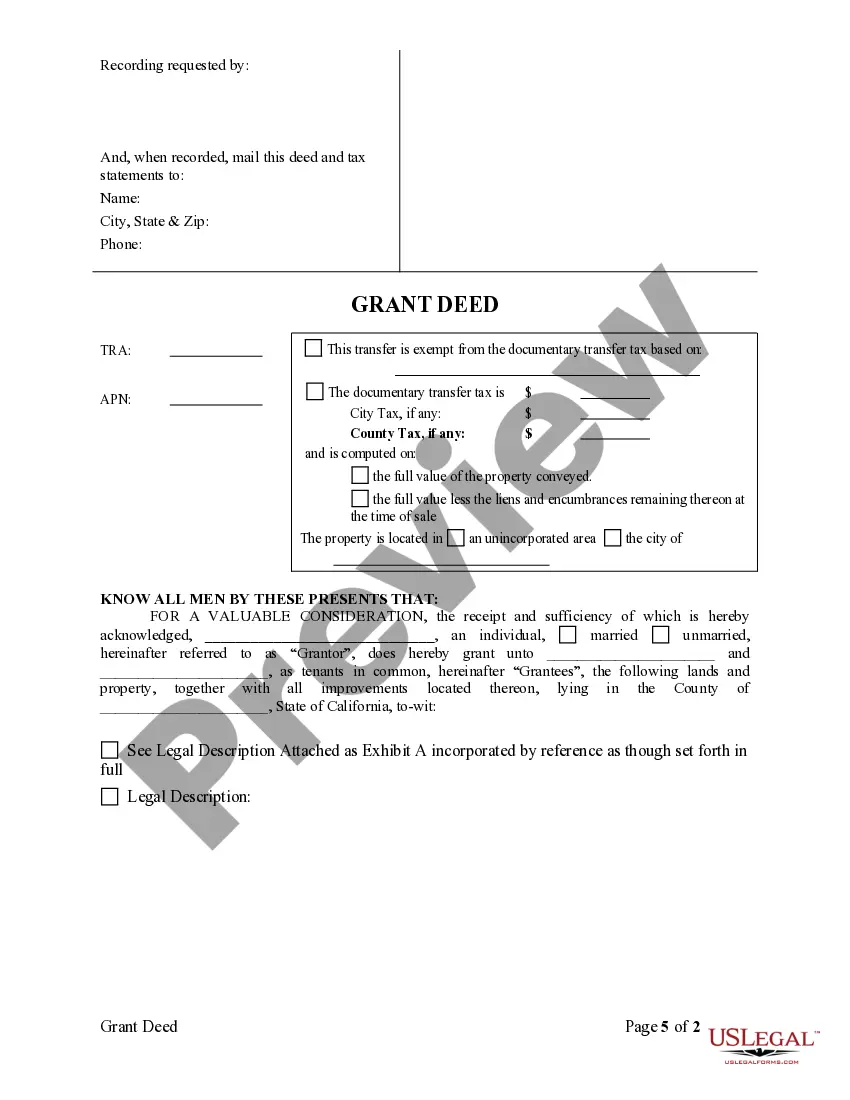
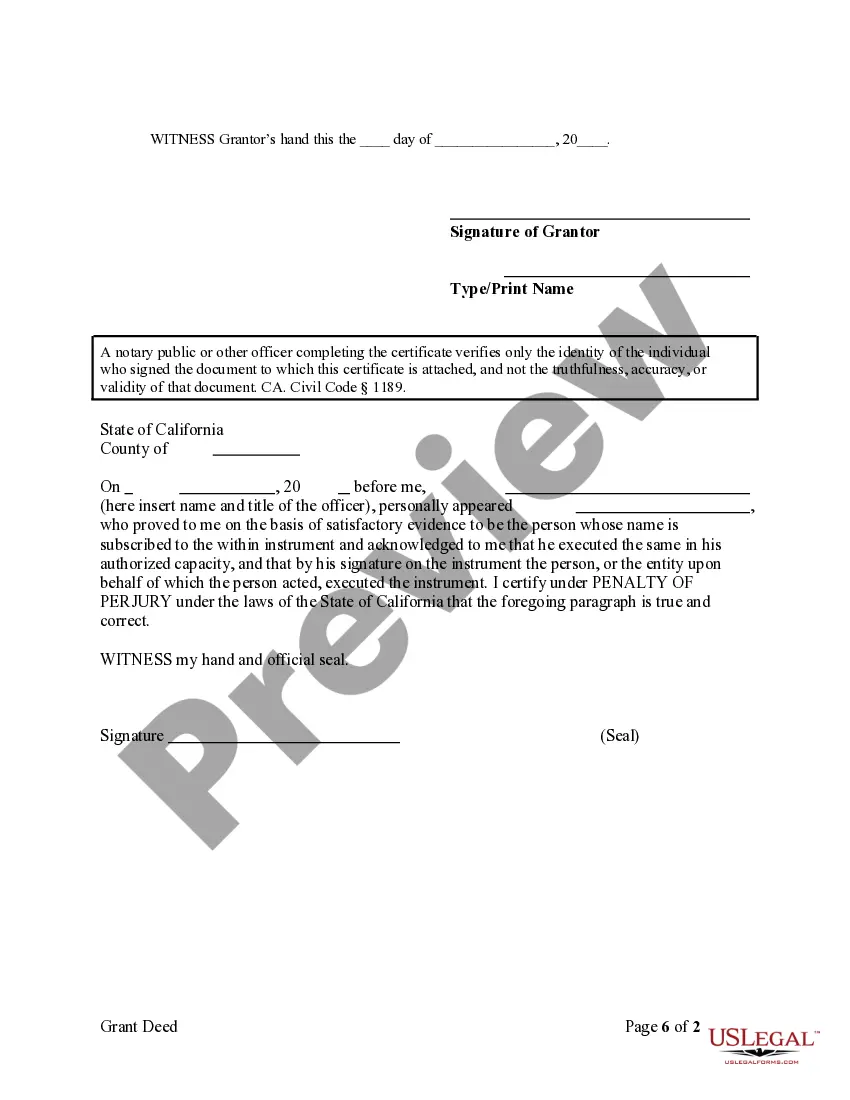
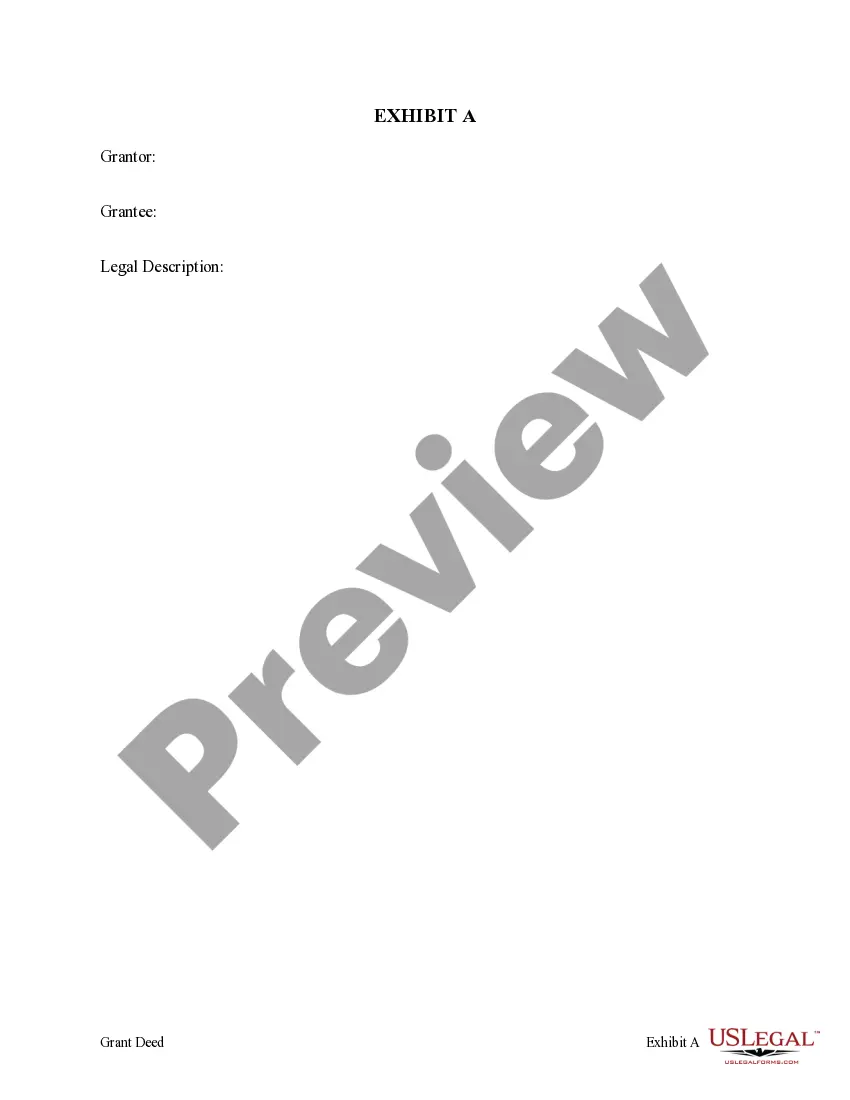
California Grant Deed Tenants In Common
Description
Get your form ready online
Our built-in tools help you complete, sign, share, and store your documents in one place.
Make edits, fill in missing information, and update formatting in US Legal Forms—just like you would in MS Word.
Download a copy, print it, send it by email, or mail it via USPS—whatever works best for your next step.
Sign and collect signatures with our SignNow integration. Send to multiple recipients, set reminders, and more. Go Premium to unlock E-Sign.
If this form requires notarization, complete it online through a secure video call—no need to meet a notary in person or wait for an appointment.
We protect your documents and personal data by following strict security and privacy standards.

Make edits, fill in missing information, and update formatting in US Legal Forms—just like you would in MS Word.

Download a copy, print it, send it by email, or mail it via USPS—whatever works best for your next step.

Sign and collect signatures with our SignNow integration. Send to multiple recipients, set reminders, and more. Go Premium to unlock E-Sign.

If this form requires notarization, complete it online through a secure video call—no need to meet a notary in person or wait for an appointment.

We protect your documents and personal data by following strict security and privacy standards.
Looking for another form?

How to fill out California Grant Deed From Individual To Two Individuals As Tenants In Common?
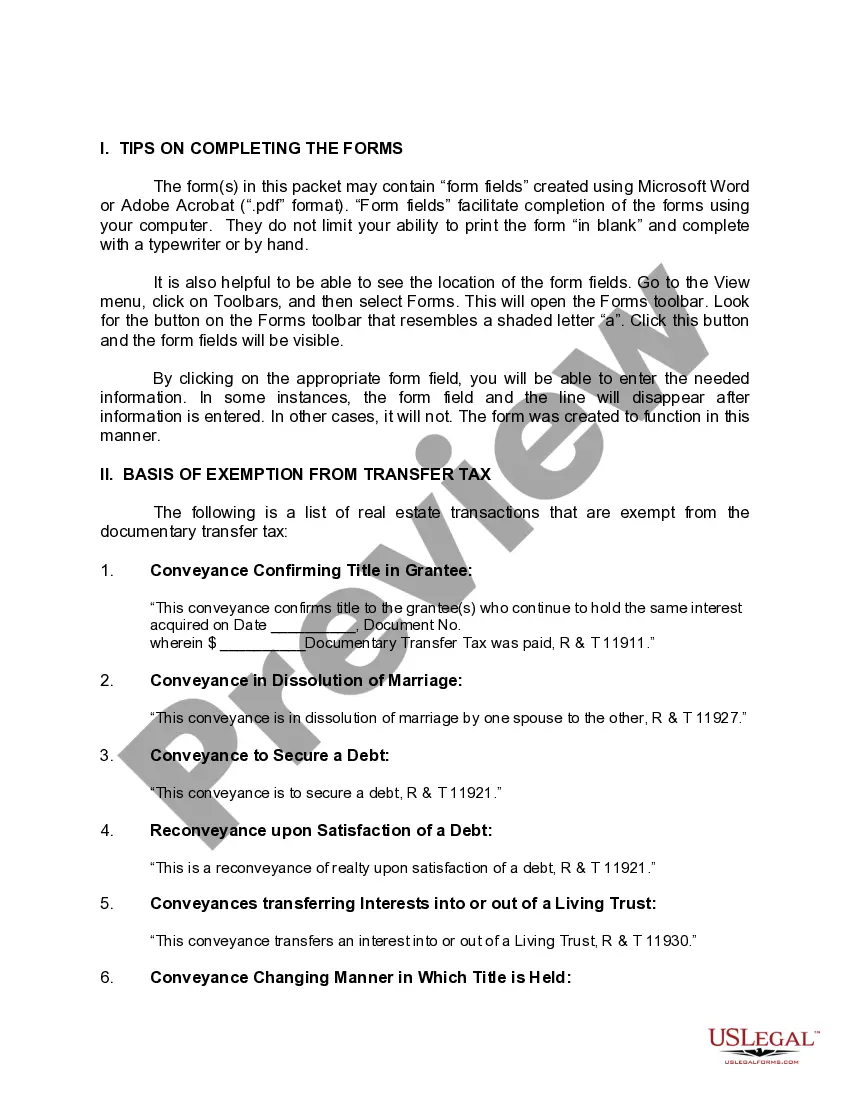
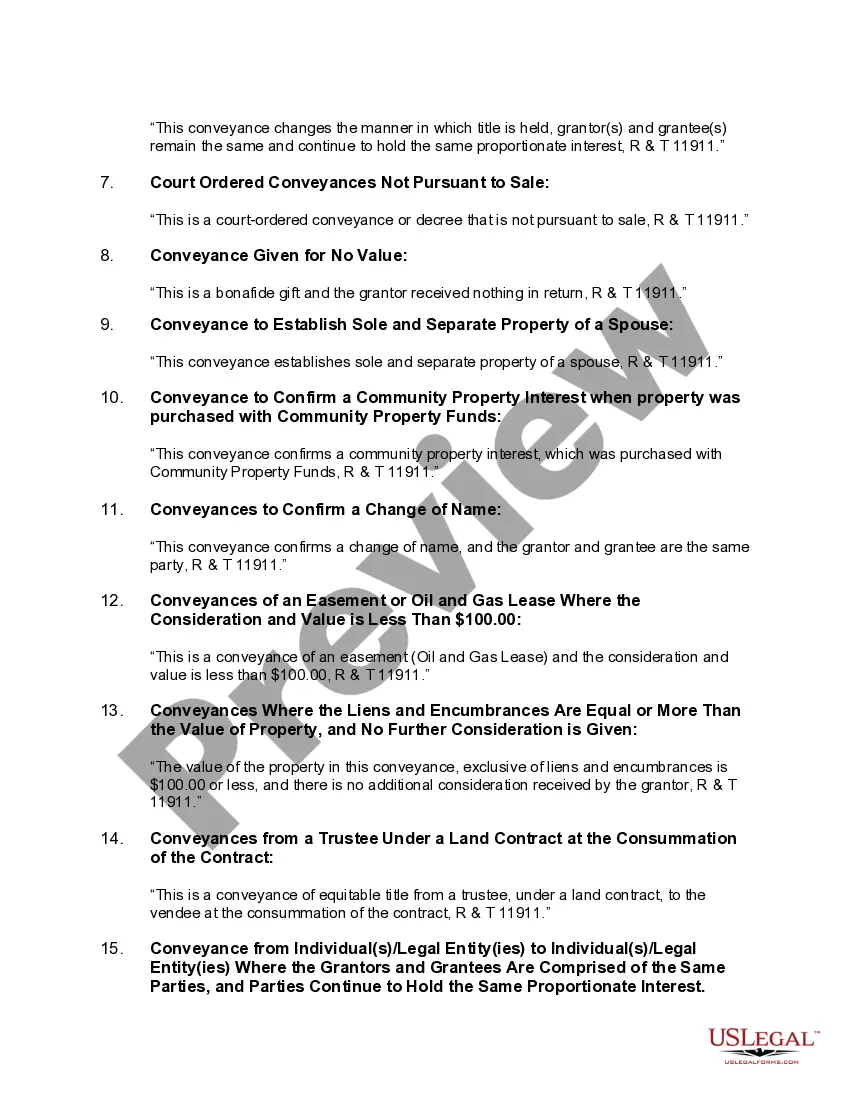
The California Grant Deed Tenants In Common displayed on this page is a versatile legal document crafted by experienced attorneys in accordance with national and local laws and regulations.
For over 25 years, US Legal Forms has supplied individuals, corporations, and legal professionals with more than 85,000 authenticated, state-specific documents for any commercial or personal situation. It’s the fastest, simplest, and most reliable method to acquire the forms you require, as the service promises the utmost level of data security and anti-malware safeguards.
Re-download your documents whenever necessary. Access the My documents tab in your account to retrieve any previously saved forms. Subscribe to US Legal Forms to have authenticated legal templates for all of life's situations readily available.
- Search for the document you require and examine it.
- Browse through the sample you found and preview it or read the form description to confirm it meets your needs. If it doesn't, utilize the search function to locate the appropriate one. Click Buy Now once you have found the template you want.
- Choose a payment plan that fits you and register for an account. Use PayPal or a credit card to make a quick payment. If you have an existing account, Log In and check your subscription to proceed.
- Select the format you prefer for your California Grant Deed Tenants In Common (PDF, DOCX, RTF) and download the sample to your device.
- Print the document to complete it by hand. Alternatively, employ an online versatile PDF editor to swiftly and accurately fill out and sign your form electronically.
Form popularity
FAQ
Step 1: Locate the Current Deed for the Property. ... Step 2: Determine What Type of Deed to Fill Out for Your Situation. ... Step 3: Determine How New Owners Will Take Title. Step 4: Fill Out the New Deed (Do Not Sign) ... Step 5: Grantor(s) Sign in Front of a Notary. ... Step 6: Fill Out the Preliminary Change of Ownership Report (PCOR)
That typically means the co-owners hold title as joint tenants with right of survivorship or (if they are married) as community property with right of survivorship. A survivorship deed avoids probate by passing the property directly to a surviving co-owner upon the other co-owner's death.
The Grant Deed (also purchasable at most office supply or stationery stores) is completed and signed by the grantor, whose signature must be notarized. If you determine there is no documentary transfer tax required, an exemption statement must appear on the document.
Joint Tenancy is a way of holding title to a property in California, where two or more individuals own the property together with equal rights of ownership. When one owner passes away, their share of the property automatically transfers to the surviving owners.
From here, the process looks like this: Choose the most appropriate deed. Prepare the deed. Complete the deed with accurate information about the property and the person being added. Sign the deed in the presence of a notary public. File the deed with the county recorder's office. Update the property records.