Home Improvement Diy Shows
Description
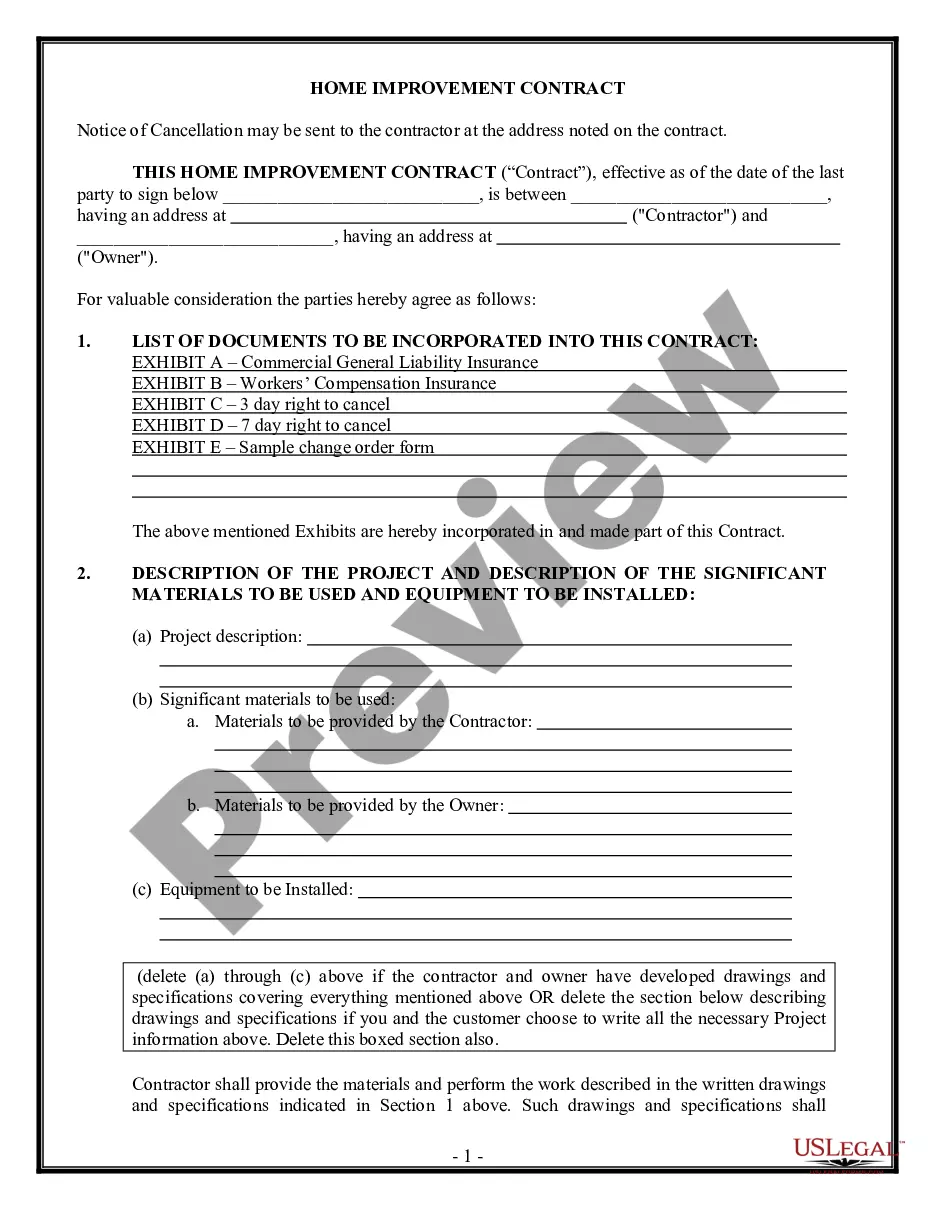
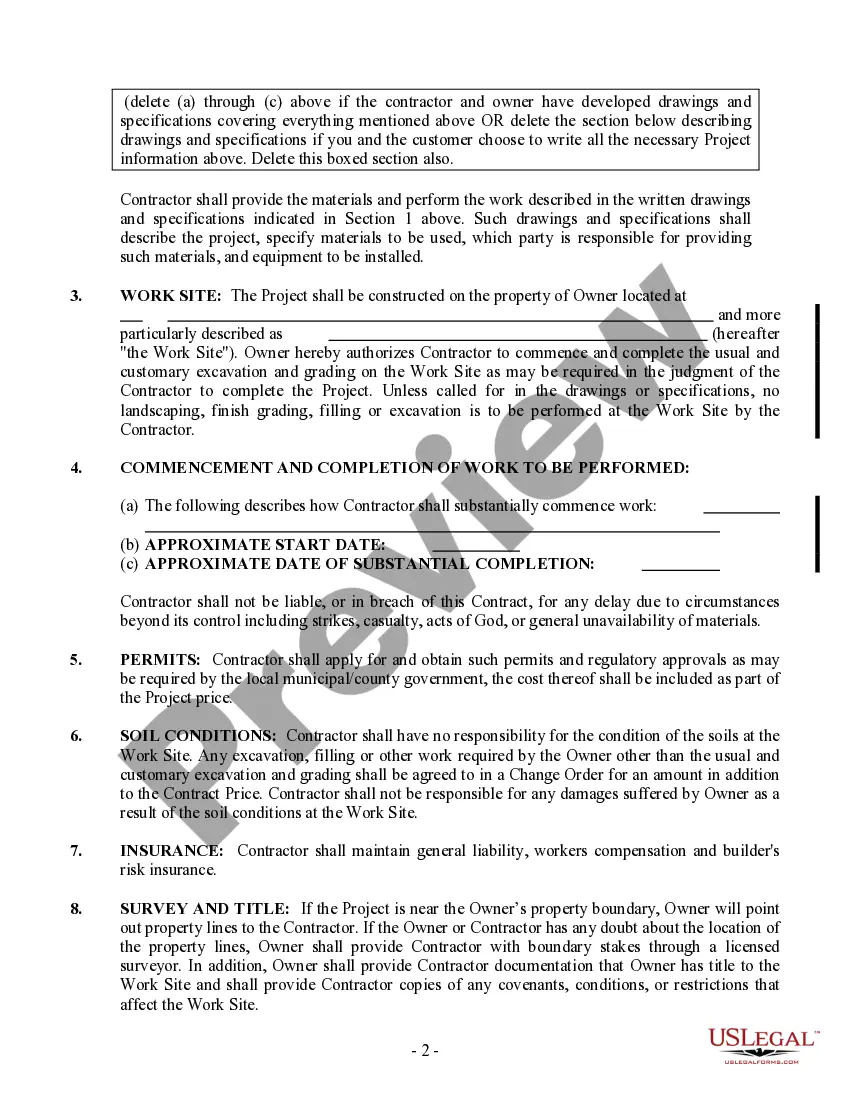
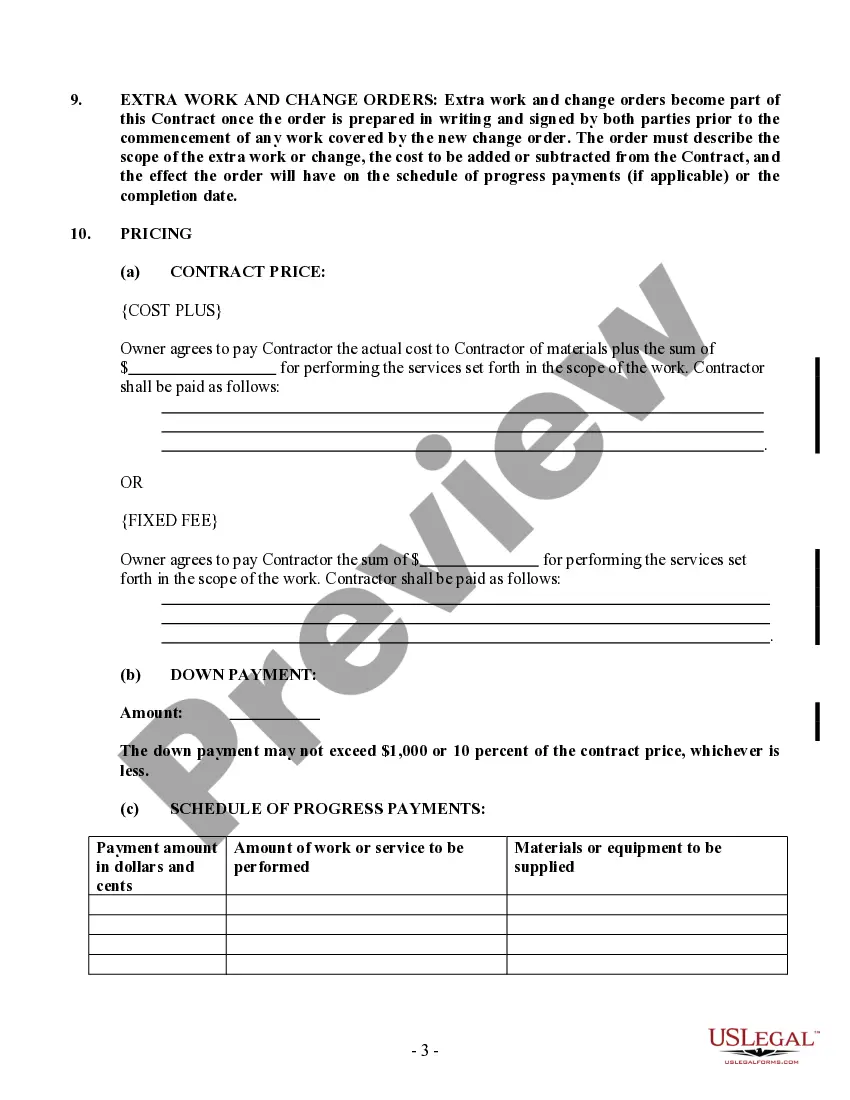
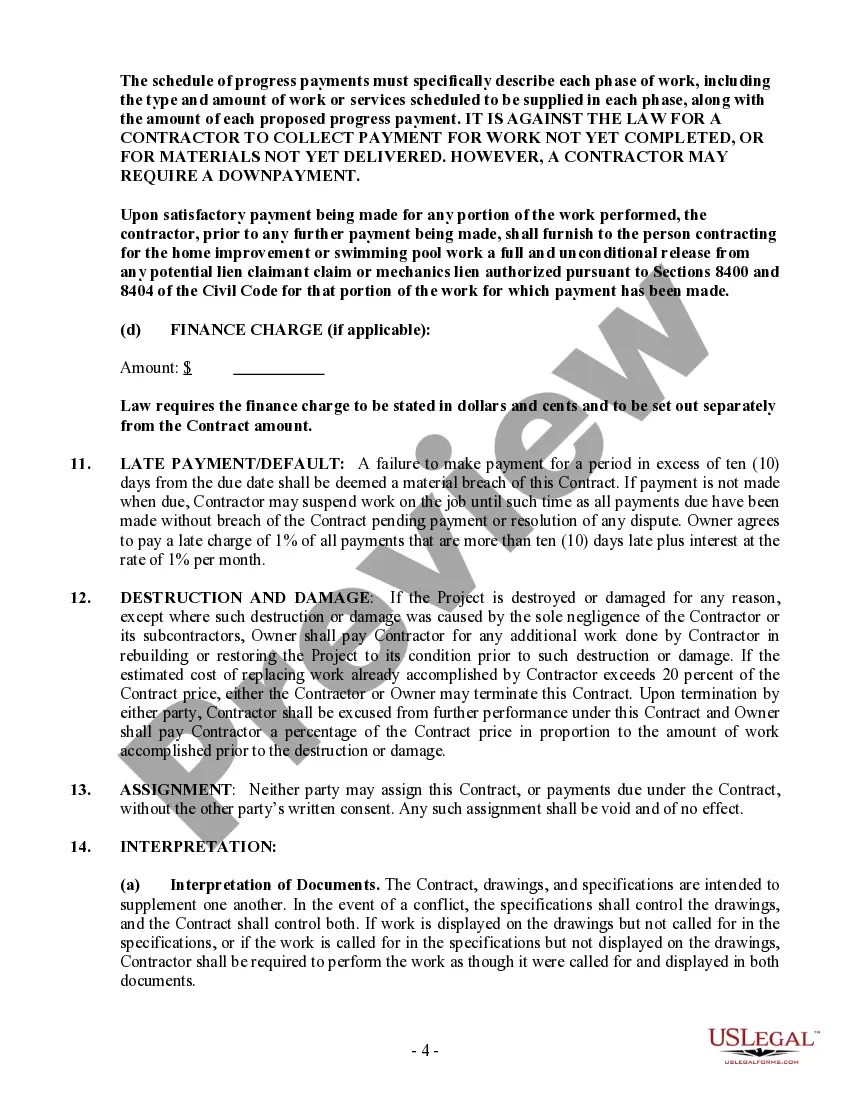


Get your form ready online
Our built-in tools help you complete, sign, share, and store your documents in one place.
Make edits, fill in missing information, and update formatting in US Legal Forms—just like you would in MS Word.
Download a copy, print it, send it by email, or mail it via USPS—whatever works best for your next step.
Sign and collect signatures with our SignNow integration. Send to multiple recipients, set reminders, and more. Go Premium to unlock E-Sign.
If this form requires notarization, complete it online through a secure video call—no need to meet a notary in person or wait for an appointment.
We protect your documents and personal data by following strict security and privacy standards.

Make edits, fill in missing information, and update formatting in US Legal Forms—just like you would in MS Word.

Download a copy, print it, send it by email, or mail it via USPS—whatever works best for your next step.

Sign and collect signatures with our SignNow integration. Send to multiple recipients, set reminders, and more. Go Premium to unlock E-Sign.

If this form requires notarization, complete it online through a secure video call—no need to meet a notary in person or wait for an appointment.

We protect your documents and personal data by following strict security and privacy standards.
Looking for another form?








How to fill out California Construction Home Improvement Contract Cost Plus Or Fixed Fee?
Creating legal documents from scratch can occasionally feel somewhat daunting.
Certain situations may require numerous hours of inquiry and substantial amounts of money to be spent.
If you’re seeking a more uncomplicated and economical method of generating Home Improvement DIY Shows or any other paperwork without the hassle, US Legal Forms is always ready to assist you.
Our online collection of more than 85,000 current legal templates covers nearly every facet of your financial, legal, and personal matters.
Examine the form preview and descriptions to confirm you have located the document you need. Make sure the template you choose aligns with the regulations and laws of your state and county. Select the most suitable subscription option to purchase the Home Improvement DIY Shows. Download the file, then complete, certify, and print it out. US Legal Forms has a strong reputation and over 25 years of experience. Join us today and transform form completion into an effortless and efficient experience!
- With just a few clicks, you can quickly find state- and county-specific forms meticulously prepared for you by our legal professionals.
- Utilize our platform whenever you need dependable and trustworthy services to easily find and download the Home Improvement DIY Shows.
- If you're already familiar with our site and have created an account, simply Log In to access your account, find the form, and download it, or re-download it later from the My documents section.
- Not yet signed up? No worries. Setting it up and navigating the library takes only a few minutes.
- Before directly proceeding to download Home Improvement DIY Shows, please follow these guidelines.
Form popularity
FAQ
In the context of home improvement DIY shows like Ask This Old House, the production team typically covers the costs of materials and labor for the projects featured on the show. This arrangement allows homeowners to receive expert assistance without the financial burden. Additionally, viewers can learn valuable techniques and insights that they can apply to their own home improvement projects. If you're considering a similar project, platforms like US Legal Forms can help you with necessary legal documents to ensure a smooth process.
Yes, there are numerous home makeover shows that feature transformations inspired by home improvement DIY shows. These programs showcase everything from simple decor updates to complete renovations. Watching these shows can provide you with ideas and inspiration for your own projects, making it easier to envision your dream home.
Whether $50,000 is enough to renovate a house depends on the extent of the renovations you plan. Minor updates, like kitchen or bathroom remodels, might be achievable within that budget. However, if you look to make significant changes, such as adding square footage, you may need to reassess your budget inspired by home improvement DIY shows.
In general, you cannot write off home renovations on your taxes unless the improvements are made for business purposes or increase your property's value. However, some specific renovations for energy efficiency may qualify for tax credits. Always consult a tax professional to understand how your home improvement DIY shows projects might affect your taxes.
The $7500 home renovation tax credit allows eligible homeowners to claim up to $7500 for qualifying renovations. This credit can significantly ease the financial burden of home improvements. If you're planning projects inspired by home improvement DIY shows, be sure to check if your renovations qualify for this tax benefit.
The 30% renovation rule suggests that homeowners should not spend more than 30% of their home's value on renovations. This guideline helps ensure that you do not over-improve your home compared to market value. When planning your projects inspired by home improvement DIY shows, consider this rule to maintain a balanced investment.
Some HGTV shows, particularly those that focus on home improvement DIY shows, receive complaints about unrealistic timelines or costs. Viewers often express frustration when renovations take longer than expected. It's helpful to remember that these shows are meant for entertainment, and real-life projects may differ significantly.
Yes, you can complain about renovation noise if it disrupts your peace. Most local laws have regulations about noise levels, especially during certain hours. If you find the noise from home improvement DIY shows or renovations bothersome, consider discussing it with your neighbor or contacting your local authorities for guidance.
Typically, the production companies finance home makeovers on TV shows. They cover costs for renovations, materials, and labor to create engaging content for viewers. However, in some cases, homeowners may need to contribute a portion of the expenses or provide their homes as part of the agreement. It's essential for homeowners to understand the terms before participating, as these details can vary between different home improvement DIY shows.
Documenting home improvements is essential for maintaining records and enhancing property value. Start by taking before-and-after photos of each project, and keep receipts for materials and services. Additionally, consider creating a detailed log of the work done, including dates and descriptions. Platforms like US Legal Forms can provide templates for documentation, ensuring you have the necessary paperwork organized and accessible for future reference.