Cost Plus Fee Contract Example
Description
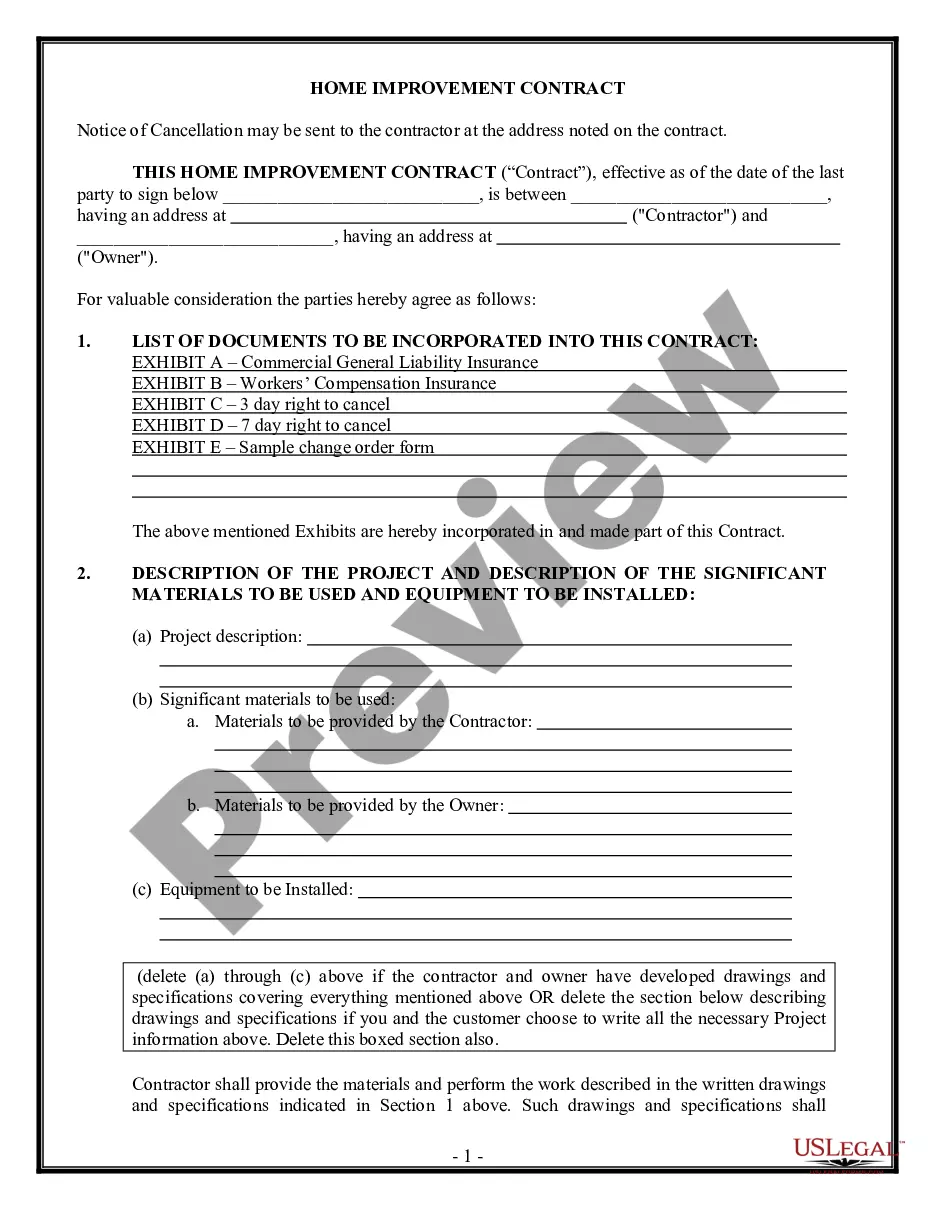
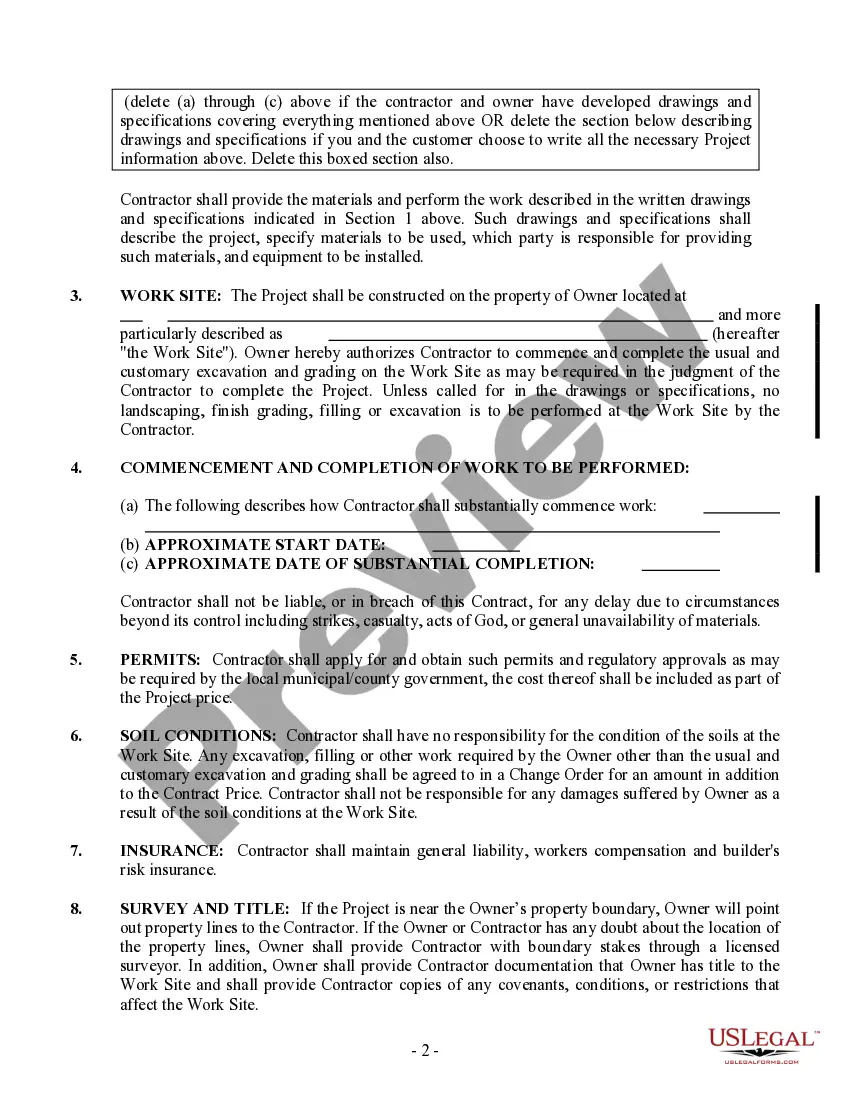
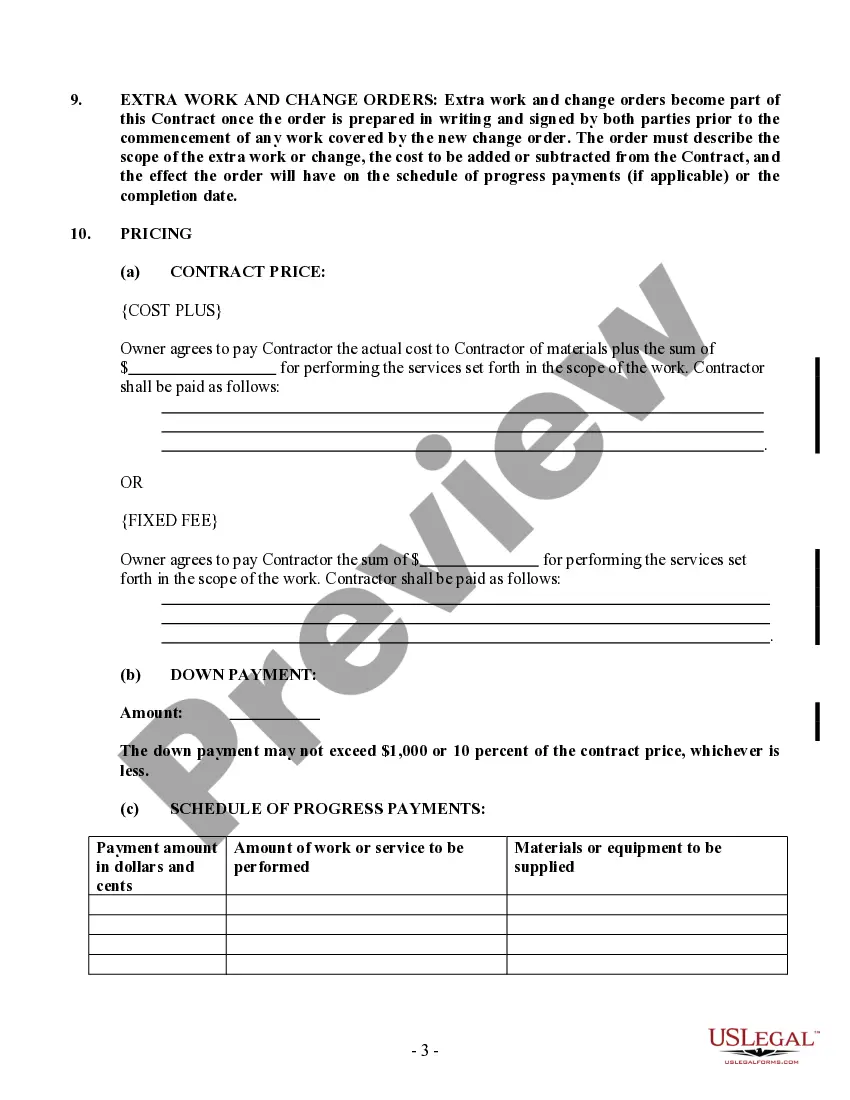
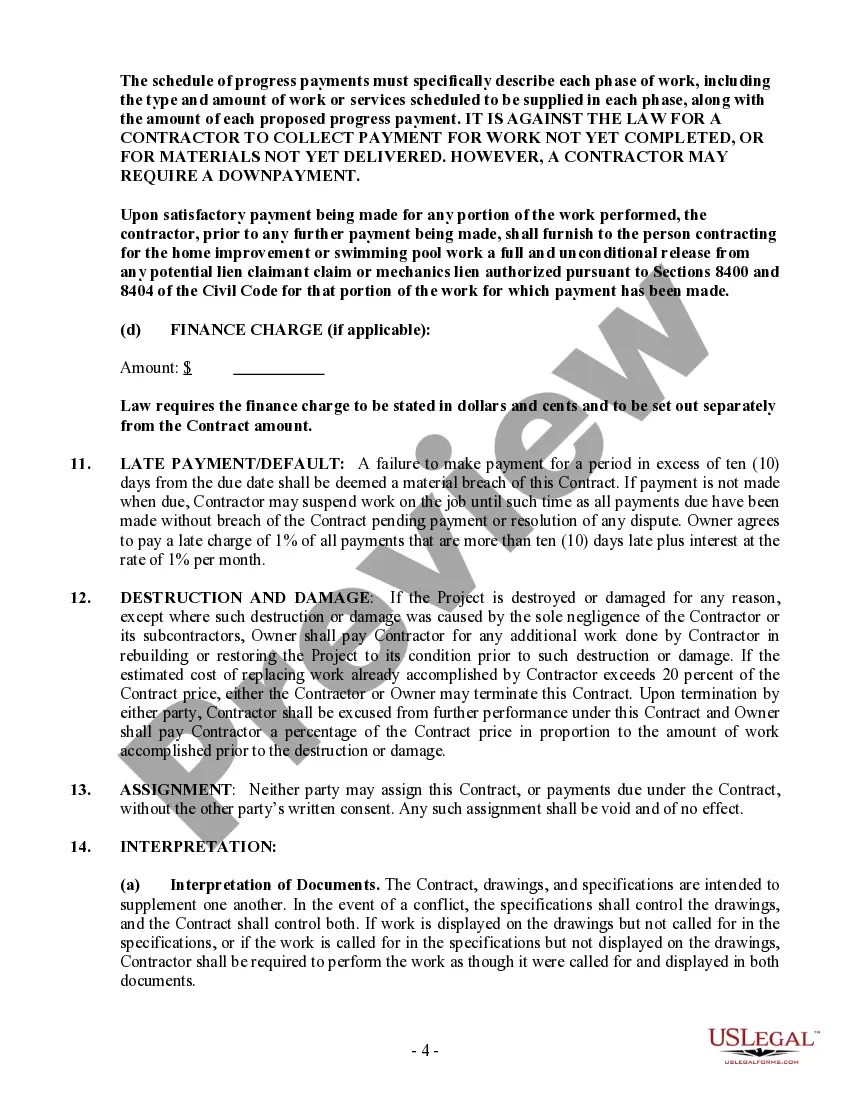


Get your form ready online
Our built-in tools help you complete, sign, share, and store your documents in one place.
Make edits, fill in missing information, and update formatting in US Legal Forms—just like you would in MS Word.
Download a copy, print it, send it by email, or mail it via USPS—whatever works best for your next step.
Sign and collect signatures with our SignNow integration. Send to multiple recipients, set reminders, and more. Go Premium to unlock E-Sign.
If this form requires notarization, complete it online through a secure video call—no need to meet a notary in person or wait for an appointment.
We protect your documents and personal data by following strict security and privacy standards.

Make edits, fill in missing information, and update formatting in US Legal Forms—just like you would in MS Word.

Download a copy, print it, send it by email, or mail it via USPS—whatever works best for your next step.

Sign and collect signatures with our SignNow integration. Send to multiple recipients, set reminders, and more. Go Premium to unlock E-Sign.

If this form requires notarization, complete it online through a secure video call—no need to meet a notary in person or wait for an appointment.

We protect your documents and personal data by following strict security and privacy standards.
Looking for another form?







How to fill out California Construction Home Improvement Contract Cost Plus Or Fixed Fee?
Managing legal documents and tasks can be a lengthy addition to your schedule.
Cost Plus Fee Contract Sample and similar forms often necessitate searching for them and figuring out how to fill them out correctly.
For that reason, whether you are dealing with financial, legal, or personal issues, utilizing a thorough and effective online directory of forms at your disposal will significantly help.
US Legal Forms is the premier online resource for legal templates, featuring over 85,000 state-specific forms along with an array of tools to help you complete your paperwork effortlessly.
Is this your first time using US Legal Forms? Create an account in minutes and you’ll gain access to the form directory and Cost Plus Fee Contract Sample. Next, follow the steps outlined below to fill out your form.
- Explore the collection of relevant documents available with just one click.
- US Legal Forms offers you state- and county-specific forms available at any time for download.
- Streamline your document management processes with a premium service that allows you to prepare any form in minutes without any additional or concealed fees.
- Simply Log In to your account, locate Cost Plus Fee Contract Sample, and download it immediately from the My documents section.
- You can also access previously downloaded forms.
Form popularity
FAQ
plus contract is an agreement where the buyer pays the seller for the actual costs of a project, plus an additional fee for profit. This type of contract provides flexibility, allowing for adjustments based on project changes. For instance, if you are looking for a cost plus fee contract example, consider a construction project where materials and labor costs can vary. Platforms like US Legal Forms can help you create and manage these contracts efficiently.
The formula for a cost-plus incentive fee contract combines the total reimbursable cost with an incentive fee based on performance. For example, the contractor receives the actual costs plus a bonus for staying under budget. This encourages efficiency while providing a cost-plus fee contract example that aligns interests between the contractor and client.
Writing a cost-plus contract begins with outlining the scope of work, detailing the cost structure, and specifying the fee formula. Include clear definitions for reimbursable costs and establish methods for tracking and billing. Tools such as US Legal Forms provide templates that simplify this process, ensuring compliance and professional presentation.
To bill a cost-plus contract, start by tracking all project-related costs, including labor, materials, and overhead. Then, calculate the agreed-upon fee percentage on those costs and add it to the total. Clear and accurate documentation is essential, and platforms like US Legal Forms can help create templates to streamline this process.
plus fee contract example often includes projects like construction, where the contractor is reimbursed for expenses, plus a predetermined fee. For instance, if a builder incurs $100,000 in costs and charges a 10% fee, the total would be $110,000. This method promotes transparency and ensures that the contractor is compensated for all costs incurred while also having an incentive to manage expenses.
A Cost Plus Fee (CPFF) contract is a type of agreement where the contractor is reimbursed for all allowable costs incurred while building a project, plus an additional payment for profit, typically calculated as a percentage of the total costs. This structure allows for flexibility, as it accommodates changes and unforeseen expenses that may arise during the project. Using a Cost plus fee contract example can help you understand its advantages and how it mitigates financial risk for both parties. If you need assistance in creating or managing such contracts, consider exploring the resources available on the USLegalForms platform.
Six Ways to Deal with Cost-Plus Contracts 1) Demand Quantity Guarantees. ... 2) Limit Increases in the Contractor's Fee. ... 3) Eliminate Budgetary Fluff. ... 4) Carefully Select the Project Team. ... 5) Demand Transparency. ... 6) Reduced Risk means a Reduced Fee.
A: As an example, a cost-plus contract may establish that the total estimated cost of a building project is $10 million plus a fixed fee of $1.5 million, roughly 15% of the total cost, as the contractor's profit. So the total expense to the buyer would be approximately $11.5 million ?the cost plus the fee.
Types of Cost-Plus Contract Cost + Fixed Percentage Fee:- In this, the contractor will receive the income by using a pre-decided percentage on the cost of the contract. Cost + Fixed Fee Contract:- Under this contract, the amount to be paid to the contractor is fixed and independent from the cost of the contract.
Who pays for those mistakes? The owner doesn't want to because it's not the owner's fault. But mistakes and rework are just part of the costs. In a cost-plus contract the owner agrees to pay the costs.