Electrical Contractor Contract With Homeowner
Description
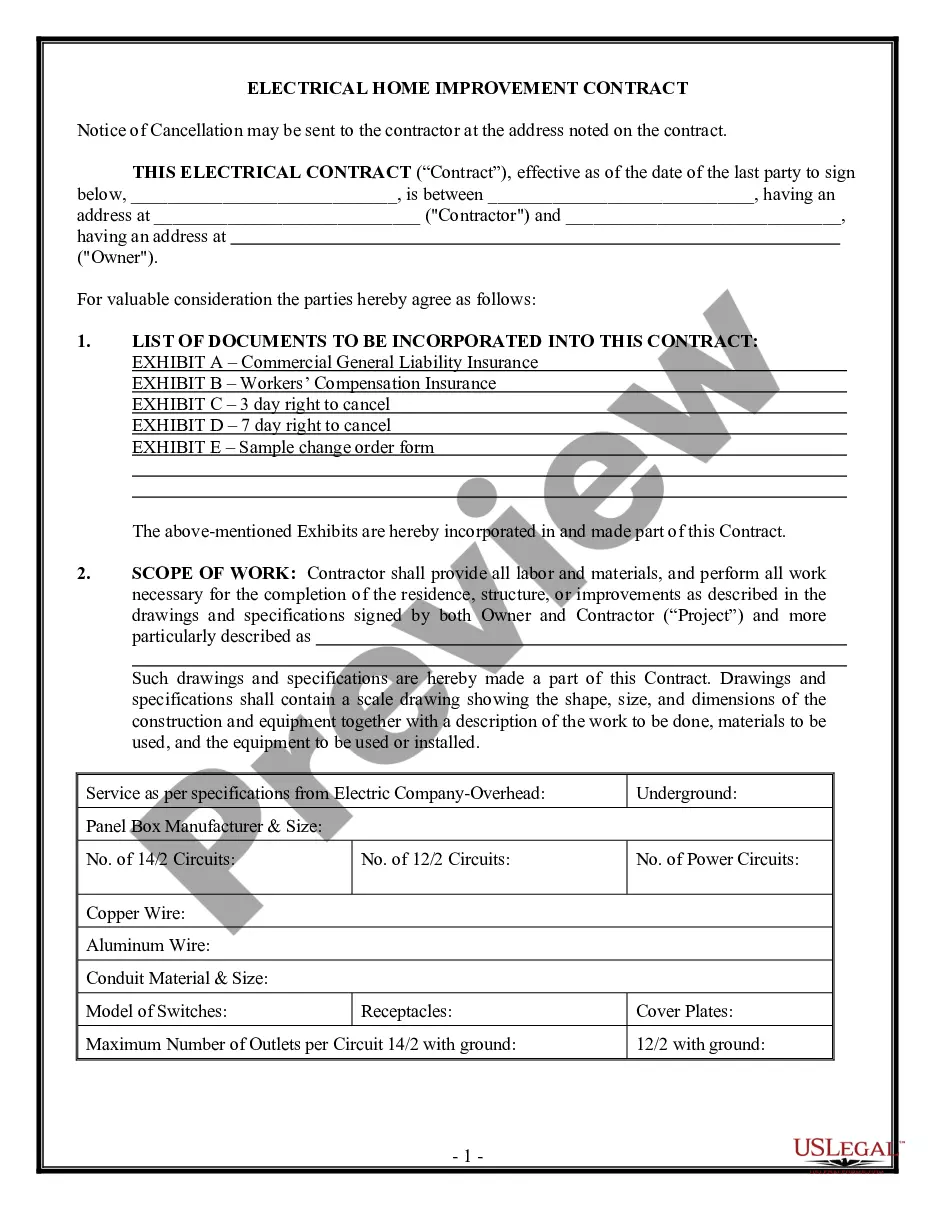
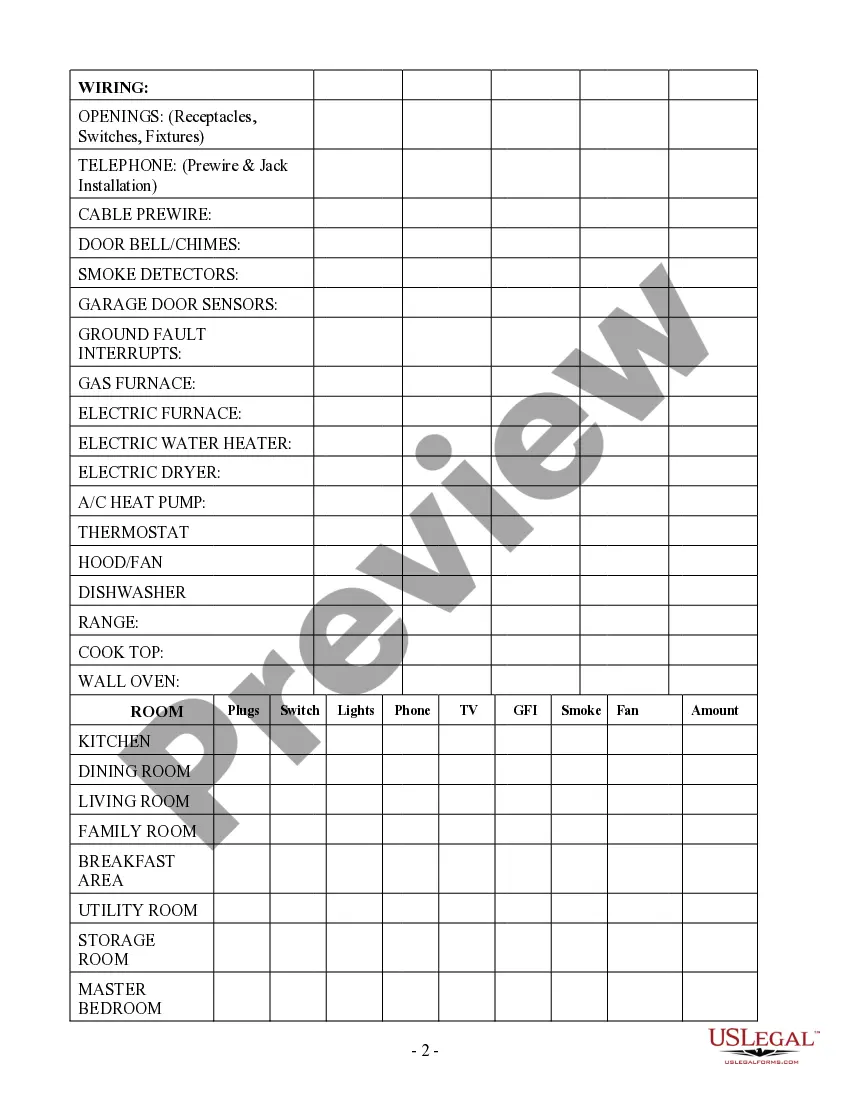
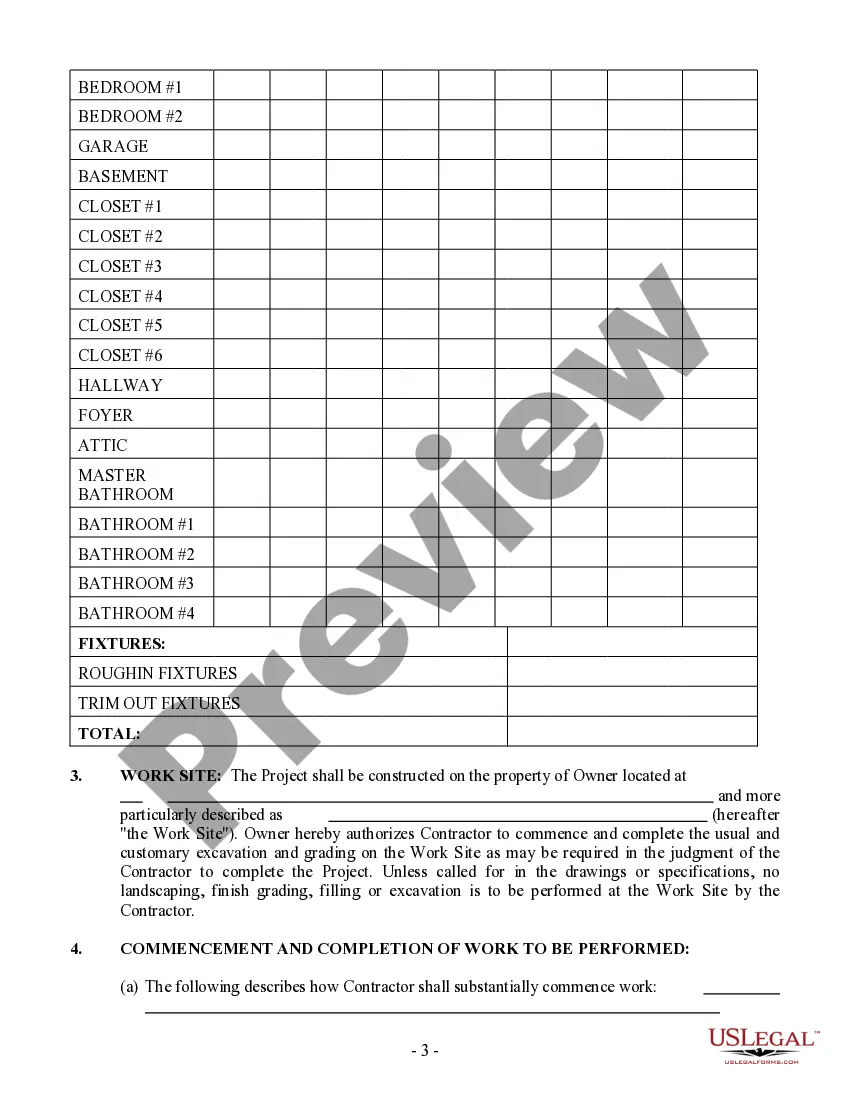
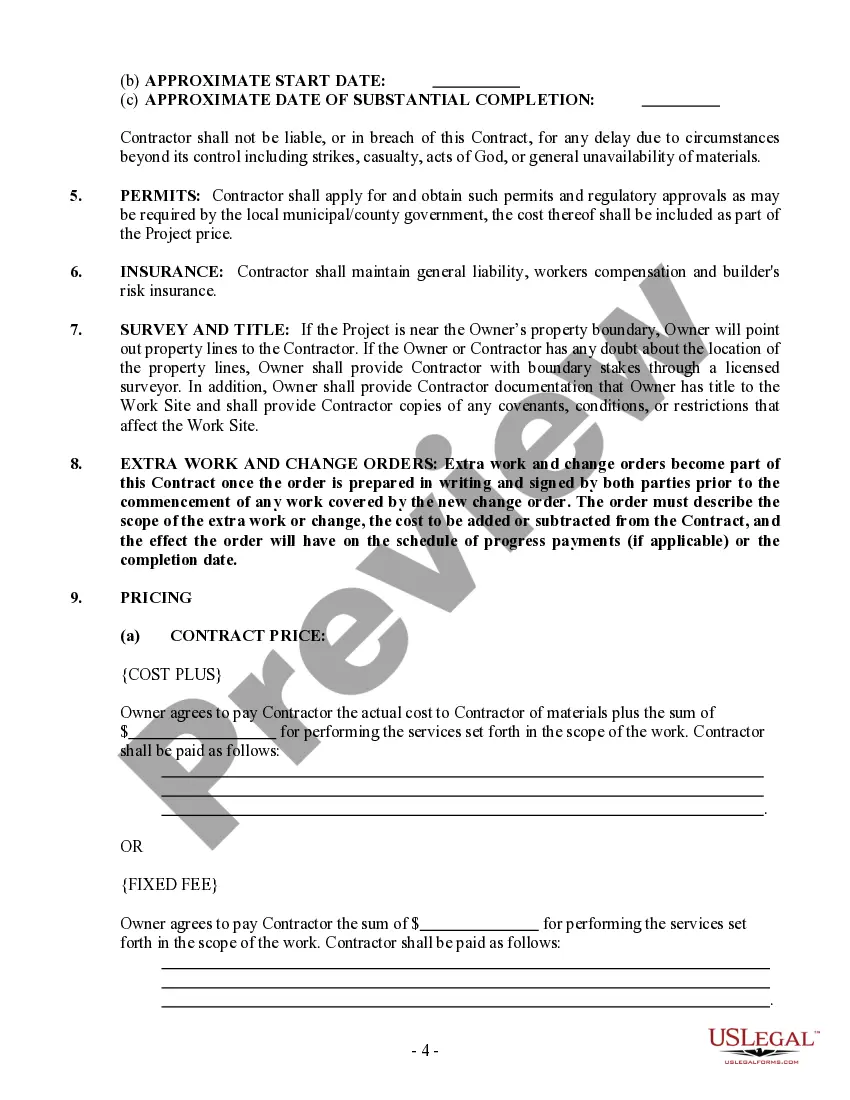
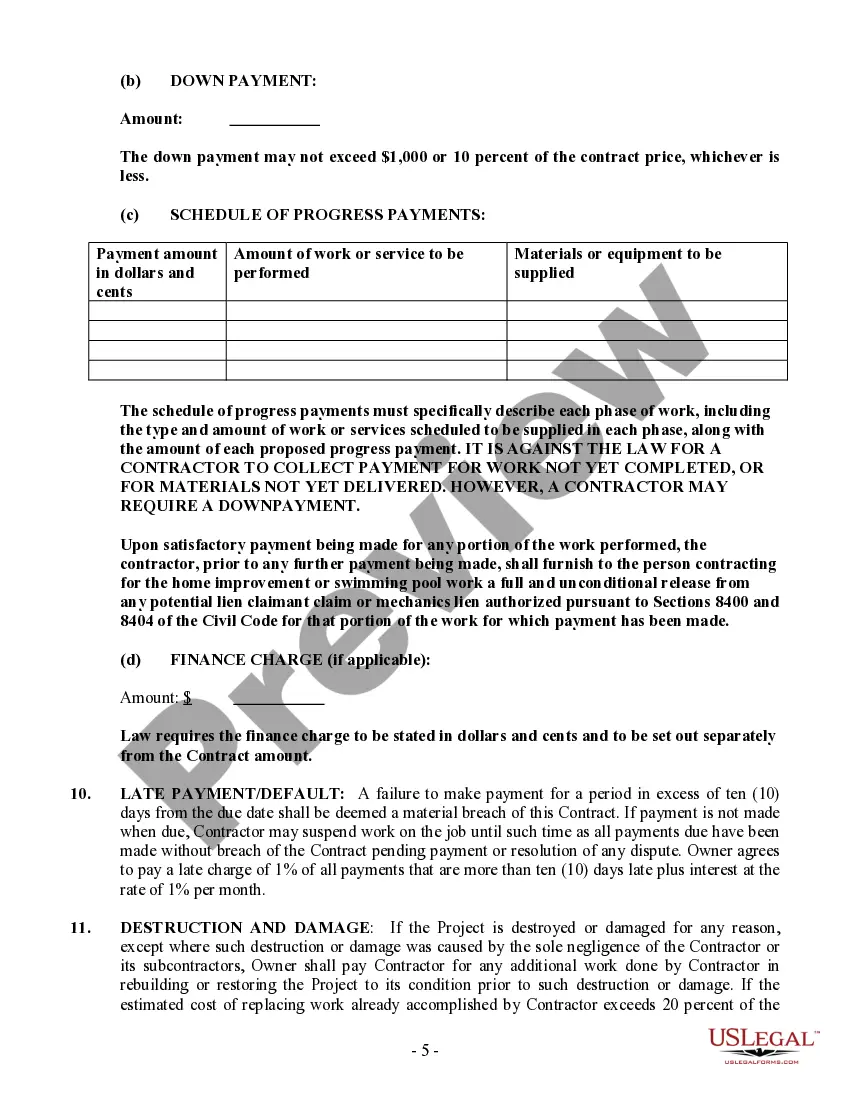
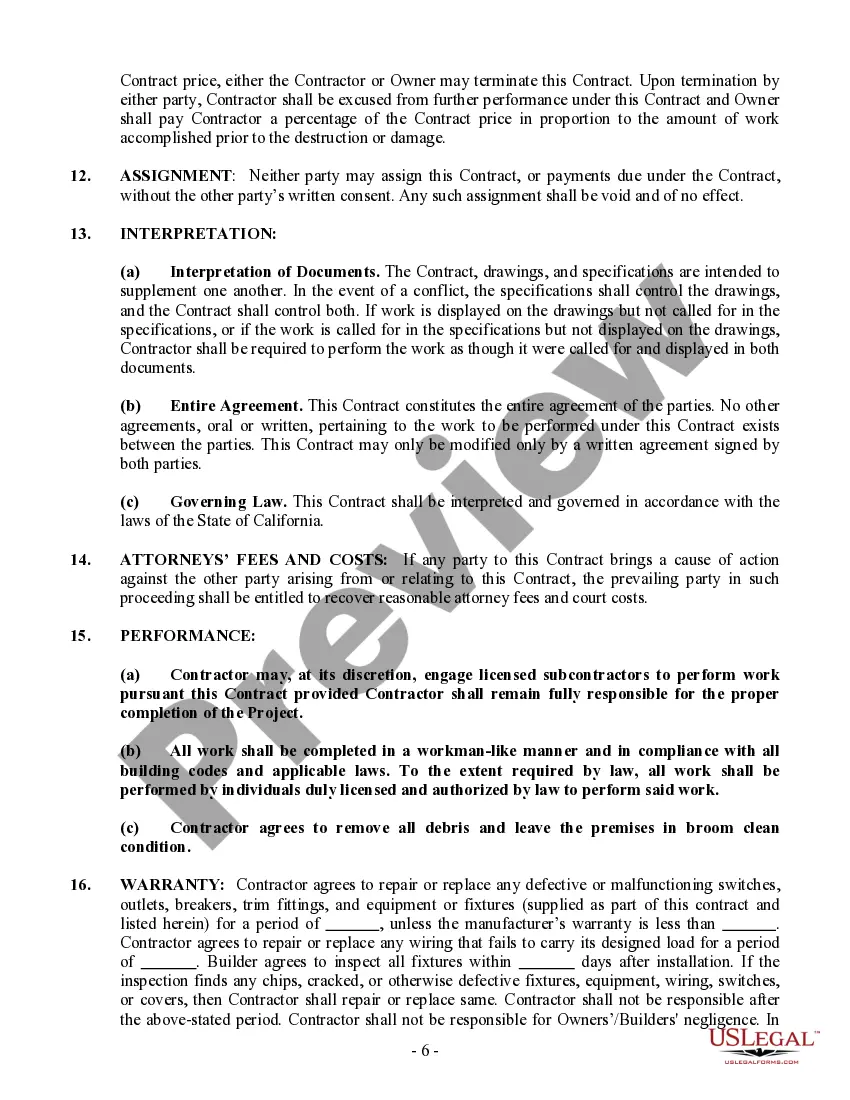
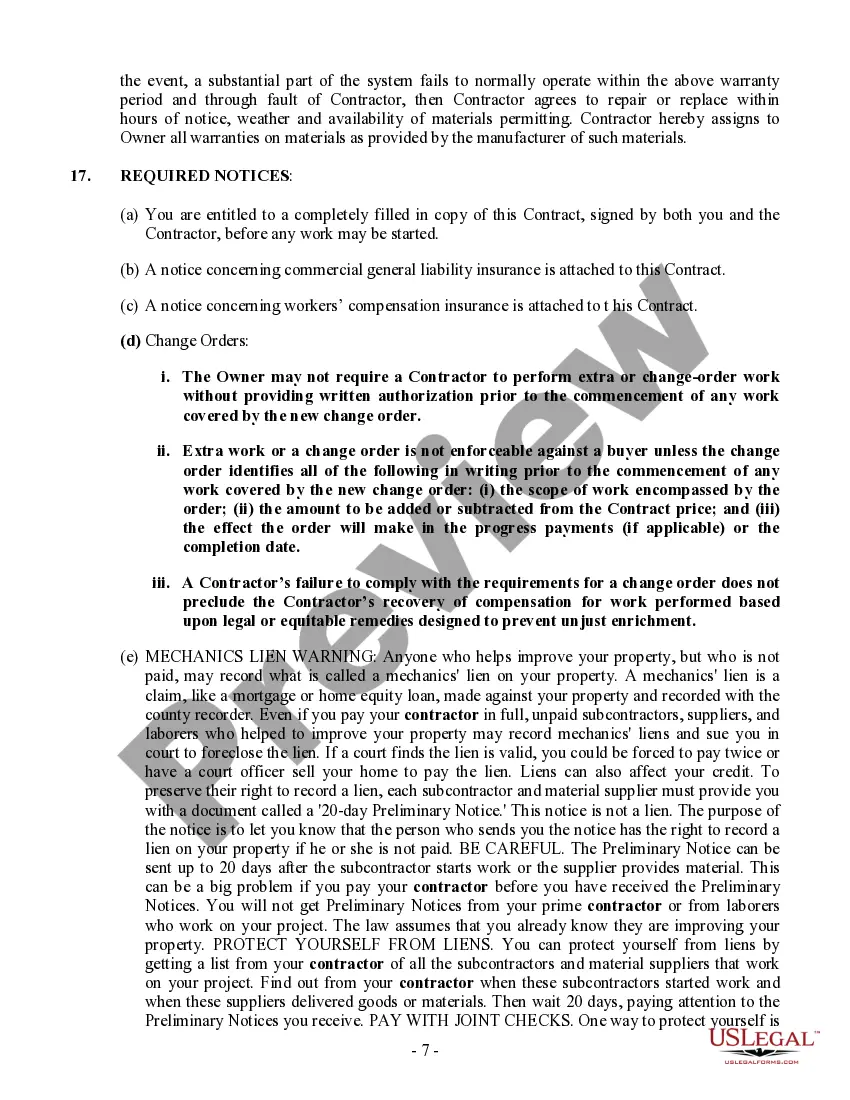
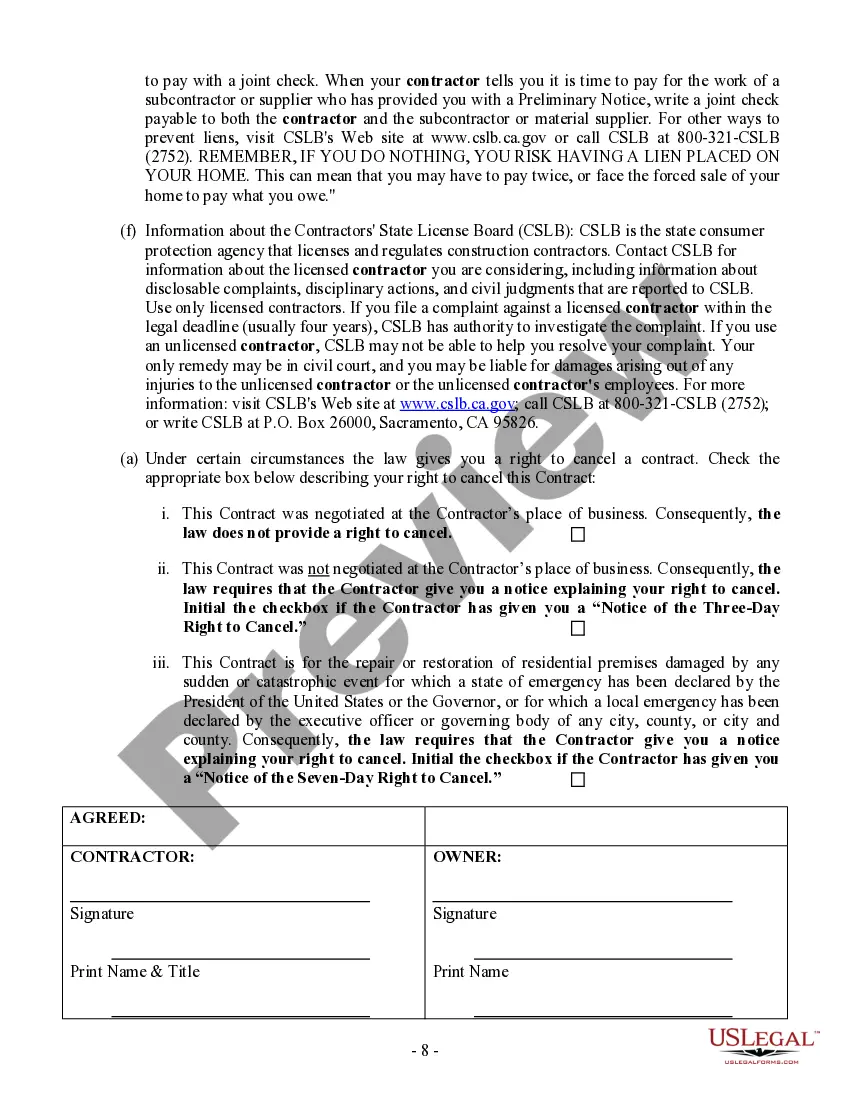
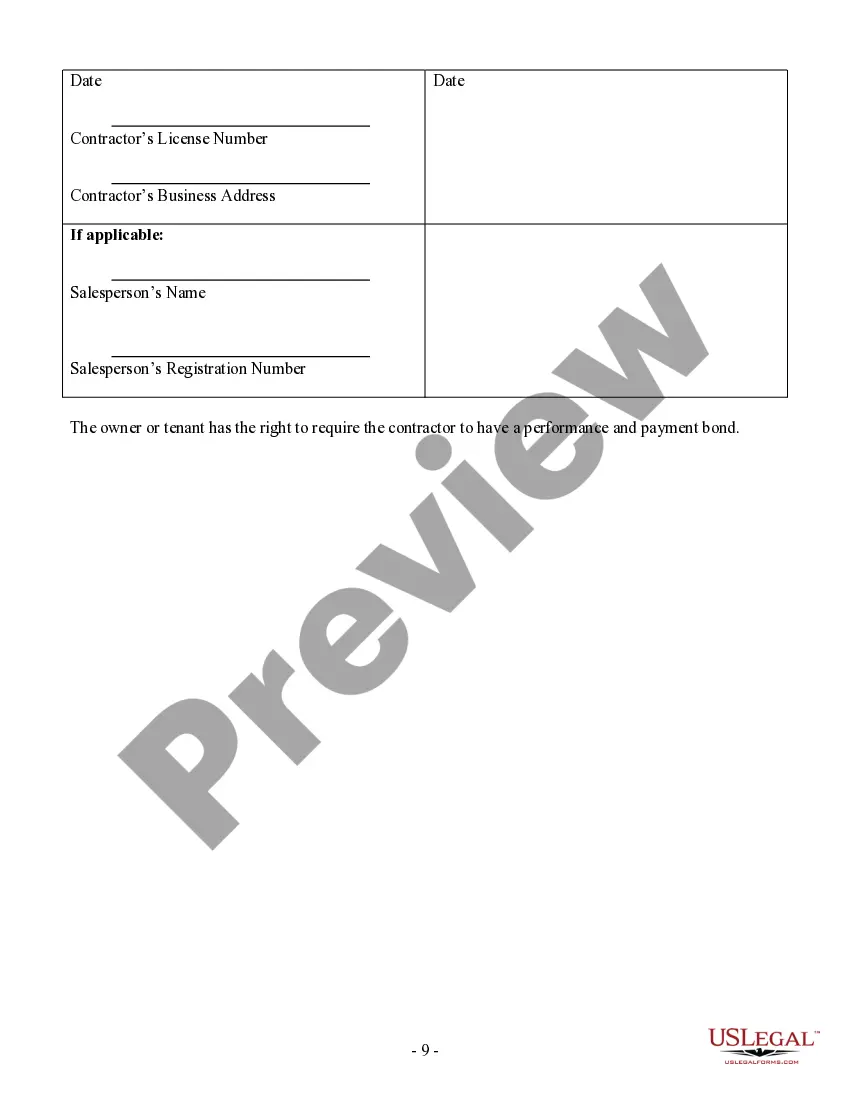
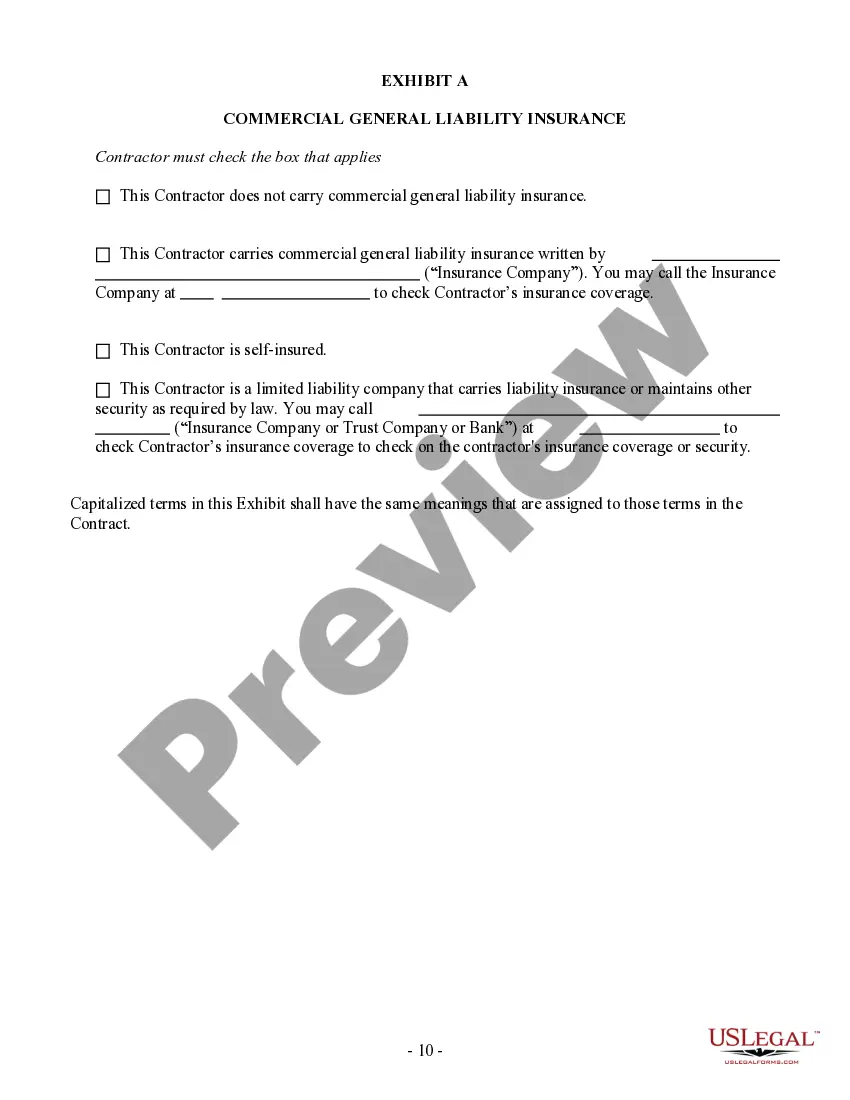

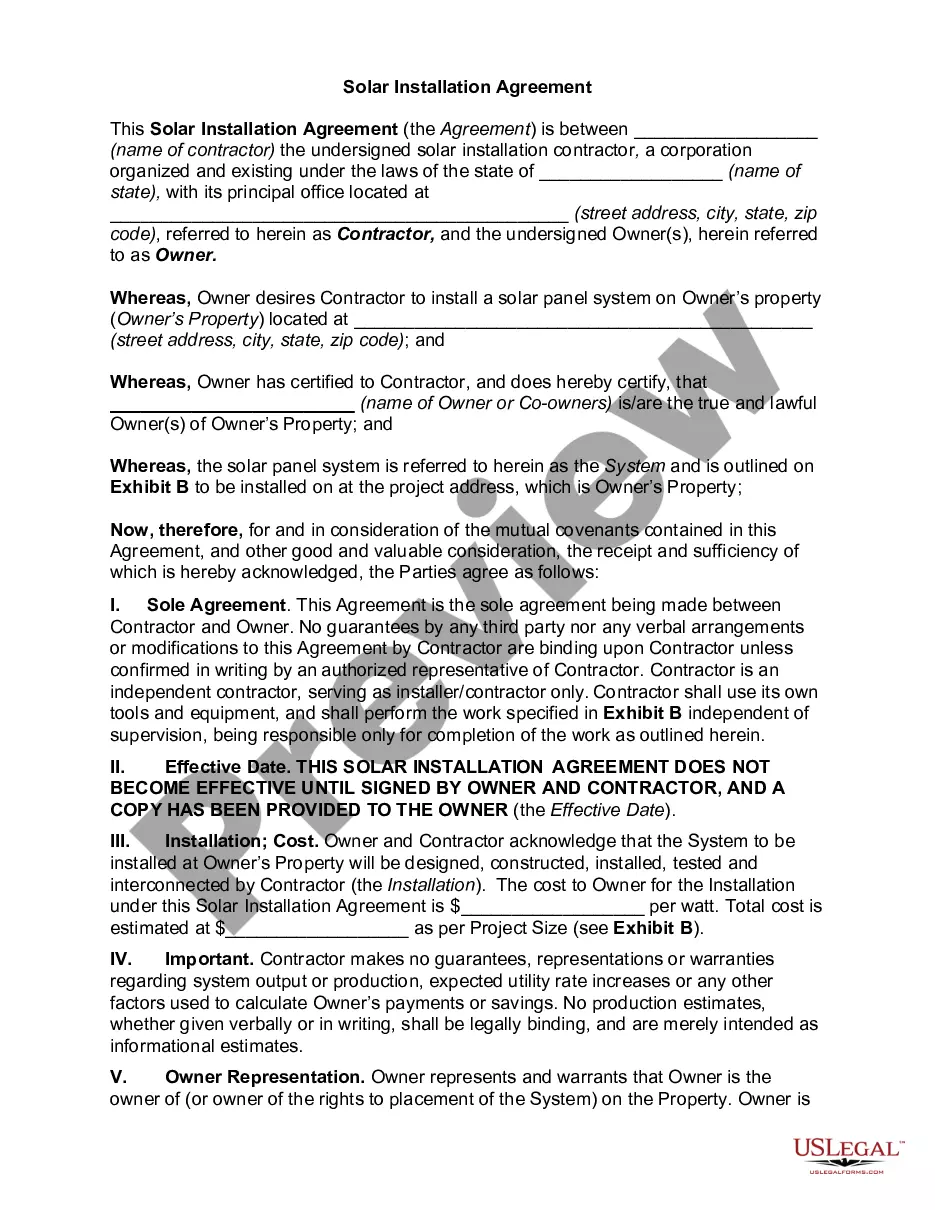
Get your form ready online
Our built-in tools help you complete, sign, share, and store your documents in one place.
Make edits, fill in missing information, and update formatting in US Legal Forms—just like you would in MS Word.
Download a copy, print it, send it by email, or mail it via USPS—whatever works best for your next step.
Sign and collect signatures with our SignNow integration. Send to multiple recipients, set reminders, and more. Go Premium to unlock E-Sign.
If this form requires notarization, complete it online through a secure video call—no need to meet a notary in person or wait for an appointment.
We protect your documents and personal data by following strict security and privacy standards.

Make edits, fill in missing information, and update formatting in US Legal Forms—just like you would in MS Word.

Download a copy, print it, send it by email, or mail it via USPS—whatever works best for your next step.

Sign and collect signatures with our SignNow integration. Send to multiple recipients, set reminders, and more. Go Premium to unlock E-Sign.

If this form requires notarization, complete it online through a secure video call—no need to meet a notary in person or wait for an appointment.

We protect your documents and personal data by following strict security and privacy standards.
Looking for another form?



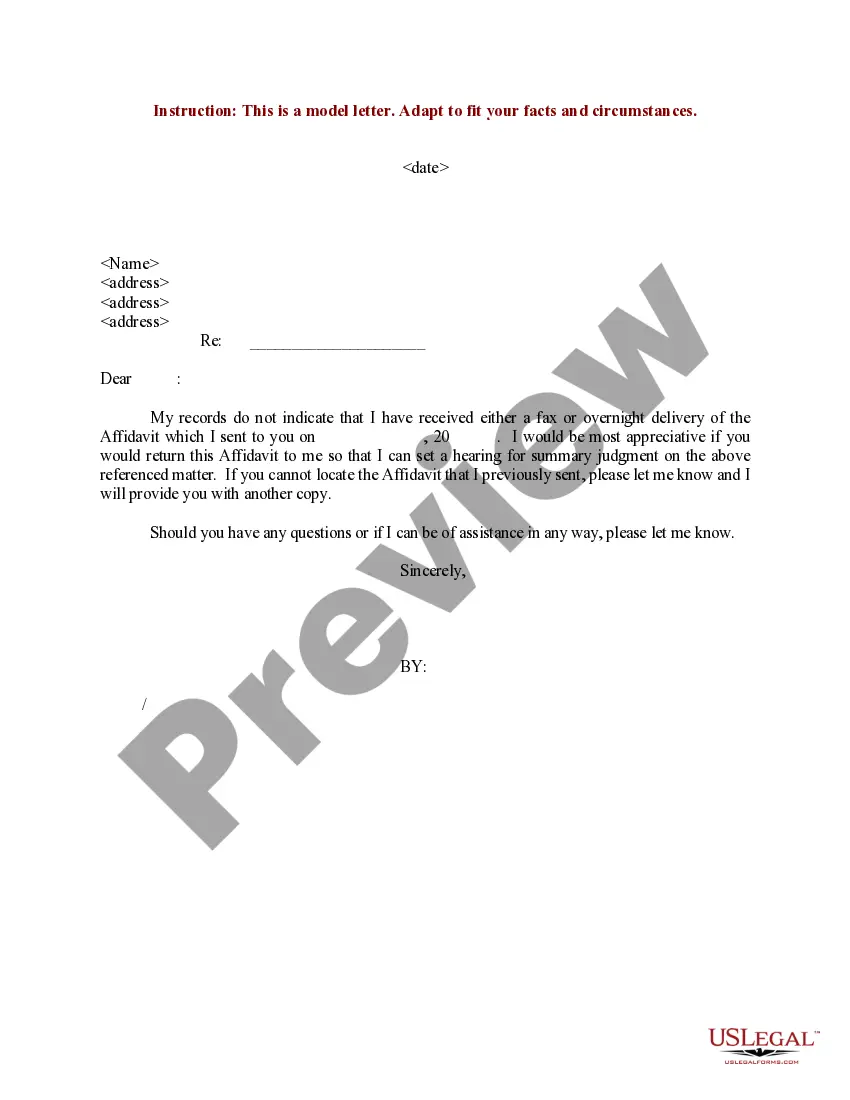






How to fill out California Electrical Contract For Contractor?
Regardless of whether for corporate reasons or personal issues, everyone must navigate legal circumstances at some point in their lives.
Filling out legal documents requires meticulous care, starting from selecting the correct template.
Once downloaded, you can fill out the form using editing software or print it and complete it by hand. With an extensive US Legal Forms catalog available, you won't need to waste time looking for the right template online. Utilize the library’s straightforward navigation to find the appropriate template for any scenario.
- For instance, if you choose an incorrect version of the Electrical Contractor Agreement With Homeowner, it will be rejected upon submission.
- Thus, it is crucial to have a trustworthy source of legal documents such as US Legal Forms.
- If you wish to obtain an Electrical Contractor Agreement With Homeowner template, follow these straightforward steps.
- Retrieve the template you require using the search box or browsing the catalog.
- Examine the form details to ensure it aligns with your circumstances, region, and county.
- Click on the form’s preview to review it.
- If it is not the correct form, return to the search feature to find the Electrical Contractor Agreement With Homeowner template you need.
- Obtain the document when it satisfies your requirements.
- If you possess a US Legal Forms account, click Log in to access previously stored documents in My documents.
- In case you do not have an account yet, you can download the document by clicking Buy now.
- Choose the suitable pricing option.
- Fill out the account registration form.
- Choose your payment method: a credit card or PayPal account.
- Select the desired document format and download the Electrical Contractor Agreement With Homeowner.
Form popularity
FAQ
The relationship between a homeowner and an electrical contractor is defined by the electrical contractor contract with homeowner. This contract outlines the responsibilities and expectations of both parties, ensuring clarity throughout the project. The homeowner typically provides access to the property, while the contractor commits to delivering quality work on time. Establishing a mutual understanding through this contract helps build trust and facilitates smooth communication.
Filling out a contractor agreement requires careful attention to detail. In the context of an electrical contractor contract with homeowner, ensure you accurately list all services, timelines, and payment details. Using tools available on US Legal Forms can streamline this process and improve accuracy.
A basic electrical contract typically includes fundamental components such as a description of services, timelines, payment terms, and legal responsibilities. Within an electrical contractor contract with homeowner, these basic elements create a solid foundation for the working relationship. Using a structured template can facilitate the process.
To draft a simple contract agreement, focus on clarity and directness. In the context of an electrical contractor contract with homeowner, outline the key points like scope, timeline, and payment terms in straightforward language. Simplicity ensures mutual understanding and minimizes disputes.
Writing a contract for electrical work starts with a clear description of the services provided under the electrical contractor contract with homeowner. Specify each party's responsibilities, provide a payment breakdown, and include timelines. Don't forget to add provisions for changes or unforeseen circumstances.
Yes, you can write your own legally binding electrical contractor contract with homeowner, as long as it meets certain requirements. The essential elements include an offer, acceptance, consideration, and the ability of both parties to enter into the agreement. However, using a template from a platform like US Legal Forms can help ensure you cover all necessary aspects.
To write an effective electrical contractor contract with homeowner, begin by outlining the scope of work clearly. Include specifics such as project timelines, payment schedules, and materials to be used. It is essential to also address liability and warranty to protect both parties.