Rent-to-own
Description
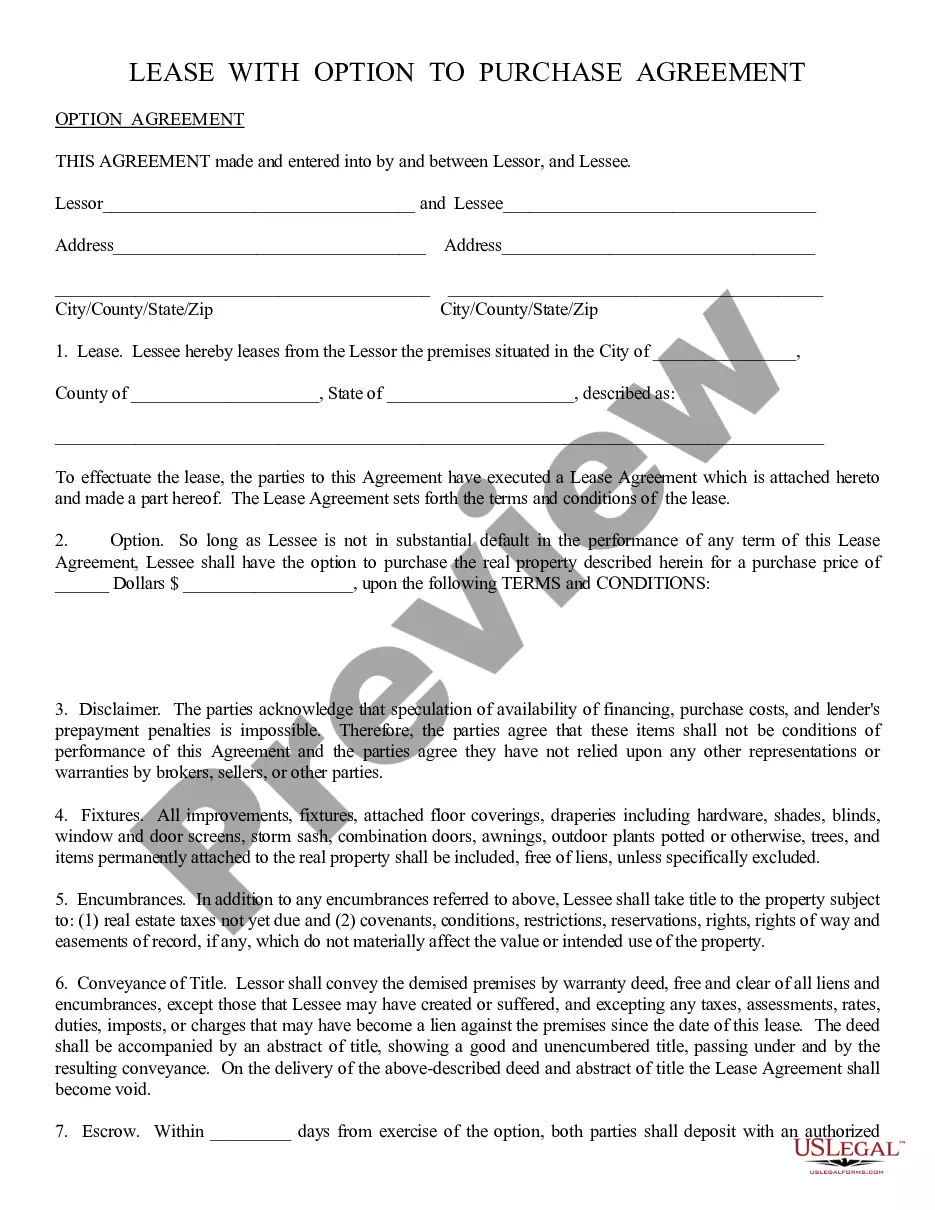
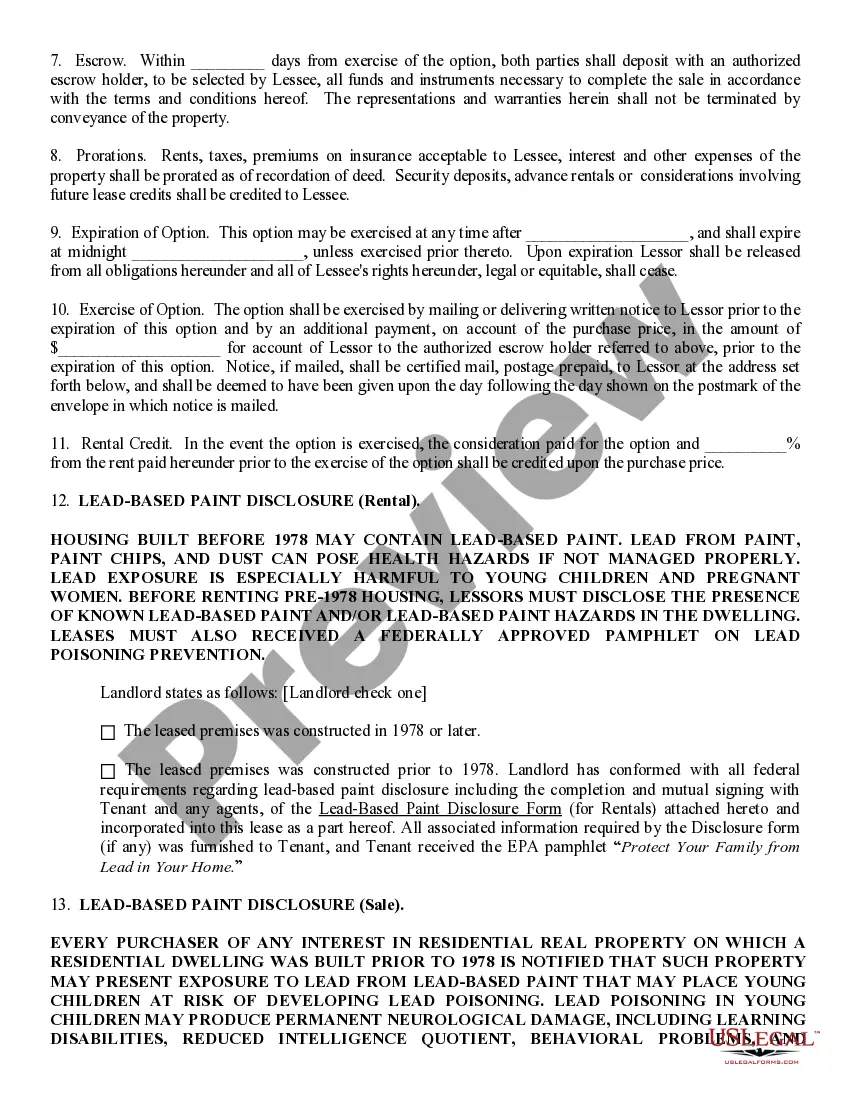
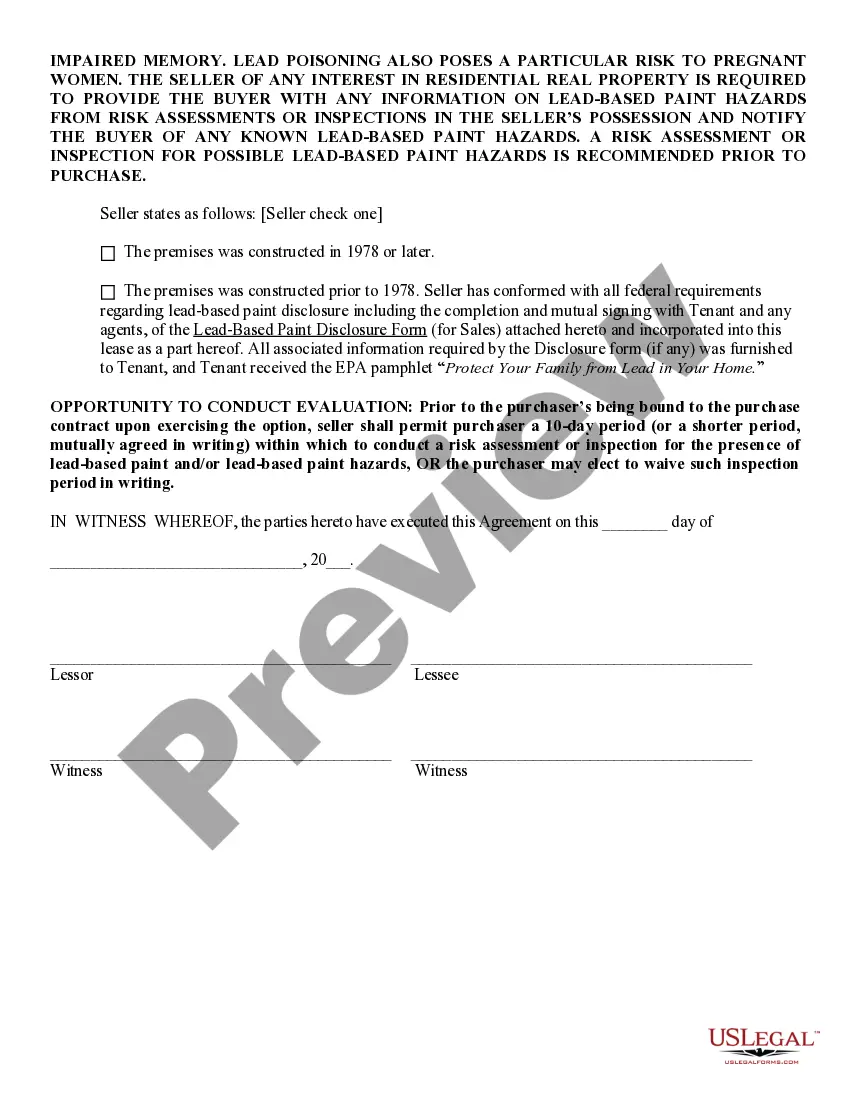
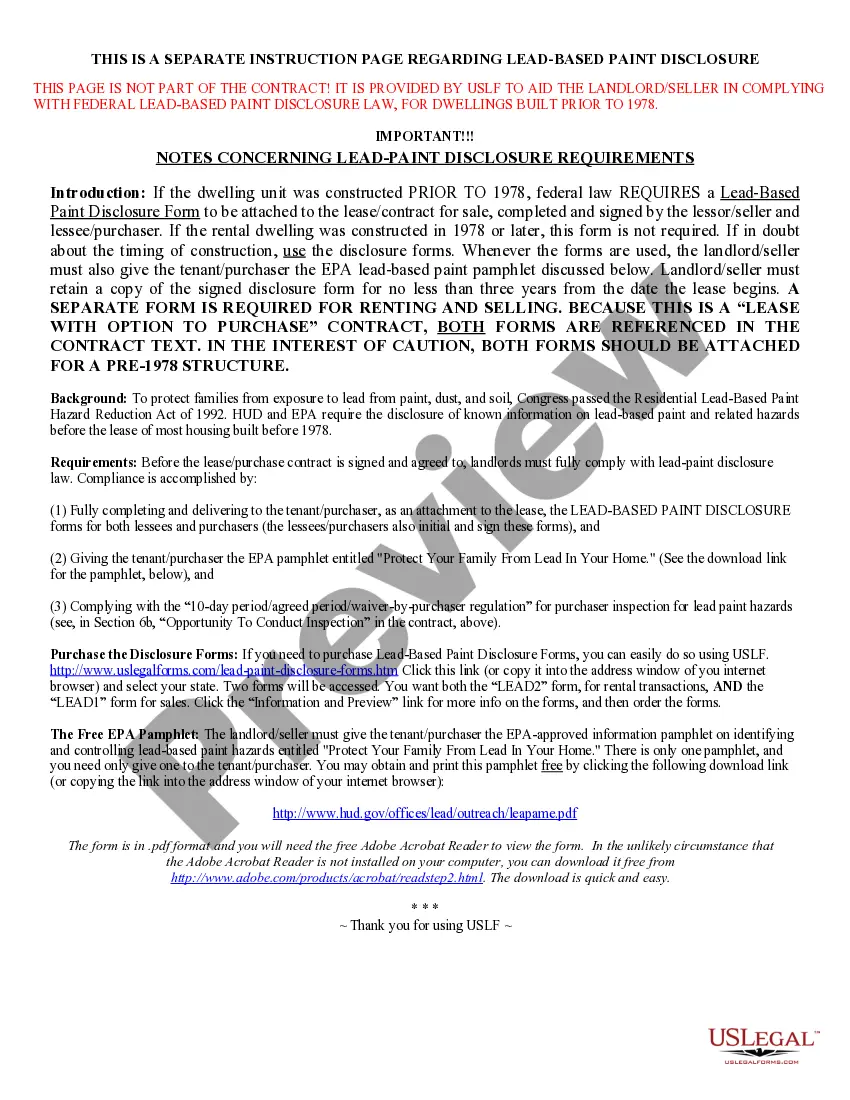
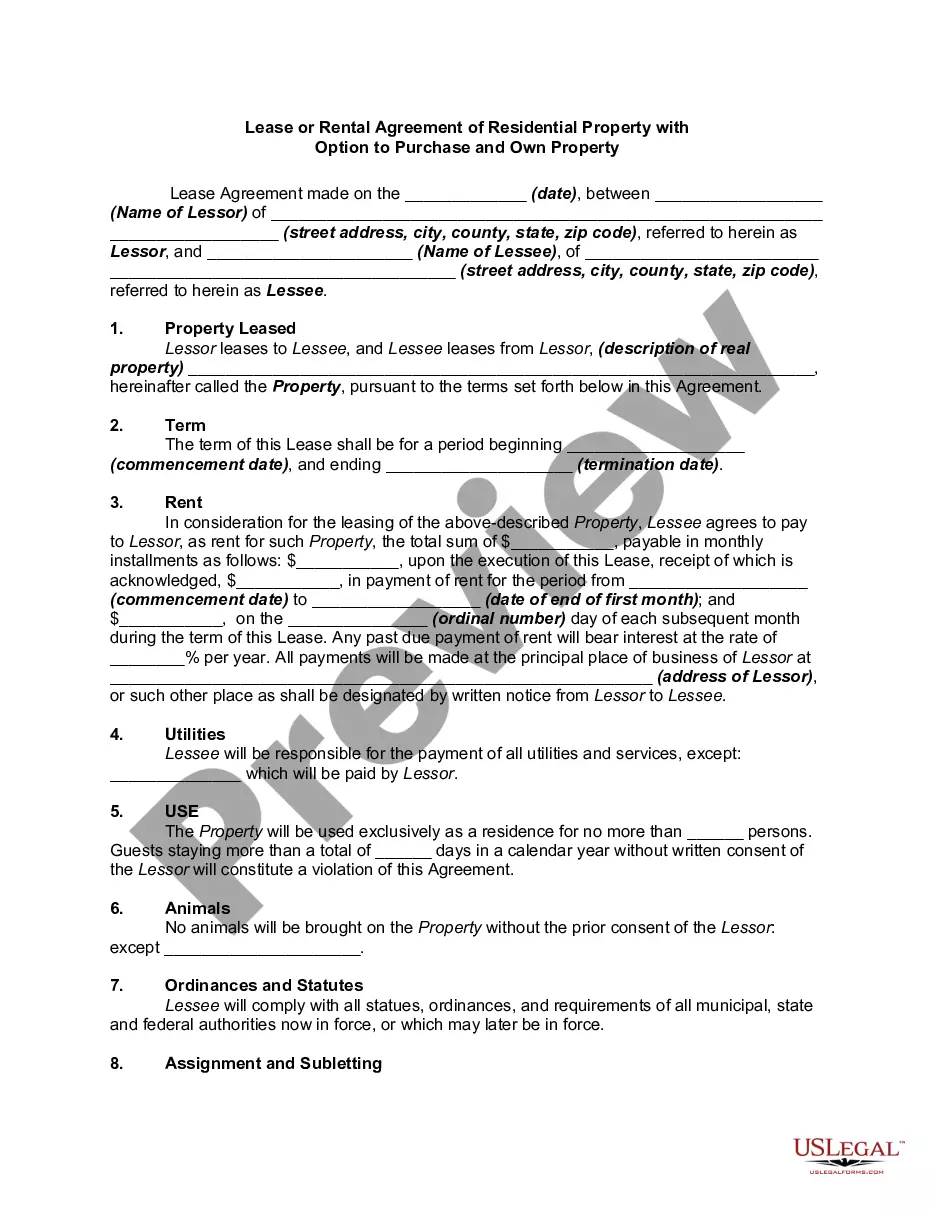
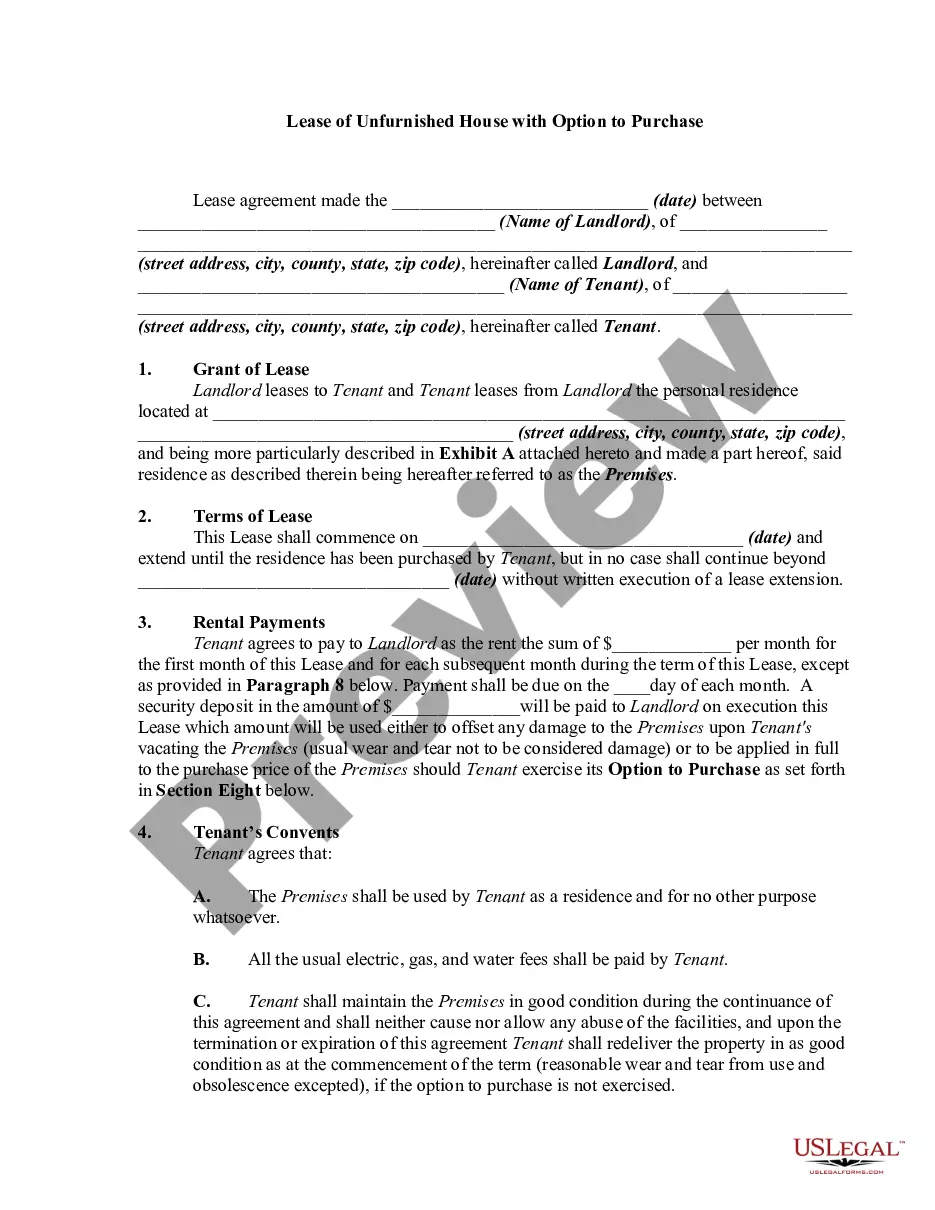
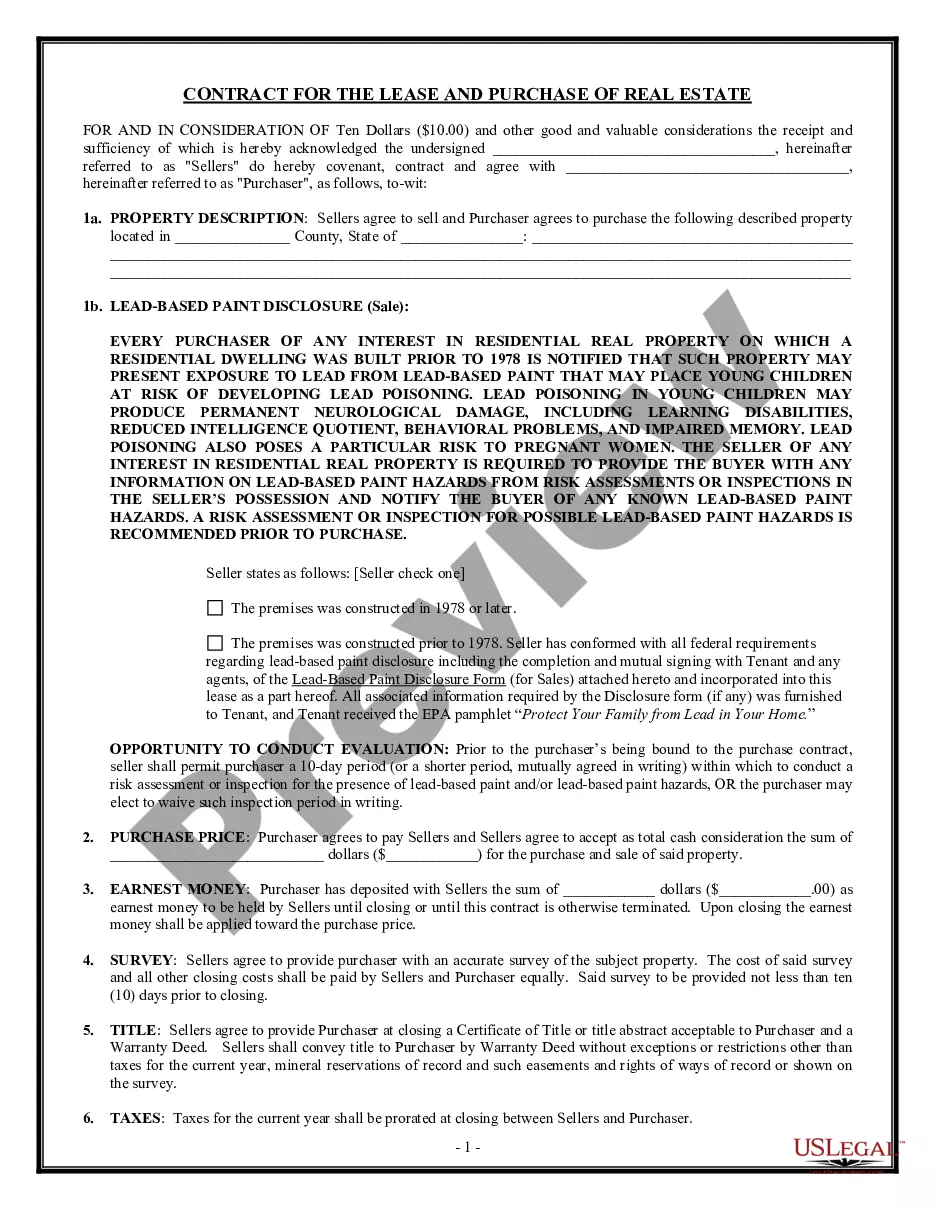
Get your form ready online
Our built-in tools help you complete, sign, share, and store your documents in one place.
Make edits, fill in missing information, and update formatting in US Legal Forms—just like you would in MS Word.
Download a copy, print it, send it by email, or mail it via USPS—whatever works best for your next step.
Sign and collect signatures with our SignNow integration. Send to multiple recipients, set reminders, and more. Go Premium to unlock E-Sign.
If this form requires notarization, complete it online through a secure video call—no need to meet a notary in person or wait for an appointment.
We protect your documents and personal data by following strict security and privacy standards.

Make edits, fill in missing information, and update formatting in US Legal Forms—just like you would in MS Word.

Download a copy, print it, send it by email, or mail it via USPS—whatever works best for your next step.

Sign and collect signatures with our SignNow integration. Send to multiple recipients, set reminders, and more. Go Premium to unlock E-Sign.

If this form requires notarization, complete it online through a secure video call—no need to meet a notary in person or wait for an appointment.

We protect your documents and personal data by following strict security and privacy standards.
Looking for another form?
How to fill out Arizona Lease With Option To Purchase - Lease Or Rent To Own?
- Begin by logging into your US Legal Forms account. If you’re a new user, create an account to get started.
- Use the search function to find the rent-to-own agreement template that matches your needs and complies with local regulations. Review the preview and description carefully.
- If necessary, search for alternative templates to ensure you have the right document. It's important to be thorough to avoid any inconsistencies.
- Select the 'Buy Now' option and choose a subscription plan that suits you. This will provide you access to an extensive library of over 85,000 legal forms.
- Complete your purchase by entering your payment information, whether through credit card or PayPal.
- Once your payment is confirmed, download the rent-to-own template directly to your device for immediate use.
By following these steps, you can effortlessly obtain your rent-to-own document and ensure that you are legally protected. US Legal Forms not only provides a robust collection of forms but also connects users with premium experts for assistance.
Don't hesitate; start your journey towards property ownership today by visiting US Legal Forms and accessing your rent-to-own documents now!
Form popularity
FAQ
One disadvantage of a rent-to-own transaction is the potential for inflated prices compared to traditional buying methods. Rent-to-own contracts sometimes lock you into terms that may not reflect current market values. Additionally, if you fail to meet payment terms, you risk losing both your investment and access to the property. It's crucial to analyze the entire deal before committing.
Rent-to-own offers a path to homeownership that many find appealing. It allows you to live in a property while gradually earning ownership rights. However, it’s crucial to review the terms carefully to ensure this arrangement meets your needs. Understanding your long-term goals will help you decide if rent-to-own is a good fit.
The best way to locate rent-to-own homes is to start with online listings, local real estate agents, and community boards. Consider joining local housing groups and forums where members share available properties. Networking with realtors who specialize in this type of arrangement can also expedite your search. For added convenience, check resources like US Legal Forms to help you navigate the rent-to-own landscape effectively.
Rent-to-own can be a beneficial option for individuals who want to buy a home but may not have the financial readiness to do so immediately. It allows you to build equity while living in the home, providing a unique path to ownership. However, it’s important to review your financial situation and long-term goals before committing. Consider using platforms like US Legal Forms to access resources that will help you understand your options.
Landlords may agree to a rent-to-own arrangement for various reasons, including ensuring consistent rental income while also having the potential for a sale. This arrangement can make their property more appealing to renters who might eventually buy. It also allows landlords to attract more tenants in a competitive housing market, benefiting everyone involved.
It is wise to be transparent with your landlord about your intention to buy the property. By doing so, you establish trust and potentially open a dialogue about rent-to-own terms. This honesty allows you both to discuss benefits and any possible concerns openly, fostering a positive relationship.
Yes, a landlord can back out of the rent-to-own agreement, especially if there are no legally binding contracts in place. However, most agreements involve specific terms that protect both parties’ interests. Review all documents carefully to understand your rights and consider using platforms like US Legal Forms to draft thorough contracts that clarify obligations.
Start by scheduling a conversation with your landlord to discuss the rent-to-own arrangement. Clearly explain your interest in transitioning from a rental situation to purchasing the property. Provide reasons why this option benefits both you and the landlord, such as securing a steady income for them while giving you a pathway to homeownership.