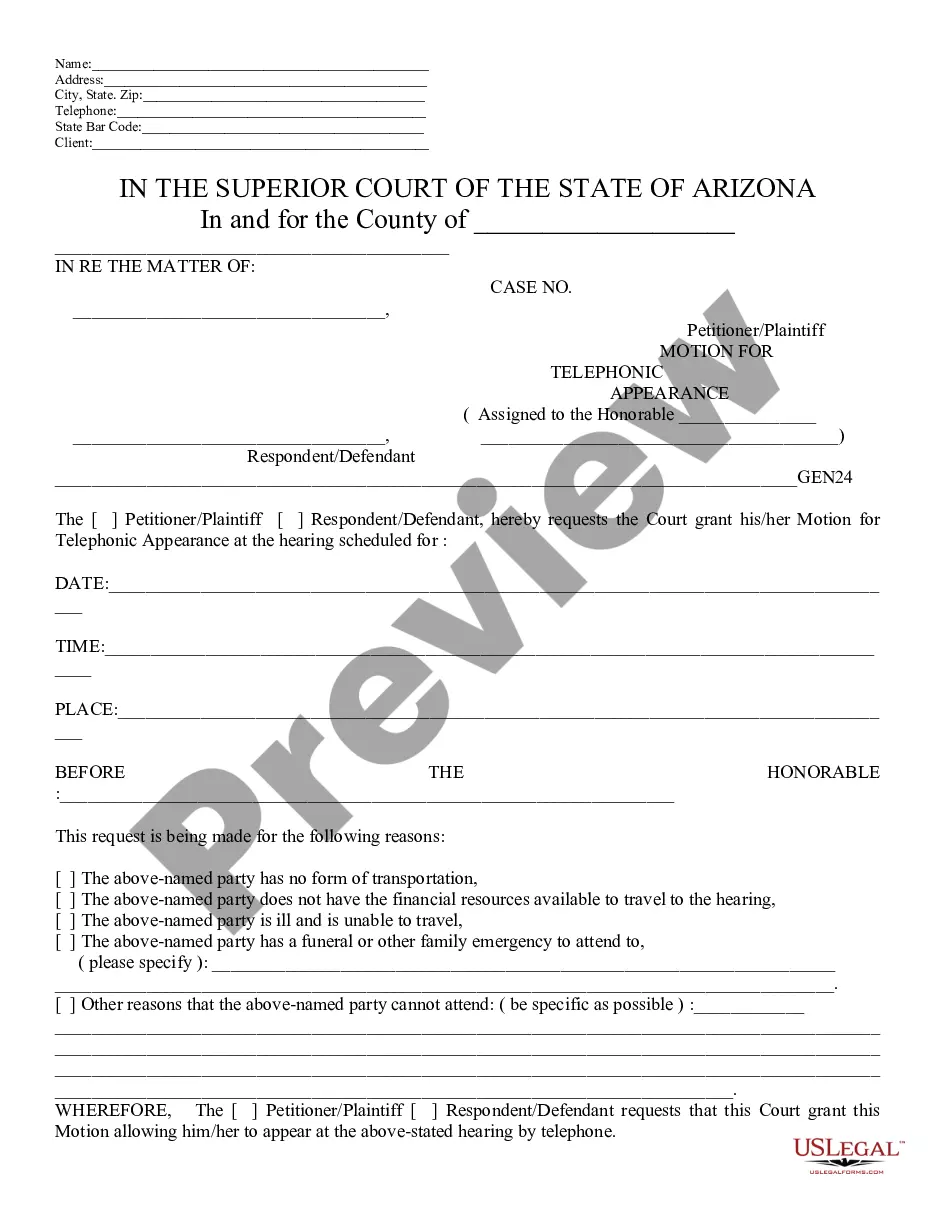
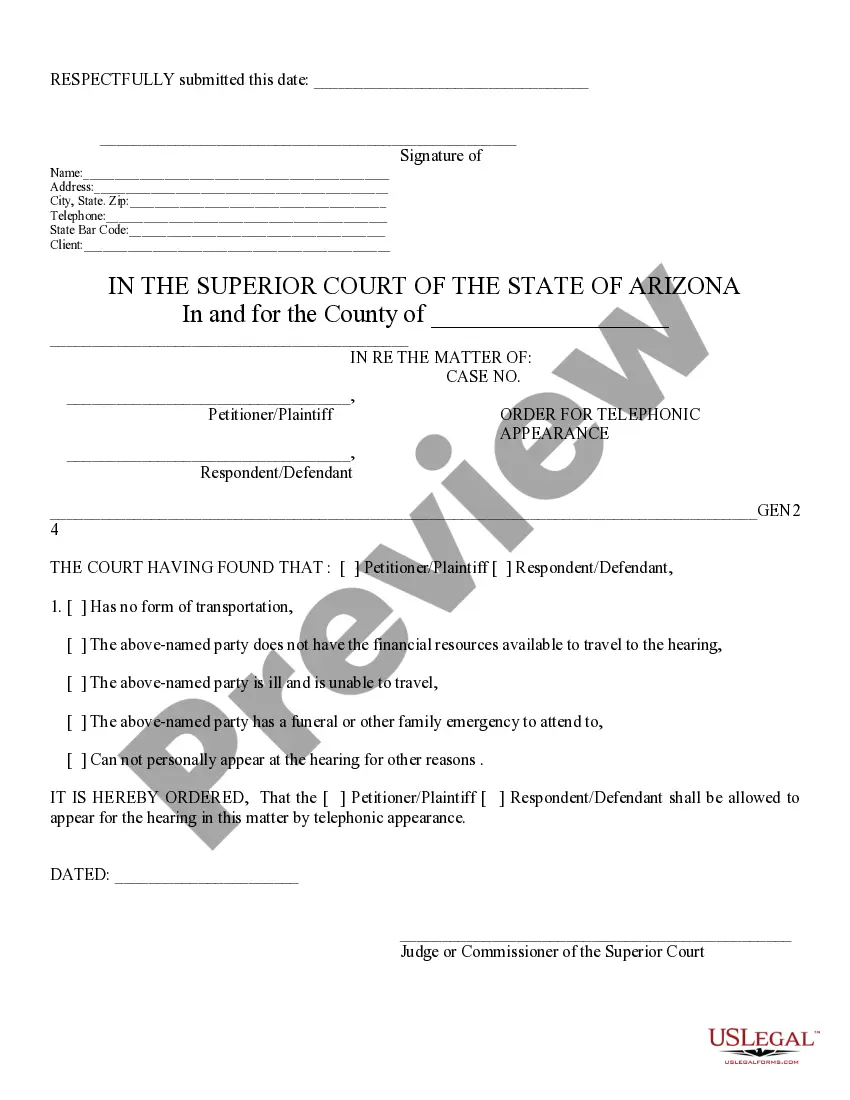
Motion For Telephonic Appearance Immigration Court Sample
Description
Get your form ready online
Our built-in tools help you complete, sign, share, and store your documents in one place.
Make edits, fill in missing information, and update formatting in US Legal Forms—just like you would in MS Word.
Download a copy, print it, send it by email, or mail it via USPS—whatever works best for your next step.
Sign and collect signatures with our SignNow integration. Send to multiple recipients, set reminders, and more. Go Premium to unlock E-Sign.
If this form requires notarization, complete it online through a secure video call—no need to meet a notary in person or wait for an appointment.
We protect your documents and personal data by following strict security and privacy standards.

Make edits, fill in missing information, and update formatting in US Legal Forms—just like you would in MS Word.

Download a copy, print it, send it by email, or mail it via USPS—whatever works best for your next step.

Sign and collect signatures with our SignNow integration. Send to multiple recipients, set reminders, and more. Go Premium to unlock E-Sign.

If this form requires notarization, complete it online through a secure video call—no need to meet a notary in person or wait for an appointment.

We protect your documents and personal data by following strict security and privacy standards.
Looking for another form?

Form popularity
FAQ
To file Form I-589, you need to complete the application for asylum and withholding of removal, ensuring it is filled accurately with supporting documents. Once completed, you must submit it to the appropriate immigration court addressing your case. Additionally, you can file a motion for telephonic appearance immigration court sample to facilitate your participation in hearings regarding your I-589 application.
Removal proceedings are legal actions taken to determine whether an individual should be removed from the United States due to immigration violations. These proceedings involve multiple hearings where individuals can present evidence, argue their case, and file motions such as a motion for telephonic appearance immigration court sample. Understanding these steps is vital for navigating the immigration system.
The removal process begins when the Department of Homeland Security issues a Notice to Appear in court. Various hearings follow, where the judge evaluates your case and decides whether to grant relief or order removal. You can utilize tools like a motion for telephonic appearance to ensure you can participate in hearings, enhancing your chances for a favorable outcome.
A motion in immigration court is a formal request asking the judge to make a specific ruling. This could relate to various matters, such as requesting permission to appear by phone. A motion for telephonic appearance immigration court sample can help ensure you participate in critical hearings even if you're unable to be physically present.
Removal proceedings refer to the legal process in which the government attempts to remove a person from the United States due to violations of immigration law. These proceedings involve various hearings where individuals can present their cases and file motions, such as a motion for telephonic appearance immigration court sample. Understanding these procedures can greatly influence the outcome of your case.
The duration to terminate removal proceedings can vary widely, often depending on the complexity of your case and court schedule. Typically, it can take several months to years. Utilizing supportive documents like a motion for telephonic appearance can expedite your ability to engage with the process while minimizing delays.
When you enter immigration court, expect a formal setting where a judge and other officials will review your case. You may hear testimonies, present evidence, and potentially file motions, such as a motion for telephonic appearance immigration court sample, to attend remotely. Being prepared with relevant documents and a clear understanding of your rights is crucial for a successful outcome.
The stages of immigration court generally include the initial hearing, where the judge reviews the case, the trial phase, where evidence and testimonies are presented, and the final decision phase, where the judge issues a ruling. At each stage, individuals can file motions, including a motion for telephonic appearance in immigration court. This option can help you participate in hearings without being physically present, adding convenience and accessibility.