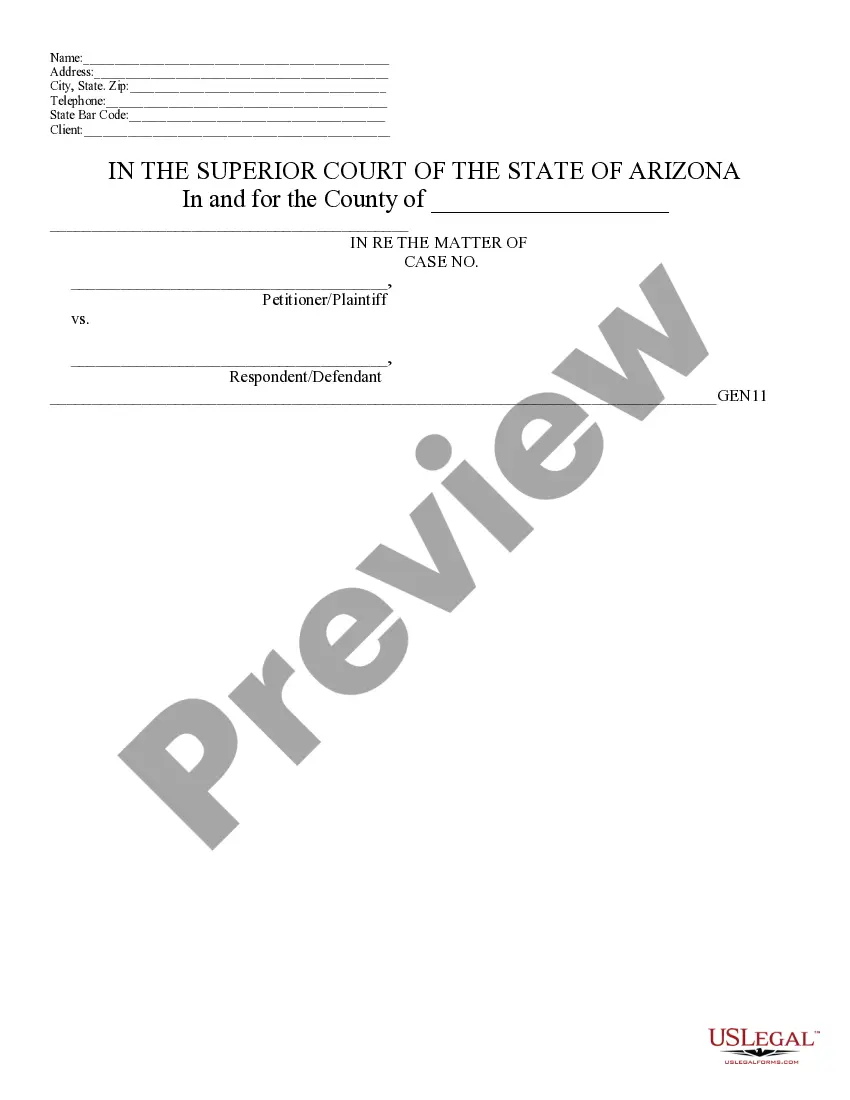
Arizona Superior Court Forms For Custody
Description
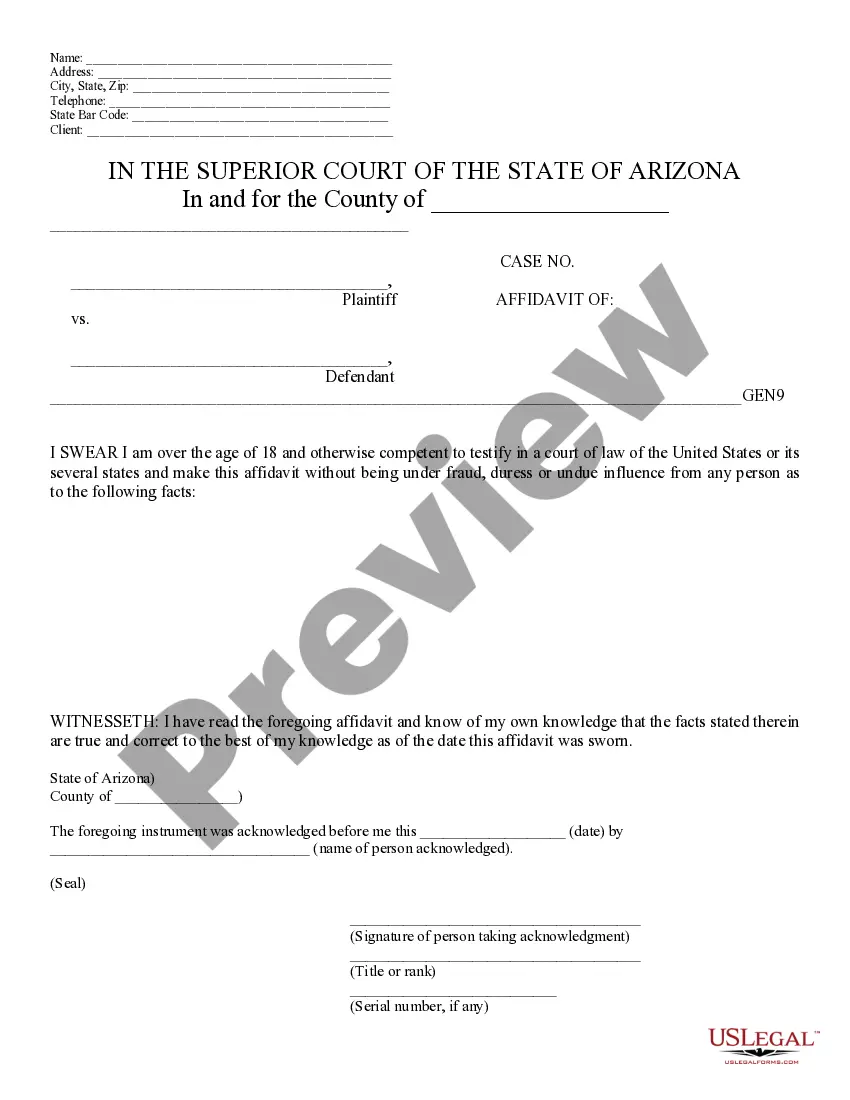
Get your form ready online
Our built-in tools help you complete, sign, share, and store your documents in one place.
Make edits, fill in missing information, and update formatting in US Legal Forms—just like you would in MS Word.
Download a copy, print it, send it by email, or mail it via USPS—whatever works best for your next step.
Sign and collect signatures with our SignNow integration. Send to multiple recipients, set reminders, and more. Go Premium to unlock E-Sign.
If this form requires notarization, complete it online through a secure video call—no need to meet a notary in person or wait for an appointment.
We protect your documents and personal data by following strict security and privacy standards.

Make edits, fill in missing information, and update formatting in US Legal Forms—just like you would in MS Word.

Download a copy, print it, send it by email, or mail it via USPS—whatever works best for your next step.

Sign and collect signatures with our SignNow integration. Send to multiple recipients, set reminders, and more. Go Premium to unlock E-Sign.

If this form requires notarization, complete it online through a secure video call—no need to meet a notary in person or wait for an appointment.

We protect your documents and personal data by following strict security and privacy standards.
Looking for another form?








How to fill out Arizona Superior Court Blank?
Drafting legal paperwork from scratch can sometimes be a little overwhelming. Some cases might involve hours of research and hundreds of dollars spent. If you’re searching for an easier and more affordable way of preparing Arizona Superior Court Forms For Custody or any other documents without the need of jumping through hoops, US Legal Forms is always at your disposal.
Our virtual catalog of over 85,000 up-to-date legal documents addresses almost every element of your financial, legal, and personal matters. With just a few clicks, you can quickly get state- and county-compliant forms carefully prepared for you by our legal professionals.
Use our platform whenever you need a trusted and reliable services through which you can quickly locate and download the Arizona Superior Court Forms For Custody. If you’re not new to our services and have previously set up an account with us, simply log in to your account, select the form and download it away or re-download it anytime later in the My Forms tab.
Not registered yet? No problem. It takes minutes to set it up and explore the library. But before jumping straight to downloading Arizona Superior Court Forms For Custody, follow these recommendations:
- Review the form preview and descriptions to ensure that you have found the document you are looking for.
- Check if form you select conforms with the requirements of your state and county.
- Choose the right subscription option to get the Arizona Superior Court Forms For Custody.
- Download the form. Then fill out, certify, and print it out.
US Legal Forms boasts a spotless reputation and over 25 years of expertise. Join us today and turn document execution into something simple and streamlined!
Form popularity
FAQ
Filing fees vary depending on your case. Expect to pay between $100 and $200 when you file. Your county may have additional costs, including fees for motions (e.g., a request for temporary orders), notary services and copying forms. If you can't afford the fees, you may be eligible for a deferral or waiver.
Go to the Clerk of Superior Court and ask to file a ?Petition to Establish Legal Decision-Making (legal custody), Parenting Time and Child Support.? They will give you a packet of forms which you need to fill out. (This packet is also downloadable online.) File your completed paperwork and pay the required filing fees.
To modify any type of legal decision-making or parenting time order a person shall submit an affidavit or verified petition setting forth detailed facts supporting the requested modification and shall give notice, together with a copy of the affidavit or verified petition, to other parties to the proceeding, who may ...
How to win a child relocation case in Arizona. The party petitioning for relocation should detail reasons why the move is necessary, explaining the benefits that the new home offers to the child and the ways they will support the other party's visitation rights in view of the changed living situation.
There are two types of custody recognized by Arizona courts: legal custody and physical custody. Legal custody refers to the right of a parent or guardian to make major life decisions, such as schooling and religious upbringing. Physical custody refers to the decision of which parent or guardian the child lives with.